Feline Viral Infections: How to Safely Introduce a New Cat
😊 Introducing a new cat? PetCareWorld guides you through crucial feline virus prevention steps, ensuring a smooth and healthy transition for both…
Read article
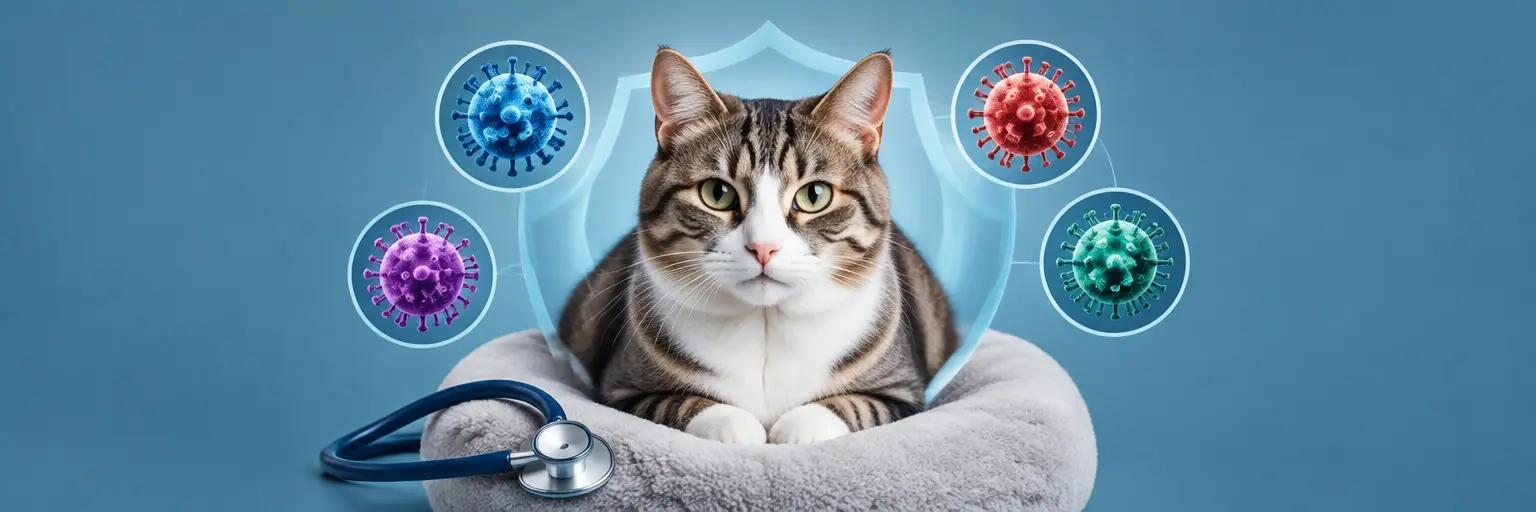
Feline viral diseases are among the most common and potentially serious health threats your cat can face, and understanding them is the first step toward effective prevention and care. From highly contagious respiratory infections like feline herpesvirus and calicivirus to life-threatening conditions such as feline leukemia virus (FeLV) and feline immunodeficiency virus (FIV), these pathogens can spread quickly in multi-cat households or outdoor environments. Early detection and vaccination are your strongest defenses, as symptoms often mimic a common cold—sneezing, nasal discharge, and watery eyes—but can rapidly progress to more severe complications like pneumonia, oral ulcers, or chronic immune suppression. Knowing how these viruses transmit, whether through direct contact, shared food bowls, or even grooming, empowers you to create a safer home environment and recognize warning signs before they escalate. This comprehensive guide covers the core viral threats, their clinical signs, diagnostic approaches, and actionable prevention strategies, including core vaccination schedules and biosecurity tips.

😊 Introducing a new cat? PetCareWorld guides you through crucial feline virus prevention steps, ensuring a smooth and healthy transition for both…
Read article
😊 Protect your feline companion from feline leukemia virus (FeLV). PetCareWorld offers expert advice on FeLV risks and crucial cat leukemia virus…
Read article
😊 Protect your kitten from devastating viral diseases! PetCareWorld's expert guide offers crucial preventative measures and vital information for ensuring your young…
Read article
😊 PetCareWorld reveals how to spot and treat feline calicivirus oral ulcers in cats. Learn to identify symptoms and explore effective cat…
Read articleWelcome to PetCareWorld's dedicated resource on common cat illnesses, specifically focusing on feline viral diseases. This subcategory is your trusted companion for navigating the complex world of viral infections that can affect your feline friend. From highly contagious respiratory viruses to chronic lifelong conditions, we break down symptoms, transmission routes, prevention strategies, and treatment options in plain, expert-reviewed language. Whether you're a new kitten parent or a seasoned cat owner, this section provides actionable insights to protect your pet's health and ensure early intervention when it matters most.
Feline Viral Rhinotracheitis (FVR), Calicivirus, and Panleukopenia are the three most common viral threats, often combined in the FVRCP vaccine. FVR, caused by feline herpesvirus type 1, leads to severe upper respiratory symptoms, eye ulcers, and sneezing. Calicivirus causes oral ulcers, limping syndrome, and pneumonia, while Panleukopenia—a parvovirus—attacks rapidly dividing cells, causing life-threatening gastrointestinal distress and immune suppression. Understanding these core pathogens is essential because they are highly contagious and can survive in the environment for months without proper disinfection.
Early recognition of symptoms like nasal discharge, fever, loss of appetite, and lethargy is critical. While adult cats with strong immunity may recover with supportive care, kittens and unvaccinated seniors face high mortality rates, especially with Panleukopenia. At PetCareWorld, we emphasize that vaccination remains your first line of defense, but hygiene—including quarantine of new cats and thorough cleaning with bleach-based products—is equally vital to prevent household outbreaks. Always consult your vet for a definitive diagnosis via PCR testing or blood work.
FIV and FeLV are retroviruses that gradually weaken a cat's immune system, making them vulnerable to opportunistic infections. FIV is typically transmitted through deep bite wounds during fighting, leading to progressive immune dysfunction without an initial dramatic illness. FeLV spreads via saliva, nasal secretions, and even through mutual grooming, causing anemia, lymphoma, and secondary infections. Both are chronic conditions with no cure, but early detection dramatically improves quality of life through targeted management.
For FIV-positive cats, many live long, comfortable lives with indoor confinement, balanced nutrition, and prompt treatment of secondary issues. FeLV, however, has a median survival of 2-3 years after diagnosis, though some cats live longer with aggressive supportive care. Regular testing of new cats, especially those with outdoor access or unknown history, is non-negotiable. At PetCareWorld, we provide detailed protocols for managing these conditions, including immune-supportive supplements, stress reduction, and routine bloodwork. Vaccines exist for FeLV, but none for FIV—so prevention through neutering and limiting outdoor roaming is your best strategy.
Feline Infectious Peritonitis (FIP) is caused by a mutated feline coronavirus, typically affecting kittens and young adults. It manifests in two forms: "wet" FIP with fluid accumulation in the abdomen or chest, and "dry" FIP with granulomas in organs. Previously considered universally fatal, recent advances using GS-441524 and remdesivir analogs have shown remarkable cure rates when started early, though treatment remains expensive and may not be accessible everywhere. Feline herpesvirus, meanwhile, lies dormant after initial infection and reactivates during stress, causing recurrent
Eye inflammation, sneezing, and nasal congestion. Managing herpesvirus involves environmental enrichment, minimizing stressors, and supplementing with L-lysine to inhibit viral replication. For FIP, immediate veterinary referral is crucial—do not attempt home treatment without professional guidance. Our site offers a comparative table of clinical signs between wet and dry FIP, plus guidance on sourcing legitimate treatment providers. Remember, routine coronavirus infection is common and mild, but stress or concurrent disease can trigger the dangerous mutation, so always prioritize your cat's overall well-being.
Vaccination is the cornerstone of feline viral disease prevention. The core FVRCP vaccine protects against rhinotracheitis, calicivirus, and panleukopenia, while FeLV vaccination is recommended for at-risk cats. Kittens require a series of shots starting at 6-8 weeks, with boosters every 3-4 weeks until 16 weeks, then a 1-year booster, followed by revaccination every 1-3 years based on risk factors. Vaccines do not cause the diseases they prevent when given correctly, but they can fail if the cat is already incubating an infection or has compromised immunity.
Biosecurity extends beyond vaccinations: isolate new cats for at least 10-14 days, wash hands thoroughly between handling cats from different households, and disinfect surfaces with accelerated hydrogen peroxide or bleach diluted 1:32. Indoor-only cats have dramatically lower viral exposure, but no cat is completely risk-free—especially with fomites like clothing or shared litter scoops. Our vaccine schedule calculator helps you customize timelines, and we explain titer testing options to avoid unnecessary boosters for low-risk indoor cats. Always discuss lifestyle-specific recommendations with your veterinarian, because one-size-fits-all protocols are not ideal for every feline.
Viral diseases often present with overlapping signs, but certain red flags demand immediate veterinary attention. Sudden lethargy, high fever (over 103.5°F), refusal to eat for more than 24 hours, labored breathing, jaundice (yellow gums or skin), or seizures are non-negotiable emergencies. For respiratory viruses, check for open-mouth breathing, blue-tinted tongue, or severe eye ulcers. For FIP, watch for a distended abdomen that feels fluid-filled or unexplained weight loss despite a good appetite. Early hospitalization with IV fluids, oxygen therapy, and antiviral support can be lifesaving.
Do not attempt to diagnose at home solely from internet research—viral diseases mimic bacterial infections, toxins, and even cancer. However, being observant helps you provide your vet with a detailed history: onset of symptoms, vaccination status, recent stress or exposure to new animals, and any changes in appetite or litter box habits. Keeping a symptom diary for 48 hours prior to a vet visit can highlight patterns (e.g., sneezing after opening windows). At PetCareWorld, we offer printable symptom checklists and a guide to what urgent telehealth can handle versus when you must visit an ER clinic.
Most feline viruses are species-specific. FVR, calicivirus, panleukopenia, FIV, FeLV, and FIP do not infect humans or dogs. However, you can act as a mechanical vector, carrying viral particles on your hands or clothing to another cat. Practice good hygiene, especially if you handle multiple cats, to prevent cross-contamination between your own pets or at boarding facilities.
Feline coronavirus itself has no specific antiviral treatment, and most cats clear it naturally with mild or no symptoms. However, when the virus mutates into FIP, newer antiviral drugs like GS-441524 can cure a significant percentage of cats, especially with early diagnosis. The cure is not yet universally approved by all drug agencies, but many specialized vets offer compounded versions under legal frameworks.
Panleukopenia virus (parvovirus) can survive for months to years indoors, resisting many common disinfectants. Feline herpesvirus is fragile and survives only 18-24 hours on dry surfaces, but calicivirus can last up to a week. FIV and FeLV die quickly outside a host. Use bleach-based cleansers (1:32 dilution) or accelerated hydrogen peroxide products, and thoroughly air out rooms after disinfecting.
Vaccines significantly reduce severity and infection rates but are not 100% effective. Breakthrough infections can occur, particularly with FVR and calicivirus, due to high viral load, new strains, or waning immunity. However, vaccinated cats typically experience milder symptoms, rarely need hospitalization, and have much lower mortality compared to unvaccinated cats. Regular boosters and minimizing stress are your best protection.
Offer highly palatable, aromatic, and energy-dense foods like warmed canned food, chicken baby food (without onion or garlic), or veterinary recovery diets. If your cat has oral ulcers from calicivirus, use soft or blended foods to avoid pain. Always ensure fresh water; consider adding low-sodium broth to increase intake. Do not force-feed—seek appetite stimulants or feeding tubes if your cat refuses food for more than 24-48 hours.







