Feline Diabetes: A Complete Guide for Cat Owners
Feline diabetes is a common, manageable hormonal disorder that affects how your cat’s body uses glucose for energy. This subcategory at PetCareWorld is your go-to resource for understanding everything from early warning signs and diagnosis to daily insulin management, dietary adjustments, and long-term monitoring. Whether you’re facing a new diagnosis or seeking advanced care strategies, these articles are crafted to help you confidently navigate your cat’s health journey and improve their quality of life.
🩺 Recognizing Symptoms and Getting a Diagnosis
Early detection of feline diabetes can prevent severe complications like diabetic ketoacidosis. You’ll learn to spot subtle signs—excessive thirst, frequent urination, increased appetite with weight loss, and lethargy. Our guides explain how veterinarians confirm the condition through blood tests (fructosamine, glucose curves) and urinalysis, ensuring you know what to expect during your clinic visit. Prompt diagnosis is critical for reversing some beta-cell damage.
Understanding the diagnostic process helps you ask the right questions and interpret test results accurately. We break down the difference between uncomplicated diabetes and insulin resistance, plus secondary causes (e.g., pancreatitis, steroid use). Since stress can spike blood glucose, our articles provide tips for getting reliable samples at home. You’ll leave feeling prepared to collaborate with your vet and avoid costly misdiagnoses, giving your cat a head start on therapy.
💉 Insulin Therapy and Injection Techniques
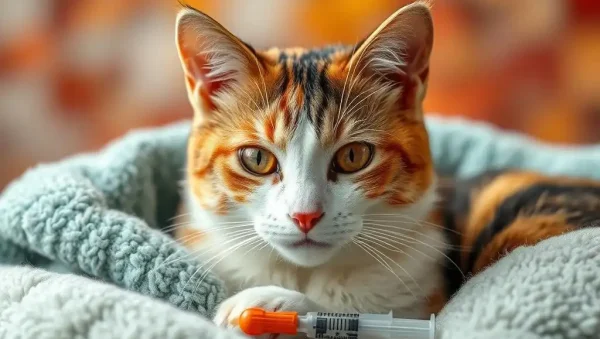
Managing feline diabetes almost always involves daily insulin injections, and our step-by-step visual guides remove the fear of needles. You’ll master proper syringe handling, choose the right insulin type (glargine, detemir, or porcine lente), and learn rotation protocols for subcutaneous sites. Consistent timing and dosage are essential, so we provide printable charting tools and watch-out tips for missed doses or vomiting.
Beyond basics, we cover how to adjust doses based on home glucose monitoring, including curves with portable glucometers or continuous monitors. Recognize the signs of hypoglycemia (weakness, tremors, seizures) and keep emergency glucose syrup handy. Real-life case studies show how owners fine-tune insulin as their cat’s remission status changes. With our expert advice, injections become a simple routine that keeps your feline stable and energetic.
🥗 Diet and Weight Management Strategies
Nutrition is the cornerstone of feline diabetes care. A low-carbohydrate, high-protein canned diet can significantly reduce insulin needs and even lead to remission in some cats. We compare commercial diabetic diets, raw options, and homemade recipes, explaining how to transition gradually while monitoring glucose. Portion control and feeding schedules—timed with insulin peaks—stabilize blood sugar spikes after meals.
Obesity worsens insulin resistance, so our weight-loss plans are tailored for diabetic cats, using body condition scoring and metabolic rate calculations. We debunk myths about grain-free vs. grain-inclusive foods and highlight which nutrients support pancreatic health. You’ll also discover treat-safe options and how to handle finicky eaters. With a structured meal plan, many cats achieve better glycemic control and live longer, happier lives.
🏠 Home Monitoring and Daily Care Routines
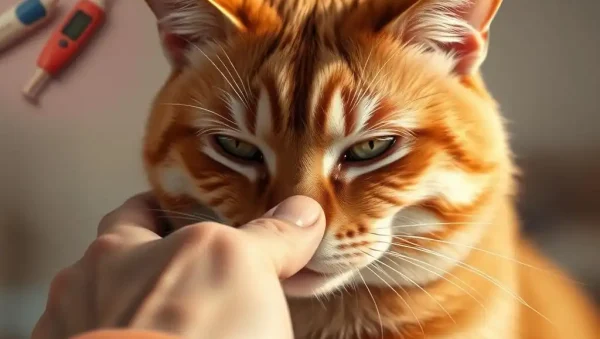
Successful diabetes management happens at home, so we equip you with practical monitoring techniques. Learn to perform blood glucose curves using ear or paw prick methods, interpret ketone strips, and maintain a daily log of insulin dose, appetite, and weight. Consistent record-keeping helps your vet make precise adjustments and catch problems early. We also cover dental care, hygiene, and combing routines that reduce infection risks.
Beyond glucose, our guides address lifestyle changes: exercise without exhausting the cat, stress reduction (as cortisol raises glucose), and environmental enrichment. We troubleshoot common hurdles like insulin refusals, skin reactions, and travel planning. Additionally, we explain when to call the vet for urgent concerns—persistent vomiting, breathing changes, or extreme weakness. A structured daily checklist ensures you never miss a crucial step, giving you peace of mind and your cat a seamless routine.
🧬 Complications, Remission, and Long-Term Outlook
Diabetes doesn’t have to shorten your cat’s life, but unmanaged cases may lead to neuropathy or kidney disease. We explore how to prevent diabetic neuropathy (weak hind legs) with antioxidants like methylcobalamin, plus monitor for cataracts and infections. Remission—especially with early, aggressive insulin therapy—is achievable in 30-50% of cats; we show you how to taper insulin when glucose normalizes.
Long-term care involves annual wellness checks, fructosamine measurements, and adjusting treatment for age-related changes. We discuss the emotional toll on owners and offer support networks, plus financial planning options for ongoing supplies. Our prognosis articles are optimistic yet realistic, sharing success stories of cats thriving for years post-diagnosis. With proactive management, most diabetic cats enjoy excellent quality of life, and our resources empower you to be their best advocate.
Frequently Asked Questions
Can feline diabetes be cured permanently?
Yes, feline diabetes can go into remission, especially when caught early and treated aggressively with insulin and a low-carb diet. Remission means your cat no longer requires insulin injections for normal glucose levels. However, permanent cure is not guaranteed; many cats need lifelong management. Regular monitoring gives you the best chance of remission, often within 3-6 months of diagnosis.
How often does my diabetic cat need insulin shots?
Most diabetic cats require insulin injections twice daily, ideally 12 hours apart, to mimic natural insulin release. Some cats on special protocols may need once-daily shots, but twice-daily offers more stable glucose control. Your vet will prescribe the exact frequency based on glucose curves and your cat’s response. Never skip doses; even a single missed injection can cause dangerous hyperglycemia.
What are the first signs of feline diabetes I should watch for?
Classic early signs include increased thirst and urination (polyuria/polydipsia), increased appetite without weight gain, and eventually weight loss. Lethargy, a dull coat, and weakness in the hind legs (plantigrade stance) can also appear. If you notice these symptoms, request a blood glucose test immediately. Early detection simplifies treatment and improves remission odds significantly.
Can I manage my cat’s diabetes without insulin?
For most cats, insulin is essential, especially at diagnosis. Oral medications like glipizide are rarely effective long-term and can strain the pancreas. Some very mild cases with pre-diabetes may improve with diet and weight loss alone, but that’s uncommon. Always follow your vet’s advice; attempting to skip insulin may lead to ketoacidosis, a life-threatening emergency.
Is home blood glucose testing worth the effort?
Absolutely. Home testing lets you track glucose trends accurately without stress of clinic visits, allowing finer insulin adjustments and preventing hypoglycemia. It takes practice, but many owners find ear or paw pricks simple within a week. This data helps your vet fine-tune doses, reducing risk of complications and potentially helping your cat achieve remission faster.