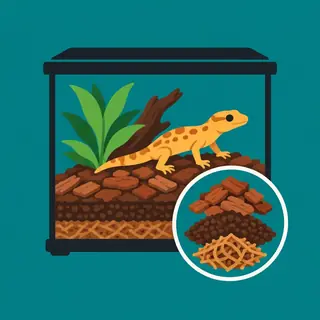
How to Clean and Maintain Your Reptile Water Bowl for a Healthy Pet
😊 Keeping your reptile's water bowl pristine is crucial for their health. Learn how to clean reptile water bowls properly on PetCareWorld,…
Read article
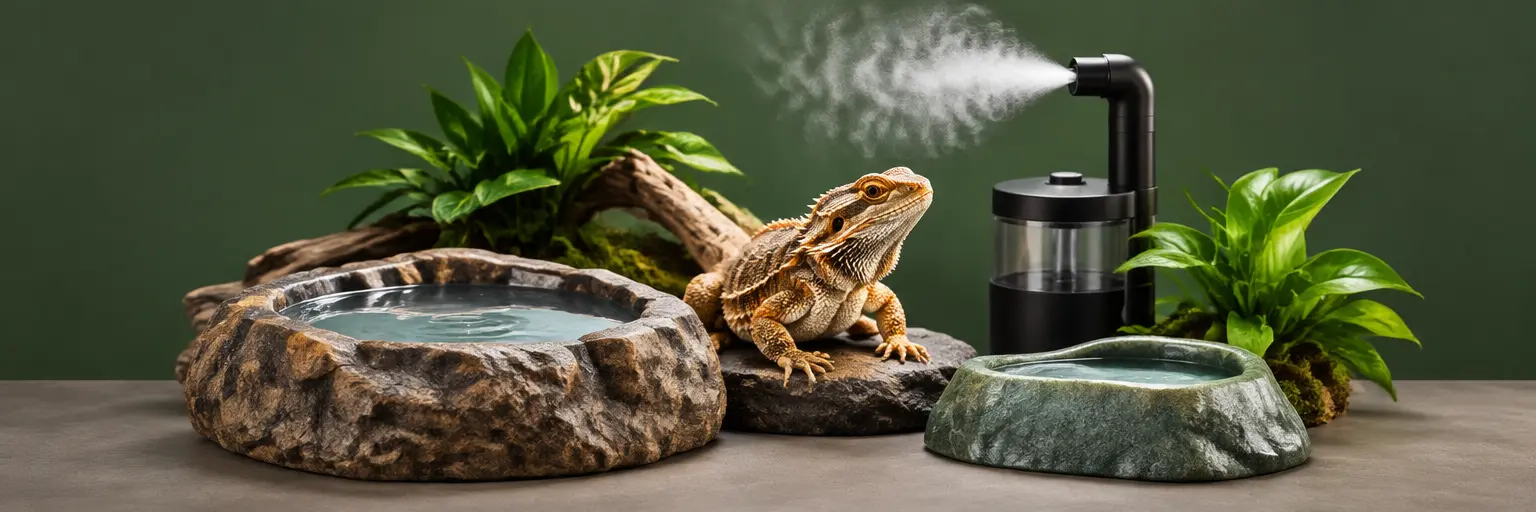
Discover the ultimate hydration solutions for your scaly companions with our expertly curated selection of the best reptile water bowls and misters. Whether you own a desert-dwelling bearded dragon, a tropical gecko, or a semi-aquatic turtle, maintaining optimal humidity and clean water access is vital for their health, shedding, and overall vitality. Our top picks feature durable, easy-to-clean ceramic and resin bowls that resist tipping and bacterial growth, alongside advanced misting systems that replicate natural rainfall, perfect for species requiring elevated moisture levels. From automatic misters with programmable timers to cascade-style water dishes that encourage natural drinking behavior, we’ve tested and reviewed products that balance functionality, safety, and ease of use. Avoid common pitfalls like stagnant water or overly shallow bowls—our guide highlights size-appropriate options, non-porous materials, and splash-proof designs that minimize mess. Plus, discover pro tips on positioning, cleaning schedules, and integrating misters with your enclosure’s substrate and ventilation.
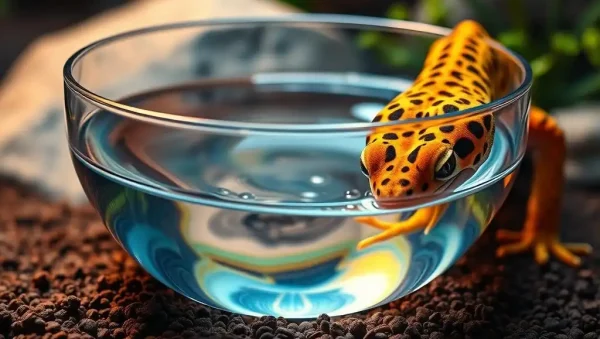
😊 Keeping your reptile's water bowl pristine is crucial for their health. Learn how to clean reptile water bowls properly on PetCareWorld,…
Read article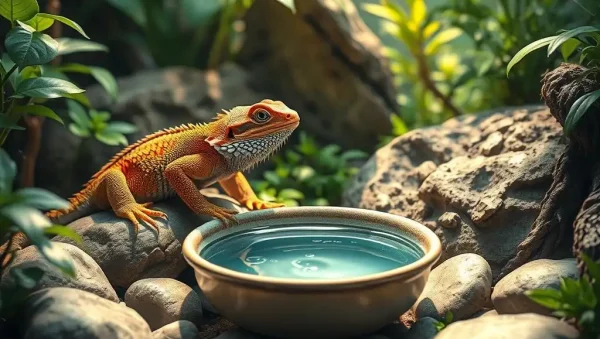
🤔 Ensure your reptile stays hydrated! PetCareWorld reveals the secrets to best reptile water bowl placement, maximizing accessibility and minimizing spills for…
Read articleProper hydration is the cornerstone of reptile health, yet it's often overlooked by new keepers. Whether you care for a desert-dwelling bearded dragon or a tropical tree frog, the right water bowl and misting system can prevent shedding issues, respiratory infections, and dehydration. At PetCareWorld, we’ve curated the top picks for reptile water bowls and misters, focusing on durability, ease of cleaning, and species-specific needs. This guide will help you choose the perfect hydration setup to mimic your pet’s natural environment, ensuring they thrive in captivity.
Reptiles are notorious for tipping over flimsy dishes, creating a soggy mess and risking bacterial growth. The best water bowls are heavy, shallow, and made from non-porous materials like ceramic, stone, or food-grade resin. These materials prevent sharp edges that can injure your pet and resist scratches that harbor harmful microbes. For larger species like iguanas or monitor lizards, look for bowls with a wide base and low profile to allow easy access without splashing.
When selecting a bowl, consider your reptile's bathing habits. Many reptiles prefer to soak; therefore, a bowl that is large enough for full-body immersion but not too deep to risk drowning is ideal. Our top picks include the Exo Terra Stone Water Dish and the Fluker's Repta Bowl—both are weighted, easy to disinfect, and available in multiple sizes. Additionally, ramped bowls are excellent for turtles or semi-aquatic species, providing a safe entry and exit point. Always choose a bowl that is dishwasher-safe for convenient weekly deep cleaning.
Maintaining optimal humidity is critical for reptiles that shed poorly or originate from rainforest climates, such as chameleons, crested geckos, and green tree pythons. An automatic misting system delivers consistent, fine water droplets multiple times a day, simulating natural rainfall. Unlike manual spraying, these systems ensure your pet stays hydrated even when you’re at work or on vacation. Look for models with adjustable nozzles, timers, and pressure settings to customize the mist intensity for your specific terrarium size.
The best systems on the market, like the MistKing Starter Misting System or the Zoo Med ReptiRain, use high-quality pumps that can handle continuous duty cycles. They connect to standard water reservoirs and come with tubing that can be routed through canopy tops or side vents. For smaller enclosures, a compact single-nozzle mister is more than sufficient. When installing, ensure the mist does not directly saturate the substrate, which can cause scale rot. Instead, aim nozzles at foliage or décor to create a gentle, evaporative humidity gradient. Regular cleaning of nozzles with vinegar prevents mineral buildup and clogging.
Reptile water sources are prime breeding grounds for Salmonella and other pathogens, especially in warm terrarium environments. The most hygienic water bowls are those with smooth, seamless surfaces that don't hold onto biofilm. Avoid wood or unsealed clay, which are porous and impossible to sterilize properly. Instead, opt for glazed ceramic or medical-grade acrylic that can be washed with hot water and a reptile-safe disinfectant, then thoroughly rinsed to remove any chemical residue.
For misting systems, the reservoir bottle should also be emptied and cleaned weekly. Stagnant water in the pump lines can support mold growth, which aerosolizes into the tank. Consider models with clear reservoirs so you can easily spot algae or debris. Dishes with suction cups or magnetic mounts are excellent for arboreal species, keeping the bowl off the substrate and away from fecal contamination. A dual-bowl system is also smart: one for drinking, one for soaking, reducing cross-contamination. Remember to change water daily, even if it looks clean, as invisible toxins can accumulate quickly.
No single bowl or mister fits all reptiles. For desert-dwelling species like bearded dragons and uromastyx, a shallow, wide water dish promotes drinking without raising humidity to dangerous levels. These reptiles get most of their moisture from food, so the bowl is a backup. In contrast, tropical species require high ambient humidity (60-80%), often necessitating a misting system that runs for 30-60 seconds several times daily. For these, a hygrometer is essential to monitor levels and adjust misting frequency.
Aquatic and semi-aquatic reptiles (e.g., mud turtles, newts) need a larger water area with a filtration system; however, they still benefit from a shallow, stable bowl for easier access to clean water separate from their swimming area. For burrowing species like Kenyan sand boas, a low-profile, heavy dish prevents substrate from being pushed into the water. Our guide always emphasizes matching the hydration tool to your pet’s natural behaviors. For example, chameleons won’t drink from standing water, so a drip system or a misting system that creates water droplets on leaves is mandatory, not optional.
Modern hydration tools now include smart technology that simplifies keepers' lives. Look for misters with WiFi connectivity or digital timers that allow you to program multiple misting cycles per day, adjusting for seasonal changes in ambient humidity. Some advanced bowls have built-in thermometers or floating indicators to alert you when temperatures are too high. While not essential, these features significantly reduce the margin of error for novice keepers.
Accessories like check valves and pressure regulators are crucial for misting systems to prevent backflow and ensure consistent pressure. Quick-connect fittings allow easy disassembly for cleaning, while mounting brackets enable secure placement on glass terrariums. For bowls, non-slip silicone pads underneath prevent sliding when your reptile climbs over the rim. Consider adding a water dechlorinator drop to neutralize chlorine and chloramine, making tap water safe for sensitive species like poison dart frogs. These small investments extend the lifespan of your equipment and safeguard your pet’s long-term health.
You should remove and scrub the water bowl with hot soapy water at least every other day, using a reptile-safe disinfectant once a week. If your reptile defecates in the water, clean immediately. Always rinse thoroughly to avoid leaving any soapy residue, which can be harmful if ingested.
Yes, but you need a fine mist nozzle with a low flow rate to avoid flooding a small enclosure. Many systems allow you to adjust pressure. For tanks under 20 gallons, a hand spray bottle might be more practical, but an automatic single-nozzle mister with a timer offers better consistency.
Chameleons do not recognize standing water. You must use a drip system or a misting system that deposits large droplets on leaves. Position the nozzle so water drips onto foliage, and your chameleon will lap it up. Avoid placing a bowl as it can lead to dehydration.
Ceramic is safe for most reptiles as long as it has a smooth, glazed finish without cracks. However, for very heavy species like large tortoises, a thick stoneware bowl is better to prevent chipping. Avoid unpainted ceramic that may contain lead in the glaze; always choose food-grade or pet-approved brands.
Clogging is usually caused by mineral deposits from hard water. Use distilled or reverse-osmosis water to prevent scale buildup. Soak the nozzles in white vinegar for 30 minutes monthly to dissolve any hardened minerals, and replace the inline filter as recommended by the manufacturer.