Beyond Dowel Rods: Choosing the Right Perch to Prevent Bird Foot Problems
😊 Prevent painful bird foot problems by choosing the right perch! This guide helps you select the best bird perch for foot…
Read article

Discover the top bird perches for foot health that keep your feathered friend’s feet strong, comfortable, and free from pressure sores. 🐦 In this guide, we highlight veterinarian-recommended perches in natural wood, rope, and textured materials, each designed to promote proper grip, exercise, and even wear down nails naturally. From dowel-free alternatives that mimic wild branches to thermal and grooming perches that soothe joints and prevent bumblefoot, we break down the best options for parrots, cockatiels, and budgies. Whether you’re a new bird parent or a seasoned avian enthusiast, these picks reduce foot fatigue and enhance overall well-being. Learn which perch sizes, textures, and diameters match your bird’s species and cage setup, plus easy cleaning tips to maintain hygiene. Elevate your pet’s perch game with these science-backed, durable, and safe solutions—because happy feet mean a happier, healthier bird. 🦜✨

😊 Prevent painful bird foot problems by choosing the right perch! This guide helps you select the best bird perch for foot…
Read article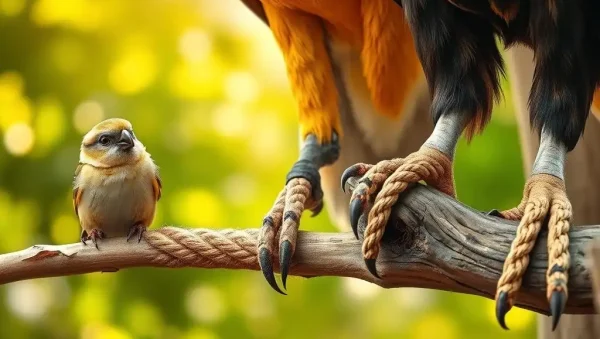
🐦 Ensure your feathered friend's foot health with the right perch! PetCareWorld guides you through selecting perches ideal for different bird species,…
Read articleAt PetCareWorld, we understand that your bird’s perch is more than just a place to rest—it’s the foundation of daily activity, exercise, and overall well-being. In this subcategory, we dive deep into the best bird perches designed to prevent foot problems like bumblefoot, arthritis, and pressure sores. From natural wood branches to specialized textured perches, we’ll guide you through products that promote healthy gripping, nail trimming, and joint mobility. Whether you own a budgie, cockatiel, or a large macaw, choosing the right perch can transform your pet’s quality of life, making every hop and climb a step toward better health.
Natural wood perches are the gold standard for mimicking a bird’s wild environment. Unlike uniform dowels, these perches feature varying diameters, bark textures, and slight curves that encourage your bird to constantly shift its grip. This natural variability strengthens foot muscles, improves circulation, and prevents the repetitive pressure that leads to arthritis. We highlight top picks like manzanita, eucalyptus, and dragonwood, which are durable, non-toxic, and free from sharp edges. Many of these perches also come with safe, oven-dried finishes that resist cracking, ensuring long-term safety for chewing and climbing.
When selecting a natural wood perch, consider the species and cage size. Small birds like finches need thin, flexible branches, while larger parrots require sturdy, thick limbs that can support their weight. Our recommendations include options with removable attachment hardware, allowing you to position perches at varied heights and angles. This not only enriches your bird’s environment but also encourages vertical exploration, which is vital for mental stimulation. By swapping out standard dowels for natural branches, you’ll notice improved balance, fewer slipped discs, and a happier, more active companion.
Overgrown nails can lead to painful walking, snagging, and even infections. Concrete and mineral perches are specifically designed to file down nails naturally as your bird grips and moves. These perches feature a gritty, sandy surface that wears down the nail tips without causing discomfort. We’ve tested top-rated options that combine calcium, oyster shell, or clay, which also provide essential minerals for beak and bone health. Look for perches with a flat top surface for resting and a rough underside for gripping—this dual design ensures that while your bird stands idle, it still benefits from gentle abrasion.
However, caution is key: concrete perches should never be the sole perch in the cage, as they can cause over-wear on foot pads if used exclusively. Our top picks include ones with removable sandpaper sleeves, letting you control the intensity. We recommend placing them in high-traffic spots like near food bowls or favorite play areas. For birds prone to rapid nail growth, we suggest pairing a concrete perch with regular grooming sessions. This holistic approach keeps nails trim, reduces the risk of injury, and prevents the need for stressful vet visits, all while enhancing your bird’s daily comfort.
Rope perches offer a soft, flexible surface that conforms to your bird’s foot shape, distributing weight evenly and reducing pressure points. Made from cotton, hemp, or sisal, these perches are excellent for birds suffering from arthritis or bumblefoot, as they provide a springy, forgiving texture. Many rope perches also feature a braided design that encourages chewing and preening, which is both a fun activity and a natural way to keep beaks healthy. We’ve selected options that are machine-washable, allowing for easy hygiene maintenance, and come with secure metal or plastic connectors that prevent fraying.
The true advantage of rope perches is their ability to be bent, twisted, and hung in creative configurations, turning your bird’s cage into a playground. You can create gentle swings, bridges, or spirals that promote climbing and hopping—a fantastic aerobic workout. For large parrots, we recommend thicker, double-braided ropes that resist heavy chewing. For smaller birds, thinner, soft cotton ropes are ideal. Always inspect rope perches regularly for loose fibers or tears, as these can pose a choking hazard. When properly maintained, rope perches are a fantastic addition to any cage layout, offering joint relief and endless enrichment.
Senior birds or those recovering from injury can greatly benefit from heated perches that provide soothing warmth to aching joints and stiff feet. These perches feature a low-voltage heating element embedded in a smooth, easy-to-clean surface, maintaining a comfortable temperature around 85–90°F. This warmth increases blood flow, reduces muscle tension, and can alleviate symptoms of arthritis. We’ve reviewed top models with adjustable thermostats and safety shut-off features, ensuring your bird never gets too hot. Many also come with a soft, removable cover that’s washable, keeping the surface hygienic.
Therapeutic perches are not just for the elderly—they’re also helpful for birds post-surgery, after egg-laying, or during molting, when feet are sensitive. Some designs combine heating with a textured top surface, offering both warmth and mild trigger point stimulation. We recommend placing these perches in a quiet corner of the cage, away from direct drafts, so your bird can choose to rest on them as needed. Always follow the manufacturer’s instructions for cleaning and interval use, and monitor your bird’s behavior to ensure it’s comfortable. With consistent use, many owners report improved mobility and a calmer, more relaxed pet.
No single perch type can meet all your bird’s needs, which is why customizable perch sets are our top recommendation for proactive owners. These kits include a mix of wood, rope, concrete, and platform perches in varying sizes, allowing you to build a cage layout that mimics diverse natural surfaces. Platform perches, which are flat and wide, are especially important for large parrots, as they offer a resting spot that distributes weight across the entire foot, reducing strain. We’ve curated sets that include adjustable mounting brackets, so you can easily swap perches as your bird’s preferences or health needs change.
By rotating different perch types weekly, you prevent your bird from developing calluses or pressure sores from repetitive pressure on the same spots. This variety also encourages natural foraging behaviors—your bird will learn to navigate different textures and heights, keeping its mind sharp. Our top-tier sets come with a guide on optimal placement: feed bowls over a concrete perch, a heated perch for sleep, and rope perches for play zones. This thoughtful arrangement ensures your bird gets a full-body workout every day. For owners of multiple birds, these sets are cost-effective, allowing you to customize each cage individually. Invest in a versatile set, and you’ll see an immediate improvement in your bird’s posture, confidence, and overall foot vitality.
You should inspect perches weekly and replace them every 3–6 months, depending on wear. Wooden perches can become rough or splintered, while rope perches may fray and harbor bacteria. If you notice deep grooves, loose fibers, or signs of chewing damage, replace them sooner to prevent injury or ingestion of harmful materials.
We advise against sandpaper covers, as they can irritate or abrade the bottom of your bird’s feet, leading to open sores. Instead, opt for concrete or mineral perches, which are smoother and provide gradual filing. Always pair these with a soft perch for rest, and check your bird’s feet weekly for redness or swelling.
Yes, birds thrive with at least 2–3 perches at different heights and diameters. This encourages exercise, prevents muscle fatigue, and gives your bird choices for resting or playing. Use a variety of textures, like wood, rope, and concrete, to keep feet healthy and mentally stimulated.
Heated perches are safe for most birds, but they should be used with supervision and never as the only perch. They’re especially beneficial for tropical species or small birds that lose heat quickly. Always choose a model with a thermostat and avoid overusing the heat in hot environments, as it can cause overheating.
Clean wooden and concrete perches with a mild soap and water solution, scrubbing gently to remove droppings. Rinse thoroughly and air dry in sunlight. For rope perches, remove them and wash in a washing machine on a gentle cycle, then hang to dry completely before reinstalling. Never use harsh chemicals or bleach.