
Reptile Water Bowl Placement: Tips for Optimal Hydration

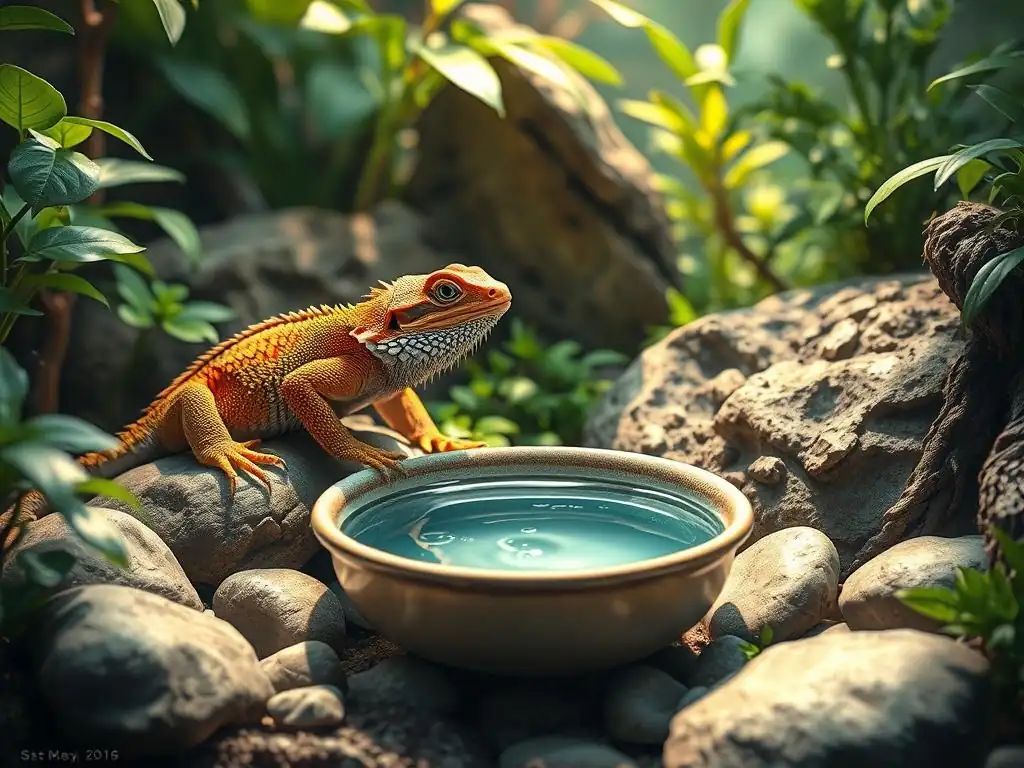
Welcome to PetCareWorld, your ultimate guide to happy and healthy pets! Are you ready to unlock the secrets to providing the best possible care for your scaly companions? Discover the critical role of proper reptile water bowl placement in maintaining optimal hydration and overall well-being. Dive into our expert guide and learn how strategic placement can significantly impact your reptile's health and happiness. Let's explore the Top Picks for Pet Owners and ensure your reptile thrives!
Understanding Reptile Hydration Needs: Species-Specific Considerations
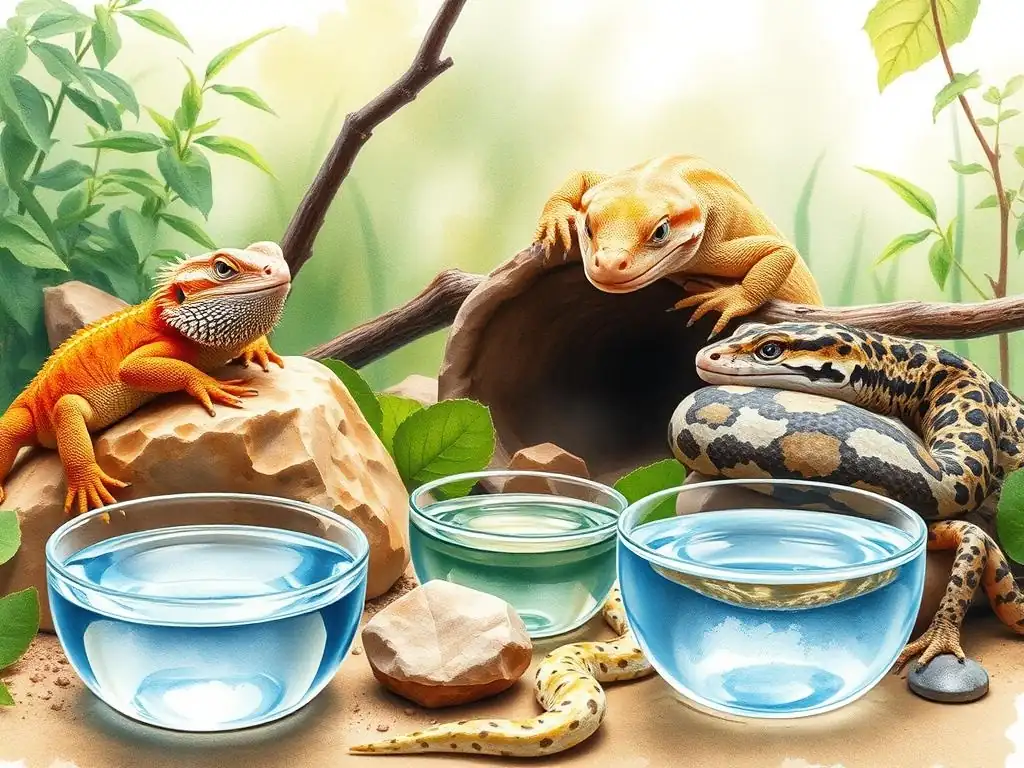
Providing your reptile with adequate hydration is crucial for its overall health and well-being. Dehydration can lead to a range of serious health problems, impacting everything from digestion and skin health to immune function and even survival. This article focuses on a key aspect of reptile hydration: the strategic placement of their water bowl. Finding the best reptile water bowl placement isn't simply about convenience; it's about understanding your reptile's specific needs and creating an environment conducive to optimal hydration.
We'll explore various factors to consider, ensuring your scaled friend stays properly hydrated and thriving. This guide will help you achieve the best placement for your reptile's water bowl, contributing significantly to their overall health and happiness. We'll cover various species and their unique hydration requirements, helping you tailor your approach for optimal results.
Species-Specific Hydration Requirements
Reptiles, unlike mammals, don't regulate their body temperature internally. Their hydration needs vary drastically depending on species, habitat, and climate. Desert species, for example, require less frequent water intake than those from humid environments. Some species, like certain lizards, obtain a significant portion of their hydration from their diet, while others rely heavily on external water sources.
For instance, a desert tortoise will need a water bowl that’s easily accessible but not necessarily large, as they drink infrequently. A green iguana, on the other hand, inhabiting a humid environment and consuming a diet with lower water content, may need a larger water bowl and more frequent access to water. Understanding these differences is paramount in determining the ideal location for your reptile's water bowl. Failing to consider these species-specific needs can lead to dehydration and health complications.
Consider the following table which summarizes some differences:
| Reptile Species | Habitat | Hydration Needs | Water Bowl Size/Placement |
|---|---|---|---|
| Desert Tortoise | Arid/Desert | Infrequent, small amounts | Shallow, easily accessible |
| Green Iguana | Tropical/Humid | Frequent, larger amounts | Large, easily accessible, possibly multiple bowls |
| Leopard Gecko | Arid/Semi-arid | Moderate | Shallow, in a secure location |
| Bearded Dragon | Arid/Semi-arid | Moderate | Shallow, easily accessible, possibly with a shallow ramp |
Factors Influencing Water Bowl Placement
Several factors beyond species influence the optimal placement of a reptile's water bowl. These include:
- Enclosure Size and Design: In a small enclosure, a centrally located bowl might work best. In a larger enclosure, multiple water bowls may be necessary.
- Substrate Type: Avoid placing the bowl in areas where substrate (e.g., sand, soil) can easily be kicked into it, contaminating the water.
- Heating and Lighting: Avoid placing the bowl directly under heat lamps or basking spots, as this can lead to rapid evaporation and make the water too hot.
- Hiding Places: Consider placing the water bowl near a hiding spot to encourage your reptile to drink without feeling exposed.
- Ease of Cleaning: The location should allow for easy access for cleaning and refilling the water bowl.
Choosing the Right Water Bowl
The type of water bowl also matters. Avoid deep bowls that your reptile might accidentally drown in. Shallow, wide bowls are generally safer. For larger reptiles, consider multiple smaller bowls or a larger, shallow water dish. The material of the bowl should be non-toxic and easy to clean. Some reptiles may benefit from water bowls with ramps or shallow entries to facilitate easier access. The best reptile water bowl placement is useless if the bowl itself isn't suitable for your reptile.
Monitoring and Maintenance
Regularly monitor your reptile's water intake and the cleanliness of their water bowl. Change the water daily, or more frequently if necessary, to prevent bacterial growth. Observe your reptile for signs of dehydration, such as lethargy, sunken eyes, or dry skin. If you notice any signs of dehydration, consult a veterinarian immediately. Proactive monitoring and maintenance are essential for ensuring your reptile remains properly hydrated. This includes not only the placement of the water bowl but also the quality of the water and the frequency of changes. Remember, a healthy and happy reptile starts with proper hydration!
Frequently Asked Questions
What is the most important factor to consider when placing a reptile's water bowl?
The most crucial factor is easy access for your reptile. The bowl should be easily reachable without requiring the reptile to climb or stretch excessively. Safety from accidental spills or tipping is also key.
Should I use a specific type of water bowl for my reptile?
While the material isn't as critical as placement, heavy, stable bowls are preferable to prevent tipping. Consider your reptile's size and choose a bowl that's appropriately sized and easy to clean.
Where should I not place my reptile's water bowl?
Avoid placing the bowl underneath heat sources or in areas with high humidity, as this can lead to rapid evaporation or bacterial growth. Also, avoid placing it in areas where your reptile might easily contaminate the water.
How often should I change my reptile's water?
You should change the water daily, or even more frequently depending on your reptile and the size of the water bowl. Clean the bowl thoroughly each time to prevent bacterial growth.
My reptile seems to avoid its water bowl. What should I do?
Try moving the bowl to a different, more accessible location. Ensure the water is fresh and clean. If the problem persists, consult a veterinarian to rule out any underlying health issues.
Final Reflection: The Ripple Effect of a Well-Placed Bowl
Ensuring proper hydration for our reptile companions isn't just about a full water bowl; it's about fostering their well-being and enriching their lives. A seemingly small detail like water bowl placement can significantly impact a reptile's health, happiness, and even lifespan. This seemingly simple act speaks volumes about our responsibility as caretakers.
The impact of understanding optimal reptile hydration extends far beyond the individual animal. It reflects a growing awareness of the intricate needs of our non-human companions and a shift towards more holistic and mindful animal care. This understanding is crucial, not just for reptiles, but for all animals under our care. The greatness of a nation and its moral progress can be judged by the way its animals are treated.
- Mahatma Gandhi. This quote, while broad, speaks to the interconnectedness of our compassion and our responsibility towards all living creatures. We must strive to understand their needs, however subtle, and provide for them accordingly.
Now, consider your own reptile's environment. Take a moment to observe their behavior around their water source. Is it easily accessible? Is it placed in a way that encourages them to drink regularly? Make a conscious effort to optimize your reptile's hydration strategy. By paying attention to these seemingly small details, you're not just providing water; you're offering a gift of well-being, a testament to your commitment to their care, and a contribution to a more compassionate world for all creatures, great and small.
Unlock Your Reptile's Hydration Potential!
Thank you for learning about optimal reptile hydration! We hope you feel confident in creating a healthier environment for your reptile. Ready to put this knowledge into practice?
- Prioritize Proper Water Bowl Placement: Evaluate your reptile's water bowl. Is it easily accessible and appropriately sized for your reptile? Adjust its placement as needed to ensure your reptile can easily reach and drink from it.
- Share Your Success: We'd love to hear about your reptile's hydration journey! Share photos of their improved water bowl setup in the comments below. Let's build a supportive community for reptile keepers!
- Enhance Your Reptile's Hydration: Further improve your reptile's hydration by researching different water bowl materials and exploring enrichment techniques that encourage drinking. Consider adding features like shallow dishes or dripping systems to increase water intake.
What small change will you make today to ensure your reptile stays well-hydrated?