Debunking Bird Adoption Myths: Separating Fact from Fiction
😊 Thinking of adopting a feathered friend? PetCareWorld separates fact from fiction, debunking common bird adoption myths and empowering you to make…
Read article
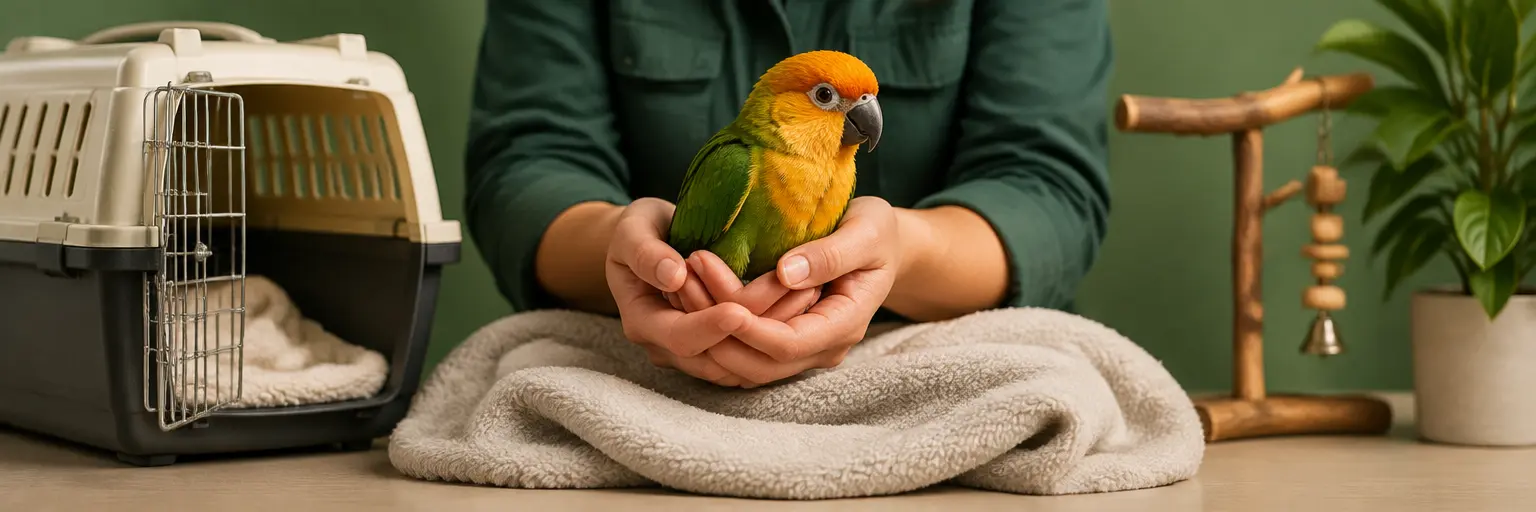
Discover the heartwarming journey of giving a feathered friend a second chance at life. Our bird adoption and rescue resources are your trusted guide to finding, welcoming, and nurturing a rescued bird into your home and heart. Whether you’re seeking a companion for the first time or expanding your flock, we cover everything from locating reputable avian rescue organizations and understanding adoption procedures to preparing a safe, enriching environment that meets your bird’s unique emotional and physical needs. Learn how to evaluate a bird’s health and history, build trust after trauma, and address common behavioral challenges with patience and expertise. We also highlight the profound joy of rescue—giving homeless parrots, cockatiels, or finches a loving forever home while reducing the demand for unethical breeding. With practical checklists, vet-approved advice, and inspiring success stories, our goal is to make your rescue experience smooth, rewarding, and life-changing for both you and your new companion. Start your journey today and make a compassionate choice that truly matters. 🦜💚
😊 Thinking of adopting a feathered friend? PetCareWorld separates fact from fiction, debunking common bird adoption myths and empowering you to make…
Read article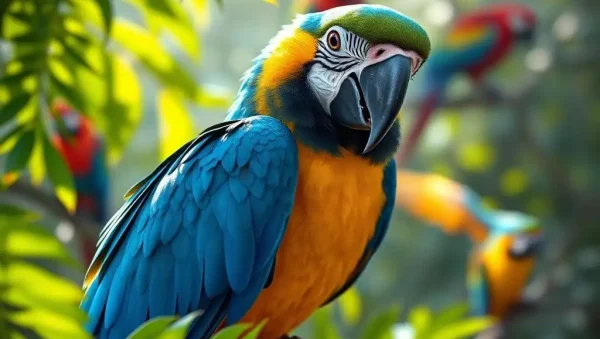
🤔 Considering parrot adoption? PetCareWorld's expert guide covers essential parrot adoption needs, ensuring a happy, healthy life for your new feathered friend.…
Read article
😊Successfully train your adopted bird basic commands using positive reinforcement techniques! PetCareWorld's expert guide provides practical solutions for building a strong bond…
Read articleWelcome to PetCareWorld’s dedicated hub for bird adoption and rescue—your compassionate guide to welcoming a rescued parrot, finch, cockatiel, or canary into your home. Adopting a bird is a deeply rewarding experience, but it comes with unique responsibilities. This resource is designed to help you navigate every step, from understanding the rescue process to preparing your home and nurturing a rescued bird’s trust. Whether you are a first-time bird owner or a seasoned avian enthusiast, our expert-backed advice ensures you make informed, loving choices that benefit both you and your new companion.
Bird rescue organizations operate with a mission to rehabilitate and rehome abandoned, surrendered, or neglected birds. When you choose adoption, you are not only giving a bird a second chance but also supporting ethical animal welfare. The process typically involves an application, a home visit or interview, and an adoption fee that covers veterinary care and socialization. Be prepared for a thorough screening—rescues prioritize lifelong matches over quick placements.
Expect to encounter birds with varied backgrounds, from those rescued from hoarding situations to pets surrendered due to owner illness or lifestyle changes. Many rescued birds arrive with behavioral quirks or health issues that need patience. A reputable rescue will be transparent about each bird’s history and current needs. By understanding this process, you can align your expectations and provide a stable, loving environment that helps your new feathered friend thrive.
Before your new bird arrives, bird-proofing your home is essential—think of it as childproofing but for a curious, flying companion. Remove toxic plants, secure windows and mirrors, and eliminate exposure to non-stick cookware fumes, which are lethal to birds. You will also need a spacious cage with appropriate bar spacing, natural perches of varying diameters, and safe, shreddable toys to prevent boredom.
Beyond safety, consider the emotional environment. Rescued birds often need quiet, low-traffic spaces to decompress initially. Set up a dedicated area away from drafts and direct sunlight, with a consistent daily routine for feeding and sleep. Invest in high-quality pellets, fresh vegetables, and clean water. By preparing thoroughly, you reduce stress for your bird and create a foundation for bonding. Remember, a calm, enriched home accelerates trust-building and helps your bird feel secure in its new life.
Trust is the cornerstone of any relationship with a rescued bird, but it takes time and consistency. Many rescued birds have experienced trauma, so patience is non-negotiable. Start by simply sitting near the cage, speaking softly, and offering treats through the bars. Let your bird set the pace—never force handling. Over days or weeks, you can work up to opening the cage door and offering a hand perch with a favorite treat like millet.
Pay close attention to body language: fluffed feathers, hissing, or lunging indicate fear, while relaxed posture and preening signal comfort. Avoid sudden movements and loud noises. Consistent, positive reinforcement builds confidence. Some birds may take months to fully trust, while others bond quickly. Celebrate small milestones—like your bird stepping onto your hand—as major victories. This gentle approach not only heals your bird but also creates a deeply rewarding companionship based on mutual respect.
Adopted birds often arrive with unknown medical histories, so an immediate veterinary check-up is crucial. Find an avian veterinarian who can perform a comprehensive exam, including blood work, fecal tests for parasites, and a feather and skin assessment. Common conditions in rescued birds include malnutrition, respiratory infections, and feather plucking from stress. Early diagnosis and treatment prevent minor issues from becoming chronic.
Quarantine is essential if you have other birds—keep your new arrival isolated for at least 30–45 days to prevent disease transmission. During this period, observe droppings, appetite, and activity levels daily. Provide a stress-free recovery environment with balanced nutrition and gentle routine. Many rescued birds also need behavioral enrichment to overcome past neglect. With proper veterinary care and a proactive health plan, you give your adopted bird the best chance at a long, vibrant life.
Rescued birds often exhibit behaviors like screaming, biting, or feather destructive behavior, which are rooted in fear, boredom, or trauma. Behavioral rehabilitation focuses on identifying triggers and redirecting negative actions using positive reinforcement. For example, if your bird screams for attention, reward quiet moments instead. Consistent training sessions—short, five-minute intervals twice daily—are more effective than long, stressful ones.
Enrichment is your secret weapon. Rotate toys weekly, introduce foraging opportunities (like hiding treats in paper cups), and offer out-of-cage time in a safe, supervised area. Many birds thrive on music, puzzle feeders, and even simple conversations. Socialization with household members should be gradual and always voluntary. Over time, you will see destructive behaviors diminish as your bird gains confidence and mental stimulation. Remember, every rescued bird has the capacity to flourish with the right blend of patience, structure, and love.
Adoption fees vary widely, typically ranging from $25 for small parakeets to over $300 for large parrots. These fees often cover initial veterinary exams, vaccinations, and sometimes microchipping. Always ask what’s included. Budget also for ongoing costs like cage, food, toys, and emergency vet visits, which can add up to $500–$1,000 annually.
Yes, but choose carefully. Some rescues require experience for certain species, while others are happy to mentor first-time owners with species known for being beginner-friendly, like cockatiels or budgies. Be honest about your experience level. Many rescues offer post-adoption support, which is invaluable for learning the ropes.
Give it space and time. Start by sitting near the cage without direct eye contact, and talk in a soft, steady voice. Offer treats from your hand via the cage bars. Avoid grabbing or chasing. Progress slowly—daily short sessions over weeks—until your bird associates you with safety and rewards, not threats.
Not necessarily, but their medical history may be unknown. Some rescues fully vet and treat birds before adoption, while others may have ongoing needs. Always request medical records and a current health check. A complete avian exam right after adoption helps catch any hidden issues early, ensuring your bird stays healthy.
Adjustment varies by species and individual. Small birds may settle in a few weeks, while larger parrots can take several months. Expect a “honeymoon period” followed by testing boundaries. Patience, routine, and consistent positive reinforcement are key. Some birds bond quickly, while others may take six months or more to fully feel at home.