
Adopting a Parrot: What You Need to Know About Their Specific Needs

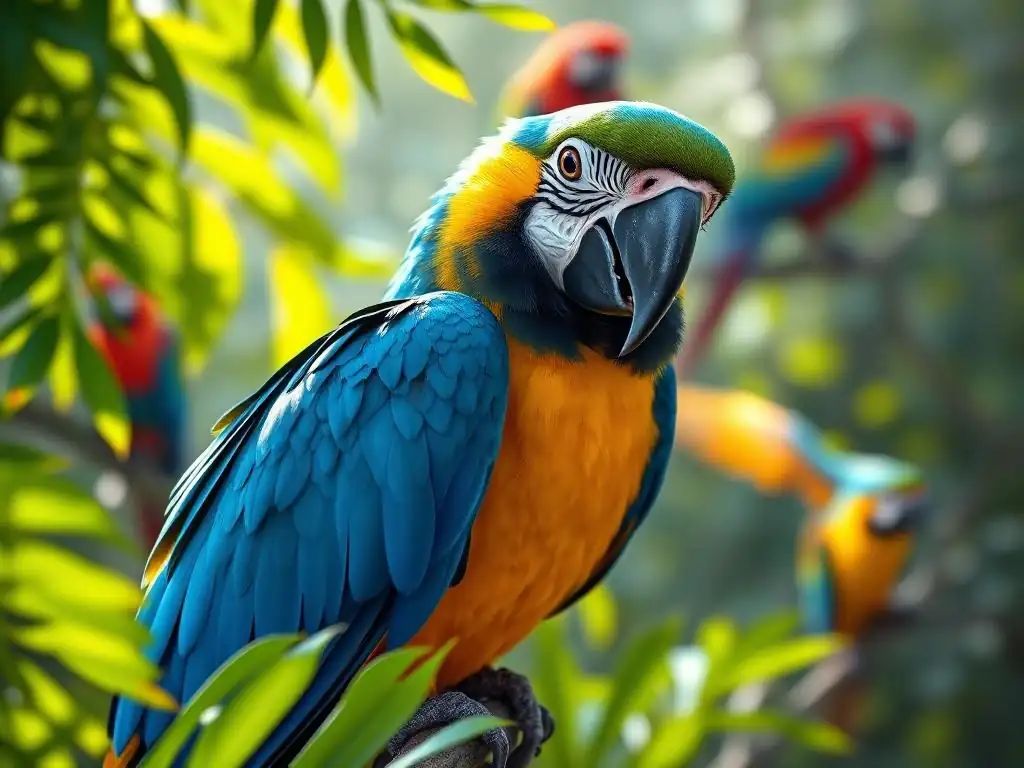
Welcome to PetCareWorld, your ultimate guide to a happier, healthier life for your beloved animal companions! Are you considering welcoming a feathered friend into your home? Our comprehensive Parrot adoption needs guide will equip you with the essential knowledge to ensure a successful and fulfilling adoption. Discover the unique considerations involved in parrot ownership and embark on this exciting journey with confidence. Dive in and learn what it truly takes to provide the best possible care for these intelligent and captivating creatures.
- Understanding Parrot Adoption: A Comprehensive Guide for New Owners
- Preparing Your Home for a Parrot: Essential Considerations
- Parrot Nutrition and Diet: A Guide to Healthy Feeding
- Parrot Health and Veterinary Care: Essential Tips
- Parrot Enrichment and Mental Stimulation: Keeping Your Parrot Happy
- Parrot Training and Behavior Management: A Step-by-Step Guide
- The Long-Term Commitment of Parrot Ownership: Planning for the Future
- Resources for Parrot Owners: Helpful Links and Organizations
- Frequently Asked Questions
- Final Reflection: A Lifetime Commitment: Understanding the Needs of Our Feathered Friends
- Ready to Welcome a Feathered Friend?
Understanding Parrot Adoption: A Comprehensive Guide for New Owners
Adopting a parrot is a significant commitment, far exceeding the responsibility of caring for many other pets. These intelligent, long-lived birds require specialized care, substantial financial investment, and a deep understanding of their unique needs. This comprehensive guide will equip prospective parrot owners with the knowledge necessary to make informed decisions and ensure a happy and healthy life for their feathered companion.
We'll explore crucial factors to consider before bringing a parrot home, focusing on choosing the right species, finding ethical breeders and adoption centers, and navigating the legal and ethical aspects of parrot ownership. Successfully navigating these steps is key to ensuring a fulfilling relationship with your new parrot, and this guide will serve as your roadmap to responsible parrot adoption.
Remember, adopting a parrot is a long-term commitment—some species can live for 80 years or more—so thorough preparation is paramount. Let's delve into the specifics of what you need to know to provide the best possible care for your future avian friend.
Choosing the Right Parrot Species for Your Lifestyle
Parrots encompass a vast array of species, each with its own unique personality, size, lifespan, and care requirements. Choosing the right species is crucial for a successful adoption. Some species, like the smaller budgies or cockatiels, are relatively easier to manage for first-time owners, while larger parrots like macaws or amazons demand significantly more experience, space, and financial resources.
Consider these factors when choosing a parrot species:
- Lifespan: Parrot lifespans vary dramatically. Smaller species might live for 10-20 years, while larger species can live for 50-80 years or more. Are you prepared for a long-term commitment?
- Size: Larger parrots require significantly more space, both in terms of cage size and living space. Ensure you have enough room to accommodate your chosen species comfortably.
- Noise Level: Parrots can be quite vocal. Some species are louder than others. Consider your living situation and whether the noise level will be acceptable to you and your neighbors.
- Temperament: Some species are known for being more docile and friendly, while others are more independent or even aggressive. Research the temperament of different species to find one that suits your personality and lifestyle.
- Grooming Needs: Parrots require regular grooming, including bathing and feather maintenance. Be prepared to dedicate time to this aspect of their care.
- Social Needs: Parrots are highly intelligent and social creatures. They need plenty of interaction and mental stimulation to thrive. Are you prepared to dedicate time to interacting with your parrot daily?
Failing to adequately research the specific needs of a particular species can lead to difficulties and even unhappiness for both the bird and the owner. Thorough research is essential before making a decision.
Finding Reputable Parrot Breeders and Adoption Centers
Finding a reputable source for your parrot is crucial for ensuring the bird's health and well-being. Avoid purchasing parrots from unreliable sources, such as pet stores or online marketplaces, where birds may be sourced from unethical breeders or mills. These birds often suffer from health problems and behavioral issues.
Instead, prioritize these options:
- Reputable Breeders: Reputable breeders prioritize the health and well-being of their birds. They provide proper nutrition, veterinary care, and socialization. They should be willing to answer your questions thoroughly and provide documentation about the bird's history and health.
- Parrot Rescue Organizations: Rescue organizations often have parrots in need of loving homes. Adopting from a rescue organization is a rewarding way to give a bird a second chance. They can often provide information about the bird's history and temperament.
- Veterinary Check: Always have a veterinarian examine your newly adopted parrot to ensure it is healthy. This is a crucial step to prevent future health issues.
Legal and Ethical Considerations in Parrot Adoption
Before adopting a parrot, it's essential to understand the legal and ethical implications. Certain parrot species may be regulated under CITES (Convention on International Trade in Endangered Species of Wild Fauna and Flora), meaning permits may be required for ownership. Research your local and national laws regarding parrot ownership to ensure you comply with all regulations.
Ethical considerations include:
- Supporting Ethical Breeders: Avoid breeders who engage in unethical practices, such as overbreeding or neglecting the birds' well-being.
- Providing Proper Care: Adopt a parrot only if you are prepared to provide it with the appropriate care, including a spacious cage, nutritious diet, veterinary care, and daily interaction.
- Long-Term Commitment: Remember, parrots are long-lived creatures. Adopting one is a commitment that can span decades. Are you prepared for this long-term responsibility? Consider the implications for your lifestyle, finances, and future plans.
Failing to meet these legal and ethical considerations can have serious consequences for both the bird and the owner. Responsible parrot ownership requires careful planning and a commitment to providing a lifetime of care. This guide aims to equip you with the knowledge to make informed decisions and provide the best possible home for your new feathered friend. 🦜
Preparing Your Home for a Parrot: Essential Considerations
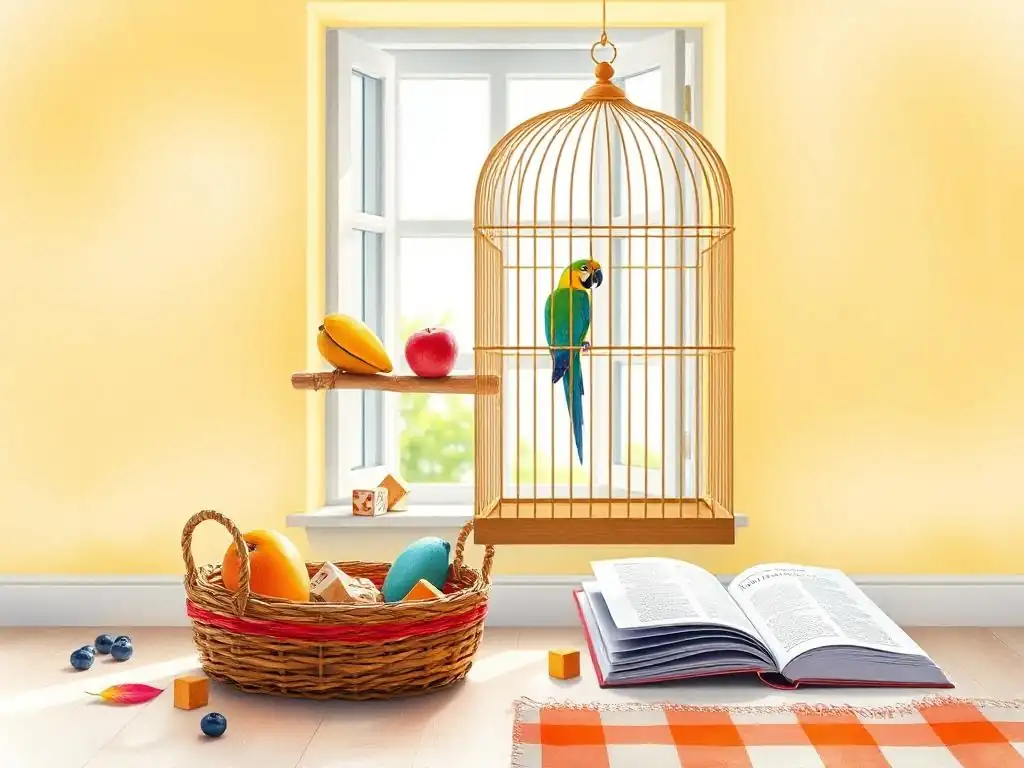
Adopting a parrot is a significant commitment, requiring careful preparation to ensure your feathered friend thrives in its new environment. This involves more than just buying a cage; it's about creating a safe, stimulating, and enriching space where your parrot can flourish. A well-prepared home significantly impacts your parrot's physical and mental well-being, contributing to a longer, happier life. This section focuses on the crucial steps to take before bringing your new companion home. Consider this your comprehensive parrot adoption needs guide for home preparation.
Creating a Safe and Stimulating Environment for Your Parrot
Parrots are intelligent, curious, and active birds. Their environment needs to reflect these characteristics. A stimulating environment prevents boredom and destructive behaviors, promoting a healthy and happy parrot.
This goes beyond simply providing a cage. Think about the overall space. Parrots need visual stimulation. Consider placing the cage near a window (but not in direct sunlight) to provide natural light and views of the outside world. Rotate toys regularly to maintain interest and prevent boredom. Parrots enjoy exploring different textures and materials, so incorporate a variety of perches of different sizes and shapes, made from natural materials like wood.
Providing opportunities for foraging is crucial. Instead of simply placing food in a bowl, hide food in puzzle feeders or toys to encourage natural foraging behaviors. This mental stimulation is vital for their well-being. Remember, a bored parrot is a destructive parrot. Enrichment activities can range from foraging toys to interactive games involving you and your bird. Consider the type of parrot you are adopting; different species have different needs and activity levels. For example, larger parrots like Amazons require more space and enrichment than smaller species like budgies.
Think about the sounds in your home. Parrots are sensitive to loud noises. A consistently noisy environment can lead to stress and behavioral issues. While complete silence isn't necessary, try to minimize exposure to excessively loud sounds.
Parrot-Proofing Your Home: Preventing Accidents and Escapes
Parrot-proofing your home is paramount to ensure your bird's safety and prevent potential hazards. Parrots are naturally curious and will explore their surroundings, often chewing on anything within reach. This inquisitiveness, while endearing, can lead to accidents if your home isn't properly prepared. A thorough assessment of your home is essential before bringing your parrot home.
This involves identifying and removing potential dangers. Toxic substances like cleaning products, insecticides, and certain houseplants need to be stored securely, out of reach of your parrot. Avoid using Teflon cookware, as its fumes can be toxic to birds. Similarly, be mindful of lead-based paint, which can be present in older homes. Many common household items, such as electrical cords, small objects that could be swallowed, and certain types of wood, pose risks.
Escape routes must be sealed. Windows and doors should be securely closed or fitted with appropriate screens. Ensure that gaps or openings in walls or furniture are sealed to prevent escapes. A seemingly small gap can be a significant escape route for a determined parrot. Remember, a parrot's escape can be stressful for both you and the bird. Preventing escapes is a crucial part of responsible parrot ownership.
Regularly check your home for any new hazards that might have appeared. Parrots' curiosity knows no bounds, and their capacity for mischief is considerable! A proactive approach to parrot-proofing will minimize risks and ensure a safer environment for your new companion.
Selecting the Right Cage Size and Accessories for Your Parrot
Choosing the appropriate cage size and accessories is crucial for your parrot's well-being. The cage should be spacious enough to allow your parrot to comfortably spread its wings, climb, and play without feeling cramped. An overcrowded cage can lead to stress, feather plucking, and other behavioral problems. This section focuses on selecting the right cage size and essential accessories to create a comfortable and stimulating environment for your new pet.
The size of the cage depends largely on the species and size of your parrot. Larger parrots, such as macaws and Amazons, require significantly larger cages than smaller species like cockatiels or budgies. As a general rule, the taller the cage, the better, as parrots are naturally arboreal. Aim for a cage that's tall enough for your parrot to comfortably climb and hang upside down. Consider the cage's material; stainless steel is a durable and easy-to-clean option.
Beyond the cage itself, accessories play a vital role in creating a stimulating environment. These include:
- Perches: Provide a variety of perches of different sizes, shapes, and textures to promote foot health and prevent boredom.
- Food and Water Dishes: Select bowls that are easy to clean and securely attached to the cage to prevent spills.
- Toys: Offer a variety of toys to stimulate your parrot's mental and physical abilities. Rotate toys regularly to maintain interest.
- Climbing Structures: Provide ropes, ladders, and other climbing structures to encourage physical activity.
Remember, the cage is not just a place to sleep; it's your parrot's home. Invest in a high-quality, spacious cage and provide a variety of accessories to create a safe, comfortable, and stimulating environment for your new feathered companion. This thoughtful approach ensures a happy and healthy life for your parrot, solidifying your commitment to responsible parrot ownership. This detailed guide to parrot adoption needs will help you create a welcoming home for your new family member.
Parrot Nutrition and Diet: A Guide to Healthy Feeding
Parrot adoption is a significant commitment, extending far beyond simply providing a cage and toys. A crucial aspect often overlooked is understanding and meeting their complex nutritional needs. Improper feeding can lead to serious health problems, significantly impacting their lifespan and overall well-being. This section delves into the intricacies of parrot nutrition, equipping prospective adopters with the knowledge to provide optimal dietary care.
This guide will help you navigate the complexities of parrot nutrition, ensuring your feathered friend thrives under your care. Remember, a healthy diet is a cornerstone of responsible parrot ownership, contributing significantly to their longevity and happiness. This is a critical element of your "Parrot adoption needs guide".
Understanding the Nutritional Needs of Different Parrot Species
Parrots exhibit remarkable diversity, and their dietary requirements vary significantly depending on species. For example, large macaws require a higher caloric intake than smaller species like budgies. Their nutritional needs also change across different life stages, with growing chicks requiring a higher protein content than adult birds. Failing to understand these species-specific needs can lead to malnutrition or obesity, both detrimental to a parrot's health.
Here's a simplified overview:
| Parrot Species | Dietary Needs | Key Considerations |
|---|---|---|
| Large Macaws (e.g., Hyacinth Macaw) | High-calorie, high-protein diet; requires substantial amounts of fruits, vegetables, and nuts. | Prone to obesity if overfed; monitor food intake carefully. |
| Smaller Parrots (e.g., Budgies, Cockatiels) | Balanced diet; seeds, pellets, and fresh produce. | Seeds alone are insufficient; pellets provide essential nutrients. |
| African Greys | Highly intelligent; need varied and stimulating diet. | Prone to nutritional deficiencies if diet is monotonous. |
It's crucial to research the specific dietary requirements of your chosen parrot species before adoption. Consult reputable avian veterinarians or experienced parrot breeders for detailed guidance tailored to your bird's unique needs. Remember, this detailed information is a vital part of your "Parrot adoption needs guide."
Providing a Balanced Diet: Fresh Foods, Pellets, and Supplements
A balanced parrot diet comprises several key components:
- High-quality parrot pellets: These provide a foundation of essential nutrients, vitamins, and minerals. Choose pellets formulated specifically for your parrot's species and life stage. Pellets should constitute approximately 60-70% of their daily diet.
- Fresh fruits and vegetables: Offer a wide variety of fresh produce daily. Examples include: apples, berries, carrots, broccoli, and leafy greens. Always wash thoroughly before serving. Fresh foods should comprise about 20-30% of their diet.
- Healthy seeds and nuts (in moderation): While appealing to parrots, seeds and nuts should be given sparingly due to their high fat content. They should represent a small portion (around 10%) of their overall diet.
- Supplements (when necessary): In some cases, your veterinarian may recommend supplements to address specific nutritional deficiencies. Never administer supplements without professional guidance.
Remember to introduce new foods gradually to avoid digestive upset. Observe your parrot's preferences and adjust the diet accordingly, ensuring variety and a balanced intake of nutrients. A well-balanced diet is crucial for a healthy and happy parrot, and an essential part of any "Parrot adoption needs guide".
Avoiding Toxic Foods and Dangerous Substances
Certain foods and substances are toxic to parrots and must be strictly avoided. Accidental ingestion can lead to severe illness or even death. This list is not exhaustive, and further research specific to your parrot species is recommended.
- Avocado: Contains persin, which is toxic to parrots.
- Chocolate: Contains theobromine, which is toxic to parrots.
- Caffeine: Found in coffee, tea, and soda, it's highly toxic.
- Alcohol: Extremely toxic to parrots.
- Uncooked beans: Contain toxins that can cause illness.
- Salt: Excessive salt intake can be harmful.
- Household cleaners: Keep all cleaning products out of reach.
- Teflon-coated cookware: The fumes released during cooking can be lethal.
Always be vigilant about the environment your parrot inhabits, ensuring that no toxic substances are accessible. A safe environment, combined with a proper diet, is crucial for a long and healthy life for your adopted parrot. This information is vital for any comprehensive "Parrot adoption needs guide". 🐦
Parrot Health and Veterinary Care: Essential Tips
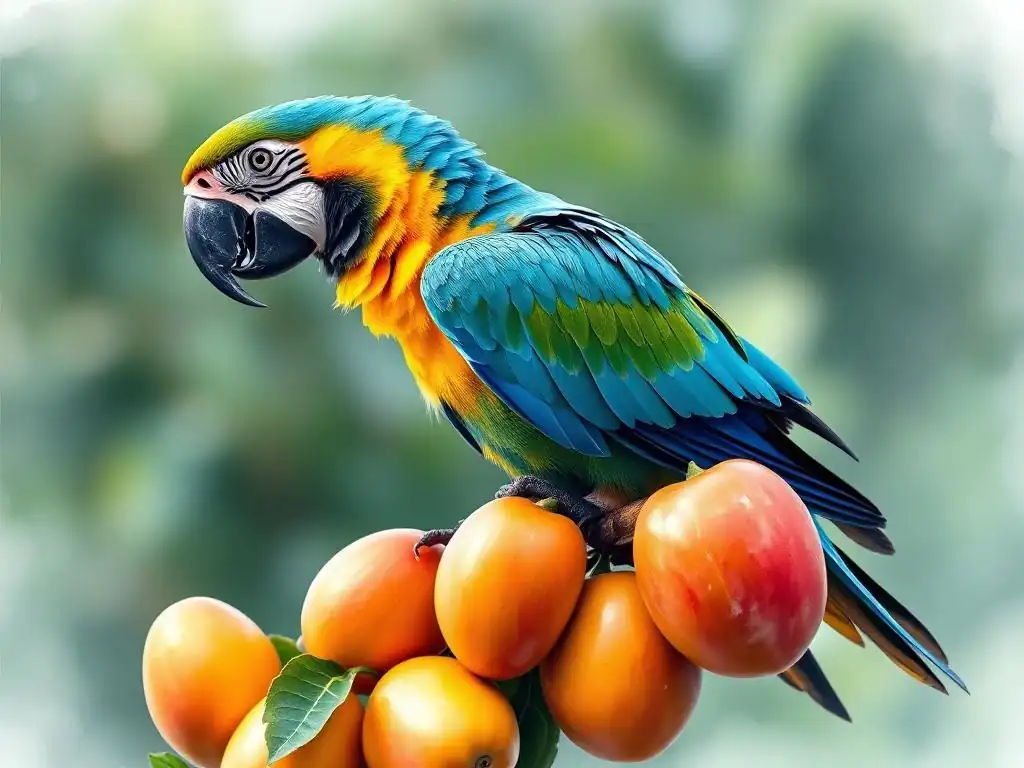
Adopting a parrot is a significant commitment, demanding a deep understanding of their unique healthcare needs. Parrots, unlike many other pets, require specialized care, and neglecting this can lead to serious health problems and a reduced lifespan. This section focuses on crucial aspects of parrot health, providing you with the knowledge to ensure your feathered friend thrives. Understanding parrot health is a cornerstone of responsible parrot adoption. A proactive approach to their well-being is key to a long and happy life together.
Finding an Avian Veterinarian: Importance of Specialized Care
Finding a veterinarian experienced in avian care is paramount. Regular check-ups are essential, even if your parrot appears healthy. A general practitioner may not possess the specific knowledge to diagnose and treat common parrot ailments. An avian vet understands the intricacies of parrot anatomy, physiology, and diseases.
They can provide crucial preventative care, such as vaccinations and parasite control, tailored to your parrot's specific species and age. Don't delay; securing an avian vet before bringing your parrot home is a crucial step in responsible parrot adoption. Look for a vet with certifications or special training in avian medicine. The investment in specialized care is an investment in your parrot's health and longevity.
Common Parrot Illnesses and Prevention Strategies
Parrots are susceptible to various illnesses, many stemming from poor diet, inadequate hygiene, and stress. Some common issues include:
- Psittacosis (Chlamydiosis): A bacterial infection potentially transmissible to humans. Prevention involves maintaining good hygiene and avoiding contact with infected birds.
- Feather Plucking: Often linked to stress, boredom, or underlying medical conditions. Enrichment, proper diet, and veterinary attention are crucial.
- Proventricular Dilatation Disease (PDD): A debilitating and often fatal disease affecting the digestive system. Early diagnosis is challenging, highlighting the importance of regular check-ups.
- Avian Pox: A viral infection causing skin lesions and respiratory problems. Vaccination is often recommended, depending on the species and local prevalence.
Prevention is key. A balanced diet rich in fresh fruits, vegetables, and pellets specifically formulated for parrots is crucial. Maintaining a clean cage, providing ample mental and physical stimulation, and minimizing stress are also vital in preventing illness. Remember, a healthy parrot is a happy parrot, strengthening the bond between you and your new companion. Proactive measures significantly reduce the risk of many common parrot health issues.
Recognizing Signs of Illness and Seeking Timely Veterinary Attention
Early detection is critical in treating parrot illnesses. Learn to recognize subtle signs that may indicate a problem:
- Changes in droppings: Color, consistency, and frequency can be indicative of digestive issues.
- Lethargy and decreased appetite: A significant change in behavior warrants immediate attention.
- Respiratory distress: Wheezing, coughing, or difficulty breathing requires urgent veterinary care.
- Changes in feather condition: Ruffled feathers, dullness, or excessive feather loss can signal illness or stress.
- Abnormal behavior: Excessive preening, self-mutilation, or aggression could indicate underlying problems.
Don't hesitate to contact your avian vet if you observe any unusual changes in your parrot's behavior or physical condition. Prompt veterinary intervention significantly improves the chances of a successful outcome. Remember, your parrot cannot communicate its discomfort verbally; it's your responsibility to be vigilant and seek help when needed. Early intervention is crucial for successful treatment and a better prognosis for your beloved parrot. This proactive approach underscores the importance of responsible parrot ownership and contributes to a fulfilling life for your feathered friend.
Parrot Enrichment and Mental Stimulation: Keeping Your Parrot Happy
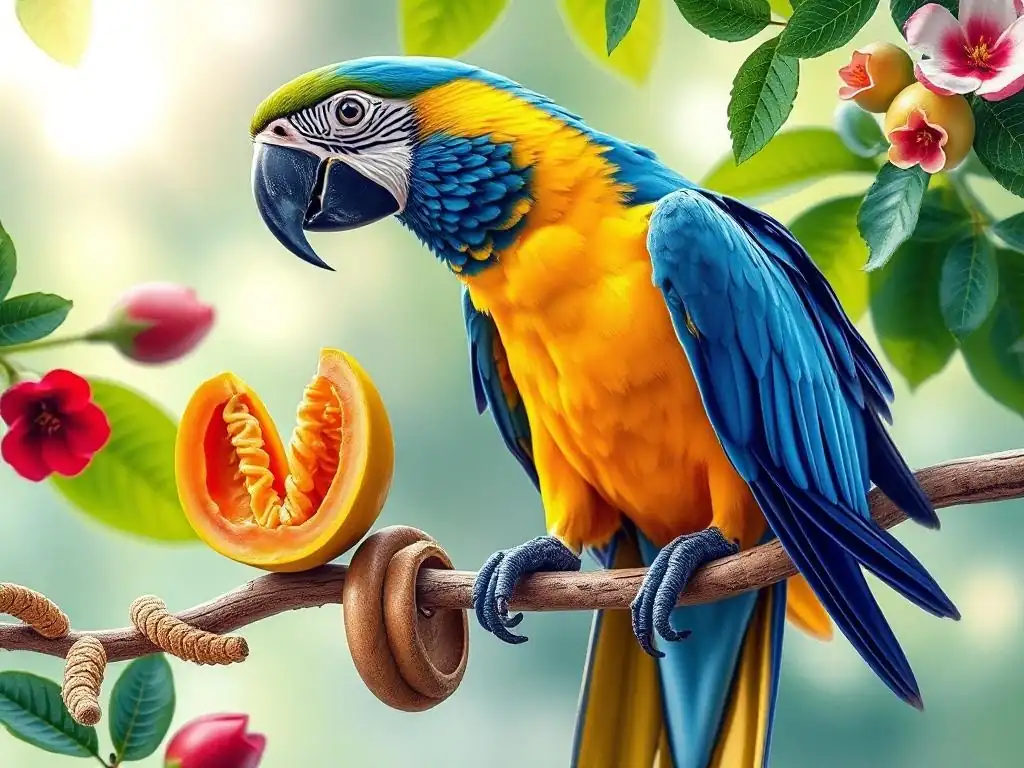
Parrots are highly intelligent and social creatures requiring significant mental stimulation to prevent boredom and behavioral problems. A bored parrot is a destructive parrot. Failing to provide adequate enrichment can lead to feather plucking, screaming, biting, and other undesirable behaviors. Therefore, enriching your parrot's environment is crucial for its overall well-being and happiness. This section focuses on creating a stimulating and engaging environment for your adopted parrot, helping you become a responsible and informed parrot owner.
Providing Plenty of Toys and Activities for Your Parrot
Parrot toys should be varied, stimulating, and safe. Avoid toys with small parts that could be swallowed, and regularly inspect toys for damage. A good rule of thumb is to rotate toys regularly – introduce new ones while putting others away for a while. This keeps your parrot engaged and prevents them from becoming bored with the same old things.
Consider offering a variety of toy types:
- Foraging Toys: These encourage natural behaviors. Examples include puzzle feeders that require your parrot to work for their food, or toys hidden within containers that need to be opened. This mimics their natural search for food in the wild.
- Destructive Toys: Parrots love to chew! Provide them with safe wood toys, cardboard tubes, or even untreated branches from safe trees (ensure they are pesticide-free). This helps satisfy their natural chewing instincts and prevents them from targeting your furniture.
- Interactive Toys: These toys engage your parrot mentally and physically. Mirrors, bells, and swings can provide entertainment and exercise.
- Sensory Toys: These stimulate different senses. Toys with different textures, sounds, and colors can keep your parrot entertained for longer periods.
Remember to observe your parrot's preferences and adjust the toys accordingly. Some parrots prefer certain types of toys over others. A diverse range of toys is key to preventing boredom and promoting mental well-being. Consider creating a toy rotation schedule to maintain their interest and prevent them from becoming overly attached to a single item. This prevents them from becoming too reliant on a particular toy and ensures continuous engagement.
Social interaction is paramount for a parrot's happiness. Parrots are highly social animals and thrive on companionship. Adopting a parrot means committing to providing them with adequate social interaction, not just through toys, but through direct interaction with you and potentially other parrots. Neglecting this crucial aspect of their care can lead to severe behavioral issues.
Here are some ways to foster a strong bond with your adopted parrot:
- Spend quality time: Dedicate specific times each day to interact with your parrot. This could include talking to them, playing games, or simply sitting near their cage and offering gentle strokes.
- Positive reinforcement: Use positive reinforcement training techniques to build trust and teach your parrot desired behaviors. Rewards, such as treats or praise, are more effective than punishment.
- Body language awareness: Learn to understand your parrot's body language. This will help you recognize signs of stress, fear, or happiness, allowing you to respond appropriately. A well-understood parrot is a happy parrot.
- Consider a companion: Depending on the species and your lifestyle, consider adopting a second parrot as a companion. However, thorough research is essential to ensure compatibility and avoid potential conflicts. This should only be done after careful consideration of the species and individual personalities. Not all parrots are suitable for living together.
Understanding Parrot Behavior and Addressing Potential Issues
Understanding your parrot's behavior is crucial for identifying and addressing potential problems. Parrots, like any other animal, can exhibit behavioral issues due to various factors, including boredom, lack of socialization, or underlying health problems.
Some common behavioral issues in parrots include:
- Feather plucking: This can be a sign of stress, boredom, or underlying medical conditions. Addressing the root cause is vital.
- Screaming: Excessive screaming can be a sign of attention-seeking behavior, frustration, or fear. Consistent training and environmental enrichment can help mitigate this.
- Biting: Biting can be a sign of fear, aggression, or a lack of trust. Positive reinforcement training and gentle handling can help build trust and reduce biting.
- Destructive behavior: Chewing on furniture or other household items can be a sign of boredom or lack of appropriate chew toys. Providing a variety of safe chew toys is essential.
If you observe any concerning behaviors, consult with an avian veterinarian or a certified avian behaviorist. Early intervention is crucial in addressing behavioral problems and ensuring your parrot's overall well-being. Remember, a well-adjusted parrot is a happy parrot, and a happy parrot is a testament to your dedication as a responsible pet owner. Careful observation, proactive enrichment, and timely intervention are key to ensuring a long and fulfilling life for your feathered friend.
Parrot Training and Behavior Management: A Step-by-Step Guide
Parrot adoption is a rewarding experience, but it requires commitment and understanding of these intelligent and long-lived birds. Successful parrot ownership hinges significantly on proper training and behavior management. This section delves into practical techniques and strategies to ensure a harmonious relationship with your new feathered friend. Remember, patience and consistency are key when working with parrots. This guide will help you navigate the complexities of parrot behavior and establish a positive, enriching environment. Understanding your parrot's needs is crucial for a successful "Parrot adoption needs guide".
Basic Parrot Training Techniques: Positive Reinforcement Methods
Positive reinforcement is the cornerstone of successful parrot training. It focuses on rewarding desired behaviors, making them more likely to occur again. Avoid punishment-based methods, as these can lead to fear, aggression, and a damaged bond. Instead, utilize treats, praise, and even physical affection (gentle head scratches or petting) to reinforce good behavior.
Here's a breakdown of effective positive reinforcement techniques:
- Target Training: Teach your parrot to touch a target stick (a dowel or similar object). This establishes a clear communication channel and is a foundation for many other tricks. Start with short sessions, rewarding every successful touch. Gradually increase the difficulty by moving the target further away or incorporating other commands.
- Step-by-Step Approach: Break down complex behaviors into smaller, manageable steps. For example, teaching your parrot to step up onto your hand involves initially rewarding it for approaching your hand, then for placing a foot on your hand, and finally for stepping completely up.
- Clicker Training: A clicker, paired with a treat, acts as a clear marker for desired behavior. The click signals the exact moment the parrot performed the correct action, making the association between behavior and reward immediate and clear.
- Consistency is Key: All members of the household should use the same commands and training methods. Inconsistent signals confuse the parrot and hinder progress.
Addressing Common Behavioral Problems in Parrots
Parrots, being highly intelligent, can exhibit a range of behavioral problems if their needs aren't met. These problems often stem from boredom, lack of stimulation, or improper socialization. Understanding the root cause is crucial for effective intervention.
Some common behavioral issues include:
- Feather Plucking: This can be a sign of stress, boredom, or underlying medical conditions. Enrichment activities, a balanced diet, and veterinary attention are crucial. Sometimes, underlying medical issues (like parasites or allergies) can cause feather plucking, making veterinary examination necessary.
- Screaming: Excessive screaming is often a sign of seeking attention or expressing frustration. Ignoring attention-seeking screams and providing ample interaction and enrichment can often resolve this.
- Biting: Parrots bite for various reasons, including fear, territoriality, or lack of trust. Building trust through positive interactions and avoiding sudden movements can reduce biting incidents.
- Destructive Behavior: Chewing on furniture or other objects can be a sign of boredom or lack of appropriate chew toys. Providing a variety of safe and stimulating toys is essential.
| Behavioral Problem | Potential Cause | Solution |
|---|---|---|
| Feather Plucking | Stress, boredom, medical condition | Enrichment, veterinary check-up |
| Screaming | Attention-seeking, frustration | Ignore screams (if attention-seeking), provide interaction |
| Biting | Fear, territoriality, lack of trust | Build trust, avoid sudden movements |
| Destructive Behavior | Boredom, lack of chew toys | Provide safe and stimulating toys |
Creating a Consistent and Predictable Routine for Your Parrot
Parrots thrive on routine and predictability. A consistent daily schedule provides a sense of security and reduces stress. This routine should include:
- Feeding times: Establish regular feeding times to regulate their digestive system and avoid begging behaviors. A consistent feeding schedule also provides a sense of predictability and security.
- Playtime: Allocate dedicated playtime for interaction, training, and playing with toys. This is crucial for mental stimulation and bonding.
- Sleep: Ensure adequate sleep. Parrots need around 10-12 hours of sleep per night. A dark, quiet environment is essential for restful sleep.
- Cage Cleaning: Regular cage cleaning is vital for hygiene and preventing disease. A clean environment contributes to a healthy and happy parrot.
Establishing a consistent routine minimizes stress and promotes a more predictable and harmonious living environment for both you and your parrot. This contributes significantly to your parrot's overall well-being and strengthens your bond. Remember, a happy parrot is a well-trained parrot, and a well-trained parrot is a parrot whose needs are met consistently and lovingly. This is a crucial aspect of a complete "Parrot adoption needs guide".
The Long-Term Commitment of Parrot Ownership: Planning for the Future
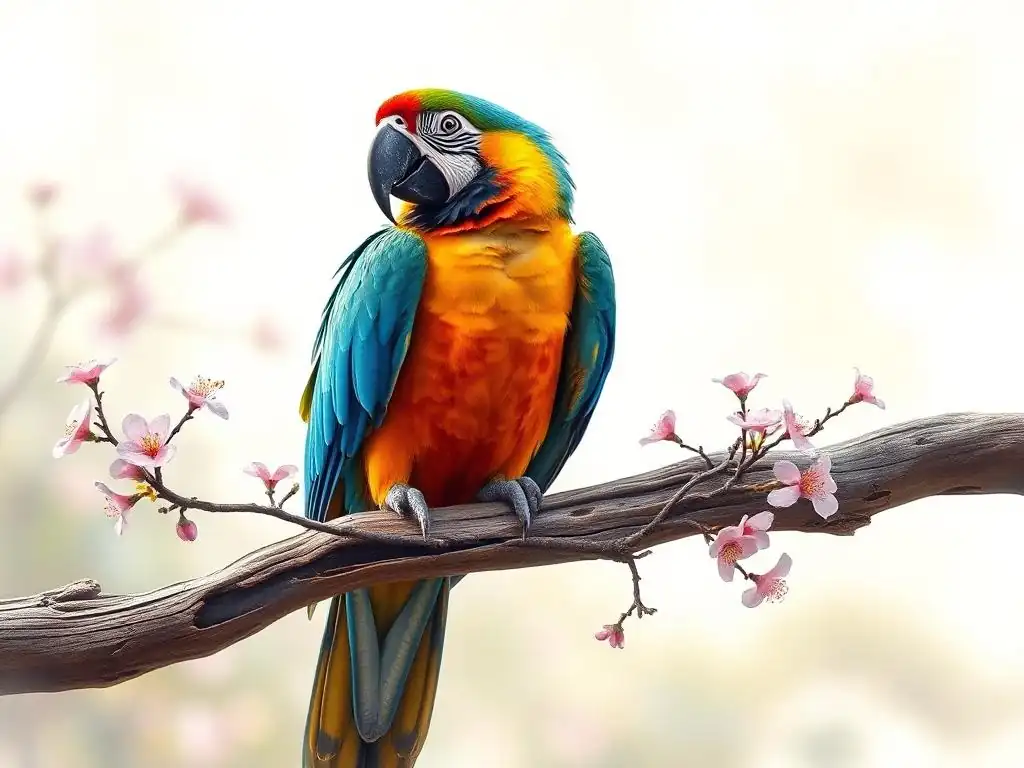
Parrot adoption is a deeply rewarding experience, but it's crucial to understand the significant long-term commitment involved. Unlike many other pets, parrots can live for decades, forming strong bonds with their owners and requiring consistent care throughout their lengthy lifespans. This section delves into the essential aspects of planning for a parrot's long-term well-being, ensuring a fulfilling life for both you and your feathered companion.
Successfully navigating parrot ownership hinges on proactive planning and a realistic understanding of the time and dedication required. This guide will equip you with the knowledge to make an informed decision and provide your parrot with the best possible life. Ignoring the long-term implications can lead to unfortunate outcomes, including rehoming or, in worst-case scenarios, neglect.
Understanding the Lifespan of Different Parrot Species
Parrot lifespans vary dramatically depending on the species. Smaller parrots, such as budgies and cockatiels, typically live for 10-20 years. However, larger species, like macaws and African greys, can live for 50-80 years or even longer! This longevity necessitates careful consideration before adoption.
Planning for such a significant time commitment is vital. For example, adopting a macaw means considering your own long-term health, financial stability, and even your family's future plans. Are you prepared for the responsibility of caring for a bird that could outlive you? The table below provides a general overview of lifespan expectations for some common parrot species:
| Parrot Species | Average Lifespan (Years) |
|---|---|
| Budgerigar (Budgie) | 5-10 |
| Cockatiel | 15-20 |
| Conure | 20-30 |
| Amazon Parrot | 40-60 |
| African Grey Parrot | 40-60 |
| Macaw | 50-80+ |
It's crucial to research the specific species you're interested in adopting to understand its expected lifespan and plan accordingly. Remember, these are averages; individual birds may live shorter or longer lives depending on their care and genetics. This understanding is a cornerstone of responsible parrot adoption.
Financial Considerations of Parrot Ownership: Ongoing Costs
The initial adoption fee is just the beginning. Owning a parrot involves significant ongoing financial commitments. These costs can quickly add up, including:
- High-quality food: Parrots require specialized diets consisting of fresh fruits, vegetables, pellets, and seeds. These costs can be substantial, especially for larger species with higher caloric needs.
- Veterinary care: Parrot veterinary care is often more expensive than for other pets, due to specialized expertise and the complexity of avian medicine. Regular check-ups, emergency care, and potential illnesses can lead to significant expenses.
- Housing and equipment: Large cages, toys, perches, and other enrichment items are necessary to ensure a parrot's physical and mental well-being. The costs associated with these items can be surprisingly high.
- Grooming: Regular nail trims, beak maintenance, and potentially feather cleaning can require professional assistance and add to the overall cost.
- Unexpected costs: Emergencies can arise unexpectedly, requiring immediate and costly veterinary intervention. Financial reserves are essential to cover unforeseen circumstances.
It's essential to create a realistic budget that accounts for all these expenses, ensuring you can comfortably provide for your parrot's needs throughout its entire life. Failing to adequately budget can lead to compromised care and stress for both you and your bird. Consider creating a dedicated savings account for your parrot's care to mitigate potential financial difficulties. This proactive approach is crucial for responsible ownership.
Preparing for Potential Challenges and Unexpected Events
Parrot ownership, while incredibly rewarding, presents unique challenges. Being prepared for potential difficulties is vital for a successful and harmonious relationship. This includes:
- Behavioral issues: Parrots can exhibit challenging behaviors such as biting, screaming, or feather plucking. Understanding these behaviors and seeking professional help when needed is crucial. This might involve avian behavioral specialists or experienced parrot trainers.
- Health problems: Parrots are susceptible to various illnesses, some of which can be severe and require extensive veterinary care. Being prepared for potential health issues, both financially and emotionally, is essential.
- Life changes: Significant life changes, such as moving, changing jobs, or having children, can impact your ability to care for your parrot. Planning for these contingencies and having a backup plan in place is crucial to ensure your parrot's well-being.
- Long-term care planning: Consider what will happen to your parrot if you are unable to care for it due to illness, aging, or unforeseen circumstances. Having a plan in place, such as identifying a trusted caregiver or creating a legal will, is essential.
By thoughtfully considering these potential challenges and preparing for them proactively, you can significantly increase the chances of a happy and healthy life for both you and your adopted parrot. Remember, responsible parrot ownership is a long-term commitment demanding careful planning and a commitment to your feathered friend's well-being. This proactive approach is key to ensuring a fulfilling and rewarding experience for everyone involved.
Resources for Parrot Owners: Helpful Links and Organizations
This section provides crucial information on where to find support and reliable resources once you've adopted your parrot. Navigating parrot ownership can be challenging, but with the right resources, you can ensure your feathered friend thrives. This guide focuses on finding support networks and credible sources of information vital for responsible parrot care. Remember, responsible parrot adoption involves a lifelong commitment to their well-being.
Finding Local Parrot Clubs and Support Groups
Connecting with other parrot owners is invaluable. Local parrot clubs and support groups offer a wealth of benefits, including:
- Shared experiences and advice: Learn from others' successes and challenges, avoiding common pitfalls. Many seasoned owners are happy to share their expertise on training, nutrition, and health concerns.
- Socialization for your parrot: Parrot meetups provide opportunities for your bird to interact with other parrots in a safe and supervised environment, enriching their social lives.
- Access to local resources: Clubs often have connections with avian veterinarians, breeders, and other professionals specializing in parrot care.
- Community and friendship: Building relationships with other parrot enthusiasts can provide emotional support and alleviate the stress of parrot ownership.
Finding these groups can be as simple as searching online for "[your city/region] parrot club" or "[your city/region] parrot support group." You can also check with local pet stores or veterinary clinics that specialize in avian care; they often have information about local clubs. Consider attending meetings to gauge the group's dynamic and ensure it's a good fit for you and your bird. Remember to always prioritize groups that emphasize responsible parrot ownership and ethical practices. A strong community can make all the difference in your parrot adoption journey.
Accessing Reliable Information on Parrot Care and Health
Reliable information is crucial for ensuring the health and happiness of your parrot. Avoid misinformation by focusing on credible sources. This includes:
- Avian veterinarians: These specialists possess in-depth knowledge of avian anatomy, physiology, and diseases. Regular check-ups are vital for early detection and treatment of potential health problems. Finding an avian vet should be a priority before even adopting your parrot.
- Reputable books and journals: Look for publications written by avian experts and backed by scientific research. Avoid anecdotal evidence and unsubstantiated claims.
- Educational organizations: Several organizations dedicate themselves to parrot conservation, research, and education. Their websites and publications often provide accurate and comprehensive information on parrot care. These organizations often have educational materials that delve into specific parrot species' needs, ensuring you provide species-appropriate care.
It's important to be discerning about information sources. Not all online information is accurate or reliable. Always cross-reference information and prioritize sources with established credibility. Remember, your parrot's health is paramount, and accurate information is the cornerstone of responsible parrot ownership. Choosing credible sources for information is a vital step in the parrot adoption needs guide.
Reputable Online Resources and Organizations
The internet offers a wealth of information, but it's crucial to distinguish between credible and unreliable sources. Here are some factors to consider when evaluating online resources:
- Author credentials: Look for authors with expertise in avian medicine, veterinary science, or parrot behavior. Credentials such as DVM (Doctor of Veterinary Medicine), PhD (Doctor of Philosophy), or certifications from relevant professional organizations are indicators of expertise.
- Peer-reviewed publications: Information published in peer-reviewed journals has undergone rigorous scrutiny and is generally considered more reliable than information found on less formal websites.
- Website reputation: Check the website's "About Us" section to assess its credibility. Look for information about the organization's mission, goals, and the expertise of its staff. Also consider the overall quality of the website's content—is it well-written, accurate, and well-organized? Is it updated regularly?
While many online resources offer valuable information, always critically evaluate the source before acting on the advice provided. Remember that responsible parrot ownership requires continuous learning and a commitment to seeking reliable information. This commitment is a key element in a successful parrot adoption and a vital part of any parrot adoption needs guide. Prioritizing reliable online resources is crucial for providing your parrot with optimal care.
Frequently Asked Questions
What are the basic needs of a parrot?
Parrots require a significant time commitment. They need daily interaction, a stimulating environment, and a species-appropriate diet. Failure to meet these needs can lead to behavioral problems.
How much does it cost to care for a parrot?
The cost varies greatly depending on the species, but expect substantial expenses for food, veterinary care, housing, and toys. You should be prepared for long-term financial commitment.
What kind of cage is best for a parrot?
The cage should be large enough to allow for flight and climbing. It needs to be made of strong, non-toxic materials, and should include perches of varying sizes and textures.
Are parrots good pets for first-time bird owners?
While rewarding, parrots are highly demanding pets. They require extensive knowledge and consistent care. First-time owners should consider smaller, less demanding birds before adopting a parrot.
How do I find a reputable parrot breeder or rescue?
Research thoroughly! Look for organizations with positive reviews and a commitment to ethical breeding practices. A reputable source will be happy to answer your questions and provide detailed information about the bird's history and health.
Final Reflection: A Lifetime Commitment: Understanding the Needs of Our Feathered Friends
Bringing a parrot into your home is not simply acquiring a pet; it's embarking on a profound and long-term commitment. The vibrant personalities and engaging intelligence of these magnificent birds demand a level of care and understanding that extends far beyond the typical pet ownership experience. This commitment, while demanding, is ultimately incredibly rewarding.
The impact of responsible parrot ownership ripples far beyond the individual bird and its owner. It contributes to the overall well-being of these intelligent creatures, combating the unfortunate realities of parrot abandonment and neglect. Understanding their complex needs – from specialized diets and spacious enclosures to enriching environments and consistent socialization – is crucial for their physical and mental health. The greatness of a nation and its moral progress can be judged by the way its animals are treated.
- Mahatma Gandhi. This quote highlights the ethical responsibility we bear towards all creatures under our care, and parrots, with their unique needs, deserve our utmost attention.
Now, consider your own role in this. Are you prepared to dedicate the time, resources, and unwavering commitment necessary to provide a parrot with a fulfilling and enriching life? Reflect on the information presented in this guide, and honestly assess your capabilities.
If you feel ready to embrace the challenges and rewards of parrot ownership, then you are taking a significant step towards enriching the life of a truly remarkable creature. If not, consider fostering or supporting organizations dedicated to parrot welfare. The journey to responsible parrot ownership begins with self-reflection and a genuine commitment to the well-being of these amazing birds.
Ready to Welcome a Feathered Friend?
Thank you for learning about the unique needs of parrots! We hope this article has provided you with valuable information to help you make a responsible decision. Now, let's put that knowledge into practice.
- First Step: Research local parrot rescues and shelters. Many wonderful birds are waiting for loving homes, and adoption offers a rewarding way to give a deserving parrot a second chance.
- Next Step: Share this article with friends and family who might be interested in getting a parrot. Help spread the word about responsible parrot ownership!
- Bonus Tip: Consider joining an online parrot owner community to connect with other enthusiasts and learn even more.
Ready to find your perfect feathered companion? Where will you begin your search for a local parrot rescue?