First Bird Training Session: What to Expect and How to Prepare
😊 Prepare for your bird's first training session with PetCareWorld's expert guide. Learn essential first bird training tips, setting expectations, and creating…
Read article
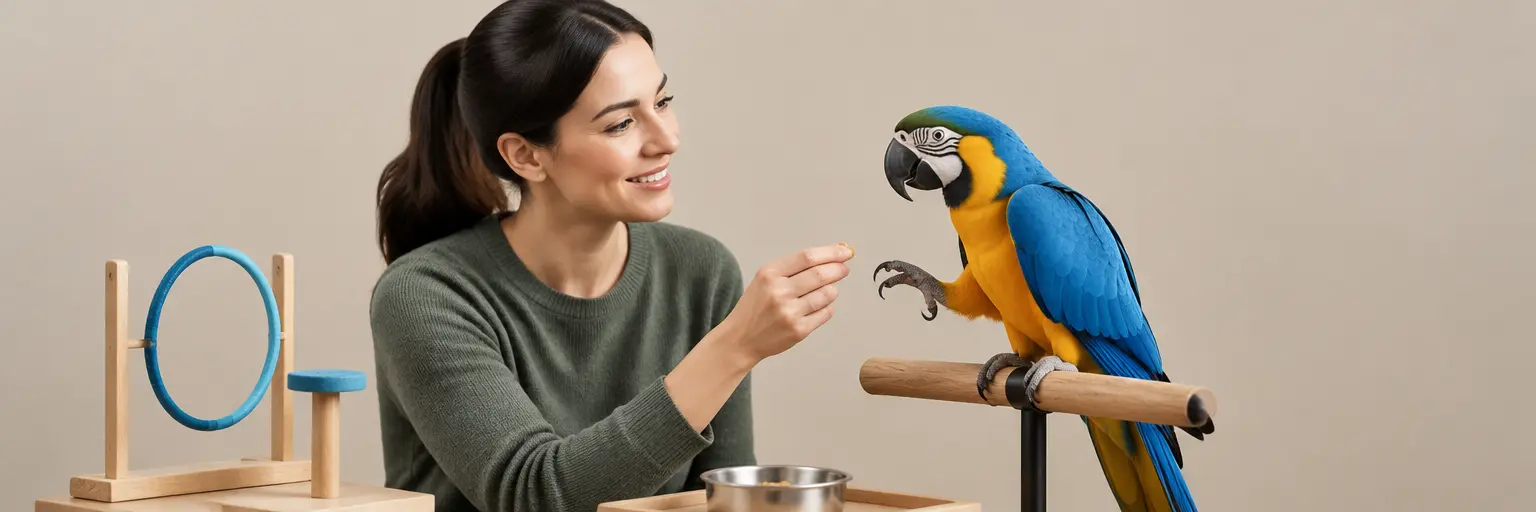
Discover the joy of a well-behaved feathered friend with our expert insights into basic bird training techniques—your first step toward a stronger bond and a happier home. From teaching gentle step-up commands to mastering positive reinforcement, these foundational skills transform everyday care into rewarding interactions. Whether you’re nurturing a curious parrot or a playful budgie, our practical tips emphasize patience, consistency, and trust, making training stress-free for both you and your pet. Unlock the secrets to clear communication, reduce unwanted biting, and encourage natural behaviors that boost your bird’s mental stimulation and overall well-being. With our step-by-step guidance, you’ll build confidence in handling your avian companion while creating a safe, enriching environment. Perfect for beginners and seasoned owners alike, these techniques are backed by expert advice and designed to fit seamlessly into your daily routine. Start today and watch your relationship soar—because a trained bird is a happy bird, and a happy bird makes a truly delightful companion. Explore our resources to turn training into a fun, bonding adventure that lasts a lifetime.
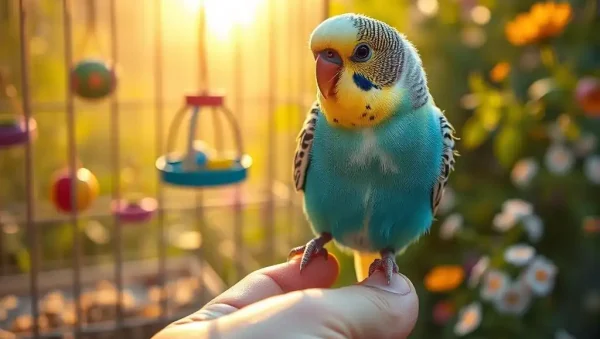
😊 Prepare for your bird's first training session with PetCareWorld's expert guide. Learn essential first bird training tips, setting expectations, and creating…
Read article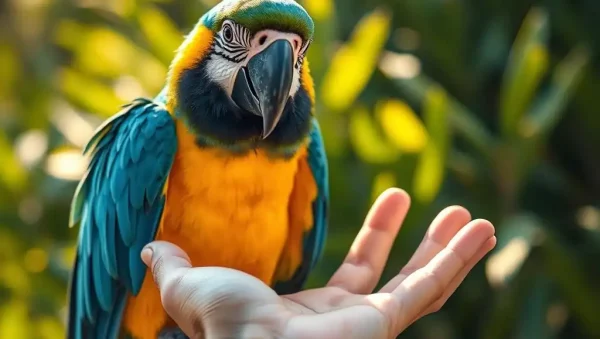
😊 Discover gentle methods to foster a strong bond with your feathered friend. Learn essential techniques to build trust with your pet…
Read article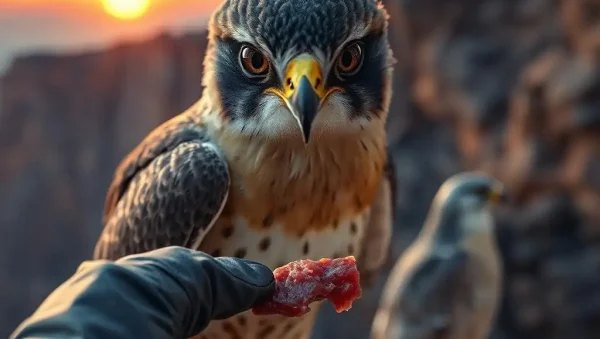
😊 Rescue bird training requires patience and understanding. Discover specialized techniques for building trust and addressing unique behavioral challenges in our expert…
Read article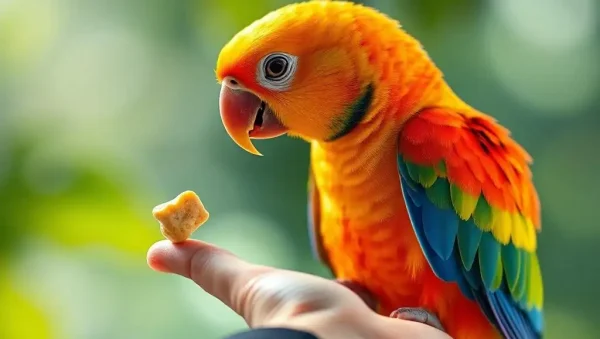
😊Mastering bird training hinges on understanding subtle body language signals. Learn to decipher your feathered friend's cues for a smoother, more rewarding…
Read articleWelcome to PetCareWorld’s dedicated hub for basic bird training techniques. Whether you have a curious budgie, a clever cockatiel, or a majestic African grey, establishing a foundation of trust and communication is vital. This subcategory is crafted for new and intermediate bird owners who want to move beyond simple taming and into structured, positive reinforcement-based learning. Here, you will discover step-by-step guidance on step-up training, target training, and gentle handling—all designed to reduce fear, prevent biting, and strengthen your bond. Our expert-vetted content ensures you avoid common pitfalls while using safe, reward-based methods that respect your bird’s natural instincts.
Before any formal training begins, your bird must see you as a safe, rewarding presence. This foundational phase focuses on desensitization, calm body language, and consistent routines. We guide you through “station training” where your bird learns to remain on a perch while you approach, and we emphasize the crucial role of voice tone and slow movements. Expect to learn how to read your bird’s subtle stress signals—like feather fluffing or beak grinding—so you can adjust your pace. A calm, trusting bird learns up to five times faster than a fearful one, making this stage non-negotiable for long-term success.
We also provide practical tips for creating a training-friendly environment—reducing loud noises, using a quiet room, and ensuring the cage is not overcrowded. Vous will discover how to use favorite treats strategically without overfeeding, and how to schedule short, frequent sessions (5–10 minutes) to match your bird’s attention span. This section is ideal for owners struggling with a new bird that hisses or avoids hands. By mastering trust, you’re not just preparing for tricks; you’re building a lifelong, stress-free companionship.
The step-up command—teaching your bird to move onto your finger or a perch on cue—is the cornerstone of bird handling. Our guides break down the process into tiny, manageable increments, starting with offering a flat hand at chest level and rewarding any forward movement. We cover how to avoid common mistakes like pulling your hand away too quickly or towering over the bird, which triggers a flight response. Expect precise instructions on using verbal cues (“step up”) paired with a gentle pressure on the lower chest, and how to use a training perch for nervous birds. This skill improves safety during cage cleaning, vet visits, and everyday interaction.
Birde owners often wonder, “What if my bird bites instead?” We address that directly with bite prevention techniques—reading warning signs, using a stick as an intermediary, and never punishing a nip. Your bird will learn that stepping up always leads to a reward or a favorite location, turning the behavior into a habit. We also discuss how to generalize the cue across different environments (from cage to play stand) so your bird listens everywhere. This section is packed with troubleshooting tips for stubborn birds, ensuring you get reliable results without frustration.
Target training uses a stick or your finger as a “target” your bird touches with its beak, allowing you to guide movement without grabbing. This is the most versatile basic technique because it teaches your bird to focus, move on cue, and follow directions. We explain how to choose the right target (a colored chopstick or pen cap) and start with clicker or verbal marker association (“yes!”) before ever introducing the target. You’ll learn a clicker-free method too, using a consistent word as your reward marker. Expect step-by-step plans for teaching your bird to touch the target, then to follow it onto scales, into carriers, or onto a travel perch—making vet visits less stressful.
Beyond practical handling, target training is a mental workout that reduces boredom and feather plucking. Nous dive into shaping behaviors—rewarding approximations toward the final goal—so you can teach complex sequences like stepping onto a specific toy or turning around. This method is safe for all parrot species, from tiny parakeets to large macaws. We also share how to fade the target out so your bird responds to just your finger or voice. By mastering target training, you unlock a clear communication channel that makes every future trick simpler and more enjoyable for both of you.
While not as flashy as tricks, potty training is a hygiene lifesaver for indoor birds. Our subcategory explains how to recognize your bird’s pre-dropping signals—like squatting or wing fluffing—and teach it to move to a designated perch or paper-lined area on command (“go potty”). We cover consistency, schedule-based training (e.g., after waking or eating), and how to reward successful attempts. Expect tips for managing accidents without scolding, and the science behind positive reinforcement vs. punishment. This training reduces mess around the house, prevents the need for constant cage cleaning, and makes free-flight time safer for your floors and furniture.
Routine management extends beyond potty—think nailing nail trimming, bathing, and towel wrapping through cooperative care. We show you how to pair these necessary handling tasks with target training and treats so your bird stays calm. For example, you can teach your bird to step onto a towel voluntarily or touch its beak to a nail file. These skills prevent stress-induced health issues and accidental bites during grooming. Nous also discuss daily schedule importance—sleep, feeding, and playtimes—that enhances predictability and reduces anxiety. A well-managed routine makes your bird more adaptable and confident in new situations.
Basic training isn’t just about teaching new skills; it’s about fixing unwanted ones like biting, screaming, and feather destructive behavior. This section explains how to apply counter-conditioning—changing your bird’s emotional response to triggers. For biting, we detail the “no reaction” method, where you calmly set the bird down and walk away, avoiding escalation. For screaming, we cover differential reinforcement of other behaviors (DRO)—rewarding quiet moments and ignoring loud bursts. Expect practical scripts for what to say and how to time rewards, so you see clear improvements within days. We also address sudden fear of hands or new objects, using target training to rebuild positive associations.
Beyond immediate fixes, we emphasize environmental enrichment—foraging toys, puzzle feeders, and rotating perches—to prevent boredom-driven issues. A trained bird is a busy bird, but you also need to manage its physical space. We guide you in creating a “chill zone” for timeouts that aren’t punishing but simply low-stimulus. Each problem-solving guide includes a priority list: check health first (pet birds hide illness), then diet, sleep, and social time before training. With our step-by-step interventions, you’ll turn frustration into a stronger relationship, understanding your bird’s body language and emotional needs on a deeper level.
To keep training effective, you need a way to measure success—both yours and your bird’s. We provide printable training logs and milestone checklists to track repetitions, success rates, and session duration. Expect guidance on setting realistic goals (e.g., “step up on cue within 2 weeks”) and how to adjust difficulty without overwhelming your bird. We also cover variable reinforcement schedules—switching from every-time treats to intermittent rewards—to make behaviors stick long-term. This section helps you notice small wins, like longer focus or faster response times, which reinforces your own consistency. Confidence grows when you see clear data, so we teach you how to observe and record objectively.
Confidence building also includes teaching simple tricks like turning around, wave, or fetching a small ball—perfect for social media-worthy moments but also mental stimulation. We show how to chain target and step-up cues into more complex behaviors, always ending sessions on a high note. And we emphasize the importance of wind-down rituals—offering a final treat, a calm “all done” cue, and letting your bird return to its cage independently. By systematically logging your progress, you’ll notice patterns and can preempt plateaus. This data-driven approach transforms basic training from guesswork into a rewarding hobby, deepening your connection with your feathered companion.
Typically, you’ll see the first reliable step-up within 1–2 weeks with daily 10-minute sessions. However, every bird is different—calmer species like cockatiels may respond faster, while shy parrots may need a month. Consistency matters more than speed; always end on a successful interaction. Track your bird’s response with a simple log—if no progress after three weeks, reassess your treats or handling pace.
Use tiny, high-value treats like a single sunflower seed (shelled), a piece of millet spray, or a peeled pumpkin seed. Offer only 3–5 treats per session and subtract them from daily rations. Avoid bread, sugary fruits, or salty snacks. For birds on a pellet diet, switch to a favorite fruit like a blueberry slice, but keep total treat calories under 10% of daily intake.
First, rule out illness or pain—schedule a vet check. Then, back up to trust exercises: sit near the cage, talk softly, and offer treats through bars. Use the target stick to guide your bird onto your hand without touching it. Never yell or shake your hand; that increases fear. Wear a leather glove only if absolutely necessary, then slowly fade it out.
Yes, absolutely. Senior birds may be slower but are often calmer and more food-motivated. Adapt sessions to 5 minutes, use softer treats, and avoid sudden movements. If your bird has never been handled, expect a longer trust-building phase. Patience is key—never force a step-up; allow the bird to come to you. Many owners successfully train 10+ year-old rescues.
Start with a very short target (like a pencil tip) held far away, rewarding any glance or approach toward it. Pair the target with a treat immediately. Gradually move the target closer to your hand, then eventually place your finger beside the target. If your bird panics, go back to simple presence—just sit near the cage and drop treats near the target. This desensitization rarely takes more than a week.