
Training a Rescue Bird: Special Considerations and Techniques

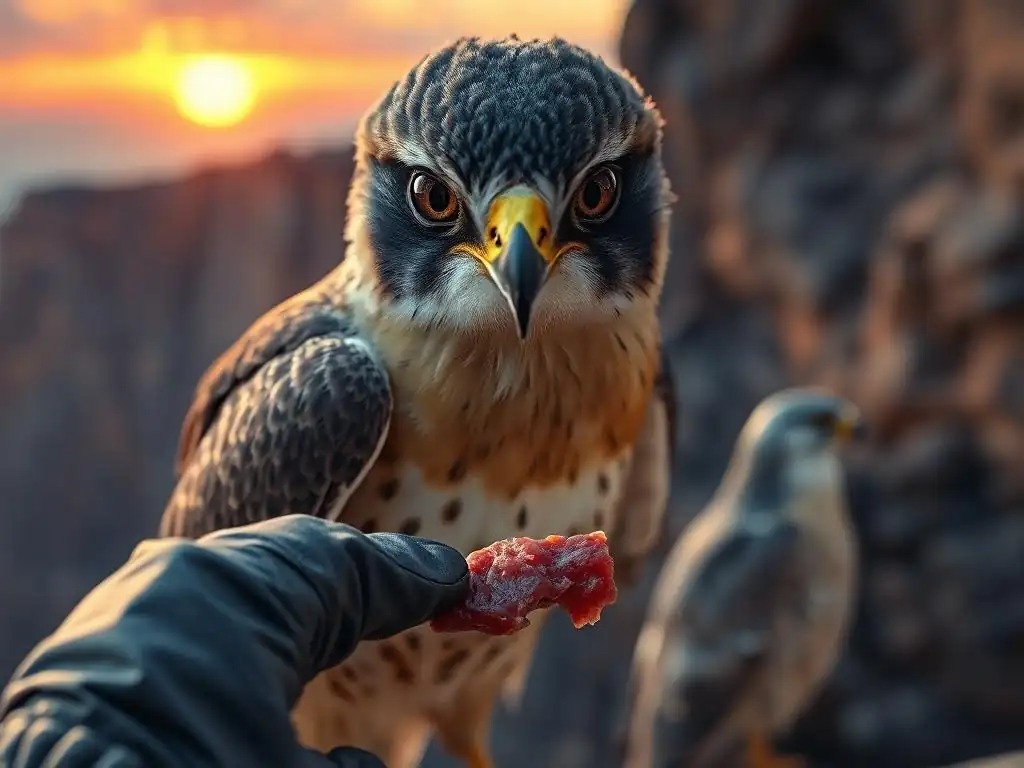
Welcome to PetCareWorld, your ultimate guide to a happier, healthier life for your beloved companion! Are you ready to unlock the secrets to successfully integrating a rescue bird into your home? Our in-depth guide on Rescue Bird Training Techniques offers expert advice and practical strategies to build trust and understanding with your feathered friend. Discover the unique challenges and rewarding experiences that await as you embark on this enriching journey. Dive in and learn how to create a thriving bond with your rescue bird!
- Understanding Your Rescue Bird's Background
- Specialized Training Techniques for Rescue Birds
- Common Challenges in Rescue Bird Training and Solutions
- Creating a Safe and Enriching Environment for Your Rescue Bird
- Seeking Professional Help for Your Rescue Bird
- Long-Term Success with Your Rescue Bird: Patience and Consistency
-
Frequently Asked Questions
- What special considerations should I take into account when training a rescue bird?
- How can I build trust with a traumatized rescue bird?
- What training techniques are most effective for rescue birds?
- How long does it typically take to train a rescue bird?
- What should I do if my rescue bird exhibits aggressive behavior?
- Final Reflection: The Enduring Flight of Rescue Bird Rehabilitation
- Unlock Your Feathered Friend's Potential: Take Flight with Training!
Understanding Your Rescue Bird's Background
Bringing a rescue bird into your home is a rewarding experience, but it also presents unique challenges. Unlike birds raised in captivity from a young age, rescue birds often arrive with a complex history that significantly impacts their behavior and trainability. Successfully training a rescue bird requires patience, understanding, and a tailored approach that acknowledges their past experiences.
This guide will explore the special considerations and techniques needed to effectively train a rescue bird, helping you build a strong bond and a happy, well-adjusted feathered companion. We'll delve into assessing their trauma, identifying pre-existing behavioral issues, and most importantly, building the crucial foundation of trust necessary for successful training. Remember, rescue bird training isn't about forcing compliance; it's about fostering a positive relationship based on mutual respect and understanding.
The journey may require more time and effort than training a bird raised in a controlled environment, but the rewards of rehabilitating a rescue bird and witnessing their transformation are immeasurable. This guide focuses on practical techniques and strategies to help you navigate the process effectively.
Assessing Trauma and Fear in Rescue Birds
Many rescue birds have experienced neglect, abuse, or trauma in their past. This can manifest in various ways, including fear of humans, loud noises, sudden movements, or specific objects. Before you even begin thinking about formal training, carefully assess your bird's comfort level and identify potential triggers. Observe their body language – ruffled feathers, flattened crests, dilated pupils, and avoidance behaviors are all signs of stress or fear. Start by providing a safe and quiet environment, minimizing potential stressors.
It's crucial to approach your bird slowly and deliberately. Avoid sudden movements or loud noises. Let them observe you from a distance, without any pressure to interact. Offer them treats, such as their favorite seeds or fruits, to create positive associations with your presence. Gradually decrease the distance between you and your bird, allowing them to approach you at their own pace.
Patience is paramount; some birds may take weeks or even months to overcome their fear and trust you. Remember, forcing interaction will only worsen their anxiety and hinder the training process. Consider consulting with an avian veterinarian or a certified avian behaviorist for guidance on addressing severe trauma or fear. They can provide personalized advice and support tailored to your bird's specific needs. Data suggests that a consistent, patient approach, combined with positive reinforcement, is the most effective method for building trust with a traumatized rescue bird.
Identifying Pre-existing Behavioral Issues
Beyond trauma and fear, rescue birds may exhibit other pre-existing behavioral issues. These could include feather plucking, aggression, excessive screaming, or destructive behaviors. Understanding the root cause of these behaviors is crucial for effective training. For example, feather plucking is often a sign of underlying stress, boredom, or medical issues. Aggression might stem from fear, lack of socialization, or a history of abuse. Careful observation and potentially veterinary consultation are necessary to accurately diagnose the issue.
Once you've identified the behavioral problem, you can tailor your training approach to address it. For instance, if your bird exhibits feather plucking, you might need to enrich their environment with more toys, provide opportunities for foraging, or address any underlying medical conditions. If your bird is aggressive, you’ll need to focus on building trust and using positive reinforcement techniques to encourage calm behavior. Creating a detailed behavioral log can be immensely helpful in identifying patterns and triggers.
Note the frequency, duration, and context of each behavior. This information will help you determine the most effective course of action. Remember, addressing the underlying cause of the behavior is key to achieving lasting change. Ignoring the root cause and focusing solely on suppressing the behavior rarely leads to long-term success.
Building Trust: The Foundation of Successful Rescue Bird Training
Building trust is the cornerstone of successful rescue bird training. It's a gradual process that requires patience, consistency, and a deep understanding of your bird's individual needs and personality. Positive reinforcement is crucial – rewarding desired behaviors with treats, praise, or petting reinforces those behaviors and encourages their repetition. Avoid punishment-based training methods, as these can be counterproductive and potentially traumatizing for a rescue bird.
Start with small, achievable goals. For example, you might start by simply getting your bird comfortable with your presence. Gradually introduce training exercises, such as target training (using a stick or finger as a target for the bird to touch) or step-up training (teaching the bird to step up onto your finger or a perch).
Keep training sessions short and positive, ending on a high note. Regular interaction, providing enrichment activities, and creating a safe and stimulating environment are all crucial components of building a strong bond with your rescue bird. The more comfortable and confident your bird feels, the more receptive they will be to training.
Remember, every bird learns at its own pace. Celebrate small victories and remain patient throughout the process. The journey of building trust and training a rescue bird is a testament to your dedication and understanding; the result is a deeply rewarding relationship with a cherished companion.
Specialized Training Techniques for Rescue Birds
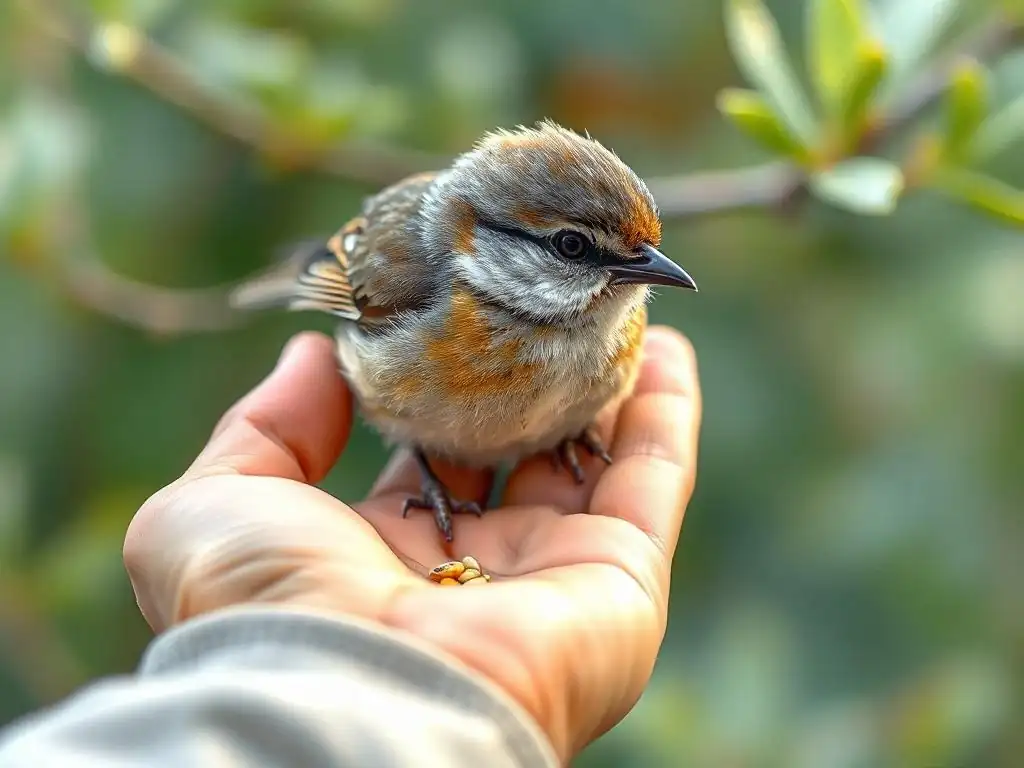
Rescue bird training presents unique challenges compared to training birds raised in captivity from a young age. Many rescued birds arrive with pre-existing behavioral issues stemming from neglect, trauma, or improper handling. Therefore, patience, understanding, and specialized techniques are crucial for success. This section focuses on proven methods for effectively training rescue birds, emphasizing positive reinforcement and gradual habituation. Mastering these techniques will significantly improve your bond with your feathered friend and enhance their overall well-being. Remember, consistency and a positive attitude are key to achieving positive outcomes in rescue bird training.
Positive Reinforcement: The Cornerstone of Rescue Bird Training
Positive reinforcement is the bedrock of successful rescue bird training. It involves rewarding desired behaviors with positive reinforcement, such as treats, praise, or physical affection. This approach builds trust and encourages your bird to repeat the desired actions. Avoid punishment-based methods, as these can exacerbate fear and anxiety, hindering progress.
For example, if you want to teach your bird to step up onto your finger, start by holding your finger near its perch. When it voluntarily steps onto your finger, immediately reward it with a small piece of a favorite treat and verbal praise like "Good bird!". Repeat this process numerous times throughout the day, gradually increasing the duration of time it spends on your finger. Consistency is key; the more frequently you practice, the faster your bird will learn.
It's important to select appropriate rewards. Small pieces of fruits, vegetables, seeds, or commercially available bird treats work well. Observe your bird's preferences to determine what motivates it most. Remember to maintain a positive and encouraging tone throughout the training sessions. Your bird will be more receptive to learning if it feels safe and secure. Avoid overwhelming your bird with long training sessions; short, frequent sessions are more effective. 🎉
Desensitization and Counter-Conditioning for Fearful Birds
Many rescue birds exhibit fear and anxiety due to past negative experiences. Desensitization and counter-conditioning are powerful techniques to help overcome these issues. Desensitization involves gradually exposing your bird to a feared stimulus at a low intensity, while counter-conditioning pairs the feared stimulus with a positive experience.
Let's say your bird is afraid of loud noises. Start by playing a very quiet recording of a similar sound at a distance. If your bird shows no signs of distress, reward it immediately. Gradually increase the volume and decrease the distance over several days or even weeks, always rewarding calm behavior. Simultaneously, pair the sound with positive reinforcement, such as offering a favorite treat or engaging in a fun activity. The goal is to associate the previously feared stimulus with positive emotions.
This process requires patience and careful observation. Never push your bird beyond its comfort zone. If it shows signs of fear (ruffled feathers, hiding, hissing), immediately reduce the intensity of the stimulus and try again later. The key is to create positive associations, slowly reducing the bird’s fear response. This methodical approach can significantly improve your bird's overall well-being and confidence.
Gradual Habituation: Introducing New Stimuli Slowly
Habituation is the process of getting your bird accustomed to new environments, objects, or people. Gradual introduction is crucial for rescue birds, especially those with a history of trauma. Introduce new things slowly and cautiously, allowing your bird to explore at its own pace.
For instance, if you want to introduce a new toy, place it near the cage initially, allowing your bird to observe it from a distance. If the bird doesn't show any signs of fear, gradually move the toy closer over several days. Once the bird approaches the toy, reward it with a treat. If it shows signs of fear, immediately move the toy farther away.
Similarly, when introducing new people, have them approach the cage slowly and quietly, avoiding sudden movements or loud noises. Allow your bird to observe them from a distance before allowing closer interaction. Remember, patience and understanding are essential. Celebrating small victories, no matter how minor, will reinforce positive interactions and build trust. This gentle approach helps your rescue bird adapt to its new surroundings and build confidence in its new home. This gradual process ensures a smooth transition and reduces stress for your newly rescued bird.
Targeting Training for Rescue Birds
Targeting is a foundational training technique incredibly useful for rescue birds, often exhibiting fear or anxiety. It involves teaching your bird to touch a target (a stick, finger, or even a specific spot) on command. This simple action builds trust and provides a positive interaction, crucial for establishing a bond with a traumatized bird. The process begins by gently presenting the target near the bird's beak. Many birds will instinctively peck at it out of curiosity.
When this happens, immediately reward the bird with a small, high-value treat (a favorite seed, a tiny piece of fruit, or a small drop of diluted juice). Repeat this process numerous times, gradually increasing the distance between the bird and the target before rewarding. Consistency is key; short, frequent training sessions are more effective than long, infrequent ones. Over time, the bird will associate the target with positive reinforcement, learning to actively seek it out. This technique is particularly beneficial for rescue birds because it helps establish a predictable and positive interaction pattern, mitigating fear and building confidence.
It also provides a way to gently guide the bird into desired positions for other training exercises, making subsequent steps easier and less stressful. Remember to always use positive reinforcement and avoid any forceful movements; patience and a gentle approach are essential for success. A fearful bird will likely need more time and patience than a more confident one. Observe your bird's body language closely; if they seem stressed or overwhelmed, end the session immediately and try again later.
Shaping Behavior Through Positive Reinforcement
Shaping, a powerful method in rescue bird training, involves rewarding successive approximations of a desired behavior. Instead of expecting a perfect behavior immediately, you reward any action that moves the bird closer to the goal. For example, if you want to teach your bird to step up onto your hand, you might initially reward it for simply looking at your hand, then for approaching your hand, then for touching your hand with its foot, and finally for stepping up onto your hand. Each small step forward is rewarded, reinforcing the desired behavior gradually. This technique is particularly effective for rescue birds because it avoids overwhelming them with complex commands.
It allows them to learn at their own pace, building confidence and positive associations with training. Using a clicker in conjunction with shaping can significantly enhance its effectiveness. The clicker provides a clear, consistent marker indicating the exact moment the bird performed the desired behavior, making the timing of the reward precise. This improves the bird’s understanding of what action earned the reward. Remember that positive reinforcement is crucial; harsh punishments or corrections will only instill fear and hinder progress.
It's vital to maintain a positive and patient attitude, celebrating even the smallest successes. Real-world examples of shaping include teaching a rescue bird to stay on its perch, to come to a specific location when called, or to perform tricks like bowing or retrieving small objects. The key is to break down complex behaviors into smaller, manageable steps, rewarding each approximation to guide the bird towards the desired outcome. This process is gradual, but with patience and consistency, even the most timid rescue bird can learn and thrive.
Common Challenges in Rescue Bird Training and Solutions
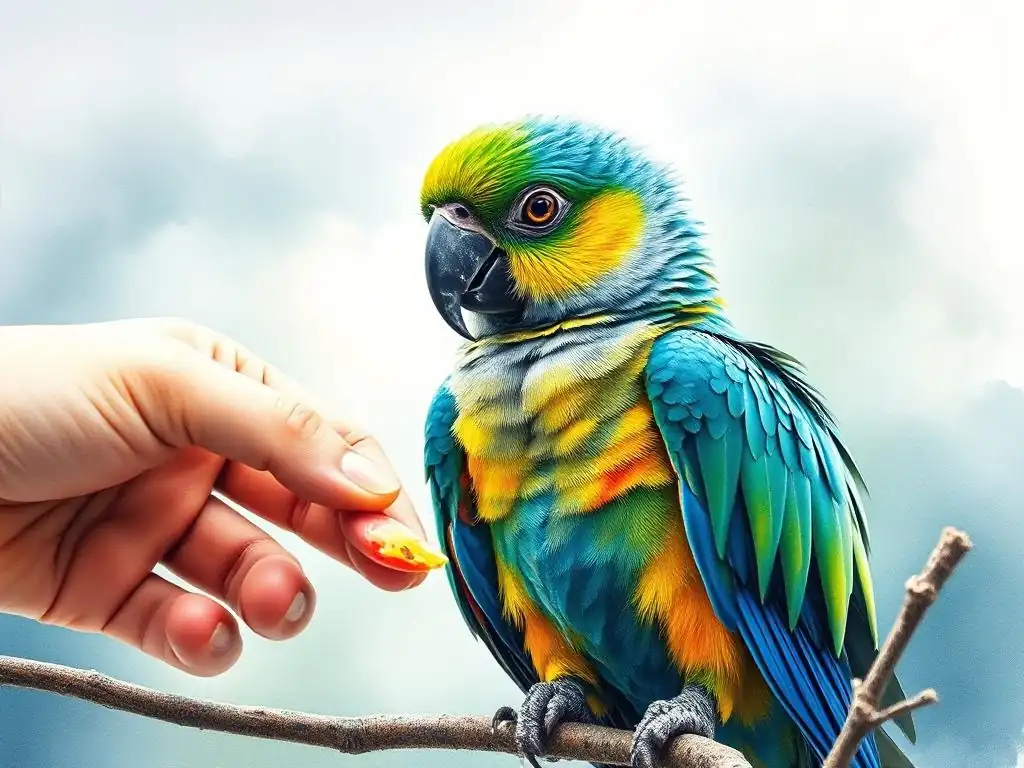
Rescue bird training presents unique challenges compared to training birds raised in captivity from a young age. Many rescued birds arrive with a history of trauma, neglect, or improper handling, leading to behavioral issues that require specialized techniques and patience. Understanding these challenges is crucial for success. Effective rescue bird training techniques focus on building trust, establishing a safe environment, and gradually introducing positive reinforcement methods. The key is to avoid pressure and focus on creating positive associations with human interaction. This section will delve into some of the most common challenges and offer practical solutions.
Addressing Aggression in Rescue Birds
Aggression in rescue birds can manifest in various ways, from biting and lunging to vocalizations intended to intimidate. Underlying causes are often rooted in fear, past trauma, or hormonal imbalances. Understanding the root cause is vital before implementing any training strategy. A thorough veterinary checkup is essential to rule out any medical conditions contributing to aggression.
Several approaches can be taken to address aggression. First, creating a safe and predictable environment is paramount. This includes providing ample space, appropriate perches, and enrichment activities to reduce stress and boredom, both of which can exacerbate aggressive behaviors. Next, positive reinforcement is key. Rewarding calm behavior with treats, praise, and gentle petting helps the bird associate positive experiences with human interaction. This is crucial in building trust.
It's important to remember that punishment is counterproductive. It will likely increase fear and anxiety, making the bird more aggressive. Instead, redirecting unwanted behaviors is more effective. If the bird starts to exhibit aggressive behavior, calmly remove the trigger and provide a safe alternative. For example, if the bird becomes aggressive when approached, provide a toy or treat to distract it and reward calm behavior.
Finally, patience and consistency are paramount. It may take weeks, months, or even years to fully rehabilitate an aggressive bird. Progress may be gradual, but consistent positive reinforcement will eventually lead to positive changes. Remember to celebrate even the smallest victories along the way, reinforcing the progress made. The goal is to build a bond of trust and mutual respect.
Managing Feather Plucking and Self-Mutilation
Feather plucking and self-mutilation are serious behavioral problems often seen in rescue birds. These destructive behaviors can stem from various factors, including stress, boredom, nutritional deficiencies, underlying medical conditions, and psychological trauma. A comprehensive veterinary examination is crucial to rule out any underlying medical issues.
Addressing feather plucking requires a multi-pronged approach. First, identify and address the underlying cause. This may involve improving the bird's environment, providing more enrichment activities, adjusting its diet, or addressing any medical conditions. Second, positive reinforcement can be used to reward behaviors incompatible with plucking. This might involve praising the bird when it preens normally or providing treats when it engages in alternative behaviors, such as chewing on a toy.
Environmental modifications are crucial. Ensure the bird has ample space, appropriate perches, and plenty of stimulating toys to prevent boredom. A balanced diet is also essential, providing all the necessary nutrients to support healthy feather growth. In severe cases, behavioral modification techniques, sometimes with the guidance of an avian veterinarian or a certified animal behaviorist, may be necessary.
This might involve using techniques like desensitization and counter-conditioning to help the bird associate positive feelings with its body and grooming. Remember, addressing feather plucking is a long-term commitment requiring patience and persistence. The goal is to help the bird find healthy coping mechanisms and build confidence.
Dealing with Fear-Based Behaviors in Rescue Birds
Many rescue birds exhibit fear-based behaviors, such as hiding, flinching, or avoiding human contact. These behaviors are often a result of past trauma or neglect. The key to addressing these issues is to build trust and create a safe and predictable environment.
Desensitization and counter-conditioning are two effective techniques. Desensitization involves gradually exposing the bird to fearful stimuli at a low intensity, slowly increasing the intensity as the bird becomes more comfortable. For example, if the bird is afraid of hands, you might start by simply placing your hand near the cage without making any direct contact. Gradually, you can move your hand closer, rewarding calm behavior with treats and praise.
Counter-conditioning pairs the fearful stimulus with positive reinforcement. This involves associating the fearful stimulus with positive experiences, such as treats, praise, or favorite toys. If the bird is afraid of certain sounds, you can play the sounds at a low volume while providing treats and praise. Gradually increase the volume as the bird becomes more comfortable.
Patience and understanding are essential. Building trust with a fearful bird takes time and consistent effort. Avoid forcing interaction; instead, let the bird approach you at its own pace. Create a safe and predictable environment, providing plenty of enrichment activities and avoiding sudden movements or loud noises. Remember, every bird is an individual, and the approach to training needs to be tailored to its specific needs and personality. Celebrate small victories and acknowledge the progress made. The ultimate goal is to help the rescued bird overcome its fears and develop a positive relationship with humans.
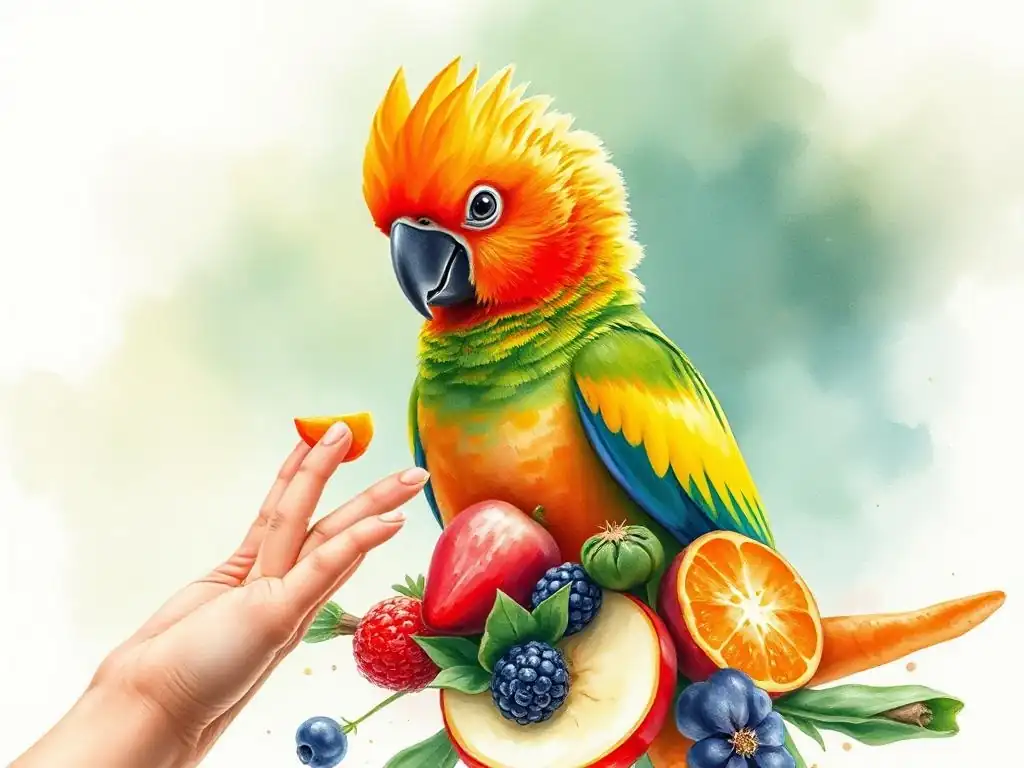
Rescue birds often arrive with unpredictable eating habits. Some may be underweight due to neglect or previous dietary deficiencies, while others might be overweight from inappropriate feeding. Understanding their history is crucial. A thorough veterinary check-up is the first step to address any underlying health problems that might be affecting their appetite or digestion. For example, a bird with a history of malnutrition might require a gradual transition to a balanced diet, starting with small portions of highly palatable, nutritious foods to stimulate their appetite and build trust.
This could involve offering small amounts of finely chopped fruits and vegetables alongside their regular pellets. Monitoring their weight and adjusting food portions accordingly is essential. Conversely, an obese bird will need a carefully planned weight-loss program supervised by an avian veterinarian. This might involve reducing portion sizes, increasing exercise, and switching to a lower-calorie diet. Remember, sudden dietary changes can be stressful for birds, so patience and consistency are key.
Positive reinforcement, such as offering a small treat after they eat a portion of their healthy food, can encourage better eating habits. Providing fresh water at all times and ensuring the bird has access to appropriate foraging toys can also stimulate natural feeding behaviors. Patience and a gradual approach are crucial for success; rushing the process can lead to setbacks and further stress for the bird. The goal is to establish a healthy, consistent eating routine that supports the bird's overall well-being.
Modifying Unwanted Vocalizations in Rescue Birds
Many rescue birds exhibit unwanted vocalizations, often due to past trauma, neglect, or inappropriate training. These might include excessive screaming, screeching, or repetitive calls at inappropriate times. Understanding the why behind the vocalizations is critical before attempting modification. Is the bird lonely, bored, or seeking attention? Is it reacting to specific stimuli, such as sounds or movements? A thorough assessment of the bird's environment and daily routine is essential.
For example, a bird kept in a small, barren cage might vocalize excessively due to boredom and lack of stimulation. Providing a larger cage, enrichment toys, and opportunities for interaction can significantly reduce unwanted vocalizations. Positive reinforcement techniques, such as rewarding quiet behavior with praise and treats, are highly effective. Ignoring unwanted vocalizations (unless they are excessively loud or disruptive) can also be helpful, as it removes the reinforcement the bird might be receiving from attention. However, this technique requires patience and consistency.
Desensitization and counter-conditioning can be used to address vocalizations triggered by specific stimuli. For example, if a bird screams whenever someone approaches the cage, gradually increasing the proximity of the person while rewarding calm behavior can help the bird associate the presence of humans with positive experiences. In severe cases, consultation with an avian veterinarian or a certified avian behaviorist may be necessary to rule out underlying medical conditions or to develop a tailored behavior modification plan. Remember, consistency and patience are paramount in modifying unwanted vocalizations; quick fixes rarely work, and a gradual, systematic approach is essential for long-term success. The ultimate goal is to help the bird develop healthier communication patterns and reduce stress.
Creating a Safe and Enriching Environment for Your Rescue Bird
Rescue bird training techniques hinge on establishing a foundation of trust and security. A bird traumatized by previous experiences needs a calm, predictable, and stimulating environment to thrive and learn. This section details how to create such a space, focusing on the importance of safety and enrichment. Neglecting this crucial first step can significantly hinder your progress in training your rescue bird.
Providing a Secure and Comfortable Habitat
The cage should be spacious enough to allow your bird to comfortably stretch its wings and move around freely. Avoid overcrowding with toys or perches; maintaining a sense of spaciousness reduces anxiety. The materials should be non-toxic and easily cleanable. Stainless steel or heavy-duty plastic are preferred over materials that can be easily chewed and ingested. Consider the bird's species-specific needs; for instance, a large parrot requires a much larger cage than a finch.
Providing adequate perches of varying diameters and textures is vital for foot health and comfort. Avoid using single, smooth perches as these can lead to foot deformities over time. Natural wood perches are ideal. The placement of the cage should also be carefully considered. Avoid placing it in high-traffic areas or near sources of noise or sudden movements. A quiet corner, away from direct sunlight and drafts, is best.
A cover for the cage can provide a sense of security, particularly during nighttime or stressful periods. Consistent temperature and humidity levels, appropriate for the bird's species, should be maintained. This often involves using a thermometer and hygrometer. Finally, regular cleaning is paramount. Daily spot cleaning and more thorough weekly cleanings are necessary to prevent the build-up of harmful bacteria and maintain a healthy environment.
Enrichment Activities to Stimulate Your Rescue Bird
Enrichment is crucial not only for a rescue bird's mental well-being but also for successful training. A bored or understimulated bird is more likely to exhibit problem behaviors, making training significantly more challenging. The goal is to provide a variety of activities that stimulate your bird's natural instincts and encourage exploration.
This includes providing a diverse range of toys, rotating them regularly to prevent boredom. Foraging toys, puzzle feeders, and interactive toys that require problem-solving skills are especially beneficial. Consider using natural materials like wood, seagrass, and sisal rope in toy construction. These provide opportunities for chewing and shredding, satisfying natural behaviors. Remember to supervise your bird with new toys initially to ensure they are safe and appropriate.
Furthermore, providing opportunities for social interaction, either with you or other compatible birds (under careful supervision), can significantly improve your bird's mood and reduce stress. This can be as simple as spending time talking to your bird, singing, or reading to them. Finally, consider incorporating environmental enrichment. This may include changing the arrangement of perches and toys within the cage regularly, adding new branches or foliage, or providing a safe opportunity for out-of-cage time in a supervised, bird-proofed area.
Maintaining a Consistent Routine for Your Rescue Bird
Consistency is key when training a rescue bird. Birds thrive on routine and predictability. A consistent daily schedule helps to reduce stress and build trust. This includes feeding at the same time each day, providing opportunities for interaction and playtime, and maintaining a regular sleep-wake cycle. A consistent routine provides a sense of security and helps your bird learn to anticipate events, reducing anxiety and making them more receptive to training.
This routine should include regular opportunities for interaction and bonding. Spending quality time with your bird, even if it's just for a few minutes each day, can significantly strengthen your bond and improve their overall well-being. This time should be free from pressure or demands, focusing instead on positive interaction and gentle handling. Remember that building trust takes time and patience.
Avoid forcing interaction or handling; allow your bird to approach you at its own pace. A consistent, positive approach will yield better results than harsh or forceful methods. Establishing a clear and consistent routine is a fundamental aspect of successful rescue bird training techniques, enabling a more harmonious and trusting relationship. This predictability reduces stress and fosters a sense of security, paving the way for more effective training sessions.
Seeking Professional Help for Your Rescue Bird
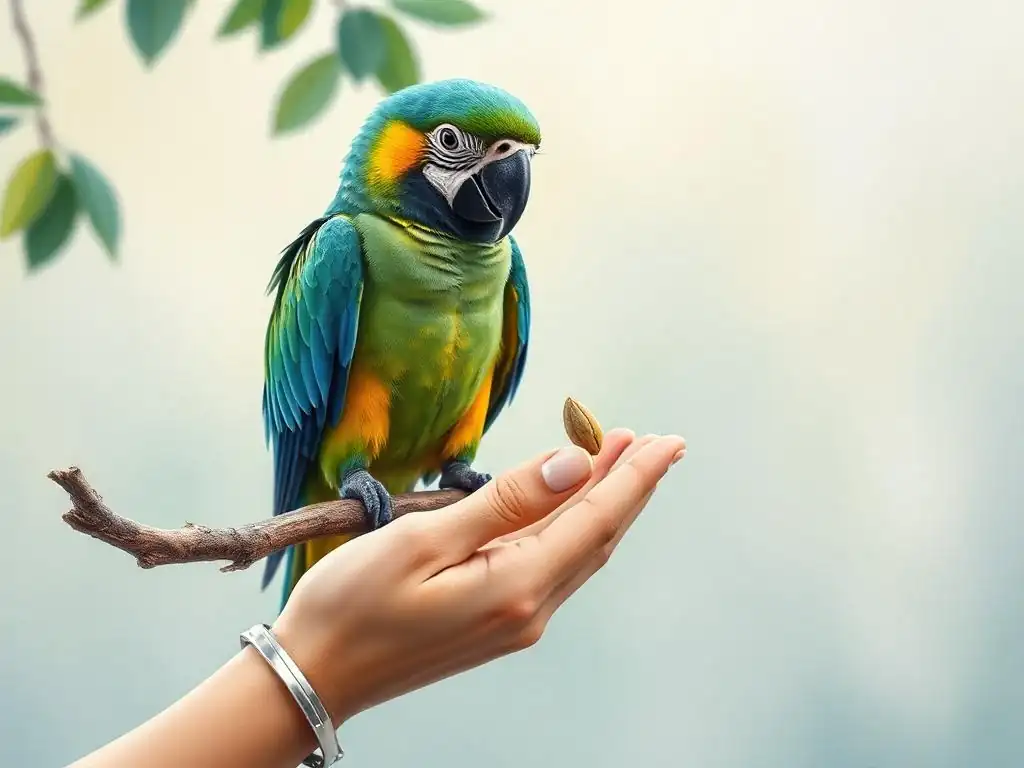
Rescue bird training techniques often require more patience and understanding than training birds from breeders. Many rescued birds have experienced trauma, neglect, or inconsistent care, leading to behavioral issues that may necessitate professional intervention. Don't hesitate to seek expert assistance; it's a sign of responsible pet ownership, not failure. Early intervention can prevent problems from escalating and improve your bird's quality of life. Remember, a happy, well-adjusted bird is a more trainable bird. This section will outline when and how to access professional help for your feathered friend.
When to Consult an Avian Veterinarian
Before embarking on any training regimen, a thorough veterinary checkup is crucial. An avian veterinarian can identify underlying health issues that might be contributing to behavioral problems. For example, a bird exhibiting aggression might be experiencing pain from an undiagnosed injury or illness. Similarly, hormonal imbalances or nutritional deficiencies can significantly impact a bird's temperament and ability to learn. A vet can also rule out any medical conditions that could be exacerbated by training methods. Consider scheduling a visit if you observe any of the following:
- Changes in eating habits: Sudden weight loss, increased appetite, or refusal to eat.
- Feather plucking or other self-mutilating behaviors: This often indicates stress, discomfort, or underlying medical problems.
- Respiratory issues: Wheezing, coughing, or difficulty breathing.
- Lethargy or unusual sleep patterns: Significant changes in activity levels can be indicative of illness.
- Changes in droppings: Unusual color, consistency, or frequency.
- Aggression or unusual fear: Extreme behavioral shifts should always warrant a veterinary visit.
Remember, preventative care is key. Regular checkups are essential for maintaining your bird's health and preventing potential training obstacles. A healthy bird is far more receptive to training than one struggling with illness or discomfort.
Finding a Certified Avian Behaviorist
While avian veterinarians can address medical concerns, a certified avian behaviorist specializes in understanding and modifying bird behavior. These professionals possess in-depth knowledge of avian psychology and can offer tailored strategies for addressing specific behavioral challenges. They can help identify the root causes of problematic behaviors, such as fear-based aggression or learned helplessness, often prevalent in rescue birds.
Avian behaviorists use positive reinforcement techniques and other specialized methods to help birds overcome trauma and learn new, desirable behaviors. Finding a certified behaviorist may require some research, but the benefits far outweigh the effort. Look for professionals with experience working with rescue birds and a proven track record of success.
Utilizing Online Resources and Support Groups for Rescue Bird Owners
The internet offers a wealth of information and support for rescue bird owners. Numerous online forums and support groups provide a platform to connect with experienced bird owners, share experiences, and gain valuable insights into rescue bird training techniques. These communities can offer practical advice, troubleshooting tips, and emotional support during challenging times. Remember to always critically evaluate information found online and prioritize advice from certified professionals.
However, these communities can be invaluable for finding solutions to common problems and learning from others' successes and mistakes. The shared experiences and collective wisdom available within these online groups can significantly enhance your ability to successfully train your rescue bird and foster a strong bond. Remember to always prioritize the safety and well-being of your bird and seek professional help when needed. Positive reinforcement and patience are key elements in successful rescue bird training.
Long-Term Success with Your Rescue Bird: Patience and Consistency
Rescue bird training techniques require a fundamentally different approach than training birds bred in captivity. These birds often arrive with a history of trauma, neglect, or inconsistent handling, leading to fear, anxiety, and behavioral issues. Patience and consistency are paramount for building trust and achieving long-term success. Remember, the goal isn't just to teach tricks; it's to foster a positive and trusting relationship. This will significantly impact your bird's overall well-being and happiness. A rushed or forceful approach can undo weeks of progress and severely damage your bond.
Maintaining Positive Reinforcement Strategies
Positive reinforcement, the cornerstone of successful bird training, is especially crucial with rescue birds. Instead of relying on punishment, which can exacerbate fear and anxiety, focus on rewarding desired behaviors. This could involve providing small treats (like millet sprays or sunflower seeds—always in moderation! ), verbal praise, or even a gentle scratch under the chin. Consistency is key; always reward the same behavior with the same reward to avoid confusion.
For example, if you're teaching your bird to step up onto your finger, reward every successful attempt, no matter how small. Avoid rewarding unwanted behaviors, even unintentionally. If your bird starts exhibiting undesirable behaviors like biting, calmly redirect its attention to a more appropriate activity. Don't react with anger or fear—this will only reinforce the negative behavior. Remember to keep training sessions short and frequent, ideally several times a day for shorter durations, rather than one long, stressful session.
Ongoing Enrichment and Mental Stimulation
Rescue birds often exhibit behavioral issues stemming from boredom or lack of mental stimulation in their previous environments. Providing a stimulating environment is crucial for preventing destructive behaviors and promoting emotional well-being. This includes offering a variety of toys, foraging opportunities, and interactive games. Rotate toys regularly to prevent boredom and maintain your bird's interest. Foraging toys, which require your bird to work for its food, are especially effective in channeling natural instincts and providing mental stimulation.
Consider puzzles, treat balls, or even hiding food in different parts of the cage. This will not only keep your bird entertained but also help build confidence and reduce anxiety. These enrichment activities are integral to a successful rescue bird training program. Consider the specific needs of your bird's species; some species are more intellectually demanding than others.
Celebrating Milestones and Recognizing Progress
Training a rescue bird is a marathon, not a sprint. There will be setbacks and frustrations along the way. It's essential to celebrate even the smallest victories and acknowledge your bird's progress. This positive reinforcement extends to you as well; acknowledge your own efforts and patience.
Keep a training journal to track your bird's progress and identify areas that need further attention. Note down successful techniques and those that proved less effective. This detailed record allows you to reflect on your achievements and make adjustments as needed. Celebrating milestones, no matter how small—from the first time your bird steps up onto your finger to mastering a new trick—reinforces positive behavior and strengthens your bond.
Remember, building trust takes time, and consistent positive reinforcement is the key to unlocking your rescue bird's full potential. The journey itself is a testament to your dedication and compassion. The reward is a happy, healthy, and well-adjusted companion.
Frequently Asked Questions
What special considerations should I take into account when training a rescue bird?
Rescue birds often have past trauma affecting their behavior. Start with building trust through gentle interactions and positive reinforcement before formal training. Patience and understanding are key.
How can I build trust with a traumatized rescue bird?
Focus on creating a safe and predictable environment. Offer positive interactions, like gentle talking and offering favorite treats, without forcing contact. Avoid sudden movements or loud noises.
What training techniques are most effective for rescue birds?
Positive reinforcement is crucial. Use rewards (treats, praise) for desired behaviors and ignore or gently redirect unwanted actions. Avoid punishment, which can worsen trauma.
How long does it typically take to train a rescue bird?
Training a rescue bird takes patience and time, varying greatly depending on the bird's history and personality. Some birds may progress quickly, while others require months or even years of consistent effort.
What should I do if my rescue bird exhibits aggressive behavior?
Consult an avian veterinarian to rule out underlying medical issues. Seek guidance from a certified avian behaviorist to develop a customized plan to address the aggression using positive reinforcement techniques.
Final Reflection: The Enduring Flight of Rescue Bird Rehabilitation
The successful rehabilitation of a rescue bird hinges not just on technical skill, but on a profound understanding of their unique needs and the unwavering commitment to their well-being. The journey, as detailed in this article, is a testament to the power of patience, empathy, and specialized training techniques in transforming a traumatized creature into a thriving individual. This is more than just bird training; it's a powerful act of compassion with far-reaching implications.
The impact of rescue bird rehabilitation extends far beyond the individual bird; it speaks to our responsibility towards the natural world and the vulnerable creatures within it. The bond forged during this process is unlike any other, a testament to the resilience of both bird and human. The best mirror is an old friend.
This quote, though not directly about birds, perfectly encapsulates the reflective nature of this work; we see ourselves reflected in the bird's progress, learning about patience, perseverance, and the profound rewards of selfless care.
You, the reader, now hold the knowledge to make a difference. Consider the birds you encounter – the injured sparrow on your lawn, the disoriented owl in your backyard. Will you simply observe, or will you take action? This article has equipped you with the understanding to assess a situation, seek appropriate help, or even, with proper guidance, begin the journey of rehabilitation yourself. Remember, every rescued bird is a testament to the power of human compassion and a symbol of hope for a healthier future for our avian companions.
Unlock Your Feathered Friend's Potential: Take Flight with Training!
Thank you for learning about training rescue birds! We hope this guide has given you the confidence and knowledge to build a stronger bond with your avian companion. Now it's time to put that knowledge into practice.
- Prioritize Positive Reinforcement: Begin implementing the training techniques discussed, focusing on positive reinforcement and building trust. Remember, patience is key!
- Share Your Progress: Join our PetCareWorld community forum and share your training journey – celebrate successes and discuss challenges. Let's learn from each other!
- Explore Advanced Training: Deepen your understanding of avian behavior and training by researching techniques specific to your bird's species and personality. You might be surprised by what you discover!
What small step will you take today to strengthen your bond with your rescued bird?