
Decoding Bird Body Language: Understanding Your Bird's Signals During Training

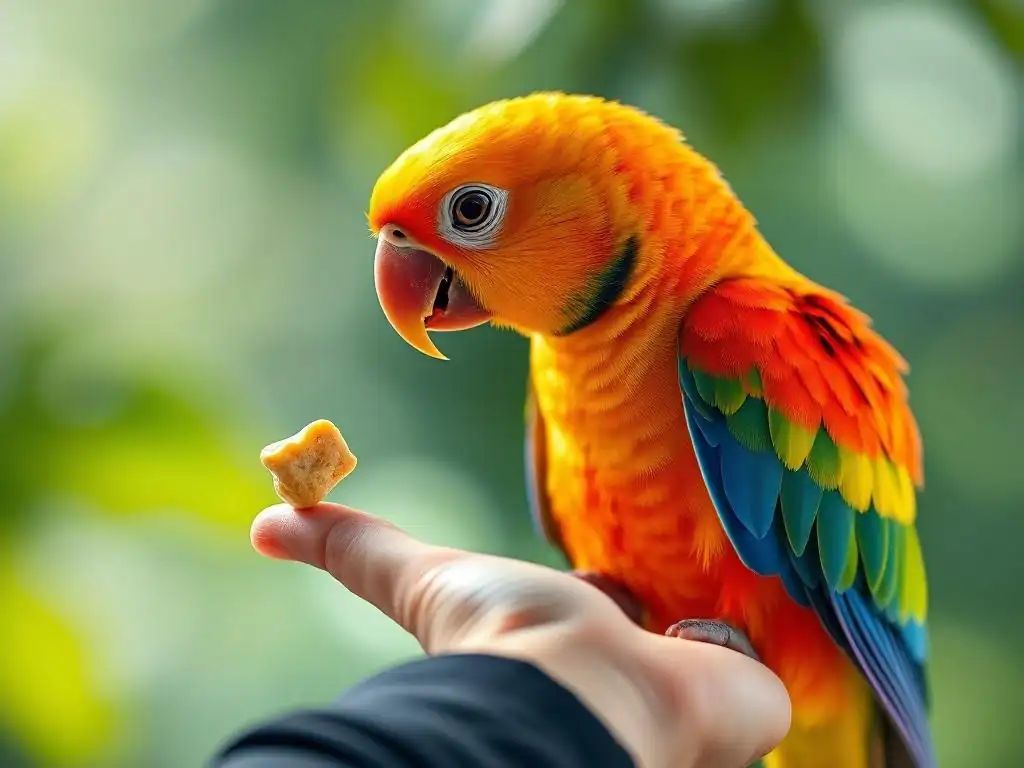
Welcome to PetCareWorld, your ultimate guide to a happier, healthier life with your beloved pets! Are you ready to unlock the secrets of successful bird training? Understanding your feathered friend's body language signals is key, and our expert guide on "Decoding Bird Body Language: Understanding Your Bird's Signals During Training" will equip you with the knowledge to build a stronger bond and achieve training success. Dive in and discover the fascinating world of avian communication – your bird will thank you for it!
- Understanding Bird Communication During Training
- Key Bird Body Language Signals to Watch For During Training
- Practical Application: Using Body Language to Improve Bird Training
- Common Mistakes to Avoid When Interpreting Bird Body Language
- Advanced Techniques for Reading Bird Body Language
-
Frequently Asked Questions
- How can I tell if my bird is stressed during training?
- What are some common signs of a happy and receptive bird during training?
- What does it mean when my bird is tilting its head during training?
- My bird is constantly biting during training sessions. What should I do?
- How can I use my bird's body language to make training more effective?
- Final Reflection: Unlocking Avian Communication: A Deeper Bond Through Understanding
- Unlock Your Bird's Secrets: Mastering Avian Communication
Understanding Bird Communication During Training
Effective bird training hinges on understanding avian communication. Unlike dogs or cats, birds express themselves primarily through subtle body language cues, vocalizations, and even subtle shifts in posture. Successfully training a bird requires keen observation and the ability to decipher these signals, differentiating between positive acceptance, negative discomfort, and neutral states.
Ignoring these signals can lead to frustration for both you and your feathered friend, potentially hindering the training process and even causing stress or fear. This article will equip you with the knowledge to interpret your bird's body language, ensuring a positive and rewarding training experience, building a stronger bond, and fostering a happy, well-adjusted companion. Mastering bird body language is paramount for successful and ethical bird training.
We'll explore how to read these signals to optimize your training sessions and build a trusting relationship with your bird. Learning to recognize these cues allows for proactive adjustments in your approach, ensuring a safe and effective training environment.
Recognizing Positive Bird Body Language Signals During Training
Positive body language signals from your bird indicate comfort, engagement, and receptiveness to training. These signs are crucial to identify as they signal that your bird is actively participating and enjoying the session. Recognizing these cues allows you to continue with the training exercise and reinforce the positive behavior. Here are some key indicators:
- Soft, relaxed posture: A relaxed bird will typically have its feathers smooth and close to its body, its wings relaxed at its sides, and its head held in a neutral position.
- Bright, clear eyes: Alert but not overly wide eyes suggest interest and attentiveness.
- Soft chirps or whistles: Gentle vocalizations often indicate contentment and a positive response to the training.
- Head bobbing or tilting: This can sometimes indicate interest and engagement in what's happening.
- Approaching you willingly: If your bird actively moves towards you or the training area, it's a clear sign of positive engagement.
- Taking treats readily: A willing acceptance of treats signifies a positive association with the training process.
For example, if your bird readily steps up onto your finger after a cue and then accepts a treat with enthusiasm, this demonstrates a clear positive response. These positive indicators should encourage you to continue reinforcing the desired behavior. Remember to always use positive reinforcement methods, such as treats and praise, to strengthen these positive associations.
Identifying Negative Bird Body Language Signals During Training Sessions
Negative body language signals are equally crucial to recognize. These signals indicate stress, fear, or discomfort, and ignoring them can lead to a breakdown in trust and potentially negative behavioral issues. It's vital to immediately cease the training session and address the cause of your bird's distress. Here are some key indicators of negative body language:
- Fluffed-up feathers: This is a common sign of stress or fear, as the bird is trying to make itself appear larger and more intimidating.
- Dilated pupils: Wide eyes often indicate fear or anxiety.
- Rapid breathing or panting: This can be a sign of significant stress or exertion.
- Aggressive behaviors: Biting, lunging, or hissing are clear signs of discomfort or fear.
- Tucked head or tail: These postures often indicate fear or submission.
- Avoidance behavior: If your bird actively tries to move away from you or the training area, it's a clear sign of discomfort.
It's crucial to stop training immediately if you observe any of these signs. Analyze the situation: Is the training session too long? Is the environment too stimulating? Is the task too difficult? Addressing the cause of the bird's stress is key to maintaining a positive training experience. Remember, a fearful bird will not learn effectively.
Interpreting Neutral Bird Body Language: What Does It Mean?
Neutral body language indicates that your bird is neither particularly positive nor negative toward the training. It's neither actively engaged nor actively resisting. These signals often indicate that you need to adjust your approach or the training session. They are not necessarily negative but suggest a need for modification. Neutral signals often include:
- Normal feather position: Feathers are neither fluffed up nor tightly pressed against the body.
- Normal pupil size: Eyes are neither dilated nor unusually constricted.
- Quiet, but not necessarily relaxed: The bird may be still, but not showing clear signs of relaxation or engagement.
- Slight head movements: Minimal head movements without clear intent.
- Indifferent response to cues: The bird may not respond to cues consistently or with enthusiasm.
Neutral body language usually indicates a need for reassessment. Is the training method clear? Is the bird tired or hungry? Is the session too long or too short?
Perhaps a change in approach, a shorter session, or a different reward system is needed. Careful observation and adjustments will help you navigate these neutral responses and continue training successfully. Remember, even neutral responses provide valuable information about your bird's state and can guide you towards a more effective training strategy. Patience and attentive observation are key to deciphering these subtle cues and building a strong, positive relationship with your avian companion.
Key Bird Body Language Signals to Watch For During Training
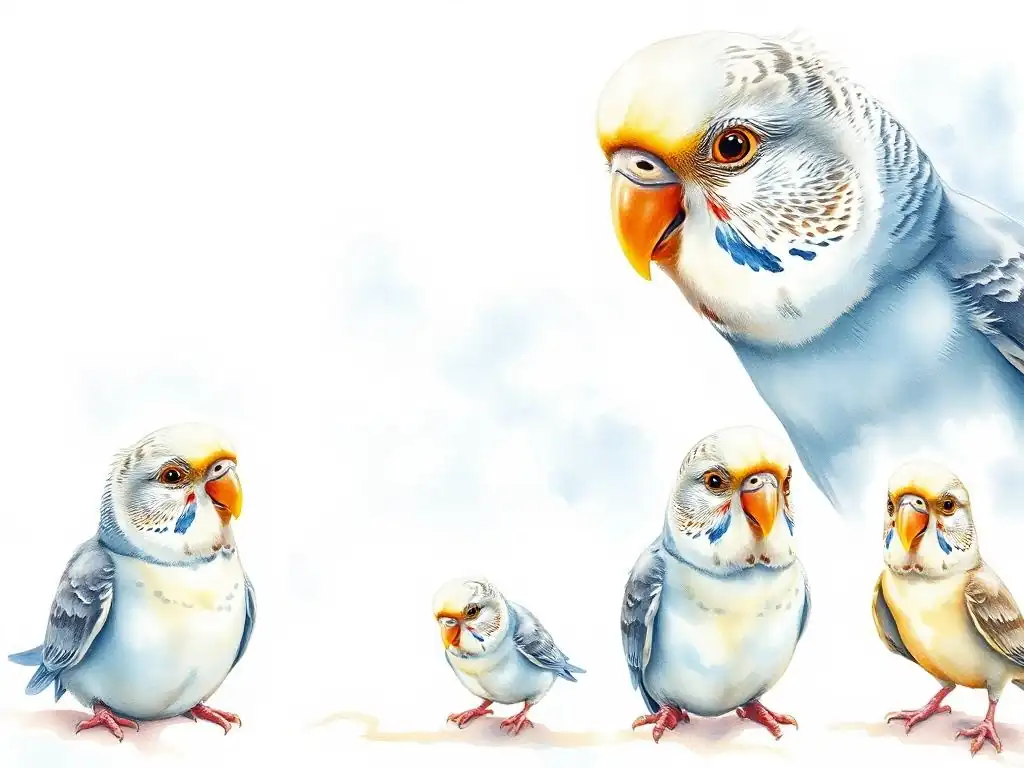
Understanding your bird's communication is crucial for successful bird training. Birds, unlike dogs or cats, rely heavily on subtle body language cues to express their feelings and intentions. Ignoring these signals can lead to frustration for both you and your feathered friend, potentially hindering progress and even causing stress or fear.
Mastering the art of interpreting bird body language is paramount to building a positive training relationship based on trust and mutual understanding. This section will focus on key signals to watch for during your training sessions, helping you become a more effective and empathetic bird trainer. Effective bird training relies heavily on understanding these nuances.
Head Movements and Their Significance in Bird Training
Head movements are incredibly expressive in avian communication. A simple tilt of the head, a quick bob, or a slow turn can convey a range of emotions and intentions. For example, a rapid head bobbing often indicates excitement or anticipation, particularly if accompanied by other positive signals like relaxed posture and soft vocalizations. This is a great sign that your bird is engaged and receptive to training. Conversely, a slow, deliberate head shake might signify discomfort, displeasure, or even fear. This is a clear indication to pause the training session and reassess the situation.
Consider this scenario: you’re teaching your bird a new trick, and it successfully performs a step. A rapid head bob accompanied by a soft chirp is a positive reinforcement cue – reward the bird immediately! However, if it then displays a slow head shake and slightly puffed-up feathers, it might be feeling overwhelmed. In this case, break down the trick into smaller, more manageable steps.
Another important head movement to watch for is the head turn. A slight head turn away from you could indicate a desire for space or a feeling of being overwhelmed. A direct head turn towards you, on the other hand, usually signals attentiveness and engagement. Remember, always pay attention to the context of the head movement; consider the surrounding body language cues to get a complete picture.
Tail Positions and Their Meaning in Bird Communication
The tail is another important indicator of your bird's emotional state. The position of your bird's tail can provide valuable insights into its comfort level and receptiveness during training. A relaxed, slightly lowered tail usually suggests contentment and a willingness to participate. This is an ideal time to continue with the training session. However, a tail that is clamped tightly against the body, often accompanied by other signs of stress such as narrowed eyes or ruffled feathers, indicates fear or anxiety. This warrants an immediate halt to the training session.
The bird's tail may also exhibit a wagging motion. While a gentle wagging can sometimes be a sign of happiness, a rapid, frantic wagging is usually associated with stress or agitation. It's important to differentiate between these two types of tail wagging to accurately interpret your bird's signals. Furthermore, a tail that is held high and slightly fanned out can sometimes indicate aggression or territorial behavior, though this is less common during training. Context is key!
Wing Postures: Deciphering Your Bird's Intentions
Wing posture is another subtle yet significant aspect of bird body language. During training, observe your bird's wings closely. Wings held close to the body usually indicate a calm and relaxed state. This is a good sign that your bird is comfortable and engaged in the training process. Conversely, wings held slightly away from the body might suggest a feeling of unease or nervousness. This could be a signal to slow down the pace of training or take a break.
Furthermore, drooped or slightly tucked wings can signify illness or discomfort, so it's essential to pay attention to this signal. If your bird is exhibiting this posture, consider consulting an avian veterinarian. Finally, rapid wing flapping can indicate excitement, but it could also be a sign of stress or agitation, depending on the context. Always consider the entire picture of your bird's body language, not just one isolated signal. Understanding the nuances of wing posture, combined with other signals, will help you navigate training sessions effectively and ensure a positive experience for your bird.
Remember, consistent observation and understanding of your bird's unique signals are key to successful bird training. Each bird has its own personality and communication style, so learning to read your bird's specific cues is essential for building a strong bond and achieving your training goals.
Eye Contact and Pupil Dilation: Subtle but Important Cues
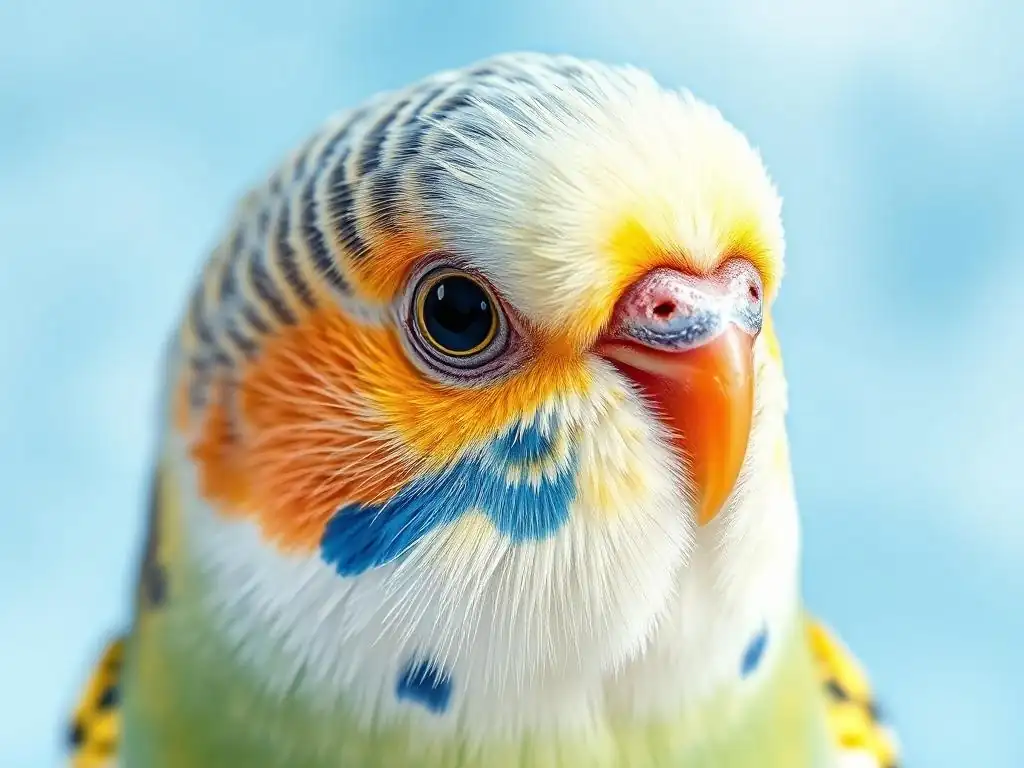
Eye contact and pupil dilation are subtle yet crucial aspects of bird body language, often overlooked by novice bird trainers. Understanding these cues can significantly improve your training sessions and strengthen your bond with your feathered friend. A bird making direct eye contact, particularly prolonged eye contact, can indicate a variety of things depending on the context. In some cases, it might signal engagement and a willingness to participate in the training exercise.
Think of it like a human nodding attentively—a clear sign of focus and receptiveness. However, sustained, unwavering eye contact can also be a sign of aggression or dominance, especially if accompanied by other warning signs like flattened feathers or hissing. The key is to observe the overall context.
Pupil dilation also plays a significant role. Dilated pupils can suggest excitement, fear, or stress. For instance, if your bird is presented with a new toy or a particularly enticing treat during training, dilated pupils might indicate enthusiastic anticipation.
Conversely, if your bird is experiencing fear or anxiety during a training session—perhaps due to a loud noise or a forceful approach—dilated pupils coupled with other stress signals (like rapid breathing or trembling) should prompt you to reassess your training methods. It's crucial to remember that birds are sensitive creatures, and recognizing these subtle shifts in their pupils can help you avoid inadvertently causing distress. A calm, relaxed bird will generally have pupils of a normal size, neither constricted nor dramatically enlarged.
Paying close attention to this detail allows for a more nuanced understanding of your bird's emotional state, leading to more effective and positive training experiences. Remember, patience and sensitivity are paramount in deciphering these subtle cues.
Feather Ruffling and Fluffing: Understanding Bird Stress and Excitement
Feather ruffling and fluffing are common bird behaviors with diverse interpretations depending on the context. These actions are often reliable indicators of your bird's emotional state, directly impacting your training sessions. When a bird fluffs its feathers, it's often a sign of either cold or stress. If the room is cold, fluffing helps trap warm air close to the body, providing insulation.
However, during a training session, fluffing can signal discomfort or anxiety. This could stem from several factors: a too-demanding training routine, an uncomfortable environment, or even the trainer's approach. For example, if you are using harsh tones or forceful movements, your bird might fluff its feathers as a defensive mechanism. It's essential to recognize this as a warning sign and adjust your training approach accordingly.
Conversely, feather ruffling can signal aggression or excitement. A bird ruffling its feathers might be feeling threatened or preparing for a display of dominance. This is often accompanied by other aggressive behaviors such as hissing, biting, or lunging. However, in other instances, feather ruffling can be a sign of excitement and playful energy. Imagine your bird anticipating a favorite treat—the ruffling might be a display of joyful anticipation, a way of expressing its excitement.
The key to differentiating between these scenarios lies in observing accompanying behaviors. If the ruffling is accompanied by aggressive displays, it's crucial to back off and reassess. If, however, it's accompanied by chirping, bobbing, or other positive behaviors, it might indicate excitement and engagement with the training process. Learning to distinguish between these subtle nuances is vital for successful bird training, promoting a positive and rewarding experience for both you and your bird. 🦜
Practical Application: Using Body Language to Improve Bird Training
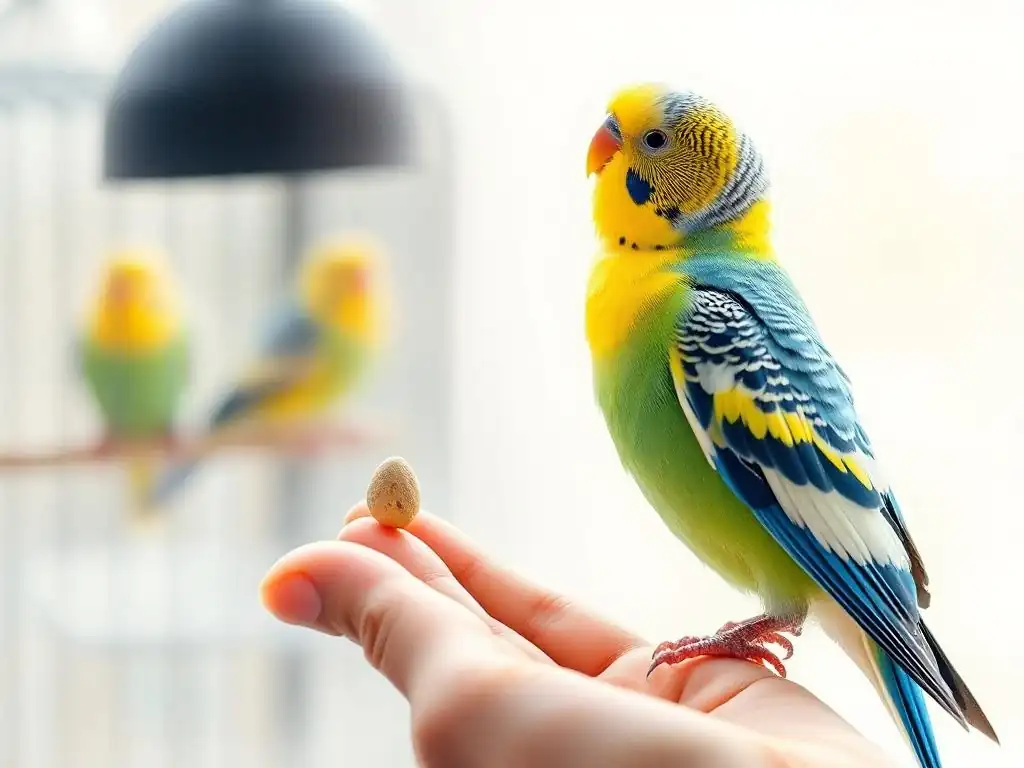
Understanding your bird's body language is not just about recognizing distress; it's a crucial skill for effective bird training. By paying close attention to subtle cues, you can significantly improve your training sessions, making them more efficient and enjoyable for both you and your feathered friend. This translates to faster learning and a stronger bond. Ignoring these signals can lead to frustration for both you and your bird, potentially hindering progress and even damaging your relationship.
Adjusting Training Techniques Based on Bird Body Language
Your bird's body language provides real-time feedback on the effectiveness of your training methods. For instance, if you're using a clicker for positive reinforcement, and your bird displays signs of stress (such as fluffed feathers, rapid breathing, or avoidance), it might indicate the training session is too intense or the reward isn't motivating enough. Consider these adjustments:
- Shorter sessions: Instead of long, exhausting sessions, try breaking them down into several shorter, more frequent training periods throughout the day. This prevents overwhelming your bird.
- Different rewards: If your bird isn't responding enthusiastically to the current reward, try switching to something more appealing, like a different type of treat or a favorite toy.
- Modifying the task: If the task is too difficult, simplify it. Break complex behaviors down into smaller, more manageable steps, rewarding each successful step.
- Increased positive reinforcement: Increase the frequency of positive reinforcement to help your bird associate the training with positive experiences. This can involve more frequent clicks and treats, or verbal praise.
- Changing the environment: A distracting environment can hinder training. Try moving to a quieter space with fewer distractions.
Remember, consistency is key. Regularly assessing your bird's responses and adjusting your techniques based on their body language will greatly enhance your training success. A keen eye for subtle shifts in posture, vocalizations, and overall demeanor is paramount.
Recognizing Signs of Overwhelm or Frustration in Your Bird
Recognizing signs of overwhelm or frustration is critical for preventing negative associations with training. These signs can vary depending on the bird species, but some common indicators include:
- Fluffed feathers: A bird with fluffed-up feathers often indicates stress or discomfort.
- Rapid breathing: Increased respiratory rate can be a sign of anxiety or fear.
- Dilated pupils: Wide eyes can indicate heightened alertness or fear.
- Avoidance behaviors: Turning away, hiding, or moving away from you are clear signs of discomfort.
- Aggressive behaviors: Biting, lunging, or screeching are extreme signs of stress and should be addressed immediately.
- Changes in vocalizations: High-pitched chirps or squawks can indicate stress, while quietness might suggest fear.
If you notice any of these signs, immediately stop the training session. Give your bird some time to calm down in a quiet, safe environment. Restarting the session later with a modified approach, as discussed above, is crucial. Ignoring these signals can lead to fear-based avoidance of training in the future. Always prioritize your bird's well-being.
Building a Positive Training Relationship Through Body Language Awareness
Building a positive training relationship hinges on understanding and responding to your bird's emotional state. By consistently paying attention to their body language, you can cultivate trust and create a positive learning environment. This involves:
- Patience: Training takes time and patience. Don't get discouraged if your bird doesn't grasp a concept immediately.
- Positive reinforcement: Focus on rewarding desired behaviors rather than punishing unwanted ones.
- Clear communication: Use clear and consistent signals to communicate your expectations.
- Regular interaction: Spend quality time with your bird outside of training sessions to build a strong bond.
- Respectful handling: Handle your bird gently and respectfully, avoiding any actions that might cause fear or stress.
By incorporating body language awareness into your training approach, you'll foster a strong, positive relationship with your bird. This will make the training process more effective and enjoyable for both of you, creating a lasting bond built on mutual understanding and respect. This approach is vital for successful bird training and contributes significantly to their overall well-being. Remember, a happy bird is a well-trained bird.
Identifying When Your Bird Needs a Break During Training
Recognizing when your bird needs a break is crucial for successful bird training and maintaining a positive training experience. Forcing a tired or stressed bird to continue training can lead to frustration, fear, and ultimately, a breakdown in the training process. It's not just about the length of the training session; it's about reading your bird's subtle cues. A bird that is consistently ignoring your commands, exhibiting signs of stress such as ruffled feathers or rapid breathing, or simply appearing lethargic is telling you it's time for a break.
These signs are often subtle and easily missed by inexperienced bird owners. For example, a slight shift in posture, a subtle change in eye contact, or a less enthusiastic response to familiar cues might indicate fatigue or stress. Observe your bird carefully; learn to identify its baseline behavior when relaxed and content. This baseline will serve as a comparison point to detect deviations indicating the need for a rest. Remember that even seemingly small changes can be significant indicators. A bird that usually readily approaches you for treats might hesitate or avoid you entirely when tired.
The duration of the needed break varies depending on the bird's age, breed, and individual temperament. A young, energetic bird might need shorter, more frequent breaks than an older, more mature bird. Generally, it is recommended to incorporate short breaks throughout the training session, even if your bird doesn't show obvious signs of fatigue. This proactive approach prevents burnout and keeps the training sessions engaging and positive. A good rule of thumb is to take a break when you notice any signs of disinterest or stress, or after approximately 15-20 minutes of focused training, regardless of obvious signs.
Remember to create a calming environment during breaks. Provide your bird with access to its favorite toys, food, or a quiet perch away from the training area. These breaks are not only essential for the bird's well-being but also for your own. Taking breaks allows you to reassess your training strategy and approach the next session with renewed focus and patience.
Ignoring your bird's signals not only hinders the training process but also damages the bond between you and your feathered friend. Prioritizing your bird’s comfort and well-being is paramount to effective and ethical bird training. Consistent breaks, implemented thoughtfully and attentively, contribute significantly to a successful and positive training journey for both you and your bird.
Common Mistakes to Avoid When Interpreting Bird Body Language
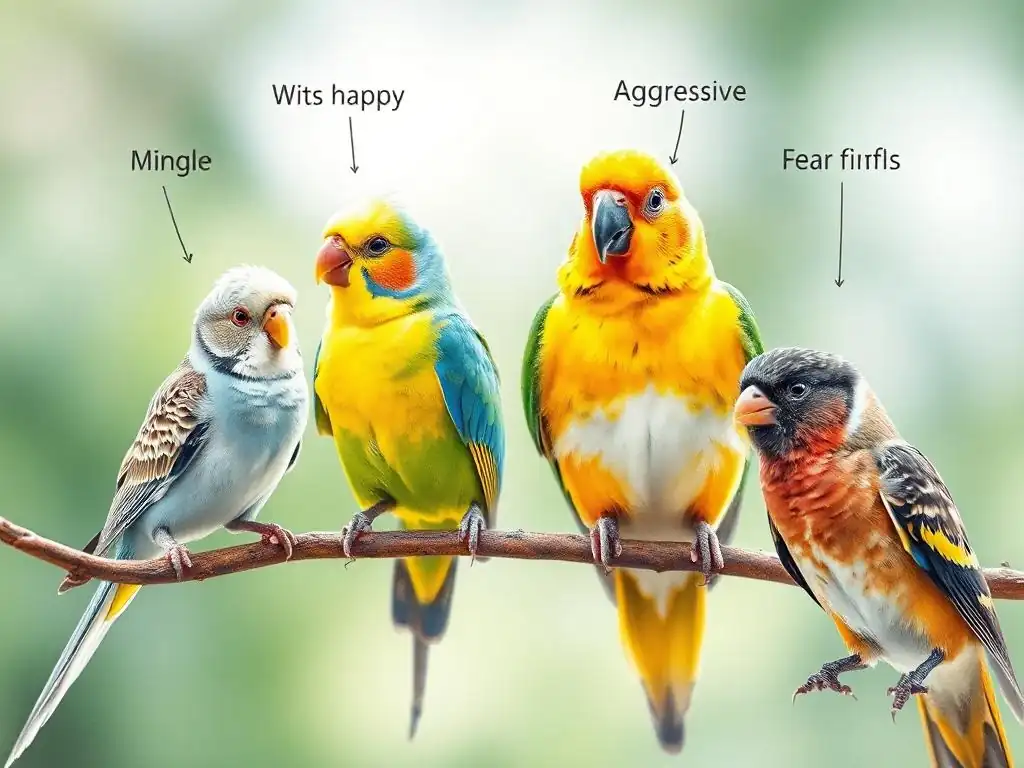
Understanding avian body language is crucial for successful bird training. Many well-intentioned bird owners, however, make common mistakes that hinder progress and can even damage the bird-owner bond. Successfully deciphering your bird's signals requires patience, observation, and a willingness to learn their individual nuances. This section outlines some frequent pitfalls to avoid.
Misinterpreting Neutral Signals as Negative Ones
One of the most common errors is misinterpreting a bird's neutral posture as a sign of aggression or fear. Birds, unlike humans, don't always express themselves through overtly dramatic displays. A bird simply preening its feathers, for example, might be interpreted as disinterest or even hostility by an inexperienced owner. However, preening is often a self-soothing behavior, a completely neutral action that shouldn't be confused with negativity. Similarly, a bird slightly tilting its head might be simply processing information, not necessarily expressing displeasure.
Understanding the context is vital. Is your bird preening after a stressful event, perhaps suggesting it's trying to calm itself? Or is it preening during a normal part of its day, indicating a neutral state? Consider the timing and the bird's overall demeanor. Is it relaxed and breathing evenly, or is its body tense, its eyes wide? These subtle differences can dramatically alter the interpretation of seemingly neutral behaviors. A detailed bird training log, noting both behavior and context, can be invaluable in learning to correctly interpret these subtle cues.
Ignoring Subtle Cues from Your Bird During Training
Subtle cues are often overlooked, particularly during training sessions. A slight shift in weight, a subtle flick of the tail, a barely perceptible change in breathing – these seemingly insignificant movements can be critical indicators of your bird's comfort level. Ignoring these subtle cues can lead to frustration for both you and your bird, potentially resulting in a negative training experience. For instance, a bird that slowly turns its head away during a training exercise might be indicating that it's becoming overwhelmed or uncomfortable. Continuing to push the training in this instance could lead to fear and resistance.
Consider this example: you're trying to teach your bird to step up onto your finger. You repeatedly hold your finger out, but your bird remains perched on its stand. Instead of forcing the interaction, pay attention to the bird's subtle body language. Is it slightly hunching its shoulders? Are its pupils dilated? These could be subtle signs of stress, suggesting you should try a different approach or take a break. Learning to recognize these subtle signals is a critical skill for effective and humane bird training. Remember, patience is key.
Forcing Interaction When Your Bird is Showing Signs of Distress
Forcing interaction when your bird displays clear signs of distress is a critical mistake. Recognizing and respecting these signs is paramount for building trust and a positive training experience. Distress signals can manifest in several ways: rapid breathing, fluffed-up feathers, hissing, pinning their eyes shut, or even forceful beak snapping. These are not behaviors to be ignored or dismissed. Continuing to interact with a distressed bird will only reinforce fear and anxiety, potentially damaging your relationship.
Imagine this scenario: you're attempting to handle your bird, but it's exhibiting signs of distress – rapid breathing, dilated pupils, and tucked-in wings. Instead of persevering, you should immediately cease interaction and give your bird space. Allow it to calm down in its safe environment before attempting any further interaction. Remember, a forced interaction will likely result in a negative experience for both you and your bird. Prioritizing your bird's comfort level is essential for successful and ethical bird training. Respecting their boundaries is as important as teaching them new skills.
Remember, effective bird training requires careful observation and a deep understanding of your bird's unique personality and communication style. By avoiding these common mistakes and consistently paying attention to your bird's subtle signals, you can foster a positive and rewarding training experience for both of you. This will lead to a stronger bond and a happier, healthier bird.
Advanced Techniques for Reading Bird Body Language
This section delves into more nuanced aspects of understanding your bird's communication during training, moving beyond basic signals to a more holistic interpretation. Mastering these advanced techniques will significantly improve your training effectiveness and strengthen your bond with your feathered friend. Remember, consistent observation and patience are key to accurately decoding your bird's subtle cues. The goal is to learn to anticipate your bird's needs and reactions, preventing frustration for both you and your bird. This proactive approach is crucial for successful bird training body language signals interpretation.
Observing Your Bird's Overall Behavior and Context
Understanding your bird's body language requires considering more than just isolated postures or movements. The context is crucial. A puffed-up chest might indicate aggression in one situation but contentment in another. For example, a bird fluffing its feathers after a bath is a sign of comfort and warmth regulation, completely different from fluffing its feathers while facing a perceived threat. Pay close attention to the entire situation:
- Environment: Is the room quiet or noisy? Is there another bird present? Are there new objects in the cage? Environmental factors significantly influence a bird's behavior.
- Recent Activities: Has your bird just eaten? Played? Interacted with other birds or people? Recent activities can affect mood and thus, body language interpretation.
- Individual Differences: Each bird has a unique personality. What might be a sign of stress in one bird could be normal behavior in another. Learn your bird's baseline behavior to better identify deviations.
For instance, a normally playful bird suddenly becoming quiet and withdrawn might signal illness or discomfort, requiring immediate attention. Conversely, a typically shy bird might exhibit more confident body language after successful training sessions, indicating positive progress. Detailed observation of these contextual factors is vital for accurate bird training body language signals interpretation.
Combining Body Language with Vocalizations for a Holistic Understanding
Birds communicate not only through body language but also through a wide range of vocalizations, from chirps and whistles to squawks and screams. Integrating these vocal cues with your observations of body language provides a much richer understanding of your bird's emotional state and intentions. A bird exhibiting submissive body language (hunched posture, lowered head) while emitting high-pitched, anxious chirps indicates a different emotional state than a bird with the same body language but soft, contented chirps.
Consider the following example: A bird displaying slightly ruffled feathers and a slightly open beak might be simply curious. However, if this is accompanied by a soft whistle, it suggests a positive and inquisitive state. If, however, the same posture is accompanied by a harsh squawk, it might signal apprehension or even aggression. The combination of visual and auditory cues offers a far more accurate interpretation of your bird's message. This holistic approach is crucial for effective bird training body language signals understanding.
Using Positive Reinforcement Based on Bird Body Language Cues
Using positive reinforcement based on your bird's body language is a powerful training method. By rewarding desired behaviors immediately upon observing the correct body language cues, you reinforce those behaviors and build a stronger association between the action and the reward. This technique requires keen observation and quick reflexes.
For example, if you're teaching your bird to step up onto your finger, rewarding the bird the moment it positions itself correctly (head slightly lowered, body leaning towards your finger) is far more effective than waiting for the actual step-up. This reinforces the preparatory posture, making the actual step-up more likely to occur in the future. Similarly, if you notice your bird exhibiting relaxed body language (calm breathing, soft eyes, relaxed posture) during a training session, rewarding this calmness reinforces a positive training experience.
| Body Language Cue | Associated Desired Behavior | Reward |
|---|---|---|
| Head tilted slightly towards you | Focus and attention | Small piece of favorite treat |
| Relaxed posture, soft eyes | Calmness during training session | Verbal praise and gentle petting |
| Approaching hand cautiously | Willingness to interact | Favorite toy or a small amount of food |
This approach to bird training body language signals utilizes the bird's natural communication to enhance the learning process, fostering a positive and rewarding training experience for both you and your bird. Remember, consistency and patience are key to successful training using this method.
Understanding Species-Specific Body Language Variations
Bird body language, while sharing some commonalities across species, exhibits significant variations depending on the bird's breed, species, and even individual personality. A puffed-up chest might signify aggression in one species, while it could indicate contentment or a display of dominance in another. For instance, a cockatoo puffing its feathers might be a sign of fear or anxiety, whereas a similarly puffed-up budgie could be showing off to potential mates.
Recognizing these subtle differences is crucial for effective bird training. Failing to understand these species-specific nuances can lead to misinterpretations of your bird's signals, potentially resulting in ineffective training techniques or even unintentionally causing stress or fear.
Understanding these variations requires dedicated research into the specific species you are working with. Consult reliable sources such as ornithological journals, reputable bird care websites, and books specifically focused on the behavior of your bird's species. Observing your bird's behavior in various situations, both during training sessions and outside of them, is equally important.
Note how your bird reacts to different stimuli, such as new people, toys, or sounds. Keep a detailed journal documenting these observations to help identify recurring patterns and better understand your bird's unique communication style. This detailed approach will provide a strong foundation for building a trusting relationship with your feathered friend and significantly improve the effectiveness of your training efforts.
Remember, patience and attentive observation are key to mastering species-specific body language variations. The more you learn about your bird's individual communication style, the better you'll be able to anticipate its needs and respond appropriately, fostering a positive and rewarding training experience for both of you. This careful, species-specific approach allows for more nuanced and effective bird training, resulting in a stronger bond between you and your bird.
Frequently Asked Questions
How can I tell if my bird is stressed during training?
A stressed bird might exhibit fluffed-up feathers, rapid breathing, or avoidance behavior. Pay close attention to these subtle cues and adjust your training accordingly. Reduce the intensity if you notice these signs.
What are some common signs of a happy and receptive bird during training?
A happy and receptive bird will typically display relaxed posture, bright eyes, and a willingness to interact. They may also exhibit soft chirping or head bobbing.
What does it mean when my bird is tilting its head during training?
Head tilting can indicate curiosity, confusion, or an attempt to better understand a sound or movement. It's not always a negative sign, but observe the bird's overall body language.
My bird is constantly biting during training sessions. What should I do?
Biting is a sign of fear or frustration. Try shortening training sessions, using positive reinforcement, and ensuring your bird isn't hungry or tired. Consult an avian vet if the biting persists.
How can I use my bird's body language to make training more effective?
Pay close attention to your bird's posture, vocalizations, and eye movements. Adjust your approach based on their signals to avoid causing stress and ensure a positive learning experience. Positive reinforcement is key.
Final Reflection: Unlocking Avian Communication: A Deeper Bond Through Understanding
Understanding your bird's body language is not merely a training technique; it's the key to unlocking a deeper, more meaningful relationship. Misinterpreting these subtle cues can lead to frustration for both you and your feathered friend, hindering progress and potentially damaging your bond. Mastering avian communication transforms the training process from a series of commands into a collaborative journey built on mutual respect and understanding.
The impact of truly understanding bird body language extends far beyond the training arena. It allows us to appreciate the rich inner lives of these intelligent creatures, moving beyond simple pet ownership to a genuine partnership. The greatest danger for most of us is not that our aim is too high and we miss it, but that it is too low and we reach it.
This quote, while not directly about birds, speaks to the potential we unlock when we strive for deeper understanding in our relationships, avian or otherwise. By recognizing the nuances of a bird's posture, vocalizations, and even subtle shifts in their gaze, we open ourselves to a world of communication previously unseen.
Now, consider the subtle shifts in your bird's behavior. Do you see the subtle flick of a wing, the slight dilation of their pupils, or the way they position their crest? Take a moment to observe your bird without judgment, seeking to decipher the unspoken messages they are conveying.
By actively listening – truly listening – to your bird's body language, you will not only improve your training success but also cultivate a bond of trust and mutual understanding that will enrich both your lives immeasurably. Embrace this journey of discovery, and watch your relationship with your feathered companion soar to new heights.
Unlock Your Bird's Secrets: Mastering Avian Communication
Thanks for exploring the fascinating world of bird communication! We hope you've gained valuable insights into understanding your feathered friend's signals. Now, let's put that knowledge into practice!
- Start observing your bird's behavior today! Dedicate at least 15 minutes to carefully watching your bird, paying close attention to its subtle body language. Record your observations; this simple exercise is crucial for building a stronger bond and improving training effectiveness.
- Share your insights! Describe a moment when you observed a particularly telling behavior—perhaps a subtle head tilt or a feather ruffle that revealed your bird's true feelings. Let's build a supportive community of bird lovers!
- Seek professional help if needed: If your bird shows signs of stress or confusion, consider consulting an avian specialist. This investment can significantly improve your bird's well-being and your training success.
Ready to strengthen your bond with your bird and refine your training techniques? What small step will you take today to improve communication with your feathered companion?