Finch Foraging Instincts: How to Provide Enrichment for Happy Birds
😊 Unlock your finch's natural foraging instincts with engaging enrichment! Discover creative Finch foraging toy ideas to keep your feathered friend happy,…
Read article
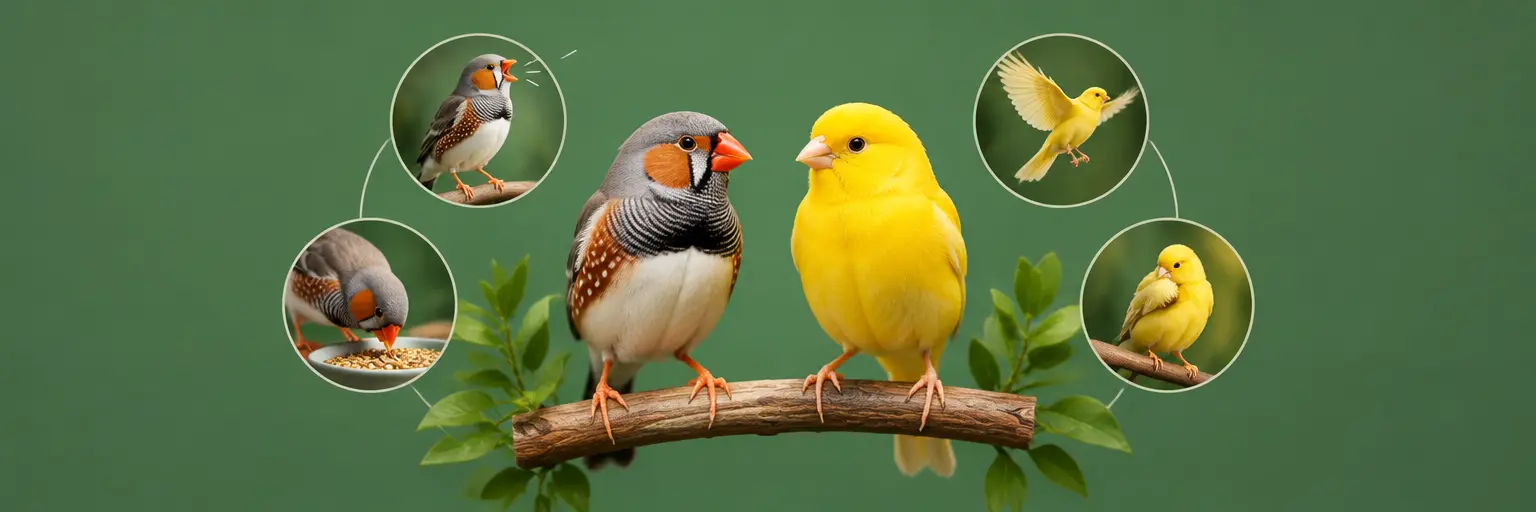
Discover the fascinating world of finch and canary behavior with our expert insights at PetCareWorld! These charming songbirds are more than just pretty feathers—they’re intelligent, social, and full of unique quirks that can deepen your bond and improve their care. From understanding their melodious vocalizations and intricate courtship dances to decoding body language like tail flicking, beak wiping, and feather puffing, we break down what your feathered friend is really telling you. Learn why finches thrive in flocks, while canaries often prefer a solo stage, and how to recognize signs of stress, happiness, or breeding readiness. Our practical tips cover everything from creating a stimulating environment that encourages natural foraging behaviors to managing territorial disputes and taming shyness. Whether you’re a new bird parent or a seasoned aviculturist, mastering finch and canary behavior unlocks a healthier, happier pet and a more rewarding companionship. Dive in to transform your bird’s cage into a sanctuary that mirrors their wild instincts, and turn every chirp into meaningful conversation. Your birds will thank you with vibrant songs and lively antics! 🐦✨
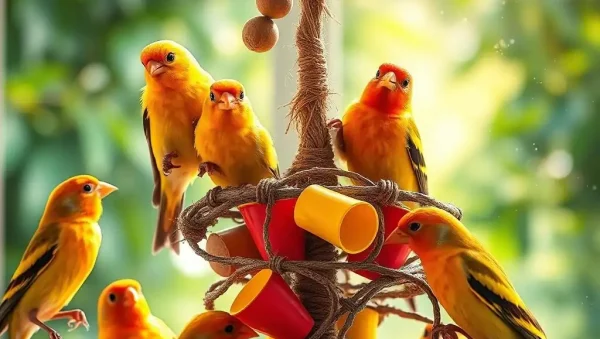
😊 Unlock your finch's natural foraging instincts with engaging enrichment! Discover creative Finch foraging toy ideas to keep your feathered friend happy,…
Read article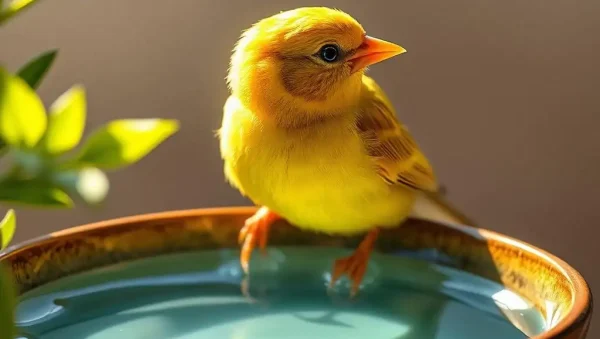
😊 Maintain your canary's health and vibrant plumage with proper bathing. Discover essential clean canary bathing habits and techniques for a happy,…
Read article
😊 Unlock the secrets of your canary's communication! Learn the meaning behind different wing flapping behaviors—from playful displays to subtle distress signals—and…
Read articleWelcome to PetCareWorld's dedicated section on finch and canary behavior—your go-to resource for decoding the fascinating social cues, vocalizations, and instincts of these lively songbirds. Whether you are a first-time owner or a seasoned avian enthusiast, understanding why your finch or canary acts the way it does is key to fostering a happy, healthy, and stress-free environment. Here, we explore everything from flock dynamics and territorial habits to breeding rituals and common behavioral quirks, helping you build a stronger bond with your feathered companions.
Finches and canaries are renowned for their melodies, but did you know their songs serve multiple purposes? Male canaries often sing to attract mates and defend territory, while finches use softer chirps for flock communication. Understanding the context behind the sound—whether it's a cheerful trill, an alarm call, or a repetitive chattering—can reveal your bird's emotional state. Pay attention to volume, rhythm, and frequency to identify signs of contentment, stress, or even illness. A sudden change in singing habits warrants closer observation, as it may indicate discomfort or environmental changes.
For species like the zebra finch, song learning is a social process, where young males mimic their fathers or peers. In contrast, canaries can learn new phrases but often stick to their innate repertoire. By providing a quiet, consistent schedule and avoiding sudden noises, you encourage natural vocalization. Remember, excessive silence in typically vocal species can be a red flag, so always pair auditory cues with body language for a full behavioral assessment.
Finches are highly social animals that thrive in groups, while canaries are more solitary and can become territorial in confined spaces. In a mixed aviary, observe how birds establish a pecking order—dominant individuals may chase, peck, or guard food sources, but serious aggression is rare if space is adequate. Introducing new birds requires a gradual quarantine and supervised introductions to minimize stress. Watch for signs of bonding, such as mutual preening, sitting closely together, or sharing nesting material, which indicate a healthy social structure.
For pet owners, this means providing ample perches, hideouts, and separate feeding stations to reduce competition. Single canaries may bond with their human caregiver but still need mental stimulation. Conversely, finches kept alone can become depressed, so it’s often recommended to keep at least a pair. Recognizing that your finch’s need for social interaction is as crucial as food and water will prevent loneliness and feather-plucking behavior.
Both finches and canaries exhibit territorial instincts, especially when breeding or feeling overcrowded. Canaries are known for defending a designated area—often the nest or a favorite perch—against intruders, even if it's just a reflection. Finches, while more communal, still require perching zones spaced apart to avoid conflict. A spacious cage or aviary with visual barriers, like plants or dividers, allows each bird to establish personal zones, reducing chronic fights. This becomes critical during molting or egg-laying when hormonal drives spike.
Observing where your bird spends most time can guide cage layout. If you notice a bird monopolizing one corner, consider adding multiple food bowls and water sources to diffuse tension. Also, avoid overcrowding—a good rule is at least three square feet of flight space per small finch pair. By respecting their natural need for territory, you prevent feather damage, anxiety, and refusal to eat, all common stress responses in cramped habitats.
When springtime arrives, finches and canaries display elaborate courtship behaviors—from the male’s bowing and head-bobbing to carrying nesting material in his beak. For canaries, the male’s song becomes more intense and repetitive, while the female will respond with a specific chirp if interested. Finches engage in "nest-selection" displays, where the pair checks multiple sites simultaneously. Providing a suitable nest box or open basket with soft grasses encourages natural breeding cycles, but be aware that repeated nesting without rest can harm females.
Understanding these rituals helps you act responsibly. If you don’t intend to breed, remove nest boxes and limit daylight hours to suppress hormonal triggers. If breeding is desired, offer a high-protein diet and monitor for egg-binding. You’ll also notice males becoming more protective and females spending long periods in the nest—both normal. However, excessive aggression or egg abandonment signals a problem, prompting you to intervene gently and, if needed, consult an avian vet.
Boredom in finches and canaries manifests as repetitive behaviors like pacing, head-swaying, or over-preening. To prevent this, rotate toys (such as mirrors, bells, and shreddable paper) and vary perches with natural wood branches of different thicknesses. Offering foraging opportunities—hiding millet sprays, fresh greens, or treat puzzles—engages their problem-solving instincts. Unlike parrots, finches prefer smaller, less complex toys, while canaries enjoy swings and baths. Behavioral enrichment isn’t just fun; it reduces stress hormones and supports overall immune health.
Simple changes make a huge impact. For example, moving the cage near a window (but not direct sunlight) provides visual stimulation from outdoor activity. Playing soft ambient music for a few hours daily mimics their natural soundscape. Schedule consistent interaction times, even if it’s just talking softly or offering a gentle head scratch for tame birds. A stimulated bird is less likely to develop detrimental habits, ensuring a longer, more vibrant life.
Behavioral shifts often precede physical illness, so vigilance is vital. Watch for sudden lethargy, fluffed feathers, reduced eating, or increased aggression—these can signal pain or respiratory distress. Tail-bobbing, open-mouth breathing, or limping are urgent red flags. Conversely, over-grooming leading to bald patches may indicate mites, allergies, or psychological stress. A bird that consistently isolates itself from flock mates or refuses to sing might be experiencing depression or a hidden infection. Always correlate behavior with droppings, weight, and appetite.
Immediate action is key: separate the affected bird to reduce stress, maintain warmth, and contact a specialist. Do not attempt home remedies without diagnosis. For prevention, schedule annual wellness checks, keep the cage clean, and avoid sudden diet changes. Document daily routines—any deviation in your bird’s typical personality is your best early warning system. Trust your instincts; if something feels off, prompt intervention saves lives.
Reduced daylight hours in winter trigger a natural decrease in hormonal activity, which is directly linked to song output. Canaries molt in autumn, and low light signals a resting phase. To support this, provide a consistent artificial light schedule (about 12 hours daily) and ensure a balanced diet with vitamin supplements. If singing stops entirely, check for drafts or stressors, but know that it’s often a normal seasonal cycle.
Chasing is common during hierarchy establishment, especially in new groups. However, if it leads to injuries, feather plucking, or one bird being excluded from food, it’s problematic. Ensure the cage is large enough with multiple feeding stations and visual barriers. Introduce new members slowly via a partition to enable gradual scent and sight exposure, reducing intense dominance battles.
Head-bobbing in finches serves multiple purposes: courtship display, excitement, or submissive signaling to a dominant bird. It’s often accompanied by vocal chirps and fluffed feathers. If paired with other signs like tail-wagging, it’s usually positive. However, continuous bobbing alongside weakness could indicate neurological issues—observe if the bird eats normally and interacts. Usually, it’s a harmless behavior.
Feather plucking is often a stress response to environmental factors like a too-small cage, boredom, or low humidity. Start by adding foraging toys and a shallower bath. Check for skin parasites or nutritional deficiencies—a lack of vitamin A can cause itching. Minimize loud noises and other pets. If behavior persists beyond two weeks, consult an avian vet to rule out underlying medical causes.
Playful behavior is usually brief, symmetrical, and involves mutual participation—birds may run along perches or gently peck without drawing blood. Aggression, in contrast, includes relentless chasing, frantic wing flapping, or pinned eyes on one bird. Also, observe posture: an aggressive bird raises its head and lunges, whereas a playful bird bows with soft chirps. Over time, patterns become clear, so keep a journal of interactions.