
Canary Bathing Habits: Keeping Your Bird Clean and Healthy

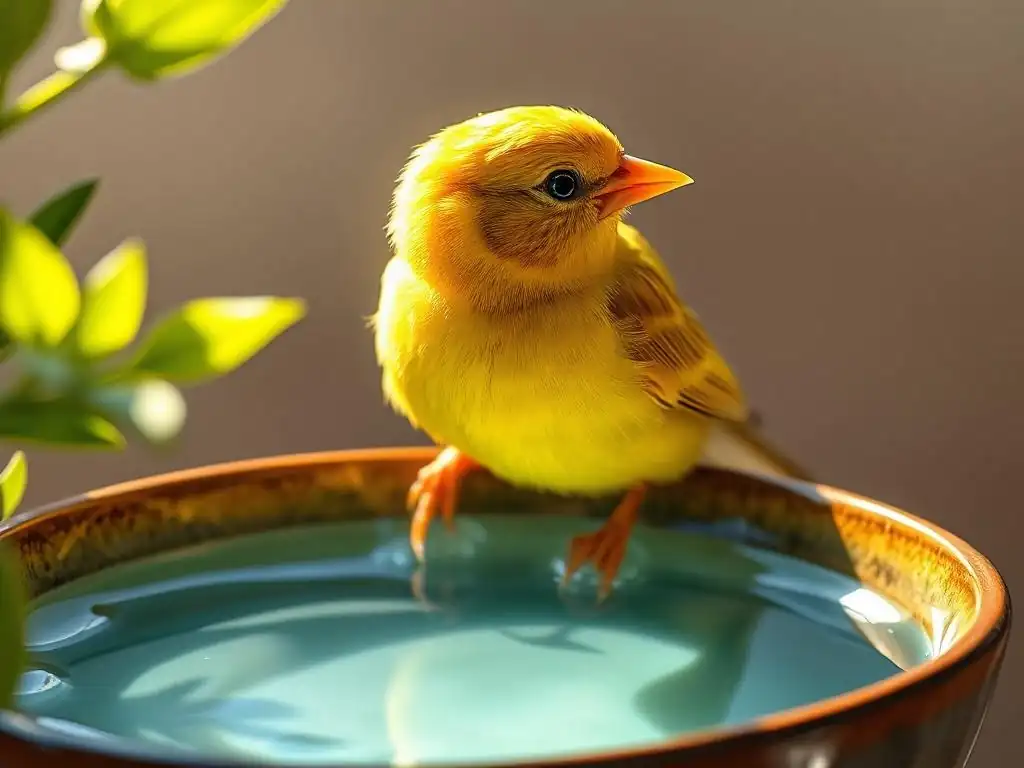
Welcome to PetCareWorld, your ultimate guide to a happier, healthier life for your beloved pets! Are you curious about the best ways to keep your feathered friend clean and content? Discover the secrets to clean canary bathing habits and unlock the key to a thriving, vibrant bird. Dive into our expert guide on canary hygiene and learn how to ensure your little songster stays sparkling and healthy. Let's explore the fascinating world of canary care together!
- Understanding Your Canary's Need for Bathing
- Different Methods for Canary Bathing
- Choosing the Right Bathing Method for Your Canary
- Creating a Safe and Comfortable Bathing Environment for Your Canary
- Maintaining Optimal Canary Hygiene Beyond Bathing
- Troubleshooting Common Canary Bathing Issues
- Frequently Asked Questions
- Final Reflection: The Joyful Splash: Cleanliness and the Canary's Well-being
- Unleash Your Canary's Sparkling Plumage!
Understanding Your Canary's Need for Bathing
Canaries, with their vibrant plumage and melodious songs, bring joy to many homes. However, maintaining their beautiful feathers and overall health requires understanding their unique bathing habits. This comprehensive guide explores the essential role of bathing in canary hygiene, the importance of cleanliness in preventing disease, and how to recognize signs of poor hygiene in your feathered friend.
We’ll delve into the specifics of how often to bathe your canary, the best methods for cleaning, and what to watch out for to ensure your canary remains happy, healthy, and sparkling clean. Proper canary bathing habits are crucial for maintaining their physical and mental well-being, contributing significantly to their overall quality of life and longevity.
This guide will empower you to provide the best possible care for your beloved canary, ensuring they thrive under your care. Let's explore the fascinating world of canary cleanliness and discover the secrets to keeping your little singer in tip-top shape!
Why is Bathing Essential for Canary Hygiene?
Bathing is crucial for maintaining a canary's plumage health and preventing various health issues. Their feathers are not simply for show; they play a vital role in thermoregulation, waterproofing, and overall comfort. Dust, dirt, and other debris accumulate on their feathers, hindering their natural ability to regulate body temperature and potentially leading to discomfort. Regular bathing helps remove this build-up, keeping the feathers clean, soft, and properly functioning.
Furthermore, a clean bird is less susceptible to parasites and bacterial infections that can thrive in dirty environments. A clean canary is a happy and healthy canary. The frequency of bathing depends on several factors, including the canary's environment and individual preferences, but a weekly bath is often recommended as a good starting point. Remember, observation is key; adjust the bathing schedule based on your canary's specific needs and reactions.
The Importance of Cleanliness in Preventing Avian Diseases
Maintaining impeccable cleanliness in your canary's environment and through regular bathing is paramount in disease prevention. Many avian diseases are directly linked to poor hygiene. Bacteria, fungi, and parasites can easily proliferate in dirty cages, leading to infections such as aspergillosis (a fungal infection of the respiratory system), bacterial infections, and infestations with mites or lice. These infections can severely compromise your canary's health, leading to lethargy, weight loss, respiratory distress, and even death. Regular cage cleaning, combined with consistent bathing, significantly reduces the risk of these diseases.
Providing fresh, clean food and water is also crucial in maintaining a healthy environment. By implementing a proactive hygiene regimen, you’re not just keeping your canary clean—you’re safeguarding their health and extending their lifespan. Think of it as preventative healthcare for your feathered friend. A clean environment is the first line of defense against disease.
Recognizing Signs of Poor Hygiene in Canaries
Recognizing signs of poor hygiene in your canary is critical for prompt intervention and preventing serious health problems. Several indicators can suggest a need for increased attention to cleanliness. These include dull, matted, or discolored feathers; excessive scratching or preening; unusual odor emanating from the bird or its cage; visible parasites (mites or lice); and lethargy or decreased activity levels.
If you observe any of these signs, it's crucial to thoroughly clean your canary's cage and increase the frequency of bathing. You may also want to consult an avian veterinarian to rule out any underlying health issues. Early detection and intervention are essential to preventing more severe problems and ensuring your canary's well-being.
Remember, a healthy canary is a happy canary, and maintaining good hygiene is a fundamental aspect of ensuring their health and happiness. Pay attention to your canary's appearance and behavior; they'll often give you clear signals when something isn't right.
Different Methods for Canary Bathing
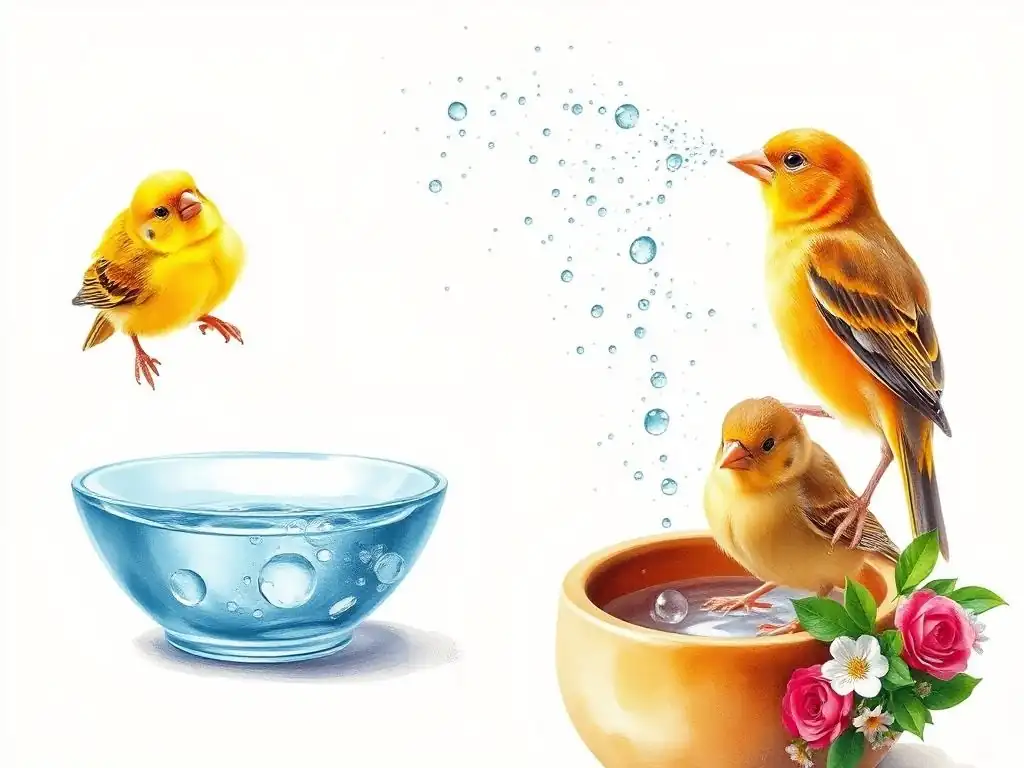
Canaries, despite their delicate appearance, require regular bathing to maintain their plumage health and overall well-being. Understanding their bathing preferences and employing appropriate methods is crucial for responsible canary care. Neglecting proper cleaning can lead to feather damage, skin irritations, and even infestations. This section explores various safe and effective methods for bathing your canary, focusing on the key aspects of each technique to ensure a positive and healthy experience for your feathered friend. Clean canary bathing habits are essential for a happy and healthy bird.
Misting: A Gentle Approach to Canary Bathing
Misting is arguably the most popular and gentle method for bathing canaries. It mimics the natural experience of a light rain shower, allowing the bird to preen and dry naturally. This method is particularly suitable for canaries that are hesitant or fearful of more immersive bathing techniques.
To mist your canary, use a spray bottle filled with lukewarm, clean water. Hold the bottle approximately 6-8 inches away from the bird and gently mist its feathers, avoiding the face and eyes. A fine mist is crucial; avoid a forceful spray that might frighten or chill the bird. After misting, provide a warm, safe place for your canary to dry, preferably away from direct drafts.
Observe your canary's behavior; if it appears stressed or uncomfortable, stop immediately. Regular misting, perhaps twice a week, depending on your canary's needs and environment, keeps their feathers clean and healthy. Remember to use filtered or bottled water to avoid any potential mineral build-up on the feathers.
Many canary owners find that misting in the morning, allowing the bird to dry naturally in the warmth of the sun (indirect sunlight, of course! ), is an ideal time. This helps to maintain a healthy, shiny plumage. The frequency of misting should be adjusted based on your canary's individual needs and the environment; some canaries may need more frequent misting in warmer, drier climates.
Shallow Dish Bathing: Providing a Safe Bathing Experience for Canaries
A shallow dish filled with lukewarm water provides another effective bathing option for canaries. This method allows the bird to control the bathing process, dipping into the water as needed. The key to success lies in using a shallow, stable dish that prevents the canary from accidentally drowning or becoming overly wet.
Choose a dish that is wide and shallow, ideally no more than 1-2 inches deep. Fill it with lukewarm water – never hot or cold. Place the dish securely within the cage, ensuring it's stable and won't tip over. Supervise your canary during its bath to ensure it doesn't spend too long in the water or become overly stressed. Remove the dish once the canary is finished bathing, and provide a warm, dry area for it to preen and dry. Regular cleaning of the bathing dish is paramount to prevent bacterial growth and maintain hygiene.
This method allows for more thorough cleaning than misting, as the canary can fully submerge its body parts, but it's vital to ensure the water's temperature and the dish's stability. Some owners prefer to offer a shallow bath once a week, supplementing with misting on other days. Observing your canary's behavior and adjusting the frequency accordingly is essential for optimal care. Always prioritize safety and comfort.
Showering Your Canary: A Less Common but Effective Method
Showering your canary is a less common but potentially effective method for cleaning, particularly for birds that are comfortable with water and enjoy a more thorough cleaning. However, it requires careful execution to prevent stress and potential harm. This should only be attempted with canaries that show a positive reaction to gentler bathing methods first.
To shower your canary, use a gentle stream of lukewarm water from a showerhead, keeping a safe distance from the bird. The water should be a fine mist rather than a forceful stream. The duration of the shower should be brief, lasting no more than a few seconds. Always supervise the canary closely during the entire process. A warm, dry towel can be placed nearby for the bird to preen and dry itself.
This method requires significant caution and should be avoided if your canary exhibits any signs of fear or discomfort during misting or shallow-dish bathing. It's crucial to prioritize the bird's well-being over convenience. Consider this method as a last resort or only if your canary actively enjoys it. This option is not frequently recommended for maintaining "clean canary bathing habits," as the other methods tend to be gentler and less stressful for your pet.
Choosing the Right Bathing Method for Your Canary
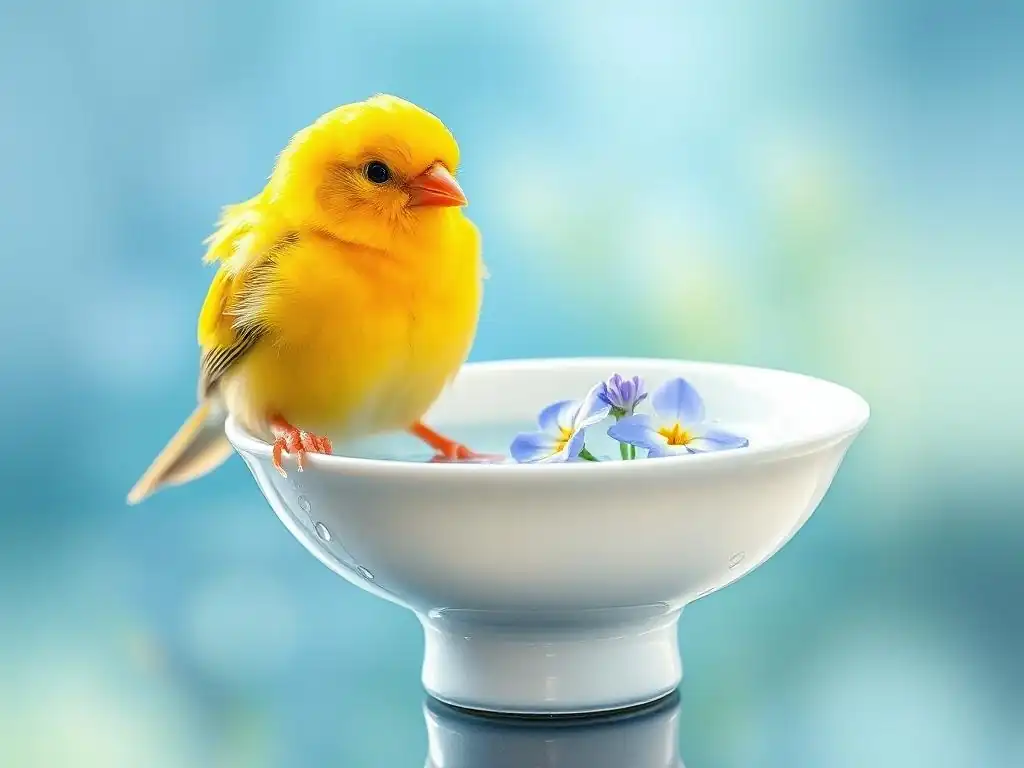
Canaries, while generally tidy birds, still require regular bathing to maintain their plumage and overall health. Choosing the right bathing method is crucial for ensuring a positive experience for your feathered friend and avoiding any stress or injury. Several options exist, each with its own advantages and disadvantages. Understanding your canary's individual needs and preferences is key to selecting the most appropriate approach for clean canary bathing habits.
Considering Your Canary's Age and Health
The ideal bathing method for your canary will depend heavily on its age and health status. Young canaries, for example, may be more sensitive to temperature changes and require a gentler approach. Older canaries, or those with pre-existing health conditions like respiratory issues, might need even more careful consideration.
For young canaries (under 6 months), shallow baths with lukewarm water are recommended. The water should only reach a depth where the bird can comfortably stand and dip its head without fully submerging. Observe them closely during the bath and ensure they don't become chilled. A shorter bathing time is also advisable.
Older canaries might benefit from misting instead of a full bath, especially if they have difficulty maintaining their balance. Always consult an avian veterinarian if your canary has any health concerns before introducing a new bathing routine. Regular monitoring of their behavior after bathing is crucial to identify any potential negative reactions.
For canaries with respiratory problems, avoiding any form of bathing that could exacerbate their condition is paramount. Instead, focus on maintaining a clean cage environment and using a humidifier to increase humidity levels. Consider consulting an avian veterinarian for specific recommendations tailored to your canary's health status.
Adapting Bathing Techniques Based on Your Canary's Personality
Just like humans, canaries have individual personalities that influence their reactions to bathing. Some canaries relish the experience, while others find it stressful. Observing your canary's behavior is crucial to adapt your bathing techniques accordingly. Understanding their preferences will lead to safer and more effective clean canary bathing habits.
Some canaries are naturally more playful and enjoy splashing around in a shallow dish of water. Others might prefer a gentle misting from a spray bottle. A shy or timid canary might require a gradual introduction to the bathing process, starting with short misting sessions and gradually increasing the duration and frequency as they become more comfortable. Forcing a reluctant canary into a bath can cause significant stress and potentially harm their health. Patience and understanding are essential.
| Canary Personality | Recommended Bathing Method | Precautions |
|---|---|---|
| Playful & Confident | Shallow bath, spray bottle | Supervise closely, ensure water isn't too deep |
| Shy & Timid | Gentle misting, gradual introduction | Avoid forceful baths, provide a safe, quiet space |
| Nervous & Anxious | Misting only, infrequent bathing | Monitor closely for signs of stress |
Identifying Potential Risks and Precautions for Each Bathing Method
While bathing is essential for maintaining a canary's hygiene, certain risks are associated with each method. Taking necessary precautions is crucial to ensure a safe and positive experience for your bird. Understanding these potential risks is key to establishing clean canary bathing habits that prioritize your canary's well-being.
Shallow Bath: The main risk with a shallow bath is the potential for the canary to become chilled or ingest too much water. Always use lukewarm water and ensure the dish is shallow enough. Supervise your canary closely during the bath.
Spray Bottle Misting: This method carries a lower risk of chilling but requires careful control of the water spray to avoid over-wetting the bird. Maintain a safe distance and use a fine mist setting. Avoid spraying directly into the canary's face or eyes.
No-Bath Alternative: For canaries who strongly resist bathing, consider alternative methods to keep their feathers clean. Regular cage cleaning and the use of a soft brush can help maintain plumage hygiene. However, this should not replace bathing entirely as it does not provide the same level of cleaning.
Remember, regular bathing is crucial for your canary's health and well-being. By carefully considering your canary's individual needs and preferences, and taking the necessary precautions, you can ensure a safe and enjoyable bathing experience. 🧼🐦
Creating a Safe and Comfortable Bathing Environment for Your Canary
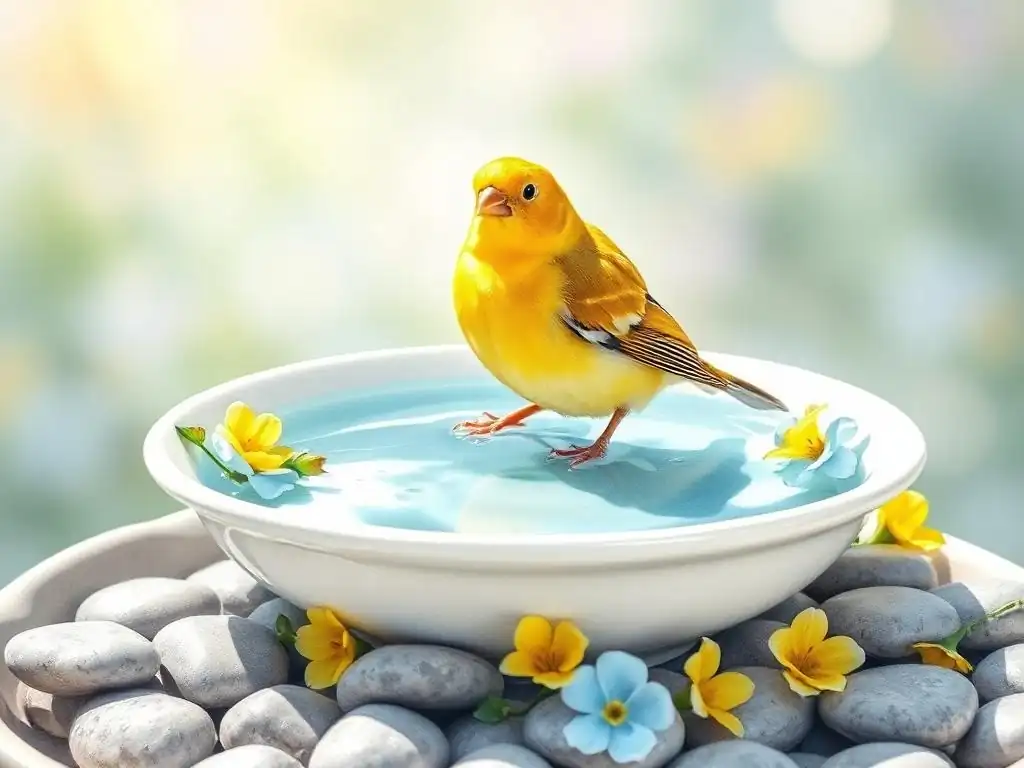
Canaries, while generally clean birds, require occasional bathing to maintain their plumage and overall health. A clean canary, with its vibrant feathers, is a happy canary! Creating a safe and comfortable bathing environment is crucial for a positive bathing experience. This section will guide you through setting up the perfect bath for your feathered friend, focusing on safety and minimizing stress.
Remember, a stressed bird is less likely to enjoy its bath and may even resist the process entirely. Understanding your canary’s individual personality and adapting the bathing routine accordingly is key to success. This approach will ensure you maintain clean canary bathing habits that benefit both you and your pet.
Preparing the Bathing Area: Safety First
Before you even think about getting your canary wet, thoroughly prepare the bathing area. Safety is paramount. Choose a location away from drafts, direct sunlight, and noisy areas. A small, shallow dish is ideal; avoid anything deep enough for your canary to potentially drown.
A ceramic dish is preferable to plastic, as it retains temperature better. You can also use a small, weighted bowl to prevent accidental tipping. Place the dish on a stable, non-slip surface to further reduce the risk of accidents. Think about the height of the dish; it should be easily accessible to your canary, but not so high as to cause a fall if it jumps out.
Here's a checklist to ensure a safe bathing area:
- [x] Stable surface
- [x] Shallow, non-tipping dish
- [x] Away from drafts and direct sunlight
- [x] Quiet environment
- [x] Easy access for your canary
The Ideal Water Temperature for Canary Baths
The water temperature is critical for a comfortable and safe bath. Water that's too hot can scald your canary, while water that's too cold can chill it, potentially leading to illness. The ideal water temperature for a canary bath is lukewarm – approximately 70-75°F (21-24°C). Test the water with your elbow; it should feel neither hot nor cold to the touch.
Never use hot tap water directly; always allow it to cool to the appropriate temperature. Using a thermometer is also highly recommended for precise temperature control, especially if you are new to canary care. Consistent, safe water temperature is a cornerstone of maintaining clean canary bathing habits.
Remember to change the water after each bath to maintain hygiene and to ensure your canary isn't bathing in potentially cooled or contaminated water.
Monitoring Your Canary During and After Bathing
Closely monitor your canary during and after its bath. Some canaries will enthusiastically splash around, while others may take a more cautious approach. Observe your bird’s behavior; if it seems stressed or uncomfortable, gently remove it from the bath. After the bath, provide a warm, dry area for your canary to preen and dry its feathers.
A small, clean towel placed near the cage can be helpful. Avoid using a hairdryer or any other artificial drying methods, as the heat can be harmful to your bird. A warm, dry environment will allow your canary to naturally preen and dry its feathers, resulting in a healthy and beautifully maintained plumage.
Regular monitoring and a comfortable post-bath environment are fundamental elements of safe and effective clean canary bathing habits. Observe your canary for any signs of discomfort or illness following the bath, such as shivering, lethargy, or ruffled feathers. If you notice anything unusual, consult an avian veterinarian immediately.
Maintaining Optimal Canary Hygiene Beyond Bathing
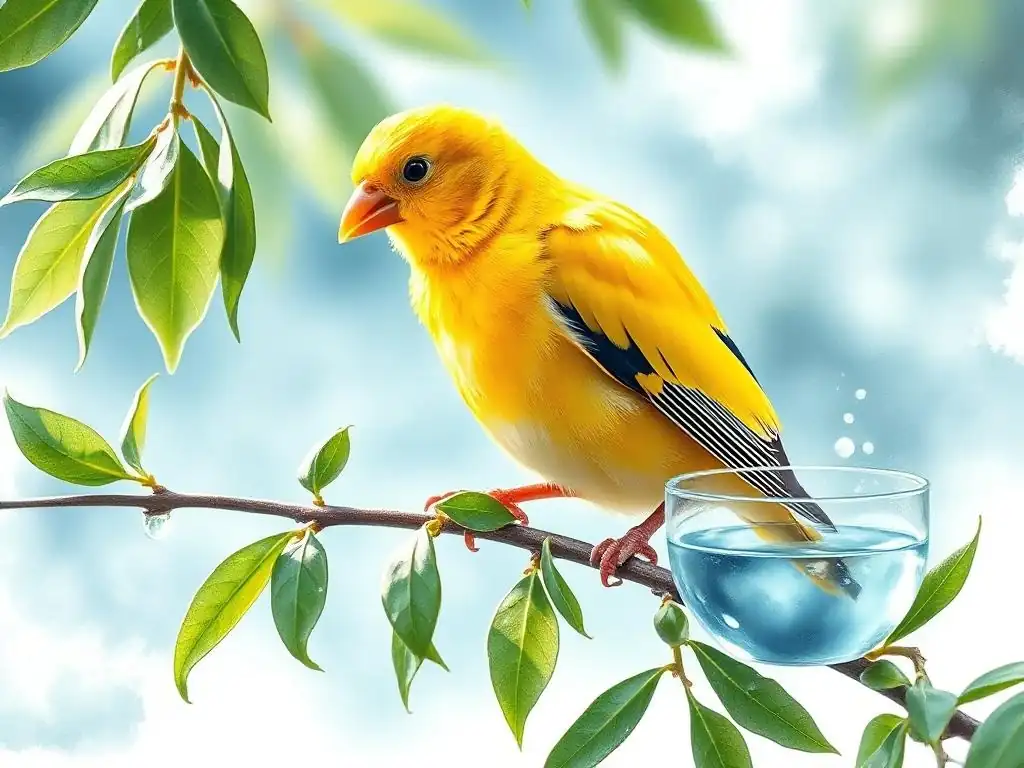
Maintaining a clean and healthy environment for your canary goes far beyond simply providing regular baths. A multifaceted approach, encompassing various hygiene practices, is crucial for ensuring your feathered friend thrives. Neglecting any aspect of this routine can lead to health problems and reduce your canary's overall well-being. Understanding and implementing these practices will contribute significantly to your canary's long and happy life, supporting its optimal health and vibrant plumage. This section focuses on key elements beyond bathing that contribute to impeccable canary hygiene. Remember, a clean canary is a healthy canary.
Regular Cage Cleaning: A Crucial Aspect of Canary Care
Regular cage cleaning is paramount in maintaining a healthy environment for your canary. A dirty cage is a breeding ground for bacteria and parasites, which can lead to various illnesses. Aim for a thorough cleaning at least once a week, and more frequently if necessary. This involves:
- Removing all perches, toys, and food/water dishes: Wash these items thoroughly with warm, soapy water. Avoid using harsh chemicals, as these can be harmful to your bird. Rinse them well and allow them to air dry completely before returning them to the cage.
- Scrubbing the cage: Use a non-toxic, bird-safe cleaner to scrub all surfaces of the cage, paying close attention to corners and crevices where droppings and debris tend to accumulate. Again, thorough rinsing is essential.
- Replacing the cage liner: Use an appropriate, absorbent liner that is easy to clean and replace. Avoid using materials that could be ingested by your bird and cause harm.
- Disinfecting (optional): While not always necessary, you may choose to disinfect the cage once a month using a diluted solution of white vinegar or a commercially available bird-safe disinfectant. Always follow product instructions carefully.
Failing to maintain a clean cage increases the risk of your canary contracting diseases, including respiratory infections and parasitic infestations. Regular cleaning helps prevent these issues and promotes a healthy, hygienic living space for your pet. Observe your canary's droppings; an increase in frequency or a change in consistency could indicate a health problem and necessitate more frequent cleaning.
Providing Fresh Food and Water Daily
Cleanliness extends to providing your canary with fresh food and water daily. Stale food can spoil quickly, attracting bacteria and insects, while stagnant water can become a breeding ground for harmful microorganisms. Therefore, consistent replenishment is critical.
- Food: Remove any uneaten food each day and replace it with fresh seed mix, fruits, and vegetables appropriate for canaries. Avoid leaving large quantities of food in the cage to prevent spoilage.
- Water: Change the water in your canary's water dish at least once a day, ensuring it's always fresh and clean. Use a clean, dedicated water dish and regularly inspect for any signs of algae or contamination. Consider providing multiple water sources to increase accessibility.
Maintaining fresh food and water supplies is not just about hygiene; it also contributes to your canary's overall health and well-being. Proper nutrition and hydration are fundamental to a strong immune system, helping your bird fight off illness and maintain a healthy weight. A lack of fresh water can lead to dehydration, a serious health concern for canaries.
Observing Your Canary for Signs of Illness or Distress
Regular observation is a crucial aspect of maintaining your canary's hygiene and overall health. Early detection of illness or distress can significantly improve treatment outcomes and prevent more severe health problems. Pay close attention to:
- Changes in behavior: Lethargy, decreased appetite, ruffled feathers, changes in vocalizations, or unusual sleeping patterns are all potential indicators of illness.
- Changes in droppings: Observe the consistency, color, and frequency of your canary's droppings. Changes could indicate digestive problems or other health issues.
- Physical appearance: Inspect your canary's feathers, beak, and eyes for any signs of injury, parasites, or unusual discharge.
If you notice any concerning changes, consult an avian veterinarian immediately. Early intervention can significantly improve your canary's chances of recovery. Regular monitoring of your canary's health allows for proactive care and helps maintain its clean and healthy lifestyle, contributing to its overall well-being and longevity. Remember, proactive observation is key to effective "clean canary bathing habits" and overall health management.
Troubleshooting Common Canary Bathing Issues
Canaries, while generally tidy birds, can sometimes present challenges when it comes to maintaining their hygiene. Understanding these issues and implementing appropriate solutions is crucial for ensuring your feathered friend remains healthy and happy. Consistent, appropriate bathing is key to preventing various health problems, including feather damage and parasitic infestations. Let's delve into some common problems and their solutions.
Dealing with a Canary that Resists Bathing
Many canary owners encounter resistance when attempting to bathe their birds. A canary's reluctance might stem from several factors, including a negative past experience, fear of water, or simply a preference for self-preening. Forcing a bath can be stressful and even harmful, leading to fear and anxiety. Instead, focus on creating a positive association with bathing.
Here's a step-by-step approach to encourage bathing:
- Introduce water gradually: Start by placing a shallow dish of water in the cage for a few minutes each day. Observe your canary's reaction. If it shows no interest, try moving the dish to a different location within the cage.
- Offer different bathing options: Some canaries prefer misting to a shallow bath. Try using a spray bottle to gently mist the bird with lukewarm water. Alternatively, offer a small, shallow dish with fresh, clean water.
- Positive reinforcement: Reward your canary with a favorite treat after a successful bath, even if it's just a few seconds of interaction with the water. This positive reinforcement can encourage future bath-time compliance.
- Patience is key: Don't get discouraged if your canary doesn't take to bathing immediately. It may take time and patience to build trust and a positive association with the process. Consistency is vital.
- Consider environmental factors: Ensure the cage is in a quiet, safe location away from drafts and sudden movements. A stressed bird is less likely to engage in self-care activities, including bathing.
Addressing Feather Issues After Bathing
Even with careful bathing, some feather issues may arise. These issues often manifest as ruffled feathers, dullness, or even feather loss. Several factors can contribute to these problems.
- Improper water temperature: Using water that is too hot or too cold can stress the bird and damage its feathers. Always use lukewarm water.
- Insufficient drying: Failure to thoroughly dry your canary after bathing can lead to chilling and feather damage. Ensure your canary is completely dry before returning it to its cage. Gentle towel drying (using a soft cloth) can be helpful.
- Underlying health conditions: Feather issues can sometimes indicate underlying health problems, such as nutritional deficiencies or parasitic infestations. Observe your canary closely for other symptoms such as lethargy, weight loss, or changes in behavior.
- Incorrect bathing frequency: Over-bathing can strip the natural oils from the feathers, leading to dryness and dullness. Aim for a balance – too little bathing can lead to dirt buildup, while too much can be detrimental.
When to Seek Veterinary Assistance for Your Canary's Hygiene
While many bathing-related issues can be addressed at home, some situations warrant veterinary attention. If you notice any of the following, consult an avian veterinarian immediately:
- Persistent feather loss or damage: Significant feather loss that doesn't improve despite adjustments to bathing practices may indicate a more serious underlying issue.
- Skin lesions or irritations: Any redness, scabbing, or sores on the skin should be examined by a veterinarian.
- Unusual feather appearance: Changes in feather texture, color, or growth patterns warrant professional evaluation. This could signify a parasitic infection or other health problems.
- Lethargy or other health concerns: If your canary exhibits signs of illness, such as lethargy, weight loss, or changes in appetite, seek veterinary care promptly. These symptoms could be related to poor hygiene or an underlying medical condition. Early intervention is crucial for a positive outcome. Don't hesitate to seek professional help if you're concerned about your canary's health. 🐔
Remember, proactive hygiene practices, including regular bathing, are essential for maintaining your canary's health and well-being. By understanding and addressing potential issues promptly, you can ensure your feathered friend thrives.
Frequently Asked Questions
How often should I bathe my canary?
Canaries generally require bathing 1-2 times per week. However, observe your bird; if it seems excessively dusty or soiled, adjust the frequency accordingly. Always supervise bath time.
What's the best way to bathe my canary?
Offer a shallow dish of fresh, lukewarm water for your canary to bathe in. Alternatively, you can gently mist your bird with a spray bottle. Never force your bird to bathe.
What type of water should I use for my canary's bath?
Use clean, lukewarm tap water; avoid using any soap or chemicals. Ensure the water is shallow enough to prevent your canary from drowning.
My canary avoids its bath. What should I do?
Some canaries are hesitant bathers. Try offering a smaller, shallower dish, or misting instead. Ensure the water temperature is comfortable. Patience is key.
What should I do after my canary has finished bathing?
Provide a warm, safe place for your canary to dry. Make sure it has access to its food and water. A perch near a heat lamp (on low setting) can assist the drying process.
Final Reflection: The Joyful Splash: Cleanliness and the Canary's Well-being
Maintaining impeccable hygiene for your canary is not merely a chore; it's a cornerstone of their health and happiness. A clean bird is a healthy bird, a vibrant testament to the loving care you provide. This simple act of bathing speaks volumes about the bond you share and the commitment to your feathered friend's well-being.
The consistent practice of proper canary bathing, as explored throughout this article, transcends mere cleanliness; it's a vital component of their overall health and contributes significantly to their quality of life. Their bright plumage, cheerful song, and energetic demeanor are all directly influenced by their environment and, importantly, their ability to keep themselves clean. A healthy bird is a happy bird,
a sentiment often repeated among avian enthusiasts, rings especially true when considering the importance of regular bathing. This simple act fosters a sense of well-being, mirroring our own need for cleanliness and self-care.
Now, consider your own canary. Reflect on their bathing habits, the frequency, and the methods you employ. Are there adjustments you can make to enhance their comfort and hygiene? Remember, every gentle mist, every joyful splash, is a step towards strengthening your bond and ensuring a long, healthy, and vibrant life for your beloved companion. Embrace the joy of the bath, and watch your canary thrive.
Unleash Your Canary's Sparkling Plumage!
Thank you for learning about keeping your feathered friend clean and healthy! We hope you found our advice helpful. Now, let's put that knowledge into practice:
- Give your canary a bath today! Use lukewarm water and a shallow dish to ensure its safety and comfort. Observe your canary during its bath and adjust your approach as needed. A regular bath is crucial for a happy, healthy bird.
- Share your experiences! Let other PetCareWorld readers know how your canary's bath went – what worked well, any funny moments, or helpful tips you discovered.
- Explore our website for more detailed canary care guides – you might discover surprising facts about your beloved pet!
Ready to see your canary happily preening after a refreshing bath?