
Canary Wing Flapping: Deciphering the Messages Behind the Movements


Welcome to PetCareWorld, your ultimate guide to a happier, healthier life for your beloved companions! Are you puzzled by your canary's frantic wing flapping? Understanding the subtle nuances of avian communication is key to ensuring your feathered friend's well-being. Dive into our in-depth guide on "Canary Wing Flapping Meaning" and unlock the secrets behind these seemingly simple movements. Discover how to decipher your canary's messages and provide the best possible care. Let's explore the fascinating world of avian behavior together!
- Understanding Canary Body Language: More Than Just Singing
- Canary Wing Flapping: Different Types and Their Meanings
- Common Reasons for Canary Wing Flapping
- Differentiating Normal Wing Flapping from Abnormal Behavior
- Improving Your Canary's Well-being to Reduce Excessive Wing Flapping
- Conclusion: Observing Your Canary for a Healthier and Happier Life
-
Frequently Asked Questions
- What does it mean when my canary is flapping its wings?
- Is wing flapping always a sign of illness in canaries?
- My canary is flapping its wings excessively. Should I be concerned?
- How can I tell the difference between normal and abnormal wing flapping?
- What can I do to help my canary if it's flapping its wings excessively due to stress?
- Final Reflection: The Unspoken Language of Canary Wings
- Unlock Your Canary's Secrets: Dive Deeper into Their Wing Language!
Understanding Canary Body Language: More Than Just Singing
Canaries are beloved for their melodious songs, but their communication extends far beyond their beautiful vocalizations. Understanding canary body language is crucial for responsible pet ownership, allowing you to identify potential health problems, understand their emotional state, and strengthen your bond. This comprehensive guide delves into the nuances of canary communication, focusing specifically on the meaning behind wing flapping, a key behavioral signal often misunderstood by owners.
We'll explore the various contexts in which wing flapping occurs, helping you decipher the messages your feathered friend is trying to convey. Ignoring these subtle cues can lead to overlooking potential health issues or unmet needs, ultimately impacting your canary's overall well-being.
By learning to interpret these signals, you'll become a more attentive and informed canary caregiver, ensuring a happier and healthier life for your pet. This article will equip you with the knowledge to understand what your canary is trying to tell you through its behavior, ultimately strengthening your connection and ensuring its well-being.
The Importance of Observing Your Canary's Behavior
Careful observation of your canary's behavior is paramount to understanding its needs and detecting any potential problems. Canaries, like all animals, communicate through a complex interplay of vocalizations and physical cues. These cues can be subtle, requiring attentive observation and a willingness to learn. Regularly monitoring your canary's activity levels, eating habits, droppings, and posture can provide valuable insights into its overall health and emotional state.
For example, a sudden decrease in activity, changes in appetite, or unusual postures can signal illness or distress. Changes in vocalizations, such as increased chirping or unusual calls, can also be indicative of underlying problems. Keeping a detailed record of your canary's daily behavior can be incredibly helpful in identifying patterns and detecting subtle changes that might otherwise be overlooked.
This proactive approach is crucial for early intervention and ensuring your canary receives timely veterinary care when needed. Remember, a healthy and happy canary is an active and alert canary. Pay attention to even the smallest details; they could hold the key to understanding your bird's well-being.
Decoding Canary Communication: Vocalizations and Physical Cues
Canary communication is a multifaceted system involving both vocal and physical cues. While their songs are well-known, canaries utilize a range of other sounds, including chirps, whistles, and even soft clicks, to express various emotions and needs. These vocalizations can indicate happiness, fear, stress, or even hunger.
Alongside vocalizations, canaries use a variety of physical cues, such as posture, feather ruffling, and wing movements, to further communicate. For instance, a puffed-up posture might suggest fear or aggression, while ruffled feathers could indicate cold or illness. Understanding the context in which these cues are displayed is crucial for accurate interpretation.
A canary stretching its wings might simply be engaging in normal preening behavior, while rapid wing flapping could signify a different message entirely. The combination of vocalizations and physical cues provides a rich tapestry of information that, when understood, allows for a deeper connection with your feathered friend. Observing these cues regularly allows you to build a comprehensive understanding of your canary's communication style.
Wing Flapping as a Key Communication Signal in Canaries
Wing flapping in canaries can convey a variety of meanings, ranging from simple preening to expressions of excitement, stress, or even illness. While a gentle, occasional wing flap might be part of normal preening behavior, rapid or excessive wing flapping can be a cause for concern. Several factors influence the interpretation of wing flapping. The intensity and frequency of the flapping, the bird's overall posture, and the surrounding context all play crucial roles.
For example, rapid and repetitive wing flapping combined with restlessness and ruffled feathers could indicate stress or anxiety. This might be triggered by environmental changes, such as a new cage mate or a shift in their daily routine. Conversely, wing flapping accompanied by chirping and an alert posture could signify excitement or anticipation, perhaps in response to the owner's presence or the anticipation of food.
However, excessive or persistent wing flapping, especially when accompanied by other symptoms like lethargy or difficulty breathing, could point to underlying health problems, necessitating immediate veterinary attention. Careful observation and consideration of all accompanying behavioral cues are essential for accurate interpretation. It's crucial to remember that wing flapping is not always a clear indicator of a specific emotion or condition, but rather a piece of the puzzle in understanding your canary's overall well-being.
Canary Wing Flapping: Different Types and Their Meanings
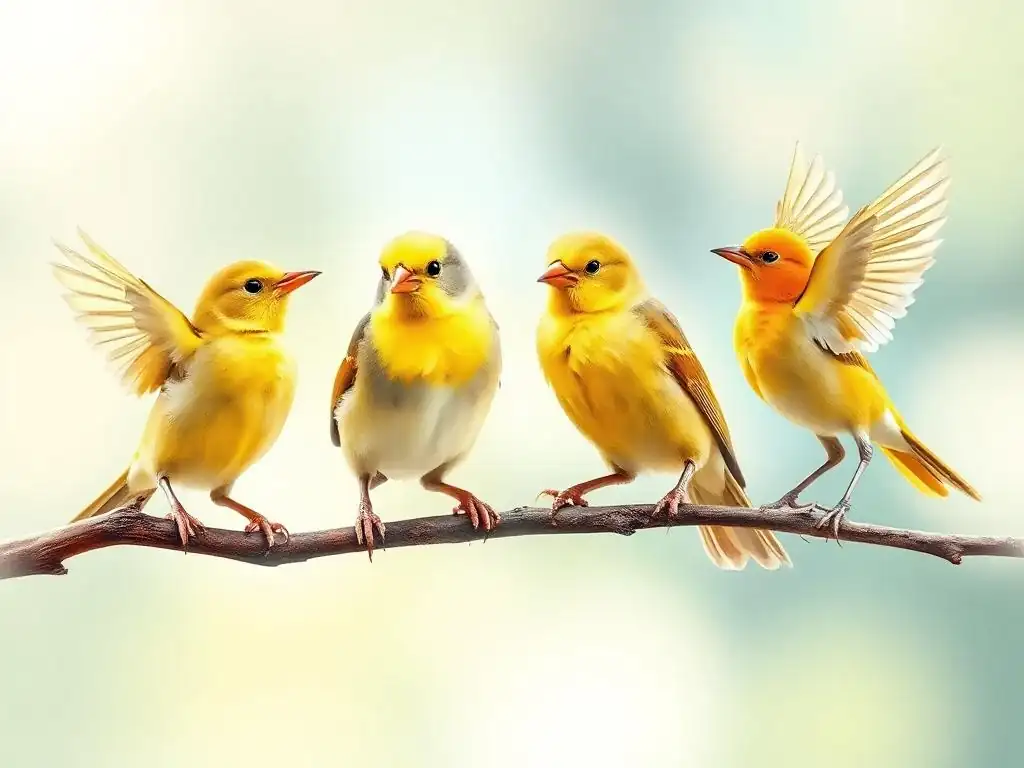
Canary wing flapping, a seemingly simple action, can actually communicate a surprisingly wide range of emotions and physical states. Understanding the nuances of your canary's wing movements is crucial for ensuring their well-being and recognizing potential health issues. This section delves into the different types of wing flapping exhibited by canaries and their associated meanings, helping you become a more attentive and informed canary caregiver.
Proper interpretation of these signals is key to providing optimal care and addressing any underlying problems promptly. This will help you decipher the subtle messages your feathered friend is trying to convey, strengthening your bond and promoting a healthier, happier life for your canary. Remember, consistent observation is key to understanding your bird's individual communication style.
Interpreting Rapid Wing Flapping in Canaries
Rapid, erratic wing flapping in canaries is often a sign of distress or discomfort. This isn't necessarily a cause for immediate panic, but it warrants attention. Several factors can trigger this behavior:
- Overheating: Canaries, like many birds, are susceptible to heat stress. Rapid wing flapping, coupled with panting and lethargy, could indicate that your canary is too hot. Ensure adequate ventilation and avoid placing the cage in direct sunlight.
- Fear or Anxiety: Loud noises, sudden movements, or the presence of unfamiliar animals can frighten a canary, leading to rapid wing flapping. Providing a safe and quiet environment is crucial for reducing anxiety.
- Illness or Injury: Rapid wing flapping can be a symptom of underlying health problems, such as respiratory infections or injuries to the wings or body. If the rapid wing flapping persists or is accompanied by other symptoms like lethargy, ruffled feathers, or changes in appetite, consult an avian veterinarian immediately.
- Insufficient Exercise: While less common, a lack of sufficient exercise can sometimes manifest as restless behavior, including rapid wing flapping. Ensure your canary has enough space to move around and opportunities for flight.
The intensity and duration of the rapid flapping will often provide further clues. Short bursts might be a fleeting reaction to a minor stimulus, whereas prolonged, intense flapping is a more serious indicator of potential problems requiring veterinary attention. Keep a detailed record of the frequency and context of this behavior to aid in diagnosis.
Slow and Deliberate Wing Flapping: A Sign of Contentment?
In contrast to rapid flapping, slow and deliberate wing flapping can often be interpreted as a sign of contentment or a comfortable display. This is typically accompanied by other relaxed behaviors, such as preening, soft chirping, and a generally calm demeanor. This type of wing movement is usually less forceful and more rhythmic than the frantic flapping associated with distress.
Think of it like a contented sigh expressed through wing movements. However, it's important to note that individual canaries may express contentment differently. While one canary might display slow wing flapping, another might exhibit different behaviors like gentle bobbing of the head or soft chirping. Observing your canary's routine behavior is crucial to differentiating between contentment and potential subtle signs of discomfort.
This careful observation, combined with an understanding of other behavioral cues, allows for a more accurate interpretation of your canary's subtle communication. Remember, context is key – a seemingly relaxed behavior could be masking a more serious underlying issue if other symptoms are present.
One Wing Flapping vs. Two Wing Flapping: Understanding the Nuances
The difference between a canary flapping one wing versus both wings can be significant in deciphering their message. While two-winged flapping often reflects the scenarios discussed above (distress, contentment, etc. ), one-winged flapping frequently indicates a more localized issue.
- Injury or Discomfort: If your canary is flapping only one wing, it strongly suggests a potential injury or discomfort localized to that wing. This could be due to a broken feather, a minor injury, or even a mite infestation. Careful examination is warranted, and veterinary attention should be sought if the behavior persists or worsens.
- Preening or Feather Maintenance: Occasionally, a canary might flap one wing as part of its preening routine, attempting to reach and adjust feathers. This is usually a short-lived behavior and doesn't usually cause the bird any apparent distress. Distinguishing between preening and distress requires careful observation.
- Parasites: One-winged flapping, particularly if accompanied by excessive scratching or feather plucking, could indicate a parasitic infestation. Consult an avian veterinarian for appropriate diagnosis and treatment.
Careful observation of your canary's wing flapping, noting the speed, rhythm, and whether one or both wings are involved, provides valuable insights into their physical and emotional well-being. Remember that consistent monitoring and a keen eye for detail are essential for responsible canary ownership. Early detection of potential problems can significantly improve your bird's quality of life and longevity.
Wing Flapping Combined with Other Behaviors: A Holistic Approach
Understanding canary wing flapping requires a holistic approach. Rarely does a single behavior tell the complete story. Observing accompanying behaviors is crucial for accurate interpretation. For example, wing flapping coupled with restlessness and frequent chirping might indicate excitement or anticipation, perhaps triggered by the owner's presence or the expectation of food. This contrasts sharply with wing flapping accompanied by lethargy, ruffled feathers, and a lack of appetite, which could signal illness or discomfort. Paying close attention to the bird's overall demeanor is vital.
Consider this scenario: A canary is flapping its wings vigorously while also exhibiting panting and open-mouthed breathing. This combination strongly suggests overheating. The bird may need immediate intervention, such as moving it to a cooler location or providing a misting spray. Conversely, if the wing flapping is accompanied by fluffed-up feathers and shivering, it might suggest the bird is cold and needs additional warmth.
Another important consideration is the context of the wing flapping. Is it occurring during a specific time of day? Is it triggered by a particular event, such as the arrival of a person or another pet? Does the intensity or frequency of the flapping change depending on the situation? Keeping a detailed record of these observations can be invaluable in determining the underlying cause.
A simple log noting the behavior, the time, and any accompanying actions can provide a wealth of information for accurate diagnosis and appropriate action. Remember, the more information you gather, the better equipped you are to understand your canary's communication. Careful observation, combined with a detailed record-keeping system, is key to understanding your canary's nuanced communication. This holistic approach allows for a more accurate and informed interpretation of your bird's behavior, helping you provide the best possible care.
Common Reasons for Canary Wing Flapping
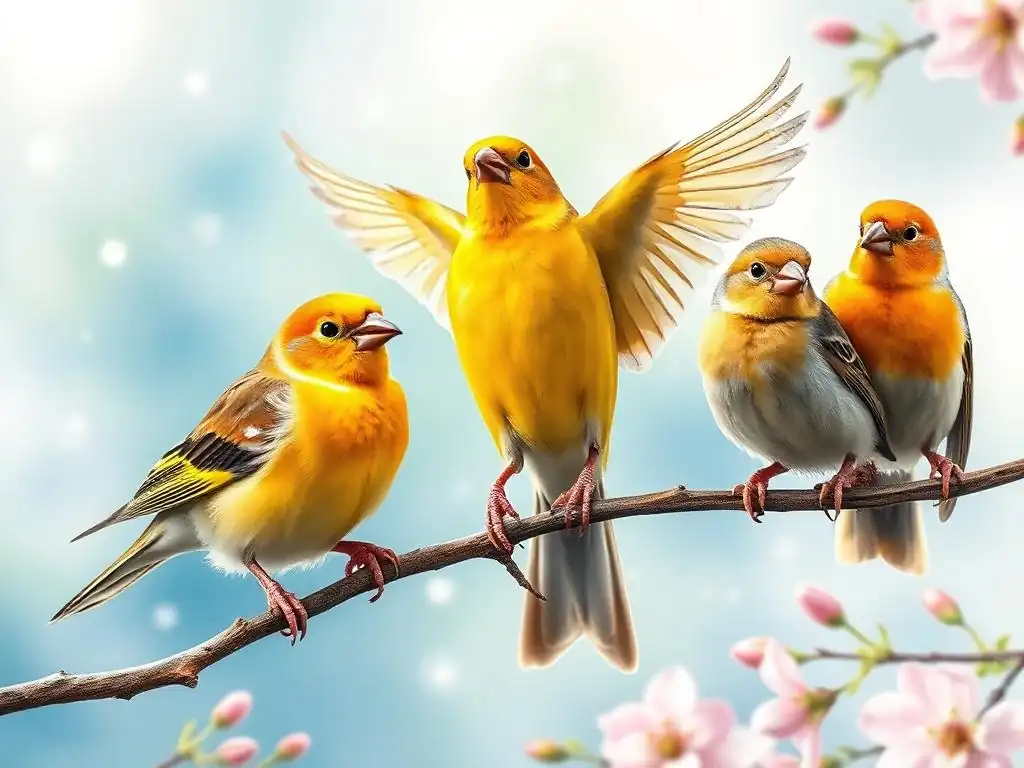
Canary wing flapping, while seemingly simple, can communicate a surprisingly wide range of emotions and physical states. Understanding these subtle nuances is crucial for responsible canary ownership and ensuring your feathered friend's well-being. This section delves into the most common reasons behind this behavior, helping you decipher the messages your canary is trying to convey. Proper interpretation can help you provide optimal care and prevent potential problems. Remember, observing your canary's overall behavior, alongside wing flapping, provides the most complete picture.
Excitement and Playful Behavior in Canaries
Sometimes, canary wing flapping is simply a sign of exuberant energy and playful interaction. Think of it as a feathered equivalent of a child excitedly jumping up and down. This type of flapping is often accompanied by other positive behaviors:
- Chirping and singing: A happy, melodic song often accompanies playful wing flapping.
- Active movement: The bird will generally be moving around its cage energetically, hopping from perch to perch.
- Bright eyes and alert posture: The canary will exhibit a generally lively and engaged demeanor.
For example, a canary introduced to a new toy might exhibit rapid, short bursts of wing flapping interspersed with enthusiastic exploration of the new object. This is a clear indication of positive excitement, not distress. Providing ample opportunities for play and enrichment, such as new toys, perches, and foraging opportunities, can encourage this type of healthy, joyful wing flapping. Monitoring the frequency and context of this behavior will help you distinguish it from more concerning displays.
Stress and Anxiety: Recognizing the Signs in Wing Flapping
While playful flapping is characterized by short bursts and overall positive body language, stress-induced wing flapping often presents differently. This type of flapping is typically more frantic, less controlled, and accompanied by other signs of distress:
- Rapid, uncontrolled movements: The flapping may be continuous and seemingly frantic, lacking the playful rhythm of excited flapping.
- Fluffed-up feathers: A stressed canary might appear ruffled and less groomed than usual.
- Restlessness and pacing: The bird might pace incessantly within its cage, unable to settle.
- Lack of appetite: A significant decrease in food and water intake is a warning sign.
- Changes in vocalizations: The canary's usual cheerful songs might be replaced by quiet chirps or even silence.
Consider a scenario where a new pet enters the household, or there's a significant change in the canary's environment. These changes can trigger stress and manifest as increased wing flapping. Addressing the underlying cause of stress, such as providing a quieter environment or slowly introducing new elements, is crucial for mitigating this behavior. Providing a secure and predictable environment is key to reducing stress-related wing flapping.
Territorial Disputes and Wing Flapping Displays
Canaries, despite their small size, can exhibit territorial behaviors, especially if housed in close proximity to other canaries. Wing flapping can be a part of these territorial displays, often accompanied by:
- Aggressive posturing: The canary might puff up its feathers, making itself appear larger and more intimidating.
- Chasing and nipping: Direct aggression towards other birds may occur.
- Loud chirps and calls: The canary might emit sharp, high-pitched sounds to assert dominance.
- Wing-raising: One wing might be raised more prominently than the other.
For instance, if two male canaries are housed in adjacent cages, they might engage in wing flapping and other territorial displays towards each other. Providing sufficient space and visual barriers between cages can help reduce these types of interactions. Understanding the subtle differences in wing flapping associated with territoriality versus stress is vital for appropriate intervention. Carefully assessing the entire context of the behavior is necessary for effective management. In cases of persistent aggression, separating the birds might be necessary to prevent injury and alleviate stress.
Health Issues Manifested Through Wing Flapping: When to Seek Veterinary Care
Canary wing flapping isn't always a simple matter of excitement or play. Often, it can be a subtle yet crucial indicator of underlying health problems. A sudden change in flapping frequency, intensity, or the context in which it occurs warrants immediate attention. For instance, a canary that usually flaps its wings playfully after a bath might suddenly exhibit excessive flapping accompanied by lethargy or ruffled feathers.
This could suggest a serious underlying issue. Similarly, unilateral wing flapping (flapping only one wing) is a significant red flag and necessitates a vet visit. This asymmetry could indicate a neurological problem, a wing injury, or a muscular disorder.
Several health conditions can manifest as unusual wing flapping in canaries. Respiratory infections, for example, can cause labored breathing, which might be accompanied by increased wing flapping as the bird struggles to get enough oxygen. Similarly, a canary suffering from psittacosis (avian chlamydiosis) might show signs of lethargy, ruffled feathers, and unusual wing movements. These respiratory illnesses can be severe if left untreated, potentially leading to death. Therefore, any noticeable change in breathing patterns coupled with unusual wing flapping demands immediate veterinary assessment.
Furthermore, internal parasites can weaken a canary, leading to lethargy and unusual wing movements. These parasites can deplete essential nutrients, making the bird weak and impacting its ability to control its wing movements effectively. Similarly, certain bacterial or fungal infections can cause systemic weakness, resulting in irregular wing flapping. A thorough veterinary examination, which might include blood tests and fecal analysis, is crucial to diagnose and treat such infections effectively. Remember, early detection and treatment are critical for improving the chances of a full recovery.
Don't hesitate to seek veterinary care if your canary exhibits any of the following in conjunction with unusual wing flapping: lethargy, loss of appetite, weight loss, nasal discharge, diarrhea, difficulty breathing, or changes in feather condition. Early intervention can significantly improve the prognosis and potentially save your bird's life. A prompt visit to an avian veterinarian specializing in canary care will allow for accurate diagnosis and appropriate treatment, ensuring your feathered friend receives the best possible care.
The cost of neglecting these signs could be far greater than the expense of a timely veterinary check-up. Your canary's health is paramount, and proactive care is always the best approach.
Differentiating Normal Wing Flapping from Abnormal Behavior
Canary wing flapping meaning can be surprisingly complex. Understanding the nuances of their wing movements is crucial for responsible canary ownership. While some flapping is perfectly normal, other instances can signal underlying health issues or distress. This section will help you differentiate between typical and atypical wing flapping behaviors in your canary. Learning to interpret these subtle cues is key to ensuring your feathered friend's well-being. The key is observation – consistent, careful observation.
Distinguishing Playful Flapping from Distress Signals
Playful wing flapping in canaries is often characterized by short bursts of activity, interspersed with periods of rest and normal behavior. The bird might be flapping its wings while hopping around its cage, exploring its environment, or engaging in other playful activities. The flapping itself is usually energetic but controlled, and the bird will generally appear alert and happy. Think of it as a "happy dance" – a brief, enthusiastic display of energy.
Conversely, distress signals manifest differently. A canary experiencing stress or fear might exhibit rapid, uncontrolled wing flapping, often coupled with other signs of distress such as ruffled feathers, panting, or hiding. The bird may appear anxious and withdrawn, and the flapping might be relentless and seemingly exhausting. For example, a sudden loud noise or an unfamiliar presence could trigger this type of frantic wing flapping.
Careful observation will help you differentiate between these two scenarios. Keep a journal noting the context surrounding the flapping – what preceded it, what the bird was doing before and after. This will greatly assist in deciphering the meaning.
Identifying Potential Health Problems Through Wing Movement Observation
Wing flapping can also be an indicator of underlying health problems. For instance, consistent or excessive wing flapping, particularly when accompanied by lethargy, loss of appetite, or difficulty perching, might suggest a respiratory infection or other illness. A canary struggling to control its wing movements, exhibiting tremors or weakness, could point towards neurological issues. Furthermore, a bird constantly preening or scratching at its wings could indicate feather mites or other parasitic infestations.
These subtle signs, often overlooked, can be early warning signals of serious health concerns. Remember, subtle changes in posture, such as drooping wings or difficulty maintaining balance, can be just as significant as overt wing flapping. Record these observations meticulously; they are valuable information for your avian veterinarian.
When to Consult an Avian Veterinarian: Recognizing Serious Issues
It's crucial to understand when casual observation needs to transition into professional veterinary care. If your canary exhibits prolonged, excessive, or uncontrolled wing flapping, especially if accompanied by other symptoms like lethargy, weight loss, respiratory distress (e.g., gasping for breath), or changes in droppings, it's time to consult an avian veterinarian immediately. Delayed intervention can lead to more severe health complications. Don't hesitate to seek professional help if you notice any concerning changes in your canary's behavior or physical condition.
Early diagnosis and treatment are key to ensuring a positive outcome. Remember, prevention is better than cure. Regular checkups with an avian veterinarian are crucial for maintaining your canary's optimal health and well-being. This proactive approach will help you identify potential problems early on, before they escalate into serious issues.
Improving Your Canary's Well-being to Reduce Excessive Wing Flapping
Excessive wing flapping in canaries can often indicate underlying health issues or stress. Addressing these root causes is crucial for your bird's well-being and to curtail this behavior. A happy, healthy canary is less likely to exhibit excessive wing flapping. This section explores key strategies to improve your canary's overall health and reduce the frequency of this behavior, focusing on enrichment, environmental factors, and nutrition. Understanding the meaning behind your canary's wing flapping is the first step to resolving the issue.
Enrichment Activities to Keep Your Canary Stimulated
A bored canary is a stressed canary, and stress often manifests as excessive wing flapping. Providing ample opportunities for mental and physical stimulation is vital. This includes:
- Interactive Toys: Rotate toys regularly to prevent boredom. Consider toys that encourage foraging, climbing, and problem-solving. Examples include small bells, wooden ladders, and foraging toys filled with seeds. Remember to supervise your canary with new toys to ensure safety.
- Singing Companions: If possible, introduce another compatible canary to your bird's cage. Social interaction can significantly reduce stress and improve mental well-being. However, carefully assess compatibility beforehand to avoid aggression.
- Out-of-Cage Time: Allow your canary supervised time outside its cage daily. This provides opportunities for exploration and interaction. Ensure the area is safe and free from hazards. A dedicated play stand, away from drafts and direct sunlight, is ideal.
- Environmental Changes: Periodically rearrange the cage's internal structure (perches, toys, food and water bowls). This simple act can provide new stimulation and prevent the monotony that can lead to stress and excessive wing flapping.
Creating a Stress-Free Environment for Your Canary
Your canary's environment plays a significant role in its overall well-being. A stressful environment can trigger excessive wing flapping. Key elements of a stress-free environment include:
- Safe and Secure Cage: The cage should be appropriately sized for your canary, offering ample space for movement and exploration. The cage should be placed in a quiet area, away from loud noises, drafts, and direct sunlight. Avoid placing the cage near windows where sudden movements might startle your bird.
- Consistent Routine: Canaries thrive on routine. Maintaining a consistent daily schedule for feeding, cleaning, and interaction helps reduce stress and provides a sense of security.
- Minimizing Stressors: Identify and eliminate potential stressors, such as loud noises, sudden movements, or other pets in the household. A calm and predictable environment is essential for a happy and healthy canary. Consider the use of a cage cover during nighttime hours to provide a sense of security.
- Proper Hygiene: Regular cleaning of the cage and accessories is crucial to prevent the spread of diseases and maintain a healthy environment. A clean cage contributes significantly to your canary's overall well-being and can reduce stress-related behaviors, such as excessive wing flapping.
Nutritional Factors and Their Impact on Canary Behavior
A balanced and nutritious diet is essential for a healthy canary. Nutritional deficiencies can lead to various health problems, including behavioral changes like excessive wing flapping. Ensure your canary's diet includes:
- High-Quality Seed Mix: Provide a high-quality seed mix formulated specifically for canaries. Avoid mixes with excessive fillers or low-quality seeds.
- Fresh Fruits and Vegetables: Supplement the seed mix with fresh fruits and vegetables, such as apples, carrots, and spinach. These provide essential vitamins and minerals. Introduce new foods gradually to avoid digestive upset.
- Cuttlebone: A cuttlebone provides a source of calcium, which is essential for strong bones and overall health. Observe your canary’s consumption to ensure adequate calcium intake.
- Clean Water: Always provide fresh, clean water. Regularly clean the water dish to prevent bacterial growth.
Remember, if excessive wing flapping persists despite implementing these strategies, consult an avian veterinarian. They can help identify any underlying health issues and provide appropriate treatment. Understanding the nuances of your canary's behavior and addressing potential problems promptly is crucial for its long-term health and happiness. The key to understanding your canary's wing flapping meaning is a holistic approach to its care. 🐦
Canaries are social creatures, and a lack of appropriate social interaction can significantly contribute to stress and, consequently, excessive wing flapping. Loneliness and boredom can manifest in various behavioral problems, with repetitive wing flapping being a prominent indicator. Providing your canary with sufficient social interaction can be a powerful tool in mitigating this issue. This doesn't necessarily mean introducing another canary; while this can be beneficial for some birds, it's crucial to carefully consider the personalities and compatibility of the birds to avoid aggression or further stress.
One effective strategy is to spend quality time with your canary daily. Talk to your bird, sing to it, and engage in interactive play. This could involve offering your canary toys that encourage movement and exploration, such as foraging toys or swings. The interaction, even if it's just your presence and gentle conversation, offers mental stimulation and reduces feelings of isolation, thereby decreasing stress levels and the likelihood of excessive wing flapping. Remember that consistent interaction is key; sporadic attention might not be enough to alleviate the underlying stress.
Another aspect of social interaction is ensuring your canary has visual stimulation. Placing the cage near a window where it can observe the outside world can provide significant enrichment and reduce boredom. However, ensure the window is bird-safe and doesn't expose your canary to extreme temperatures or predators. Similarly, strategically placing the cage in a lively area of your home, where it can observe family activity (without being overwhelmed), can offer a sense of connection and reduce feelings of isolation.
Observe your canary's behavior to determine its optimal level of stimulation; too much activity might also be stressful. The goal is to strike a balance between providing enriching interaction and maintaining a calm and peaceful environment. Remember that every canary is an individual, and what works for one might not work for another. Careful observation and adjustment are crucial for achieving the best outcome.
Conclusion: Observing Your Canary for a Healthier and Happier Life
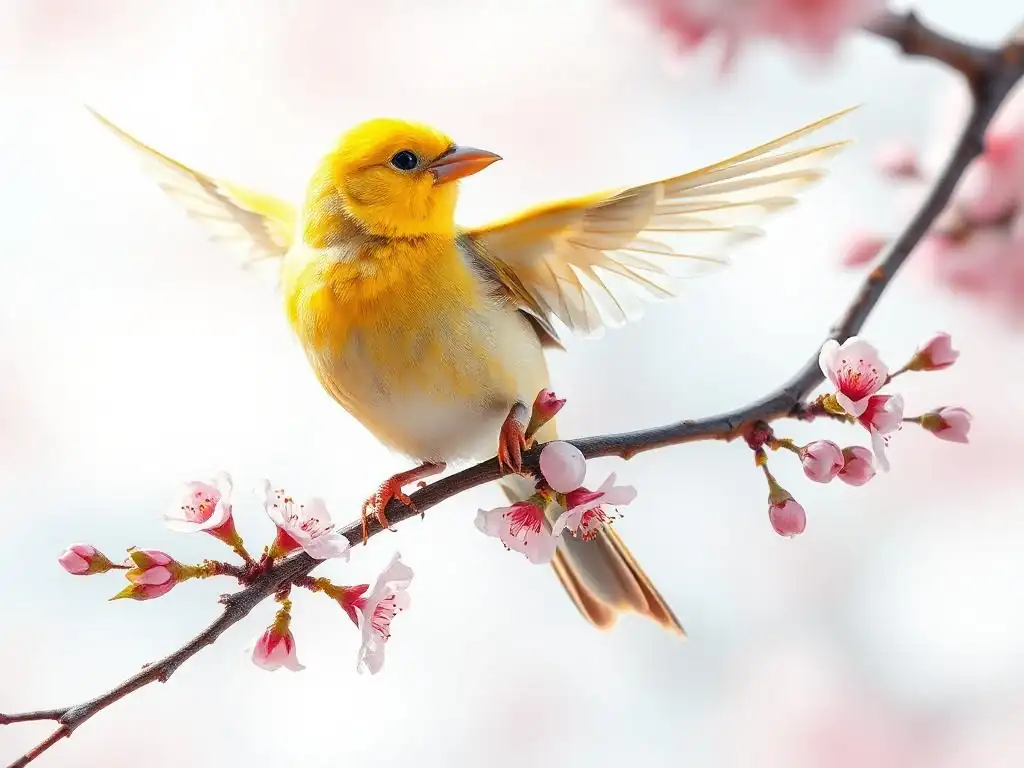
Understanding your canary's communication is crucial for responsible pet ownership. While wing flapping can signal various things, from excitement to distress, consistent observation allows you to discern the nuances of your bird's behavior. By paying close attention to the context of the flapping – the frequency, intensity, and accompanying behaviors – you can better interpret its meaning and address any underlying issues promptly. Remember, a healthy and happy canary is a communicative canary.
Learning to understand its subtle cues, like variations in wing flapping, strengthens your bond and ensures its well-being. This proactive approach to canary care will empower you to provide the best possible environment for your feathered friend. Proactive monitoring is key to preventing more serious problems down the line, and understanding canary wing flapping meaning is a significant part of that.
The Value of Consistent Observation in Canary Care
Consistent observation is the cornerstone of responsible canary care. Think of it as learning your canary's unique "language." Just as humans communicate through varied tones and gestures, canaries use a range of behaviors, including wing flapping, to express their needs and feelings. Daily observation, even for just a few minutes, allows you to establish a baseline of normal behavior.
This baseline is critical for identifying deviations, such as increased wing flapping, which could indicate underlying health problems or environmental stress. Note the frequency of wing flapping: Is it a brief, occasional occurrence, or is it prolonged and frequent? Is it accompanied by other behaviors, such as ruffled feathers, lethargy, or changes in appetite? Keeping a detailed log of your observations can be invaluable when discussing concerns with an avian veterinarian.
This detailed record will allow for a more accurate diagnosis and treatment plan. Documenting your observations helps you track changes in behavior over time, providing crucial information for your vet. This careful attention to detail is paramount in ensuring the long-term health and happiness of your canary. The subtle shifts in your canary's behavior, including wing flapping patterns, are vital indicators of its overall well-being.
Addressing Underlying Issues to Prevent Excessive Wing Flapping
Excessive wing flapping in canaries often points to underlying health issues or environmental stressors. These issues need prompt attention to prevent further complications. For example, frequent wing flapping could indicate respiratory problems, such as infections or allergies. Other potential causes include mites, feather plucking, or nutritional deficiencies.
Environmental factors such as inadequate cage size, poor ventilation, or exposure to loud noises can also trigger excessive wing flapping. Addressing these underlying problems is crucial. This might involve providing a more spacious cage, improving air quality, reducing noise levels, or seeking veterinary attention for potential illnesses. Remember that a stressed canary is a more vulnerable canary.
A proactive approach, including regular veterinary check-ups and a well-maintained environment, is crucial for preventing excessive wing flapping and maintaining your bird's overall health. Early intervention is key to mitigating potential health problems and ensuring your canary's well-being. A comprehensive understanding of canary wing flapping meaning assists in early detection and treatment.
Maintaining a Strong Bond with Your Feathered Friend Through Understanding
Understanding your canary's communication, including the nuances of its wing flapping, significantly strengthens your bond. When you can decipher its signals, you're better equipped to meet its needs and anticipate potential problems. This understanding fosters a sense of trust and mutual respect. A strong bond is built on mutual understanding and consistent care.
This involves providing a stimulating environment, engaging in interactive play, and offering a balanced diet. By taking the time to learn your canary's individual cues, you're not just caring for a pet; you're developing a deep connection with a fascinating creature. This connection goes beyond simply providing food and water; it's about understanding its emotional and physical needs.
The effort you put into understanding your canary's behavior, including wing flapping, will be rewarded with a richer, more fulfilling relationship with your feathered companion. Learning about canary wing flapping meaning is a crucial step in building this special relationship. It's a testament to your commitment to your pet's well-being and happiness.
Frequently Asked Questions
What does it mean when my canary is flapping its wings?
Canary wing flapping can indicate several things. It could be a sign of excitement, courtship behavior, or stress. Observe your bird's overall behavior to determine the cause.
Is wing flapping always a sign of illness in canaries?
No, not always. While it can indicate illness, such as respiratory problems or injury, wing flapping is also a normal behavior in certain contexts, like during play or mating rituals.
My canary is flapping its wings excessively. Should I be concerned?
Excessive wing flapping, especially if accompanied by other symptoms like lethargy, loss of appetite, or ruffled feathers, warrants a visit to an avian veterinarian.
How can I tell the difference between normal and abnormal wing flapping?
Normal flapping is usually brief and interspersed with other activities. Excessive, repetitive flapping, particularly when the bird seems distressed, is a cause for concern. Consider the context and overall health.
What can I do to help my canary if it's flapping its wings excessively due to stress?
Try to reduce stress factors in its environment. This might involve providing more space, reducing noise, or ensuring its cage is clean and comfortable. A vet visit is still recommended if the behavior persists.
Final Reflection: The Unspoken Language of Canary Wings
The subtle flicks and flutters of a canary's wings aren't mere random movements; they're a complex language, a silent symphony revealing the bird's emotional state and physical well-being. Understanding this language, as explored throughout this article, is crucial not only for responsible canary ownership but also for appreciating the intricate communication systems found throughout the natural world.
The impact of observing animal behavior, particularly the nuanced expressions of seemingly simple creatures like canaries, extends far beyond the realm of pet ownership. It encourages us to look beyond the surface, to appreciate the depth of communication that exists even in the smallest of beings. The more we learn about the natural world, the more we realize how much we still have to learn.
This quote underscores the ongoing journey of discovery and the importance of continued observation and research into animal communication.
Now, consider your own interactions. Do you truly listen, observing not just the words spoken but the subtle cues, the unspoken language of body language and tone? Take a moment to reflect on how you communicate, and how you interpret the communications of others. By applying the mindful observation practiced in understanding canary wing flapping, you can foster deeper connections and a richer understanding of the world and the people around you. Let the silent symphony of the canary inspire you to listen more attentively, to observe more keenly, and to truly connect with the world around you.
Unlock Your Canary's Secrets: Dive Deeper into Their Wing Language!
Thank you for taking the time to learn more about your feathered friend! Understanding your canary's wing movements can significantly improve your bond and the care you provide. Ready to put this new knowledge into practice?
- Observe your canary's wings for an hour: Pay close attention to the subtle nuances in their wing movements – are they relaxed, frantic, or something in between? Note your observations. This is the first step towards truly understanding your bird's communication.
- Share your observations with other canary owners: Join our vibrant online community and share your findings! Let's collaboratively build a comprehensive knowledge base.
- Consider creating a journal to track your canary's behavior over time. This will help you identify patterns and potential health concerns.
What fascinating wing movements have you observed in your canary today? Let's discuss!