Summer Bird Cage Safety: Avoiding Overheating and Dehydration
😊 Keep birds cool this summer! PetCareWorld's expert guide reveals crucial summer safety tips for your feathered friends, focusing on preventing overheating…
Read article
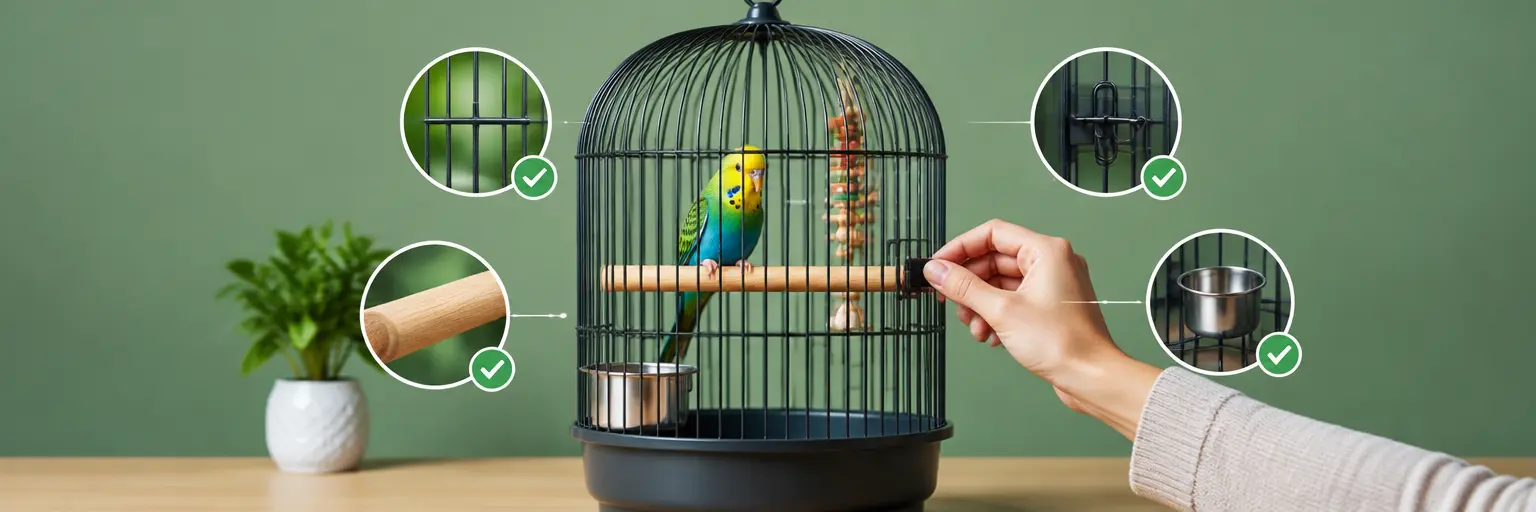
Whether you’re a first-time bird parent or a seasoned avian enthusiast, ensuring your feathered friend’s home is safe is just as vital as a nutritious diet and daily playtime. Our bird cage safety tips cover everything from choosing non-toxic materials and avoiding hazardous perches to proper bar spacing and secure latch systems. We delve into hidden dangers like rusty wires, harmful cleaning chemicals, and improperly placed toys that can cause injury or stress. With expert guidance on cage placement—away from drafts, direct sunlight, and kitchen fumes—you’ll learn how to create a sanctuary that promotes physical health and mental well-being. Prevent accidents before they happen by mastering the essentials of cage maintenance, emergency-proofing, and species-specific requirements. Whether you have a budgie, cockatiel, or macaw, these actionable insights ensure your bird thrives in a secure, stimulating environment, giving you peace of mind and your pet a happier, safer life. 🐦🔒

😊 Keep birds cool this summer! PetCareWorld's expert guide reveals crucial summer safety tips for your feathered friends, focusing on preventing overheating…
Read article
🤔 Is your feathered friend at risk? PetCareWorld reveals crucial unsafe bird cage signs, from rusty bars and loose components to inadequate…
Read article
😊 Prevent costly accidents! PetCareWorld's guide on "Bird Cage Stand Safety" helps you choose safe bird cage stand options, ensuring your feathered…
Read articleWelcome to our dedicated guide on bird cage safety tips, an essential resource within our broader bird care category. At PetCareWorld, we understand that a cage is more than just a containment system—it is your bird's home, playground, and safe haven. Ensuring this space is free from hazards, properly sized, and mentally stimulating is one of the most critical responsibilities of any bird owner. Below, we dive deep into the nuances of cage safety, from material selection to daily maintenance routines, ensuring your avian companion thrives in a secure and enriching environment.
Cage dimensions and bar spacing are the first and most crucial line of defense for your bird's physical safety. A cage that is too small can lead to feather plucking, muscle atrophy, and behavioral issues, while bars that are too wide present an escape or injury risk, especially for smaller species. As a golden rule, the cage should be at least as wide as your bird's full wingspan, allowing for comfortable stretching and limited flight. For example, a cockatiel (wingspan ~12 inches) needs a minimum width of 20 inches, whereas a macaw requires over 36 inches.
Bar spacing is equally critical—too narrow can trap toes or beaks, while too wide allows heads to get stuck. We recommend these guidelines: finches and canaries need 1/4 to 1/2 inch spacing, budgies and lovebirds prefer 1/2 inch, cockatiels require 5/8 inch, and large parrots need 1 to 1.5 inches. Always verify the specific needs of your species before purchasing, and remember that horizontal bars offer better climbing opportunities, promoting foot health and exercise.
The materials used in your bird's cage can introduce silent, chronic toxins that compromise their health. zinc and lead are the two most common heavy metal toxins found in cheaper cages, often present in galvanized wire, soldered joints, or painted finishes. Chronic ingestion or inhalation can cause vomiting, lethargy, anemia, and even neurological damage. Your safest option is stainless steel, which is non-toxic, easily sanitized, and highly durable. Powder-coated cages are acceptable if the coating is lead-free and non-peeling, but always inspect for chips or scratches.
Beyond the frame, scrutinize accessories: avoid bells with clappers, mirrors with exposed edges, and plastic toys that may contain phthalates or BPA. Natural wood perches (like manzanita or dragonwood) are safe, but never use cedar or pine shavings as cage lining, as their aromatic oils can cause respiratory distress. For toy parts, stick to untreated, unpainted wood, rawhide-free leather strips, and stainless steel fasteners. Conduct a simple tap test—if a metal item scratches easily, it likely contains toxic zinc alloy.
Where you place the cage is just as critical as the cage itself. Birds are exquisitely sensitive to airborne particles. Never place a cage near kitchens, as Teflon (PTFE) fumes from non-stick cookware are lethal to birds within minutes. Also avoid areas with scented candles, aerosol sprays, incense, or cleaning products containing ammonia or bleach, all of which can cause rapid respiratory failure. Ideally, the cage should be in a room with stable temperature (65–80°F), away from direct drafts from windows, air vents, or exterior doors that cause sudden chill.
Natural light is beneficial, but avoid full, direct, unobstructed sunlight for more than a few hours, as overheating can be fatal through the glass of a window. Place one side of the cage against a wall to create a sense of security, while keeping the main activity area (living room) in view for social interaction. Ensure the cage is on a sturdy, elevated stand (not directly on the floor) to protect from household pets and provide a stable viewing angle. Also, verify that curtains and blinds cords are out of reach, as they pose a strangulation hazard if the bird chews or gets tangled.
Food and water bowls are frequent sources of bacterial and fungal growth if not properly maintained. Use heavy ceramic or stainless steel bowls that are dishwasher safe, and avoid plastic, which scratches easily and harbors pathogens. Place water bowls away from perches and feeding stations to prevent fecal contamination. Change water at least twice daily, and wash bowls with hot, soapy water every day. Never let water sit in overhead drinking tubes, as they develop a microbial slime that can cause crop infections.
Foraging is a safety measure for mental well-being, but it must be hazard-free. Offer food in puzzle feeders or wrapped in untreated paper, but avoid foraging toys with small, edible beads that can be swallowed whole. Check perches: the diameter should match your bird's foot, where toes wrap around two-thirds of the perch without overlapping. Rope perches are comfortable but must be checked daily for fraying, which can entrap toes or be ingested. Also, never share your food from your own plate while it contains avocado, chocolate, caffeine, or high-fat/salt content—these are toxic to birds.
A clean cage is a safe cage. Implement a daily and weekly cleaning routine to prevent disease. Remove droppings, spilled food, and shed feathers every day. Every week, disinfect the entire cage, perches, and toys with a bird-safe disinfectant (white vinegar diluted with water, or a commercial avian-safe product). Rinse thoroughly and air-dry completely, since leftover moisture can lead to mold growth. During deep cleaning, you can move the bird to a temporary, smaller safe carrier, but avoid placing them in a different main cage for extended periods.
During cleaning, inspect every inch for looming hazards: check for bent or broken wires that can catch toes, loose screws, or flipped perches. Examine toy attachments for sharp edges, and remove any chewed plastic immediately. Additionally, practice regular physical health checks during this time—look at your bird's nails for overgrowth (which can snag in cage bars), beak condition, and the state of your bird's feathers around the vent to detect potential issues early. A proactive approach to maintenance prevents emergencies and enhances your bird's quality of life.
No, galvanized metal cages are risky because they are coated with zinc, which is toxic to birds when ingested through chewing or rubbing. Over time, the coating can flake off, and the bird may ingest zinc particles, leading to heavy metal poisoning. Always opt for stainless steel or a certified lead-free, zinc-free powder-coated cage to ensure long-term safety.
Manzanita or natural dragonwood perches are the safest for parakeets because they mimic natural bark, promote healthy foot exercise, and are non-toxic. Sand perches are acceptable but should only be used as an auxiliary perch, as they can cause skin abrasions on the feet if the sole perch. Never use smooth, dowel-shaped plastic or pine perches exclusively, as they cause foot fatigue.
Absolutely not. Scented candles, essential oil diffusers, and any aerosolized fragrance are dangerous to birds. They release volatile organic compounds (VOCs) and particulate matter that can cause acute respiratory distress, allergic reactions, and can be fatal. Even natural candles produce soot. Keep the air in your bird's room scent-free and well-ventilated to protect their delicate respiratory system.
Inspect them daily for signs of fraying, splintering, or sharp edges. Replace natural wooden perches every 3-6 months depending on chewing damage, and rope perches every 2 months if they show fraying. Toys should be swapped out monthly, but remove any toy that becomes broken, worn, or has exposed parts immediately to prevent injury. Rotation of toys every two weeks also prevents boredom.
Remain calm and act quickly but gently. Offer a small treat to help distract the bird. Gently apply a tiny bit of vegetable oil around the stuck leg to reduce friction, then carefully pull the bars apart with your fingers (if flexible) or slide the bird’s leg back through. If the leg shows swelling, bleeding, or if the bird is distressed, contact an avian veterinarian immediately. To prevent this, verify bar spacing is correct for your bird’s species early.