
Signs of an Unsafe Bird Cage: What to Look For

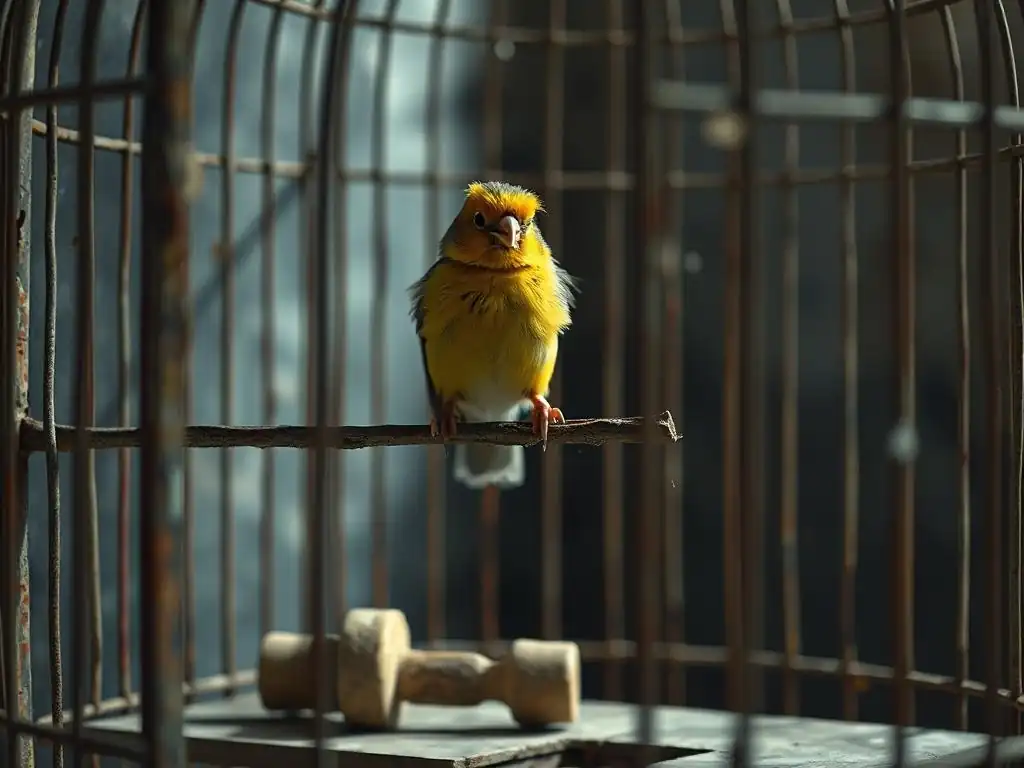
Welcome to PetCareWorld, your ultimate guide to a happier, healthier life for your beloved companion! Are you certain your feathered friend's home is truly a haven? Discover the often-overlooked signs of an unsafe bird cage in our comprehensive guide, ensuring your bird's safety and well-being. Dive in and learn how to create a secure and enriching environment for your avian companion – because their happiness is our priority.
- Identifying Potential Hazards in Your Bird's Cage
- Assessing Cage Accessories for Safety
-
Evaluating the Overall Cage Environment
- Poor Cage Placement: Avoiding Drafts and Direct Sunlight
- Unhygienic Conditions: Cleaning and Sanitation Practices
- Lack of Enrichment: Boredom and Behavioral Issues
- Potential for Entanglement: Cords, Wires, and Hanging Objects
- Inadequate Spacing Between Bars: Preventing Escapes and Injuries
- Sharp Edges and Points: A Potential Source of Injury
- Signs Your Bird is Unhappy in its Cage
- Choosing a Safe Bird Cage: A Guide to Materials and Features
- Frequently Asked Questions
- Final Reflection: Reimagining Safety: Our Feathered Friends Deserve Better
- Rediscover Your Bird's Sanctuary: Create a Safer Home Today!
Identifying Potential Hazards in Your Bird's Cage
Owning a bird is a rewarding experience, filled with joy, companionship, and the chirping melodies of your feathered friend. However, responsible bird ownership extends beyond providing food and water; it necessitates ensuring a safe and enriching environment. A seemingly innocuous bird cage can harbor hidden dangers that could compromise your bird's well-being and even threaten its life.
This comprehensive guide will equip you with the knowledge to identify potential hazards in your bird's cage, allowing you to proactively mitigate risks and create a secure haven for your beloved companion. We'll delve into specific signs indicating an unsafe bird cage, focusing on common issues that often go unnoticed. Understanding these potential dangers is crucial for preventing injuries, escapes, and ensuring your bird thrives in a safe and stimulating environment.
By paying close attention to the details of your bird's cage, you can contribute significantly to its overall health, happiness, and longevity. Let's explore the key indicators of an unsafe bird cage and learn how to address them effectively.
Damaged Cage Bars and Wires: Recognizing Weakness and Breaks
Damaged cage bars and wires are among the most critical unsafe bird cage signs. A seemingly minor bend or break can provide an escape route for your bird, exposing it to potential dangers within your home. Furthermore, weakened bars pose a significant risk of injury to your bird if it attempts to perch or climb on a compromised section. Regularly inspect your bird's cage for:
- Bent bars: Even slightly bent bars can weaken the overall structure of the cage and create points of potential failure.
- Broken bars: A completely broken bar represents a clear and present danger, providing an easy escape route.
- Frayed or broken wires: Wires, particularly those used in mesh cages, can fray or break over time, creating sharp edges that can injure your bird.
Remember, prevention is key! Regular inspections, ideally conducted weekly, are crucial. Replace any damaged components immediately to ensure your bird's safety. Consider the material of the cage; some materials degrade faster than others. Replacing an old, damaged cage entirely might be a safer option than attempting repairs. Don't underestimate the ingenuity of birds – they're experts at finding weaknesses! 🐦
Rusty Cage Components: Corrosion and Bird Health Risks
Rust is more than just an aesthetic issue; it presents serious health risks to your bird. Rusty cage components can contain harmful toxins that can leach into your bird's food and water, leading to various health problems. Furthermore, rust can create sharp edges that can injure your bird's feet or beak. Look for:
- Surface rust: Even a small amount of surface rust indicates the beginning of corrosion and should be addressed promptly.
- Significant rust: Extensive rust indicates advanced corrosion and requires immediate action. The cage may need to be replaced.
- Flaking paint: Flaking paint, often associated with rust, can contain lead or other toxins that are incredibly dangerous to birds.
When choosing a bird cage, opt for materials known for their durability and resistance to rust, such as stainless steel. Regular cleaning and proper maintenance can significantly reduce the risk of rust formation. Remember, a rusty cage is not only unsafe but also unhealthy for your feathered friend. Prioritize your bird's health and replace any rusty components without delay. ⚠️
Gaps and Openings in the Cage: Escape Routes and Safety Concerns
Small gaps and openings in your bird's cage, however seemingly insignificant, can become major escape routes. Birds are surprisingly adept at squeezing through surprisingly small spaces. Furthermore, these openings can allow for unwanted access by other pets or even predators. Carefully examine your bird's cage for:
- Spacing between bars: Ensure the spacing between bars is appropriate for your bird's size to prevent escape. The spacing should be too small for your bird to squeeze through.
- Damaged or missing parts: Check for any missing or damaged components that could create openings.
- Loose or ill-fitting doors: Make sure the doors of your bird's cage close securely and are well-maintained.
Regularly check the locking mechanisms of the cage door, and consider using additional safety measures like a secondary latch. A bird escaping can lead to injury, loss, or significant stress for both the bird and the owner. Maintaining a secure cage is paramount to your bird's safety and well-being. Remember, a seemingly small gap can be a large problem! 🧐
Unsafe Cage Materials: Toxic Paints and Coatings
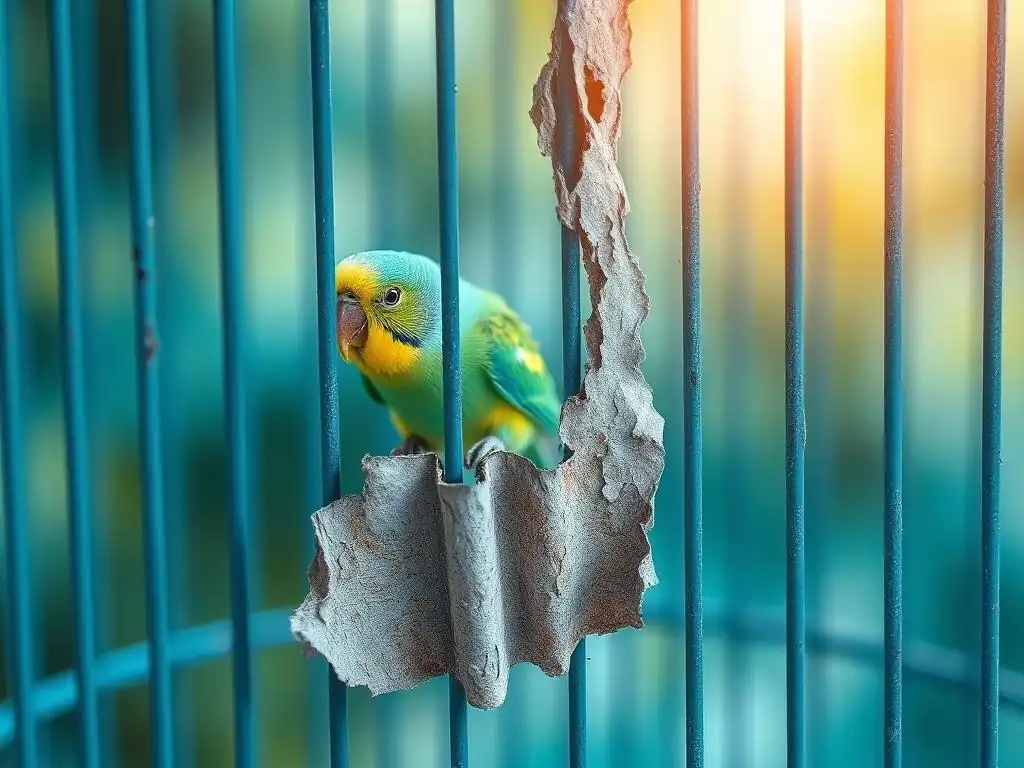
Many commercially available bird cages, especially cheaper options, may contain paints and coatings that are toxic to birds. These paints can release harmful fumes, and birds, with their sensitive respiratory systems, are particularly vulnerable. Ingestion of paint chips, which can easily occur, can lead to severe illness or even death. Always check the materials and manufacturing information provided by the supplier to ensure the cage is made from non-toxic materials.
Look for cages explicitly labeled as “bird-safe” and made from powder-coated or non-toxic metals. Avoid cages with chipped or peeling paint, as this indicates potential lead or other heavy metal contamination. Remember, a seemingly small amount of ingested paint can have devastating consequences for your feathered friend. Regularly inspect the cage for any signs of wear and tear, and promptly replace any damaged components.
Prioritizing a non-toxic cage is crucial for preventing potential health issues stemming from paint ingestion or inhalation of harmful fumes. Choosing a reputable brand known for its commitment to bird safety is a proactive measure in safeguarding your bird's health. Always err on the side of caution; if you have any doubts about the safety of your bird's cage materials, it's best to replace it with a safer alternative. A healthy bird is a happy bird, and a safe cage is the cornerstone of a healthy environment.
Improper Cage Size for Your Bird: Space Restrictions and Stress
A cage that's too small can be detrimental to your bird's well-being, leading to stress, behavioral problems, and even health complications. Birds need ample space to exercise, spread their wings, and engage in natural behaviors like climbing, swinging, and flying. Crowding restricts their movement, causing frustration and increasing the risk of feather plucking and other self-destructive behaviors. The minimum cage size recommendation varies greatly depending on the species of bird; larger birds like macaws require significantly more space than smaller birds like finches. Before purchasing a cage, thoroughly research the specific needs of your bird's breed.
Consider factors such as wingspan, body length, and the bird's natural behavior patterns. A cramped cage limits a bird's ability to express natural behaviors, leading to boredom, depression, and ultimately, a diminished quality of life. Providing sufficient space allows your bird to engage in physical activity, which is essential for maintaining both physical and mental health. An appropriately sized cage, coupled with a variety of toys and enrichment activities, contributes to a happy and thriving bird.
Remember, investing in a spacious cage is an investment in your bird's overall health and happiness. Choose a cage that allows your bird to comfortably stretch its wings and move freely without feeling confined. Don't underestimate the importance of space for your bird's well-being. A larger cage significantly improves your bird's quality of life and minimizes stress-related health problems.
Assessing Cage Accessories for Safety
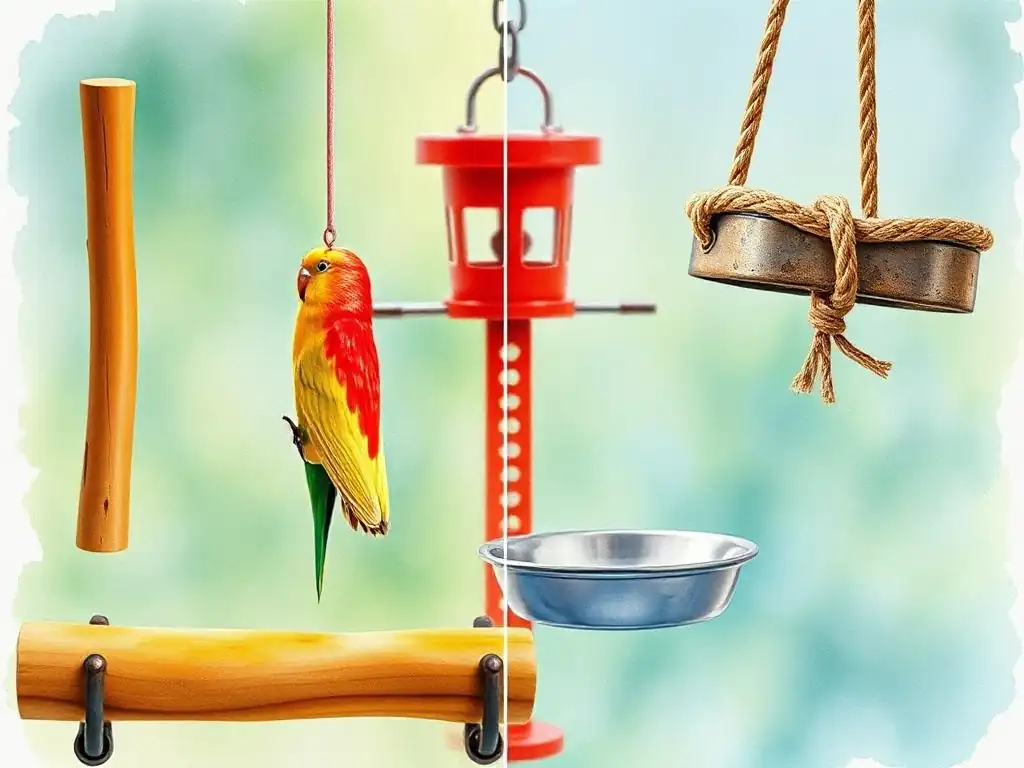
This section delves into the often-overlooked aspects of bird cage safety: the accessories within. While the cage structure itself is crucial, unsafe accessories can negate even the best cage design, creating hazards for your feathered friend. Identifying and mitigating these risks is vital for ensuring your bird's well-being and preventing accidents. Remember, an "unsafe bird cage" isn't solely defined by the cage's construction; it's a holistic assessment encompassing all elements within.
Unsafe Perches: Materials, Size, and Placement
Perches are fundamental to a bird's cage, yet improper choices can lead to serious injuries. The material, size, and placement of perches directly impact your bird's foot health and overall comfort. Avoid perches made of materials like smooth, hard plastic or metal, which offer no grip and can lead to perching injuries such as bumblefoot (pododermatitis), a painful infection of the bird's feet.
Natural wood perches are generally preferred, offering a textured surface for better grip. However, even with wood, the diameter is critical. Perches should be varied in diameter to encourage your bird to use different muscles in its feet, preventing strain and promoting healthy foot development.
Too-thin perches force the bird's feet into an unnatural position, while overly thick perches can make it difficult to grip. A good rule of thumb is to have perches of varying sizes that comfortably accommodate your bird's feet without causing strain. Ideally, you should aim for a range of perch diameters, allowing your bird to choose which best fits its needs at any given time.
Furthermore, perch placement is crucial. Perches should be strategically positioned throughout the cage to allow for easy movement and prevent overcrowding. Avoid placing perches directly above food and water dishes, which can lead to droppings contaminating the food and water. The ideal placement promotes both comfort and hygiene. Consider the natural behaviors of your bird species when positioning perches – some birds prefer higher perches, while others may prefer lower, more secluded spots.
Dangerous Toys: Choking Hazards and Toxic Materials
Toys are essential for enriching a bird's environment and preventing boredom, but choosing unsafe toys can lead to serious consequences. Small toys, especially those with easily detachable parts, pose significant choking hazards. Always supervise your bird with new toys and remove anything that could be easily swallowed or broken into small pieces. This is especially important for smaller bird species.
Beyond choking hazards, the materials used in bird toys can be toxic. Avoid toys made from lead-based paints, zinc, or other potentially harmful substances. Opt for toys made from natural materials like wood, cotton rope, or stainless steel. Always check the manufacturer's information to ensure the toy is safe for your specific bird species.
Regularly inspect toys for wear and tear, discarding any that show signs of damage or deterioration to prevent ingestion of hazardous materials. Remember, a seemingly harmless toy can become dangerous as it ages and deteriorates. Proactive inspection is a key aspect of responsible bird ownership and contributes to a safe bird cage environment.
Unsecured Food and Water Dishes: Spills and Messes
Improperly secured food and water dishes can lead to spills, creating a messy cage and potentially attracting unwanted pests. Spilled food can also attract mold and bacteria, posing health risks to your bird. Heavy dishes should be secured to the cage bars to prevent accidental tipping. Lightweight dishes may be suitable if they are placed in a stable location within the cage.
Consider the type of food and water dishes you use. Some dishes are designed with features to minimize spills, such as weighted bases or lip designs. Choose dishes appropriate for your bird's size and feeding habits. Regular cleaning of food and water dishes is essential to maintain hygiene and prevent the growth of harmful bacteria.
A clean and organized cage is a safer cage, reducing the risk of accidents and illnesses. Observe your bird's feeding habits to assess the effectiveness of your chosen dishes and adjust as needed to minimize mess and maximize safety. A clean, well-organized cage is a fundamental component of providing a safe and healthy environment for your bird.
Inadequate Cage Linings: Hygiene and Bird Health
Inadequate cage linings present a significant risk to a bird's health and well-being. The bottom of the cage is where a considerable amount of waste accumulates, and improper lining can lead to a breeding ground for bacteria, fungi, and parasites. This can manifest in various ways, impacting your feathered friend's health significantly.
For example, ammonia buildup from unclean droppings can irritate your bird's respiratory system, leading to respiratory infections. These infections can range from mild discomfort to severe illness requiring veterinary intervention. Furthermore, unsanitary conditions can increase the risk of bacterial or fungal infections on the bird's feet and skin, potentially causing painful sores or more serious systemic infections.
Choosing the right cage lining is crucial. Avoid materials that are easily shredded or ingested, as this can lead to digestive problems or blockages. Newspapers, while seemingly innocuous, contain inks that can be toxic to birds if ingested. Similarly, some types of wood shavings can splinter, posing a risk of injury. Sand, while sometimes used, can also be detrimental as it can be easily inhaled, leading to respiratory issues.
Opt instead for safe and absorbent materials specifically designed for bird cages. These often include paper-based liners, fleece cage liners (easily washable), or even specially designed bird cage paper. Regular and thorough cleaning is paramount; a dirty cage, regardless of the lining, creates an unsafe environment. Aim to replace or clean the lining daily, or as needed, depending on the bird's size and messiness.
A clean cage lining is a cornerstone of maintaining a safe and healthy environment for your bird. Regular cleaning minimizes the risk of infections and keeps your bird thriving. Remember that proper hygiene is an essential part of responsible bird ownership, directly impacting the safety and health of your avian companion. Ignoring this aspect could have severe consequences for your bird's well-being.
Evaluating the Overall Cage Environment
This section focuses on assessing the broader environment surrounding your bird's cage, identifying factors that, while not directly part of the cage structure, significantly contribute to an unsafe environment for your feathered friend. An unsafe bird cage isn't just about faulty bars; it's about the complete living space you provide. Neglecting these aspects can lead to stress, illness, and even injury for your bird. Remember, a safe bird cage is a holistic environment carefully designed for your bird's well-being.
Poor Cage Placement: Avoiding Drafts and Direct Sunlight
Improper cage placement is a common oversight that can create an unsafe bird cage situation. Birds are highly sensitive to temperature fluctuations and drafts. Placing the cage near an open window, air conditioner vent, or frequently used doorway exposes your bird to unpredictable temperature changes and chilling drafts, increasing their risk of illness. Similarly, direct sunlight can lead to overheating and dehydration. The intense heat can cause significant discomfort and even heatstroke, a life-threatening condition for birds.
Consider these points for optimal cage placement:
- Temperature stability: The ideal temperature range for most pet birds is between 65-75°F (18-24°C). Use a thermometer to monitor the temperature near the cage regularly.
- Draft-free location: Position the cage away from windows, doors, and air vents. Avoid placing it in high-traffic areas where it might be bumped or disturbed frequently.
- Indirect sunlight: Allow some natural light, but avoid direct sunlight. Use curtains or blinds to filter the light and prevent overheating.
- Elevated placement: Placing the cage at a comfortable height prevents your bird from feeling vulnerable and allows them to observe their surroundings. However, ensure it’s safely secured to prevent accidental falls.
Unhygienic Conditions: Cleaning and Sanitation Practices
Maintaining a clean and sanitary cage environment is paramount for preventing illness and ensuring your bird's safety. An unclean cage fosters the growth of bacteria and fungi, which can lead to respiratory infections, digestive problems, and other health issues. This is a crucial aspect of creating a safe bird cage setup. Neglecting hygiene directly contributes to an unsafe environment for your bird.
Regular cleaning involves:
- Daily spot cleaning: Remove droppings and soiled food daily.
- Weekly deep cleaning: Thoroughly clean the entire cage, including perches, food and water dishes, and toys, with a bird-safe disinfectant.
- Cage material: Consider using stainless steel or other easy-to-clean materials for the cage itself.
- Proper ventilation: Ensure adequate ventilation to prevent the buildup of harmful gases and odors.
Failing to maintain hygiene can lead to:
- Respiratory infections: Bacteria and fungi in the air can cause pneumonia and other respiratory illnesses.
- Digestive problems: Contaminated food and water can lead to diarrhea and other digestive issues.
- Parasite infestations: Unclean cages can attract mites and other parasites that can infest your bird.
Lack of Enrichment: Boredom and Behavioral Issues
A lack of environmental enrichment in a bird's cage can lead to boredom, stress, and destructive behaviors. These behavioral issues can result in self-harm, such as feather plucking, and can significantly impact your bird's overall well-being, making the cage an unsafe environment. Providing ample opportunities for mental and physical stimulation is essential for a happy and healthy bird.
Enrichment strategies include:
- Variety of toys: Rotate toys regularly to prevent boredom. Include toys that encourage chewing, foraging, and problem-solving.
- Perch variety: Offer different types and sizes of perches to promote foot health and prevent joint problems.
- Social interaction: Spend quality time with your bird, interacting and playing with them.
- Out-of-cage time: Allow supervised time outside the cage for exercise and exploration.
Ignoring enrichment needs can lead to:
- Feather plucking: Stress and boredom can cause birds to pluck their feathers.
- Destructive behaviors: Birds may chew on cage bars or furniture out of boredom or frustration.
- Self-mutilation: In extreme cases, birds may inflict injuries upon themselves. This is a serious sign of an unsafe and unstimulating environment. 🐦
Remember, a safe bird cage is not just a physical structure; it's a holistic environment that caters to your bird's physical, mental, and emotional needs. By addressing all these aspects, you can create a safe and enriching home for your feathered companion.
Potential for Entanglement: Cords, Wires, and Hanging Objects
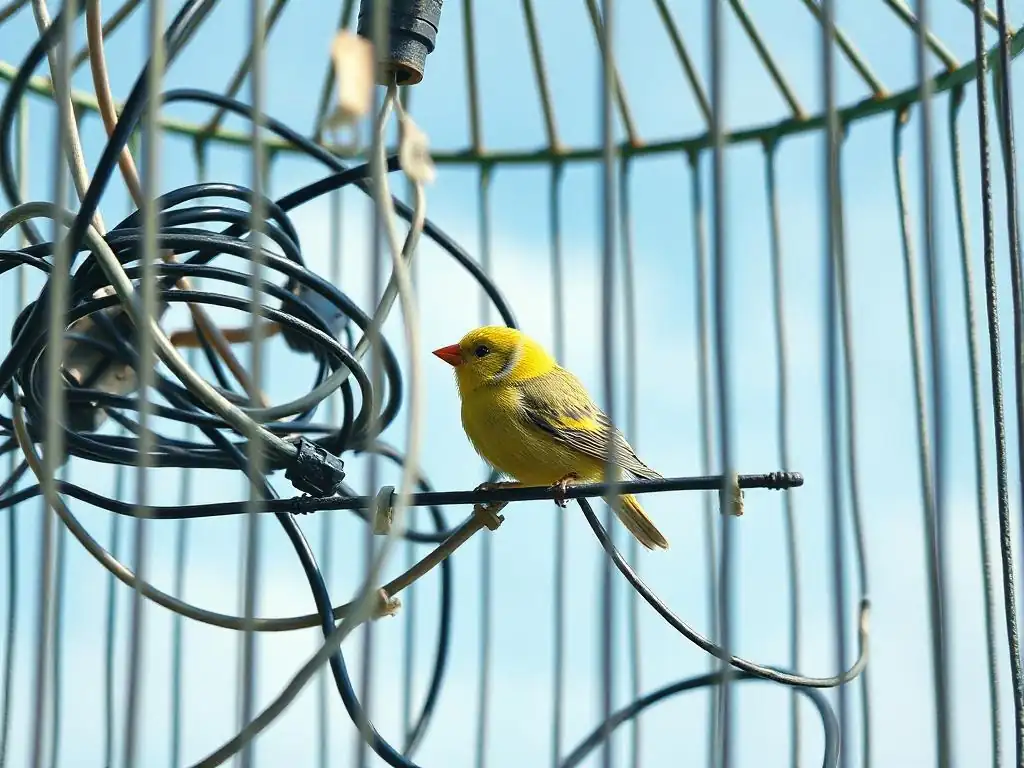
A seemingly minor detail, the presence of dangling cords, wires, or hanging objects within a bird cage presents a significant safety hazard. Birds, particularly smaller species, are naturally curious and prone to exploring their environment. These dangling items can easily become entangled around their legs, wings, or even their necks, leading to injury or even death.
Imagine a small parakeet getting its leg caught in a loose wire – the struggle to free itself could cause serious damage to its leg or foot. The resulting injury might require veterinary intervention, potentially leading to costly treatment and prolonged recovery. Even seemingly sturdy objects can pose a risk; a poorly secured toy or a swing with frayed ropes can easily unravel, creating entanglement hazards.
Prevention of entanglement is crucial. Regularly inspect the cage for any loose wires or frayed cords. Immediately remove or securely fasten any hanging objects that pose a potential entanglement risk. Opt for toys and accessories designed with bird safety in mind, avoiding those with loose strings or small parts that can easily be pulled apart.
Remember that even seemingly innocuous items, like a misplaced piece of string or a loose thread from a blanket draped nearby, can present a serious danger. The key is to maintain a meticulously clean and decluttered cage environment, minimizing the presence of any potential entanglement hazards. A proactive approach to cage safety is paramount for ensuring the well-being and safety of your feathered friend. Thorough inspection and immediate action are key to preventing potential entanglement-related injuries.
Inadequate Spacing Between Bars: Preventing Escapes and Injuries
Inadequate spacing between cage bars is a common oversight that can lead to both escape attempts and injuries. Larger birds, especially those known for their escape artistry, can easily squeeze through bars that are too far apart. This not only presents a significant risk of losing your pet but also exposes them to dangers outside the cage, such as predators, household hazards, or even collisions with objects. Smaller birds, while less likely to escape through wider bars, can still get their heads or feet stuck, causing injury or panic.
The ideal bar spacing depends on the size and species of your bird. Research your bird's specific needs to determine the appropriate spacing. Too much space invites escape attempts and injuries, while too little space can restrict your bird's movement and cause stress. Remember to consider not just the width of the bars but also the overall construction of the cage.
A seemingly secure cage with wide bars can still pose a risk if the bars are not properly secured or if there are gaps in the cage's construction. Regular inspections are crucial, paying close attention to the spacing and overall structural integrity of the cage. By understanding the correct bar spacing for your bird and diligently inspecting your bird's cage, you can mitigate the risk of escapes and injuries. Prioritize a cage design that prioritizes both security and your bird's comfort and freedom of movement.
Sharp edges and points within a bird cage, whether from poorly constructed components or damaged accessories, pose a significant risk of injury to your bird. These sharp edges can easily lacerate delicate skin, causing bleeding, infection, and considerable pain. The severity of such injuries can range from minor cuts to serious wounds requiring veterinary attention. Even seemingly insignificant scratches can become infected, leading to a range of complications. Birds often preen themselves, and a minor cut could become aggravated during this process.
It's crucial to perform regular inspections of the cage, paying careful attention to all surfaces and components. Examine the bars, perches, toys, and feeders for any sharp edges or points. If you detect any, immediately remove or replace the damaged items. Smooth down any rough edges using appropriate tools, ensuring that the surfaces are completely smooth and safe. Prioritize the use of high-quality, well-constructed cages and accessories made from safe materials.
Avoid using cages with intricate designs that might have numerous small, sharp points. A smooth, rounded design is preferable to minimize the risk of injury. Regular maintenance and proactive inspections are essential steps to prevent injuries caused by sharp edges and points within your bird's cage. Remember, preventing injuries is always better than treating them.
Signs Your Bird is Unhappy in its Cage
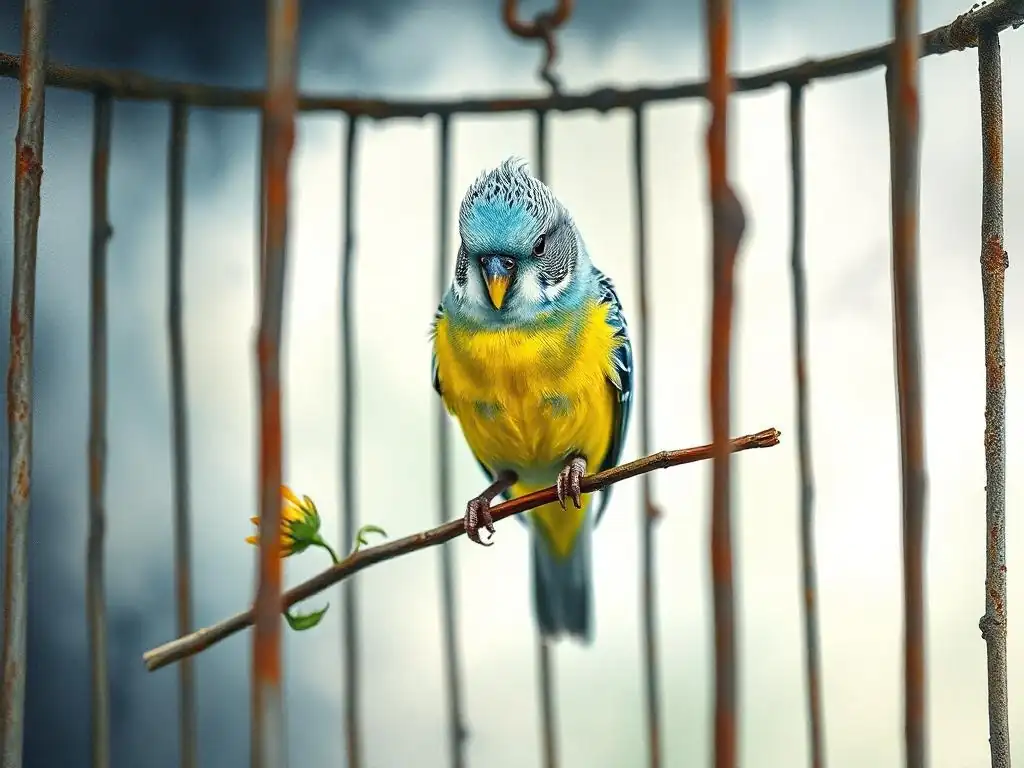
This section focuses on identifying subtle yet crucial signs indicating your bird's cage might be contributing to its unhappiness. An unsafe or unsuitable cage can manifest in various behavioral and physical changes, often overlooked by well-intentioned owners. Understanding these indicators is paramount to ensuring your feathered friend thrives in a safe and stimulating environment. Remember, a happy bird is a healthy bird! Recognizing the signs of an unsafe bird cage is key to proactive pet care.
Unusual Behavior: Changes in Activity and Vocalizations
A significant shift in your bird's normal behavior is often the first warning sign. Changes in activity levels, whether excessive restlessness or unusual lethargy, can indicate discomfort or stress related to the cage environment. For instance, a normally active parrot suddenly spending most of its time huddled in a corner might suggest a problem. Similarly, a bird that is usually vocal might become unusually quiet, or conversely, excessively noisy and screechy. This vocalization change, from chirping to constant squawking, could be a sign of distress.
Consider keeping a detailed journal of your bird's daily activities. Note any changes in its usual routine, including sleeping patterns, playtime, and interaction with you. Documenting these observations over time can help you identify subtle shifts that might otherwise go unnoticed. For example, a change from 10 hours of sleep to only 6 hours could signify stress. A sudden increase in preening behavior beyond its normal grooming habits could also be a sign of anxiety.
It's also important to consider the context of these behavioral changes. While a temporary change might be due to a minor illness or external stressor, persistent unusual behavior warrants a closer examination of the bird's cage and overall environment. Remember, proactive monitoring is crucial for early detection of potential problems. A healthy bird exhibits consistent and predictable patterns in its behavior.
Feather Plucking and Self-Mutilation: Stress Indicators
Feather plucking and self-mutilation are serious indicators of underlying stress or discomfort. Birds might engage in these behaviors as a coping mechanism for a variety of issues, including an unsuitable or unsafe cage. A cage that is too small, lacks appropriate perches, or contains harmful materials can lead to frustration and anxiety, manifesting as self-destructive behaviors. These actions can lead to significant health problems, including infections and blood loss.
The severity of feather plucking can vary. Some birds might pluck only a few feathers, while others might completely defoliate themselves. Similarly, self-mutilation can range from minor pecking to severe self-injury. Both indicate a serious problem that needs immediate attention.
It's crucial to rule out other potential causes, such as nutritional deficiencies or underlying medical conditions. However, if these have been ruled out, the cage itself should be thoroughly evaluated. Is it large enough? Does it offer sufficient opportunities for climbing and play? Are the perches appropriately sized and spaced? Are there any toxic materials within reach? Addressing these questions is vital in determining if the cage is contributing to the bird's self-destructive behavior. A veterinarian's consultation is highly recommended in cases of severe feather plucking or self-mutilation.
Loss of Appetite and Weight Loss: Health Concerns
A noticeable decrease in appetite and subsequent weight loss are significant health concerns and can be directly linked to an unsafe or unsuitable bird cage. Stress from an inadequate living environment can suppress a bird's appetite, leading to malnutrition and weakening of the immune system. This can further exacerbate any pre-existing health issues.
Monitoring your bird's food and water intake is crucial for early detection of problems. Weighing your bird regularly can help you track any changes in weight. A sudden or gradual weight loss, coupled with a reduced appetite, should prompt immediate veterinary attention. This is especially important as weight loss can quickly become life-threatening for birds.
Beyond the size and materials of the cage, consider the overall environment. Is the cage placed in a noisy or stressful location? Does it receive adequate sunlight? These factors can also contribute to a bird's appetite and overall well-being. A bird housed in a poorly located cage might experience chronic stress, leading to appetite suppression and weight loss. Remember, a bird's health is directly related to its environment, and providing a safe and stimulating cage is a fundamental aspect of responsible bird ownership.
Frequent Illness: Correlation with Cage Environment
A bird frequently falling ill could be a strong indicator of an unsafe or unsuitable cage environment. While some illnesses are unavoidable, a pattern of recurring infections, respiratory problems, or digestive issues warrants a thorough examination of your bird's living space. Poor cage hygiene directly contributes to the spread of bacteria and viruses. Accumulated droppings, uneaten food, and leftover water can create a breeding ground for harmful microorganisms, increasing your bird's susceptibility to illness.
Insufficient ventilation can lead to a build-up of ammonia and other harmful gases from droppings, further compromising your feathered friend's respiratory health. Furthermore, a cramped cage limits your bird's ability to escape contaminated areas, increasing exposure and the risk of infection. For example, a cockatiel kept in a cage too small to comfortably spread its wings may be more prone to stress-induced illnesses, weakening its immune system and making it more vulnerable to disease. Regular cleaning, proper ventilation, and a cage appropriately sized for your bird's species and size are crucial for preventing illness related to an unsafe cage environment.
Consult an avian veterinarian if your bird experiences frequent illness; they can help diagnose the underlying cause and determine if environmental factors are playing a role. Remember, a healthy bird is a happy bird, and a safe, clean cage is the foundation of their well-being. Consider the frequency and severity of illnesses; if your bird is constantly unwell despite veterinary care, reassess the cage's size, cleanliness, and ventilation. A clean bill of health from the vet, combined with a suitable cage, is the ultimate goal for a thriving companion bird.
Choosing a Safe Bird Cage: A Guide to Materials and Features
This section focuses on identifying potential hazards in bird cage construction and materials, helping you choose a truly safe and enriching environment for your feathered friend. An unsafe bird cage can lead to injury, escape, and significant stress for your bird. Understanding the critical features of a safe cage is crucial for responsible bird ownership. Let's delve into the essential aspects to consider when selecting a bird cage to ensure your pet's safety and well-being.
Selecting Appropriate Cage Materials: Safety and Durability
The material of your bird's cage significantly impacts its safety and longevity. Avoid cages made from materials that are easily chewed or pose a toxicity risk. Some materials are simply better suited than others for avian companions.
- Safe Materials: Stainless steel is generally considered the safest option. It's durable, easy to clean, and resists corrosion. Powder-coated steel is also acceptable, but ensure it's non-toxic and free of lead or zinc, as these can be harmful if ingested. Some high-quality wooden cages are available, but they must be made from non-toxic hardwoods and should be thoroughly checked for splinters or sharp edges.
- Unsafe Materials: Avoid cages constructed from galvanized wire, as the zinc coating can be toxic if your bird chews on it. Similarly, avoid cages made from cheap plastics or soft metals that can be easily bent or broken. These materials can also harbor bacteria and are difficult to clean effectively. Always prioritize durability and ease of cleaning when selecting a cage.
Choosing the right materials is a crucial step in bird cage safety. Prioritize non-toxic, durable options that are easy to clean and maintain. This ensures a hygienic and safe environment for your bird.
Consider these points when evaluating cage materials:
| Material | Pros | Cons | Safety Rating |
|---|---|---|---|
| Stainless Steel | Durable, non-toxic, easy to clean | Can be expensive | ⭐⭐⭐⭐⭐ |
| Powder-Coated Steel | Durable, relatively inexpensive | Check for non-toxic coating; can chip | ⭐⭐⭐⭐ |
| Wood (Hardwood) | Natural, aesthetically pleasing | Requires careful inspection; can splinter; needs regular maintenance | ⭐⭐⭐ |
| Galvanized Wire | Inexpensive | Zinc coating is toxic if ingested | ❌ |
| Plastic | Lightweight, inexpensive | Easily chewed, harbors bacteria, difficult to clean | ❌ |
Assessing Cage Size and Spacing: Species-Specific Requirements
Cage size is paramount to your bird's physical and mental well-being. A cramped cage can lead to stress, feather plucking, and other behavioral problems. The spacing between cage bars is equally important; it must prevent escape and avoid the risk of your bird getting its head or feet stuck.
The minimum cage size varies greatly depending on the bird species. Larger birds, such as macaws, require significantly more space than smaller birds, such as finches. Research the specific needs of your bird species to determine the appropriate cage size. Remember, bigger is always better! Provide ample space for your bird to spread its wings, climb, and play.
Bar spacing is crucial for safety. The spacing should be narrow enough to prevent your bird from escaping but wide enough to allow for comfortable perching and movement. For smaller birds, spacing should be less than ½ inch; for larger birds, it can be slightly wider, but always check the specific recommendations for your bird's species. Too wide a gap presents an escape risk; too narrow a gap may be uncomfortable for the bird.
Always prioritize a larger cage than the minimum recommended size. A spacious cage provides a more enriching and less stressful environment for your bird.
Identifying Secure Locking Mechanisms: Preventing Escapes
A secure locking mechanism is essential to prevent your bird from escaping. Many cages come with flimsy latches that a clever bird can easily open. Always inspect the latches carefully before purchasing a cage.
- Types of Latches: Look for strong, reliable latches that are difficult for your bird to manipulate. Multiple locking mechanisms are even better. Some advanced cages may even have key-operated locks, offering extra security.
- Testing the Latches: Before placing your bird in a new cage, thoroughly test the latches to ensure they are secure and difficult to open. Try to open them yourself to assess their strength and reliability. A bird's ingenuity in escaping can be surprising!
A secure cage is not just about size and materials; it is about the security of its locking mechanisms. A strong, reliable latch is critical for the safety and security of your feathered friend. Regularly check the latches for wear and tear to ensure they remain effective.
Ensuring Proper Ventilation: Air Circulation and Bird Health
Proper ventilation is paramount for maintaining a healthy and safe environment for your feathered friend. Insufficient airflow can lead to a buildup of ammonia and other harmful gases from bird droppings, creating a toxic atmosphere that can cause respiratory problems, feather damage, and even death. Think of it like this: your bird needs fresh air just as much as you do!
Poor ventilation can also contribute to the growth of mold and mildew, further compromising your bird's health. A bird suffering from respiratory issues might exhibit symptoms like labored breathing, sneezing, wheezing, or lethargy. These are serious signs requiring immediate veterinary attention.
Several factors contribute to adequate ventilation. The cage's design plays a crucial role. Look for cages with ample spacing between bars, allowing for efficient air circulation. Solid sides or bottoms should be minimized; wire or mesh constructions are far preferable. The size of the cage is also critical. A cramped cage with poor ventilation will exacerbate the problem. Ensure the cage is appropriately sized for your bird species, allowing for ample room to fly, play, and spread its wings without feeling confined. Remember that larger cages generally provide better air circulation.
Beyond the cage's structure, consider the placement of the cage itself. Avoid placing the cage in areas with poor air circulation, such as corners or near heavy furniture that can obstruct airflow. Direct sunlight or exposure to drafts should also be avoided, as these can lead to temperature fluctuations that negatively impact your bird's health. Regular cleaning is also essential.
Accumulated droppings and debris can significantly reduce airflow and increase the risk of harmful bacteria and fungi growth. Clean the cage regularly, at least once a week, or more frequently depending on your bird's size and habits. This will help maintain a clean and healthy environment for your bird, promoting better respiratory health and overall well-being.
Remember, a healthy bird is a happy bird! Prioritizing ventilation is a crucial step in providing optimal care for your avian companion. Ignoring this aspect can have serious consequences for your bird's health and longevity.
Frequently Asked Questions
What are some common signs that my bird's cage is unsafe?
An unsafe bird cage often shows signs of significant wear and tear, such as rusted bars, broken or loose parts, or sharp edges. Look for gaps large enough for your bird to escape or get its feet caught.
How can I tell if the cage is the right size for my bird?
Your bird needs enough space to fully extend its wings without touching the sides or top. A cramped cage can lead to stress and health problems. Consider your bird's species and size when choosing a cage.
My bird keeps trying to escape. Is the cage unsafe?
Frequent escape attempts could indicate an unsuitable cage, lacking sufficient space or environmental enrichment. It might also suggest underlying stress or boredom. Consider cage size, toys, and perches.
What materials should I avoid when choosing a bird cage?
Avoid cages made of toxic materials like lead-based paint or galvanized metal. Powder-coated cages should be checked for chipping, as the powder coating can be harmful if ingested. Opt for stainless steel or powder-coated cages from reputable sources.
Are there any specific dangers associated with certain cage designs?
Yes, some designs present more risks. Cages with horizontal bars are easier to climb and escape from. Widely spaced bars can allow smaller birds to squeeze through. Consider vertical bars and appropriate bar spacing for your bird's size.
Final Reflection: Reimagining Safety: Our Feathered Friends Deserve Better
The alarming reality is that many birds are unknowingly housed in environments that compromise their well-being. A seemingly innocuous cage can be a silent prison, filled with unseen dangers that significantly impact a bird's physical and mental health. Understanding the subtle signs of an unsafe cage is not just about responsible pet ownership; it's about recognizing our ethical obligation to these intelligent and sensitive creatures.
The impact of providing inadequate housing extends far beyond the individual bird. It speaks to a broader societal understanding (or misunderstanding) of animal welfare. We often anthropomorphize our pets, projecting our own needs and desires onto them, overlooking their unique requirements. The greatness of a nation and its moral progress can be judged by the way its animals are treated.
- Mahatma Gandhi. This quote underscores the interconnectedness between our treatment of animals and the reflection of our own values. The ongoing challenge lies in educating ourselves and others about the specific needs of our avian companions, moving beyond superficial aesthetics to prioritize their safety and happiness.
Now, consider your own bird, or perhaps a bird you've seen in a pet store or a friend's home. Take a moment to truly assess their environment through the lens of this article. Are you providing a safe and enriching space, or are there subtle signs of neglect that need addressing? This isn't about guilt; it's about growth and a commitment to providing the best possible life for your feathered friend. Make a conscious effort to learn more, advocate for better standards, and ensure that every bird has the opportunity to thrive, not just survive.
Rediscover Your Bird's Sanctuary: Create a Safer Home Today!
Thank you for learning how to create a safe haven for your feathered friend! We hope you feel more confident in identifying potential dangers in your bird's cage. Now let's put that knowledge to use!
- Prioritize safety: Thoroughly inspect your bird's cage today, checking for any hazards. Replace anything unsafe immediately! This is crucial for your bird's well-being.
- Share your experiences: Have you discovered any surprising hazards in your bird's cage? Share your experiences and advice with other PetCareWorld members in the comments below – you could help save another bird!
- Learn more about bird safety: Explore our comprehensive guide to bird-proofing your home on PetCareWorld.org.
What small change will you make today to improve your bird's safety?