
Summer Bird Cage Safety: Avoiding Overheating and Dehydration

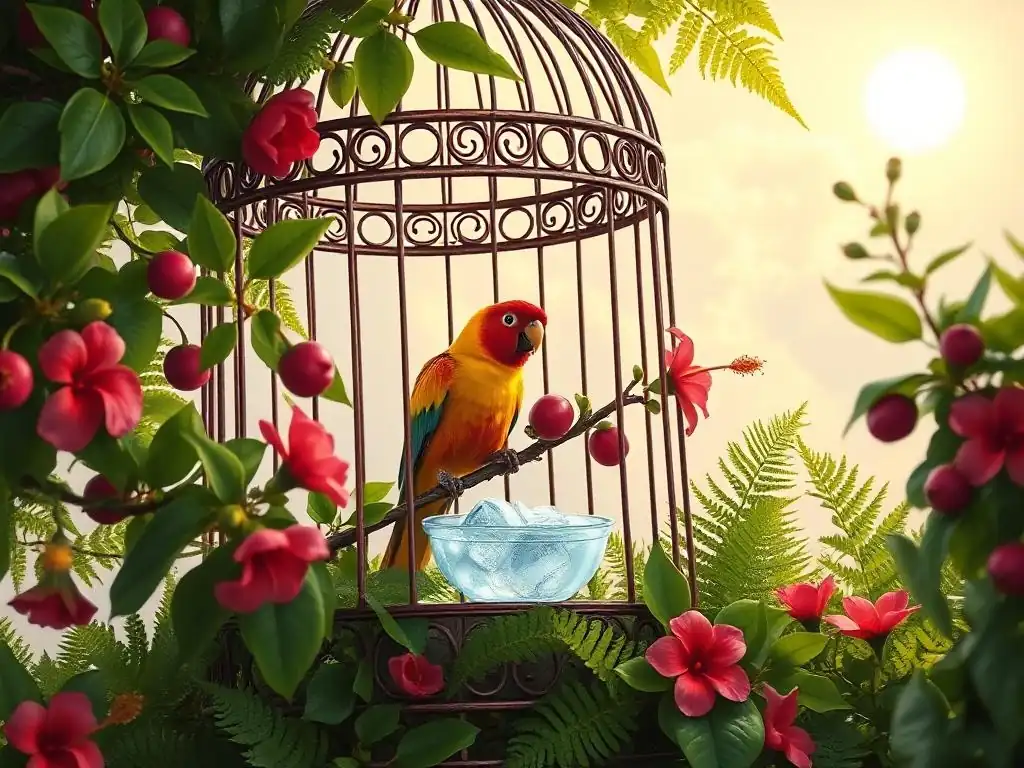
Welcome to PetCareWorld, your ultimate guide to a happier, healthier life for your beloved animal companions! Are you prepared for the summer heat? Learn crucial tips on keeping your feathered friends cool and safe with our in-depth guide on "Summer Bird Cage Safety: Avoiding Overheating and Dehydration." Discover essential strategies to ensure your birds thrive, even during the hottest months. Dive in and unlock the secrets to a safe and comfortable summer for your avian family members!
- Keeping Birds Cool: Summer Safety Essentials
- Preventing Overheating in Your Bird's Cage
- Preventing Dehydration in Summer
- Summer Bird Diet Adjustments for Hydration
- Emergency Preparedness for Heatstroke and Dehydration
- Summer Bird Cage Safety Checklist
- Maintaining a Safe and Cool Environment Year-Round
- Frequently Asked Questions
- Final Reflection: A Summer of Safety for Feathered Friends
- Unlock Your Bird's Summer Comfort: 3 Steps to a Safer Haven
Keeping Birds Cool: Summer Safety Essentials
Summer can be a dangerous time for our feathered friends. While we enjoy the warm weather, birds, particularly those kept in cages, are highly susceptible to overheating and dehydration. This comprehensive guide will equip you with the knowledge and practical steps to ensure your bird stays safe and comfortable throughout the summer months.
We'll explore how to identify the signs of overheating and dehydration, implement preventative measures to keep your bird cool, and provide essential tips for maintaining their well-being during the hottest days. Understanding these crucial aspects of avian summer care is key to ensuring a happy and healthy bird all year round. Let's delve into the specifics of keeping your birds cool and safe this summer, focusing on proactive strategies to prevent heatstroke and dehydration – critical elements of responsible bird ownership.
This guide will cover everything from modifying their environment to recognizing subtle warning signs. Remember, proactive care is the best defense against summer-related health issues in birds.
Identifying Signs of Overheating in Birds
Recognizing the signs of overheating in your bird is crucial for prompt intervention. Heatstroke in birds can be life-threatening, so early detection is vital. While some symptoms are obvious, others are more subtle and require careful observation. Look out for these key indicators:
- Lethargy and Weakness: A significant decrease in activity levels, coupled with unusual stillness or listlessness, can be a sign of overheating. Your normally energetic bird might become unusually quiet and inactive.
- Panting or Gasping: Birds don't sweat like humans; instead, they pant to regulate their body temperature. Increased panting or gasping for air, especially in conjunction with other symptoms, is a serious warning sign.
- Dilated Pupils: Observe your bird's eyes. Dilated pupils can indicate stress and overheating.
- Fluffed-Up Feathers: While birds fluff their feathers for warmth, excessive fluffing during hot weather can be a sign of overheating as they attempt to increase air circulation around their bodies.
- Increased Thirst and Water Consumption: While increased thirst is a normal response to heat, a dramatic increase in water intake coupled with other symptoms should raise concerns.
- Changes in Droppings: Changes in the consistency, color, or frequency of droppings can also be an indicator of underlying health issues, including heat stress.
- Loss of Coordination: In severe cases, birds may exhibit loss of coordination or stumble. This is a critical sign requiring immediate veterinary attention.
Remember, even a combination of seemingly minor symptoms can indicate a problem. If you notice any of these signs, immediately move your bird to a cooler location and contact an avian veterinarian.
Recognizing Dehydration Symptoms in Your Avian Companion
Dehydration is another significant summer threat to birds. Just like overheating, dehydration can quickly become life-threatening if not addressed promptly. Identifying the symptoms early is vital for your bird's well-being. Be vigilant and look for these signs:
- Sunken Eyes: One of the most visible signs of dehydration is sunken eyes. The area around the eyes may appear recessed and less full.
- Dry Mouth and Crop: Check your bird's mouth and crop (the pouch in their throat where they store food). A dry mouth and empty crop are clear indicators of dehydration.
- Loss of Skin Elasticity: Gently pinch a small fold of skin on your bird's neck. In a well-hydrated bird, the skin will quickly snap back into place. Slow return or a tenting effect (the skin staying pinched) suggests dehydration.
- Lethargy and Weakness: Similar to overheating, dehydration can cause lethargy and weakness. This may manifest as a lack of interest in usual activities or a decreased appetite.
- Dark-Colored Droppings: Dehydration can lead to changes in the color and consistency of droppings, often appearing darker and more concentrated.
Early detection and treatment are critical. If you suspect your bird is dehydrated, provide fresh, clean water immediately and contact your veterinarian. Remember, prevention is key: always ensure your bird has access to plenty of fresh water, especially during hot weather. Consider offering various water sources and refreshing their water frequently to encourage drinking.
Preventing Overheating in Your Bird's Cage
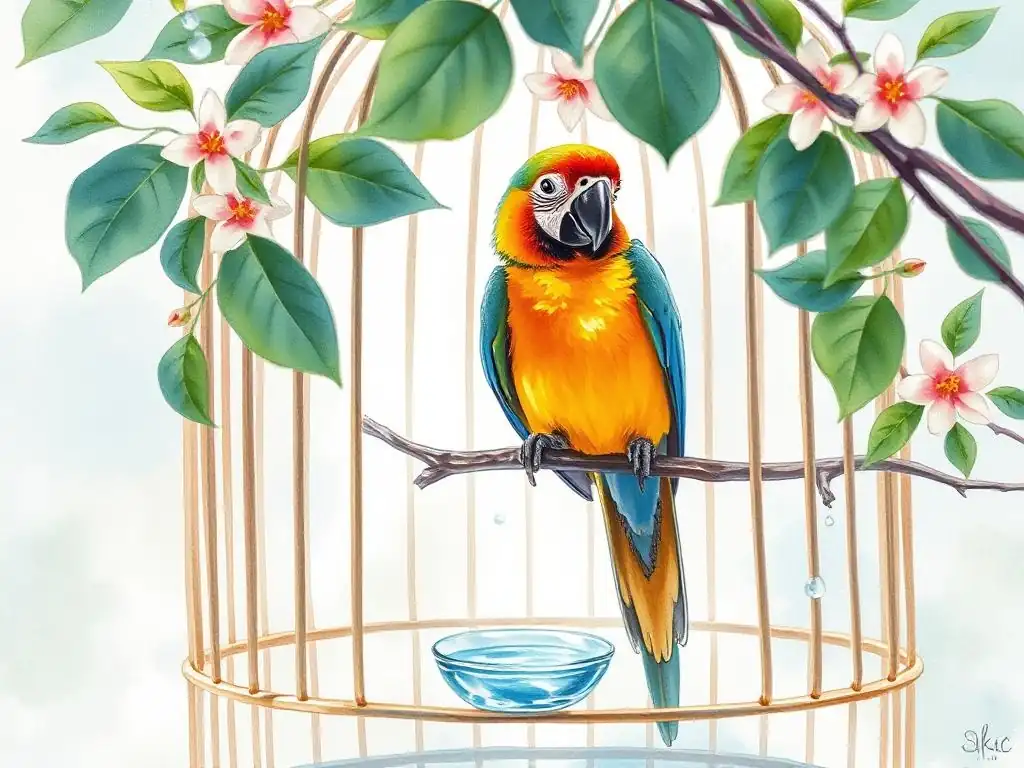
Summer heat poses a significant threat to the well-being of our feathered friends. Birds, particularly those kept in cages, are highly susceptible to overheating and dehydration during hot weather. Understanding how to effectively manage your bird's environment is crucial to ensuring their safety and comfort.
This section focuses on proactive measures to keep your bird cool and prevent heatstroke, a serious and potentially fatal condition. We'll explore strategic cage placement, effective ventilation techniques, and practical cooling solutions to help you create a safe and comfortable haven for your avian companion during the summer months. Remember, proactive measures are key to "Keep birds cool summer safety".
Choosing the Right Cage Location: Sunlight and Airflow
The location of your bird's cage significantly impacts its temperature. Direct sunlight should be strictly avoided. Even on seemingly mild summer days, the sun's rays can quickly elevate the temperature inside a cage, leading to overheating. Ideal placement is in a well-ventilated area, away from direct sunlight and sources of heat such as radiators, fireplaces, or ovens. Consider the airflow in the room; a gentle breeze can make a substantial difference in keeping your bird cool.
Observe the temperature throughout the day in different locations within your home. A thermometer placed near the potential cage location will provide accurate readings to help you make an informed decision. Avoid placing the cage near windows that receive intense afternoon sun. South-facing windows, in particular, can become extremely hot, especially during peak sun hours. A north-facing location, or a spot with indirect sunlight, is generally preferable.
Remember, even subtle changes in airflow can impact your bird's comfort. Consider using a small, portable fan to gently circulate air around the cage, but ensure it's positioned safely to prevent direct drafts which could chill your bird. The key is to find a balance between good airflow and avoiding direct, harsh air currents.
Utilizing Shade and Ventilation Strategies
Beyond cage placement, actively managing shade and ventilation is essential for "Keep birds cool summer safety". If your bird's cage is near a window, consider using curtains, blinds, or window film to filter out direct sunlight and reduce heat buildup. Light-colored curtains reflect more heat than darker ones. Regularly monitor the temperature near the cage, adjusting window coverings as needed throughout the day.
Adequate ventilation is crucial. Ensure your bird's cage has sufficient air circulation. Avoid completely covering the cage, as this can trap heat and moisture. If your cage doesn't have good natural ventilation, consider adding small fans strategically placed to gently circulate air without directly blowing on your bird. Remember to never leave a fan running unattended, especially with a small bird as they can be injured by a fan.
Regularly check the cage for any blockages that might impede airflow. Toys, perches, or food dishes shouldn't obstruct ventilation openings. Maintaining a clean and clutter-free cage environment not only promotes hygiene but also ensures optimal airflow. Consider the materials of your cage; metal cages generally retain less heat than plastic ones.
Implementing Cooling Measures: Fans, Misting, and Ice Packs
For extreme heat, supplemental cooling measures may be necessary. A small, low-wattage fan placed a few feet away can gently circulate air around the cage, providing a cooling effect without directly blowing on your bird. Avoid placing the fan directly on the cage, as this could create a dangerous draft. Remember to select a fan that is safe and quiet, avoiding those with rotating blades that could pose a hazard.
Gentle misting can also provide temporary relief from the heat. Use lukewarm water and mist lightly, avoiding soaking your bird. Never use cold water, as this can cause shock. Observe your bird's reaction; if they seem uncomfortable, cease misting immediately. Misting is best used in conjunction with other cooling methods, not as a standalone solution.
Ice packs wrapped in a towel and placed near (not directly on) the cage can help to lower the ambient temperature. Ensure the ice packs are securely wrapped to prevent your bird from accessing them and potentially injuring themselves. Monitor the temperature regularly and replace ice packs as needed. This should be a supplemental strategy and not your only cooling method. Remember, consistency and vigilance are key to keeping your bird safe and comfortable during the summer months. Prioritizing "Keep birds cool summer safety" is crucial for their well-being.
Preventing Dehydration in Summer
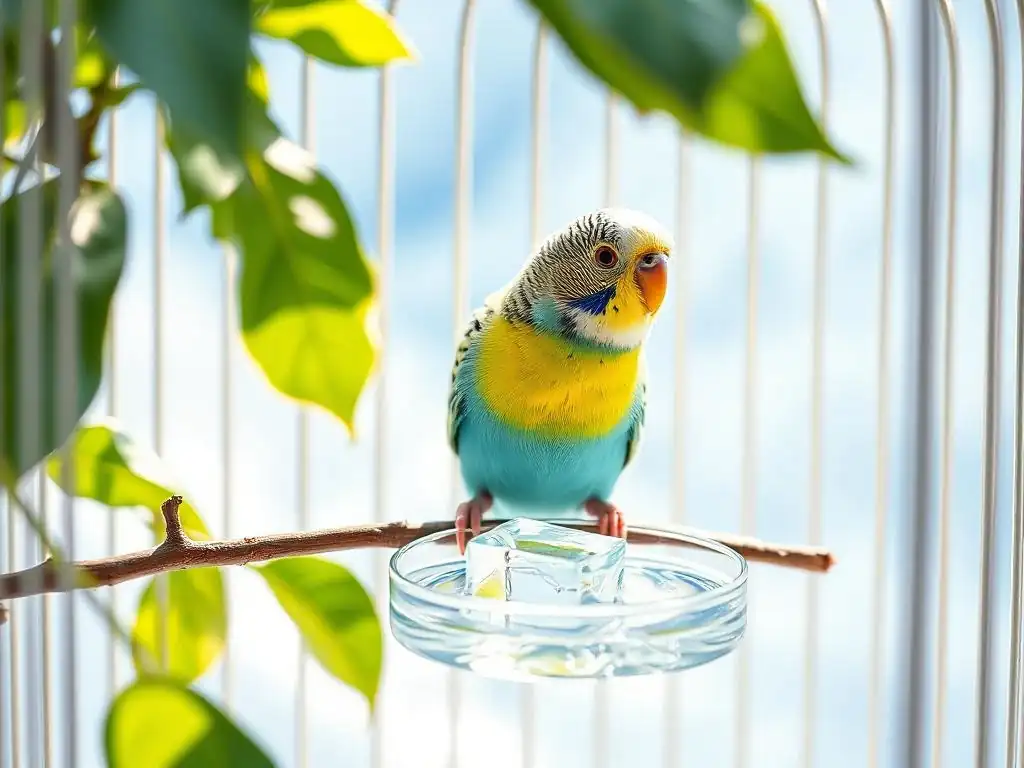
Summer heat poses a significant threat to birds, leading to dehydration if not properly addressed. Dehydration can manifest in various ways, from lethargy and ruffled feathers to more serious health complications. Therefore, proactive measures to ensure your feathered friend has consistent access to fresh, cool water are crucial for maintaining their health and well-being. This section focuses on practical strategies to prevent dehydration and keep your bird cool during the summer months, contributing to their overall summer safety. Remember, consistent monitoring and a proactive approach are key to "Keep birds cool summer safety."
Providing Ample Fresh Water: Types of Water Dishes
Providing sufficient fresh water is paramount to preventing dehydration. The type of water dish you use can significantly impact your bird's water consumption. Avoid using shallow dishes, as these can easily get soiled and may not hold enough water for your bird's needs, especially during hot weather.
Consider these options for water dishes:
- Heavy, ceramic dishes: These are durable, less likely to tip over, and retain coolness better than plastic alternatives.
- Multiple water sources: Providing several water sources throughout the cage ensures accessibility and reduces competition, especially if you have multiple birds. This also helps to prevent one area from becoming excessively soiled.
- Bottle-style waterers: These are convenient and prevent contamination, but ensure your bird understands how to use them. Regular cleaning is essential.
- Specialized bird fountains: Some fountains offer a continuous flow of fresh, cool water, which can be especially appealing to birds, especially during hot spells. However, these require regular cleaning and maintenance.
The choice of water dish depends on your bird's species, size, and preferences. Experiment with different types to find what works best for your feathered companion. Regularly inspect and clean all water dishes to prevent bacterial growth and maintain hygiene. Remember, clean water is essential for "Keep birds cool summer safety."
Monitoring Water Intake: Recognizing Low Water Consumption
Regularly monitoring your bird's water intake is crucial for early detection of potential dehydration. A decrease in water consumption can be an early warning sign of illness or heat stress.
Here's how to monitor your bird's water intake effectively:
- Visual inspection: Observe your bird drinking water throughout the day. Note any changes in their drinking habits. A significant reduction in drinking should prompt immediate attention.
- Measuring water levels: If you use a bottle-style waterer, note the water level at the start and end of the day. Consistent low consumption requires investigation.
- Behavioral changes: Look for signs of dehydration such as lethargy, ruffled feathers, sunken eyes, or decreased droppings. These are all indicators that your bird may be dehydrated and needs immediate attention. These are crucial aspects of "Keep birds cool summer safety."
- Weighing your bird: Weighing your bird regularly can help you track changes in body weight, which can indicate dehydration. Consult your avian veterinarian for guidance on establishing a baseline weight and interpreting changes.
Remember that different bird species have different water requirements. Consult with an avian veterinarian to determine the typical water intake for your specific bird.
Enriching Water Sources: Adding Ice Cubes or Frozen Fruits
Adding ice cubes or frozen fruits to your bird's water can help to keep the water cool and provide added enrichment. This is particularly beneficial during hot summer days.
- Ice cubes: Simply add a few ice cubes to your bird's water dish. This will gradually melt, keeping the water cooler for longer. Avoid large ice cubes that could pose a hazard.
- Frozen fruits: Offer small pieces of frozen fruits like berries, melon, or grapes (ensure they are safe for your bird species!). This provides a refreshing treat and helps cool the water. Always supervise your bird to ensure they do not choke on the frozen fruit. This is an excellent way to maintain "Keep birds cool summer safety."
Remember to always supervise your bird when introducing new items to their cage and ensure all items are safe and appropriate for their species. Always use fresh, clean water and remove any uneaten fruit promptly to prevent spoilage and maintain hygiene. Providing a variety of methods to keep your bird cool and hydrated is key to their summer well-being.
Summer Bird Diet Adjustments for Hydration
Summer heat significantly impacts a bird's hydration levels. Maintaining proper hydration is crucial for preventing heat stress and ensuring your feathered friend stays healthy and happy throughout the warmer months. This section details how to adjust your bird's diet to maximize hydration during summer's peak temperatures, focusing on key dietary changes that support their internal cooling mechanisms. Successfully implementing these adjustments is key to keeping birds cool during summer safety concerns.
Hydrating Foods for Birds: Fruits and Vegetables
Increasing the proportion of hydrating foods in your bird's diet is a simple yet effective strategy. Fruits and vegetables with high water content are ideal. Consider offering a wider variety, ensuring freshness and proper storage to avoid spoilage.
Here's a table outlining excellent choices:
| Food Item | Water Content (Approximate) | Benefits | Precautions |
|---|---|---|---|
| Watermelon | ~92% | High water content, rich in electrolytes | Remove seeds and rind; offer in moderation |
| Cucumber | ~96% | Cooling, hydrating, low in calories | Wash thoroughly; avoid overfeeding |
| Spinach | ~92% | Rich in nutrients, hydrating | Offer in moderation; avoid oxalic acid buildup |
| Bell Peppers (all) | ~92% | Crisp, hydrating, provides vitamins | Wash and cut into manageable pieces |
| Strawberries | ~91% | Sweet, hydrating, rich in antioxidants | Wash thoroughly; remove green tops |
Remember to introduce new foods gradually to avoid digestive upset. Observe your bird's reaction to each new item, and discontinue if any adverse effects are noted. Always provide fresh, clean water in multiple locations within the cage. This ensures accessibility and encourages frequent drinking, which is critical for keeping birds cool summer safety.
Adjusting Food Portions for Hot Weather
While increasing hydrating foods is essential, adjusting overall food portions is equally important. In hot weather, birds may have a decreased appetite due to increased metabolic activity related to thermoregulation. Forcing them to eat more than they need could lead to digestive problems.
Instead of focusing on quantity, prioritize quality. Offer smaller, more frequent meals throughout the day. This prevents overfeeding while ensuring your bird receives the necessary nutrients. Observe your bird's eating habits closely. If they seem less interested in food, don't force them to eat. A slightly decreased appetite in the heat is normal. The key is to maintain a balance, offering nutritious, hydrating options without overwhelming their system. This is an important aspect of keeping birds cool summer safety.
Supplements for Hydration Support (if applicable)
In extreme heat or if your bird shows signs of dehydration (lethargy, ruffled feathers, decreased droppings), you may consider consulting an avian veterinarian about supplemental electrolytes. Never administer supplements without professional guidance. Improper supplementation can be harmful. A vet can assess your bird's individual needs and recommend the appropriate course of action. This is particularly crucial for birds with pre-existing health conditions. Remember, proactive measures, such as a well-balanced diet and readily available fresh water, are the most effective ways to keep birds cool and prevent dehydration. This proactive approach is a cornerstone of keeping birds cool summer safety.
Emergency Preparedness for Heatstroke and Dehydration
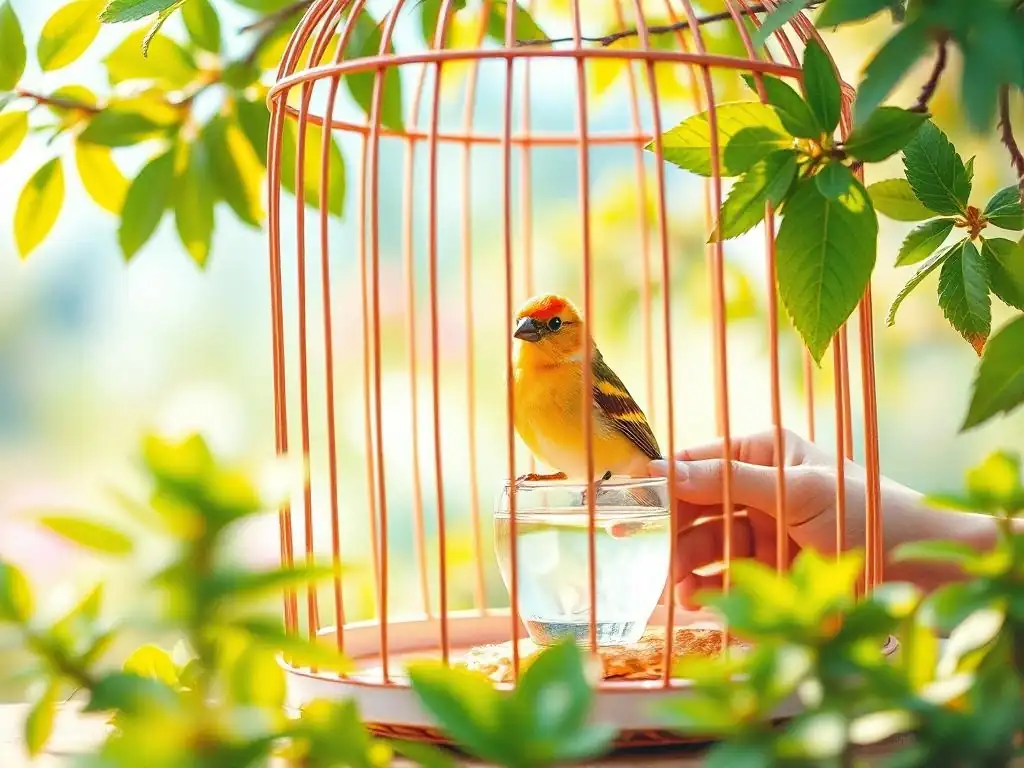
Summer heat poses significant risks to our feathered friends. Proactive measures are crucial for ensuring your bird's safety and well-being during the warmer months. Failing to prepare adequately can lead to life-threatening situations. This section focuses on emergency preparedness specifically for heatstroke and dehydration in birds, equipping you with the knowledge to act swiftly and effectively should a crisis arise.
Understanding the signs, implementing first aid, and knowing when to seek professional veterinary care are paramount for keeping your bird cool and safe this summer. Remember, swift action can often mean the difference between life and death for your pet. Let's explore the essential steps to take to ensure your bird’s summer safety.
Recognizing Heatstroke Symptoms: Urgent Care Guidelines
Heatstroke in birds presents with a range of symptoms, some subtle and others immediately alarming. Early recognition is key to successful intervention. Be vigilant and familiarize yourself with these critical signs:
- Lethargy and Weakness: Your normally active bird might become unusually sluggish, exhibiting a lack of energy and interest in its surroundings. This is often one of the first indicators of overheating.
- Panting or Gasping: Unlike mammals, birds don't sweat. Instead, they pant or gasp to dissipate heat. Excessive panting or labored breathing is a clear sign of distress.
- Dilated Pupils: Observe your bird's eyes. Dilated pupils can indicate a serious problem, often associated with heat stress and dehydration.
- Increased Thirst and Water Consumption: While increased water intake can be normal in hot weather, a dramatic increase coupled with other symptoms should raise concern.
- Drooping Wings and Tail: A bird struggling with heat may exhibit drooping posture, indicating weakness and exhaustion.
- Loss of Coordination and Balance: Severe overheating can impair motor skills, leading to stumbling, falling, or difficulty perching.
- High Body Temperature: If you have a thermometer designed for birds, carefully check their temperature. A significantly elevated body temperature is a definitive sign of heatstroke. (Note: Normal avian body temperature varies depending on the species. Consult with your avian veterinarian for species-specific information.)
- Diarrhea or Vomiting: These symptoms can sometimes accompany heatstroke, reflecting the bird's body trying to regulate its temperature.
The presence of even one or two of these symptoms warrants immediate attention. Delaying treatment can worsen the situation, potentially leading to irreversible damage or death. Remember, prevention is always better than cure, so maintaining a cool environment is essential.
First Aid for Overheated Birds: Immediate Actions
If you suspect your bird is suffering from heatstroke, act quickly. Here's a step-by-step guide for providing first aid:
- Move the bird to a cool location: Immediately transfer your bird to a cooler, well-ventilated area, away from direct sunlight. A room with air conditioning is ideal.
- Apply cool compresses: Gently apply cool (not cold!) compresses to the bird's feet and breast. Avoid using ice directly on the bird's skin, as this can cause shock.
- Offer cool water: Provide fresh, cool water in a shallow dish or syringe. Encourage the bird to drink, but don't force it.
- Monitor breathing and temperature: Carefully observe the bird's breathing pattern and, if possible, monitor its body temperature.
- Keep the bird calm: Handle your bird gently and minimize stress. Excessive handling can exacerbate the situation.
- Do not attempt to give medication: Do not administer any medication without consulting with an avian veterinarian. Improper medication can be harmful.
Contacting an Avian Veterinarian: When to Seek Professional Help
Even with prompt first aid, professional veterinary care is often necessary for birds suffering from heatstroke. Contact your avian veterinarian immediately if:
- Symptoms persist or worsen despite first aid.
- Your bird exhibits severe lethargy or loss of consciousness.
- You are unsure about the severity of the situation.
- The bird's breathing remains labored or rapid.
Avian veterinarians possess the expertise and tools to diagnose and treat heatstroke effectively. They can provide appropriate fluid therapy, monitor vital signs, and offer specialized care to help your bird recover. Don't hesitate to seek professional help; timely intervention significantly improves the chances of a full recovery. Prevention through proactive cooling strategies is key, but knowing how to respond in an emergency is equally vital for responsible bird ownership. 🐦🌡️
Summer Bird Cage Safety Checklist
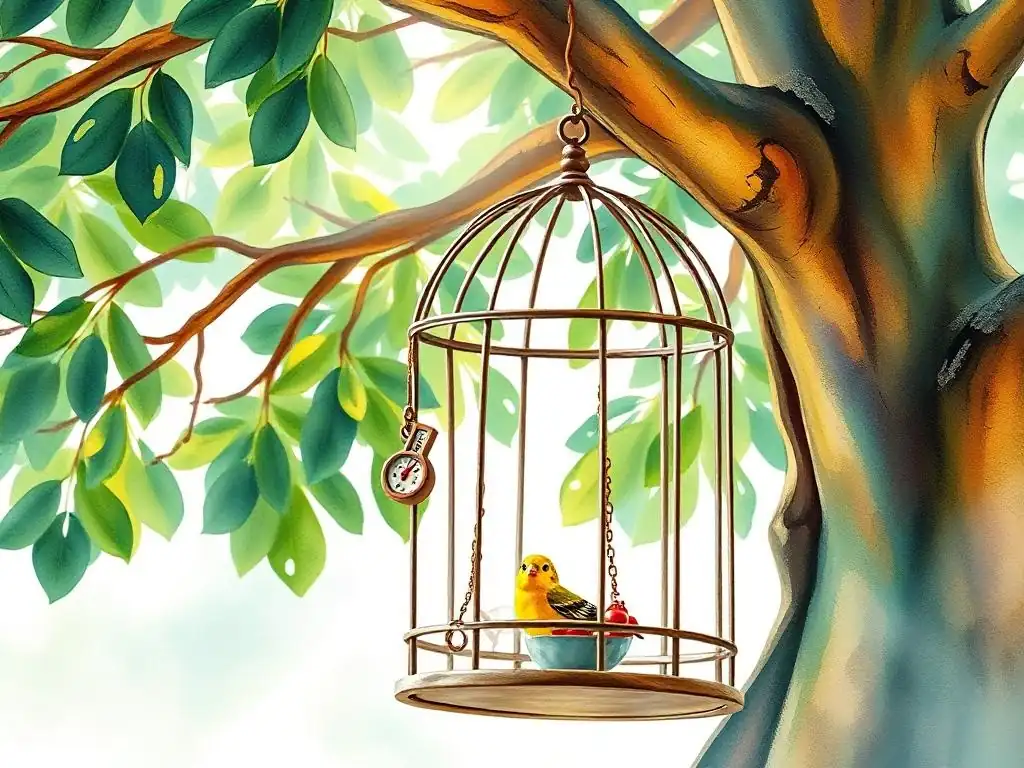
This checklist focuses on crucial steps to ensure your feathered friend stays safe and comfortable during the summer months. Remember, proactive measures are key to preventing heatstroke and dehydration in birds. Proper cage setup and consistent monitoring are vital for maintaining your bird's well-being during periods of intense heat. Let's delve into the specifics:
Cage Placement and Ventilation Review
Proper cage placement is paramount to keeping birds cool during summer safety precautions. Direct sunlight is a major culprit in overheating. Avoid placing the cage in areas receiving direct sunlight, especially during the hottest parts of the day. South-facing windows are particularly problematic. Ideal placement involves a well-ventilated area, away from direct sunlight and heat sources like radiators or appliances.
Consider these additional factors for optimal ventilation:
- Airflow: Ensure consistent airflow around the cage, but avoid drafts. A gentle breeze is beneficial, but strong currents can stress your bird.
- Shade: If outdoor placement is unavoidable, provide ample shade using a bird-safe covering. Never use materials that could be toxic if ingested.
- Height: Place the cage at a suitable height to facilitate air circulation and prevent heat build-up at ground level. Higher placement also provides a sense of security for your bird.
- Materials: The cage material itself plays a role. Metal cages tend to absorb and retain heat more than wooden ones. If using a metal cage, consider placing it in a slightly cooler area.
Water Dish and Food Bowl Inspection
Regular inspection of your bird's water and food dishes is crucial, especially during hot weather. Dehydration is a serious threat to birds in summer heat, and prompt action is needed to prevent it.
Here's what to look for:
- Fresh Water: Ensure your bird always has access to fresh, cool water. Change the water frequently, at least twice a day during hot spells. Consider adding a few ice cubes to the water dish to help keep it cool.
- Cleanliness: Keep the water and food dishes impeccably clean. Bacteria can thrive in warm, stagnant water, posing health risks to your bird. Thorough cleaning and sanitizing are essential.
- Food Quality: Provide nutritious food that helps your bird stay hydrated. Foods with high water content, such as fruits and vegetables, are beneficial.
- Multiple Dishes: Consider providing multiple water dishes, placed strategically within the cage to ensure accessibility from various locations. This is especially important for larger cages.
Cooling Measures Implementation Check
Implementing additional cooling measures can significantly reduce the risk of overheating. These steps should complement the fundamental practices outlined above.
Here are some effective strategies:
- Fans: A fan can help circulate air around the cage, but ensure it's placed at a safe distance and doesn't create a direct draft. Never point the fan directly at the bird.
- Misting: Gently misting your bird with lukewarm water can provide temporary cooling relief. Avoid over-misting, as this can lead to chilling.
- Frozen Treats: Offer frozen treats such as fruit popsicles (made with bird-safe ingredients) or ice cubes to help your bird stay cool.
- Air Conditioning: If feasible, consider placing the cage in an air-conditioned room. This is the most effective way to control the temperature.
- Alternative Perch Materials: Consider providing perches made of materials that don't retain heat as much, such as natural wood or ceramic. Avoid plastic or metal perches on particularly hot days.
Remember, consistent monitoring is key. Observe your bird for signs of overheating, such as lethargy, panting, or ruffled feathers. If you notice any unusual behavior, consult a veterinarian immediately. By following these steps and staying vigilant, you can ensure your bird enjoys a safe and comfortable summer. 🐦☀️
Maintaining a Safe and Cool Environment Year-Round
Maintaining a safe and cool environment for your feathered friend is crucial, not just during the scorching summer months, but throughout the year. While summer presents the most significant challenge regarding heat stress, consistent vigilance is key to preventing health issues related to temperature fluctuations. Understanding your bird's specific needs and implementing proactive measures ensures their well-being regardless of the season. This involves careful monitoring of the ambient temperature and humidity, as well as providing appropriate ventilation and shade.
Neglecting these aspects can lead to serious health complications, such as heatstroke, respiratory problems, and even death. Therefore, a holistic approach to environmental control is essential for responsible bird ownership. Remember, a happy and healthy bird is a cool bird! 🐦
Year-Round Hydration Strategies for Birds
Providing adequate hydration is paramount for a bird's overall health and is especially vital during warmer months. Dehydration can quickly become a life-threatening condition for birds, so consistent access to fresh, clean water is non-negotiable. Here are some strategies to ensure your bird stays well-hydrated year-round:
- Multiple Water Sources: Offer at least two water sources – a water dish and a sipper bottle – to provide your bird with options and to prevent them from accidentally contaminating their drinking water.
- Water Quality: Use filtered or bottled water to avoid chlorine and other chemicals that can harm your bird. Change the water daily, or more often if it becomes soiled.
- Water Temperature: Room temperature water is ideal. Avoid using excessively cold or hot water.
- Fruit and Vegetables: Incorporate water-rich fruits and vegetables into your bird's diet, such as cucumbers, melon, and berries. This supplements their water intake and provides essential nutrients.
- Misting: Regular misting, especially during hot weather, can help keep your bird cool and hydrated. However, avoid over-misting, as this can lead to chilling.
- Monitoring: Pay close attention to your bird's droppings. Dry or infrequent droppings could indicate dehydration. Consult a veterinarian immediately if you suspect dehydration.
Remember, consistent hydration is a cornerstone of "keep birds cool summer safety". Don't underestimate the importance of this simple yet crucial aspect of bird care.
Proactive Measures for Preventing Heat Stress
Proactive measures are essential to prevent heat stress in birds, particularly during summer. These steps go beyond simply providing water and involve creating a safe and comfortable environment. Here are some key strategies:
- Optimal Cage Placement: Avoid placing the birdcage in direct sunlight or near heat sources like radiators or windows. Opt for a well-ventilated area away from drafts.
- Temperature Monitoring: Invest in a thermometer to monitor the ambient temperature of your bird's surroundings. Ideal temperatures vary depending on the bird species but generally range from 65-75°F (18-24°C).
- Air Circulation: Ensure good air circulation around the cage. Use fans strategically, avoiding direct airflow onto the bird.
- Cooling Measures: During hot weather, consider using a cooling pad under the cage, placing frozen water bottles nearby (wrapped in a towel to prevent direct contact), or using a fan to circulate cool air. Remember to always supervise your bird around fans.
- Cage Size: Ensure the cage is appropriately sized for your bird, allowing for ample space and preventing overcrowding. Overcrowding can significantly increase the risk of heat stress.
- Emergency Plan: Develop a plan for extreme heat events, including identifying a cool, safe location to move your bird’s cage to in case of a power outage or extreme temperatures. This is a vital component of "keep birds cool summer safety".
By diligently implementing these preventative measures, you can significantly reduce the risk of heat stress and ensure the well-being of your avian companion throughout the year. Remember, proactive care is the best form of bird care.
Frequently Asked Questions
How can I tell if my bird is overheating?
Signs of overheating in birds include panting, lethargy, and drooping wings. If you notice these symptoms, immediately take steps to cool your bird down.
What's the best way to keep my bird cool during a heatwave?
Provide plenty of fresh water, use a fan (avoid direct airflow), and offer frozen treats like fruit popsicles. Consider moving the cage to a cooler area of the house.
My bird's cage is near a window. Is that safe in summer?
Direct sunlight can be dangerous for birds. Move the cage away from direct sunlight, especially during the hottest parts of the day. Consider using blinds or curtains.
What are some safe cooling treats I can give my bird?
Offer frozen fruits like berries or melon, or make bird-safe popsicles using water and fruit puree. Always supervise your bird while it eats frozen treats.
My bird seems dehydrated. What should I do?
Offer fresh, cool water frequently. If your bird shows signs of severe dehydration, such as lethargy or sunken eyes, seek veterinary care immediately. This is a serious condition.
Final Reflection: A Summer of Safety for Feathered Friends
The soaring temperatures of summer pose a significant threat to our beloved birds, demanding our vigilance and proactive care to ensure their well-being. Ignoring the dangers of heatstroke and dehydration can have devastating consequences, leading to suffering and even death for these delicate creatures. This summer, let's prioritize their safety above all else.
The responsibility we bear for our avian companions extends beyond providing food and shelter; it encompasses a deep understanding of their vulnerability to environmental extremes. The simple act of providing shade, fresh water, and a well-ventilated environment can make a world of difference. As the renowned ornithologist, Roger Tory Peterson, once said, To understand a bird's song is to understand its heart.
Understanding their needs in the face of summer's heat is a crucial step in truly appreciating and protecting these magnificent creatures. Their silent suffering in the face of neglect is a stark reminder of our ethical obligation to provide the best possible care.
This summer, I urge you to take a moment to assess your bird's environment. Are they adequately protected from the sun's harsh rays? Is their water fresh and readily available? Do they have access to cool, shaded areas within their cage? By taking these simple steps, you can contribute to a safer and more comfortable summer for your feathered friends, ensuring their health and happiness for years to come. Let's work together to create a world where every bird can thrive, even in the face of summer's heat.
Unlock Your Bird's Summer Comfort: 3 Steps to a Safer Haven
Thanks for learning how to keep your feathered friend safe and happy this summer! We hope this guide has given you the tools to prevent overheating and dehydration. Now, let's put that knowledge into action.
- Prioritize shade and airflow: Carefully evaluate your bird's cage placement. Is it in direct sunlight? If so, move it to a shadier location. Improving air circulation, even with minor adjustments, can significantly benefit your bird's comfort.
- Employ cooling methods: Place a shallow dish of cool water near the cage. For extra comfort, consider a bird-safe cooling misting system.
- Share your summer bird safety tips!: Help other pet owners by sharing your successful strategies in the comments below. Let's build a supportive community dedicated to happy, healthy birds!
What small change will you make today to ensure your bird enjoys a safe and comfortable summer?