Jealousy in Parrots: Handling MultiPet Dynamics and Attention Seeking
🤔 Discover how jealousy manifests in parrots sharing a home with other pets. Learn expert strategies for managing multi-pet dynamics and addressing…
Read article
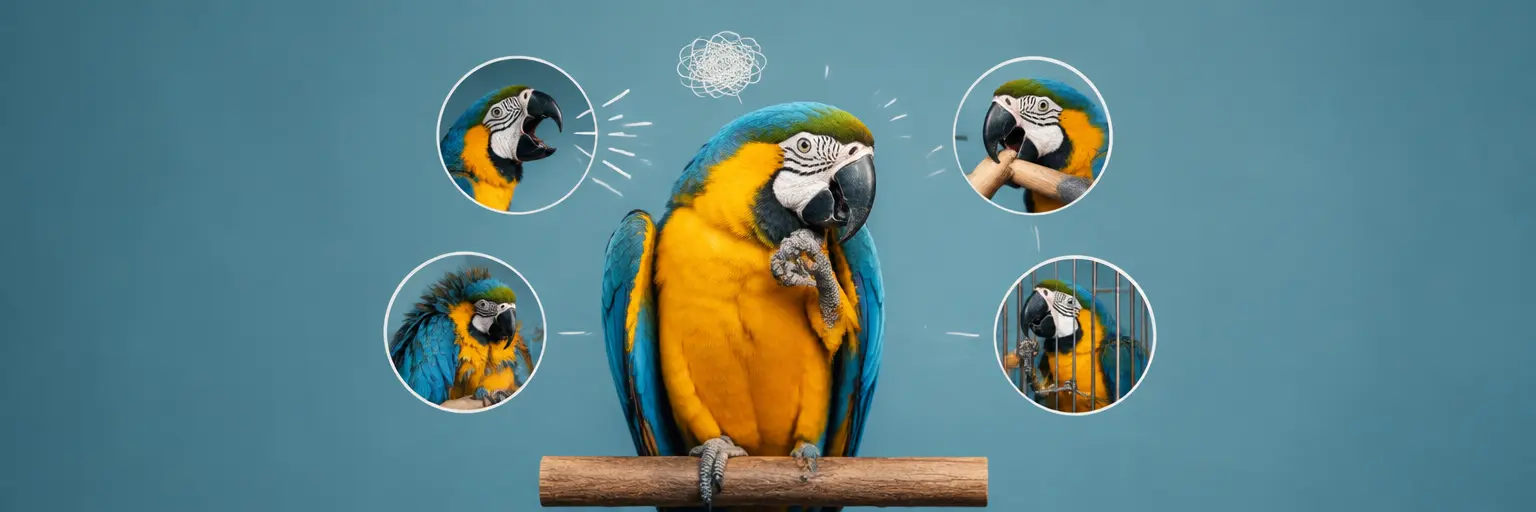
Parrot behavior problems can turn a delightful companion into a source of frustration, but understanding the root causes is the key to restoring harmony. From excessive screaming and feather plucking to biting and territorial aggression, these issues often stem from boredom, hormonal changes, or environmental stress. At PetCareWorld, we offer expert-backed solutions and practical training techniques to help you decode your feathered friend’s signals. Whether you’re dealing with a new parrot or a long-time companion, our targeted advice focuses on positive reinforcement, enrichment activities, and safe environmental adjustments to curb unwanted behaviors. Learn how to build a stronger bond with your bird while addressing challenges effectively—turning problem behaviors into opportunities for trust and communication. Unlock the secrets to a calmer, happier parrot and a more peaceful home today!
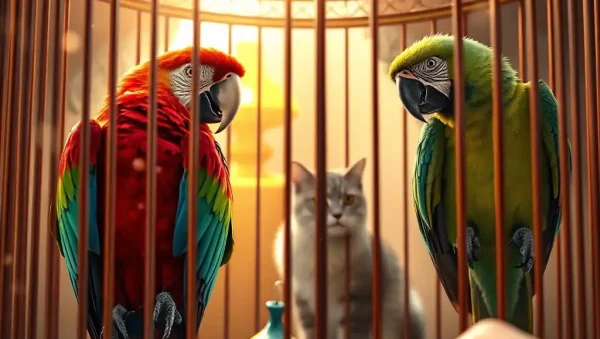
🤔 Discover how jealousy manifests in parrots sharing a home with other pets. Learn expert strategies for managing multi-pet dynamics and addressing…
Read article
🤔 Is your parrot plucking its feathers or exhibiting other signs of boredom? PetCareWorld reveals effective parrot boredom enrichment strategies to stimulate…
Read article
🤔 Unravel the mystery behind excessive parrot screaming! PetCareWorld reveals the root causes, from unmet needs to medical issues, and offers practical…
Read articleParrots are intelligent, social, and emotionally complex creatures, but these very traits can lead to challenging behavior problems when their needs are not fully met. Whether you are dealing with excessive screaming, feather plucking, biting, or destructive chewing, this subcategory offers targeted, science-backed solutions to restore harmony in your home. Here, we break down the most common parrot behavior issues, their root causes, and step-by-step strategies to correct them, ensuring a happier life for both you and your feathered companion.
Parrots naturally vocalize, but constant, ear-piercing screaming often signals boredom, fear, or attention-seeking behavior. In the wild, flocks use loud calls to stay connected, and your pet may be mimicking that instinct in your living room. The key is to distinguish between normal contact calls and problematic screaming, which typically occurs when a bird feels ignored or overstimulated.
To curb excessive vocalization, start by reinforcing quiet moments with treats and praise, while ignoring the screams entirely—even negative attention can reward the behavior. Provide foraging toys, rotate toys weekly, and ensure at least 10–12 hours of undisturbed sleep in a dark, quiet room. If screaming persists, especially after a sudden onset, consult an avian veterinarian to rule out pain or illness, as underlying health issues often manifest as vocal distress.
Feather plucking is one of the most distressing parrot behaviors, ranging from mild barbering to severe self-mutilation. It is rarely a simple habit; instead, it points to deeper physical or emotional triggers such as skin infections, nutritional deficiencies (especially low vitamin A or calcium), or chronic stress from an inadequate environment. A bird that plucks is communicating that something fundamental is wrong, and ignoring it can lead to permanent follicle damage.
Begin with a full veterinary workup, including blood tests and skin scrapings, to rule out parasites or organ disease. Simultaneously, evaluate your bird’s daily routine: does it get at least 3–4 hours of out-of-cage time, daily baths, and a varied diet of fresh vegetables, legumes, and high-quality pellets? Introduce shredding toys, preening-friendly materials like cotton ropes, and consider adding a second parrot companion only if your bird is highly social. Avoid using collars or bitter sprays as first-line treatments, as they address symptoms, not causes.
Biting is a parrot’s primary defense mechanism, and every bite is preceded by subtle warnings—pinned pupils, fluffed feathers, raised wings, or a lowered head. Aggression often stems from fear, territoriality (especially around cages), hormonal surges during breeding season, or past trauma. Punishing a bite only deepens distrust, so the goal is to prevent triggers and build positive associations through desensitization.
Start by observing when bites occur: at cage cleaning, when reaching for a toy, or when a stranger approaches. Use target training with a stick to move your bird without direct handling, rewarding calm behavior with sunflower seeds. For hormonal birds, reduce daylight hours to 8–10 hours, remove nesting materials, and rearrange perches to disrupt territorial claims. Never force a bird to step up when afraid; instead, train a verbal cue like “step up” using a finger that is flat and steady, and always let the bird initiate contact.
Parrots have an innate drive to chew, which keeps their beaks trimmed and provides mental stimulation. However, when your bird incessantly gnaws on cage bars, furniture, or your baseboards, it signals frustration, a lack of appropriate chew items, or an attempt to escape an undersized cage. Bar biting specifically can also indicate that the cage is too small, lacks toys, or is positioned in a high-traffic, stressful area.
To redirect this behavior, provide a rotating selection of safe, destructible toys like pine blocks, cardboard tubes, corn husks, and untreated willow branches. Offer fresh, clean branches (non-toxic like apple or manzanita) daily, and hide treats inside paper cups or wrapped leaves to encourage foraging. If bar biting is persistent, measure your cage—minimum 24”W x 24”D x 36”H for large species—and move the cage to a quiet corner with one side against a wall. Increase out-of-cage time to at least 2–3 hours daily, supervised, to burn off excess energy.
Parrots can develop intense, irrational fears of common objects like hands, vacuums, or hats, often after a single frightening experience. Phobic birds may freeze, run, or become aggressive, and they frequently lose trust in their owners if the fear is mishandled. Additionally, sudden behavioral shifts—such as a normally friendly bird becoming withdrawn—can signal pain, illness, or a change in flock dynamics at home.
Address fears gradually with systematic desensitization: expose your bird to the feared object at a distance where it remains calm, then reward relaxed behavior with high-value treats, moving closer only as tolerance builds. For sudden changes, schedule a vet visit immediately to check for injuries, infections, or metabolic issues. Monitor environmental stressors like new pets, loud music, or changes in your schedule, and maintain consistent routines for feeding, sleep, and playtime. Patience is key; never force interaction, as this reinforces the phobia.
Hormonal surges, triggered by long daylight hours, warm temperatures, and certain foods, can transform a sweet parrot into an aggressive, possessive monster. Signs include regurgitation on you, excessive head bobbing, vent rubbing, and aggressive guarding of cage corners. While natural, unmanaged hormonal behaviors lead to obesity, frustration, and owner bites, especially in species like cockatoos and Amazon parrots.
To reduce hormonal triggers, limit daylight to 10–12 hours by covering the cage or dimming room lights, and remove any dark, enclosed spaces like tents or boxes that mimic nesting cavities. Do not pet your bird below the neck, as this stimulates mating; instead, pet only the head and feet. Avoid high-fat, high-calorie seeds and limit sugary fruits during breeding season—replace with leafy greens and pellets. Provide 12–14 hours of uninterrupted sleep and increase foraging difficulty to redirect energy into problem-solving rather than mating urges.
This is likely separation anxiety, rooted in your bird’s flock instinct. To help, practice short departures (1–2 minutes) while ignoring screaming, then return and praise quiet behavior. Extend departure times gradually, and leave a radio or TV on for auditory comfort. Provide engaging toys that hide treats, and ensure your bird has a predictable daily routine to build security.
Yes, in many cases, but it requires addressing the root cause. If a physical illness is present, treating it often stops plucking. For emotional triggers, improving enrichment, diet, and social interaction can lead to full regrowth within months. However, chronic pluckers may develop damaged follicles or habit persistence, so consistent management and patience are essential for long-term improvement.
First, learn to read your bird’s warning signs—pinned pupils, raised feathers, or a lowered head—and stop interaction before a bite. Use a perch or stick to move your bird instead of your hands. Build trust by offering treats from a spoon, then progress to finger feeding, always rewarding non-aggressive behavior. Never punish a bite; instead, calmly place the bird down and walk away briefly.
Occasional bar chewing is normal, but constant bar biting indicates boredom, lack of chew materials, or an inadequate cage size. Ensure your bird has at least 3–4 toy varieties per square foot, rotated regularly, and provide fresh wood branches daily. If the cage is too small, upgrade immediately to meet minimum size standards for your species, and increase supervised out-of-cage time.
Hormonal aggression spikes most commonly in spring or with long daylight hours, especially in species like cockatoos and Amazons. Reduce triggers by covering the cage for 12–14 hours daily, removing dark hiding spots, and ceasing all petting below the neck. Offer lower-fat foods and increase foraging tasks to distract from mating urges. If aggression persists beyond a few weeks, consult an avian behaviorist.