
Jealousy in Parrots: Handling MultiPet Dynamics and Attention Seeking

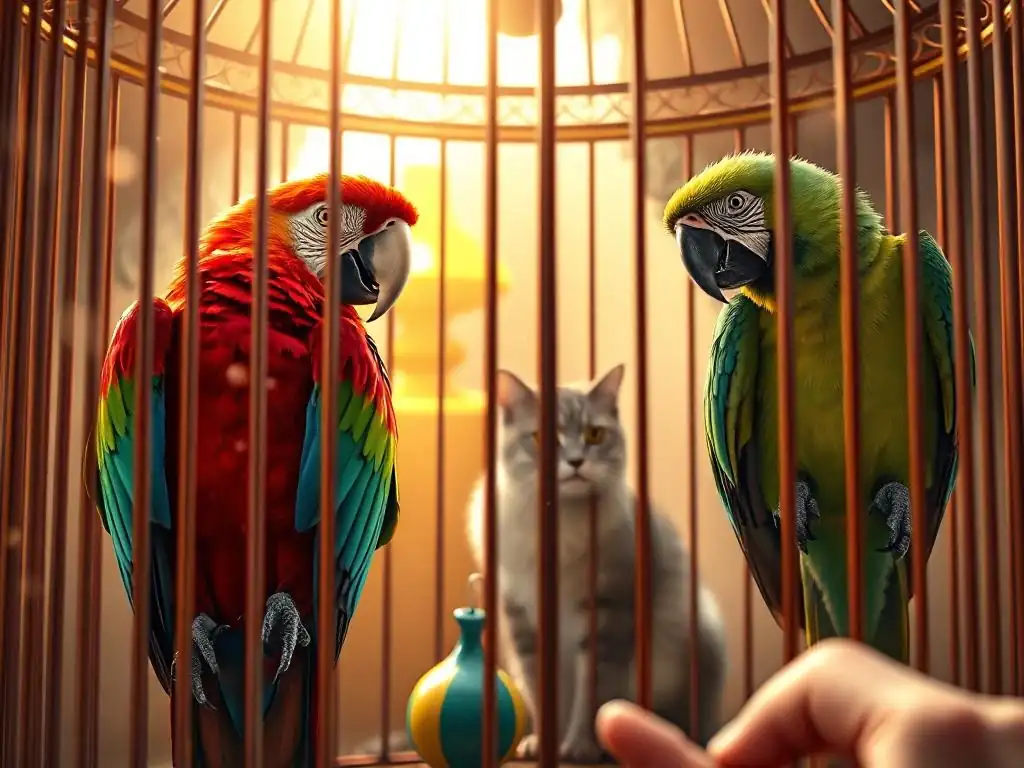
Welcome to PetCareWorld, your ultimate guide to a happier, healthier life for your beloved companion! Are you facing unexpected challenges in your multi-pet household? Discover how to navigate the complex world of avian emotions with our in-depth article on "Jealous parrot multipet household". Learn practical strategies to address attention-seeking behaviors and foster harmony among your feathered and furry friends. Uncover the secrets to a thriving multi-species home – read on to learn more!
- Understanding Jealousy in Parrots: A Multi-Pet Household Perspective
- Jealous Parrot Multipet Household: Identifying Contributing Factors
- Managing Jealousy in Your Parrot: Practical Strategies for Multi-Pet Households
- Strategies for Reducing Attention-Seeking Behavior in Jealous Parrots
- When to Seek Professional Help for Your Jealous Parrot
- Preventing Jealousy in Multi-Pet Households with Parrots: Proactive Measures
-
Frequently Asked Questions
- How can I tell if my parrot is jealous of other pets in the household?
- What are the common causes of jealousy in parrots within a multi-pet household?
- How can I prevent or reduce jealousy in my parrot towards other pets?
- My parrot is aggressively attacking other pets. What should I do?
- Are there specific toys or activities that can help alleviate jealousy in a multi-pet household?
- Final Reflection: Understanding and Addressing Avian Envy
- Unleash Harmony: Boost Your Parrot's Happiness Today
Understanding Jealousy in Parrots: A Multi-Pet Household Perspective
Parrots, known for their intelligence and social complexity, can experience a range of emotions, including jealousy. While not as straightforward to identify as in humans, jealousy in parrots manifests in distinct behavioral changes, often amplified in multi-pet households. This article delves into the nuances of parrot jealousy, particularly within a multi-pet environment, providing practical strategies for pet owners to recognize, address, and mitigate this complex behavioral issue. We will explore the signs of jealousy, differentiate it from other behavioral problems, and examine the significant role attention-seeking behavior plays in fueling these feelings.
Understanding these dynamics is crucial for maintaining a harmonious and enriching environment for all your feathered and furry companions. Successfully navigating parrot jealousy contributes significantly to the overall well-being and happiness of your parrot and your entire household. The key is proactive management and a deep understanding of your bird's unique personality and needs. 🦜
Recognizing Signs of Jealousy in Your Parrot
Jealousy in parrots isn't always obvious. It often manifests subtly, requiring attentive observation from the pet owner. Common signs include increased vocalizations, such as screeching or chattering, especially when another pet receives attention.
Some parrots might exhibit destructive behaviors like feather plucking or excessive chewing on toys, seemingly out of frustration or a desire to regain your focus. Changes in eating habits, such as decreased appetite or increased food hoarding, can also be indicative of underlying emotional distress. A parrot experiencing jealousy might become unusually clingy or demanding of attention, seeking physical contact more frequently than usual.
Conversely, some parrots might withdraw, becoming less interactive and showing reduced interest in their usual activities. It's important to note that the intensity and manifestation of these behaviors vary greatly depending on the individual parrot's personality and the dynamics of the household. Keeping a detailed behavioral log can be incredibly helpful in identifying patterns and triggers.
For example, a cockatoo named Coco, who typically enjoys interactive play, might start ignoring her favorite toys and become unusually quiet when her owner spends time with the family dog. Conversely, another parrot, a similarly intelligent African Grey, might react with increased vocalizations and attempts to “attack” the other pet.
Differentiating Jealousy from Other Behavioral Issues in Parrots
It's crucial to differentiate jealousy from other potential behavioral issues that can present similar symptoms. For instance, hormonal imbalances or underlying medical conditions can lead to changes in behavior, including increased aggression or withdrawal. Likewise, boredom or lack of enrichment can manifest as destructive behavior or excessive vocalizations. Poor diet and lack of sufficient sleep can also negatively impact a parrot’s mood and behavior.
Before attributing behavioral changes to jealousy, it's essential to rule out these other possibilities through veterinary examination and a comprehensive assessment of the parrot's environment and routine. A thorough veterinary check-up can identify any underlying health problems that might be contributing to the observed behaviors. Additionally, ensuring your parrot has adequate environmental enrichment, including toys, interaction, and a stimulating environment, can help minimize boredom and frustration.
The Role of Attention-Seeking Behavior in Parrot Jealousy
Attention-seeking behavior is often intertwined with jealousy in parrots. Parrots are highly intelligent and social creatures that thrive on interaction and positive reinforcement. When another pet receives significant attention, a parrot might interpret this as a threat to their bond with their owner and engage in attention-seeking behaviors to regain that connection.
These behaviors can range from increased vocalizations and playful antics to more demanding and even aggressive actions. Understanding this dynamic is crucial for addressing the root cause of the jealous behavior. Instead of directly reprimanding attention-seeking behaviors, it's more effective to focus on providing dedicated one-on-one time with the parrot, offering positive reinforcement for desired behaviors, and ensuring that the parrot feels secure and valued within the household.
This proactive approach helps prevent escalation of jealousy and strengthens the human-parrot bond. Consider implementing a structured schedule that incorporates dedicated playtime and interaction with each pet, ensuring that no one feels neglected or overlooked.
Jealous Parrot Multipet Household: Identifying Contributing Factors
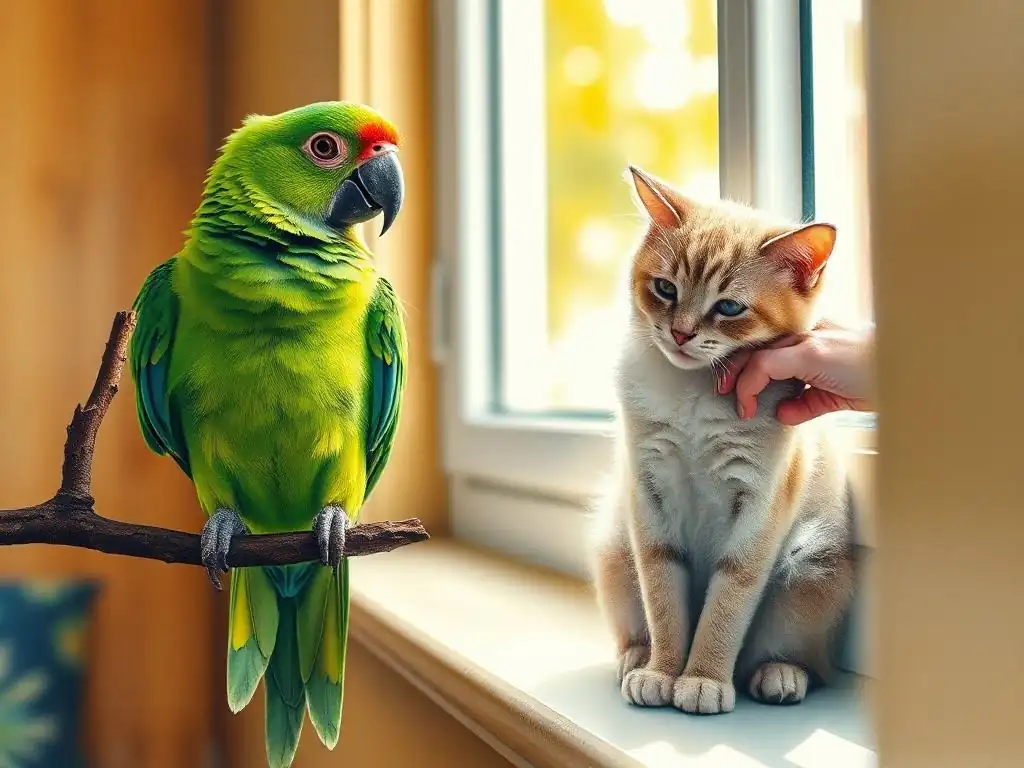
Parrots, known for their intelligence and sensitivity, can experience jealousy in multi-pet households. Understanding the root causes of this jealousy is crucial for addressing the behavior and maintaining a harmonious environment for all your feathered and furry friends. This section will delve into key contributing factors to a jealous parrot's behavior in a multi-pet household, focusing on resource competition, changes in routine, and individual parrot personalities.
Successfully navigating these challenges requires patience, observation, and a proactive approach to ensure each pet feels safe, loved, and valued. The keyword phrase "Jealous parrot multipet household" is central to understanding and addressing this complex issue.
Competition for Resources: Food, Toys, and Perches
One primary driver of jealousy in parrots within a multi-pet household stems from competition for resources. This isn't just about food, although that's a significant factor. Consider the following scenarios:
- Food: If one pet consistently gets fed first or receives seemingly more desirable treats, the parrot may exhibit jealous behaviors. This could manifest as vocalizations, aggressive posturing towards the other pet, or even feather plucking. For example, a cockatoo might screech incessantly when its dog sibling receives a tasty biscuit.
- Toys: Parrots are intelligent creatures who require mental stimulation. If one pet monopolizes favorite toys or interactive enrichment items, the parrot may feel neglected and respond with destructive behavior or aggression. A lack of sufficient and diverse toys can exacerbate this issue.
- Perches and Space: Parrots need secure and comfortable perches. If a cat or dog consistently occupies the parrot's preferred sleeping perch or favorite spot in the cage, it can create feelings of displacement and insecurity, leading to jealousy.
To mitigate resource-based jealousy, ensure each pet has its own designated feeding area, plenty of diverse toys, and ample space. Rotate toys regularly to maintain novelty and prevent any one pet from dominating access to them. Observe your pets' interactions and adjust resource allocation as needed. Providing enrichment activities separately can also help to reduce competition.
Changes in the Household Routine and Dynamics
Significant changes in the household routine can significantly impact a parrot's behavior and trigger jealousy. The introduction of a new pet, a change in family members, or even a shift in daily schedules can disrupt the parrot's established hierarchy and sense of security. This disruption can manifest as increased vocalizations, changes in appetite, or even self-harming behaviors.
For instance, the arrival of a new kitten might cause a previously well-adjusted parrot to become more clingy to its human companion, showing signs of distress when the human interacts with the kitten. This is a clear indication that the parrot perceives a threat to its established position in the household dynamic.
To minimize the impact of such changes, gradually introduce new pets, maintaining a consistent routine as much as possible. Provide extra attention and reassurance to your parrot during periods of transition. Maintaining a predictable feeding schedule and playtime routine can offer a sense of stability and security for your parrot during these stressful times.
Individual Parrot Personality and Temperament
The likelihood of a parrot exhibiting jealousy in a multi-pet household is also influenced by its individual personality and temperament. Some parrots are naturally more sensitive and prone to insecurity than others. Certain breeds or individual birds may be more possessive of their resources or their human companions.
For example, a particularly independent and territorial parrot might react more strongly to the presence of a new pet compared to a more laid-back and sociable parrot. Careful observation of your parrot's unique temperament is crucial in understanding its responses to different situations and implementing appropriate strategies.
Understanding your parrot's individual needs and personality traits is crucial for creating a positive and harmonious multi-pet environment. Providing a safe and secure space for your parrot, along with plenty of individual attention, can significantly reduce the likelihood of jealousy and promote a happy co-existence with other pets. Remember that patience and consistent management are key to addressing jealousy in parrots.
Managing Jealousy in Your Parrot: Practical Strategies for Multi-Pet Households
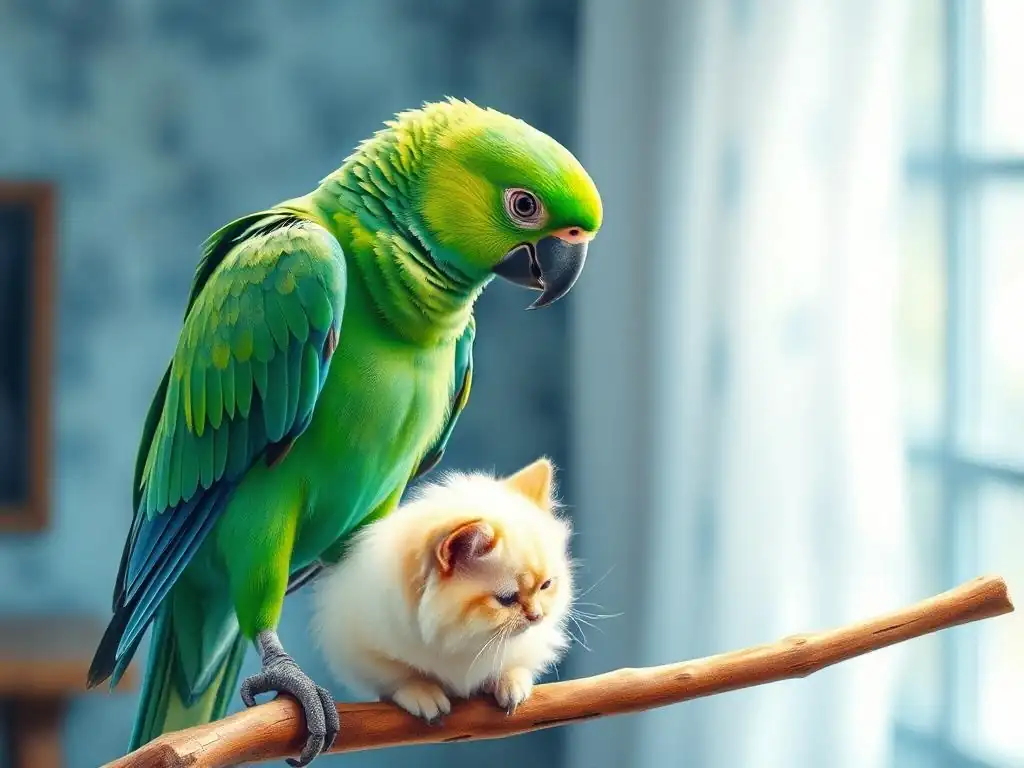
Jealousy in parrots, especially within a multi-pet household, is a common behavioral issue that requires careful management. Understanding the root causes and implementing effective strategies can significantly improve your parrot's well-being and strengthen the overall harmony of your household. This section focuses on practical approaches to mitigate jealousy and promote a positive environment for all your pets. Remember, a jealous parrot isn't necessarily being malicious; they're expressing a need for attention and security. Addressing this need is key to resolving the issue.
Ensuring Fair Distribution of Attention and Resources
One of the most crucial aspects of managing a jealous parrot in a multi-pet household is ensuring a fair distribution of attention and resources. Parrots are intelligent and highly social creatures; they thrive on interaction and bonding with their human companions. When they perceive a lack of attention or feel overshadowed by other pets, jealousy can manifest in various ways, including aggression, feather plucking, and excessive vocalizations.
To prevent this, establish a structured routine that dedicates specific time slots for individual interaction with each pet. For example, you might schedule 15 minutes of dedicated playtime with your parrot in the morning, followed by 15 minutes with your dog, and so on. This structured approach ensures that each pet receives individual attention and feels valued.
Beyond playtime, resource allocation is also vital. Food, toys, and perches should be readily available for your parrot without competition from other pets. This might involve providing separate feeding stations, ensuring your parrot's toys are inaccessible to other animals, and strategically placing perches to provide your parrot with a sense of security and personal space. Consider using puzzle feeders to provide mental stimulation and extend feeding time, further reducing feelings of competition. Observe your parrot's behavior during feeding times; any signs of stress or anxiety warrant adjustments to the feeding setup.
Creating Separate Spaces and Enrichment Activities for Each Pet
Providing each pet with its own dedicated space is crucial in a multi-pet household, especially when dealing with a jealous parrot. This isn't about isolating your parrot; rather, it's about creating a sense of security and control over their environment. A secure space allows your parrot to retreat when feeling overwhelmed or stressed, reducing the likelihood of jealousy-driven behaviors.
This dedicated space could be a cage, a play stand, or even a specific corner of a room. The key is to make this space enriching and engaging. Fill it with a variety of toys, foraging opportunities, and perches that cater to your parrot's natural instincts. Consider rotating toys regularly to prevent boredom and maintain stimulation. This approach not only provides a safe haven but also reduces the likelihood of your parrot feeling neglected or overshadowed by other pets. Remember to clean and maintain this space regularly to ensure a hygienic and comfortable environment.
A well-designed environment for your parrot should include:
- A variety of textures and materials for perching.
- Toys that stimulate foraging and problem-solving.
- Opportunities for climbing and exploration.
- A safe and comfortable place to sleep.
The goal is to create an environment where your parrot feels safe, secure, and stimulated, thereby minimizing the likelihood of jealousy manifesting.
Positive Reinforcement Training to Redirect Unwanted Behaviors
Positive reinforcement training is an invaluable tool in managing jealousy in parrots. Instead of punishing unwanted behaviors, focus on rewarding desired behaviors. If your parrot exhibits jealous behaviors like biting or screaming when you interact with another pet, redirect their attention using positive reinforcement.
For instance, if your parrot starts screeching when you pet your dog, immediately offer your parrot a favorite treat and engage them in a playful interaction. This positive association helps to replace the negative behavior with a positive one. Gradually increase the duration of time you spend interacting with other pets while simultaneously rewarding your parrot for remaining calm and quiet.
Consistency is key. Every time your parrot displays a desired behavior, such as remaining calm while you interact with another pet, reward them immediately with praise, treats, or a favorite toy. This reinforces the positive behavior and makes it more likely to repeat. Remember to use small, frequent rewards to maintain motivation and prevent your parrot from becoming satiated.
Using a clicker can enhance the effectiveness of positive reinforcement training. The clicker provides a clear and consistent marker for the desired behavior, making it easier for your parrot to understand what they're being rewarded for. With patience and consistency, positive reinforcement training can effectively redirect unwanted behaviors stemming from jealousy and create a more harmonious multi-pet household. Remember to consult a certified avian veterinarian or avian behaviorist for personalized guidance if needed.
Introducing New Pets Gradually and Carefully
Introducing a new pet into a household already containing a parrot requires meticulous planning and execution to minimize the risk of jealousy and aggression. A sudden introduction can trigger intense territorial responses in parrots, leading to feather plucking, screaming, and even physical attacks on the newcomer. The key is gradual acclimation, allowing your parrot to become accustomed to the presence of the new pet without feeling directly threatened.
This process begins long before the new pet even enters the house. Prepare a separate, secure space for the new animal – a room, a large cage, or even a suitably sized enclosure, depending on the species. This gives your parrot time to adjust to the scent of the new pet before a visual introduction. For example, if introducing a dog, you might place the dog's bed near the parrot's cage for a few days, allowing the parrot to get used to the smell. This preemptive olfactory introduction can significantly reduce the parrot's initial stress and anxiety.
The visual introduction should be equally controlled. Initially, keep the new pet and the parrot separated by a barrier – a solid door, a secure mesh partition, or even a strategically placed piece of furniture. Allow them to see and hear each other for short periods, gradually increasing the duration as your parrot shows signs of less agitated behavior. Observe your parrot closely for any signs of distress, such as increased vocalizations, feather ruffling, or changes in body posture. If you notice any negative reactions, immediately increase the distance or duration of separation.
Positive reinforcement is crucial during this stage. Reward your parrot with its favorite treats and praise whenever it displays calm behavior in the presence of the new pet. This helps to associate the new pet's presence with positive experiences, reducing the likelihood of jealousy developing. Remember, patience is paramount. This process can take several weeks, or even months, depending on your parrot's personality and the type of new pet introduced.
Rushing the process can undo all your efforts and exacerbate the problem. Prioritize your parrot's well-being and adjust the introduction pace accordingly. The goal is a harmonious multi-pet household, not a rushed integration. A slow and carefully managed introduction significantly increases the chances of a peaceful co-existence.
Strategies for Reducing Attention-Seeking Behavior in Jealous Parrots
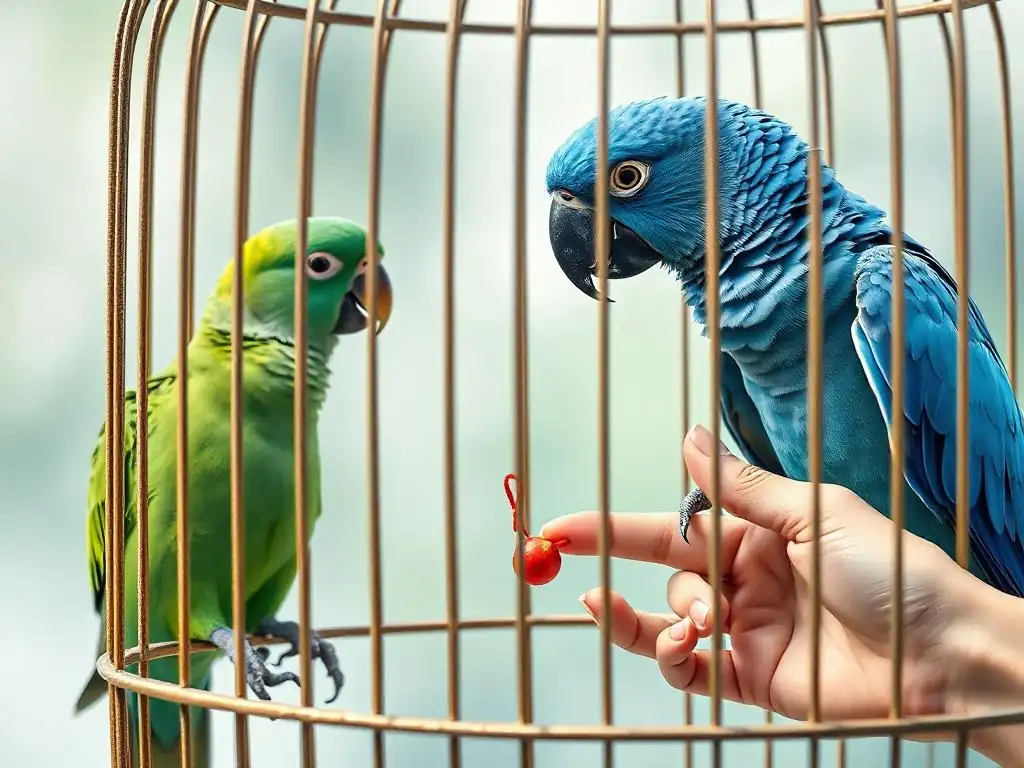
Jealousy in parrots, especially within a multi-pet household, can manifest as various attention-seeking behaviors. Understanding the root cause—the parrot's perceived lack of attention or resources—is crucial for effective management. This section outlines practical strategies to mitigate these behaviors and foster a harmonious multi-pet environment. Addressing a jealous parrot in a multi-pet household requires patience, consistency, and a deep understanding of avian behavior. Remember, positive reinforcement is key to success.
Ignoring Undesirable Attention-Seeking Behaviors
One of the most effective, yet often challenging, techniques is consistent ignoring of undesirable attention-seeking behaviors. This doesn't mean neglecting your parrot; it means strategically withholding attention when they engage in unwanted actions. For example, if your parrot screams excessively to get your attention, simply turn your back and avoid eye contact. Do not respond to biting or feather plucking associated with jealousy by offering comfort or attention.
This seemingly harsh approach is actually a powerful tool. By ignoring the negative behavior, you're reducing its reinforcement. The parrot will eventually learn that these behaviors do not yield the desired outcome—your attention.
It's important to be consistent. Even a single instance of giving in can undo weeks of progress. Family members must be on board with this strategy to ensure its effectiveness. Documenting the frequency and type of attention-seeking behaviors can be helpful in tracking progress. For instance, maintaining a daily log noting occurrences of screaming, biting, or excessive vocalization can provide valuable data. This data can then be used to refine your approach and identify patterns. Remember, patience is paramount; it may take time before you see significant improvements.
Rewarding Calm and Appropriate Behaviors
While ignoring undesirable behaviors is crucial, it's equally important to actively reward calm and appropriate behaviors. Positive reinforcement is far more effective than punishment in shaping a parrot's behavior. When your parrot displays calm behavior—for instance, quietly preening or engaging in a favorite toy—immediately reward them with praise, a small treat (like a piece of fruit or a favorite seed), or a brief period of interaction. This positive reinforcement strengthens the desired behavior, making it more likely to occur in the future.
The key is to be consistent and immediate with your rewards. The parrot needs to clearly associate the calm behavior with the positive reinforcement. This could involve establishing a schedule of rewards for calm behavior, such as rewarding your parrot every 15 minutes for remaining quiet and calm.
Consider using a clicker for training, pairing the click with an immediate reward to create a clear association between the desired behavior and the positive reinforcement. This method enhances the learning process and provides a consistent signal for your parrot. The goal is to build a strong positive association between calm behavior and rewarding experiences.
Providing Engaging and Stimulating Activities
A bored parrot is more likely to exhibit attention-seeking behaviors. Providing a stimulating environment rich in engaging activities is crucial in preventing jealousy and promoting positive behavior. This includes offering a variety of toys, foraging opportunities, and opportunities for social interaction. Consider rotating toys regularly to keep your parrot stimulated and prevent boredom.
Think about creating a structured day for your parrot, incorporating playtime, foraging activities, and social interaction with you and other pets (if appropriate and supervised). Enriching the environment can significantly reduce the parrot's need for attention-seeking behaviors. For instance, puzzle feeders that require your parrot to work for their food can provide mental stimulation and reduce boredom-induced attention-seeking. Providing opportunities for climbing and exploring is also beneficial.
Remember, a happy, enriched parrot is a less likely candidate for exhibiting jealousy and attention-seeking behaviors in a multi-pet household. Providing a stimulating environment is a proactive approach to managing jealousy in parrots, preventing issues before they escalate. Consider adding a variety of textures, colors, and sounds to the environment to further enhance stimulation.
When to Seek Professional Help for Your Jealous Parrot
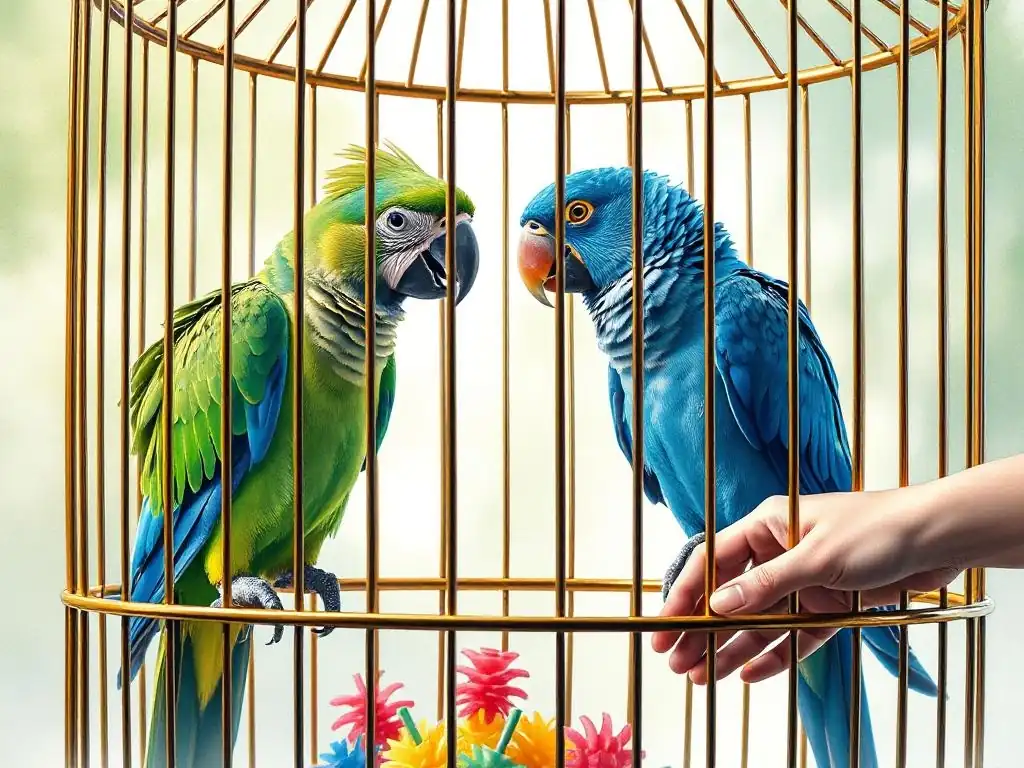
Jealousy in parrots, while a common behavioral issue in multi-pet households, can escalate into serious problems if left unaddressed. Understanding when your home management strategies are failing and professional intervention is necessary is crucial for your parrot's well-being and the harmony of your household. Ignoring escalating jealousy can lead to feather plucking, aggression towards other pets or family members, and even self-harm. Early intervention is key to preventing these more severe consequences. This section will help you identify the warning signs indicating that professional help is needed.
Recognizing When Home Management Strategies Aren't Enough
Many owners initially attempt to manage parrot jealousy through environmental enrichment, behavioral modification techniques, and careful attention distribution. These strategies, while valuable, aren't always sufficient. Consider seeking professional help if you observe persistent and worsening signs of jealousy, despite your best efforts. These signs might include:
- Increased aggression: Does your parrot frequently bite, lunge at, or otherwise aggressively target other pets or family members? Does this aggression specifically occur when another pet receives attention? Persistent aggression, beyond occasional squabbles, is a serious indicator.
- Self-destructive behaviors: Is your parrot engaging in feather plucking, excessive preening, or other self-mutilating behaviors? These behaviors are often linked to stress and anxiety, which can be exacerbated by unresolved jealousy.
- Significant changes in appetite or sleep: A drastic reduction in food intake or sleep disturbances can be a sign of underlying stress and anxiety related to jealousy. Monitor your parrot's eating and sleeping patterns closely.
- Unresponsiveness to training: If your parrot, once responsive to training commands, is now ignoring you or exhibiting increased defiance, this could be a sign that the jealousy is impacting their ability to focus and engage.
- Persistent vocalizations: Excessive screaming, screeching, or other loud vocalizations, especially when other pets are present or receiving attention, can indicate significant distress.
Remember, even subtle changes in your parrot's behavior warrant attention. Don't wait until the situation deteriorates significantly before seeking help. Early intervention often leads to better outcomes and prevents the development of more severe behavioral problems. A gradual increase in the frequency or intensity of any of these behaviors should prompt you to reconsider your approach.
Finding a Qualified Avian Veterinarian or Behaviorist
Finding the right professional is crucial. Not all veterinarians or behaviorists are equally experienced with avian species, particularly parrots. Look for professionals specializing in avian medicine and behavior. Ask for referrals from other parrot owners, your regular veterinarian, or local avian rescue organizations.
When searching for an avian veterinarian, inquire about their experience with parrot behavior issues. A qualified professional will be able to conduct a thorough assessment of your parrot's behavior, identify the root causes of the jealousy, and recommend a tailored treatment plan. This plan might involve medication in some cases, but it will almost certainly include behavioral modification techniques to help your parrot adjust to the multi-pet dynamic.
For a behaviorist, look for certifications or affiliations with reputable organizations like the Association of Avian Veterinarians (AAV). They should have a proven track record of successfully treating jealous parrots and other avian behavioral issues. The initial consultation will likely involve a detailed behavioral history, observation of your parrot's interactions with other pets and family members, and a discussion of your current management strategies.
The goal is to collaboratively develop a plan that addresses the underlying causes of the jealousy and helps create a more harmonious environment for your parrot and your other pets. Remember, patience and consistency are vital throughout the treatment process. Working closely with a professional can significantly improve your parrot's quality of life and resolve the jealousy issues within your multi-pet household.
Preventing Jealousy in Multi-Pet Households with Parrots: Proactive Measures
Jealousy in parrots living in multi-pet households is a common concern for bird owners. Successfully integrating a parrot into a home already housing other animals requires careful planning and consistent management. Understanding your parrot's unique personality and the dynamics of your existing pets is crucial to preventing behavioral issues stemming from perceived competition for resources – including your attention. Ignoring potential jealousy can lead to undesirable behaviors like feather plucking, aggression towards other pets, or even self-harm. This section will outline proactive steps to minimize jealousy and create a harmonious multi-pet environment.
Planning for a Multi-Pet Household Before Introducing a Parrot
Before bringing a parrot into a home with other pets, meticulous planning is essential. This isn't just about purchasing a suitable cage; it's about assessing the compatibility of your existing pets with a parrot. Consider the following:
- Species Compatibility: Some animals are naturally more predisposed to conflicts than others. For example, a small dog known for chasing might pose a significant risk to a parrot, even unintentionally. Cats, while often perceived as independent, can be predatory towards smaller animals. Thoroughly research the potential interactions between your parrot species and your existing pets.
- Individual Pet Personalities: Even within the same species, personalities vary greatly. A shy, timid cat might tolerate a parrot more readily than a playful, energetic one. Observe your current pets' behaviors and temperaments to predict how they might react to a new member of the household.
- Space Considerations: Parrots require significant space, both for their cage and for out-of-cage time. Ensure there's ample room for your parrot to move freely without feeling crowded or threatened by other pets. Creating designated "safe spaces" for your parrot where it can retreat from other animals is crucial.
- Gradual Introduction: A sudden introduction is a recipe for disaster. The ideal scenario involves a slow, controlled introduction process, starting with supervised, short interactions from a distance. This allows pets to acclimate to each other's scents and presence gradually, reducing the chances of immediate conflict.
Establishing Clear Boundaries and Routines from the Start
Once your parrot is home, establishing clear boundaries and consistent routines is paramount. This helps all pets understand their roles and reduces ambiguity, a major contributor to jealousy.
- Designated Spaces: Define specific areas for each pet. Your parrot's cage should be its safe haven, inaccessible to other pets. Similarly, establish areas where other pets can relax without parrot interaction. This minimizes accidental encounters and reduces the feeling of competition for territory.
- Individual Attention: While it's tempting to focus on the new parrot, ensure all pets receive adequate attention and interaction. Jealousy often stems from a perceived lack of attention, so dedicate specific time to each pet individually. This might include playtime, grooming, or simply quiet cuddling.
- Consistent Feeding Schedules: Feeding times can be stressful in multi-pet households. Establish clear feeding schedules to avoid competition for food. Ensure each pet has its own designated feeding area to minimize the risk of conflict.
- Positive Reinforcement: Reward positive interactions between your pets. If your parrot and dog, for example, remain calm and peaceful in each other's presence, reward them with treats or praise. This reinforces desirable behaviors and strengthens positive associations.
Providing Ample Enrichment and Mental Stimulation for All Pets
A bored parrot is a jealous parrot. Enrichment activities are essential to prevent boredom and alleviate feelings of insecurity that can lead to jealousy. This applies to all pets in the household.
- Parrot-Specific Enrichment: Provide your parrot with a variety of toys, puzzles, and foraging opportunities to keep it mentally stimulated. Rotate toys regularly to prevent boredom. Consider puzzle feeders, climbing structures, and interactive toys that mimic natural foraging behaviors.
- Enrichment for Other Pets: Don't neglect the enrichment needs of your other pets. A bored dog or cat might be more likely to seek attention in ways that annoy the parrot. Provide adequate toys, exercise, and social interaction for all animals.
- Supervised Interaction: While supervised interactions are crucial, don't force them. Allow pets to interact naturally at their own pace. Interrupt any signs of aggression immediately. The goal is to create a positive association between the pets, not to force a friendship.
- Monitoring and Adjustment: Regularly monitor your pets' interactions. If you observe signs of jealousy or conflict, adjust your approach accordingly. This might involve increasing enrichment, adjusting routines, or modifying the pets' environment. Flexibility is key to managing a multi-pet household successfully.
Remember, preventing jealousy is an ongoing process. Patience, consistency, and a proactive approach are essential to creating a harmonious and happy home for all your pets. Early intervention and careful planning are key to preventing future problems and ensuring your parrot thrives in its multi-pet environment.
Frequently Asked Questions
How can I tell if my parrot is jealous of other pets in the household?
Parrot jealousy often manifests as behavioral changes, such as increased vocalization, aggression towards other pets or even you, or a sudden decline in usual playful behavior. Look for changes in appetite or sleeping patterns as well.
What are the common causes of jealousy in parrots within a multi-pet household?
Jealousy in parrots stems from a perceived lack of attention or a change in their established hierarchy. Competition for resources (food, toys, your attention) also plays a significant role. Changes in routine can exacerbate this.
How can I prevent or reduce jealousy in my parrot towards other pets?
Individual attention is key. Ensure each pet receives dedicated playtime and interaction. Provide ample separate spaces for your parrot to retreat to, and use positive reinforcement techniques to reward calm behavior around other animals.
My parrot is aggressively attacking other pets. What should I do?
Immediately separate the parrot from the other pets to prevent injury. Consult an avian veterinarian or a certified animal behaviorist to address the underlying cause of the aggression and develop a behavior modification plan. Never punish the parrot, as this may worsen the problem.
Are there specific toys or activities that can help alleviate jealousy in a multi-pet household?
Yes! Provide enrichment activities for your parrot, such as puzzles, foraging toys, and opportunities for chewing. This can help redirect their focus away from their jealousy and towards more positive behaviors. Rotating toys keeps them stimulated and engaged.
Final Reflection: Understanding and Addressing Avian Envy
Jealousy in parrots, far from being a quirky avian trait, is a crucial aspect of responsible multi-pet household management. Ignoring this complex emotion can lead to behavioral problems, impacting both the well-being of your feathered friend and the harmony of your home. Understanding the root causes and developing effective strategies is paramount for creating a thriving environment for all your pets.
The impact of jealousy on parrot behavior is profound and far-reaching. It's not simply about squawking or feather ruffling; it's about a bird's fundamental need for security and connection. A parrot's behavior is a reflection of its emotional state, and ignoring its emotional needs will inevitably lead to problems.
This quote highlights the crucial link between understanding our parrots' emotional landscape and their overall well-being. We must acknowledge that jealousy, while often frustrating, is a manifestation of a deeper need for attention, reassurance, and a secure place within the family flock. Failing to address this can lead to long-term behavioral issues, impacting the bond between you and your parrot.
Consider the lessons learned within this article. Think about your own parrot's behavior, and honestly assess whether signs of jealousy are present. Are you providing sufficient individual attention to each pet? Are you creating opportunities for positive interactions, rather than fostering competition? Take the time to observe your birds' interactions and adjust your approach accordingly. By understanding the nuances of avian jealousy and implementing the strategies discussed, you can cultivate a harmonious multi-pet household where each member feels loved, secure, and valued. Your parrots, and your entire family, will thank you for it.
Unleash Harmony: Boost Your Parrot's Happiness Today
Thanks for exploring the world of parrot psychology with us! We hope you gained valuable insights into understanding and managing jealousy in your birds. Now, let's put that knowledge into action to create a happier, healthier flock.
- Prioritize Enrichment Activities: Creating individual enrichment activities for each parrot strengthens your bond and reduces competition. This could involve providing specialized toys, designing foraging challenges, or implementing training sessions tailored to each bird's unique personality and preferences.
- Share Your Successes (and Challenges!): Join our PetCareWorld community forums – share your experiences, ask questions, and connect with other parrot owners. Your insights can help others!
- Craft a Customized Enrichment Plan: Develop a weekly schedule dedicated to enriching each bird's life individually. Consider what motivates each bird and tailor your enrichment strategy accordingly.
What small step will you take today to nurture your parrot's well-being and strengthen your bond?