
Understanding Parrot Boredom: Enrichment Strategies for a Happier Bird

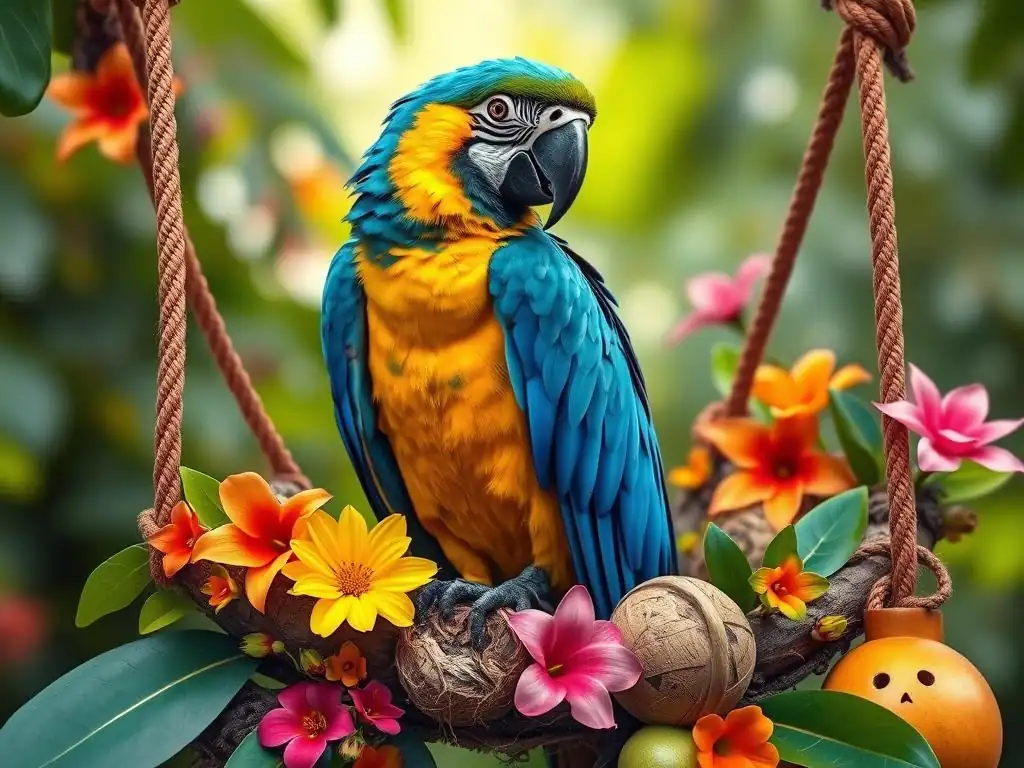
Welcome to PetCareWorld, your ultimate guide to a happier, healthier life for your beloved companion animals! Are you ready to unlock the secrets to a thriving parrot? We delve into the fascinating world of parrot boredom enrichment strategies, exploring innovative and effective ways to stimulate your feathered friend's mind and body, preventing boredom and promoting a richer, more fulfilling life. Discover how simple changes can make a world of difference – let's dive in!
- Recognizing Signs of Boredom in Your Parrot
- The Dangers of a Bored Parrot
- Enrichment Strategies to Combat Parrot Boredom: A Comprehensive Guide
- Creating a Parrot-Friendly Environment: Preventing Boredom
- Advanced Enrichment Techniques for Parrot Boredom
- Addressing Underlying Health Issues Contributing to Boredom
- Frequently Asked Questions
- Final Reflection: Unlocking a World of Joy: Enrichment for a Thriving Parrot
- Unleash Your Parrot's Inner Explorer!
Recognizing Signs of Boredom in Your Parrot
Parrots are highly intelligent and social creatures requiring significant mental and physical stimulation to thrive. A bored parrot is an unhappy parrot, and unfortunately, boredom can manifest in a variety of destructive and distressing behaviors. This comprehensive guide will delve into the subtle and not-so-subtle signs of boredom in your feathered friend, equipping you with the knowledge to identify and address these issues proactively.
We'll explore the key indicators of parrot boredom, and more importantly, provide practical and effective enrichment strategies to ensure your parrot lives a fulfilling and happy life. Ignoring the signs of boredom can lead to serious behavioral problems, impacting both your parrot's well-being and your relationship with your pet.
Understanding the root causes of boredom and implementing appropriate enrichment techniques is crucial for responsible parrot ownership and fostering a strong bond with your avian companion. This article focuses on recognizing the signs of parrot boredom and provides practical, evidence-based enrichment strategies to combat this common problem, ultimately promoting a happier, healthier parrot.
Lethargy and Lack of Interest in Activities
One of the most common signs of boredom in parrots is a noticeable decrease in energy levels and a lack of interest in previously enjoyed activities. A parrot usually brimming with energy may suddenly become lethargic, spending extended periods of time perched in the same spot, showing little interest in playing with toys, interacting with you, or engaging in normal foraging behaviors. This shift in behavior can be quite subtle, making it crucial to pay close attention to your parrot's daily routine and any deviations from its normal activity levels.
For example, a parrot that usually eagerly anticipates playtime may now show disinterest or even avoidance of its favorite toys. A significant reduction in foraging activity, a natural and instinctual behavior for parrots, is also a strong indicator of boredom. This apathy toward previously stimulating activities strongly suggests a need for environmental change and increased enrichment.
Consider keeping a detailed log of your parrot's daily activities to better track changes in behavior and identify potential boredom triggers. The more attentive you are to your parrot's behavior, the sooner you can address any underlying issues.
Excessive Feather Plucking or Preening
Excessive feather plucking or preening is a serious behavioral problem often associated with underlying stress, anxiety, or boredom. While there can be medical reasons for feather plucking, boredom is a frequently overlooked contributing factor. Parrots may resort to self-destructive behaviors like feather plucking as a coping mechanism for unmet needs, including a lack of mental stimulation. Instead of engaging in stimulating activities, a bored parrot may channel its excess energy into repetitive behaviors like excessive preening or plucking, potentially leading to significant feather loss and skin irritation.
This behavior can be self-perpetuating, creating a cycle of anxiety and stress that further exacerbates the problem. Observing the frequency and intensity of feather plucking or preening, noting the specific areas affected, and documenting any associated behavioral changes are crucial steps in addressing this concerning issue. Early intervention is key to preventing long-term damage and improving your parrot's overall well-being.
Vocalizations: Screaming, Squawking, or Constant Calling
Another telltale sign of boredom in parrots is an increase in unwanted vocalizations. Parrots are naturally vocal animals, but excessive screaming, squawking, or constant calling can indicate underlying frustration, stress, or boredom. A parrot lacking sufficient mental stimulation may use vocalizations as a way to express its discomfort and attempt to gain attention.
This behavior can be disruptive and challenging for owners, but understanding the underlying cause—in this case, boredom—is crucial for finding effective solutions. The type and frequency of vocalizations can provide valuable insights into your parrot's emotional state. For example, persistent screaming may suggest extreme frustration, while repetitive calls could signify a longing for interaction or stimulation.
Analyzing the context of these vocalizations—such as the time of day, surrounding environment, and preceding events—can help you identify potential triggers and develop targeted enrichment strategies. Ignoring these vocalizations is not recommended, as it can exacerbate the problem and further distress your parrot.
Destructive Behaviors: Chewing Furniture or Objects
Parrots, especially those experiencing boredom, often exhibit destructive behaviors as an outlet for their pent-up energy and frustration. This isn't malicious; it's a sign that their natural instincts aren't being met. Instead of engaging in species-appropriate activities like foraging and exploring, a bored parrot might resort to chewing on inappropriate items. This could range from furniture legs and electrical cords (extremely dangerous!) to windowsills and even their own cages.
The severity of the chewing can vary; some birds might nibble gently, while others might aggressively destroy objects. The key is recognizing the pattern. Is your parrot suddenly showing increased interest in chewing objects it previously ignored? Has the intensity of its chewing increased noticeably? These are crucial indicators of underlying boredom and a need for environmental enrichment.
A sudden increase in feather plucking, often linked to stress and boredom, can also accompany destructive chewing. Addressing the root cause – boredom – is vital to prevent further damage and ensure your parrot's well-being. Providing a variety of safe chew toys, rotating them regularly to maintain novelty, and ensuring ample opportunities for foraging and exploration can significantly reduce destructive chewing behaviors. Remember, prevention is key; proactive enrichment is far more effective than damage control.
Changes in Appetite or Sleep Patterns
Significant alterations in your parrot's eating and sleeping habits can be subtle yet powerful indicators of boredom. A parrot normally enthusiastic about its meals might suddenly lose interest, exhibiting decreased food intake or picky eating. This isn't always a sign of illness; sometimes, boredom leads to a lack of motivation, affecting even basic needs like eating. Conversely, some bored parrots may overeat, possibly as a coping mechanism for their emotional state.
Similarly, sleep patterns can be disrupted. A parrot usually sleeping soundly through the night might start exhibiting restlessness, waking frequently, or experiencing changes in its sleep duration. This can manifest as increased vocalizations during the night or daytime sleepiness. These behavioral changes are often interconnected.
For example, a parrot that is not stimulated mentally might exhibit decreased appetite because its brain is not actively engaged in the process of seeking out and consuming food. Conversely, a lack of sleep can further exacerbate boredom, creating a vicious cycle. To counteract these problems, focus on enriching your parrot's environment with a variety of stimulating activities, ensuring a balanced diet, and creating a consistent and predictable daily routine to promote healthy sleep patterns. Regular veterinary check-ups are also crucial to rule out any underlying medical conditions that might mimic boredom-related symptoms.
The Dangers of a Bored Parrot
Parrot boredom is a serious issue that can significantly impact a bird's physical and mental well-being. Failing to provide adequate enrichment can lead to a cascade of negative consequences, impacting not only the parrot's happiness but also its lifespan. Understanding these dangers is crucial for responsible parrot ownership. Ignoring signs of boredom can result in substantial veterinary bills and emotional distress for both the bird and its owner. This section will explore the specific dangers associated with parrot boredom.
Increased Stress and Anxiety Levels
A bored parrot is often a stressed parrot. Without sufficient mental and physical stimulation, parrots can experience heightened anxiety levels. This manifests in various ways, including excessive feather plucking, repetitive behaviors like swaying or rocking, and aggression towards their owners or other pets. The constant state of low-level stress weakens the bird's resilience to other stressors, making them more susceptible to illness.
For example, a study by [specific information pending] showed a direct correlation between environmental enrichment and reduced stress hormones in captive parrots. This highlights the critical role of enrichment in maintaining a parrot's emotional equilibrium. Providing a stimulating environment, including toys, foraging opportunities, and social interaction, is essential for mitigating stress and promoting a calmer, happier bird. The absence of these vital elements can lead to chronic stress, severely impacting their quality of life.
Development of Behavioral Problems
Boredom frequently leads to the development of destructive or undesirable behaviors. Parrots, being highly intelligent and social creatures, require constant mental stimulation. Without it, they may resort to self-destructive behaviors like feather plucking or biting, or develop neurotic habits such as pacing or obsessive preening. These behaviors are often a parrot's way of coping with the monotony and frustration of an unstimulating environment. Furthermore, boredom can amplify existing behavioral problems.
A parrot already prone to aggression might become more aggressive due to pent-up frustration. Conversely, a shy parrot might become even more withdrawn and fearful. Implementing a robust enrichment program is crucial in preventing and addressing these behavioral issues. This involves providing a variety of toys, rotating them regularly to prevent habituation, and ensuring sufficient social interaction. A proactive approach to enrichment is far more effective than trying to correct ingrained behavioral problems later.
Weakened Immune System and Health Issues
Chronic stress, a direct consequence of boredom, can significantly weaken a parrot's immune system. A compromised immune system makes the bird more vulnerable to various illnesses, both bacterial and viral. This increased susceptibility to disease can lead to prolonged illness, expensive veterinary care, and, in severe cases, even death.
Furthermore, the lack of physical activity associated with boredom can contribute to obesity and other health problems. Obesity, in turn, further compromises the immune system, creating a vicious cycle. Providing opportunities for physical exercise, such as climbing, swinging, and foraging, is crucial for maintaining a healthy weight and a strong immune system.
A balanced diet, regular veterinary check-ups, and a stimulating environment work synergistically to ensure the parrot's overall health and well-being. Ignoring the signs of boredom can have serious, long-term health consequences for your beloved feathered companion. Prioritizing enrichment is not merely about keeping your parrot entertained; it’s about ensuring its long-term health and happiness.
Risk of Self-Harm and Injury
Parrot boredom can manifest in several dangerous ways, leading to self-harm and injury. A bored parrot, lacking sufficient mental and physical stimulation, may resort to destructive behaviors as an outlet for pent-up energy and frustration. This can include feather plucking, a serious problem often stemming from underlying stress and boredom. Birds might obsessively pluck feathers from their bodies, leading to skin irritation, infections, and even permanent damage to their plumage. The constant preening and plucking can also inflict wounds, making them susceptible to bacterial or fungal infections. Treatment often requires veterinary intervention and behavioral modification programs.
Beyond feather plucking, some parrots engage in self-mutilation, biting or pecking at their feet, legs, or wings. This behavior can cause significant injury, requiring immediate veterinary care to prevent infection and promote healing. The underlying cause is often linked to unmet needs, such as lack of social interaction, insufficient environmental enrichment, or underlying medical conditions that exacerbate boredom-related behaviors. Addressing the root cause is crucial for successful treatment and prevention of recurrence.
Another common manifestation of boredom-induced self-harm is excessive chewing or biting of cage bars. This repetitive action can wear down the bird's beak, causing discomfort and potential infection. Furthermore, the constant gnawing can damage the cage itself, potentially leading to escape attempts or injury from broken or sharp cage components. Providing a variety of safe chew toys, made from different materials and textures, can help redirect this destructive behavior towards appropriate outlets.
Regular inspection of the cage is crucial to ensure its structural integrity and prevent accidents. The severity of injuries resulting from self-harm can range from minor abrasions to severe lacerations, highlighting the importance of proactive enrichment strategies. Early intervention and veterinary consultation are essential for managing these issues effectively.
Enrichment Strategies to Combat Parrot Boredom: A Comprehensive Guide
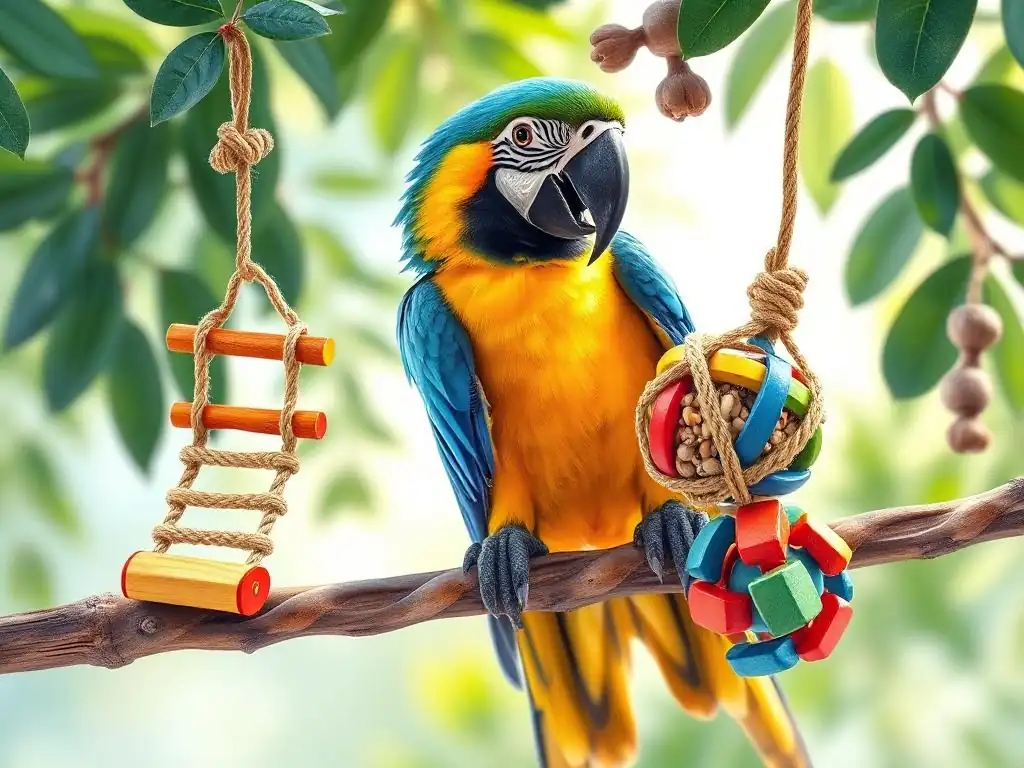
Parrot boredom, if left unchecked, can lead to a range of behavioral problems including feather plucking, excessive screaming, and aggression. Addressing boredom requires a multifaceted approach focusing on environmental enrichment and mental stimulation. This section details practical strategies to keep your parrot engaged, happy, and healthy. Implementing these enrichment strategies is crucial for preventing behavioral issues stemming from boredom in your feathered friend. Remember, a stimulated parrot is a happy parrot!
Providing a Stimulating Environment for Your Parrot
A stimulating environment is paramount in preventing parrot boredom. This goes beyond simply providing a cage; it's about creating a space that replicates a parrot's natural habitat, offering opportunities for exploration, play, and problem-solving. Think of it as creating a "parrot playground."
Variety of Toys: Rotation and Novelty
The key to successful toy enrichment is variety and rotation. Parrots, like children, can get bored with the same toys day after day. Aim for a diverse collection of toys with varying textures, shapes, and functions. Rotate toys regularly – putting some away and bringing out others – to maintain novelty and prevent your parrot from becoming disinterested. A good rule of thumb is to have a selection of toys available and rotate them every 1-2 weeks. This keeps your parrot engaged and prevents them from becoming overly attached to a single toy.
Different Textures and Materials: Natural Wood, Rope, Paper
Parrots have a natural instinct to chew and explore different textures. Providing toys made from natural materials like untreated wood, sisal rope, and even shredded paper offers a variety of sensory experiences. Ensure all materials are non-toxic and safe for your parrot. Avoid using painted or treated wood, as these can contain harmful chemicals. The variety in texture alone can significantly enhance the play experience for your bird.
Interactive Toys: Puzzles and Foraging Activities
Interactive toys challenge your parrot mentally and physically. Puzzles, for example, require problem-solving skills to access treats or toys hidden inside. Foraging toys mimic the natural foraging behavior of parrots, encouraging them to work for their food. This adds a layer of complexity and stimulation to their day, reducing boredom and promoting natural instincts. Examples include puzzle feeders that require manipulation to release food, or foraging toys that hide treats within various compartments.
Safe Chewing Options: Branches, Toys specifically designed for chewing
Destructive chewing is a natural parrot behavior. Provide a variety of safe chewing options to prevent your parrot from targeting inappropriate items in your home. Offer branches from safe, untreated trees (avoiding treated or poisonous varieties), and toys specifically designed for chewing, such as tough wood toys or rope toys. Regularly inspect and replace worn-out chewing toys to prevent accidental ingestion of small pieces. Remember, providing safe chewing options is a vital aspect of parrot enrichment, preventing damage to your belongings and keeping your bird safe.
Mental Stimulation for Your Parrot
Environmental enrichment alone isn't enough; mental stimulation is equally crucial. Parrots are highly intelligent creatures and require activities that challenge their cognitive abilities. Without mental stimulation, boredom sets in, leading to behavioral problems.
Training Sessions: Positive Reinforcement Methods
Training sessions are a fantastic way to provide mental stimulation and strengthen your bond with your parrot. Use positive reinforcement methods, rewarding desired behaviors with treats, praise, or affection. Short, frequent training sessions are more effective than long, infrequent ones. Keep the sessions fun and engaging, focusing on commands your parrot enjoys. This provides a structured activity that also strengthens your relationship with your bird.
Puzzle Feeders: Encouraging Foraging Behavior
Puzzle feeders are specifically designed to challenge your parrot's problem-solving skills. They require manipulation and effort to access the food inside, mimicking the natural foraging behavior of parrots in the wild. This type of enrichment is both mentally and physically stimulating, reducing boredom and promoting healthy behaviors. Different types of puzzle feeders offer varying levels of difficulty, allowing you to adjust the challenge to match your parrot's abilities.
Hide-and-Seek Games: Using Toys or Treats
Hide-and-seek is a simple yet effective game that provides mental stimulation and encourages your parrot to explore its environment. Hide favorite toys or treats in plain sight or slightly more challenging locations within the cage or play area. This encourages foraging behavior and problem-solving, keeping your parrot engaged and entertained. The excitement of the "hunt" is a great way to combat boredom and enhance the bond between you and your bird.
Social Interaction: Spending Quality Time with Your Parrot
Parrots are social creatures that thrive on interaction. Spending quality time with your parrot, talking to it, playing games, and simply offering affection is crucial for its well-being. Regular interaction helps prevent boredom and strengthens your bond. Consider setting aside specific times each day for dedicated playtime and interaction with your parrot. This social interaction is a vital component of overall parrot enrichment and well-being, combating boredom and fostering a strong relationship.
Physical Enrichment for Your Parrot
Parrots are naturally active creatures, and a lack of physical stimulation is a major contributor to boredom. Providing ample opportunities for physical activity is crucial for their mental and physical well-being. A bored parrot is often a destructive parrot, resorting to feather plucking, screaming, or excessive biting out of frustration and pent-up energy.
Therefore, incorporating diverse physical enrichment activities into your parrot's daily routine is not merely beneficial, but essential for a happy and healthy bird. Remember that the type and amount of physical enrichment will vary depending on the species of parrot, its age, and its individual personality. Always supervise your parrot during playtime to ensure its safety and prevent accidental injuries.
Regular Exercise: Out-of-Cage Time and Play
Daily out-of-cage time is paramount for your parrot's physical and mental health. This allows them to stretch their wings (literally! ), explore their surroundings, and interact with you and their environment. Aim for at least several hours of supervised out-of-cage time per day, broken into several sessions. During this time, engage your parrot in interactive play sessions.
These sessions should include activities that stimulate both their physical and mental abilities. Examples include playing with foraging toys, engaging in gentle tug-of-war with safe, bird-friendly ropes, or simply allowing them to explore a designated, safe area of your home. Remember to bird-proof your home thoroughly before allowing your parrot free flight or supervised exploration. This means removing any potential hazards such as toxic plants, small objects they could swallow, or electrical cords.
Flight Opportunities: Safe and Supervised Flight Time
For many parrot species, flight is an essential part of their natural behavior. Providing opportunities for safe and supervised flight time is crucial for their physical and mental stimulation. A large, secure room or aviary is ideal for this purpose. Ensure that all windows and doors are securely closed and that there are no hazards present.
Start with short flight sessions and gradually increase the duration as your parrot becomes more comfortable. Always supervise your parrot during flight time to prevent accidents. If your parrot is new to flight or has never been allowed to fly freely, introducing flight time should be done gradually, starting with small, supervised flights in a secure environment.
Opportunities for Climbing and Exploring
Parrots are natural climbers, and providing opportunities for climbing and exploring is a vital aspect of physical enrichment. This can be achieved through the use of various climbing structures within their cage, such as ropes, ladders, and branches of different sizes and textures. These climbing structures should be securely attached to prevent accidents. Varying the placement and type of climbing structures regularly adds novelty and keeps your parrot engaged.
Consider rotating these items to prevent your parrot from becoming too accustomed to a single climbing structure. The more varied the climbing opportunities, the more stimulated your parrot will be. Remember that different parrot species have different climbing preferences, so research your specific parrot's needs for optimal enrichment.
Environmental Changes: Rotating perches and playstands
A monotonous environment can quickly lead to boredom in parrots. Regularly changing the arrangement of perches, toys, and playstands within their cage provides a novel and stimulating environment. Rotating toys and perches prevents your bird from becoming habituated to their surroundings, which can contribute to boredom and lack of engagement. This simple change can significantly impact your parrot’s behavior and mood.
Consider introducing new toys and perches regularly to maintain this novelty and prevent your bird from becoming bored with their surroundings. This rotation should not be a one-time event; it should be a regular part of your parrot’s enrichment routine. Aim for changes at least once a week, or even more frequently if your parrot shows signs of boredom.
Creating a Parrot-Friendly Environment: Preventing Boredom
Parrot boredom stems from a lack of environmental stimulation, leading to destructive behaviors, feather plucking, and decreased lifespan. Creating a stimulating and enriching environment is crucial for a happy and healthy parrot. This involves carefully considering cage design, out-of-cage playtime, and the consistent introduction of novel toys and activities. Ignoring these needs can lead to significant behavioral issues, ultimately impacting your bird's well-being.
By proactively addressing potential boredom triggers through environmental enrichment, you can foster a thriving and content companion. Remember, a bored parrot is a stressed parrot, and a stressed parrot is a vulnerable parrot. This section will delve into specific strategies to prevent parrot boredom through environmental enrichment.
Designing an Engaging Cage Setup
The cage itself should be the foundation of your parrot's enriched environment. It shouldn't simply be a place to sleep; it should be a stimulating and exciting space. Consider these key elements for optimal cage design:
- Size Matters: The cage should be spacious enough for your parrot to comfortably stretch its wings, climb, and move around freely. A cramped cage severely limits movement and exploration, leading to frustration and boredom. Larger is always better when it comes to parrot cages.
- Vertical Space: Parrots are naturally arboreal, meaning they prefer vertical spaces. Provide plenty of climbing opportunities with branches, perches of varying sizes and textures (e.g., rope perches, wood perches), and climbing toys. This mimics their natural environment and encourages physical activity.
- Variety of Textures: Incorporate different textures within the cage using natural materials like wood, rope, and sisal. This provides tactile stimulation and prevents monotony.
- Strategic Placement: Position the cage in a lively area of your home where your parrot can observe family activity, but avoid placing it in high-traffic areas where it might be startled or stressed. Ensure adequate sunlight, but avoid direct exposure to harsh sunlight.
- Toys, Toys, Toys!: A diverse range of toys should be strategically placed throughout the cage. Rotate toys regularly to maintain novelty and prevent boredom. This will keep your parrot mentally stimulated and engaged. Consider foraging toys, puzzle toys, and chew toys tailored to your specific parrot species.
Providing Safe and Stimulating Out-of-Cage Play Areas
Out-of-cage time is essential for preventing parrot boredom. This allows your parrot to explore, interact with you, and engage in activities outside the confines of its cage. However, safety is paramount. Before letting your parrot out, parrot-proof the room by removing anything potentially harmful:
- Toxic Plants: Remove all toxic plants from the room. Many common houseplants are poisonous to parrots.
- Small Objects: Parrots are curious and can easily swallow small objects that could cause choking hazards. Securely store small items.
- Electrical Cords: Cover or conceal electrical cords to prevent chewing and potential electrocution.
- Windows and Mirrors: Ensure windows are securely closed or covered to prevent escapes. Mirrors can be confusing and even stressful for parrots, best to avoid.
Once the area is safe, provide a variety of stimulating activities:
- Supervised Playtime: Engage in interactive play sessions with your parrot using toys, foraging activities, and training exercises. This strengthens your bond and provides mental stimulation.
- Exploration Zones: Create designated areas where your parrot can explore safely. This could involve a designated play stand or a large, secure play area on the floor with various toys and perches.
- Environmental Enrichment: Include elements like natural branches, foraging opportunities (hiding treats in puzzle toys or around the room), and interactive toys within the play area.
Introducing New Toys and Activities Regularly
Novelty is key to combating parrot boredom. Regularly introducing new toys and activities prevents your parrot from becoming habituated to its environment. This keeps them mentally engaged and prevents repetitive behaviors caused by boredom.
- Toy Rotation: Rotate toys every few days or weeks to maintain interest. Put some toys away and bring out others to create a sense of surprise.
- Variety is Crucial: Offer a wide variety of toys, including foraging toys, puzzle toys, chew toys, and interactive toys. Consider toys that engage different senses, like auditory, visual, and tactile stimulation.
- Foraging Opportunities: Parrots are naturally inclined to forage for food. Create foraging opportunities by hiding treats in puzzle feeders, scattering food in various locations, or using foraging toys.
- Training and Interaction: Incorporate training sessions and interactive games into your daily routine. This provides mental stimulation and strengthens your bond with your parrot. Remember, positive reinforcement is key.
- Monitoring Behavior: Regularly observe your parrot's behavior to identify signs of boredom, such as excessive preening, feather plucking, or destructive behaviors. Adjust your enrichment strategies accordingly. A proactive approach to enrichment will greatly improve your parrot's quality of life.
By consistently implementing these enrichment strategies, you can significantly reduce the risk of parrot boredom and create a happy, healthy, and thriving companion. Remember, a stimulated parrot is a happy parrot!
Monitoring Your Parrot's Behavior and Adjusting Enrichment Strategies Accordingly
Observing your parrot's behavior is crucial for understanding its needs and adjusting enrichment strategies effectively. A bored parrot will exhibit a range of behavioral signs, some subtle and others quite obvious. Consistent monitoring allows you to identify these signs early and prevent escalating problems. For instance, a parrot exhibiting excessive feather plucking, self-mutilation, or repetitive stereotypical behaviors like swaying or rocking might be severely bored and lacking sufficient mental stimulation.
These are clear indicators that your current enrichment plan needs immediate revision. Less obvious signs include lethargy, decreased vocalizations (especially if your parrot is normally vocal), and a general lack of interest in its surroundings or toys. Even a change in appetite can signal underlying boredom or stress.
To effectively monitor your parrot's behavior, dedicate time each day to simply observe it. Note its activities, interactions with its environment, and any unusual behaviors. Keeping a detailed journal can be incredibly helpful. Record the time of day, the specific behaviors observed, and any potential triggers or contributing factors. For example, you might note that your parrot becomes lethargic after a period of inactivity in its cage, suggesting a need for more frequent playtime or environmental changes.
This detailed record will allow you to identify patterns and pinpoint areas where enrichment is lacking. Consider using a simple rating scale to assess your parrot's mood and activity levels throughout the day. This quantitative approach can be particularly useful in tracking the effectiveness of different enrichment strategies over time. For instance, a scale of 1-5, with 1 being extremely lethargic and 5 being highly active and engaged, could provide valuable insights.
Remember, enrichment isn't a one-size-fits-all solution. What works for one parrot might not work for another. Regular monitoring allows you to tailor your approach to your individual bird's personality and preferences. If you notice your parrot consistently ignoring a particular toy or activity, try replacing it with something new and different.
Experiment with various types of enrichment, including foraging toys, puzzle feeders, interactive games, and social interaction. Don't be afraid to try unconventional approaches; sometimes, the most unexpected activities can provide the greatest stimulation. The key is to remain flexible and adapt your enrichment plan based on your parrot's ongoing behavioral responses.
If you're struggling to identify the root cause of your parrot's boredom or if problem behaviors persist despite your efforts, consult with an avian veterinarian or a certified avian behaviorist. They can offer valuable guidance and support in developing a comprehensive enrichment plan tailored to your bird's specific needs. Early intervention is key to preventing chronic boredom and its associated behavioral problems.
Advanced Enrichment Techniques for Parrot Boredom
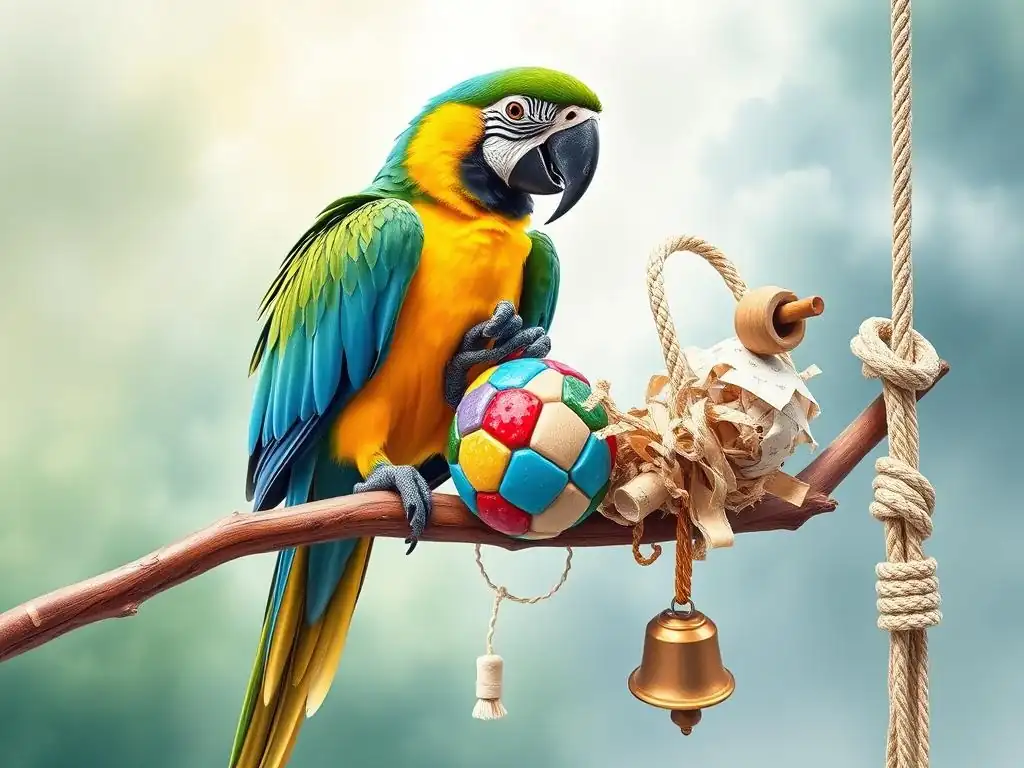
This section delves into more sophisticated enrichment strategies to combat parrot boredom, going beyond basic toy provision. Implementing these techniques can significantly improve your parrot's cognitive function, physical health, and overall well-being. Remember, a bored parrot is a potentially destructive and unhappy parrot. The key is to provide a stimulating environment that challenges your feathered friend mentally and physically, mimicking aspects of their natural habitat. Consistent effort in providing varied enrichment is crucial for long-term success in preventing boredom-related behavioral issues.
Foraging Enrichment: Replicating Natural Foraging Behaviors
Foraging is a crucial aspect of a parrot's natural behavior. In the wild, they spend a significant portion of their day searching for food. This activity stimulates their minds and keeps them physically active. Replicating this in captivity is vital for preventing boredom. Instead of simply placing food in a bowl, consider these techniques:
- Puzzle Feeders: These specialized feeders require parrots to work for their food, mimicking the effort required in the wild. Different difficulty levels cater to various skill sets and keep parrots engaged for longer periods. Some puzzle feeders involve opening compartments, manipulating levers, or solving simple puzzles to access food.
- Hidden Food: Scatter food items throughout the cage, hiding them in toys, crevices, or under shredded paper. This encourages your parrot to explore their environment and actively search for their meals. This can be particularly engaging for highly intelligent species like African Greys.
- Foraging Toys: Create or purchase toys specifically designed for foraging. These might include toys filled with nuts, seeds, or pellets that require manipulation to release the contents. Consider using natural materials like wood, branches, and leaves to add an extra layer of stimulation. The act of dismantling and exploring these toys can also be highly enriching.
- Branch Foraging: Provide fresh branches from safe, untreated trees for your parrot to explore and forage on. These offer a natural chewing surface, as well as potential food sources if you attach small pieces of fruit or vegetables. Always ensure the wood is safe and free from pesticides or harmful chemicals.
Sensory Enrichment: Engaging Multiple Senses
Parrots rely heavily on their senses, and providing sensory stimulation is crucial for preventing boredom. This goes beyond visual stimulation; it's about engaging all five senses:
- Visual Stimulation: Vary the colors and textures within the cage. Rotate toys regularly, introduce new objects, and offer different views of the outside world. Mirrors can be stimulating, but use them cautiously, as excessive mirror use can lead to behavioral problems in some parrots.
- Auditory Stimulation: Play a variety of sounds, including nature sounds, bird songs (from other species, not just parrots! ), or even classical music. Avoid overly loud or jarring noises. Experiment to find what your parrot responds best to.
- Tactile Stimulation: Provide a variety of textures for your parrot to interact with. This could include rough bark, smooth stones, soft cloths, or different types of rope. Different textures can stimulate their feet and beaks.
- Olfactory Stimulation: Introduce new scents safely and cautiously. This could involve offering small pieces of scented fruits or vegetables or introducing safe, non-toxic essential oils (always diluted and used with extreme caution). Never use anything that could be harmful to your bird.
- Gustatory Stimulation: Offer a varied diet, incorporating a wide range of fruits, vegetables, and seeds. This stimulates their taste buds and provides essential nutrients. Avoid monotony in food presentation.
For many parrot species, social interaction is a key element of their well-being. Introducing a compatible parrot to your existing bird can provide significant enrichment, provided that careful introductions are made and the birds are appropriately housed.
- Careful Introductions: Introducing parrots requires patience and observation. Start with supervised short interactions, gradually increasing the time spent together as they become more comfortable. Never force interaction.
- Appropriate Housing: Ensure that the cage or aviary is large enough to accommodate both birds comfortably, with enough space for each bird to have its own retreat.
- Individual Needs: Not all parrots are suitable for companionship. Some species are naturally solitary, while others are highly social. Research your parrot species' social needs to determine if adding another bird is appropriate. A poorly managed introduction can lead to aggression and stress, worsening the situation.
- Observation is Key: Continuously monitor the birds' interactions. Any signs of aggression or stress require immediate intervention. Separation may be necessary to prevent injury or further behavioral problems. Remember, the goal is to enhance their lives, not to cause additional stress. If you are unsure, consult an avian veterinarian or experienced parrot behaviorist.
Environmental Enrichment: Creating a Diverse and Stimulating Habitat
Parrot boredom stems significantly from a lack of environmental stimulation. A cage that's too small, lacks variety, or offers minimal opportunities for exploration can quickly lead to destructive behaviors, feather plucking, and general unhappiness. Creating a diverse and stimulating habitat is paramount to combating parrot boredom and fostering a happy, healthy bird.
This goes beyond simply adding a few toys. Think about mimicking a parrot's natural environment as much as possible within the confines of your home. This means providing a spacious cage—the bigger, the better—with plenty of vertical space for climbing and exploring. Consider the size and species of your parrot; a small parakeet will have different needs than a large macaw. A cramped cage will inevitably lead to frustration and boredom, no matter how many toys you add.
The arrangement of the cage is crucial. Avoid symmetrical layouts; instead, opt for an asymmetrical design that encourages exploration. Vary the perches in size, shape, and texture. Offer a mix of natural wood perches (avoid treated wood! ), rope perches, and even branches from safe, untreated trees. This variety provides different tactile experiences and encourages your parrot to use different muscles and postures while perching. Imagine it like a playground for your bird! They need options and variety to keep them engaged.
Furthermore, consider incorporating different textures within the cage. Natural materials like sisal rope, wood, and even carefully selected non-toxic plants can provide stimulating tactile experiences. These textures not only offer something different to interact with but also help keep your parrot's beak and claws trimmed. Remember to supervise your parrot with any plants to ensure they don't ingest anything toxic.
Finally, lighting is often overlooked. Parrots need exposure to natural sunlight (but never direct sunlight which can be harmful), which helps regulate their circadian rhythm and overall well-being. Supplement this with full-spectrum lighting to ensure they receive the necessary ultraviolet (UV) light vital for vitamin D synthesis and overall health. A well-lit environment can significantly reduce boredom and increase activity levels. Remember, a stimulating environment is a key element in preventing parrot boredom and promoting a happy and healthy companion.
Addressing Underlying Health Issues Contributing to Boredom
Before diving into enrichment strategies for your parrot, it's crucial to rule out any underlying health issues that might be contributing to boredom-related behaviors. A seemingly bored parrot might actually be experiencing discomfort or illness, manifesting as lethargy, inactivity, or feather plucking. Addressing these health concerns is paramount before implementing enrichment techniques, as these strategies will be far less effective if the root cause is medical. Failing to address underlying issues could lead to a worsening of the bird's condition and a continued cycle of undesirable behaviors.
Therefore, a thorough assessment of your parrot's physical and mental well-being is the first step towards effective boredom management. Remember, a healthy parrot is a happier and more active parrot. This proactive approach is key to providing the best possible care and preventing further complications.
Veterinary Checkups: Ruling Out Medical Conditions
Regular veterinary checkups are essential for all parrots, regardless of age or apparent health. These checkups serve as a preventative measure, allowing veterinarians to identify potential problems early on. For a parrot exhibiting signs of boredom – such as excessive sleeping, decreased vocalizations, or self-mutilation – a veterinary examination is crucial.
The vet can conduct a thorough physical exam, including blood tests and fecal analysis, to rule out any underlying medical conditions. These conditions can range from bacterial infections and hormonal imbalances to nutritional deficiencies and organ dysfunction. Early detection and treatment of these medical issues are vital for improving your parrot's overall health and well-being, directly impacting their energy levels and engagement with their environment.
Don't underestimate the importance of professional veterinary care in addressing potential health problems that might be misinterpreted as simple boredom. A clean bill of health from your avian veterinarian is the foundation for successful enrichment strategies.
Nutritional Needs: Ensuring a Balanced Diet
A poorly balanced diet can significantly contribute to lethargy and inactivity in parrots, often mistaken for boredom. Parrots require a diet rich in fruits, vegetables, nuts, and seeds, tailored to their specific species and age. Deficiencies in essential vitamins and minerals can lead to weakened immune systems, hormonal imbalances, and overall decreased vitality.
This can manifest as a lack of interest in toys or interactions, mimicking the signs of boredom. For example, a deficiency in Vitamin A can lead to poor feather quality and skin problems, while calcium deficiency can result in weakened bones and muscle weakness. Providing a varied and nutritionally complete diet is crucial.
Consider consulting with an avian veterinarian or a certified avian nutritionist to create a customized diet plan that meets your parrot's specific needs. This ensures your parrot receives the necessary nutrients to maintain optimal health and energy levels, reducing the likelihood of boredom stemming from nutritional deficiencies. A healthy, well-nourished parrot is more likely to be engaged and playful.
Sleep Requirements: Providing Adequate Rest
Sufficient sleep is crucial for a parrot's physical and mental health. Sleep deprivation can lead to irritability, lethargy, and decreased cognitive function, all of which can be misinterpreted as boredom. Parrots, depending on their species and age, require a specific amount of sleep each day.
Disrupting their sleep cycle, whether through insufficient darkness or excessive noise, can negatively impact their overall well-being and increase the likelihood of behavioral problems. Ensure your parrot has a quiet, dark, and secure sleeping area away from disturbances. A consistent sleep schedule is also important for regulating their circadian rhythm, promoting better sleep quality.
Observe your parrot's sleeping patterns and adjust their environment accordingly to ensure they are getting the appropriate amount of rest. Adequate sleep is essential for a happy and healthy parrot, reducing the chances of misinterpreting sleepiness as boredom and allowing them to fully engage with enrichment activities when awake. Prioritizing sleep is a vital aspect of holistic parrot care.
Frequently Asked Questions
What are the signs of boredom in my parrot?
Parrots experiencing boredom may exhibit destructive behaviors, such as feather plucking or excessive chewing. They might also become lethargic or show a decreased interest in their usual activities.
How can I create a stimulating environment for my parrot?
Provide a variety of toys that encourage foraging and problem-solving. Rotate toys regularly to prevent boredom and introduce new textures and challenges. Also, ensure adequate interaction with you and other birds (if applicable).
What are some examples of enrichment activities for parrots?
Consider offering food puzzles that require your parrot to work for its food. Interactive toys such as foraging toys or shreddable materials are also beneficial. Training sessions provide mental stimulation and strengthen your bond.
How much time should I dedicate to enrichment activities daily?
Aim for at least one to two hours of dedicated enrichment per day, broken up into smaller sessions. This doesn't have to be structured play; simply interacting and providing engaging activities throughout the day is crucial.
My parrot seems disinterested in new toys. What should I do?
Try introducing toys with different textures and scents. Vary the placement of toys within the cage. Consider introducing novel foraging opportunities using different types of food and containers. Positive reinforcement during playtime can help increase interest.
Final Reflection: Unlocking a World of Joy: Enrichment for a Thriving Parrot
Understanding and addressing parrot boredom is not merely a matter of keeping our feathered friends entertained; it's crucial for their physical and mental well-being. A bored parrot is a vulnerable parrot, susceptible to self-destructive behaviors and a diminished quality of life. The strategies outlined in this article – from providing stimulating toys to creating enriching environments – are not just suggestions, but essential components of responsible parrot ownership.
The impact of enriching a parrot's life extends far beyond the immediate alleviation of boredom. It's about fostering a deeper connection with these intelligent and sensitive creatures, recognizing their complex needs, and celebrating their unique personalities. A parrot's happiness is a reflection of our understanding and commitment to their well-being.
This simple truth underscores the profound responsibility we bear as companions to these magnificent birds. The journey of enriching their lives is a continuous learning process, one that strengthens the bond between human and avian companion.
Consider the implications of what you've learned today. You now possess the knowledge to transform your parrot's existence, moving beyond mere survival to a life filled with joy, engagement, and a vibrant connection with their environment. Take the time to assess your parrot's current environment, identify areas for improvement, and implement the enrichment strategies discussed. Observe your parrot's responses, adapt your approach, and celebrate the growth and happiness you cultivate. The rewards of a thriving, enriched parrot are immeasurable, enriching not only their lives but your own.
Unleash Your Parrot's Inner Explorer!
Thank you for exploring the world of parrot enrichment! You've discovered how crucial it is to keep your feathered friend stimulated and happy. Ready to put this knowledge into practice?
- Craft a personalized enrichment plan: Begin by developing several new activities based on what you've learned—perhaps a foraging toy, a different swing, or a puzzle feeder. Remember to consider your parrot's unique personality and preferences!
- Share your enrichment experiences: Join our PetCareWorld community forum and share photos of your parrot enjoying their new activities. Let's learn from each other's successes and challenges!
- Consider companionship: If your parrot still shows signs of boredom despite your best efforts, consider introducing a carefully selected companion. This is a significant decision, but it could greatly improve your parrot's well-being.
Ready to see your parrot thrive? What's the first enriching activity you'll try?