Loss of Consciousness in Birds: Emergency Steps to Take
😊 Witnessing your bird losing consciousness is terrifying. PetCareWorld provides crucial emergency steps to take when faced with this life-threatening avian emergency,…
Read article
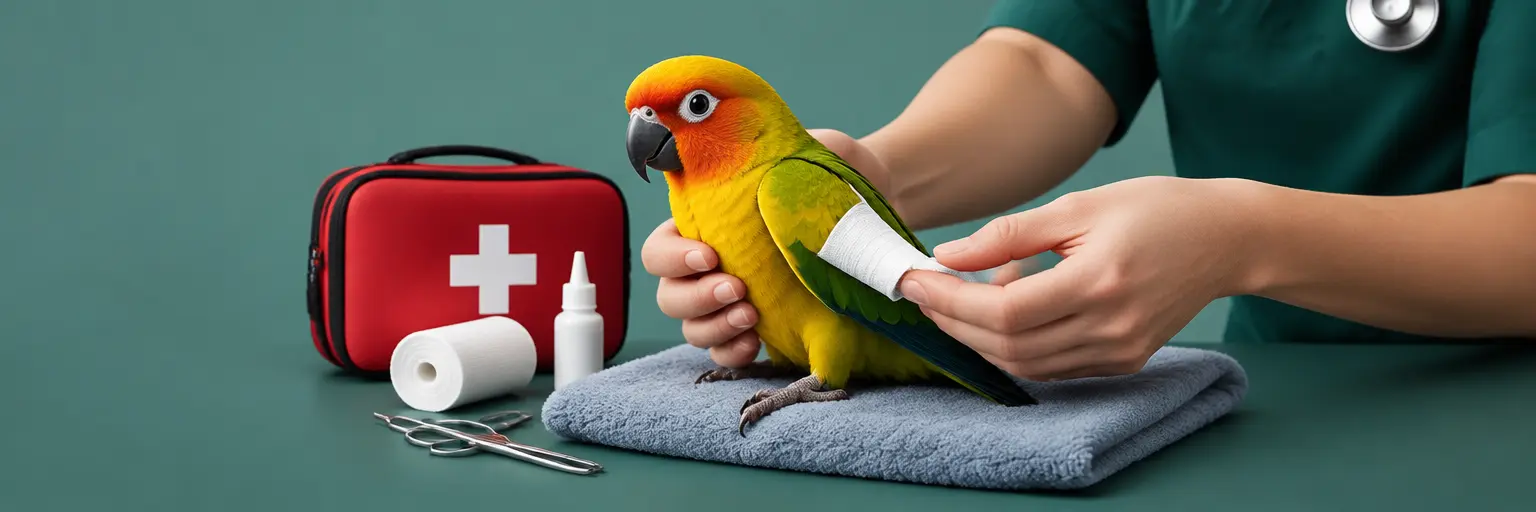
When a feathered friend faces a sudden health crisis, knowing the right steps can be the difference between life and tragedy. Our guide to bird emergency situations and first aid equips you with critical, life-saving skills to handle accidents, sudden illness, or injuries with confidence and calm. 🚨 Discover how to recognize early warning signs like breathing distress, bleeding, or egg binding, and learn immediate, safe interventions before reaching an avian vet. We cover essential topics such as stabilizing a shocked bird, performing basic wound care, and creating a portable emergency kit. Your quick, informed action is vital for reducing pain and preventing further harm. With our expert-backed advice, you’ll transform fear into preparedness, ensuring your beloved companion receives the best possible chance for a swift recovery. 🐦💚

😊 Witnessing your bird losing consciousness is terrifying. PetCareWorld provides crucial emergency steps to take when faced with this life-threatening avian emergency,…
Read article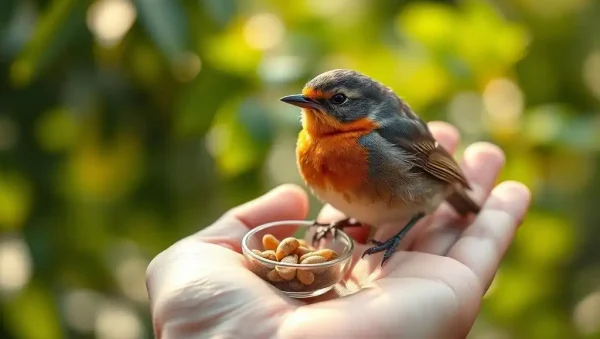
😊 Discover crucial steps for injured bird emergency feeding. PetCareWorld guides you on safe, appropriate foods to provide temporary sustenance while seeking…
Read article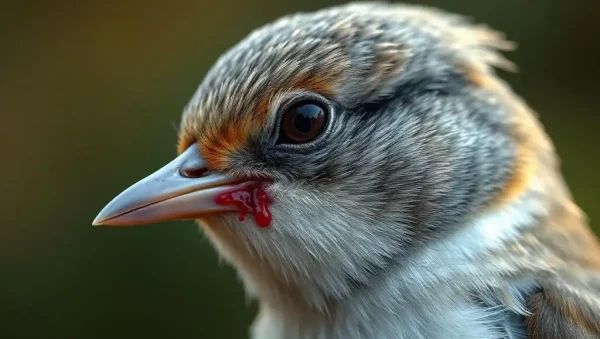
🐦 Suspect bird head trauma? PetCareWorld's expert guide provides crucial first aid instructions and monitoring protocols to help you assess and treat…
Read articleWhen your feathered friend faces a sudden health crisis, every second counts. Birds are masters at hiding illness, so knowing how to identify an emergency and perform basic first aid can mean the difference between life and death. This comprehensive guide covers critical bird emergency scenarios, from bleeding and choking to poisoning and egg binding. You will learn to stay calm, act decisively, and administer safe, effective care before reaching an avian veterinarian, giving your beloved companion the best possible chance of recovery.
Birds instinctively mask weakness, so you must be adept at spotting subtle signs of distress. Critical red flags include sudden lethargy, fluffed feathers for over a few hours, open-mouth breathing, bleeding, inability to perch, seizures, or a drop in droppings. A bird that is quiet, hunched, and refusing food for more than 12 hours is an emergency. Changes in vocalization, such as screaming or abnormal silence, also warrant immediate attention. Never adopt a “wait and see” approach with these symptoms—delayed care often turns a treatable condition into a fatal one. Rapid intervention is always your best tool.
Every bird owner must have a dedicated, well-stocked first aid kit. Your kit should include styptic powder or cornflour to stop minor bleeding, sterile gauze, medical tape, and cotton swabs. Add antiseptic solution like chlorhexidine (diluted), a small flashlight for examining, and a pair of blunt scissors. Crucially, include activated charcoal for suspected poisoning (with veterinary guidance) and a clean, small container with a heating pad for shock. A critical item is a tube of water-based lubricant for egg binding or crop issues. Store everything in a labeled, accessible box, and check expiration dates monthly. Being ready removes panic during a crisis.
For a bleeding wound, apply firm pressure with sterile gauze for several minutes until clotting occurs. If blood is coming from a blood feather (a new, growing feather), pull the feather straight out from the base with tweezers to allow the follicle to close. For broken wings or legs, do not attempt to realign bones—instead, gently wrap the bird in a soft towel to immobilize the limb and transport immediately. Use a small cardboard box with air holes for safe transport. Never apply human ointments like Neosporin unless specifically approved by an avian vet, as they can be toxic. Always prioritize minimal stress and quiet, dark conditions during transport.
If your bird is choking, carefully check for a visible blockage in the throat and attempt to dislodge it with gentle, downward pressure on the crop—never push objects deeper. For poisoning, identify the substance and call a poison control center or avian vet immediately; do not induce vomiting unless directed. Administer activated charcoal only if advised. For heatstroke, move the bird to a cooler area, gently mist with lukewarm water (never cold), and offer small sips of water. Do not put them directly in ice water, as this can cause shock. Rapid cooling is vital, but gradual is safer. Always monitor breathing and heart rate throughout.
Shock is a silent killer. Signs include listlessness, closed eyes, and rapid breathing. Place the bird in a quiet, warm (85-90°F), dimly lit enclosure and minimize handling. Offer a shallow dish of water but do not force feed. For egg binding, a female straining with a swollen abdomen needs immediate veterinary help; you can provide a steamy bathroom atmosphere to ease passage. For breathing distress, keep the bird calm, avoid stress, and provide humidified air or gently hold near a gentle steam source for a few minutes. Never force fluids. Always stabilize then transport promptly. Do not use over-the-counter medications without vet approval.
Use a small, well-ventilated carrier lined with a soft towel for safe transport. Keep the cage dark and quiet to reduce stress, and maintain warmth with a heating pad set to low under half the enclosure. Never use a water dish during transport; offer droplets via a syringe instead. Monitor your bird continuously for breathing or color changes. After veterinary treatment, follow the aftercare plan meticulously, including medications, dietary changes, and rest periods. Provide a quiet recovery area away from other pets and household noise. Watch for signs of relapse or secondary infection, and schedule follow-up visits as recommended. Your vigilance is the cornerstone of successful recovery.
Bleeding from a broken blood feather is very common, especially during wing trims or accidents. Other frequent emergencies include sudden lethargy from hypothermia, ingestion of toxic foods like avocado or chocolate, and respiratory distress from airborne toxins like Teflon fumes. Having a first aid kit ready and knowing the vet’s emergency line is critical for any of these scenarios.
Absolutely never. Human drugs like ibuprofen, acetaminophen, or aspirin are highly toxic to birds and can cause kidney failure, liver damage, or rapid death. Only use medications specifically prescribed by an avian veterinarian. For pain or stress, focus on environmental management—warmth, quiet, and minimal handling—until professional help is available.
Grasp the broken feather firmly near the skin surface with tweezers or hemostats. Pull it straight out in the direction of growth with one steady motion. This removes the vessel’s core, allowing the follicle to constrict and clot. Apply gentle pressure with cornflour or styptic powder if bleeding continues. If bleeding persists beyond a few minutes, seek veterinary help immediately.
Immediately place the bird in a steamy bathroom (run a hot shower) for 15-20 minutes to help relax the muscles. Provide a shallow warm water dish for soaking. Gently lubricate the vent with a water-based gel like KY jelly. Do not force eggs. If no progress within 30-60 minutes, locate an emergency avian vet or after-hours facility.
Activated charcoal can absorb toxins, but it is not universally safe. Only administer if you are certain the bird ingested a poison and a veterinarian or poison control has instructed you. Incorrect dosing can cause dehydration or aspiration. Additionally, charcoal is ineffective against corrosive substances like caustic cleaners. Always call your vet before dosing.