
Emergency Bird Feeding: What to Offer an Injured Bird

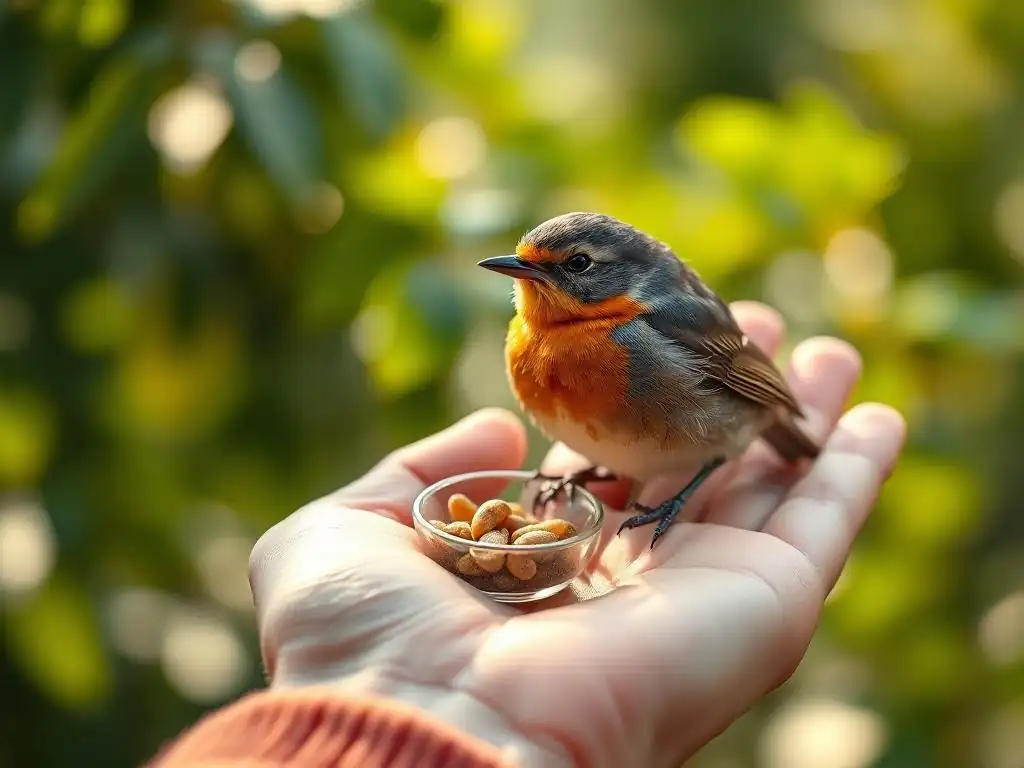
Welcome to PetCareWorld, your ultimate guide to responsible and informed pet ownership! Are you facing a heartbreaking situation with an injured bird? Discover crucial information on injured bird emergency feeding in our comprehensive guide, providing vital steps to help your feathered friend through a crisis. Learn what to offer an injured bird and how to increase its chances of survival. Don't wait – your timely action could make all the difference. Explore our expert advice and empower yourself to provide the best possible care.
- Assessing the Injured Bird: Initial Steps Before Emergency Feeding
- Emergency Bird Feeding: Suitable Foods and Liquids
- Administering Food and Water to an Injured Bird
- When to Seek Professional Veterinary Care for Injured Birds
- Post-Emergency Care and Bird Rehabilitation
- Preventing Future Bird Injuries
- Frequently Asked Questions
- Final Reflection: A Wing and a Prayer: Extending Compassion in Times of Need
- Ready to Help Our Feathered Friends?
Assessing the Injured Bird: Initial Steps Before Emergency Feeding
Finding an injured bird can be distressing, but swift and appropriate action can significantly improve its chances of survival. Emergency bird feeding is a crucial aspect of providing immediate care, but it's essential to understand that this is only part of the rescue process. Before you even consider what to feed the bird, you must first assess its condition and provide a safe environment.
This article will guide you through the initial steps, focusing on the critical procedures before offering any food, ensuring you provide the best possible care for the injured avian friend. Remember, acting quickly and calmly is vital in these situations. Improper handling or feeding can exacerbate injuries or cause further stress, potentially hindering recovery.
This guide focuses specifically on emergency feeding protocols for injured birds, providing crucial information for pet owners and bird enthusiasts alike who may encounter this situation. We will cover determining injury severity, identifying species for appropriate dietary needs, and establishing a safe environment—all crucial before any feeding attempt.
Determining the Severity of the Injury
Before attempting to feed an injured bird, it's crucial to assess the severity of its injuries. This will inform your next steps and determine the urgency of veterinary intervention. Look for obvious signs of trauma such as:
- Bleeding: Note the location and amount of bleeding. Severe bleeding requires immediate attention.
- Broken bones or wings: Gentle observation can reveal broken bones or wings that are visibly deformed or hanging limp. Avoid unnecessary handling in these cases.
- Head injuries: Head injuries are often serious and require immediate veterinary care. Look for bleeding from the beak, eyes, or ears, or any signs of disorientation or neurological impairment.
- Shock: Signs of shock include lethargy, weakness, rapid breathing, and pale comb or wattles (if applicable).
- Visible wounds: Note the location and extent of any visible wounds.
The severity of the injury will dictate the urgency of professional veterinary care. Minor injuries might allow for temporary home care while awaiting veterinary assistance, while severe injuries require immediate transport to a wildlife rehabilitator or avian veterinarian. Remember, even seemingly minor injuries can lead to complications if left untreated. 🐦
Identifying the Bird Species for Specific Dietary Needs
Knowing the bird species is paramount for appropriate emergency feeding. Different bird species have vastly different dietary requirements. Attempting to feed an insectivorous bird seeds, or vice-versa, could be harmful or even fatal. If possible, try to identify the bird using a field guide or online resources. Note key features like size, color, beak shape, and plumage. This information is crucial to determine the type of food that is both safe and beneficial. For example:
- Seed-eating birds (e.g., finches, sparrows): Small seeds like millet or canary seed can be offered.
- Insectivorous birds (e.g., flycatchers, warblers): Small insects, mealworms, or commercially available insectivore diets are appropriate choices.
- Fruit-eating birds (e.g., some parrots, hummingbirds): Small amounts of ripe, soft fruits might be suitable, but caution is advised as some fruits can be toxic.
Without knowing the species, providing the wrong food can be detrimental. If identification is impossible, offer a small amount of a bland, easily digestible food like a mixture of cooked oatmeal and water, but prioritize getting the bird to a professional for proper identification and care as soon as possible.
Providing a Safe and Quiet Environment
Once you've assessed the bird's condition, create a safe and quiet environment. This is crucial for reducing stress and promoting healing. Use a small, well-ventilated box or carrier lined with soft, absorbent material like a clean towel or paper towels. Keep the environment dark and quiet to minimize stimulation.
Avoid sudden movements or loud noises that could further frighten or stress the bird. The key is to provide a calm and secure space where the bird can rest and recover before any feeding attempts are made. Remember, a calm and stress-free environment is just as important, if not more so, than the food itself in these initial stages. Prioritize a safe space before attempting any feeding.
Emergency Bird Feeding: Suitable Foods and Liquids
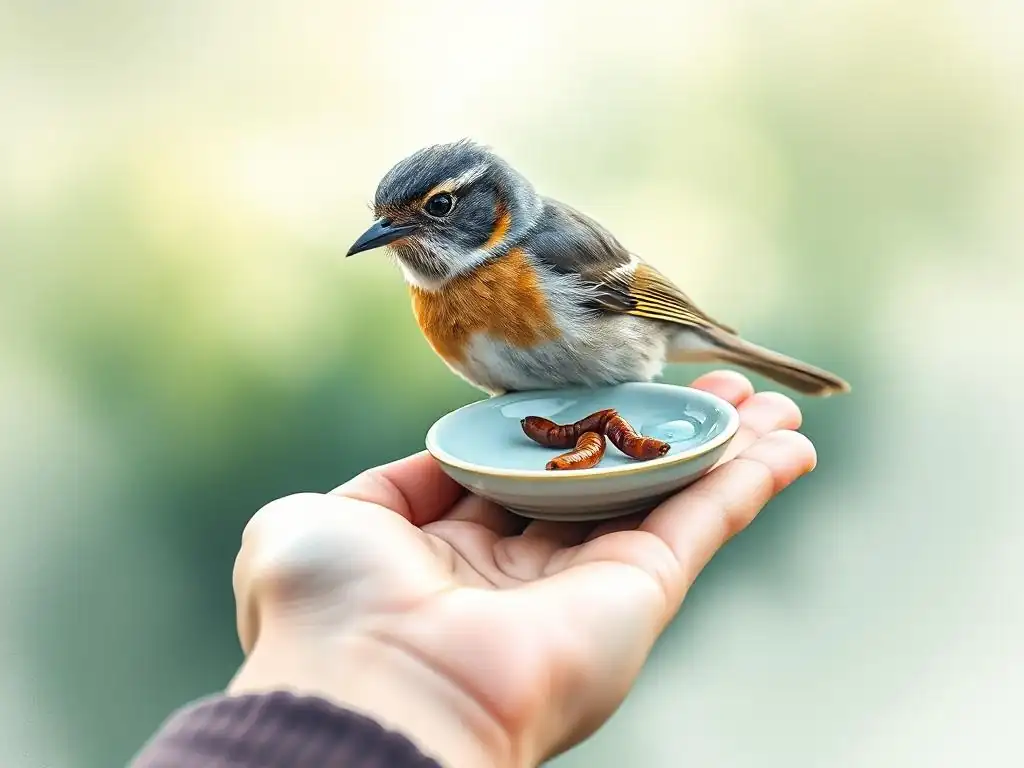
Providing sustenance to an injured bird is a crucial aspect of its recovery. The type and amount of food offered will depend heavily on the bird's species and size. Remember, this is emergency feeding; a veterinarian's assessment and care are paramount for long-term health. Incorrect feeding can exacerbate an already delicate situation, so proceed with caution and seek professional veterinary advice as soon as possible.
The goal here is to provide enough energy to stabilize the bird until professional help arrives. This section focuses on immediate, temporary feeding solutions for injured birds. Improper nutrition can delay healing and worsen the bird's condition, so accurate identification of the species is important, if possible, to tailor feeding appropriately. The keywords "injured bird emergency feeding" and "emergency bird care" are crucial for finding this information quickly.
Providing Water: Crucial Hydration for Injured Birds
Dehydration is a significant threat to injured birds. Providing access to clean water is often the most immediate and important step in emergency care. Avoid using tap water, as the chlorine and other chemicals can be harmful. Instead, use bottled spring water or filtered water. The method of water delivery depends on the bird's condition and size.
- For small birds: A shallow dish filled with a small amount of water may suffice. Make sure the dish is stable and cannot easily tip over. Alternatively, a small eyedropper can be used to gently administer water drops directly into the bird's beak. This should be done carefully to avoid stressing the bird further.
- For larger birds: A small, shallow bowl or a similar container is appropriate. Again, stability is crucial to prevent spills and drowning. You might also consider a syringe without a needle for controlled hydration.
Remember, even a small amount of clean water can significantly improve an injured bird's chances of survival. Observe the bird closely for signs of dehydration, such as sunken eyes or lethargy. If the bird refuses water, seek veterinary assistance immediately. Consistent monitoring of hydration is key for "injured bird emergency feeding".
Suitable Foods for Small Birds: Seeds, Fruits, and Insects
Small birds have high energy requirements and need a nutrient-rich diet. Suitable emergency foods include:
- Seeds: Small, soft seeds like canary seed, millet, or finely crushed sunflower seeds are good options. Avoid large, hard seeds that might be difficult to digest.
- Fruits: Soft, ripe fruits like berries (mashed or finely chopped) can provide essential vitamins and sugars. Avoid citrus fruits, which can be harmful.
- Insects: Finely chopped or mashed insects (mealworms, crickets) are excellent sources of protein, especially beneficial for insectivorous birds.
The amount of food offered should be small and frequent, rather than large infrequent meals. Observe the bird's eating habits and adjust accordingly. Overfeeding can be as harmful as underfeeding. Remember, this is a temporary solution until professional veterinary care is obtained. Finding the right balance is crucial for successful "injured bird emergency feeding."
Suitable Foods for Larger Birds: Pellets, Vegetables, and Fruits
Larger birds, such as parrots and cockatoos, have different dietary needs than smaller birds. Suitable emergency foods include:
- Pellets: High-quality bird pellets, softened with a small amount of water, are a good source of balanced nutrition. Choose a pellet specifically formulated for the bird's species if possible.
- Vegetables: Soft, cooked vegetables such as sweet potatoes, carrots, or peas (finely chopped) can supplement the diet. Avoid raw vegetables, as they can be difficult to digest.
- Fruits: Soft, ripe fruits similar to those recommended for smaller birds can be offered in small quantities.
Again, frequency and portion control are critical. Observe the bird's response to the food and adjust accordingly. If the bird shows signs of distress or refuses to eat, seek immediate veterinary attention. Successful "injured bird emergency feeding" requires careful observation and a balanced approach. Remember, this is a temporary measure; a veterinarian's assessment is vital for long-term care.
Avoiding Harmful Foods: Toxic Substances for Birds
Feeding an injured bird requires careful consideration, as many common household foods are toxic to avian species. Knowing what not to feed is just as crucial as knowing what to offer. Mistakes can have severe consequences, potentially worsening the bird's condition or even proving fatal. Avoid any foods containing caffeine, chocolate, alcohol, or avocado. These substances are highly toxic to birds and can cause organ damage, seizures, and even death. Even small amounts can be detrimental to a bird already weakened by injury.
The seemingly harmless onion and garlic family also pose a significant threat. These contain compounds that can damage a bird's red blood cells, leading to anemia and other serious health complications. Similarly, many common cooking ingredients like salt and sugar should be strictly avoided. Excessive salt intake can cause dehydration and electrolyte imbalances, while high sugar levels can lead to various metabolic disorders. Remember, a bird's digestive system is incredibly sensitive, and even small quantities of these substances can disrupt its delicate balance.
Furthermore, many common fruits and vegetables, while seemingly healthy for humans, can be harmful to birds. For example, while some fruits like berries are acceptable in moderation for healthy birds, they should be avoided in emergency situations as they can cause digestive upset in a compromised bird. Ripe fruits are particularly problematic due to their high sugar content. Focus instead on easily digestible, low-sugar options.
Finally, processed foods, such as bread, chips, and pastries, should be completely avoided. These offer little to no nutritional value and can cause gastrointestinal distress. The lack of essential nutrients, combined with the potential for harmful additives, makes them unsuitable for an injured bird needing immediate nourishment. Sticking to the recommended emergency foods will ensure you provide the best possible support during this critical time. Remember, when in doubt, consult an avian veterinarian for expert guidance. Their professional advice can help you make informed decisions that ensure the injured bird receives the proper care.
Administering Food and Water to an Injured Bird
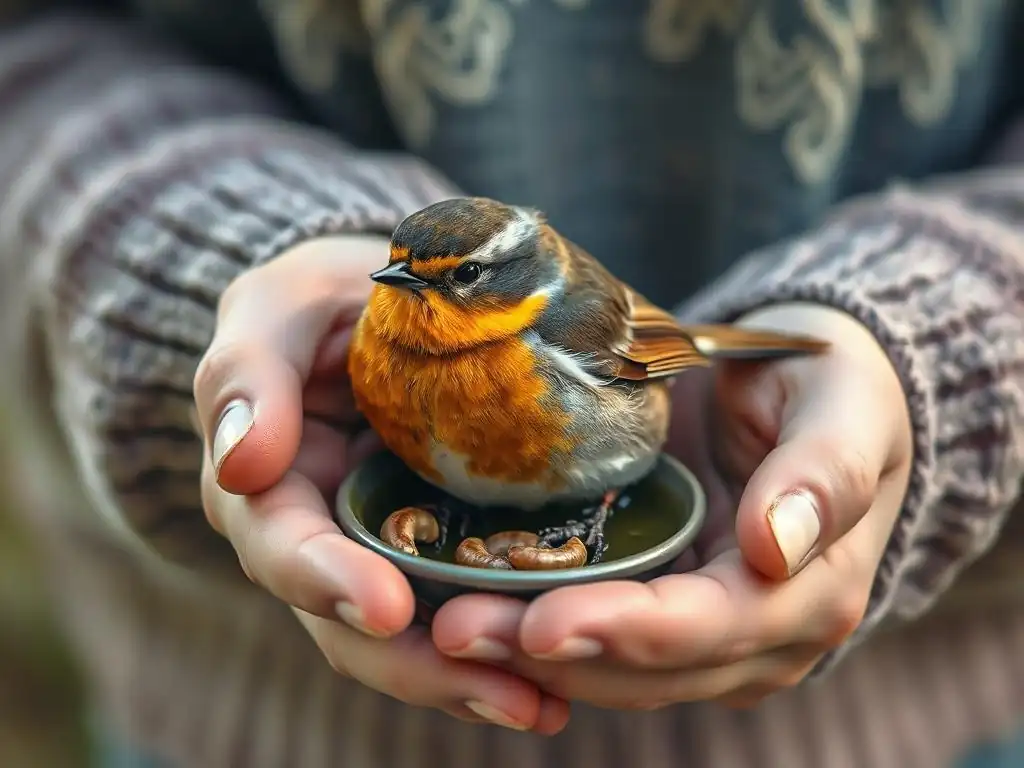
Providing immediate sustenance is crucial for an injured bird. Dehydration and lack of nutrition can quickly exacerbate injuries and compromise the bird's chances of survival. The type of food and water, and the method of administration, will depend on the bird's species, age, and the severity of its injuries. Remember, always prioritize gentle handling to avoid further trauma. This section focuses on the practical steps involved in providing food and water, emphasizing safety and efficiency. Improper handling can lead to additional stress and injury for the already vulnerable creature. Therefore, proceeding with caution and gentleness is paramount.
Safe Handling Techniques for Injured Birds
Before attempting to feed or water an injured bird, it's essential to handle it safely. Avoid sudden movements or loud noises that might frighten it further. The best approach often involves using a soft towel or blanket to gently restrain the bird. This prevents it from flapping its wings and potentially causing more harm to its injuries.
Always support the bird's body weight to prevent further injury to its wings, legs, or other delicate areas. If the bird is small, a soft, clean cloth can be used as a makeshift nest to keep it secure and calm. Larger birds might require more support, perhaps using a sturdy box lined with soft material.
Remember, the goal is to minimize stress and prevent further injury. Observe the bird carefully for signs of distress, such as rapid breathing or excessive trembling. If you observe such signs, pause your efforts and allow the bird to calm down before resuming.
Methods for Feeding a Weak or Injured Bird
Feeding methods vary greatly depending on the bird's species and condition. Small birds might accept food from a small spoon or a blunt-ended syringe, while larger birds might need a different approach. For seed-eating birds, a mix of high-quality seeds, soaked in warm water to soften them, can be offered. For insectivorous birds, finely crushed insects or commercially available insectivorous bird food is appropriate.
Never force-feed a bird; instead, gently offer food near its beak. If the bird is weak and unable to feed itself, you may need to use a syringe to administer the food directly into its mouth. It is important to monitor the bird's intake, adjusting the amount and frequency of feeding based on its response. Observe for signs of improvement, such as increased alertness and activity.
If the bird doesn't show any improvement after a few hours, seek professional veterinary assistance immediately. Remember to keep the bird warm and comfortable. A warm, dark place can help reduce stress and aid in recovery. The key here is patience and observation; small, frequent feedings are better than large infrequent ones.
Using Syringes for Emergency Bird Feeding
Syringes offer a controlled method for administering food and water to severely injured or weak birds. Use a small syringe (1-3 ml) with a blunt-ended needle or no needle at all. The solution should be a watery, easily digestible mixture, such as a prepared formula for baby birds or a very thin gruel of softened seeds and water. Gently insert the syringe into the corner of the bird's beak and slowly administer the liquid. Avoid pushing the syringe too far into the beak to prevent damaging the bird's throat.
Administer small amounts at a time, allowing the bird to swallow before giving more. Observe the bird closely for any signs of choking or distress. If the bird struggles, stop immediately and try again later. Always prioritize gentleness and patience. Using a syringe requires practice and a light touch.
If unsure, seek guidance from an avian veterinarian or experienced bird rescuer. Improper syringe usage can cause further harm, emphasizing the need for careful technique. Clean the syringe thoroughly after each use to prevent the spread of disease. Remember, this is an emergency measure, and professional veterinary care should be sought as soon as possible.
Frequency of Feeding: A Guide for Injured Birds
The frequency with which you feed an injured bird depends heavily on the bird's species, age, size, and the severity of its injuries. There's no one-size-fits-all answer, and attempting to establish a rigid schedule could be detrimental. Observe the bird closely; its behavior will be your best guide. A healthy, active bird will naturally exhibit more frequent feeding behaviors than a weak or injured one.
For instance, a small hummingbird, even when injured, might require feeding every 1-2 hours, as their metabolism is incredibly fast and they require constant energy replenishment. Larger birds, such as a robin or a crow, might only need feeding every 3-4 hours, or even less frequently if they show little appetite. However, if the bird seems lethargic or weak, more frequent, smaller feedings might be necessary to prevent exhaustion.
Remember, you're aiming for a balance. Overfeeding can lead to aspiration pneumonia, a potentially fatal condition, while underfeeding will weaken the bird further. A good rule of thumb is to offer food whenever the bird seems actively interested, but don't force it to eat. Always monitor the bird for signs of distress during and after feeding. If it appears to be struggling to breathe or becomes excessively agitated, immediately stop feeding and seek veterinary attention.
It's crucial to document the feeding times and the amount consumed. This detailed record will be invaluable for the veterinarian, providing them with crucial insights into the bird's condition and recovery progress. Maintaining a feeding log helps you track the bird's response to the food and allows for adjustments to the feeding schedule as needed. This careful monitoring is vital for the best possible outcome in handling injured bird emergency feeding. Don't hesitate to contact an avian veterinarian for personalized advice based on the specific bird and its injuries. Remember, patience and observation are key to successful rehabilitation.
When to Seek Professional Veterinary Care for Injured Birds
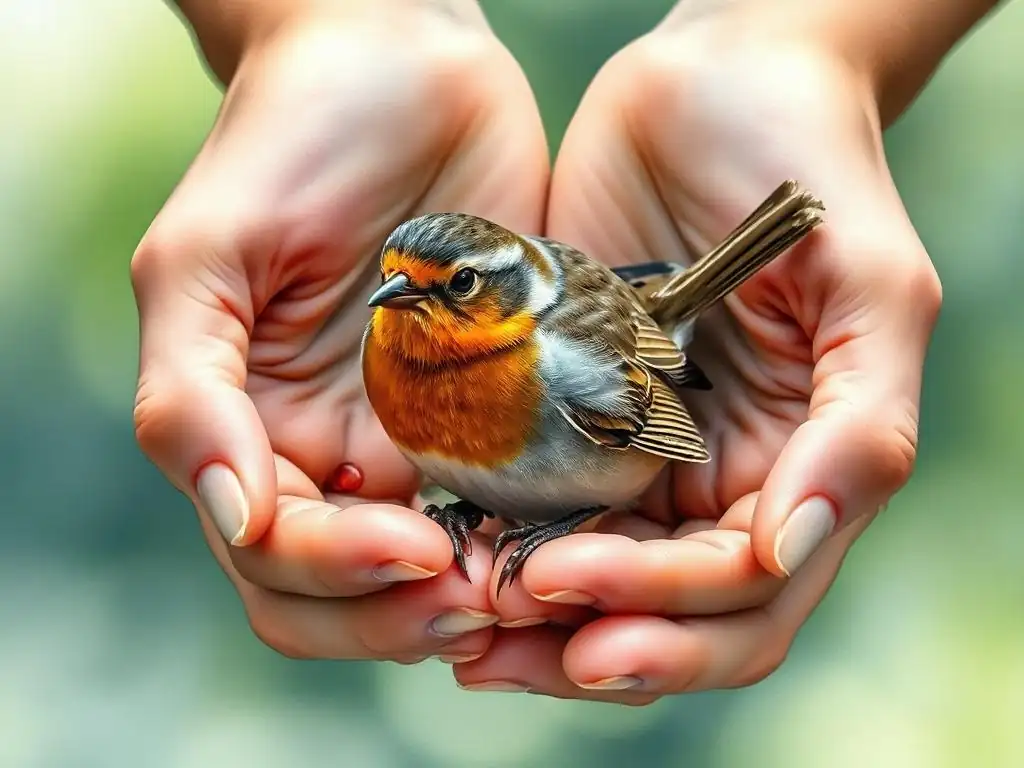
Determining when an injured bird needs immediate veterinary care can be challenging. While providing temporary emergency feeding is crucial, it's vital to understand the limitations of home care. This section outlines scenarios requiring immediate professional intervention, helping you make informed decisions about your injured feathered friend. Ignoring critical signs can lead to irreversible damage or even death. Remember, prompt veterinary attention significantly improves the bird's chances of survival and recovery. The key is to assess the severity of the injury and the bird's overall condition.
Recognizing Signs Requiring Immediate Veterinary Attention
Several indicators necessitate immediate veterinary intervention. These signs often point to serious injuries or conditions requiring specialized care beyond what you can provide at home. Don't hesitate to contact an avian veterinarian if you observe any of the following:
- Visible fractures or dislocations: Broken bones, wings, or legs require professional setting and stabilization.
- Severe bleeding: Uncontrolled bleeding can quickly lead to shock and death. While you can apply gentle pressure to minor wounds, profuse bleeding demands immediate veterinary attention.
- Head injuries: Head trauma can be particularly serious, potentially causing brain damage or internal bleeding.
- Respiratory distress: Difficulty breathing, gasping, or open-mouth breathing are critical signs indicating possible lung injury or other respiratory problems.
- Protruding internal organs: This is a life-threatening emergency.
- Seizures or paralysis: These neurological symptoms often indicate severe underlying conditions.
- Inability to stand or move: Paralysis or severe weakness can be indicative of various injuries or illnesses.
- Lethargy and unresponsive behavior: If the bird is unusually lethargic, unresponsive to stimuli, or exhibiting abnormal behavior, immediate veterinary care is necessary.
- Shock: Signs include pale comb or wattles (if applicable), weak pulse, and rapid breathing.
Remember, even seemingly minor injuries can have serious underlying consequences. Err on the side of caution and seek veterinary help if you are unsure about the bird's condition. Early intervention can significantly improve the outcome.
Finding an Avian Veterinarian: Resources and Recommendations
Locating an avian veterinarian proficient in treating injured birds is crucial for successful treatment. Unlike general veterinarians, avian vets possess specialized knowledge and experience in avian anatomy, physiology, and diseases. Finding the right specialist can be the difference between life and death for your injured bird.
Here are some resources you can utilize to find a qualified avian veterinarian:
- Association of Avian Veterinarians: This professional organization maintains a directory of avian veterinarians.
- Local animal shelters and wildlife rehabilitation centers: These facilities often have partnerships with avian vets.
- Online search engines: Search for "avian veterinarian near me" or specify your location for more targeted results.
When contacting potential avian veterinarians, inquire about their experience treating injured birds, their treatment protocols, and their availability. It is also beneficial to ask about their success rate in treating similar cases. Choosing the right avian veterinarian is a critical step in ensuring your injured bird receives the best possible care.
Post-Emergency Care: Continuing Bird Feeding and Monitoring
Once the immediate emergency is addressed, either through home care or veterinary intervention, consistent monitoring and proper feeding remain vital for the bird's recovery. Even after the initial crisis is over, careful attention to the bird's needs is crucial for its continued health and well-being. This phase focuses on supporting the bird's recovery and preventing further complications.
This includes:
- Continued specialized feeding: The type of food and feeding frequency will depend on the bird's species and the severity of its injuries. Veterinary guidance will be essential.
- Maintaining a clean and safe environment: A clean and stress-free environment is crucial for recovery. This involves regular cage cleaning, appropriate temperature regulation, and minimizing disturbances.
- Regular monitoring: Closely observe the bird for any changes in behavior, appetite, or physical condition. Note any signs of infection, such as swelling, discharge, or lethargy. Document these observations to share with the veterinarian.
- Follow-up veterinary appointments: Attend all scheduled follow-up appointments with the avian veterinarian to monitor the bird's progress and receive any necessary adjustments to the treatment plan.
Remember, the recovery process can take time, and patience is essential. By providing diligent care and consistent monitoring, you can significantly contribute to the bird's full recovery. This ongoing commitment to the bird's well-being is crucial for a positive outcome.
Post-Emergency Care and Bird Rehabilitation
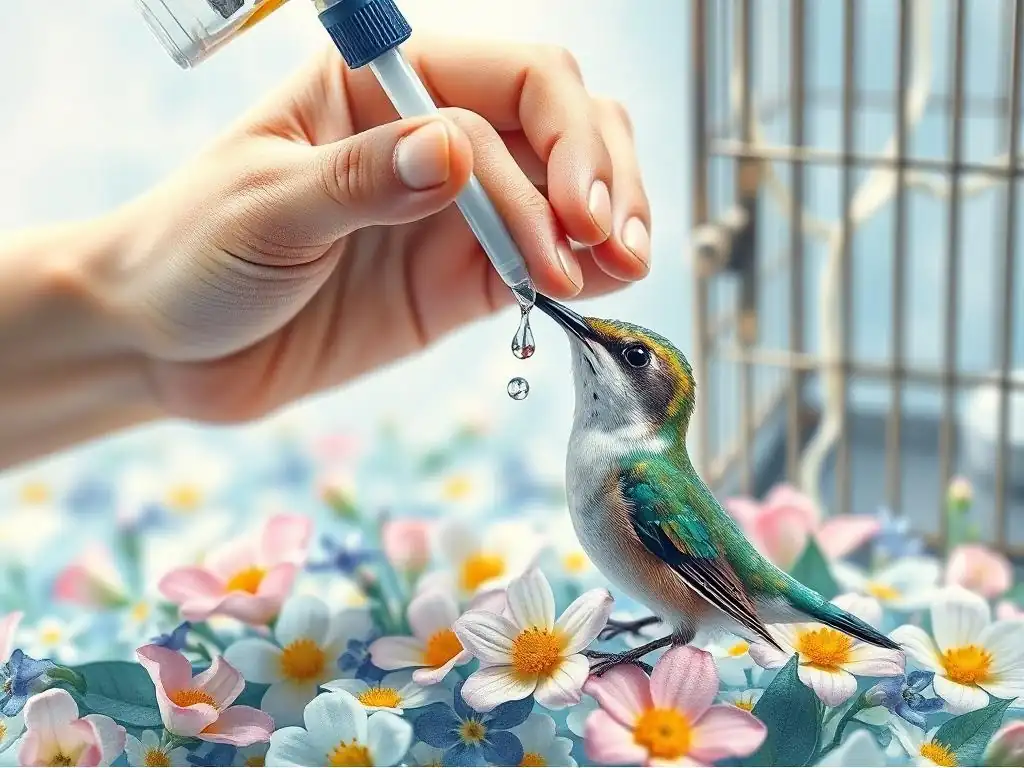
After providing initial emergency feeding to an injured bird, the focus shifts to post-emergency care and rehabilitation. This crucial phase determines the bird's chances of a full recovery. Successful rehabilitation requires a gradual transition back to a normal diet, close monitoring for signs of recovery, and the creation of a supportive environment that minimizes stress and promotes healing. This process can be lengthy, demanding patience and consistent care. Remember, even with the best care, some injuries may have lasting consequences.
Gradual Transition to a Normal Diet
Once the injured bird is stabilized and accepting food, the next step involves a gradual transition back to its regular diet. Sudden changes can cause digestive upset and hinder recovery. The transition should be slow and methodical, introducing the bird's usual food gradually over several days or even weeks, depending on the severity of the injury and the bird's response.
For example, if the bird normally eats a seed mix, start by offering a small amount of the emergency food alongside a tiny portion of the seed mix. Increase the proportion of the seed mix progressively, carefully observing the bird's reaction. If any digestive issues arise, such as diarrhea or regurgitation, reduce the amount of the new food and revert to a higher ratio of the emergency food for a few days before trying again. This careful approach minimizes the risk of complications.
Remember to always consult an avian veterinarian for specific dietary recommendations based on the bird's species and condition. They can provide tailored advice on the best way to transition your bird back to its normal diet, avoiding any potential health problems. Detailed records of food intake and droppings can be invaluable for the vet.
Monitoring for Signs of Recovery
Continuous monitoring is essential throughout the rehabilitation period. Regularly observe the bird for signs of improvement or deterioration. Look for increased alertness, improved appetite, increased activity levels, and cleaner feathers. Weigh the bird daily to track weight gain, a crucial indicator of successful recovery. A consistent weight indicates proper nourishment; weight loss suggests a problem requiring veterinary attention.
Pay close attention to the bird's droppings. Changes in consistency, color, or frequency can signal underlying health issues. For instance, watery droppings might indicate digestive problems, while unusually pale droppings could suggest liver issues. Keep a detailed log of the bird's droppings, noting any unusual characteristics. This information is extremely valuable for veterinary assessment. Note also any changes in behavior, such as increased vocalizations, interaction with its environment, or attempts to preen its feathers. These subtleties can indicate progress in the bird's recovery. Early detection of setbacks allows for timely intervention, improving the chances of a successful outcome. 🐦
Supporting Bird Rehabilitation: Creating a Supportive Environment
Creating a calm and supportive environment is crucial for the injured bird's recovery. Minimize stress by providing a quiet, dark, and secure cage. Avoid sudden movements or loud noises near the cage. Ensure the cage is clean and free from drafts. The temperature should be appropriate for the bird's species; a slightly elevated temperature might be beneficial in the initial stages of recovery. The cage should be large enough to allow for some movement but not so large as to be overwhelming for a weakened bird.
Consider providing enrichment activities appropriate for the bird's condition. These could include gentle music, soft lighting, or safe toys that don't require excessive exertion. However, avoid overstimulation. The goal is to provide comfort and a sense of security, not to overwhelm the bird with activity. The environment should promote rest and healing. Remember that a quiet, comfortable environment is essential for the bird to focus its energy on recovery rather than stress. A clean, comfortable space contributes significantly to a successful rehabilitation. Regular cleaning of the cage is crucial for maintaining hygiene and preventing the spread of infection.
Preventing Future Bird Injuries
Preventing bird injuries is crucial for ensuring the well-being of your feathered friends. Proactive measures significantly reduce the likelihood of emergency situations requiring "injured bird emergency feeding" or other interventions. By understanding common causes and implementing preventative strategies, you can create a safer environment for your birds and minimize the risk of accidents.
Common Causes of Bird Injuries and How to Prevent Them
Bird injuries can stem from various sources, many of which are preventable. Common causes include:
- Window Collisions: Birds often fail to see glass windows, leading to fatal or serious injuries. Solutions include placing decals, stickers, or netting on windows to make them more visible to birds. Consider using patterned window films or hanging bird feeders away from windows to further reduce collision risk. Data from the American Bird Conservancy suggests that window collisions are a major cause of bird mortality, highlighting the importance of preventative measures.
- Predator Attacks: Cats, dogs, and other predators pose a significant threat to birds, both outdoors and sometimes even indoors if not properly supervised. Keeping cats indoors, using bird-safe enclosures for outdoor aviaries, and securing windows and doors can significantly reduce the risk of predation. Regularly inspect your bird's environment for potential entry points for predators.
- Improper Handling: Incorrect handling can result in broken wings, legs, or other injuries. Learn proper techniques for handling your bird, and always approach them calmly and gently. Avoid sudden movements that might startle them. Gentle handling is key to avoiding accidental injuries.
- Toxic Substances: Many household items are toxic to birds, including certain cleaning products, pesticides, and even some cooking ingredients like chocolate or avocado. Keep these substances securely stored away from your bird's reach. Research thoroughly to identify potentially harmful household items. A comprehensive list of toxic substances for birds is available from several avian veterinary organizations (information pending).
- Internal Injuries from Ingesting Foreign Objects: Birds might attempt to eat small objects, leading to internal injuries or blockages. Regularly inspect their cage for anything they could potentially ingest and ensure that any toys are appropriately sized and durable.
Creating a Bird-Safe Environment at Home
Creating a bird-safe environment is paramount in preventing injuries. This involves several key steps:
- Secure Cages: Ensure your bird's cage is sturdy, secure, and free from any hazards. Check for any loose wires, sharp edges, or potential escape routes regularly. The cage should be large enough to accommodate your bird's natural movement and activities.
- Toy Safety: Regularly inspect toys for damage or small parts that could be ingested. Replace worn-out or damaged toys immediately. Opt for toys made from natural, non-toxic materials whenever possible.
- Proper Lighting: Provide adequate lighting for your bird's species-specific needs, but avoid placing the cage in direct sunlight, which can cause overheating. Natural light is beneficial, but regulated sunlight exposure is essential.
- Temperature Control: Birds are highly sensitive to temperature fluctuations. Maintain a consistent temperature within their comfortable range. Extreme temperatures can cause stress and weaken their immune systems, making them more susceptible to illness and injury.
Understanding the Importance of Bird First Aid Knowledge
Knowing basic bird first aid is crucial. Even with preventative measures in place, accidents can happen. Familiarize yourself with the signs of injury in birds, such as bleeding, broken bones, labored breathing, or unusual behavior. Prompt intervention can significantly improve a bird's chances of survival. Knowing what constitutes an emergency, like the need for "injured bird emergency feeding," will help you act quickly and effectively.
Consider taking a bird first aid course or consulting with an avian veterinarian to learn essential skills. Early intervention is critical in many bird injury cases. The quicker you can provide appropriate care, the higher the chances of a full recovery. Remember, swift action can make all the difference in an emergency situation. Preparedness is key to handling injured birds effectively and minimizing long-term consequences.
Frequently Asked Questions
What should I do if I find an injured bird?
First, assess the situation carefully and prioritize your own safety. Then, gently contain the bird in a dark, quiet box and contact a local wildlife rehabilitator or veterinarian immediately.
What should I feed an injured bird?
Do not attempt to feed the bird yourself unless instructed by a professional. Improper feeding can be harmful or fatal. A wildlife rehabilitator will know the appropriate food and method.
Can I give an injured bird water?
Offering small amounts of clean water using an eyedropper might be acceptable in some emergency situations, but only if the bird is visibly dehydrated. Always prioritize professional help.
What kind of food is suitable for emergency bird feeding?
Only a wildlife rehabilitator can determine the appropriate food. Never attempt to guess; well-intentioned attempts can cause further harm.
Where can I find a wildlife rehabilitator near me?
Search online for "[your location] wildlife rehabilitator" or contact your local animal control or veterinary clinic. They can provide you with contact information and resources.
Final Reflection: A Wing and a Prayer: Extending Compassion in Times of Need
The plight of injured birds is a stark reminder of our interconnectedness with the natural world, a responsibility we often overlook until confronted with a creature in distress. Seeing a bird struggling, injured and alone, forces us to confront our capacity for empathy and action. It highlights the fragility of life and the urgent need for intervention when we witness suffering.
The simple act of offering sustenance to an injured bird, as detailed in this article, transcends mere practicality; it becomes a powerful symbol of our connection to the wider ecosystem. It's a moment where we can choose compassion over indifference, a choice that resonates far beyond the immediate act of feeding. The true measure of a man is how he treats someone who can do him absolutely no good.
– Samuel Johnson. This quote, while not directly about birds, speaks to the core principle of extending kindness even when there is no personal gain. The impact of our actions, however small they may seem, ripples outwards, influencing our own understanding of responsibility and the world around us.
Now, consider the injured bird you might encounter. Will you turn away, or will you pause, observe, and offer help according to the guidelines provided? Remember the power of small acts of kindness. By learning how to appropriately assist an injured bird, you are not only saving a life, but also cultivating a deeper appreciation for the natural world and your place within it. Let this article serve as a guide, a reminder that even in the face of seemingly insurmountable challenges, compassion and knowledge can make a profound difference.
Ready to Help Our Feathered Friends?
Thank you for learning how to help injured birds! You've gained valuable knowledge that can make a real difference. Now let's put it to use.
- Prioritize immediate care: If you find an injured bird, carefully assess the situation, provide a safe, quiet place, and offer suitable food and water. This is your first opportunity to save a life!
- Share your knowledge: Tell your friends, family, and neighbors how to help injured birds. You never know when someone might encounter a bird in need.
- Support a local wildlife rehabilitation center: These vital organizations rely on donations to provide the expert care birds require for recovery.
What will you do today to help birds in need?