
Feather Plucking in Cockatoos: Specific Challenges and Effective Strategies

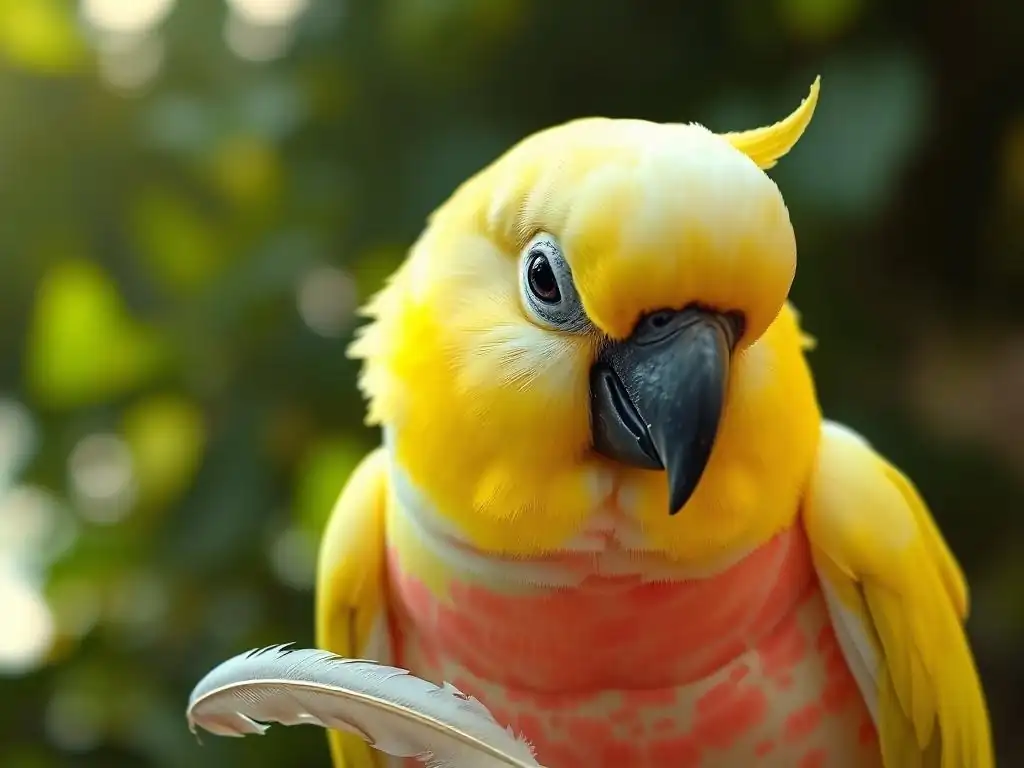
Welcome to PetCareWorld, your ultimate guide to a happier, healthier life for your beloved companion animals! Are you concerned about your cockatoo's feathers? We delve into the specific challenges and effective strategies for tackling cockatoo feather plucking solutions in our latest in-depth guide. Discover the secrets to understanding and addressing this common problem, and unlock the path to a more vibrant and content feathered friend. Explore our wealth of expert advice and practical solutions now – your journey to better pet care starts here!
-
Understanding Cockatoo Feather Plucking: Causes and Contributing Factors
- Identifying the Signs of Feather Destructive Behavior in Cockatoos
- Underlying Medical Conditions Leading to Feather Plucking in Cockatoos
- Nutritional Deficiencies and Their Impact on Cockatoo Feather Health
- Environmental Stressors and Their Role in Feather Plucking
- Behavioral Issues Contributing to Cockatoo Feather Plucking: Boredom and Lack of Stimulation
-
Effective Strategies for Addressing Cockatoo Feather Plucking: A Holistic Approach
- Veterinary Examination and Diagnosis: The First Step in Treatment
- Nutritional Adjustments for Improved Feather Quality and Growth
- Environmental Enrichment to Reduce Stress and Boredom in Cockatoos
- Behavioral Modification Techniques for Cockatoo Feather Plucking
- Medications and Supportive Therapies for Severe Cases of Feather Plucking
-
Preventing Cockatoo Feather Plucking: Proactive Measures for a Healthy Bird
- Creating a Stimulating and Enriching Environment for Your Cockatoo
- Providing Adequate Social Interaction and Companionship
- Implementing a Balanced and Nutritious Diet for Your Cockatoo
- Regular Veterinary Checkups for Early Detection of Potential Problems
- Recognizing and Addressing Behavioral Changes Promptly
- Cockatoo Feather Plucking Solutions: Case Studies and Success Stories
- Long-Term Management of Cockatoo Feather Plucking: Ongoing Care and Monitoring
-
Frequently Asked Questions
- Why is my cockatoo plucking its feathers?
- What are some effective strategies to stop feather plucking?
- How can I enrich my cockatoo's environment to reduce feather plucking?
- Are there any dietary changes that can help with feather plucking?
- When should I seek professional veterinary help for my cockatoo's feather plucking?
- Final Reflection: Understanding and Healing Feather Plucking in Cockatoos
- Unlock Your Cockatoo's Happy Feather Secrets
Understanding Cockatoo Feather Plucking: Causes and Contributing Factors
Cockatoo feather plucking, a distressing behavior where birds repeatedly pluck their feathers, presents a significant challenge for owners. This comprehensive guide delves into the multifaceted nature of this problem, exploring the various causes, contributing factors, and effective strategies for addressing it. Understanding the underlying reasons behind feather plucking is crucial for developing a tailored intervention plan that addresses the root cause and prevents recurrence.
We'll examine the behavioral, medical, and environmental factors that can trigger this self-destructive behavior in these intelligent and sensitive birds, ultimately empowering you to provide the best possible care for your feathered companion. This article focuses on providing solutions for cockatoo feather plucking, addressing a common concern among cockatoo owners and aiming to equip readers with the knowledge to effectively tackle this issue. We will explore various solutions and strategies, emphasizing the importance of a holistic approach that considers the bird's physical and psychological well-being.
Identifying the Signs of Feather Destructive Behavior in Cockatoos
Recognizing the early signs of feather plucking in cockatoos is paramount for timely intervention. While complete feather loss is a clear indicator, subtle signs often precede this stage. These can include:
- Increased preening: Excessive preening, beyond normal grooming behaviors, might be a precursor to plucking. Observe the intensity and duration of preening sessions.
- Feather breakage: Notice any broken or damaged feathers, particularly around the breast, neck, or head. These might be initial signs of self-harm.
- Changes in behavior: Increased irritability, lethargy, or changes in appetite can signal underlying stress or discomfort contributing to feather plucking.
- Bare patches: The appearance of small bare patches on the bird's body, especially in consistent locations, is a clear sign of feather plucking.
- Chewing or biting feathers: Direct observation of the bird actively chewing or pulling out its feathers is a definitive sign.
It's crucial to document these observations, noting the frequency, location, and severity of the feather plucking. This detailed record will be invaluable when consulting with an avian veterinarian. Remember, early detection significantly improves the chances of successful treatment and prevents further damage. Early intervention is key to minimizing long-term damage and improving your cockatoo's quality of life.
Underlying Medical Conditions Leading to Feather Plucking in Cockatoos
Feather plucking in cockatoos isn't always a behavioral issue; it can stem from underlying medical conditions causing discomfort or irritation. These conditions can range from:
- Parasites: Mites, lice, and other parasites can cause intense itching and discomfort, leading the cockatoo to pluck its feathers to alleviate the irritation.
- Skin infections: Bacterial or fungal infections can also cause significant itching and discomfort, prompting the bird to self-mutilate.
- Hormonal imbalances: Disruptions in hormone levels can manifest in various ways, including feather plucking.
- Nutritional deficiencies: While discussed in the next section, deficiencies can directly impact feather quality and health, contributing to plucking.
- Pain: Any underlying pain, whether from an injury or illness, can result in feather plucking as a way to cope with discomfort.
A thorough veterinary examination is essential to rule out any underlying medical conditions. Blood tests, fecal exams, and skin scrapings can help identify the cause and guide appropriate treatment. Treatment will vary depending on the underlying medical issue, but may involve medication, topical treatments, or dietary changes. Ignoring underlying medical conditions will only exacerbate the problem.
Nutritional Deficiencies and Their Impact on Cockatoo Feather Health
Nutritional deficiencies play a significant role in feather health and can directly contribute to feather plucking. Cockatoos require a balanced diet rich in:
- Protein: Essential for feather growth and repair. Deficiencies can lead to weak, brittle feathers, increasing the likelihood of plucking.
- Vitamins (A, D, E, K): Crucial for feather health and immune function. Deficiencies can weaken feathers and make them more susceptible to damage.
- Minerals (Calcium, Phosphorus, Zinc): These minerals are vital for feather structure and strength. Imbalances can lead to dull, brittle feathers.
A diet lacking in these essential nutrients can result in poor feather quality, making the bird more prone to plucking. Consult with an avian veterinarian or a certified avian nutritionist to ensure your cockatoo receives a balanced and appropriate diet. Supplementation might be necessary in some cases, but should always be done under professional guidance to prevent imbalances. Providing a diverse and nutritious diet is a crucial preventative measure and can help address existing feather plucking issues. Careful monitoring of your cockatoo's diet is essential for maintaining optimal feather health and preventing self-destructive behaviors.
Environmental Stressors and Their Role in Feather Plucking
Environmental factors play a significant role in triggering feather plucking in cockatoos. These intelligent and sensitive birds are highly susceptible to changes in their surroundings, and a stressful environment can manifest as self-mutilating behavior. For instance, a sudden change in household routines, the introduction of a new pet, moving to a new home, or even a change in the placement of their cage can all be significant stressors. The intensity of the lighting, noise levels, and even the temperature fluctuations within their environment can contribute to their anxiety and ultimately lead to feather plucking.
A common overlooked stressor is inadequate cage size. Cockatoos require ample space to express their natural behaviors, including climbing, playing, and foraging. Confinement in a small cage can lead to frustration, boredom, and ultimately, feather plucking as a way to cope with this restricted lifestyle. Similarly, lack of appropriate enrichment, such as toys, perches of varying textures, and opportunities for social interaction, can also contribute to stress and feather plucking.
A stimulating environment, rich in opportunities for exploration and play, is crucial for maintaining a cockatoo's mental and emotional well-being and preventing self-destructive behaviors like feather plucking. Providing a safe, secure, and enriching environment is paramount in preventing feather plucking in cockatoos. Regularly assessing and adjusting their environment to mitigate potential stressors is a proactive approach to cockatoo care. Remember, a happy and contented cockatoo is less likely to resort to feather plucking.
Behavioral Issues Contributing to Cockatoo Feather Plucking: Boredom and Lack of Stimulation
Cockatoos are highly intelligent and social creatures requiring significant mental and physical stimulation. Boredom and a lack of appropriate stimulation are significant contributors to feather plucking in these birds. Without sufficient mental engagement, cockatoos may become frustrated and resort to self-destructive behaviors, including feather plucking, as an outlet for their pent-up energy and frustration. This is particularly true for cockatoos kept in isolation or with insufficient interaction with their human companions. A lack of engaging toys and activities can lead to a monotonous existence, increasing the likelihood of feather plucking.
The consequences of boredom extend beyond feather plucking. It can also manifest as other behavioral problems, such as excessive screaming, aggression, and destructive chewing. Providing a variety of stimulating activities is crucial for preventing these behavioral issues.
This includes interactive toys that challenge their problem-solving skills, opportunities for foraging, and regular interaction with their owners through training sessions and playtime. Foraging toys, in particular, mimic their natural search for food and provide a satisfying outlet for their innate curiosity. Remember that providing opportunities for social interaction is also crucial.
Cockatoos thrive on social interaction and spending quality time with their human companions, engaging in activities like training and play, can significantly reduce boredom and prevent feather plucking. A well-stimulated cockatoo is a happy and healthy cockatoo, less prone to self-destructive behaviors. Investing time and effort in providing mental and physical stimulation is a crucial aspect of responsible cockatoo ownership and a key strategy for preventing feather plucking.
Effective Strategies for Addressing Cockatoo Feather Plucking: A Holistic Approach
This section delves into practical, evidence-based strategies for managing feather plucking in cockatoos. Remember, addressing this behavior requires a multifaceted approach, considering the bird's physical and psychological well-being. A successful intervention often involves a combination of veterinary care, dietary modifications, and environmental enrichment. Consistent effort and patience are key to achieving positive results in tackling cockatoo feather plucking solutions.
Veterinary Examination and Diagnosis: The First Step in Treatment
Before implementing any behavioral or environmental changes, a thorough veterinary examination is crucial. Feather plucking can stem from underlying medical conditions, such as bacterial or fungal infections, parasitic infestations (mites, lice), hormonal imbalances, or nutritional deficiencies. A vet can perform a complete physical exam, including a detailed assessment of the plucked areas, to rule out any underlying health issues.
This initial assessment is paramount in developing a tailored treatment plan. The vet might also recommend blood tests or skin scrapings to pinpoint the cause of the feather plucking. Early diagnosis and treatment of any underlying medical condition is essential to prevent further feather loss and improve the overall health of your cockatoo.
Ignoring potential medical causes and focusing solely on behavioral remedies could be detrimental to your bird's well-being. The veterinarian may also assess the severity of the feather plucking, classifying it based on the extent of feather loss and the areas affected. This information is vital for determining the appropriate course of action.
Nutritional Adjustments for Improved Feather Quality and Growth
Proper nutrition plays a vital role in feather health and growth. A diet deficient in essential vitamins, minerals, and amino acids can contribute to feather plucking. Cockatoos require a balanced diet consisting of high-quality pellets formulated specifically for cockatoos, supplemented with fresh fruits, vegetables, and occasional nuts and seeds in moderation. Avoid feeding processed foods, sugary treats, or foods high in fat, as these can negatively impact feather quality.
A veterinarian or avian nutritionist can help you create a tailored diet plan to address any specific nutritional deficiencies that may be contributing to the feather plucking. Consider incorporating foods rich in sulfur-containing amino acids, such as methionine and cysteine, which are crucial for feather keratin production. Examples include:
- Legumes: Lentils, peas, beans
- Seeds: Sunflower seeds (in moderation)
- Nuts: Almonds, cashews (in moderation)
Remember to always introduce new foods gradually to avoid digestive upset. Monitoring your cockatoo's weight and overall condition is crucial to ensure the nutritional plan is effective. Regular veterinary check-ups will aid in monitoring progress and making necessary adjustments to the diet. Detailed record-keeping of food intake and any observed changes in feather condition can be beneficial in tracking progress and identifying potential problems.
Environmental Enrichment to Reduce Stress and Boredom in Cockatoos
Environmental enrichment is a cornerstone of managing feather plucking in cockatoos. Boredom and stress are significant contributors to this behavior. Cockatoos are highly intelligent and social birds that require ample mental and physical stimulation. A stimulating environment should include:
- Plenty of toys: Rotate toys regularly to prevent boredom. Offer a variety of textures, shapes, and functions to keep your cockatoo engaged. Consider puzzle toys that require problem-solving skills.
- Opportunities for foraging: Hide food in toys or around the cage to encourage natural foraging behaviors. This replicates their natural environment and keeps them mentally stimulated.
- Social interaction: Cockatoos thrive on social interaction. Spend quality time with your cockatoo, interacting through play, training, and talking. Consider introducing a suitable companion bird under the guidance of an avian veterinarian.
- A spacious cage: A spacious cage allows for ample movement and exploration. The cage should be appropriately sized for the bird, allowing for comfortable movement and perching.
- Safe and stimulating environment: Ensure the cage is placed in a quiet, safe, and stimulating environment away from loud noises and sudden movements.
By providing a stimulating and enriching environment, you can significantly reduce stress and boredom, ultimately decreasing the likelihood of feather plucking. Regular observation of your cockatoo's behavior will help you identify what types of enrichment are most effective. Remember, consistent effort in providing a stimulating environment is crucial for long-term success in managing feather plucking. Documenting the types of enrichment provided and your cockatoo's response can help track progress and refine your approach. Consider consulting with an avian behaviorist for personalized guidance on environmental enrichment strategies.
Behavioral Modification Techniques for Cockatoo Feather Plucking
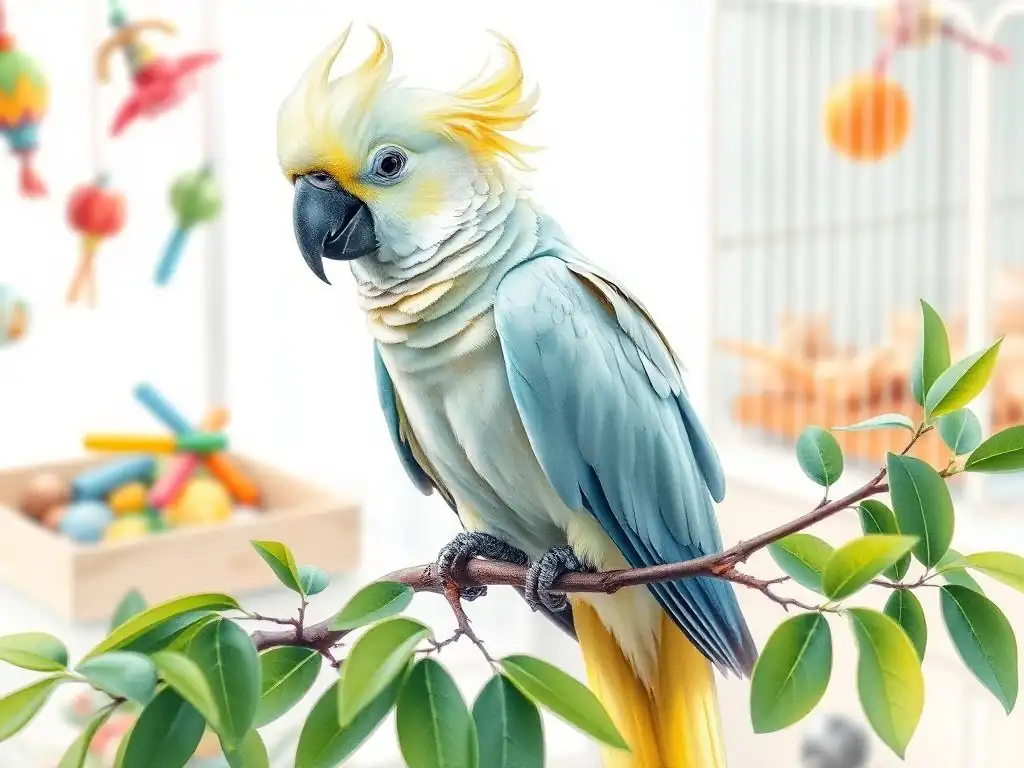
Addressing cockatoo feather plucking requires a multifaceted approach, and behavioral modification plays a crucial role. This isn't about simply punishing the bird; instead, it's about understanding and addressing the underlying causes of the behavior. Many cockatoos pluck their feathers due to stress, boredom, or underlying medical conditions. Therefore, a successful strategy focuses on enriching the bird's environment and providing positive reinforcement.
One effective technique involves creating a stimulating and engaging environment. This means providing ample opportunities for mental and physical exercise. Think puzzle toys that require problem-solving to access treats, foraging opportunities mimicking their natural search for food, and plenty of interactive playtime with their human companions. A bored cockatoo is a plucking cockatoo. Remember, these are highly intelligent birds requiring significant mental stimulation. The goal is to redirect their attention away from feather plucking and towards more positive behaviors.
Another key aspect is positive reinforcement training. Rewarding desired behaviors, such as preening normally or engaging with toys, helps reinforce these positive actions. Use positive reinforcement methods such as clicker training or rewarding with favorite treats. This strengthens the association between positive behaviors and rewards, making it more likely the bird will repeat those behaviors. Consistency is key; even small improvements should be celebrated and rewarded.
Remember to be patient; behavioral modification takes time and dedication. Avoid punishment, as this can worsen the problem and damage the bird's trust in you. The focus should always be on building a positive and trusting relationship. Consider consulting a certified avian veterinarian or a professional avian behaviorist for personalized guidance tailored to your cockatoo's specific needs. They can provide further assessment and create a tailored behavioral modification plan.
Medications and Supportive Therapies for Severe Cases of Feather Plucking
In severe cases of feather plucking, where behavioral modification alone proves insufficient, veterinary intervention may be necessary. Avian veterinarians can assess the cockatoo's overall health, rule out any underlying medical conditions contributing to the plucking, and recommend appropriate medications or supportive therapies. This might involve addressing underlying anxieties or compulsive disorders with medications, but it's crucial to remember that medication should be seen as a supplemental tool, not a standalone solution.
Medications are often prescribed to manage underlying conditions that might be contributing to the feather plucking. These could include anxiety medications to reduce stress levels or anti-depressants to address potential underlying mental health issues. However, the choice of medication and dosage must be carefully determined by an avian veterinarian, based on the individual bird's needs and health status. The veterinarian will monitor the bird's response to the medication closely and adjust the treatment plan as needed. The use of medications should always be part of a holistic approach that includes behavioral modification and environmental enrichment.
In addition to medication, supportive therapies can play a significant role. These might include nutritional supplements designed to support feather growth and overall health, or specialized diets formulated to address any nutritional deficiencies that might be contributing to the problem. Furthermore, some cockatoos benefit from therapies like laser therapy or acupuncture, which can help reduce pain and inflammation and promote relaxation.
However, the effectiveness of these therapies varies from bird to bird, and their use should be discussed with an avian veterinarian to determine suitability. Remember, the goal is to create a comprehensive strategy that targets both the physical and psychological aspects of the problem, ultimately leading to improved feather health and a happier, healthier cockatoo. Regular veterinary check-ups are essential for monitoring the bird's progress and adjusting the treatment plan as needed.
Preventing Cockatoo Feather Plucking: Proactive Measures for a Healthy Bird
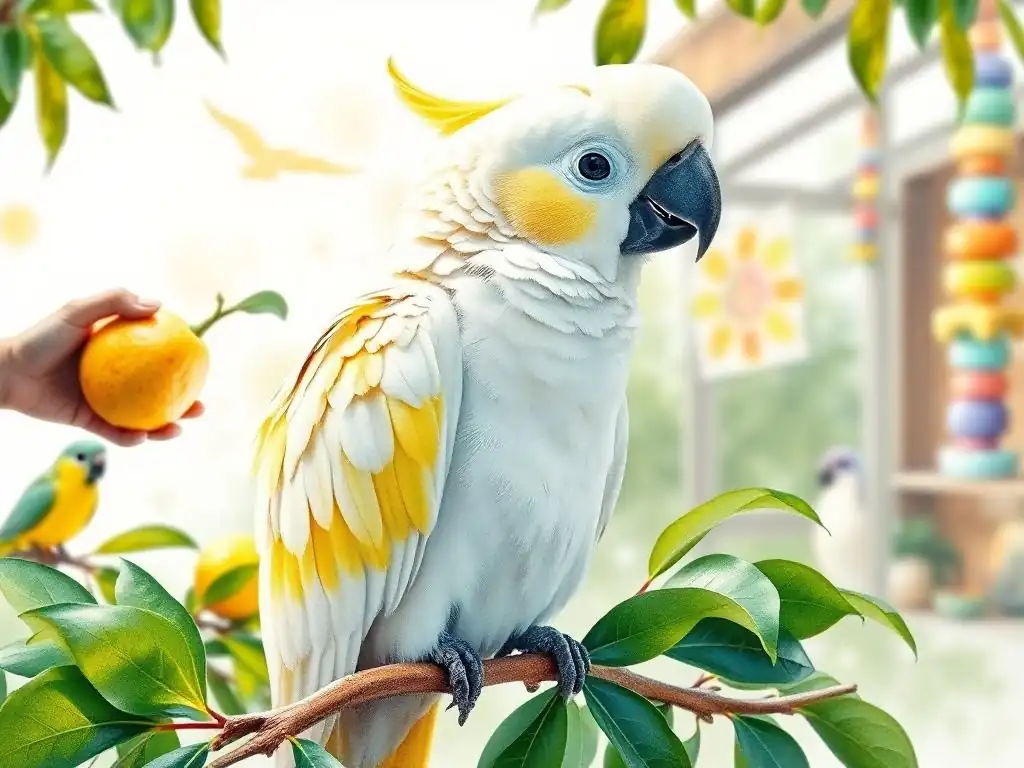
Preventing feather plucking in cockatoos requires a multifaceted approach focusing on environmental enrichment, social interaction, and nutritional well-being. Addressing these core areas proactively significantly reduces the risk of this self-destructive behavior. Early intervention is key; recognizing potential triggers and implementing preventative measures before plucking begins is far more effective than managing an existing problem. This section details crucial steps to safeguard your cockatoo's plumage and mental health.
Creating a Stimulating and Enriching Environment for Your Cockatoo
A bored or stressed cockatoo is more prone to feather plucking. Providing a stimulating environment is paramount. This involves creating an environment that mirrors their natural habitat as closely as possible, offering opportunities for exploration, problem-solving, and physical activity. Consider these crucial elements:
- Large Cage Size: Cockatoos need ample space to move around freely. A cramped cage restricts their natural behaviors and can lead to frustration. Aim for the largest cage you can reasonably accommodate.
- Variety of Toys: Rotate toys regularly to prevent boredom. Offer a diverse range of textures, shapes, and challenges, including foraging toys, puzzle toys, and chew toys made from safe, durable materials. These toys stimulate their natural instincts and keep them mentally engaged. Observe your bird's preferences and adjust the toy selection accordingly.
- Perches of Varying Textures and Sizes: Different perch sizes and textures help maintain foot health and prevent pressure sores. Natural wood perches are preferred, mimicking their natural environment.
- Environmental Enrichment: Include climbing structures, swings, and bells within the cage to encourage physical activity and exploration. Consider adding branches from safe, non-toxic trees (ensure they are thoroughly cleaned and free of pesticides).
- Sunlight Access (Filtered): Cockatoos need access to natural sunlight, but it should be filtered to prevent harsh UV rays from harming them. A few hours of filtered sunlight daily can significantly improve their mood and overall health.
Cockatoos are highly intelligent and social creatures that thrive on interaction. Isolation and lack of companionship are significant contributors to feather plucking. Ensure your cockatoo receives adequate attention and interaction:
- Dedicated Time for Interaction: Spend quality time with your cockatoo daily, engaging in activities such as talking, playing, and training. This strengthens your bond and provides mental stimulation. Aim for at least several hours of interaction.
- Companion Bird (Careful Consideration): In some cases, a well-matched companion bird can provide valuable social interaction. However, this requires careful consideration and should only be done after thorough research and with guidance from an avian veterinarian. Incompatible birds can exacerbate stress.
- Positive Reinforcement Training: Training sessions provide mental stimulation and strengthen your bond. Use positive reinforcement techniques, rewarding desired behaviors with treats and praise. This helps build trust and confidence.
- Avoid Punishments: Never punish your cockatoo. Punishment only increases stress and fear, worsening the plucking behavior.
Implementing a Balanced and Nutritious Diet for Your Cockatoo
Nutritional deficiencies can contribute to feather plucking. A balanced diet is crucial for maintaining healthy plumage and overall well-being:
- High-Quality Pellets: Pellets should form the foundation of your cockatoo's diet, providing essential nutrients. Choose a high-quality, formulated pellet specifically designed for cockatoos.
- Fresh Fruits and Vegetables: Supplement the pellet diet with a variety of fresh fruits and vegetables daily. This provides essential vitamins, minerals, and antioxidants. Offer a diverse range to ensure a balanced intake. Examples include apples, bananas, carrots, broccoli, and leafy greens.
- Limited Seeds and Nuts: Seeds and nuts should be offered sparingly as treats, not as a staple food. They are high in fat and can lead to obesity and nutritional imbalances.
- Clean Water: Always provide access to fresh, clean water. Regularly clean and refill the water bowl.
- Veterinary Check-ups: Regular veterinary check-ups are essential to identify and address any underlying health issues that might contribute to feather plucking. A veterinarian can perform a thorough examination and recommend appropriate dietary adjustments if necessary. Early detection and proactive care are vital.
This proactive approach to preventing cockatoo feather plucking emphasizes a holistic understanding of the bird's needs. By providing a stimulating environment, sufficient social interaction, and a balanced diet, you significantly reduce the likelihood of this distressing behavior. Remember, consistency and patience are key to success.
Regular Veterinary Checkups for Early Detection of Potential Problems
Regular veterinary checkups are paramount in preventing feather plucking in cockatoos. These visits aren't just about vaccinations; they're crucial for early detection of underlying medical conditions that can trigger this destructive behavior. Many physical ailments, often unnoticed by the untrained eye, can cause discomfort and stress, leading a cockatoo to self-mutilate through feather plucking. For example, parasites like mites or lice can cause intense itching, prompting the bird to pluck its feathers for relief.
Similarly, underlying skin infections, hormonal imbalances, or even nutritional deficiencies can manifest as behavioral changes, including feather plucking. A thorough avian veterinarian examination, including blood work and fecal analysis, can identify these issues before they escalate. Early intervention, through appropriate medication or dietary adjustments, can significantly reduce the likelihood of feather plucking developing.
Remember, prevention is always better than cure, and proactive veterinary care is a cornerstone of responsible cockatoo ownership. Scheduling routine checkups, ideally every six months or annually depending on the bird's age and health status, allows for early detection and prompt treatment of potential problems, minimizing the risk of feather plucking. Don't underestimate the value of a skilled avian veterinarian's expertise in recognizing subtle signs of illness that could contribute to this concerning behavior.
Recognizing and Addressing Behavioral Changes Promptly
Beyond physical health, behavioral changes often precede the onset of feather plucking in cockatoos. These subtle shifts in your bird's demeanor can be crucial indicators of underlying stress or discomfort. A sudden increase in aggression, lethargy, changes in appetite, or unusual vocalizations should all be taken seriously. For instance, a cockatoo that suddenly becomes more withdrawn, spending more time alone and avoiding interaction, may be experiencing significant stress.
Similarly, a bird that starts exhibiting excessive preening or chewing on its feathers, even without significant feather loss initially, could be showing early signs of developing feather plucking. Changes in sleeping patterns, such as increased daytime sleeping or restlessness at night, can also point towards underlying issues. Promptly addressing these behavioral changes is critical. This might involve assessing your bird's environment for potential stressors, such as loud noises, overcrowding, or changes in routine.
It's also important to rule out any environmental toxins or dietary issues that might be contributing to the behavioral shifts. Consider consulting with an avian veterinarian or a certified avian behaviorist to gain a deeper understanding of your bird's behavior and develop a tailored plan to address the underlying causes. Early intervention through behavioral modification techniques, environmental enrichment, and potentially medication, can prevent feather plucking from becoming a chronic and difficult-to-manage problem. Remember, a happy and stimulated cockatoo is far less likely to resort to self-destructive behaviors like feather plucking.
Cockatoo Feather Plucking Solutions: Case Studies and Success Stories
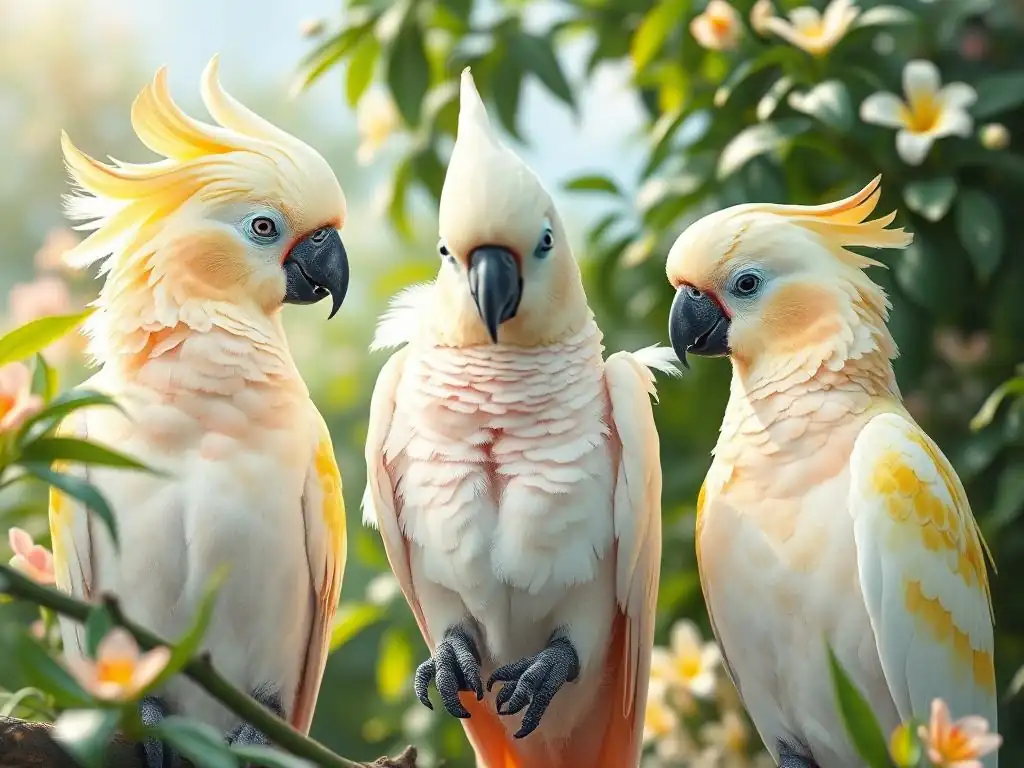
This section delves into specific instances of cockatoo feather plucking and the successful strategies employed to address this challenging behavioral issue. Understanding these individual cases provides valuable insights into the diverse approaches needed for effective treatment, highlighting the importance of tailored solutions for each bird. Remember, consistent monitoring and patience are key components of successful cockatoo feather plucking solutions.
Case Study 1: Successful Treatment of a Sulphur-crested Cockatoo with Feather Plucking
A 10-year-old Sulphur-crested Cockatoo, named Sunny, presented with significant feather plucking on his chest and wings. Initial veterinary examination ruled out any underlying medical conditions. Behavioral observations revealed Sunny exhibited signs of stress and boredom, including repetitive pacing and vocalizations, particularly when left alone for extended periods.
The treatment plan implemented a multimodal approach:
- Environmental Enrichment: Sunny's cage was redesigned to provide more vertical space, climbing opportunities, and foraging toys. New toys were introduced regularly to maintain novelty and stimulate his natural behaviors. This included puzzle feeders, wooden blocks for chewing, and swings.
- Social Interaction: Sunny's owner committed to increasing interaction time, engaging in playtime and training sessions daily. This involved target training, using positive reinforcement techniques to build trust and strengthen their bond.
- Dietary Adjustments: A veterinary nutritionist reviewed Sunny's diet, ensuring adequate intake of essential vitamins and minerals often deficient in birds prone to feather plucking. Supplements were added to his diet as needed.
Within three months, Sunny’s feather plucking significantly reduced. His overall demeanor improved, displaying more relaxed body posture and reduced repetitive behaviors. Regular veterinary check-ups and ongoing behavioral support ensured the positive progress was maintained. This case underscores the importance of addressing both environmental and social factors contributing to feather plucking in cockatoos.
Case Study 2: Addressing Feather Plucking in an Umbrella Cockatoo Through Environmental Enrichment
Coco, a 7-year-old Umbrella Cockatoo, exhibited chronic feather plucking primarily on her head and neck. Veterinary assessment again eliminated any medical causes. Coco lived in a relatively small cage with limited stimulation. Her owner worked long hours, leaving her alone for substantial periods of the day.
The primary focus of Coco's treatment was environmental enrichment, aiming to reduce boredom and stress. Specific interventions included:
- Larger Cage Upgrade: Coco was moved to a significantly larger cage, providing ample space for movement and exploration. This included multiple perches of varying heights and textures.
- Foraging Opportunities: A variety of foraging toys were introduced to encourage natural foraging behaviors. This involved hiding food within puzzle toys, requiring Coco to work for her meals, thus stimulating her mental and physical capabilities. This also helped to alleviate boredom.
- Interactive Toys: Toys designed for interaction, such as mirrors and bells, were incorporated to stimulate play and reduce isolation.
The results were gradual but noticeable. Coco's feather plucking decreased noticeably after six months, coinciding with a marked improvement in her overall demeanor. Her increased engagement with her environment and toys suggested a reduction in stress and boredom. This case highlights the significant role environmental enrichment plays in managing feather plucking in Umbrella Cockatoos, especially those spending extended periods alone.
Case Study 3: A Multimodal Approach to Managing Feather Plucking in a Goffin's Cockatoo
This case involved a Goffin's Cockatoo, named Pip, who exhibited severe feather plucking across his entire body. Pip's owner reported a history of inconsistent routines and infrequent interaction. A full veterinary examination ruled out any medical issues.
A multimodal approach was implemented, incorporating several strategies:
| Intervention Category | Specific Intervention | Outcomes |
|---|---|---|
| Veterinary Care | Bloodwork, fecal analysis, nutritional assessment | Ruled out underlying medical conditions; dietary adjustments implemented. |
| Environmental Enrichment | Large cage upgrade, diverse foraging toys, interactive toys | Increased exploration and play; reduced repetitive behaviors. |
| Behavioral Modification | Positive reinforcement training, desensitization exercises | Improved owner-bird bond; reduced stress responses. |
| Veterinary Behavioral Consult | Regular consultations with an avian veterinarian specializing in behavioral issues | Provided guidance on managing stress, adjusting the environment, and training. |
Pip's progress was slow but steady. The combined approach demonstrated the significance of a holistic strategy involving veterinary care, environmental adjustments, and behavioral modification. The consistent support of a veterinary behaviorist proved invaluable in navigating the complexities of Pip's case, emphasizing that managing feather plucking in Goffin's Cockatoos often requires a long-term commitment and a comprehensive treatment plan. 🐦
Long-Term Management of Cockatoo Feather Plucking: Ongoing Care and Monitoring
Successfully addressing cockatoo feather plucking requires a long-term commitment to maintaining a holistic approach to your bird's well-being. Simply stopping the plucking behavior is only the first step; consistent care and monitoring are crucial for preventing relapse and ensuring your feathered friend thrives. This involves a multifaceted strategy focusing on environmental enrichment, nutritional balance, and veterinary oversight. Ignoring any of these aspects significantly increases the risk of feather plucking returning. Remember, consistent application of these strategies is key to lasting success with cockatoo feather plucking solutions.
Maintaining a Healthy and Stimulating Environment
A stimulating and enriching environment is paramount in preventing feather plucking recurrence. Boredom and lack of mental stimulation are significant contributors to this self-destructive behavior. Cockatoos are highly intelligent and social creatures that require a substantial amount of mental and physical engagement. Consider these key elements for a thriving cockatoo environment:
- Spacious Cage: Ensure your cockatoo has a large enough cage to comfortably move around, stretch its wings, and engage in natural behaviors. A cramped cage can lead to frustration and increase the likelihood of feather plucking.
- Variety of Toys: Provide a diverse range of toys that challenge your cockatoo mentally and physically. Rotate toys regularly to prevent boredom and maintain interest. This could include foraging toys, puzzle toys, chew toys, and interactive toys. Consider incorporating natural materials like wood and safe branches for chewing.
- Social Interaction: Cockatoos are highly social animals. Dedicate ample time each day to interact with your bird, engaging in activities like playing games, talking, and training. Consider introducing a suitable companion bird under careful supervision, but always prioritize your individual bird's needs and personality.
- Environmental Enrichment: Include various environmental features in your cockatoo's cage and surrounding area. This might include different textures, perches of varying sizes and materials, and visual stimulation such as mirrors (used cautiously) or colorful toys.
- Sunlight and Fresh Air: Allow your cockatoo supervised time outside its cage in a safe, secure area where it can experience natural sunlight. Sunlight provides essential Vitamin D, and fresh air can be very beneficial. Always ensure safety and supervise closely.
Failure to provide a stimulating environment can lead to a return of feather plucking, highlighting the importance of ongoing enrichment strategies as part of comprehensive cockatoo feather plucking solutions.
Ongoing Nutritional Support and Monitoring
Proper nutrition plays a vital role in the long-term management of feather plucking. A balanced and nutritious diet provides the essential nutrients necessary for healthy feather growth and overall well-being. Nutritional deficiencies can contribute to or exacerbate feather plucking.
- High-Quality Pellets: The foundation of your cockatoo's diet should be high-quality, formulated pellets specifically designed for cockatoos. These pellets provide a balanced source of essential vitamins and minerals.
- Fresh Fruits and Vegetables: Supplement the pellets with a variety of fresh fruits and vegetables, offering a diverse range of nutrients. Introduce new items gradually to monitor for any adverse reactions.
- Limited Treats: Treats should be given sparingly to avoid nutritional imbalances and to prevent obesity, which can further contribute to health problems and feather plucking.
- Regular Weight Monitoring: Monitor your cockatoo's weight regularly to ensure it maintains a healthy weight range. Sudden weight changes can indicate underlying health problems that may be contributing to feather plucking.
- Water Availability: Ensure your cockatoo always has access to fresh, clean water. Dehydration can negatively impact overall health and feather condition.
Careful monitoring of your cockatoo's diet and weight is a critical component of any successful, long-term strategy for managing feather plucking. Addressing any nutritional deficiencies is a crucial aspect of effective cockatoo feather plucking solutions.
Regular Veterinary Check-ups and Consultations
Regular veterinary check-ups are essential for the ongoing health and well-being of your cockatoo. Even after the initial feather plucking has been addressed, regular visits allow for early detection of any potential underlying medical issues that could trigger a relapse.
- Annual Check-ups: Schedule annual check-ups with an avian veterinarian experienced in cockatoo care. These check-ups include a thorough physical examination, blood work, and other necessary tests to assess your bird’s overall health.
- Prompt Attention to Symptoms: Pay close attention to any changes in your cockatoo's behavior, appetite, or droppings. Report any unusual symptoms to your veterinarian immediately. Early intervention is key to managing potential health problems.
- Discuss Concerns: Regularly discuss your cockatoo's feather plucking history and any concerns you have with your veterinarian. They can provide guidance and adjustments to your management plan as needed. They can also rule out any underlying medical conditions contributing to the behavior.
- Medication Management: If your veterinarian prescribes medication, strictly follow the instructions for administration. Closely monitor your cockatoo for any side effects and report them to your veterinarian immediately.
Veterinary care is an integral part of a comprehensive long-term strategy for managing cockatoo feather plucking. Regular check-ups and open communication with your avian veterinarian are essential components of effective cockatoo feather plucking solutions. Ignoring this aspect significantly increases the risk of recurrence.
Continued Behavioral Monitoring and Adjustment
Consistent monitoring of your cockatoo's behavior is crucial for long-term success in managing feather plucking. This isn't a one-time fix; it's an ongoing process requiring patience and vigilance. Changes in behavior, even subtle ones, can signal a relapse or a new underlying issue. For example, a sudden increase in preening in a specific area, changes in appetite, or increased lethargy could all indicate potential problems.
Keep detailed records of your bird's daily activities, noting any unusual behaviors, changes in feather plucking habits, and your responses. This detailed log will be invaluable in identifying patterns and adjusting your management strategy accordingly. Consider using a dedicated journal or a digital tracking system to maintain consistency. Regularly review these records with your avian veterinarian to assess progress and make necessary adjustments to the treatment plan.
Remember, early detection of potential setbacks allows for prompt intervention, preventing the feather plucking from escalating. Don't hesitate to seek professional help if you notice significant changes in your bird's behavior or if the plucking worsens despite your efforts. Proactive monitoring and timely adjustments are key components of successful long-term management of cockatoo feather plucking. The goal is to create a stable and enriching environment that minimizes the bird's stress and encourages healthy coping mechanisms.
Regular veterinary check-ups are also essential. These visits aren't just about addressing immediate concerns; they also provide an opportunity for proactive health assessments. Your veterinarian can monitor your cockatoo's overall health, rule out any underlying medical conditions that might be contributing to the feather plucking, and adjust medication or supplements as needed. They can also provide valuable insights into your bird's behavior and offer guidance on ongoing management strategies.
Remember, maintaining open communication with your avian veterinarian is vital for a successful and comprehensive approach to managing this challenging behavior. Don't underestimate the value of professional expertise in navigating the complexities of cockatoo feather plucking. Their ongoing support and guidance will empower you to provide the best possible care for your feathered companion. The partnership between you and your veterinarian will be instrumental in achieving sustainable results.
Frequently Asked Questions
Why is my cockatoo plucking its feathers?
Feather plucking in cockatoos can stem from various factors, including stress, boredom, medical conditions, or nutritional deficiencies. A thorough veterinary check-up is crucial to rule out underlying health issues.
What are some effective strategies to stop feather plucking?
Addressing the root cause is key. This might involve enriching their environment, providing mental stimulation, improving their diet, and potentially medication prescribed by a veterinarian specializing in avian care.
How can I enrich my cockatoo's environment to reduce feather plucking?
Provide ample toys, interaction, and opportunities for foraging. Consider a larger cage, varied perches, and safe, stimulating objects to keep your cockatoo occupied and mentally engaged.
Are there any dietary changes that can help with feather plucking?
A balanced diet rich in vitamins and minerals is essential. Consult an avian veterinarian for recommendations on a species-specific diet to address any nutritional deficiencies that might contribute to feather plucking.
When should I seek professional veterinary help for my cockatoo's feather plucking?
If feather plucking is severe, persistent, or accompanied by other symptoms like lethargy or changes in behavior, seek immediate veterinary attention. Early intervention is crucial.
Final Reflection: Understanding and Healing Feather Plucking in Cockatoos
The heartbreaking reality of feather plucking in cockatoos remains a significant challenge for bird owners worldwide, demanding our immediate attention and proactive solutions. This devastating behavior, often stemming from underlying emotional distress or physical discomfort, impacts not only the bird's physical well-being but also the deep bond shared with its human companion. Understanding the complexities of this issue is the first crucial step towards effective intervention and preventing further suffering.
The journey of understanding and addressing feather plucking in cockatoos is a testament to the evolving relationship between humans and their avian companions. We are learning to listen more attentively to the subtle cues our birds communicate, recognizing that their behavior is a reflection of their overall health and emotional state. The greatest danger for most of us is not that our aim is too high and we miss it, but that it is too low and we reach it.
This quote, while not directly about cockatoos, speaks to the importance of setting high standards for their care and well-being, striving for a deeper understanding of their needs beyond simply providing food and shelter. We must continue to research, learn, and advocate for improved veterinary care and behavioral support for these intelligent and sensitive creatures.
Now, consider your own cockatoo. Have you observed any signs of feather plucking? Take this opportunity to reflect on your bird's environment, its daily routine, and the quality of your interactions. Are you providing sufficient enrichment, mental stimulation, and opportunities for social interaction? If you suspect feather plucking, don't hesitate to seek professional veterinary and avian behavioral advice. Remember, early intervention is key to preventing this behavior from escalating and causing irreversible damage. Let's work together to create a world where every cockatoo can thrive, exhibiting the vibrant plumage and joyful spirit they deserve.
Unlock Your Cockatoo's Happy Feather Secrets
Thank you for learning about feather plucking in cockatoos! We hope you found this information helpful. Let's put this knowledge into practice. Here's how you can make a real difference for your feathered friend:
- Prioritize Enrichment: A stimulating environment is crucial for a happy cockatoo. Provide plenty of new toys, opportunities for foraging, and interactive playtime. This is the most effective way to promote your bird's health and well-being.
- Seek Professional Help: Consult an avian veterinarian or a certified avian behaviorist for a personalized assessment and tailored advice. They can help identify any underlying issues and create a specific plan to address your cockatoo's needs.
- Connect with Others: Join our PetCareWorld community forums to connect with other cockatoo owners. Sharing experiences, successes, and challenges can be incredibly beneficial, and you might even inspire others!
What small step will you take today to improve your cockatoo's life?