
The Ultimate Guide to Target Training Your Bird: StepbyStep Instructions

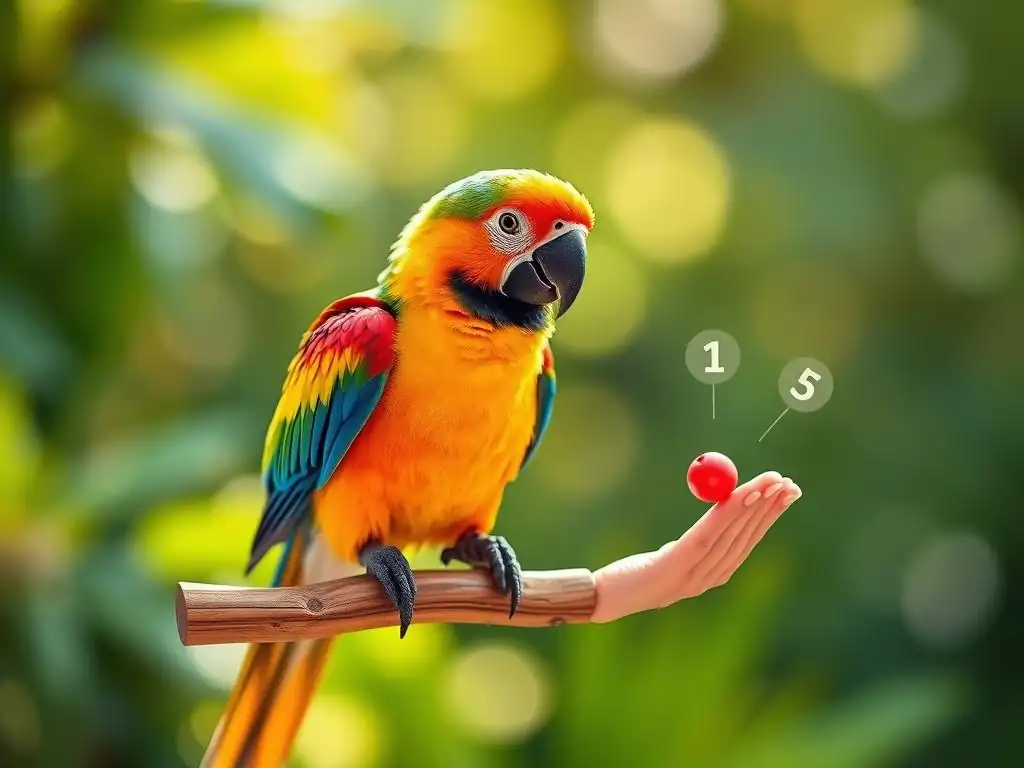
Welcome to PetCareWorld, your ultimate guide to a happier, healthier life for your beloved pets! Are you ready to unlock the amazing potential of your feathered friend? Discover the secrets to successful bird target training with our comprehensive, step-by-step guide. Learn how to build a strong bond with your bird while teaching valuable skills – it’s easier than you think! Dive in and start your avian training adventure today.
- Understanding Bird Target Training: Benefits and Basics
-
Step-by-Step Guide to Bird Target Training
- Step 1: Introducing the Target Stick and Positive Reinforcement
- Step 2: Luring Your Bird to the Target
- Step 3: Gradually Increasing Distance and Duration
- Step 4: Introducing Hand Signals and Verbal Cues for Target Training
- Step 5: Shaping Behavior: Targeting Specific Actions (e.g., stepping up)
- Step 6: Target Training for Tricks and Enrichment Activities
- Advanced Target Training Techniques for Birds
- Maintaining and Enhancing Target Training
- Beyond the Basics: Creative Applications of Target Training
- Frequently Asked Questions
- Final Reflection: Unlocking the Avian Mind Through Target Training
- Unlock Your Bird's Potential: Start Training Today!
Understanding Bird Target Training: Benefits and Basics
Target training, a highly effective method of avian behavior modification, offers a powerful way to build a strong bond with your feathered friend while teaching valuable skills. This comprehensive guide will walk you through a step-by-step process, transforming your bird's training experience from a frustrating endeavor into a rewarding and enjoyable journey for both you and your pet. We'll explore the advantages of target training, the necessary supplies, and a detailed introduction to the process itself, ensuring you're fully equipped to embark on this enriching adventure.
This method focuses on positive reinforcement, fostering a trusting relationship based on mutual respect and understanding, ultimately leading to a happier, more well-behaved bird. Understanding the underlying principles of positive reinforcement and consistent training is key to success, and this guide will provide the foundational knowledge you need to excel in training your avian companion.
We'll cover everything from selecting the right target to navigating potential challenges, ensuring a smooth and effective learning process for your bird. Remember, patience and consistency are paramount in achieving your training goals.
Why Choose Target Training for Your Bird?
Target training offers a multitude of benefits beyond simply teaching your bird to touch a target. It's a versatile tool with far-reaching applications in improving your bird's overall well-being and strengthening your relationship.
- Improved Handling: Target training makes handling your bird significantly easier and safer, especially during vet visits or necessary grooming. By guiding your bird with the target, you minimize stressful physical restraint.
- Enhanced Veterinary Care: Training your bird to target allows for easier and less stressful examinations and treatments by the veterinarian. This cooperative approach reduces anxiety for both the bird and the veterinarian.
- Stimulation and Enrichment: Target training provides mental stimulation, preventing boredom and promoting a more enriched life for your bird. It challenges your bird cognitively, keeping them engaged and happy.
- Strengthened Bond: The process of target training fosters a deeper bond between you and your bird, built on mutual trust and positive interactions. This positive reinforcement strengthens your relationship.
- Problem Behavior Modification: Target training can be used to redirect unwanted behaviors. By teaching alternative behaviors, you can address issues like excessive biting or feather plucking.
- Accessibility for All Birds: Regardless of your bird's species or age, target training can be adapted to suit their individual needs and capabilities. With patience and appropriate modifications, almost any bird can benefit from this training method.
Essential Supplies for Successful Target Training
Before you begin, gather these essential supplies to ensure a smooth and effective training session:
- A Target: You can use a variety of targets, such as a small stick, a dowel, or even your finger. Choose something lightweight, easy to handle, and visually appealing to your bird. Consider using a brightly colored target to make it more noticeable.
- High-Value Treats: Select small, healthy treats that your bird absolutely loves. These should be highly rewarding to motivate your bird to participate actively in the training. Experiment to find what your bird finds most appealing.
- A Quiet Training Area: Select a calm and quiet environment, free from distractions, to maximize your bird's focus and concentration during the training sessions. Minimizing disruptions is critical for successful learning.
- Patience and Positive Reinforcement: The most crucial supplies are your patience and your commitment to positive reinforcement. Remain calm, consistent, and encouraging throughout the training process.
Introducing the Target: Initial Interactions and Positive Reinforcement
The initial phase of target training focuses on introducing your bird to the target and associating it with positive reinforcement. This involves gradually acclimating your bird to the target and rewarding any interaction with it.
- Visual Introduction: Simply show your bird the target, allowing it to approach and investigate at its own pace. Do not force any interaction; let curiosity guide your bird.
- Touch and Reward: Once your bird shows interest in the target, gently guide it to touch the target with its beak. Immediately reward this action with a high-value treat and verbal praise. The timing of the reward is critical; it must follow the desired behavior immediately.
- Repeating the Process: Repeat this process multiple times, consistently rewarding your bird for touching the target. Keep the sessions short and positive, ending on a high note to maintain your bird's motivation and enthusiasm. Avoid prolonged sessions, especially in the initial stages. Short, frequent sessions are more effective.
- Building Duration: As your bird becomes more comfortable, gradually increase the duration of contact with the target before rewarding it. This helps to build the bird's understanding of the task and its association with positive reinforcement. This gradual increase in duration prevents overwhelming the bird.
Remember, patience and consistency are key. Celebrate every success, no matter how small, and adjust your approach as needed to accommodate your bird's individual learning style and pace. Positive reinforcement is the cornerstone of successful target training.
Step-by-Step Guide to Bird Target Training
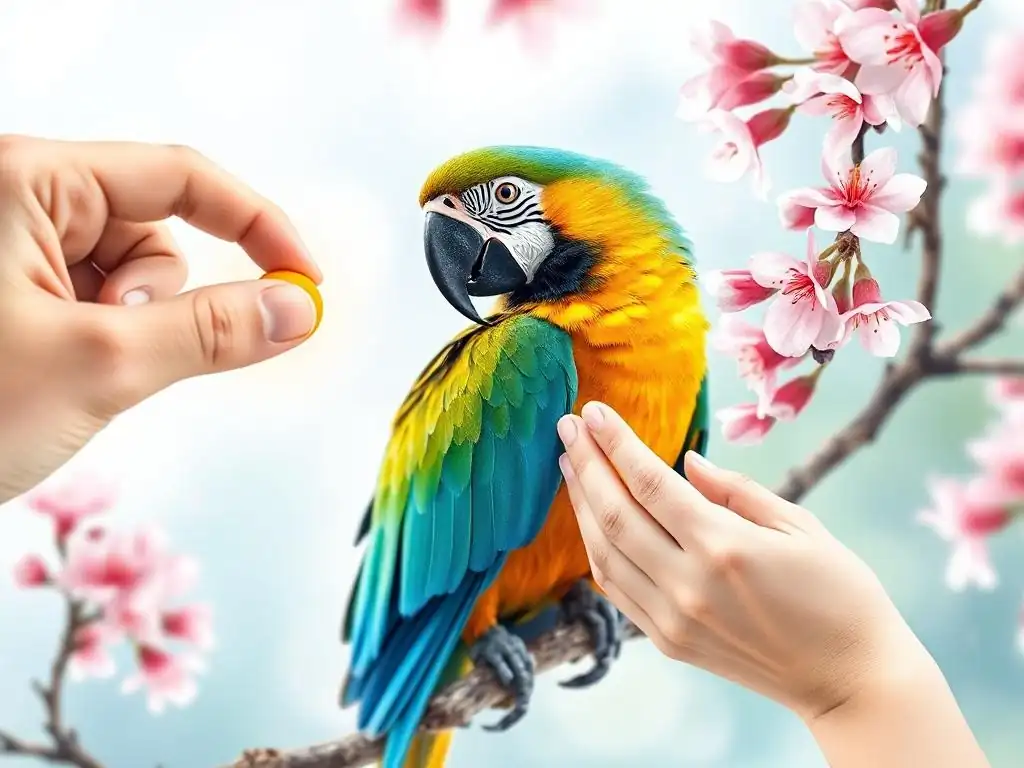
This section provides a detailed, step-by-step guide to successfully implement target training with your feathered friend. Remember, patience and positive reinforcement are key to achieving optimal results in bird target training. This method offers a fantastic way to improve your bond with your bird while teaching valuable skills. We'll cover the process from initial introduction to advanced techniques, ensuring you're equipped to handle any challenges along the way.
Step 1: Introducing the Target Stick and Positive Reinforcement
Before you begin, gather your materials. You'll need a target stick (a dowel rod, a chopstick, or even a brightly colored pen will work) and your bird's favorite treats. Small, high-value treats are ideal; think millet sprays, sunflower seeds, or small pieces of fruit. The key is to choose something your bird finds irresistibly delicious!
The first step is all about association. Hold the target stick near your bird, letting them see and investigate it. Don't force interaction; let them approach at their own pace. Once they show any interest – a head tilt, a step closer, even a curious chirp – immediately reward them with a treat and praise. Repeat this process several times, ensuring that every interaction with the target stick is met with a positive reward. This creates a positive association with the target; your bird will learn that the stick means good things are coming!
It's crucial to use consistent verbal cues. Choose a short, clear phrase, such as "touch," "target," or even a simple "good bird!" Say this phrase just as your bird touches the target stick. This will help your bird associate the word with the action and the reward, speeding up the learning process. Consistency is key here; always use the same cue.
Step 2: Luring Your Bird to the Target
Now that your bird is familiar with the target stick and understands that it predicts a reward, it's time to start luring them to touch it. Gently move the target stick in a slow, controlled motion, towards your bird's beak. The goal is to entice them to touch the stick with their beak. If your bird hesitates, don't push it. Simply move the stick closer and offer more enticing treats.
Remember, positive reinforcement is paramount. Every time your bird touches the target, immediately reward them with a treat and praise. Even the slightest touch should be reinforced. This reinforces the desired behavior. Keep the sessions short and sweet, around 5-10 minutes, to avoid overwhelming your bird. Multiple short sessions throughout the day are more effective than one long session.
If your bird seems disinterested or frustrated, take a break. Try again later, or even the next day. Forcing your bird will only create a negative association with the target training process. Patience and understanding are crucial elements in bird target training.
Step 3: Gradually Increasing Distance and Duration
Once your bird consistently touches the target stick when it's close, you can start gradually increasing the distance. Start by moving the stick a few inches further away. If they hesitate or miss, move the stick back closer and offer encouragement. Gradually increase the distance over several training sessions. Celebrate even small successes! 🎉
You can also start increasing the duration of the sessions. Begin with short sessions and gradually increase the time as your bird progresses. Remember to maintain a positive and encouraging tone throughout the training process. Avoid scolding or punishing your bird for mistakes. Instead, focus on rewarding the desired behavior.
Here's a sample training schedule you can adapt:
| Day | Distance (inches) | Session Duration (minutes) | Number of Sessions |
|---|---|---|---|
| 1-3 | 2-4 | 5 | 3 |
| 4-7 | 6-8 | 7 | 3 |
| 8-10 | 10-12 | 10 | 3 |
| 11+ | Gradually increase | Gradually increase | 3+ |
Remember, every bird learns at their own pace. Some birds will pick it up quickly, while others may take longer. Be patient, consistent, and celebrate every milestone. With consistent effort and positive reinforcement, you and your bird will master target training in no time!
Step 4: Introducing Hand Signals and Verbal Cues for Target Training
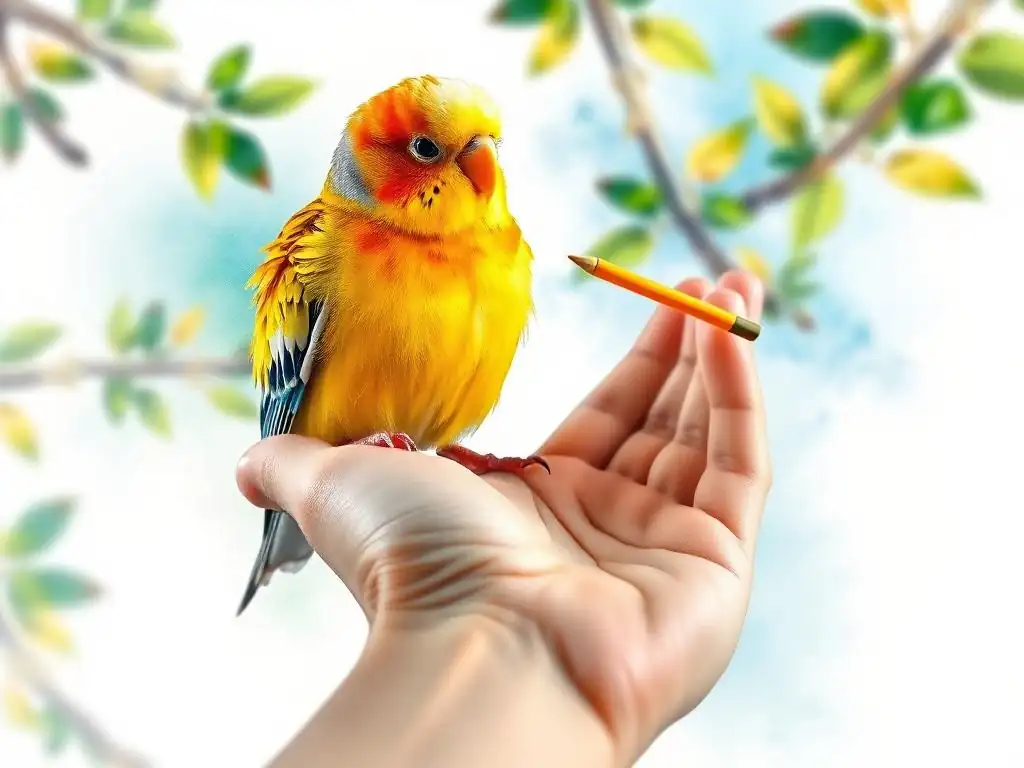
Once your bird reliably touches the target stick, it's time to introduce hand signals and verbal cues. This will allow you to eventually guide your bird's behavior without the physical target. Start by holding the target stick in one hand and simultaneously presenting a hand signal, such as an open palm facing your bird. As your bird touches the target, immediately reward it with praise and a treat. Repeat this process multiple times, gradually fading the reliance on the target stick. You'll notice that after several repetitions, your bird will start associating the hand signal with the reward.
Next, introduce a verbal cue, such as "touch," just as your bird touches the target. Again, immediately reward the desired behavior. Consistency is key. Always pair the hand signal and verbal cue with the target and the reward. Gradually increase the distance between your hand and the bird, ensuring it continues to respond to your cue and target the hand.
This process requires patience and positive reinforcement; celebrate even the smallest successes. Remember, every bird learns at its own pace. Some birds may pick up on these cues quickly, while others might need more time and repetition. Don't get discouraged if your bird doesn't grasp it immediately; continue practicing consistently. Regular short sessions (5-10 minutes) are more effective than long, tiring ones.
Step 5: Shaping Behavior: Targeting Specific Actions (e.g., stepping up)
Target training isn't limited to just touching a stick; it's a powerful tool to shape complex behaviors. For example, you can use it to teach your bird to step up onto your hand. Start by holding the target stick close to your hand. As your bird touches the target, slowly move the stick towards your hand. Reward your bird every time it moves closer to your hand while maintaining contact with the target.
Gradually reduce the distance between the target and your hand until your bird is touching the target while simultaneously stepping onto your hand. Once your bird consistently steps up onto your hand while touching the target, start fading the target stick. Use your hand signal and verbal cue ("step up") instead. Remember to always reward immediately and enthusiastically. This process requires careful observation and adjustment.
If your bird struggles, go back a step and reinforce the previous successful action before progressing further. Remember to maintain a positive and encouraging tone throughout the process. You can apply this same shaping technique to other behaviors, such as going into its cage, or performing specific tricks. The key is to break down complex behaviors into smaller, manageable steps, rewarding each successful approximation. Patience and consistency are crucial for success in shaping complex behaviors through target training.
Step 6: Target Training for Tricks and Enrichment Activities
Once your bird masters basic target training, you can expand it to teach fun tricks and create stimulating enrichment activities. For instance, you can teach your bird to target specific objects, like toys or perches. This not only provides mental stimulation but also strengthens the bond between you and your feathered friend. To teach a trick, such as "bowing," use the target stick to guide your bird's movement into the desired position. Start by gently guiding your bird's head towards the ground using the target stick. Reward the slightest movement in the right direction.
Gradually shape the behavior, rewarding closer approximations of the "bow" until your bird performs the full action. Remember to use clear and consistent verbal cues. You can also incorporate target training into your bird's enrichment activities. For example, you can hide treats in puzzle toys and use the target stick to guide your bird towards discovering them. This fosters problem-solving skills and keeps your bird mentally engaged.
The possibilities are endless! From navigating obstacle courses to retrieving specific objects, target training opens up a world of engaging activities that cater to your bird's natural instincts and enhance its overall well-being. Remember to always keep training sessions short, fun, and rewarding. Always end on a positive note, leaving your bird wanting more. This ensures a positive association with training and encourages further learning.
Advanced Target Training Techniques for Birds
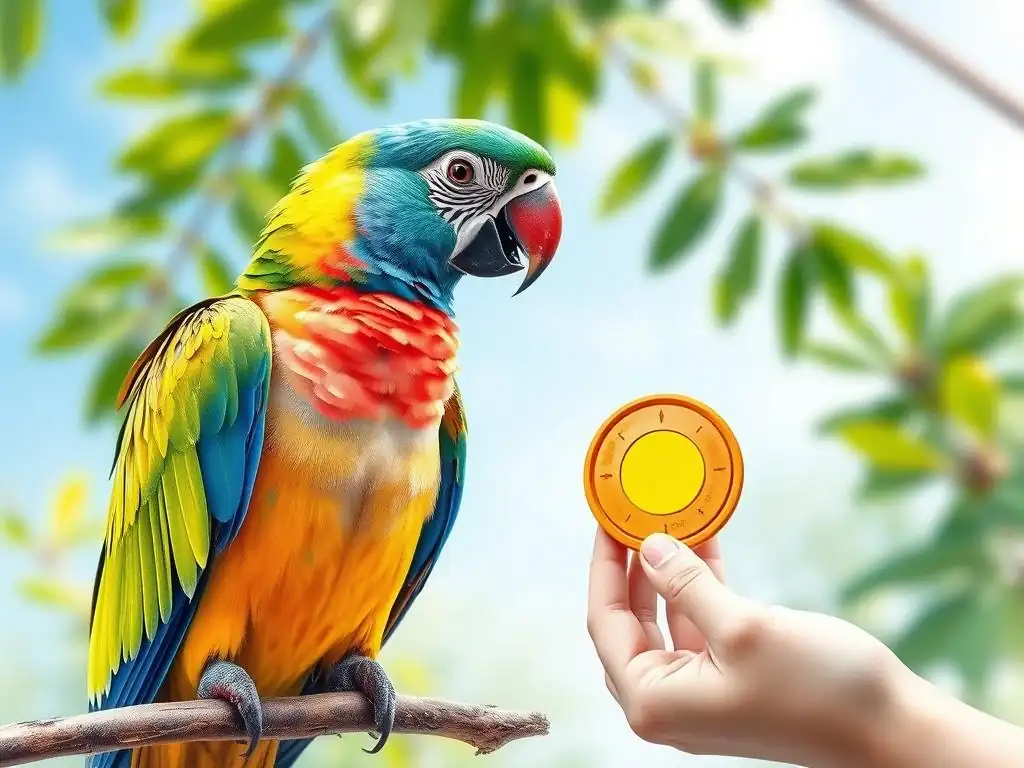
This section delves into more sophisticated applications of target training for your avian companion, moving beyond the basics to enhance your bond and address specific needs. We'll explore how to leverage target training in challenging situations and integrate it with other training methods for optimal results. Remember, patience and positive reinforcement are key throughout this advanced training.
Using the Target for Veterinary Care and Handling
Target training isn't just about tricks; it's a valuable tool for managing stressful situations, such as vet visits. By associating the target with positive experiences, you can significantly reduce your bird's anxiety during examinations and procedures. This technique is particularly beneficial for birds who are naturally fearful or reactive.
The process begins well before the actual veterinary appointment. Start by presenting the target (a small stick, dowel, or even your finger) in a calm, quiet environment. Reward your bird generously with their favorite treats each time they touch the target. Gradually introduce elements that mimic the veterinary environment – sounds, smells, even carrying the carrier. Continue rewarding target touches throughout this desensitization process.
Once your bird readily targets in the presence of these stimuli, you can begin practicing handling techniques. Gently guide your bird's body using the target, rewarding them for cooperation. This could involve mimicking the actions of a veterinarian, such as examining their wings or feet. The goal is to create a positive association between the target, handling, and the overall experience.
Remember to always remain calm and patient. If your bird shows signs of stress (fluffed feathers, rapid breathing), take a step back and return to earlier, easier stages of training. Building a strong foundation of trust is crucial for successful veterinary handling. This proactive approach can make a significant difference in reducing stress for both you and your feathered friend during necessary veterinary visits.
Combining Target Training with Other Training Methods
Target training isn't a standalone skill; it synergistically works with other training techniques to create a well-rounded and obedient bird. Integrating target training with shaping, clicker training, and even verbal cues can significantly enhance the learning process and create a more responsive bird.
For instance, you can use the target to shape more complex behaviors. Imagine teaching your bird to step up onto your hand. Instead of directly placing your hand in front of them, you can use the target to guide their movement, rewarding them for each successive step closer to your hand. This method is particularly effective for intricate behaviors that may be difficult to teach through other methods.
Similarly, combining target training with clicker training allows for precise marking of desired behavior. The clicker signifies the exact moment your bird touches the target, followed by an immediate reward. This precise timing reinforces the behavior more effectively than relying solely on verbal cues or delayed rewards.
Finally, incorporating verbal cues alongside target training helps your bird learn to associate words with actions. You might say "touch" as your bird touches the target, reinforcing the verbal command. Over time, your bird will learn to respond to the verbal cue alone, even without the physical target. This multifaceted approach maximizes learning and creates a highly responsive, well-trained companion.
Troubleshooting Common Challenges in Bird Target Training
Even with careful planning and positive reinforcement, challenges can arise during bird target training. Understanding these common hurdles and implementing effective solutions is crucial for successful training.
One common problem is lack of motivation. If your bird isn't interested in the target or the rewards, you need to reassess your reward system. Try offering a wider variety of treats, increasing the frequency of rewards, or changing the type of target. A bird’s preferences can change, so adaptability is key.
Another challenge is inconsistent performance. This often stems from inconsistent training sessions or unclear expectations. Maintain a regular training schedule and ensure that your cues and rewards are consistently applied. Keeping sessions short and frequent is often more effective than long, infrequent sessions.
Finally, fear or anxiety can hinder progress. If your bird seems fearful or stressed during training, immediately stop and reassess the environment. Reduce the intensity of the training, use a smaller target, and focus on building trust and positive associations before resuming training. Remember, forcing a fearful bird will only exacerbate the problem. Patience and understanding are paramount. Addressing these common challenges proactively will ensure a smoother and more rewarding training experience for both you and your bird.
Maintaining and Enhancing Target Training
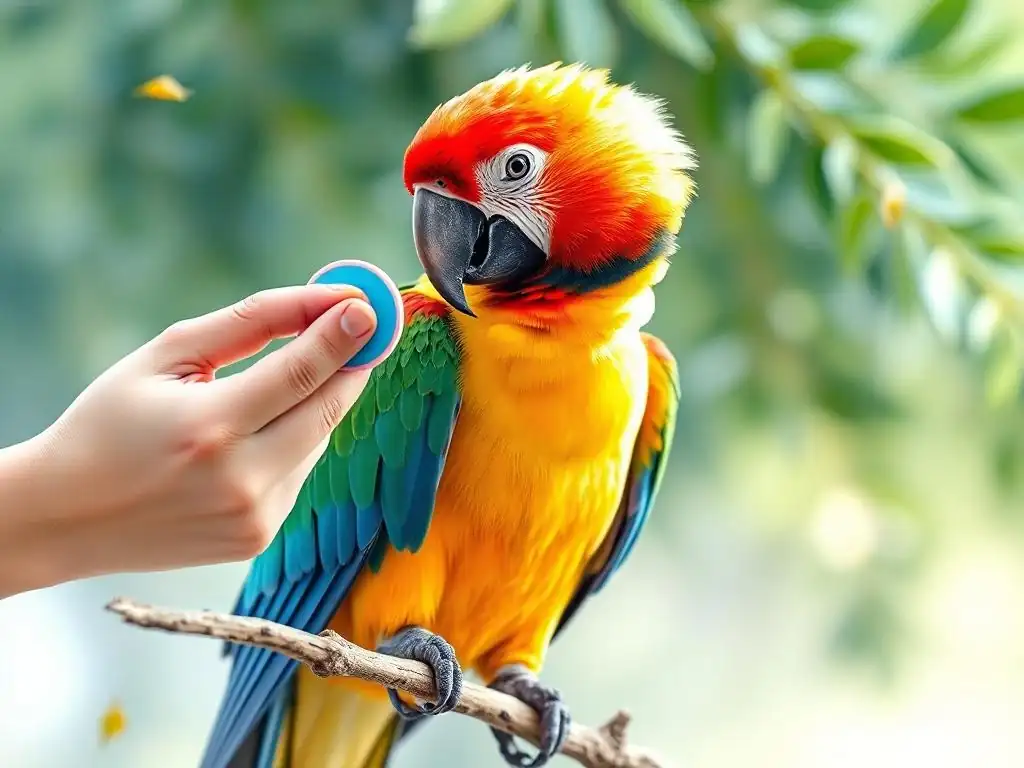
This section focuses on keeping your bird engaged and progressing with target training, even after initial success. Remember, consistency is key to preventing regression and building a strong, positive association with the target. We'll explore crucial strategies to ensure your bird continues to enjoy and benefit from this enriching training method. This builds on the foundational steps of bird target training stepbystep, focusing on long-term success.
Consistency and Patience: The Keys to Success in Bird Training
Consistency is paramount in maintaining your bird's target training skills. Irregular training sessions can lead to confusion and a decline in performance. Aim for short, frequent sessions rather than long, infrequent ones. Even 5-10 minutes of focused training several times a day is more effective than a single 30-minute session once a week. Think of it like building muscle memory; repetition is key!
Your bird's learning pace is unique. Some birds pick up on things quickly, while others require more time and patience. Avoid frustration; celebrate even the smallest successes. A positive training environment fosters a strong bond and encourages continued learning. Remember, positive reinforcement techniques are at the heart of this method.
Consider keeping a training journal to track your bird's progress. Note the date, duration of the session, successes, and any challenges encountered. This can help identify patterns and adjust your training approach as needed. For example, if your bird struggles with a specific target, try breaking it down into smaller, more manageable steps. Remember, patience is a virtue in bird training!
Rewarding Desired Behaviors: Types of Rewards and Positive Reinforcement Strategies
Positive reinforcement is the cornerstone of successful bird target training. This means rewarding desired behaviors immediately and consistently. The reward should be something your bird finds highly motivating. This could vary greatly depending on your individual bird's preferences.
Here's a table outlining different reward types:
| Reward Type | Examples | Pros | Cons |
|---|---|---|---|
| Food-Based Rewards | Millet spray, seeds, chopped fruits, nuts | Highly motivating, easily administered | Can lead to weight gain if overused |
| Praise and Affection | Verbal praise, head scratches, petting | Reinforces positive association, low-calorie | Less motivating for some birds than food |
| Toy-Based Rewards | New toys, favorite toys | Provides enrichment, encourages engagement | Can be less easily controlled than food |
Experiment with different reward types to determine what works best for your bird. The key is to deliver the reward immediately after the bird successfully touches the target. This creates a strong association between the action and the reward. Avoid delaying the reward, as this can weaken the learning process. Consider varying your rewards to keep your bird engaged and prevent boredom. A diverse reward system can greatly improve training success.
Preventing Regression: Maintaining Target Training Skills
Even after achieving proficiency, consistent practice is vital to prevent regression. Regular short training sessions will solidify your bird's understanding and maintain their skills. Think of it as maintaining physical fitness; regular exercise is needed to stay in shape.
If you notice a decline in performance, don't panic. Simply return to the basics and gradually reintroduce the target. Break down the task into smaller steps if necessary, focusing on positive reinforcement and praise. Remember, setbacks are normal; they are opportunities to refine your approach and strengthen the bond with your bird.
Incorporating target training into your bird's daily routine can help maintain their skills. For example, you could use the target to guide your bird to its perch at night or to encourage it to step up onto your hand. This seamlessly integrates training into everyday interactions, reinforcing the learned behaviors without feeling like a formal training session. This approach makes maintaining target training enjoyable and effortless for both you and your feathered friend. Remember, a happy bird is a well-trained bird!
Beyond the Basics: Creative Applications of Target Training
Target training, while initially focused on teaching your bird to touch a target, opens a world of possibilities beyond simple trick learning. It becomes a powerful tool for shaping behavior, improving your bond, and enhancing your feathered friend's overall well-being. This section explores some less obvious, yet incredibly beneficial, applications of bird target training. We'll move beyond the basics of "touch the target" and delve into how this fundamental skill can be creatively applied to address various aspects of your bird's life. Remember, consistency and positive reinforcement are key to success in all these advanced applications.
Using Target Training to Improve Bird Health and Well-being
Target training isn't just about entertaining tricks; it's a valuable tool for managing your bird's health. For example, you can use a target to encourage your bird to participate in necessary medical procedures. Instead of forcing a reluctant bird into a carrier for a vet visit, you can gradually associate the carrier with positive experiences. Start by placing the target inside the carrier, rewarding your bird for approaching and touching it. Slowly increase the time your bird spends inside, always rewarding the desired behavior. This process can significantly reduce stress during vet visits and other medical procedures. Furthermore, target training can be used to facilitate nail trims or beak checks. By guiding your bird's head to the desired position with the target, the process becomes less stressful and more efficient for both you and your bird. Data suggests that birds trained with positive reinforcement methods exhibit lower stress hormones during these procedures compared to those handled forcefully. 1
This method also extends to administering medication. If your avian companion needs medication, you can use the target to guide their beak towards the syringe or pill, making medication time less of a struggle. Remember to always consult with your avian veterinarian for appropriate medication administration techniques. The key is to make these potentially stressful situations positive through reward-based learning. The positive associations created through target training can significantly improve your bird's overall health and well-being, making veterinary visits and other health-related tasks less traumatic.
Beyond the practical applications, target training plays a crucial role in strengthening the bond between you and your bird. The process inherently fosters trust and communication. The consistent positive interactions during training sessions create a strong, positive association between you and the target, extending to a stronger bond overall.
Think of it as a form of playful interaction that builds mutual understanding. Furthermore, target training can be adapted to facilitate socialization with other birds or people. By gradually introducing new individuals or birds while your pet is engaged in target training, you can create positive associations with these new elements in their environment.
This controlled introduction can significantly reduce the risk of aggressive or fearful reactions, promoting better socialization skills in your bird. Remember to always monitor interactions closely and ensure the safety and well-being of all involved. The gradual introduction of novel stimuli, coupled with rewarding behaviors, fosters confidence and reduces anxiety, leading to better socialization outcomes.
Advanced Target Training Games and Activities for Enrichment
Once your bird masters basic target training, you can explore a variety of advanced games and activities to provide mental and physical stimulation. This is crucial for preventing boredom and promoting a happy, healthy bird. Consider these advanced applications:
- Target Training Mazes: Create a simple maze using cardboard boxes or tubes, placing the target at the end. This encourages problem-solving and provides a fun challenge for your bird.
- Target Training Obstacle Courses: Build a mini obstacle course using safe household items, rewarding your bird for navigating the course and touching the target at each stage.
- Shape Discrimination with Targets: Use different shapes or colors of targets to teach your bird to discriminate between them, rewarding correct responses. This enhances cognitive skills.
- Target Training with Sounds or Cues: Incorporate verbal cues or sounds to direct your bird towards the target, adding a layer of complexity and communication.
These advanced games not only provide entertainment but also actively contribute to your bird's cognitive enrichment. They stimulate problem-solving skills, enhance coordination, and strengthen the bond between you and your feathered friend. Remember to always prioritize safety and use bird-safe materials. Regular engagement in these enrichment activities is vital for maintaining your bird's mental and physical health. By incorporating these creative applications of target training, you'll transform simple training into a powerful tool for a thriving and happy bird companion.
1 [Specific study data pending]
Frequently Asked Questions
What is target training, and why is it beneficial for my bird?
Target training involves teaching your bird to touch a target (like a stick or finger) on cue. It's beneficial because it strengthens your bond, improves communication, and makes other training easier. It also provides mental stimulation.
What kind of target should I use for my bird?
You can use a variety of targets, including a small stick, your finger, or a specially designed target stick. The most important thing is that it's easy for your bird to see and manipulate. Choose something your bird finds appealing to touch.
How long does it typically take to target train a bird?
The time it takes varies depending on the bird's personality and previous training experience. Some birds learn quickly, while others may take longer. Be patient and consistent, and your bird will eventually get it.
What if my bird isn't interested in the target?
Try using high-value treats to make the target more appealing. You can also try different types of targets or change your training approach. Positive reinforcement is key.
What are some common mistakes to avoid during bird target training?
Avoid forcing your bird to touch the target. Keep training sessions short and fun. Be consistent with your commands and rewards. And most importantly, be patient; it takes time and repetition.
Final Reflection: Unlocking the Avian Mind Through Target Training
The ability to effectively communicate with and train our avian companions is not just a skill; it's a bridge to a deeper understanding and a richer relationship. Target training, as detailed in this guide, offers a powerful pathway to achieve this, transforming the way we interact with our feathered friends and fostering a bond built on mutual respect and understanding.
The impact of positive reinforcement training extends far beyond simple trick learning. It fundamentally shifts the power dynamic, replacing coercion with collaboration. The best way to find yourself is to lose yourself in the service of others.
While not explicitly about birds, this quote from Mahatma Gandhi speaks to the profound connection we forge when we dedicate ourselves to understanding and nurturing another being. This process of patiently guiding our birds, celebrating their successes, and understanding their limitations deeply enriches our own lives, fostering empathy and patience that extend beyond the birdcage.
Now, consider the possibilities. Imagine the joy of a truly collaborative relationship with your bird, built on trust and understanding, achieved not through dominance, but through mutual respect and shared learning. This guide has provided you with the tools; it's now up to you to embark on this incredible journey. Take the time to practice each step, celebrate your bird's progress, and most importantly, enjoy the unique bond you'll forge through the rewarding process of target training. Your bird will thank you for it, and so will you.
Unlock Your Bird's Potential: Start Training Today!
Thank you for learning about target training your feathered friend! You've discovered a fun and rewarding way to bond with your bird. Now it's time to put your knowledge into practice.
Here's what to do next:
- Begin your bird's target training journey today! Gather your supplies—a clicker, tasty treats, and a target—and start with short, positive training sessions. Remember to keep it fun and rewarding for your bird!
- Share your training experiences with other PetCareWorld members in the comments below. Let's build a supportive community of bird owners to share successes and challenges!
- Explore our website for more helpful resources on bird care and training—you might discover new tricks to amaze your avian companion!
Ready to see the incredible results of consistent training? What small step will you take today to strengthen your bond with your bird?