
Feather Perfect: The Ultimate Guide to Bird Feather Health

Welcome to PetCareWorld, your ultimate destination for expert pet care advice! Are you concerned about your feathered friend's plumage? Then you've come to the right place. Discover the secrets to vibrant, healthy feathers with our comprehensive Bird Feather Health Guide, packed with practical tips and essential information to keep your bird looking and feeling its best. Dive in and unlock the key to a happier, healthier companion!
- Understanding Bird Feather Structure and Function
-
Common Bird Feather Problems and Their Causes
- Feather Loss and Molting in Birds: A Natural Process
- Identifying Signs of Feather Damage: Broken, Dull, or Missing Feathers
- Parasites and Feather Diseases: Mites, Lice, and Bacterial Infections
- Nutritional Deficiencies and Their Impact on Feather Quality
- Stress and Environmental Factors Affecting Feather Health
- Maintaining Optimal Bird Feather Health: A Step-by-Step Guide
- Advanced Techniques for Bird Feather Care
- Frequently Asked Questions about Bird Feather Health
- Conclusion: Keeping Your Feathered Friend Feather Perfect
- Frequently Asked Questions
- Final Reflection: The Enduring Beauty and Fragility of Avian Life
- Unlock Your Bird's Sparkling Plumage!
Understanding Bird Feather Structure and Function
Maintaining optimal bird feather health is crucial for your feathered friend's overall well-being. This comprehensive guide delves into the intricacies of avian plumage, exploring the anatomy, diverse types, and vital role feathers play in a bird's health and happiness. We'll uncover the secrets to recognizing healthy feathers, identifying potential problems, and implementing preventative measures to ensure your bird boasts a vibrant, healthy plumage.
This guide serves as your ultimate resource for understanding and addressing all aspects of bird feather health, empowering you to provide the best possible care for your avian companion. Learning about bird feather health is key to responsible bird ownership, allowing for early detection of potential problems and promoting a long, healthy life for your pet. This guide will equip you with the knowledge needed to become a proactive and informed bird owner, ensuring your feathered friend thrives.
The Anatomy of a Bird Feather: From Barbs to Rachis
A bird's feather isn't just a simple structure; it's a marvel of natural engineering. Understanding its components is the first step towards appreciating its importance and recognizing signs of distress. Let's break down the anatomy:
- Rachis: This is the central shaft of the feather, providing structural support. Think of it as the feather's backbone. A strong, intact rachis is essential for flight and overall feather integrity.
- Barbs: Branching off the rachis are the barbs, which resemble tiny, parallel strands. These barbs interlock with each other via smaller structures called barbules, creating the smooth, aerodynamic surface of the feather.
- Barbules: These microscopic hooks and grooves ensure the barbs remain neatly aligned. Damage to the barbules can lead to frayed or broken feathers, compromising flight and insulation.
- Calamus: This is the hollow, quill-like base of the feather, which anchors it to the bird's skin. It's crucial for feather growth and nutrient delivery.
Damage to any of these components can significantly impact the feather's function and the bird's overall health. Regularly examining your bird's feathers for signs of breakage, fraying, or discoloration is vital for early detection of potential problems. A healthy feather exhibits a smooth, consistent texture and vibrant color, specific to the bird's species.
Feather Types and Their Roles in Bird Health
Birds possess a variety of feather types, each playing a unique role in their survival and well-being. Understanding these differences is key to assessing feather health:
- Contour Feathers: These are the outermost feathers, responsible for shaping the bird's body, providing insulation, and aiding in flight. Their condition is a strong indicator of overall feather health.
- Down Feathers: Located beneath the contour feathers, these soft, fluffy feathers provide excellent insulation, trapping warm air close to the bird's body. Their condition is crucial for thermoregulation.
- Flight Feathers: These specialized feathers, located on the wings and tail, are essential for flight. Damage to these feathers can severely impair a bird's ability to fly.
- Filoplume Feathers: These thin, hair-like feathers are sensory receptors, providing feedback on the position and movement of the contour feathers. While not directly involved in flight or insulation, their presence indicates overall feather development.
A well-balanced and complete set of feathers of all types is essential for your bird's survival. Any significant loss or damage to specific feather types should be investigated by an avian veterinarian. Regular observation will allow you to notice changes and seek professional help before the situation worsens.
The Importance of Healthy Feathers for Bird Well-being
Healthy feathers are more than just aesthetically pleasing; they are fundamental to a bird's survival. Their condition directly impacts several aspects of a bird's well-being:
- Thermoregulation: Feathers provide insulation, protecting birds from extreme temperatures. Damaged feathers compromise this insulation, leading to potential hypothermia or overheating.
- Flight: Flight feathers are critical for flight. Damaged flight feathers can restrict a bird's ability to fly, impacting its ability to forage, escape predators, and maintain its territory.
- Waterproofing: Many bird feathers possess a natural waterproofing coating, protecting them from rain and keeping them dry. A compromised waterproof layer can leave a bird vulnerable to hypothermia.
- Protection: Feathers provide a protective barrier against minor injuries and parasites. Healthy feathers are less susceptible to parasite infestations.
- Camouflage and Display: Feather coloration and pattern play a vital role in camouflage and courtship displays. Changes in feather color or condition can indicate underlying health issues.
Maintaining healthy feathers requires a holistic approach, encompassing proper nutrition, a clean environment, and regular health checks. Early detection of any feather problems can prevent more serious health complications and ensure your bird enjoys a long and happy life. Remember, a vibrant, healthy plumage is a reflection of a happy and healthy bird.
Common Bird Feather Problems and Their Causes
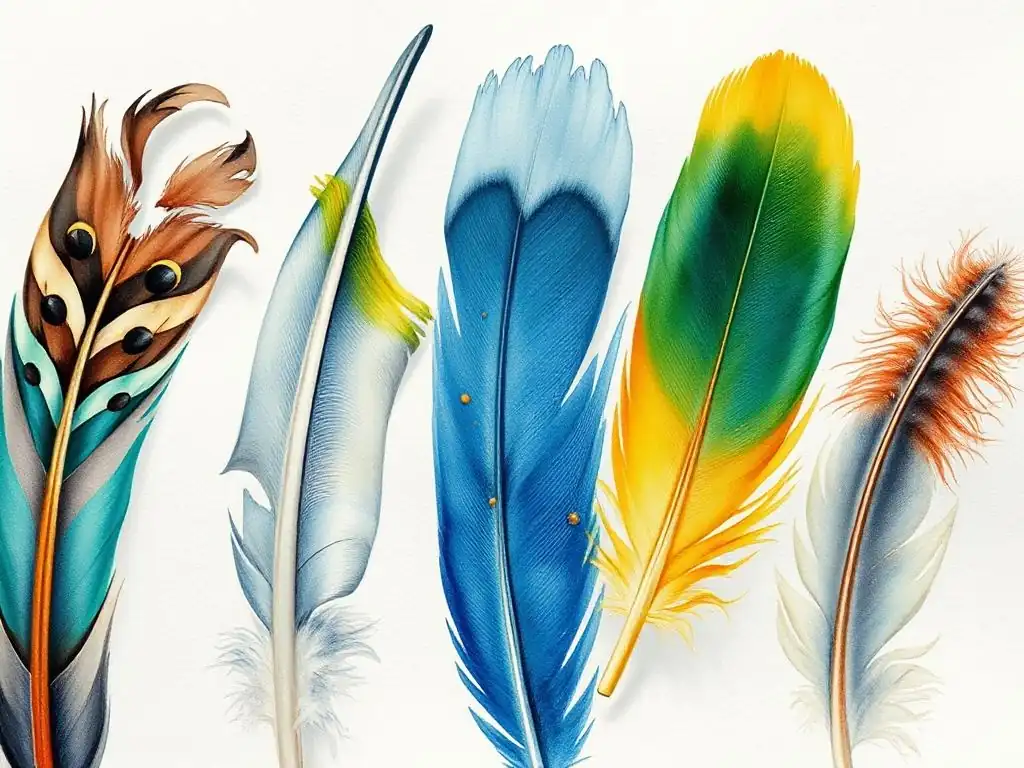
This section delves into the common ailments affecting bird feather health, providing insights into their underlying causes and potential consequences. Understanding these issues is crucial for proactive bird care and preventing serious health complications. A healthy, vibrant plumage is a strong indicator of a healthy bird, so recognizing problems early is key to successful treatment. This guide focuses on providing a comprehensive understanding of common problems related to bird feather health.
Feather Loss and Molting in Birds: A Natural Process
Molting is a natural process where birds shed old feathers and replace them with new ones. This cyclical shedding is essential for maintaining healthy plumage and is influenced by several factors, including age, season, and hormonal changes. While molting is normal, excessive feather loss or unusual molting patterns can signal underlying health issues.
For example, a parrot undergoing a normal molt might experience a gradual feather loss over several weeks, with new feathers emerging smoothly. However, if a bird is experiencing significant feather loss in a short period, accompanied by lethargy or changes in appetite, it could indicate a more serious problem, such as nutritional deficiencies, stress, or underlying illness. Different species also have different molting cycles; some molt once a year, while others may molt multiple times. Understanding your specific bird's species and typical molting patterns is crucial for differentiating normal molting from abnormal feather loss.
Detailed observation is paramount. Note the rate of feather loss, the areas affected, and any associated symptoms. Keep a record of your bird's molting patterns to establish a baseline for future reference. This information is invaluable for early detection of potential problems. A healthy molt should be relatively even, with new feathers replacing old ones without significant gaps or bare patches.
Identifying Signs of Feather Damage: Broken, Dull, or Missing Feathers
Recognizing the signs of feather damage is crucial for addressing underlying issues. Feather damage can manifest in several ways, including broken feathers, dull plumage, and missing feathers. These issues are not always indicative of a severe problem, but they can signal underlying stress, nutritional deficiencies, or environmental factors.
Birds may damage their feathers due to inadequate perching space, leading to abrasion. Similarly, improperly sized cages can cause feather breakage or plucking. A dull or faded plumage often points to a poor diet lacking essential nutrients like vitamins and minerals necessary for feather synthesis. This often presents as a loss of vibrancy and luster in the feathers. In some cases, feather damage can also be a sign of underlying medical conditions, such as bacterial infections or parasitic infestations.
A helpful approach is to carefully examine your bird's feathers regularly. Look for:
- Broken or frayed feathers: These can be caused by trauma, poor cage design, or underlying health issues.
- Dull or faded plumage: This can indicate a nutritional deficiency or underlying health problem.
- Missing feathers: This could signify stress, feather plucking (a behavioral issue), or parasitic infestation.
- Irregular feather growth: Uneven or patchy feather growth can point towards nutritional deficiencies or hormonal imbalances.
Detailed assessment and record-keeping are vital in this area of bird care. Regular observations will allow for early detection of any abnormalities.
Parasites and Feather Diseases: Mites, Lice, and Bacterial Infections
Parasites such as mites and lice can significantly impact bird feather health. These tiny creatures feed on feathers, skin, and blood, causing irritation, feather loss, and in severe cases, even death. Bacterial infections can also affect feathers, leading to discoloration, weakening, and loss.
Mites: These microscopic parasites burrow into the skin, causing intense itching and feather damage. Infestations often present with feather loss, particularly around the head and vent area. Birds may exhibit excessive preening or scratching.
Lice: Similar to mites, lice feed on feathers and skin, causing irritation and feather damage. They are usually visible to the naked eye as tiny, moving insects on the feathers.
Bacterial Infections: Bacterial infections can weaken feathers, leading to breakage, discoloration, and loss. These infections can be caused by various factors, including poor hygiene, stress, or underlying medical conditions. Symptoms may include localized feather loss, discoloration, and crusting of the skin.
Early detection and treatment are crucial. Veterinary intervention is necessary for proper diagnosis and treatment. Maintaining a clean and hygienic environment is vital in preventing parasitic infestations and bacterial infections. Regular cleaning of the cage, providing fresh food and water, and monitoring your bird's behavior are essential preventative measures for maintaining optimal bird feather health. Remember, a healthy bird is a happy bird!
Nutritional Deficiencies and Their Impact on Feather Quality
Nutritional deficiencies are a significant contributor to poor bird feather health. A balanced diet is crucial for vibrant plumage, and any imbalance can manifest in various ways. For instance, a deficiency in protein can lead to dull, brittle feathers that are prone to breakage. This is because protein is the building block of keratin, the key structural protein in feathers.
Birds experiencing protein deficiency might also exhibit slow feather growth or incomplete feather development, resulting in patchy or sparse plumage. Similarly, a lack of essential fatty acids, like omega-3 and omega-6, can lead to dry, flaky skin and dull, lifeless feathers. These fatty acids are vital for maintaining feather moisture and flexibility.
Specific vitamin and mineral deficiencies also play a role. For example, a deficiency in vitamin A can cause dry skin and poor feather quality, potentially leading to increased susceptibility to infections. A lack of calcium can hinder feather growth and strength, making feathers brittle and easily damaged. Iron deficiency can lead to pale or faded plumage, while zinc deficiency can impair feather formation and lead to abnormal feather growth.
Recognizing these deficiencies is important; a veterinarian can help diagnose nutritional imbalances through blood tests and fecal analysis, recommending dietary adjustments or supplementation as needed. Always consult an avian veterinarian before making significant changes to your bird's diet, especially when introducing supplements. Remember, a healthy diet is paramount for maintaining the structural integrity and vibrancy of your bird's feathers. Providing a varied diet rich in fruits, vegetables, seeds, and pellets formulated for your specific bird species is essential.
Stress and Environmental Factors Affecting Feather Health
Stress significantly impacts a bird's overall health, and this is often reflected in the condition of its feathers. Chronic stress can lead to feather plucking, a behavioral disorder where birds repeatedly pull out their own feathers. This can stem from various sources, including inadequate cage size, lack of environmental enrichment, social isolation, or frightening experiences. Birds housed in overcrowded cages or lacking appropriate perches and toys may exhibit stress-induced feather plucking as a coping mechanism. Similarly, lack of social interaction, especially for social species, can lead to significant stress, manifesting as poor feather condition and feather plucking.
Furthermore, environmental factors play a crucial role. Extreme temperatures, both hot and cold, can negatively affect feather quality. Exposure to drafts or sudden temperature fluctuations can stress the bird and compromise feather health, leading to dullness, breakage, and increased susceptibility to feather damage.
Poor air quality, including excessive dust or fumes, can also irritate the skin and feathers, impacting their appearance and integrity. Similarly, inappropriate humidity levels can either dry out the feathers, making them brittle, or create a damp environment that encourages bacterial or fungal growth, leading to feather damage and potential infections. Providing a stable, comfortable, and stimulating environment is crucial for reducing stress and promoting healthy feather growth.
This includes ensuring adequate space, providing appropriate perches and toys, enriching the environment, and maintaining optimal temperature and humidity levels. Regular cleaning of the bird's cage and surrounding area is also essential to minimize exposure to dust and other irritants. A calm and stable environment is essential for a bird's well-being, and this will be reflected in the health and beauty of its feathers.
Maintaining Optimal Bird Feather Health: A Step-by-Step Guide
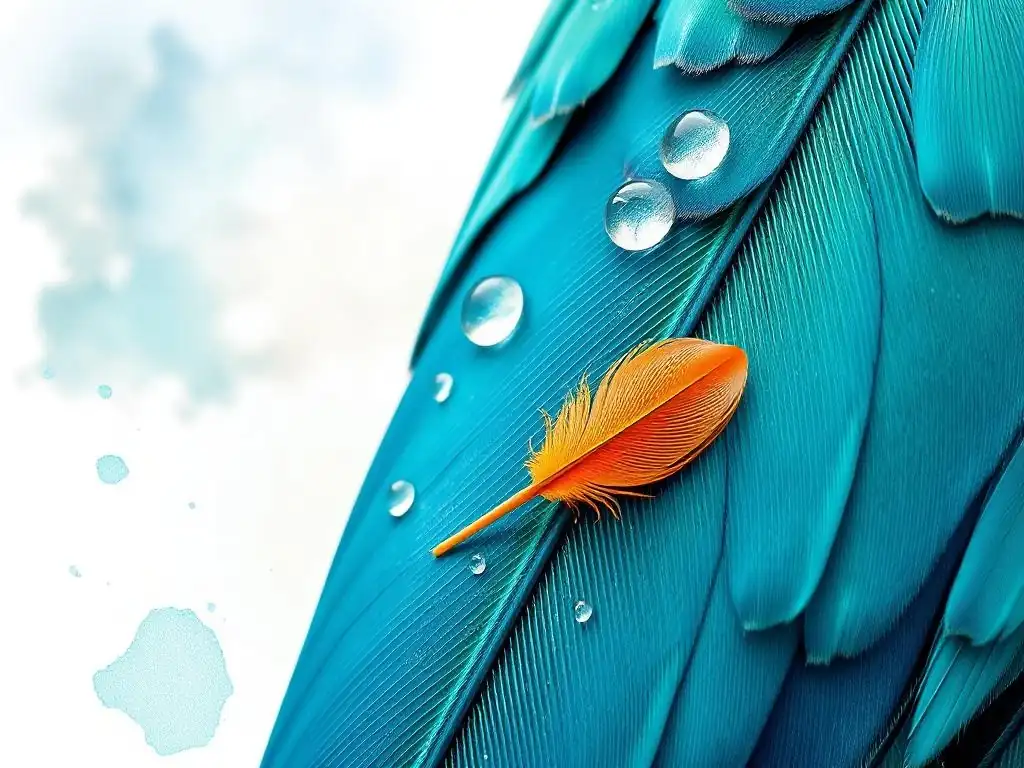
This section delves into the practical steps you can take to ensure your feathered friend boasts vibrant, healthy plumage. Remember, a bird's feathers are crucial for thermoregulation, flight, and overall well-being. Neglecting their care can lead to serious health issues. This guide provides a bird feather health guide focusing on proactive measures.
Providing a Balanced and Nutritious Diet for Vibrant Feathers
A bird's diet directly impacts feather quality. A deficiency in essential nutrients can result in dull, brittle feathers, slow feather growth, and even feather loss. Providing a balanced diet is paramount for maintaining optimal bird feather health. This means incorporating a variety of high-quality foods.
High-quality commercial birdseed mixes should form the base of your bird's diet. However, relying solely on seed mixes is insufficient. Supplement with fresh fruits and vegetables daily. Consider offering a mix including:
- Fruits: Apples (remove seeds), berries (strawberries, blueberries, raspberries), bananas (in moderation), melon (cantaloupe, honeydew).
- Vegetables: Broccoli, carrots, spinach (in moderation), peas, green beans.
- Other additions: Cooked brown rice, small amounts of cooked pasta (plain), and occasionally, a small piece of hard-boiled egg.
Remember to always introduce new foods gradually to avoid digestive upset. Monitor your bird's droppings for any changes that might indicate an adverse reaction. Furthermore, consider adding supplements to your bird's diet, especially during molting periods. These can include:
- Vitamin A: Crucial for feather growth and skin health.
- Vitamin D3: Essential for calcium absorption.
- Calcium: Vital for strong bones and feather structure.
Consult with an avian veterinarian to determine the appropriate supplements and dosages for your specific bird species and its individual needs. Remember, moderation is key. Over-supplementation can be just as harmful as deficiencies. A balanced diet is the cornerstone of a bird feather health guide.
Ensuring Proper Hygiene and Feather Care: Bathing and Preening
Regular bathing and preening are essential for maintaining healthy feathers. Bathing helps remove dust, dirt, and parasites, while preening distributes natural oils, keeping feathers supple and waterproof.
Birds generally enjoy bathing in shallow dishes of water. Supervise your bird during bath time to prevent accidents. Some birds prefer showering under a gentle spray of lukewarm water. Always ensure the water is not too hot or too cold. After bathing, your bird may need assistance preening. You can gently help by using a soft cloth to dab excess water.
Preening is a natural behavior that helps birds keep their feathers in good condition. However, some birds may require assistance with preening, particularly older birds or those with mobility issues. Gentle preening can help remove debris and distribute oils evenly. Use a soft brush or your fingers to gently stroke your bird's feathers in the direction of their natural growth. Never force preening.
Regular checks for parasites are crucial. Examine your bird's feathers for any signs of mites, lice, or other parasites. If you suspect infestation, consult an avian veterinarian immediately. Early detection and treatment are vital to prevent serious health problems and maintain your bird's feather health. A regular bathing and preening routine, as part of your bird feather health guide, significantly reduces the risk of parasitic infestations.
Creating a Safe and Stimulating Environment for Your Bird
The environment plays a significant role in bird feather health. A safe and stimulating environment reduces stress, which can negatively impact feather condition. Stress can manifest as feather plucking or other behavioral issues that affect feather quality.
Ensure your bird's cage is appropriately sized and provides ample space for movement and play. Provide a variety of perches of different sizes and textures to help strengthen leg and foot muscles and prevent foot problems, which can indirectly affect feather condition. Offer a variety of toys to keep your bird mentally stimulated and prevent boredom. Toys should be made of safe materials and regularly inspected for damage. Replace damaged toys immediately.
Regular cleaning of the cage is also crucial. Accumulated droppings and debris can harbor bacteria and parasites, negatively impacting your bird's health and feather condition. Clean the cage regularly using a bird-safe disinfectant. Maintain a clean and hygienic environment to support your bird's overall well-being and optimal feather health. A comfortable and stimulating environment is a key component of a comprehensive bird feather health guide. Remember, a happy bird is a healthy bird with beautiful feathers!
Regular Veterinary Checkups for Early Detection of Problems
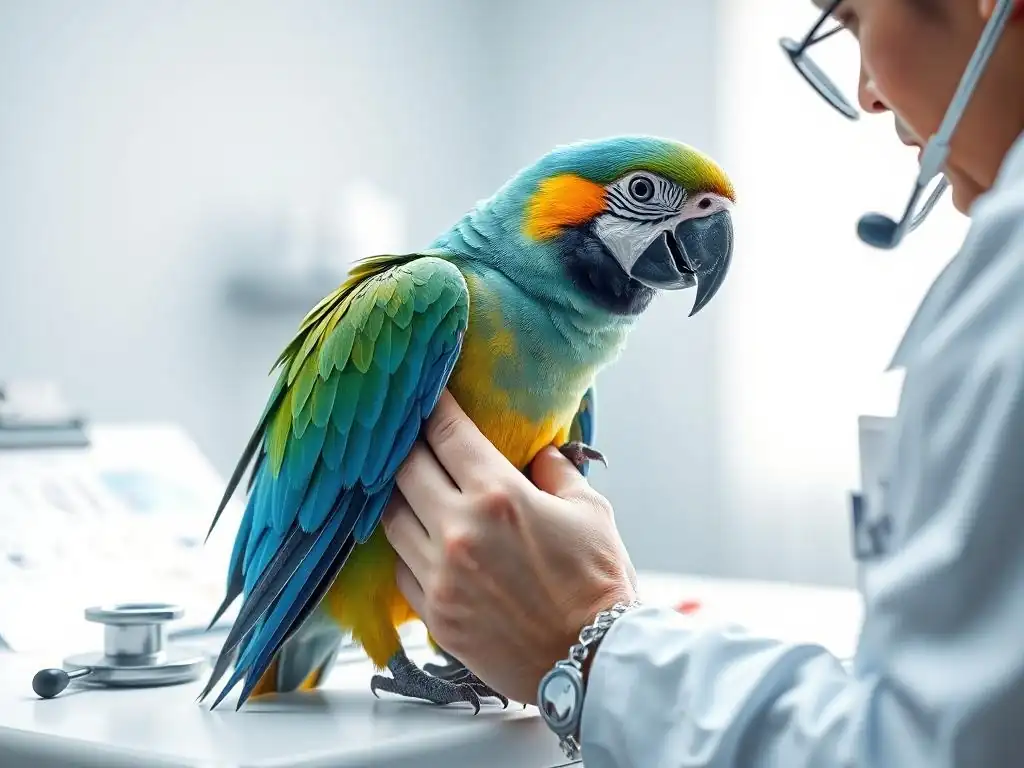
Regular veterinary checkups are paramount for maintaining your bird's feather health. Just like humans, birds can suffer from a variety of conditions that affect their plumage. These conditions can range from relatively minor issues, like feather plucking due to stress, to more serious problems like infections or nutritional deficiencies. Early detection is key to successful treatment and preventing long-term damage.
During these visits, your avian veterinarian will perform a thorough physical examination, carefully assessing your bird's feathers for any signs of damage, discoloration, or unusual feather growth patterns. They may also check for parasites, such as mites or lice, which can significantly impact feather quality and overall health. Furthermore, a comprehensive blood panel can help identify underlying health issues, such as liver or kidney problems, that could manifest as feather abnormalities. Remember, a proactive approach to veterinary care can save you significant heartache and expense in the long run.
Don't wait until you notice a problem; schedule regular checkups to ensure your feathered friend receives the best possible care. A healthy bird is a bird with vibrant, healthy feathers, and regular vet visits are an essential part of that equation. The frequency of these checkups will depend on your bird's age, breed, and overall health, but generally, annual checkups are recommended, with more frequent visits if any concerns arise.
Supplements to Support Feather Growth and Health
While a balanced diet forms the cornerstone of healthy feather growth, sometimes supplemental support can be beneficial. However, it's crucial to consult your avian veterinarian before introducing any supplements to your bird's diet. Improper supplementation can lead to imbalances and potentially harm your bird's health. Some supplements commonly used to support feather health include those containing sulfur-containing amino acids like methionine and cysteine, which are essential building blocks of keratin, the protein that makes up feathers.
Other beneficial supplements may include vitamins and minerals, such as vitamin A, vitamin E, biotin, and zinc, all vital for feather growth and overall health. Always choose high-quality supplements specifically formulated for birds. Avoid human-grade supplements, as these may contain ingredients harmful to birds. Remember that supplementation should complement a healthy diet, not replace it.
A well-balanced diet rich in fruits, vegetables, and high-quality birdseed is the best foundation for healthy feathers. Over-supplementation can be just as detrimental as insufficient supplementation, so always follow your veterinarian's recommendations carefully. Observe your bird closely after introducing any new supplement and promptly report any adverse reactions to your vet. 🐦
Advanced Techniques for Bird Feather Care
This section delves into more advanced techniques for maintaining optimal bird feather health, going beyond the basics of diet and environment. We'll explore specialized care methods and address common misconceptions. Remember, consistent observation is key to early detection and intervention for any feather-related issues.
Identifying and Treating Specific Feather Problems
Identifying the root cause of feather problems is crucial for effective treatment. A seemingly simple issue like dull feathers might indicate a nutritional deficiency, while broken or missing feathers could signal feather plucking, a parasitic infection, or even underlying medical conditions. Let's examine some specific problems and their potential solutions:
- Feather Plucking: This self-destructive behavior can stem from stress, boredom, hormonal imbalances, or underlying medical conditions. Solutions range from environmental enrichment (new toys, perches, larger cage) to veterinary intervention (hormonal therapy, medication for anxiety). Careful observation of your bird's behavior is essential to pinpoint the trigger. For example, a sudden increase in plucking might coincide with a change in routine or the introduction of a new pet.
- Broken or Damaged Feathers: Accidents happen, but repeated damage could point to inadequate perching space, rough surfaces in the cage, or even aggressive interaction with cage-mates. Providing appropriate perches of varying diameters and textures can help prevent this. Minor damage might heal naturally, but severe breakage often necessitates veterinary attention.
- Feather Dulling and Loss of Sheen: This often indicates a nutritional deficiency, particularly in essential fatty acids and vitamins. Supplementing the diet with high-quality bird seed mixes, fresh fruits and vegetables, and appropriate supplements can often restore shine. A vet visit might be necessary to rule out underlying health problems.
- Parasitic Infestations: Mites and lice can cause significant feather damage, leading to itching, feather loss, and even skin infections. Veterinary diagnosis and treatment are crucial, often involving topical or systemic medications. Regular cage cleaning and hygiene are vital in preventing infestations.
Remember, a detailed record of your bird's diet, behavior, and any changes in its appearance can be invaluable to a veterinarian in diagnosing and treating feather problems. Don't hesitate to document any unusual occurrences. Early detection and intervention significantly improve the chances of a successful outcome.
When to Seek Professional Veterinary Help for Feather Issues
While many minor feather problems can be addressed with at-home care, certain situations warrant immediate veterinary attention. These include:
- Sudden and significant feather loss: A rapid decline in feather coverage is a serious sign and requires immediate veterinary assessment.
- Visible skin lesions or infections: Any signs of irritation, redness, or open wounds on the skin beneath the feathers necessitates prompt professional care.
- Persistent feather plucking despite behavioral modifications: If environmental enrichment and other changes haven't addressed feather plucking, a vet can rule out underlying medical conditions.
- Suspected parasitic infestations: Confirming and treating parasitic infestations requires professional diagnosis and treatment to prevent further complications.
- Unusual feather coloration or texture: Changes in feather color or texture that can't be explained by molting could indicate a health issue requiring veterinary attention.
Ignoring these warning signs can lead to serious health complications for your bird. Proactive veterinary care is an investment in your bird's long-term well-being and can significantly improve its quality of life. Early diagnosis and treatment are key to preventing more severe issues.
Handling Molting Season Effectively: Tips and Tricks
Molting is a natural process, but it can be stressful for both the bird and the owner. Understanding the process and providing appropriate support during this time is crucial. Here are some tips for handling molting season effectively:
- Nutritional Support: During molting, birds require increased nutritional intake to support the growth of new feathers. Supplementing their diet with high-quality food, fresh fruits, and vegetables rich in protein and essential nutrients is crucial.
- Environmental Enrichment: Maintaining a calm and comfortable environment is essential during this period of stress. Avoid any significant changes to the bird's routine or environment.
- Hygiene: Increased feather shedding during molting means more cleaning is required. Regularly clean the bird's cage and surrounding areas to remove shed feathers and prevent the build-up of dust.
- Patience: Molting can take several weeks or even months, depending on the bird's species and age. Be patient and provide consistent care and support throughout the process. Remember that your bird might appear less active or even slightly grumpy during this time.
- Monitoring: Closely monitor your bird for any signs of discomfort or difficulty during molting. If you observe anything unusual, contact your avian veterinarian immediately.
By following these tips and closely observing your bird, you can help ensure a smooth and healthy molting season. Providing proper care during this crucial period contributes significantly to your bird's overall feather health and well-being. Remember, a healthy bird is a happy bird! 🐦
Home Remedies for Minor Feather Problems
While a veterinarian should always be consulted for significant feather issues, some minor problems can be addressed with home remedies. These remedies should be considered supplementary to a healthy diet and environment, not replacements for professional veterinary care. Always monitor your bird closely after trying any home remedy, and discontinue use if you see no improvement or if the bird's condition worsens.
One common minor feather problem is preening difficulties. Older birds or birds with mobility issues may struggle to reach all areas of their plumage. Gentle hand-preening can help, using a soft, clean cloth or your fingers to carefully smooth and separate feathers. Be extremely gentle and avoid pulling or stressing the bird. Remember, your bird's feathers are delicate! Focus on areas the bird seems to struggle with, and always prioritize the bird's comfort.
Another issue is minor feather damage from chewing or scratching. This is often seen in birds kept in smaller cages with limited enrichment, leading to boredom-induced feather destruction. Providing more toys, perches of varying textures, and opportunities for foraging can significantly reduce this behavior.
For minor damage, applying a tiny amount of pet-safe coconut oil to the affected area can help moisturize and condition the feathers, promoting healthy growth. Always test a small amount in an inconspicuous area first to ensure your bird doesn't have an allergic reaction. Remember, a healthy, enriched environment is crucial for preventing many feather problems.
Finally, addressing dust and debris is paramount. Regular cleaning of the bird's cage and environment is crucial. Use a safe, pet-friendly cleaning solution and thoroughly rinse the cage to remove all traces of cleaning products before returning your bird. Regularly changing the bird's food and water dishes will also help prevent the accumulation of debris that could affect feather health.
A clean environment is a happy and healthy environment for your feathered friend. Consider adding a shallow dish of clean sand or a cuttlebone to your bird's cage to assist in preening and supplement essential minerals. These simple steps can significantly improve your bird's feather condition. Remember, prevention is always better than cure when it comes to bird feather health.
Frequently Asked Questions about Bird Feather Health
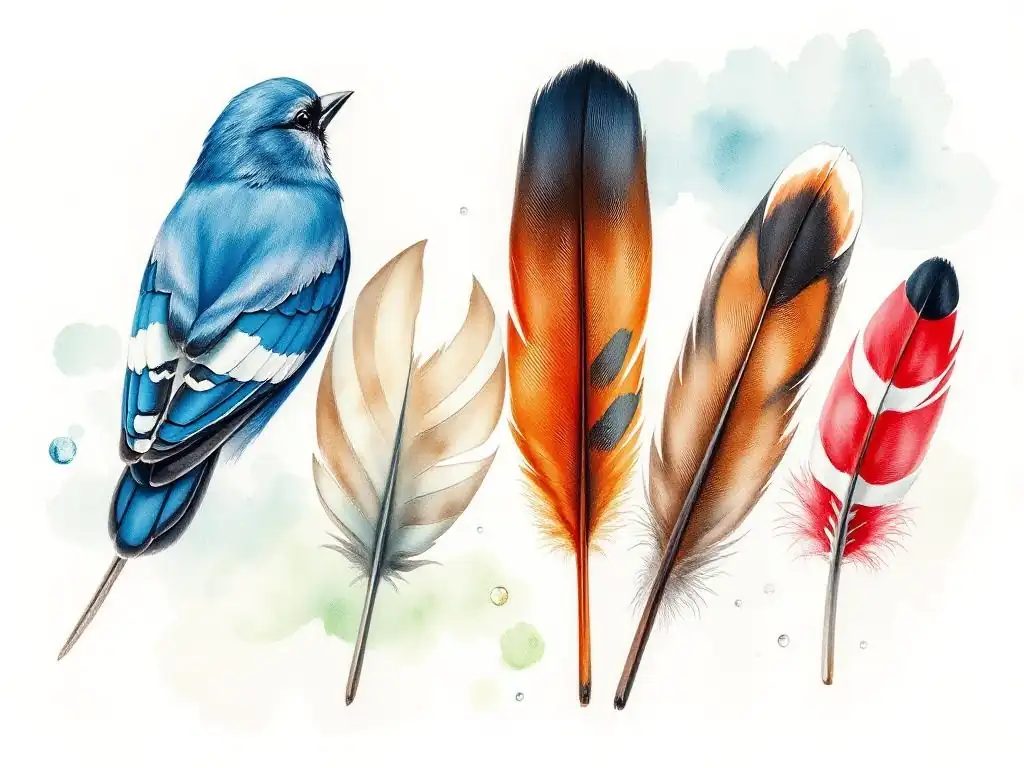
This section addresses common queries regarding the health and maintenance of your bird's feathers, a crucial aspect of their overall well-being. Understanding these frequently asked questions will empower you to provide optimal care and identify potential problems early. Remember, a bird's plumage is a reflection of its internal health; healthy feathers indicate a healthy bird.
How Often Should I Bathe My Bird?
The frequency of bathing for your bird depends heavily on its species and individual needs. Some birds, like cockatoos, require more frequent bathing than smaller, more agile species like finches. Over-bathing can dry out the feathers and skin, leading to irritation and potential feather damage. Under-bathing can lead to a buildup of oils and dirt, impacting feather quality and potentially attracting parasites.
A good rule of thumb is to observe your bird. If its feathers appear dull or dusty, a bath might be beneficial. However, avoid daily baths unless specifically recommended by an avian veterinarian. Instead, aim for a bath every 1-2 weeks, or even less frequently for some species.
You can bathe your bird in a shallow dish of lukewarm water, or use a spray bottle with lukewarm water to mist their feathers gently. Always supervise your bird during bath time and ensure the water is not too hot or too cold. After the bath, gently towel-dry your bird or allow it to air dry in a warm, draft-free area.
Providing a safe and comfortable environment during and after the bath is crucial for your bird's stress levels and overall feather health. Remember to always prioritize your bird's comfort and observe its reactions to determine the appropriate bathing frequency. Some birds may prefer a shower, while others might be happier with a gentle misting.
What are the Signs of a Feather Disease?
Detecting feather diseases early is vital for effective treatment and preventing further complications. Several signs can indicate underlying feather problems. These range from subtle changes in plumage to more obvious symptoms. Early recognition is key to successful intervention and minimizing the impact on your bird's health.
Several warning signs to watch out for include:
- Feather loss: Excessive feather loss or patches of bare skin are clear indicators of a problem. This could be due to various factors, including nutritional deficiencies, stress, parasitic infestations (like mites or lice), or underlying medical conditions.
- Dull or brittle feathers: Healthy feathers have a natural sheen and are supple. Dull, brittle, or easily broken feathers can signal nutritional imbalances, hormonal issues, or diseases.
- Abnormal feather growth: Deformed or oddly shaped feathers, or feathers that fail to fully develop, could point to genetic abnormalities, nutritional deficiencies, or illness.
- Changes in feather color: Discoloration or unusual markings on the feathers can be indicative of various diseases or metabolic disorders.
- Self-mutilation: Feather plucking, chewing, or excessive preening are often signs of stress, anxiety, or underlying medical conditions.
If you notice any of these signs, it’s crucial to consult an avian veterinarian immediately. They can conduct a thorough examination, identify the underlying cause, and recommend appropriate treatment. Early diagnosis and intervention are vital for successful management of feather diseases and maintaining your bird's overall health. Don't hesitate to seek professional help; your bird's well-being depends on it.
How can I prevent feather plucking in my bird?
Feather plucking, or self-mutilation, is a serious behavioral problem in birds that can significantly impact their feather health and overall well-being. It's often a symptom of an underlying issue, rather than a problem in itself. Addressing the root cause is crucial for effective management and prevention.
Several factors can contribute to feather plucking:
- Stress and boredom: A monotonous environment lacking in enrichment can lead to boredom and frustration, resulting in feather plucking. Providing a stimulating environment with plenty of toys, perches, and opportunities for interaction can help alleviate stress.
- Nutritional deficiencies: Inadequate nutrition can impact feather growth and quality, potentially contributing to feather plucking. A balanced diet, tailored to your bird's species and age, is essential.
- Medical conditions: Underlying medical conditions, such as hormonal imbalances, allergies, or skin irritations, can cause discomfort and lead to feather plucking. Regular veterinary check-ups are crucial for early detection and management of medical issues.
- Social isolation: Lack of social interaction can lead to stress and anxiety, potentially triggering feather plucking. Ensuring your bird has adequate social interaction, either with other birds or with you, is important.
Prevention strategies focus on addressing these underlying causes. Enriching your bird’s environment, providing a balanced diet, and ensuring regular veterinary care are all crucial steps. If feather plucking persists despite these efforts, consulting a veterinarian specializing in avian behavior is recommended. They can help identify any underlying medical or behavioral issues and recommend appropriate treatment strategies. Remember, patience and consistency are key to managing feather plucking and ensuring your bird's overall health and happiness.
What should I do if I find my bird losing a lot of feathers?
Excessive feather loss in birds, also known as plucking or feather picking, can be a serious indicator of underlying health problems or stress. It's crucial to act quickly and address the issue to prevent further complications and ensure your feathered friend's well-being. The first step is to rule out normal molting. Molting is a natural process where birds shed old feathers to make way for new ones, and it usually happens gradually over several weeks or months. However, excessive feather loss beyond the typical molting period warrants immediate attention.
If you notice your bird losing significantly more feathers than expected during a molt, or if the feather loss is sudden and patchy, you should consult an avian veterinarian immediately. A vet can perform a thorough examination to identify the root cause. Several factors can contribute to excessive feather loss, including:
- Nutritional deficiencies: A lack of essential vitamins and minerals in your bird's diet can lead to poor feather quality and increased shedding. Ensuring your bird receives a balanced diet rich in fruits, vegetables, and high-quality birdseed is crucial.
- Parasites: Mites, lice, and other external parasites can irritate the skin and cause your bird to pluck its feathers. A vet can diagnose and treat these parasites effectively.
- Stress and anxiety: Environmental changes, loud noises, or interactions with other pets can stress your bird, leading to feather plucking. Creating a calm and enriching environment is essential for your bird's mental health.
- Medical conditions: Various medical conditions, such as bacterial or fungal infections, hormonal imbalances, and liver disease, can manifest as excessive feather loss. Early diagnosis and treatment are crucial in these cases.
- Behavioral issues: Sometimes, feather plucking can be a behavioral issue stemming from boredom, lack of stimulation, or underlying psychological problems. Providing ample opportunities for play, exploration, and social interaction can help alleviate this.
Remember, observing your bird's behavior is just as important as noticing the feather loss. Changes in appetite, activity levels, droppings, or vocalizations can provide valuable clues to help your vet make a diagnosis. Don't hesitate to keep a detailed record of your bird's behavior and feather loss patterns to share with your avian veterinarian. Early intervention is key to addressing the underlying cause and restoring your bird's beautiful plumage and overall health. A healthy and happy bird is a bird with vibrant, healthy feathers! 🐦
Conclusion: Keeping Your Feathered Friend Feather Perfect
This comprehensive guide has explored the multifaceted world of bird feather health, providing you with the knowledge and tools to ensure your feathered friend maintains a vibrant and healthy plumage. Understanding the intricacies of feather structure, the importance of nutrition, and the potential impact of environmental factors are crucial steps in proactive bird care. Remember, early detection and intervention are key to addressing any feather-related issues. A healthy bird is a happy bird, and a happy bird boasts beautiful, lustrous feathers.
Maintaining a Healthy and Happy Bird Through Optimized Feather Care
Maintaining optimal bird feather health is an ongoing process that requires consistent attention and a holistic approach. It's not just about addressing problems as they arise; it's about proactively creating an environment conducive to healthy feather growth and maintenance. This involves several key strategies:
- Nutrition is Paramount: A balanced diet rich in essential vitamins, minerals, and amino acids is fundamental. Ensure your bird's food provides sufficient protein, fats, and carbohydrates tailored to its specific species and life stage. Consider supplementing with high-quality bird-specific vitamins and minerals, but always consult with an avian veterinarian before making any significant dietary changes. Avoid processed foods and sugary treats, as these can negatively impact overall health and feather quality.
- Environmental Enrichment: A stimulating environment is crucial for a bird's overall well-being, directly impacting feather health. Provide ample space for flight and exercise. Include a variety of perches of different sizes and textures to promote healthy foot muscles and prevent pressure sores, which can indirectly affect feather condition. Regular cleaning of the cage and the provision of fresh water are also essential for preventing bacterial and fungal infections that can damage feathers.
- Regular Veterinary Check-ups: Just like humans, birds require regular health check-ups. Schedule annual visits with an avian veterinarian for a thorough examination, including a careful assessment of feather quality and condition. Early detection of potential problems, such as feather plucking, parasites, or nutritional deficiencies, can prevent more significant issues from developing. Your veterinarian can provide personalized advice and treatment plans based on your bird's specific needs.
- Addressing Feather Problems Promptly: If you notice any abnormalities in your bird's feathers, such as excessive shedding, dullness, broken feathers, or feather plucking, seek veterinary attention immediately. Early intervention is critical in preventing secondary infections and addressing the underlying cause of the problem. Delaying treatment can lead to more severe complications and potentially irreversible damage.
- Monitoring for Parasites: Regularly inspect your bird for external parasites, such as mites or lice, which can cause significant feather damage and irritation. If you suspect a parasitic infestation, consult your avian veterinarian for appropriate treatment. Maintaining a clean environment and regular cleaning of the cage are vital preventive measures.
By diligently following these guidelines, you can significantly contribute to your bird's overall health and well-being, resulting in beautiful, vibrant feathers and a happy, thriving companion. Remember, a healthy bird is a happy bird, and healthy feathers are a testament to excellent care. This bird feather health guide aims to empower you to provide the best possible care for your beloved avian friend.
Frequently Asked Questions
What are the common signs of unhealthy bird feathers?
Unhealthy feathers often appear dull, brittle, or broken. You might also notice excessive feather loss, or changes in feather texture. Consult a vet if you see these signs.
How can I improve my bird's feather condition through diet?
A balanced diet rich in protein, vitamins, and minerals is crucial. Supplementing with essential fatty acids can also promote healthy feather growth. Consult your avian vet for specific dietary recommendations.
What role does preening play in maintaining feather health?
Preening is vital for distributing natural oils, removing parasites, and maintaining feather structure. Encourage preening by providing a safe and comfortable environment for your bird.
My bird is molting; is this cause for concern?
Molting is a natural process, but excessive feather loss or prolonged molting could indicate an underlying health issue. Monitor your bird closely and consult an avian veterinarian if you have concerns.
How often should I bathe my bird to maintain healthy feathers?
The frequency depends on your bird's species and individual needs. Regular bathing (but not excessive) helps keep feathers clean and free from debris. Always use warm water and supervise your bird during bathing.
Final Reflection: The Enduring Beauty and Fragility of Avian Life
The health of a bird's feathers is not merely an aesthetic concern; it's a vital indicator of overall well-being, directly impacting their survival and ability to thrive in their environment. A seemingly small detail like feather condition can reveal underlying health issues, highlighting the interconnectedness of avian health and the delicate balance of their ecosystems.
Witnessing the vibrant plumage of a bird, the intricate detail of each feather, is a humbling experience. It underscores the remarkable artistry of nature and the importance of our role in protecting these creatures. The flight of a bird is a testament to the power of nature's design, and its feathers are the very essence of that flight.
Understanding the intricacies of feather health allows us to appreciate this beauty more deeply, prompting us to become more responsible stewards of the avian world. The ongoing impact of habitat loss, pollution, and climate change on bird populations necessitates a heightened awareness of even the smallest details of their well-being, making this knowledge more crucial than ever.
Now, consider your own connection to the avian world. Perhaps you've been captivated by the sight of a hummingbird hovering near your window, or felt a sense of wonder observing a flock of birds in flight. Take a moment to reflect on the importance of bird feather health, and how you can contribute to their well-being. Whether it's through supporting conservation efforts, providing safe habitats in your own backyard, or simply educating others about the significance of healthy feathers, your actions can make a difference. Let's work together to ensure the continued beauty and flight of these magnificent creatures.
Unlock Your Bird's Sparkling Plumage!
Thanks for exploring the world of avian feather care! We hope you've learned valuable tips for keeping your feathered friend looking and feeling their best. Now, let's put that knowledge into practice.
- Prioritize a Nutritious Diet: Begin by adding high-quality foods and supplements to your bird's daily diet. You'll soon notice a difference in the vibrancy and shine of their feathers!
- Schedule Regular Preening: Set aside 15 minutes each day for gentle preening. This is a wonderful bonding opportunity, and allows you to identify any potential feather problems early on.
- Share Your Success: Inspire other bird lovers by sharing this article and your experiences on social media. Let them know what works best for you and your pet.
What small step will you take today to improve your bird's feather health and overall well-being?