
The Best Perches and Toys for Parrots: A SpeciesSpecific Guide

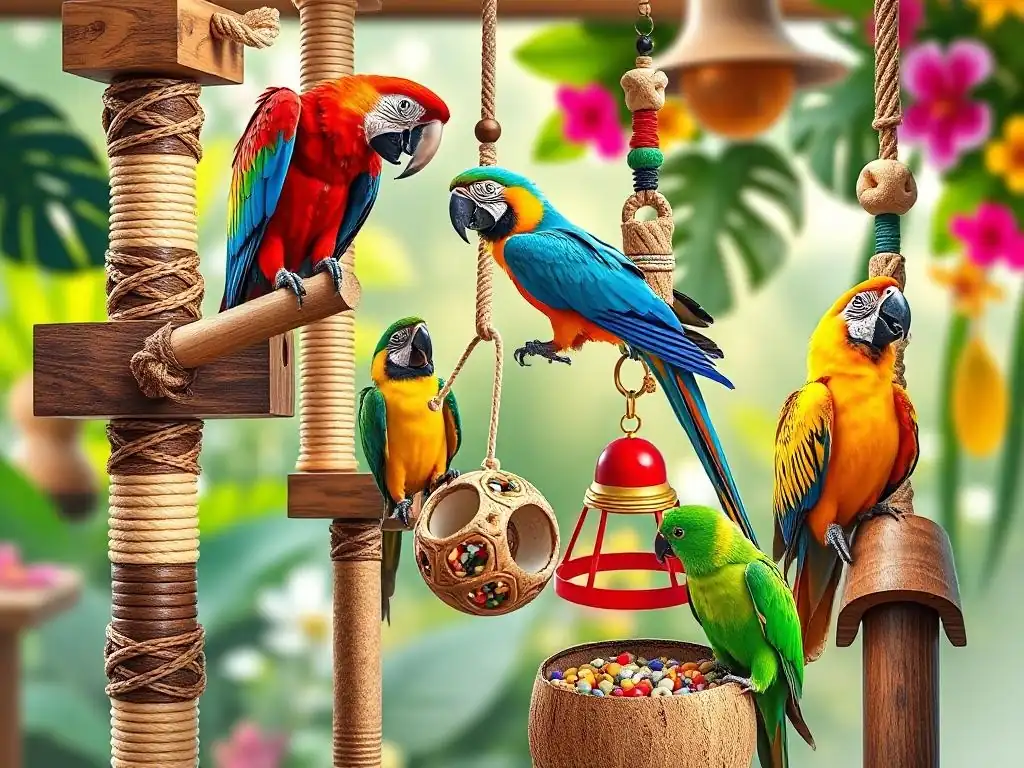
Welcome to PetCareWorld, your ultimate guide to a happier, healthier life for your beloved companion animals! Are you ready to unlock the secrets to a thriving parrot? Our comprehensive Best Parrot Perch Toys Guide dives deep into the world of species-specific perches and toys, offering expert advice to ensure your feathered friend enjoys a stimulating and enriching environment. Discover how the right perch can transform your parrot's well-being – explore now and uncover the key to a happier, healthier bird!
- Understanding Your Parrot's Needs: Choosing the Right Perch and Toy
- Best Parrot Perches: A Species-Specific Guide
- Enrichment Toys for Parrots: Stimulating Play and Preventing Boredom
- Safety First: Choosing Non-Toxic and Durable Parrot Toys
- Creating a Stimulating Environment for Your Parrot: Perches, Toys, and Beyond
- Resources for Finding the Best Parrot Perches and Toys
- Frequently Asked Questions
- Final Reflection: Enriching Lives, One Perch at a Time
- Unlock Your Parrot's Playful Potential!
Understanding Your Parrot's Needs: Choosing the Right Perch and Toy
Parrots, with their vibrant plumage and engaging personalities, are beloved companions for many. However, responsible parrot ownership extends far beyond providing food and water. A crucial aspect of ensuring your feathered friend thrives is providing appropriately sized and stimulating perches and toys.
This comprehensive guide will delve into the specifics of selecting the best perches and toys for your parrot, considering species-specific needs and promoting optimal physical and mental well-being. We'll explore the critical factors influencing perch selection, the importance of variety to prevent health issues, and a species-specific approach to toy selection, all to help you create an enriching environment for your parrot. This guide aims to be your ultimate resource for finding the best parrot perch toys, ensuring your parrot enjoys a happy and healthy life.
Choosing the right perch and toys is not just about entertainment; it's about contributing to your parrot's physical health, preventing injuries, and stimulating their natural behaviors. Let's dive into the details! 🦜
Perch Size and Material: Crucial Considerations for Parrot Well-being
The size and material of your parrot's perch are paramount to its physical health. Improper perches can lead to foot deformities, joint problems, and even bumblefoot (a painful infection of the foot). The ideal perch diameter should allow your parrot to comfortably grasp it with its entire foot, encouraging natural gripping and preventing strain. Larger parrots, like Macaws and Amazons, require thicker perches (1-2 inches in diameter), while smaller species like budgies and cockatiels may need thinner perches (0.5-1 inch).
Consider the material as well. While wood is a popular choice, avoid pressure-treated wood, as it contains harmful chemicals. Natural, untreated wood such as branches from fruit trees (ensure they are pesticide-free! ), manzanita, and willow are excellent options. These offer varied textures and encourage natural foot exercises.
Avoid smooth, slippery materials. Adding different textures, such as rope perches or natural wood with knots and bark, provides additional stimulation and foot exercise. Remember to regularly inspect and replace worn or damaged perches to prevent injuries. A diverse range of perch sizes and materials is key to promoting healthy foot development and preventing joint issues. Think about providing a variety of perches of different diameters and materials to allow your parrot to choose what suits them best at any given moment.
The Importance of Variety in Parrot Perches: Preventing Joint Problems
Providing a single perch, even if it's the perfect size and material, isn't sufficient. Parrots need variety in their perches to prevent joint problems and encourage natural behaviors. Imagine holding your hand in one position for hours – it would become uncomfortable, right? The same applies to your parrot's feet. A monotonous perch setup can lead to:
- Foot deformities: Constant pressure on the same areas of the feet can cause abnormal bone growth and joint problems.
- Joint pain and arthritis: Lack of movement and varied grip positions can contribute to arthritis and other joint issues in older parrots.
- Bumblefoot: Constant pressure on the foot pads can increase the risk of infection.
To mitigate these risks, incorporate a variety of perches with different:
- Diameters: Offer a selection of thin, medium, and thick perches.
- Materials: Include wood, rope, and other textured perches.
- Shapes: Experiment with curved, straight, and even angled perches.
This variety encourages your parrot to shift its weight and use different muscles in its feet, promoting overall foot health and preventing the development of joint problems. Regularly rotating perches also helps maintain their condition and prevents excessive wear on any single perch.
Toy Selection Based on Parrot Species and Age: A Comprehensive Overview
Toy selection is just as crucial as perch selection. Toys provide mental stimulation, prevent boredom, and encourage natural foraging behaviors. However, the type of toy appropriate for a small budgie is vastly different from one suitable for a large macaw. Consider these factors:
- Species: Larger parrots require sturdier, more challenging toys that can withstand their powerful beaks. Smaller parrots may be content with simpler toys.
- Age: Young parrots need toys that encourage chewing and exploration, while older parrots may benefit from toys that provide gentle mental stimulation.
- Interests: Observe your parrot's preferences. Does it enjoy shredding, foraging, or manipulating objects? Tailor toy selection to its individual interests.
A well-rounded toy collection should include:
- Chew toys: Wooden blocks, foraging toys, and rope toys provide opportunities for beak exercise and prevent beak overgrowth.
- Puzzle toys: These toys challenge your parrot mentally and encourage problem-solving skills.
- Foraging toys: These toys mimic natural foraging behaviors and provide mental stimulation. They can include toys that require your parrot to work to access treats or toys.
- Swinging toys: These toys provide physical activity and entertainment.
Remember to regularly rotate toys to prevent boredom and keep your parrot engaged. Providing a variety of stimulating and appropriate toys is essential for a happy, healthy, and well-adjusted parrot. A well-stocked toy box will keep your parrot entertained and help them avoid destructive behaviors caused by boredom.
Best Parrot Perches: A Species-Specific Guide
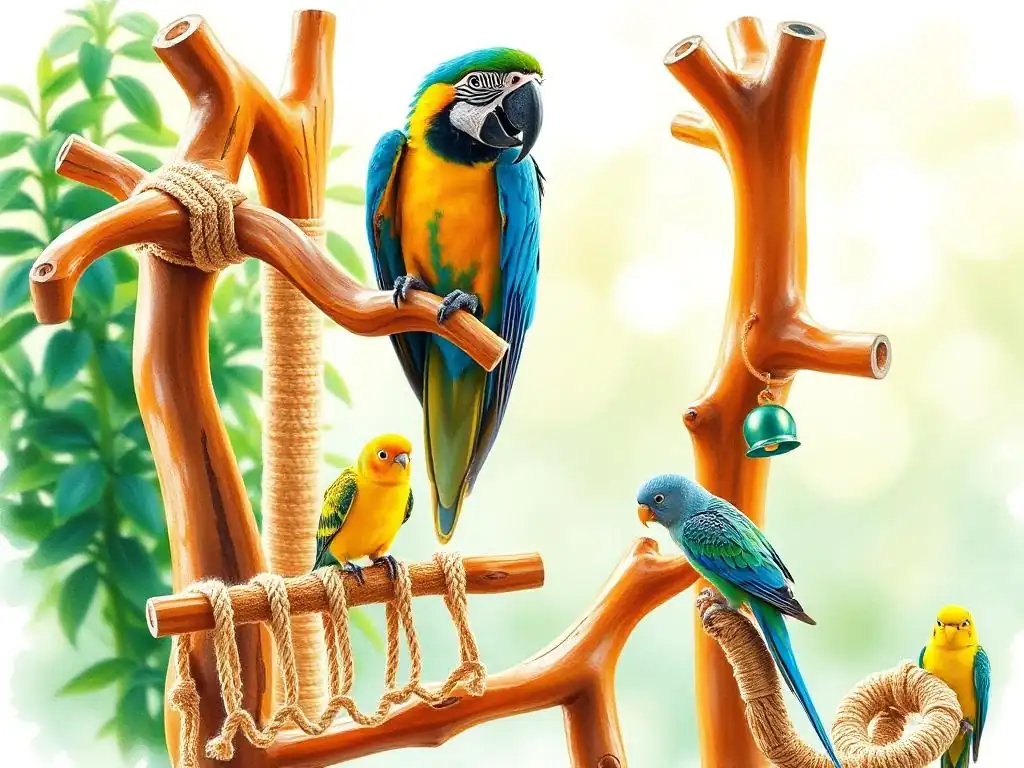
Choosing the right perch is crucial for your parrot's physical and mental well-being. Parrots spend a significant portion of their day perched, so providing varied and appropriate perches is essential for preventing foot problems, promoting healthy nail growth, and encouraging natural behaviors. This section focuses on perch recommendations tailored to different parrot sizes, emphasizing the importance of species-specific considerations for optimal parrot perch toys selection. Remember, a diverse range of perches is key to mimicking their natural environment and preventing repetitive strain injuries.
Ideal Perches for Small Parrots: Cockatiels, Budgies, and Lovebirds
Small parrots like Cockatiels, Budgies, and Lovebirds require perches that are appropriately sized to prevent their feet from being spread too wide or too narrow. Overly large perches can lead to strain and discomfort, while perches that are too small can cause injury.
- Diameter: Aim for perches with a diameter of 0.5 to 1 inch. Variety is key! Offer a mix of natural wood perches and man-made options.
- Materials: Natural wood perches such as applewood, willow, and aspen are excellent choices. Avoid treated or painted wood. Consider offering rope perches for added texture and variety.
- Placement: Position perches at varying heights within the cage to encourage climbing and exploration. Small parrots appreciate multiple perches, allowing them to move freely and choose their preferred spot.
- Example Perch Combinations: A combination of a 0.75-inch diameter applewood perch, a 0.5-inch diameter willow perch, and a short section of natural sisal rope perch provides a good start for a small parrot's cage setup.
Remember to regularly inspect and replace worn or damaged perches. A damaged perch can present a hazard to your bird. Providing a diverse range of perches caters to their natural instinct to climb and forage.
Suitable Perches for Medium-Sized Parrots: Conures and Senegals
Medium-sized parrots, such as Conures and Senegals, need larger and sturdier perches than their smaller counterparts. The perches should still be appropriately sized to avoid foot problems, but they need to be able to support their weight comfortably.
- Diameter: Perches ranging from 1 to 1.5 inches in diameter are generally suitable. Again, providing a variety of diameters is beneficial.
- Materials: Natural wood perches remain a great option. Consider thicker branches of hardwoods like oak or manzanita. Mineral perches can also be incorporated to help with beak maintenance.
- Placement: Maintain varied perch heights and locations to encourage exercise and prevent boredom. These parrots benefit from larger cages with more space for movement.
- Additional Considerations: Medium-sized parrots often appreciate perches with different textures, such as those with bark still attached or slightly rough surfaces. This helps maintain nail health and provides additional grip. A combination of multiple sizes and textures in their cage is essential.
Large Parrot Perch Recommendations: Amazons, Macaws, and African Greys
Large parrots like Amazons, Macaws, and African Greys require robust and substantial perches that can handle their considerable weight and strength. Inadequate perches can lead to serious foot problems and injuries in these larger birds.
- Diameter: Large parrots benefit from perches with diameters ranging from 1.5 to 2.5 inches or even larger, depending on the species and size of the bird. Consider providing a variety of sizes within this range.
- Materials: Thick, sturdy branches from hardwoods like ironwood or even some fruit tree branches (ensure they are untreated) are ideal. These perches provide excellent support and encourage natural foraging behavior. Natural variations in the wood are beneficial.
- Placement: Provide ample space within the cage for multiple large perches, ensuring that they are securely fastened to prevent accidents. Large parrots need plenty of room to move and exercise.
- Safety First: Regularly inspect perches for signs of wear and tear, especially with large parrots who can be quite strong. Replacing damaged perches is crucial to prevent injuries. Providing a combination of natural wood perches, mineral perches, and even some rope perches will ensure the best possible environment for your large parrot. Remember, a healthy, happy parrot is an active parrot! 🐦
Choosing the right perch is a vital part of providing excellent care for your parrot. Remember to prioritize safety, variety, and species-specific needs when selecting perches and toys for your feathered friend. This guide provides a starting point; further research based on your specific parrot species will further enhance your understanding of their needs.
Natural Wood Perches vs. Man-Made Materials: Pros and Cons for Parrot Health
Choosing the right perch material is crucial for your parrot's foot health and overall well-being. Natural wood perches and man-made materials each offer distinct advantages and disadvantages. Understanding these differences will help you make an informed decision that prioritizes your feathered friend's comfort and health.
Natural wood perches, such as those made from branches of fruit trees (apple, willow, etc.) or other safe hardwoods, offer several benefits. The irregular surfaces provide excellent grip and stimulate natural foot exercises, preventing foot deformities often associated with consistently smooth surfaces. The natural texture also helps keep your parrot's nails trimmed naturally through regular wear. Furthermore, some parrots enjoy chewing on wood perches, and natural wood provides a safe and enriching activity, contributing to their mental stimulation and preventing boredom.
However, it is crucial to ensure the wood is untreated and sourced responsibly, avoiding any potential exposure to harmful chemicals or pesticides. Regular cleaning and replacement are necessary to prevent bacterial growth and splintering. Additionally, certain wood types might be toxic to parrots, so careful research into safe species is essential. For example, while apple wood is generally safe, avoid cedar and redwood.
Man-made materials, such as plastic or rope perches, are often more readily available and can be cheaper. They are generally easier to clean and maintain, requiring less frequent replacement. Some man-made perches are designed with textured surfaces to mimic the grip of natural wood. However, many parrots find these less stimulating than natural wood. The consistently smooth surfaces of many plastic perches can lead to foot problems over time, including bumblefoot (pododermatitis), a painful bacterial infection.
The lack of chewing opportunities can contribute to boredom and destructive behaviors. Furthermore, some low-quality man-made materials may contain harmful chemicals that can leach into your parrot's environment, affecting their health. Always opt for reputable brands that prioritize safety and use non-toxic materials. Regular inspection for any signs of wear and tear or damage is crucial to ensure your parrot's safety.
Ultimately, the best approach is often a combination of both. Providing a variety of perches with different textures, sizes, and materials caters to your parrot's natural instincts and promotes healthy foot development. A good strategy involves offering a few natural wood perches alongside one or two man-made perches for variety and ease of cleaning.
Remember that regular inspection and replacement of perches are key to ensuring your parrot's ongoing foot health and overall well-being. Prioritize safety and always research the materials thoroughly before purchasing. This multifaceted approach ensures your parrot receives the best possible care, supporting their physical and mental health.
Enrichment Toys for Parrots: Stimulating Play and Preventing Boredom
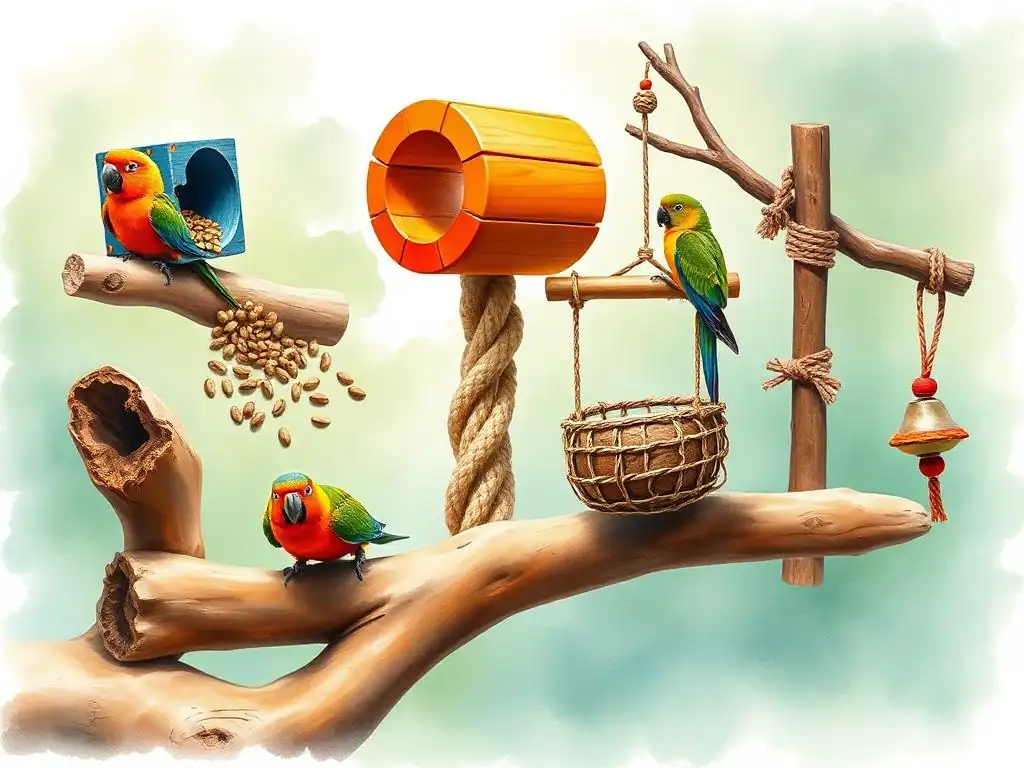
Parrots are highly intelligent and active birds requiring significant mental and physical stimulation to prevent boredom and behavioral problems. Enrichment toys play a crucial role in a parrot's overall well-being, contributing to their happiness and preventing destructive behaviors stemming from lack of engagement. Choosing the right enrichment toys is key, and considering your parrot's specific species and personality is essential for optimal results. A bored parrot is a destructive parrot, so proactive enrichment is a vital part of responsible parrot ownership.
Foraging Toys for Parrots: Encouraging Natural Instincts
Foraging is a natural behavior for parrots, mirroring their wild counterparts' search for food. Foraging toys mimic this process, encouraging natural instincts and providing mental stimulation. These toys often involve hiding treats or food within a puzzle-like structure, requiring the parrot to work to access its reward. Examples include:
- Food-stuffed toys: Toys filled with nuts, seeds, or pellets that the parrot needs to pull apart or manipulate to extract the food. These can range from simple knotted ropes to more complex woven toys.
- Foraging balls: Hollow balls with small holes that dispense food as the parrot rolls or manipulates the ball.
- Puzzle feeders: More complex toys that require problem-solving skills to access the hidden treats. The level of difficulty should be adjusted to the parrot's abilities.
Providing a variety of foraging toys keeps your parrot engaged and prevents them from becoming bored with a single type of activity. Consider rotating toys regularly to maintain interest and challenge. Remember to always supervise your parrot during playtime with any new toy to ensure safety and prevent accidental ingestion of small parts. The variety in foraging toys available ensures a stimulating and engaging experience that mirrors the natural foraging behaviors of parrots.
Puzzle Toys for Parrots: Mental Stimulation and Problem-Solving
Puzzle toys are designed to challenge a parrot's cognitive abilities, demanding problem-solving skills to access a reward. These toys are crucial for preventing boredom and promoting mental well-being. Parrots thrive on challenges, and puzzle toys provide a safe and stimulating outlet for their intelligence. The complexity of the puzzle should be tailored to the bird's age and experience.
- Sliding puzzles: Toys with sliding panels or compartments requiring the parrot to manipulate them to reach a treat.
- Twist-and-turn puzzles: Toys with rotating parts or levers that need to be manipulated in a specific sequence to release the reward.
- Peg puzzles: Toys with pegs that need to be removed or rearranged to access the treat.
The benefits of puzzle toys extend beyond simple entertainment. Regular engagement with these toys can improve cognitive function, reduce stress, and enhance problem-solving skills in your feathered companion. Observe your parrot's interaction with the puzzle and adjust the difficulty accordingly, ensuring that the challenge remains engaging but not frustrating. A well-chosen puzzle toy can provide hours of enriching entertainment for your parrot.
Destructive Toys for Parrots: Safe Outlets for Chewing and Biting
Chewing and biting are natural behaviors for parrots, and providing safe and appropriate toys for these activities is essential. Destructive toys serve as a crucial outlet, preventing your parrot from targeting inappropriate items like furniture or electrical cords. These toys should be durable and made from non-toxic materials.
- Wood toys: Untreated, hardwood toys are ideal for chewing, offering a safe and satisfying outlet for this natural behavior. Avoid softwoods, which can splinter easily.
- Sisal rope toys: These durable toys provide a good texture for chewing and can be braided or knotted to add complexity.
- Cardboard toys: Untreated cardboard boxes or tubes can be a fun and safe chewing toy, especially for smaller parrots. Always supervise your parrot and remove any pieces that become small enough to be ingested.
Choosing the right destructive toys is crucial for preventing damage to your home and ensuring your parrot's safety. Remember to regularly inspect toys for signs of wear and tear and replace them when necessary. Providing a variety of safe chewing options will help keep your parrot entertained and prevent them from resorting to destructive behaviors on unsuitable items. Providing adequate destructive toys is a key element of responsible parrot ownership, ensuring the safety of both your pet and your belongings. The best parrot perch toys guide also emphasizes safe and appropriate chewing options.
Interactive toys are crucial for stimulating a parrot's mind and preventing boredom, but they also offer a fantastic opportunity to strengthen the bond between you and your feathered friend. These toys encourage interaction, teaching your parrot problem-solving skills and rewarding them with positive reinforcement. The key is to choose toys that encourage engagement and challenge your parrot without being overly frustrating.
For example, a foraging toy that requires your parrot to manipulate levers or solve puzzles to access treats can be incredibly engaging. The process of working for the reward strengthens the bond as you guide your parrot through the activity, celebrating their successes and offering gentle encouragement when needed. This shared experience fosters trust and companionship. Remember to vary the difficulty of the foraging toys to keep your parrot stimulated and challenged. A toy that is too easy will quickly become uninteresting, while one that's too difficult can lead to frustration.
Another excellent interactive toy option is a puzzle feeder that dispenses food in a non-obvious way. This encourages your parrot to use its natural foraging instincts and problem-solving abilities. The act of figuring out how to access the food is rewarding in itself, and the successful retrieval of the treat further reinforces positive behavior. Observe your parrot's interaction with these toys; it's a great way to understand their problem-solving skills and adjust the difficulty accordingly. You can also use these opportunities to further your bond by verbally praising their efforts and providing positive reinforcement.
Consider toys that allow for two-way interaction, such as a simple game of fetch with a soft, parrot-safe ball. This not only provides physical exercise but also strengthens the social bond through shared play. Remember, consistency is key. Regular playtime with interactive toys will significantly improve your parrot's mental well-being and help build a strong, loving relationship. Always supervise your parrot during playtime to ensure safety and prevent potential hazards.
The time spent interacting with your parrot through these toys is invaluable for both of you. It's an investment in their happiness and your relationship. Remember to rotate toys regularly to prevent boredom and maintain engagement. Parrots, like humans, appreciate novelty and variety in their play.
Safety First: Choosing Non-Toxic and Durable Parrot Toys
Parrots are intelligent and curious creatures, constantly exploring their environment through chewing and manipulating objects. Therefore, selecting safe and durable toys is paramount to their well-being. A seemingly innocuous toy can quickly become a hazard if it's made of toxic materials or contains small, detachable parts that could be ingested.
This section focuses on identifying safe materials, checking for potential hazards, and establishing a routine for toy inspection and replacement, all crucial aspects of responsible parrot ownership. Choosing the best parrot perch toys means prioritizing safety above all else. This comprehensive guide will help you make informed decisions to ensure your feathered friend remains happy and healthy.
Identifying Safe Materials for Parrot Toys: Avoiding Harmful Substances
Many materials commonly used in toy manufacturing are toxic to parrots. These include lead-based paints, certain types of wood treated with preservatives (especially pressure-treated lumber), and plastics containing BPA or phthalates. Always opt for toys made from natural, non-toxic materials.
Here's a breakdown of safe and unsafe materials:
| Material | Safe? | Notes |
|---|---|---|
| Natural Wood | Yes | Ensure it's untreated and from a reputable source. Avoid softwoods that splinter easily. |
| Stainless Steel | Yes | Durable and easy to clean. |
| Cotton Rope | Yes | Check for loose fibers that could be ingested. |
| Seagrass | Yes | A natural and engaging material. |
| Paper (recycled) | Yes | Supervise your bird to prevent excessive shredding and ingestion. |
| Lead Paint | No | Extremely toxic to parrots. Avoid at all costs. |
| Plastics (many) | No | Check for BPA and phthalate-free labels. Many plastics are not parrot-safe. |
| Treated Wood | No | The chemicals used in treating wood are harmful. |
Remember, even if a material is generally considered safe, always inspect the toy carefully for any signs of damage or deterioration before giving it to your parrot. A seemingly minor flaw can pose a serious risk.
Checking for Potential Hazards: Ensuring Your Parrot's Safety
Beyond the materials themselves, the design and construction of the toy are equally important. Look for potential hazards like:
- Small parts: Parrots are prone to swallowing small pieces, which can cause internal blockages or other serious health problems.
- Loose threads or fibers: These can wrap around your bird's legs or feet, potentially causing injury.
- Sharp edges or points: These can cause cuts and abrasions.
- Toxic dyes or finishes: Brightly colored toys may contain harmful dyes. Opt for naturally colored toys whenever possible.
- Metal fasteners: Ensure that any metal parts are securely fastened and not easily removable.
Before introducing a new toy, thoroughly inspect it for any of these potential dangers. It's always better to err on the side of caution. Consider the size and strength of your parrot; a toy suitable for a small parakeet might be easily destroyed and become a hazard for a larger macaw.
Regular Toy Inspection and Replacement: Maintaining a Safe Play Environment
Even the most durable toys will eventually show wear and tear. Regular inspection is crucial to prevent accidents. Aim to check your parrot's toys at least once a week, looking for:
- Fractures or cracks: Discard any toys with visible damage.
- Loose parts: Remove any loose components immediately.
- Excessive wear: Replace toys that are significantly worn down.
- Evidence of chewing: Parrots often chew toys until they are reduced to small pieces. Discard these immediately.
A good rule of thumb is to rotate toys regularly. This keeps your parrot engaged and prevents them from becoming overly focused on one particular toy, potentially leading to excessive chewing and damage. Providing a variety of toys also stimulates their natural foraging behaviors. A safe and stimulating environment directly contributes to the overall health and happiness of your parrot. Remember, choosing the best parrot perch toys is an ongoing process that involves careful selection, regular inspection, and proactive replacement.
Creating a Stimulating Environment for Your Parrot: Perches, Toys, and Beyond
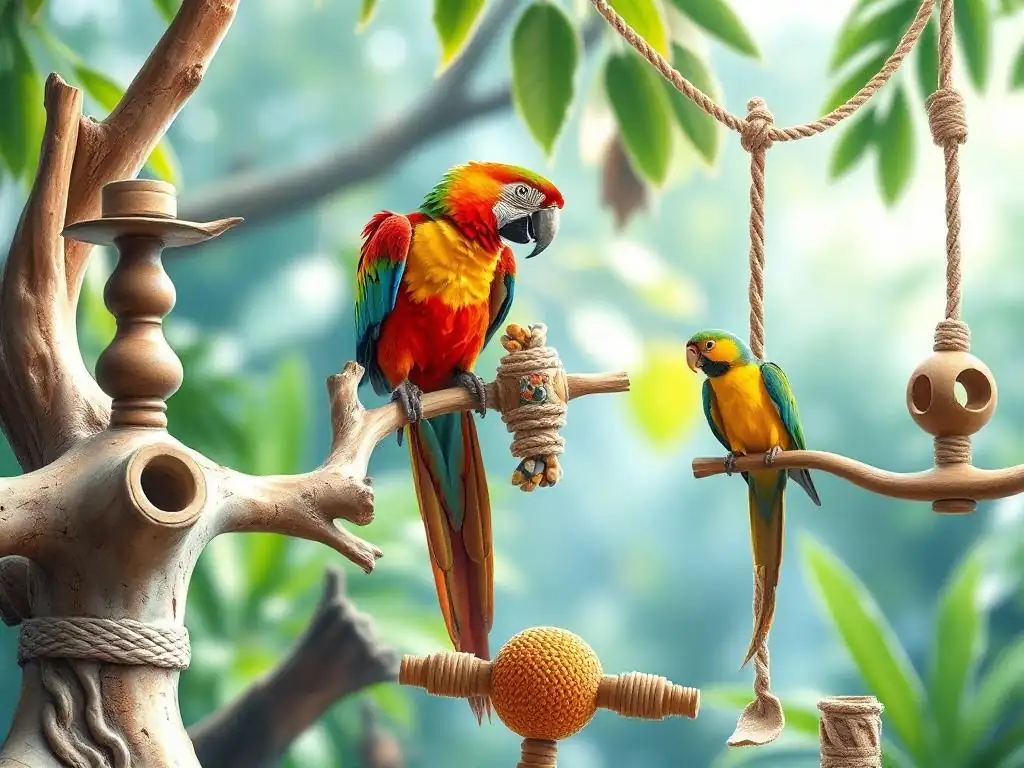
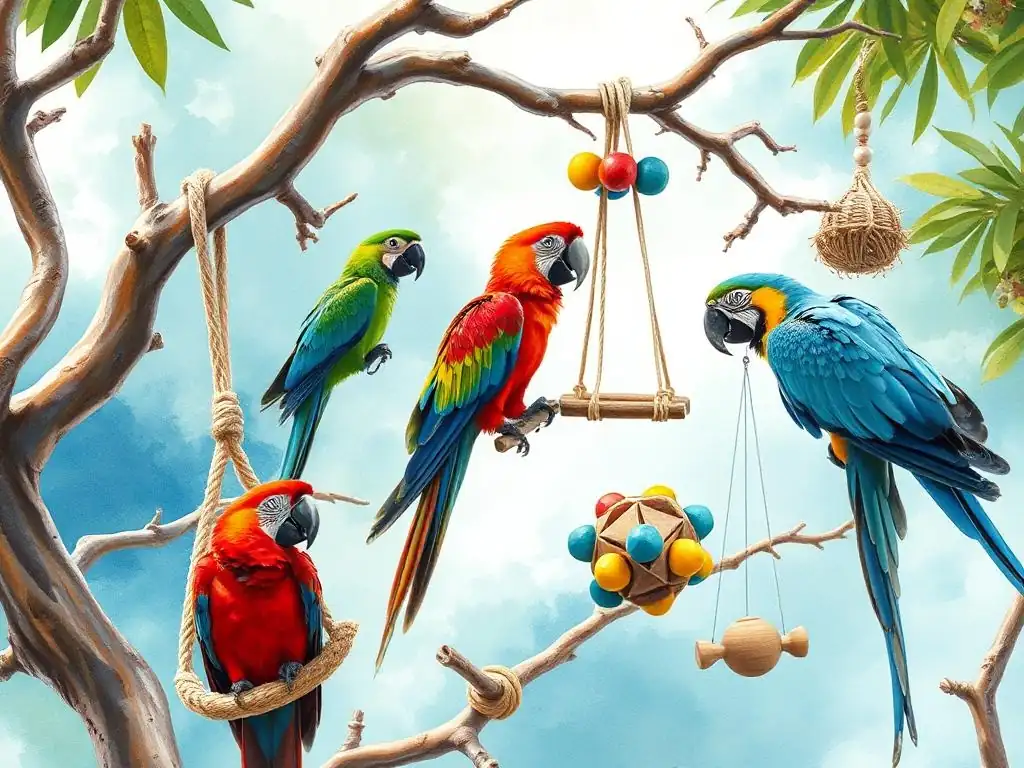
Providing a stimulating environment for your parrot is crucial for their physical and mental well-being. A parrot's natural environment is rich with opportunities for climbing, foraging, and exploration. Replicating these aspects within the cage is key to preventing boredom, stress, and behavioral problems such as feather plucking or excessive screaming. The right combination of perches and toys allows your parrot to engage in natural behaviors, keeping them happy, healthy, and mentally sharp.
Consider your parrot's species and size when selecting both perches and toys; a large macaw will require significantly different equipment than a small budgie. Remember, enrichment isn't just about toys; it's about creating a space that encourages natural behaviors. This includes providing opportunities for climbing, chewing, and exploring different textures and materials. Think of it as creating a parrot-sized adventure playground within their cage!
The more varied and engaging their environment, the happier and healthier your feathered friend will be. This is a vital aspect of responsible parrot ownership and contributes significantly to their overall quality of life. Ignoring this aspect can lead to serious behavioral and health issues.
Combining Perches and Toys for Optimal Enrichment
The most effective approach to parrot enrichment involves strategically combining perches and toys. Instead of simply placing toys randomly, consider integrating them into the perch system. For example, you can attach foraging toys to perches, encouraging your parrot to climb and manipulate the toy simultaneously. This combines physical activity with mental stimulation, providing a more complete and engaging experience.
Consider using perches of varying diameters and materials. This encourages your parrot to use different foot grips and strengthens their leg muscles. You can even incorporate toys that require your parrot to use its beak and feet together, further enhancing the complexity of the interaction. This multi-sensory approach mimics their natural foraging behaviors, which are crucial for both physical and cognitive health.
For instance, a rope perch with a small bell attached can provide both a comfortable resting place and a stimulating auditory and tactile experience. Remember to observe your parrot's interactions with the toys and perches to gauge their preferences and adjust accordingly. This dynamic approach ensures that the enrichment remains effective and engaging over time.
Positioning Perches and Toys Strategically within the Cage
The placement of perches and toys within the cage is not arbitrary; it significantly impacts their effectiveness. Avoid placing all perches at the same height – this limits your parrot’s movement and exploration. Instead, create a vertical arrangement with perches at different heights and angles. This encourages climbing, a natural behavior for parrots, keeping them physically active and engaged.
Furthermore, strategically position toys throughout the cage. Place some toys near perches, others in corners, and some suspended from the top. This creates a sense of discovery and exploration, preventing boredom and stimulating your parrot's curiosity. Consider your parrot's preferred sleeping and resting spots and avoid placing stimulating toys directly next to these areas.
You want to encourage activity, but also provide areas for rest and relaxation. The goal is to create a three-dimensional environment that mimics the complexity of their natural habitat. A well-designed cage layout will significantly reduce the likelihood of boredom-related behavioral issues. By considering the spatial arrangement, you can dramatically improve the enrichment value of both perches and toys.
Rotating Toys Regularly: Preventing Boredom and Maintaining Interest
Parrots, much like humans, can become bored with repetitive stimuli. To maintain engagement and prevent boredom, it's essential to rotate toys regularly. This doesn't mean discarding old toys; rather, it involves cycling them in and out of the cage. Remove a few toys from the cage each week and replace them with different ones. This creates a sense of novelty, keeping your parrot interested and engaged.
You can store the removed toys in a separate location and reintroduce them after a few weeks. This prevents your parrot from becoming completely accustomed to any single toy, ensuring that the enrichment remains effective. This rotation strategy is especially important for intelligent parrots, such as African Greys and Amazons, who can quickly become bored with unchanging environments. It's a simple but highly effective method to maintain a stimulating environment and prevent behavioral problems. Consider keeping a log of which toys you use and when to ensure a systematic and effective rotation schedule.
This consistent change in the parrot's environment is vital for maintaining its mental and physical well-being. This simple practice can make a significant difference in your parrot's overall happiness and health. Remember, a happy parrot is a healthy parrot! 🦜
Resources for Finding the Best Parrot Perches and Toys
Finding the perfect perch and toys for your feathered friend can significantly impact their health, happiness, and overall well-being. A diverse range of high-quality perches and engaging toys is crucial for preventing boredom, promoting natural behaviors, and ensuring your parrot thrives. This section will guide you through the best avenues for sourcing these essential items, focusing on both online and local options. Remember, choosing the right perch and toys is a significant step in providing excellent parrot care. The best parrot perch toys guide should help you make informed decisions.
Reputable Online Retailers for Parrot Supplies
Navigating the online world for parrot supplies can be overwhelming. To help you avoid potential pitfalls and find trustworthy sources, we've compiled some key characteristics of reputable online retailers specializing in avian supplies. These retailers prioritize quality, safety, and customer satisfaction. Look for these features when making your selection:
- Detailed product descriptions: Reputable sellers provide thorough descriptions, including materials, dimensions, and suitability for different parrot species. Vague or insufficient information should raise a red flag.
- High-quality images and videos: Multiple images from various angles, along with videos showcasing the product's features, are essential for assessing quality and suitability.
- Customer reviews and ratings: Pay close attention to customer reviews. A high number of positive reviews, along with responses from the seller addressing any negative feedback, indicates a commitment to customer satisfaction.
- Secure payment gateways: Ensure the website uses secure payment gateways (look for "https" in the URL) to protect your financial information.
- Clear return and exchange policies: A transparent return policy demonstrates confidence in their products and a commitment to resolving any issues.
- Species-specific recommendations: The best online retailers will offer specific recommendations for different parrot species, taking into account size, beak strength, and play preferences.
Local Pet Stores Specializing in Avian Supplies
While online shopping offers convenience, the personal touch of a local pet store can be invaluable. Visiting a local store allows you to examine products firsthand, ask questions, and receive personalized advice from knowledgeable staff. When searching for a local store, consider these factors:
- Staff expertise: Look for stores with staff who demonstrate a genuine understanding of parrot needs and can provide species-specific recommendations. Ask questions about perch materials, toy safety, and appropriate enrichment activities. Don't hesitate to inquire about their experience with various parrot breeds.
- Product variety: A wide selection of perches and toys caters to diverse parrot sizes and preferences. A store with limited options may not meet your parrot's specific needs.
- Cleanliness and organization: A clean and well-organized store suggests a commitment to hygiene and overall quality. This is particularly important when dealing with pet supplies.
- Community involvement: Many local pet stores support avian rescue organizations or participate in community events. This often indicates a strong commitment to animal welfare.
- Customer testimonials: Check online reviews or ask other parrot owners for recommendations. Word-of-mouth referrals can be a reliable indicator of a store's quality and service.
Remember, whether you choose online or local options, prioritizing quality, safety, and species-specific needs is paramount when selecting perches and toys for your parrot. A well-equipped cage contributes significantly to your parrot's physical and mental well-being, making it a crucial aspect of responsible parrot ownership. Following this guide will help you find the best parrot perch toys and create a stimulating and enriching environment for your beloved companion.
Frequently Asked Questions
What makes a good parrot perch?
A good parrot perch should be species-appropriate in size and material. Consider natural wood options like manzanita or java wood, offering varied textures and diameters to promote healthy feet. Avoid painted or treated wood.
How do I choose the right toys for my parrot's species?
Toy selection depends heavily on your parrot's species and size. Larger parrots need sturdier toys, while smaller birds may enjoy smaller, intricate puzzles. Research toys specifically designed for your parrot's breed.
Are there any dangerous materials to avoid in parrot toys?
Yes, avoid toys containing toxic paints, small parts that can be swallowed, or materials that can easily be shredded and ingested. Always supervise your bird with new toys to ensure safety.
How often should I replace my parrot's toys?
Replace toys regularly, depending on their condition and your parrot's interaction. Damaged or heavily chewed toys should be replaced immediately to prevent injury. Aim for rotating toys every few weeks to keep your parrot stimulated.
Where can I find the best parrot perches and toys?
PetCareWorld offers a comprehensive guide to the best perches and toys for parrots. You can also find reputable suppliers online and at specialized pet stores that focus on avian supplies. Remember to prioritize safety and quality when making your selection.
Final Reflection: Enriching Lives, One Perch at a Time
Providing our feathered friends with the best possible environment is not just about fulfilling basic needs; it's about fostering their well-being and celebrating their unique personalities. The right perch and toys can transform a cage from a mere enclosure into a vibrant, stimulating world, directly impacting a parrot's physical and mental health. This is more crucial than ever in a world where companion parrots are increasingly common, demanding responsible and informed care.
The journey of understanding parrot enrichment has been a deeply rewarding one for me. Witnessing the joy a simple, thoughtfully chosen toy can bring to a parrot is truly remarkable. A bird doesn't sing because it has an answer, it sings because it has a song.
– Chinese Proverb. This quote perfectly encapsulates the inherent joy and expression parrots possess, a joy we can amplify by providing them with the tools to thrive. The impact of appropriate enrichment extends beyond the individual bird; it fosters a deeper connection between owner and pet, enriching the lives of both.
So, as you consider the information presented in this guide, I urge you to take a moment to reflect on your own parrot's environment. Are their perches varied and stimulating? Do their toys encourage natural behaviors like foraging and climbing? Consider making small changes, one perch or toy at a time, to create a more enriching and fulfilling life for your beloved companion. The journey towards a happier, healthier parrot begins with a single, thoughtful choice.
Unlock Your Parrot's Playful Potential!
Thank you for exploring parrot enrichment with us! We hope you found our advice on selecting the perfect perches and toys helpful. Now, let's put that knowledge into practice!
- Prioritize playtime: Daily interaction is crucial for your parrot's happiness and well-being. Aim for at least 30 minutes of interactive play, using the tips and recommendations from the article.
- Explore new options: Introduce a new perch material or toy—you might discover your parrot's new favorite! Challenge yourself and your feathered friend to try something different.
- Share your discoveries: Let other parrot enthusiasts know about your successes! Share your parrot's reactions to new toys and perches on social media using #PetCareWorldParrotPlay.
What exciting enrichment activities will you and your parrot enjoy today?