
Puzzle Toys for Birds: Boosting Intelligence and ProblemSolving Skills

Welcome to PetCareWorld, your ultimate guide to a happier, healthier life for your beloved pets! Are you ready to unlock your feathered friend's full potential? We delve into the fascinating world of avian intelligence with our expert guide on the best bird puzzle toys. Discover how stimulating mental challenges can benefit your bird's well-being and keep them engaged for hours. Explore the exciting possibilities and find the perfect puzzle toy to sharpen your bird's mind – read on to discover more!
- Understanding the Benefits of Puzzle Toys for Birds
-
Selecting the Best Bird Puzzle Toys: A Comprehensive Guide
- Types of Bird Puzzle Toys: Foraging, Interactive, and Difficulty Levels
- Best Bird Puzzle Toys for Small Birds (e.g., Finches, Canaries)
- Best Bird Puzzle Toys for Medium Birds (e.g., Cockatiels, Conures)
- Best Bird Puzzle Toys for Large Birds (e.g., Macaws, Amazons)
- Top Materials for Safe and Durable Bird Puzzle Toys
- Considering Your Bird's Personality and Preferences When Choosing Toys
- How to Introduce Puzzle Toys to Your Bird
- DIY Bird Puzzle Toys: Creative and Cost-Effective Options
- Maintaining and Cleaning Bird Puzzle Toys
- Beyond Puzzle Toys: Further Enrichment Ideas for Your Feathered Friend
- Frequently Asked Questions
- Final Reflection: Unlocking Avian Brilliance Through Play
- Unlock Your Bird's Inner Einstein: Boost Their Brainpower Today!
Understanding the Benefits of Puzzle Toys for Birds
Providing optimal care for your feathered friend extends far beyond providing nutritious food and a clean cage. A crucial aspect often overlooked is mental stimulation. Just like humans, birds need engaging activities to prevent boredom and maintain their cognitive health.
This article delves into the world of puzzle toys for birds, exploring how these enriching tools can significantly improve your bird's well-being, boosting their intelligence and problem-solving skills. We'll explore the best bird puzzle toys available, focusing on features that promote mental engagement and prevent behavioral issues commonly associated with boredom in captive birds. This guide will help you choose the perfect puzzle toys to enrich your bird's life and strengthen your bond.
We'll cover various types of puzzles, catering to different bird species and activity levels, ensuring you find the ideal solution for your avian companion. Let's discover how to transform your bird's cage into a stimulating and exciting environment.
Enriching Your Bird's Environment with Engaging Activities
A stimulating environment is paramount for a happy and healthy bird. Wild birds spend a significant portion of their day foraging for food, exploring their surroundings, and interacting with their flock. In captivity, this natural behavior is often restricted, leading to boredom, frustration, and even behavioral problems like feather plucking or excessive screaming.
Puzzle toys offer a solution by mimicking these natural foraging behaviors. They challenge your bird mentally and physically, providing an outlet for their natural instincts. The process of solving a puzzle, whether it involves manipulating levers, opening compartments, or searching for hidden treats, provides a sense of accomplishment and reinforces positive behaviors.
This engagement is crucial for preventing destructive behaviors and promoting a calmer, more content bird. Consider the variety of puzzles available: some focus on dexterity, others on problem-solving, and still others on simply keeping your bird busy. The key is to offer a range of challenges to keep your bird engaged and stimulated.
Cognitive Stimulation and Mental Well-being for Birds
Providing puzzle toys is not just about entertainment; it's about cognitive enrichment. These toys actively stimulate a bird's brain, preventing cognitive decline and promoting mental sharpness. Studies have shown that mentally stimulated birds are healthier and happier, exhibiting fewer behavioral problems. The process of problem-solving strengthens neural connections, improving memory and learning abilities. This mental stimulation is particularly important for highly intelligent bird species, which can suffer from boredom and frustration if their mental needs are not met.
For example, parrots, known for their intelligence and social needs, benefit greatly from complex puzzle toys that require strategic thinking and problem-solving. By choosing appropriate puzzles that challenge your bird's abilities, you contribute to its overall cognitive health and well-being. This translates to a more confident, curious, and emotionally stable bird. Remember to observe your bird's interaction with the puzzle to gauge the appropriate difficulty level.
Preventing Boredom and Behavioral Issues Through Puzzle Toys
Boredom is a significant contributor to many behavioral problems in pet birds. A bird confined to a small cage with limited stimulation may resort to destructive behaviors like feather plucking, excessive screaming, or self-mutilation. Puzzle toys offer a powerful preventative measure by providing a constructive outlet for your bird's energy and natural instincts. By engaging your bird mentally and physically, you reduce the likelihood of these undesirable behaviors.
The act of solving a puzzle releases endorphins, contributing to a sense of satisfaction and reducing stress. This positive reinforcement further encourages desirable behaviors and strengthens the bond between you and your pet. Regularly rotating puzzle toys introduces novelty and prevents your bird from becoming bored with the same challenges.
This ensures continued mental stimulation and keeps your bird engaged and happy. Think of puzzle toys as a proactive approach to preventing behavioral issues before they arise, ensuring a harmonious coexistence with your feathered companion. Remember to always supervise your bird with new toys, and adjust the difficulty accordingly.
Choosing the Right Puzzle Toys for Your Bird Species
Choosing the appropriate puzzle toy is crucial for maximizing its benefits and ensuring your feathered friend enjoys the challenge. Different bird species possess varying levels of intelligence, dexterity, and beak strength. A puzzle toy suitable for a large macaw might be far too difficult or even dangerous for a small finch. Consider your bird's size and species when selecting a toy. For instance, a large parrot might thrive on complex toys with multiple locking mechanisms and hidden treats, while a smaller bird like a budgie might benefit from simpler puzzles with larger openings and easily accessible rewards.
Understanding your bird's natural foraging behaviors is equally important. Some birds are naturally more inquisitive and problem-solving oriented than others. Observe your bird's interactions with existing toys and enrichment items to gauge their preferred level of challenge. If your bird easily solves a puzzle, you can gradually introduce more complex options. Conversely, if a puzzle proves too frustrating, opt for simpler designs to avoid discouraging your bird. Remember, the goal is to provide mental stimulation without causing undue stress or frustration. The ideal puzzle should present a challenge, but not an insurmountable one.
Furthermore, the material of the puzzle toy is a critical factor. Ensure the material is non-toxic, durable, and safe for your bird to interact with. Avoid toys containing small parts that could be swallowed, or those made from materials that could splinter or release harmful chemicals. Opt for toys made from natural materials like wood, or durable, bird-safe plastics.
Always supervise your bird's playtime with new toys, and regularly inspect them for any signs of damage or wear and tear. Replacing damaged toys promptly prevents potential hazards and maintains the safety and enjoyment of the puzzle-solving experience. This careful selection process ensures that the "best bird puzzle toys" are indeed the best for your specific bird. Remember that even within a species, individual birds have different preferences and abilities.
Selecting the Best Bird Puzzle Toys: A Comprehensive Guide
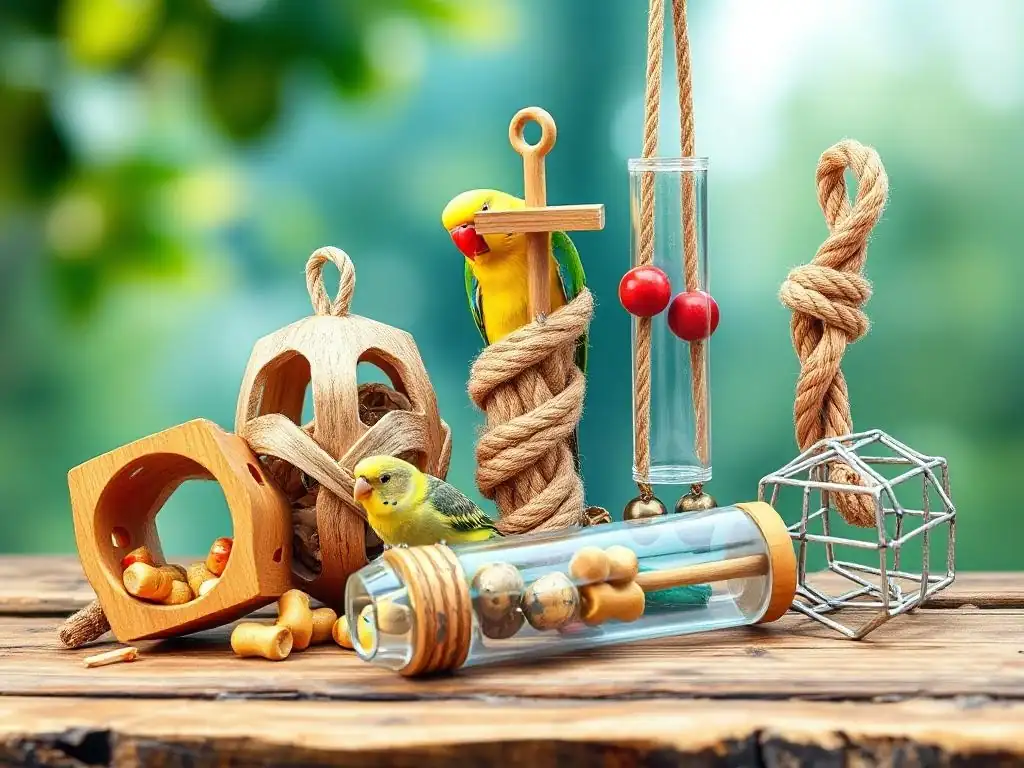
Choosing the right puzzle toy for your feathered friend can significantly enhance their mental stimulation and overall well-being. This guide explores key factors to consider when selecting the best bird puzzle toys for your specific bird, ensuring both safety and engagement. The ideal puzzle toy should challenge your bird appropriately, preventing boredom and encouraging natural foraging behaviors.
Consider your bird's size, species, and current skill level when making your selection. A puzzle toy that is too easy will quickly become uninteresting, while one that is too difficult can lead to frustration. Remember to always supervise your bird during playtime with new toys to ensure safety and prevent accidental ingestion of small parts.
Finding the perfect balance of challenge and reward is crucial for maximizing the benefits of puzzle toys. Observe your bird's interaction with the toy; their engagement level will be a clear indicator of its suitability. Don't hesitate to rotate toys regularly to maintain interest and prevent boredom.
Types of Bird Puzzle Toys: Foraging, Interactive, and Difficulty Levels
The market offers a diverse range of bird puzzle toys, each designed to stimulate different aspects of your bird's intelligence. Categorizing them helps you narrow down your choices.
- Foraging Toys: These toys mimic a bird's natural foraging behavior, requiring them to work for their treats. Examples include toys with hidden compartments, treat balls, and food-dispensing puzzles. These are excellent for promoting natural instincts and reducing boredom. They are available in various difficulty levels, from simple to extremely challenging. The difficulty should match your bird's capabilities.
- Interactive Toys: These toys involve more active participation from your bird. They might include swinging toys with bells, puzzles that require manipulation, or toys with moving parts. These toys encourage physical activity and mental stimulation. Consider the size and strength of your bird when choosing an interactive toy to prevent damage or injury.
- Difficulty Levels: Puzzle toys are generally categorized by difficulty levels, ranging from beginner (easy to access treats) to advanced (requiring complex manipulation). Start with easier puzzles to build your bird's confidence and gradually introduce more challenging ones as their skills improve. Observe your bird's behavior to gauge the appropriate difficulty level. Frustration is counterproductive; the goal is to provide a stimulating, yet achievable, challenge.
| Toy Type | Description | Difficulty Levels | Suitable for |
|---|---|---|---|
| Foraging | Hidden compartments, treat balls, food-dispensing puzzles | Beginner to Expert | All bird sizes and species |
| Interactive | Swinging toys, puzzles requiring manipulation, toys with moving parts | Beginner to Expert | All bird sizes and species |
| Wooden Puzzles | Toys made of wood with varying levels of complexity | Beginner to Expert | Most bird sizes and species |
| Plastic Puzzles | Durable and easy to clean, but check for non-toxic materials | Beginner to Expert | Most bird sizes and species |
Best Bird Puzzle Toys for Small Birds (e.g., Finches, Canaries)
Small birds require toys that are appropriately sized and not overly complex. Avoid toys with small parts that could be ingested. Focus on toys that are easy to manipulate and provide a gentle challenge. Simple foraging toys, such as small treat balls or cups with hidden treats, are ideal. Consider toys made from natural materials like wood or sisal rope.
These offer a safe and engaging experience for your tiny companions. Remember to regularly check the toys for any signs of damage and replace them as needed. Small bells or small, lightweight swings can also be a good addition, but always supervise their interaction with the toys. Observe their behavior carefully to ensure they are not becoming frustrated.
Best Bird Puzzle Toys for Medium Birds (e.g., Cockatiels, Conures)
Medium-sized birds like cockatiels and conures are more robust and can handle more complex puzzles. They benefit from toys with a variety of textures and challenges. Consider puzzles that require more manipulation, such as those with sliding doors, levers, or rotating parts. Foraging toys with multiple compartments and hidden treats are excellent choices. Wooden toys are generally preferred for their durability and safety, but ensure they are made from non-toxic wood.
Remember to always supervise your bird's playtime with new toys. Introduce the toys gradually, allowing your bird time to explore and understand how they work. Providing a variety of toys helps prevent boredom and maintains their interest in engaging with puzzles. Rotating toys regularly also helps keep them stimulated and prevents them from becoming too familiar with a single puzzle.
Best Bird Puzzle Toys for Large Birds (e.g., Macaws, Amazons)
Large parrots like Macaws and Amazons are intelligent and require stimulating puzzle toys to prevent boredom and destructive behaviors. These birds possess powerful beaks, so toys must be exceptionally durable and made from robust, non-toxic materials. Avoid small parts that could easily be broken off and swallowed, posing a serious choking hazard.
Suitable options for large birds often involve larger-scale puzzles with intricate mechanisms. For example, toys with multiple compartments requiring different manipulations to access treats are ideal. These could include sliding panels, rotating discs, or even small foraging balls that challenge their problem-solving skills. Consider toys with sturdy wooden components, thick ropes, and metal hinges.
Remember to supervise your bird during playtime, especially initially, to ensure they understand how to interact with the toy safely and effectively. Regularly inspect the toy for any signs of damage or deterioration to prevent accidents. A good example of a suitable toy would be a large foraging toy with various compartments filled with different types of treats and requiring different levels of manipulation to access, keeping your large parrot engaged for extended periods. The size and complexity should be tailored to the individual bird's capabilities and beak strength.
Top Materials for Safe and Durable Bird Puzzle Toys
The safety and longevity of a bird puzzle toy are paramount. Choosing the right materials is crucial to ensure your feathered friend's well-being and to get the most out of your investment. Avoid toys made from materials that can be easily chewed and ingested, such as soft plastics or untreated wood.
Some of the best materials for bird puzzle toys include:
- Natural wood: Hardwoods like oak or maple are ideal, provided they are untreated and free from harmful chemicals. Always check for certifications to ensure safety.
- Stainless steel: Stainless steel components are highly durable and resistant to chewing, making them suitable for even the most determined chewers. Look for toys with stainless steel hinges, clasps, and bells.
- Food-grade silicone: This material is soft enough to be gentle on a bird's beak but durable enough to withstand repeated use. It's also easy to clean and sanitize.
- Thick, untreated cotton or sisal rope: These materials offer a textured surface for birds to grip and manipulate, and they can be incorporated into various puzzle designs. Ensure the ropes are thick enough to prevent shredding and ingestion of small fibers.
- Seagrass: This natural material is a great option for birds to forage and shred, offering both mental and physical stimulation.
Always check the toy's labeling to verify the materials used and ensure they are non-toxic and safe for avian consumption. Avoid toys with small, easily detachable parts that could pose a choking hazard.
Considering Your Bird's Personality and Preferences When Choosing Toys
Just as humans have unique personalities, so do birds. When selecting puzzle toys, consider your bird's individual temperament and preferences to maximize engagement and enjoyment. Observe your bird's behavior to understand its strengths and weaknesses. Does your bird prefer intricate puzzles or simpler challenges? Are they a determined chewer or a more gentle explorer?
- For curious and adventurous birds: Choose toys with multiple compartments, hidden treats, and intricate mechanisms. These birds will enjoy the challenge of figuring out how to access rewards.
- For cautious or less confident birds: Start with simpler puzzles that offer gradual challenges and easily accessible treats. This will build their confidence and encourage exploration.
- For destructive chewers: Choose toys made from extremely durable materials like stainless steel or very hard, untreated wood. Avoid toys with easily detachable parts.
- For birds who prefer foraging: Opt for toys that allow for foraging behavior, such as foraging balls, treat-dispensing toys, or toys with hidden treats within various compartments.
Remember, the goal is to provide a stimulating and enriching experience. Rotate toys regularly to prevent boredom and introduce new challenges to keep your bird mentally sharp. Observe your bird's interaction with the toys and adjust your selection accordingly. A bird that consistently ignores a toy might benefit from a different type of puzzle or challenge. Tailoring the puzzle toys to your bird’s specific personality is key to maximizing their engagement and enjoyment.
How to Introduce Puzzle Toys to Your Bird
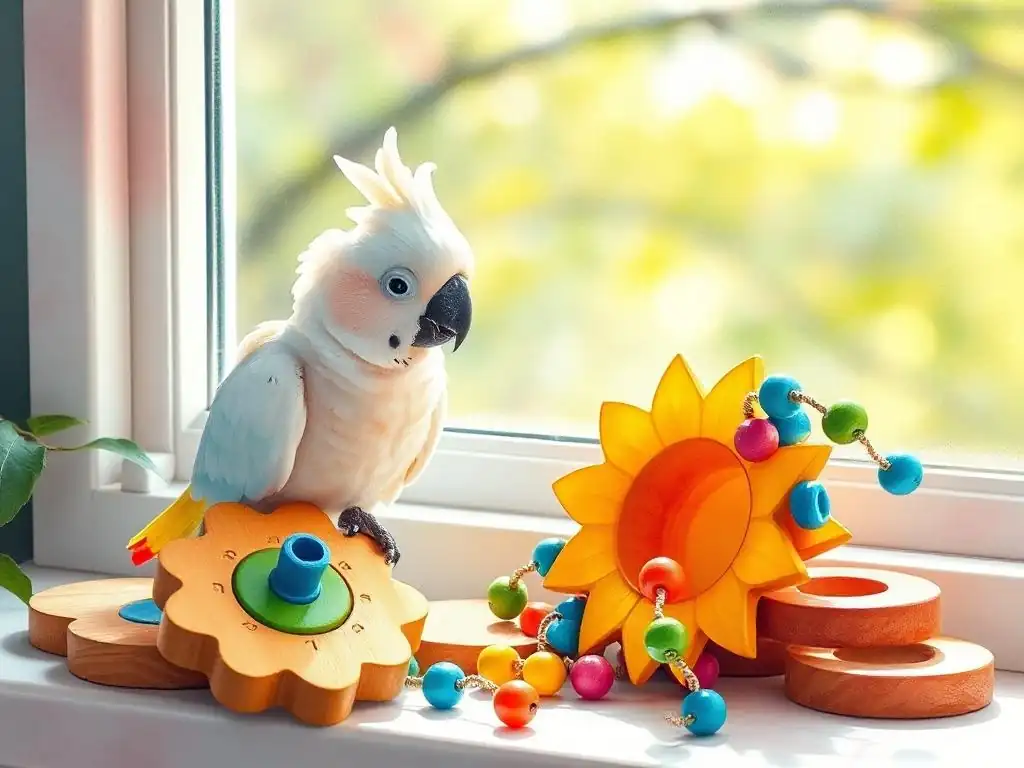
Introducing new puzzle toys to your feathered friend requires a thoughtful approach to ensure a positive and enriching experience. Rushing the process can lead to frustration and a negative association with the toy, ultimately defeating the purpose. Remember, the goal is to stimulate your bird's mind and provide mental enrichment, not to create stress. The best bird puzzle toys are those that your bird readily accepts and enjoys.
Introducing New Toys Gradually to Avoid Overwhelm
Birds, like humans, can be overwhelmed by too much novelty at once. Introducing a new puzzle toy gradually minimizes stress and maximizes the chances of acceptance. Start by placing the new toy near familiar toys in the cage. Allow your bird to observe it for a day or two, simply getting used to its presence. This acclimation period is crucial. After a couple of days, try placing a small, easily accessible treat near or inside the toy.
This positive association helps your bird approach it more willingly. Only then, gradually increase the difficulty of the puzzle toy as your bird masters each stage. Observe your bird's behavior closely; if it shows signs of stress (ruffled feathers, avoidance, excessive vocalizations), take a step back and allow more time for acclimation. Consider using a less complex puzzle toy for the initial introductions. Remember, patience is key!
Supervising Your Bird During Playtime with New Puzzle Toys
Even the safest puzzle toys require supervision, especially during the initial introduction phase. Some toys might have small parts that could pose a choking hazard if ingested, so constant monitoring is vital. This is particularly important with smaller bird species. Observe your bird's interaction with the toy. Note how it approaches the puzzle, whether it understands the mechanics, and if it exhibits any signs of frustration.
If your bird seems stuck or overly stressed, intervene gently and guide it towards the solution, offering positive reinforcement. This supervised playtime offers a valuable opportunity to bond with your bird and provide support. Remember, the goal isn't just to challenge your bird, but to create a positive and enjoyable experience. Regular check-ups for any signs of wear and tear on the toy are also crucial for your bird's safety.
Positive Reinforcement and Training with Puzzle Toys
Positive reinforcement is a powerful tool when introducing and using puzzle toys. Rewarding your bird for successful problem-solving strengthens its motivation and reinforces positive associations with the toy. Use small, high-value treats like sunflower seeds, millet sprays, or chopped fruits your bird particularly enjoys. When your bird successfully retrieves a treat, immediately reward it with praise and a tasty treat.
This positive reinforcement encourages exploration and persistence. Avoid punishment or negative reinforcement; these methods can create fear and anxiety, hindering the learning process. Consider using a clicker for training; the clicker sound becomes associated with the reward, making the training process more efficient and consistent.
Celebrate even small victories, making the entire experience enjoyable and rewarding for both you and your bird. Remember to tailor the difficulty of the puzzle toy to your bird's current skill level to ensure continued success and engagement. This approach fosters a strong bond and ensures your bird enjoys this enrichment activity.
This section provides detailed guidance on introducing puzzle toys to birds, emphasizing a gradual approach, supervision, and positive reinforcement. Successfully implementing these strategies will lead to a more enriched and stimulating life for your avian companion, maximizing the benefits of using the best bird puzzle toys available.
Troubleshooting Common Issues with Puzzle Toy Acceptance
Introducing a new puzzle toy to your feathered friend might not always go smoothly. Some birds are naturally more curious and adventurous than others, while some may exhibit apprehension or even fear towards unfamiliar objects in their cage. Understanding and addressing these challenges is key to successful puzzle toy integration. A common issue is outright rejection. Your bird might completely ignore the new toy, preferring familiar perches and toys. This often stems from a lack of understanding or a fear of the unknown.
Patience is paramount; don't force the issue. Try placing the toy near a favorite perch or food source to gently encourage interaction. Positive reinforcement is crucial. When your bird shows any interest, even a fleeting glance, reward them with a small treat or verbal praise. This positive association will help overcome initial hesitation.
Another common problem is frustration. Some puzzle toys, especially those with complex mechanisms, can be challenging, even for intelligent birds. If your bird becomes overly frustrated, it's important to intervene. Observe your bird's behavior closely. Signs of frustration might include excessive vocalizations, aggressive pecking at the toy, or simply turning away in defeat.
If you notice these signs, try simplifying the puzzle. Remove some of the components to make it less demanding, or switch to an easier puzzle entirely. The goal is to build confidence and positive associations, not to create a source of stress. Remember, the puzzle should be enjoyable, not a source of anxiety.
Sometimes, the problem isn't the toy itself, but the bird's overall mood or health. A stressed, ill, or tired bird is less likely to engage with a new toy. Ensure your bird's environment is calm and enriching, and that they are receiving proper nutrition and veterinary care. A healthy and happy bird is more likely to be receptive to new experiences and challenges. If you suspect underlying health issues, consult an avian veterinarian. Addressing any underlying health concerns is crucial before introducing new toys.
It's also important to consider the bird's personality. Some birds are naturally more playful than others; some are more cautious. Adjust your approach accordingly. Don't be discouraged if it takes time; persistence and patience will eventually lead to success. Remember, the goal is to provide mental stimulation and enrichment, not to create a stressful experience for your bird.
DIY Bird Puzzle Toys: Creative and Cost-Effective Options
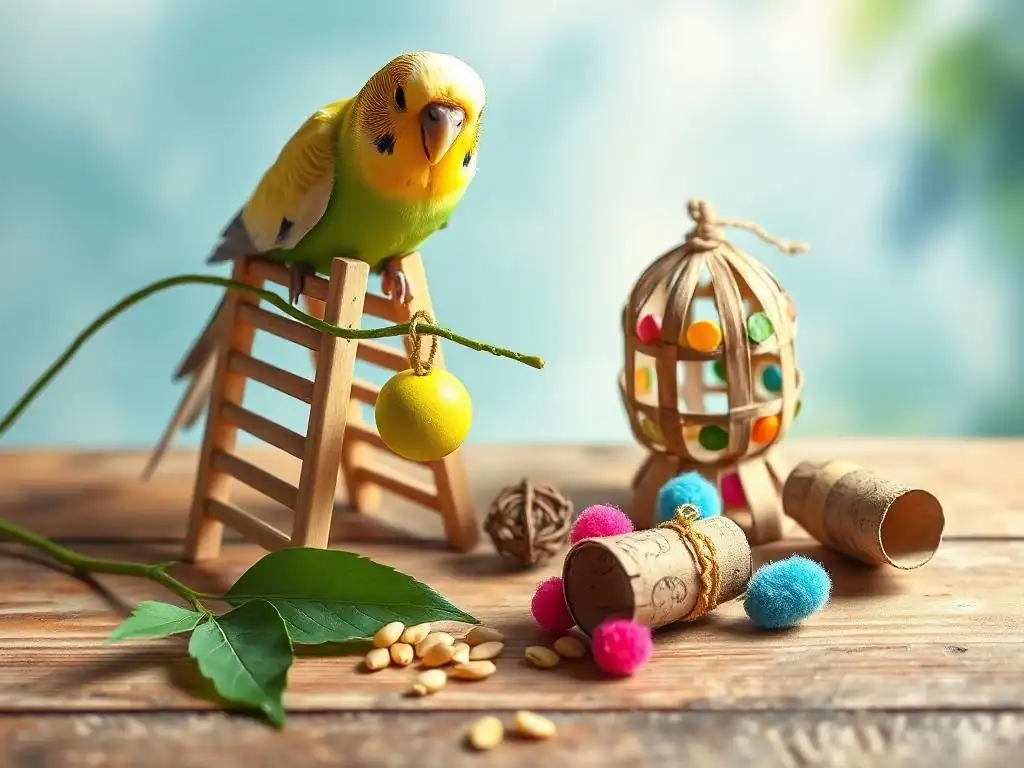
Finding the best bird puzzle toys doesn't always mean breaking the bank. Creating your own DIY bird puzzle toys is a rewarding experience, allowing you to tailor the challenge to your feathered friend's specific needs and preferences while saving money. This approach also allows for greater creativity and customization, ensuring your bird enjoys a constantly stimulating environment. The key is to use safe, non-toxic materials and to design puzzles that are both engaging and appropriate for your bird's size and abilities. Remember, the goal is to provide mental stimulation and prevent boredom, contributing to a happier and healthier bird.
Easy DIY Puzzle Toy Ideas Using Recycled Materials
Many household items can be repurposed into stimulating bird toys. Here are a few simple ideas:
- Toilet Paper Rolls: These can be easily transformed into simple foraging toys. Stuff the roll with small, bird-safe treats like seeds or pellets. You can also cut small slits along the length of the roll to make it more challenging. For added complexity, layer multiple rolls together, securing them with non-toxic glue.
- Cardboard Boxes: Clean, sturdy cardboard boxes (ensure they are free of staples, glue, or ink) offer endless possibilities. Cut holes of varying sizes, hide treats inside, or create a maze-like structure for your bird to navigate. Remember to supervise your bird during playtime to prevent accidental ingestion of cardboard pieces.
- Bottle Caps: Clean and thoroughly washed bottle caps can be strung together to create a simple chain puzzle. Securely attach them with strong, non-toxic string or twine. Your bird will enjoy manipulating the caps and searching for treats hidden within.
- Wooden Spools: These are perfect for creating stacking or rolling puzzles. Drill small holes and thread them onto a non-toxic string or dowel. Your bird will need to manipulate the spools to access any treats placed within or attached to the string.
Remember to always supervise your bird while playing with any DIY toy and regularly inspect for wear and tear. Replace or repair any damaged toys immediately to prevent accidents. The process of creating these toys is as much fun as watching your bird interact with them! You can even involve your children in the crafting process, turning it into a fun family activity. Think outside the box – literally! Your creativity is only limited by your imagination and the availability of safe materials.
Safety Considerations When Making DIY Bird Toys
Safety is paramount when creating DIY bird toys. Always prioritize using materials that are non-toxic and bird-safe. Avoid using anything that could potentially be ingested and cause harm. Here's a checklist to ensure your DIY bird toys are safe:
- Non-toxic materials: Use only materials specifically designed for bird toys or materials known to be safe for birds. Avoid paints, varnishes, glues, and other chemicals that could be harmful if ingested. Natural materials like wood, cotton rope, and paper are generally safe options.
- Secure construction: Ensure all parts of the toy are securely fastened to prevent small pieces from breaking off and becoming choking hazards. Use strong, bird-safe string or wire to tie components together.
- Appropriate size: The size of the toy and its components should be appropriate for your bird’s size. Smaller birds require smaller toys and components to avoid choking hazards. Larger birds may need more robust toys that can withstand their stronger beaks.
- Regular inspection: Regularly check your DIY toys for signs of wear and tear. Replace or repair any damaged toys immediately to prevent accidents.
Failing to adhere to these safety guidelines can lead to serious health problems for your bird. Therefore, careful planning and execution are crucial. Remember, a little extra care during creation ensures a safe and enjoyable playtime experience for your feathered companion.
Adapting DIY Toys to Suit Your Bird's Species and Size
The ideal bird puzzle toy will depend on the species and size of your bird. A puzzle suitable for a small finch won't challenge a large macaw, and vice-versa. Consider the following factors when designing or choosing DIY toys:
- Species-specific behaviors: Different bird species have different natural behaviors and foraging preferences. For example, some birds prefer to forage on the ground, while others prefer to climb and explore. Tailor the toy to your bird's natural instincts.
- Size and strength: Choose materials and components that are appropriately sized and strong enough to withstand your bird's beak and claws. A toy that is too fragile will quickly be destroyed, while a toy that is too strong may be too difficult for your bird to manipulate.
- Cognitive abilities: Start with simpler puzzles and gradually increase the difficulty as your bird masters each challenge. This will keep your bird mentally stimulated and prevent boredom.
By considering these factors and carefully selecting or constructing DIY toys, you can create a stimulating and enriching environment for your bird. Observe your bird's interaction with the toys to understand what they find challenging and rewarding, and adjust your designs accordingly. Providing a range of puzzle toys with varying levels of difficulty will ensure your bird remains engaged and mentally stimulated. Remember, a happy bird is a healthy bird, and puzzle toys play a vital role in maintaining their well-being.
Maintaining and Cleaning Bird Puzzle Toys
Maintaining the cleanliness of your bird's puzzle toys is crucial for their health and safety. Ignoring hygiene can lead to the buildup of bacteria, fungi, and other microorganisms, potentially causing illness in your feathered friend. Regular cleaning not only prevents disease but also ensures the longevity of your investment in these enriching toys. This section details best practices for maintaining your bird's puzzle toys, helping you provide a safe and stimulating environment.
Regular Cleaning to Prevent Bacterial Growth and Maintain Hygiene
Regular cleaning is paramount. How often you clean will depend on the type of material, the bird's interaction with the toy, and the overall cleanliness of the cage. As a general guideline, aim for a thorough cleaning at least once a week, or more frequently if you notice significant soiling.
Here's a step-by-step guide:
- Remove the toy from the cage: Carefully take the puzzle toy out of your bird's cage. This prevents accidental ingestion of cleaning solutions.
- Pre-cleaning: Use a soft-bristled brush or a damp cloth to remove loose debris, droppings, and food particles. Pay close attention to crevices and hard-to-reach areas.
- Cleaning Solution: Choose a bird-safe cleaning solution. Avoid harsh chemicals, bleaches, and disinfectants, as these can be toxic to birds. A mild solution of warm water and a pet-safe dish soap is generally sufficient. Alternatively, you can use a commercial pet-safe toy cleaner.
- Washing: Gently wash the toy using the chosen cleaning solution. For wooden toys, avoid soaking, as this can cause damage. For plastic or metal toys, a short soak might be acceptable, but always check the manufacturer's instructions.
- Rinsing: Thoroughly rinse the toy with clean, warm water to remove all traces of soap. Ensure there are no soap residues left.
- Drying: Allow the toy to air dry completely before returning it to the cage. Avoid using heat sources like ovens or hair dryers, as these can damage the toy or pose a fire risk.
Remember to always supervise your bird while they are interacting with their toys, and replace any toys that show signs of significant wear or damage. Regular cleaning, combined with vigilant observation, will contribute to a healthy and happy bird. This diligent approach is key to providing the "best bird puzzle toys" experience for your pet.
Identifying Signs of Wear and Tear in Bird Toys
Even with regular cleaning, puzzle toys will eventually show signs of wear and tear. Recognizing these signs early is essential to prevent accidents and maintain a safe environment for your bird. These signs can range from subtle to obvious, and prompt replacement is crucial for maintaining the integrity and safety of the toys.
Here are some key indicators that your bird's puzzle toy needs replacing:
- Cracks or breaks: Any cracks or breaks in the toy's structure, particularly in wooden toys, pose a significant choking hazard. Discard immediately.
- Loose parts: If parts of the puzzle toy are loose or easily detachable, your bird could swallow them, leading to potential internal injuries.
- Shredding: If the toy is made of fabric or rope, and significant shredding is occurring, it's time for a replacement. Small pieces can be ingested and cause blockages.
- Excessive chewing: While some chewing is normal, excessive chewing that results in significant damage indicates the toy is no longer providing sufficient stimulation or is simply too weak to withstand your bird's activity.
- Faded colors: Fading colors might indicate the toy is degrading and potentially releasing harmful chemicals.
- Strong unpleasant odor: A persistent, unpleasant odor might signify bacterial growth or material degradation.
Regularly inspecting your bird's puzzle toys for these signs will allow you to replace them proactively, preventing potential hazards and ensuring a safe and enriching play environment. The selection of durable, high-quality "best bird puzzle toys" is a vital part of responsible bird ownership.
Replacing Damaged or Worn-Out Puzzle Toys
Once you've identified that a puzzle toy is damaged or worn out, it's crucial to replace it immediately. Leaving a damaged toy in the cage presents a significant risk to your bird's health and safety. The replacement should be carefully considered, ensuring the new toy is appropriate for your bird's size, species, and play style.
When choosing a replacement, consider:
- Material: Opt for non-toxic, bird-safe materials. Avoid toys made from materials that could easily splinter, break, or release harmful chemicals.
- Size and complexity: Select a toy that is appropriately sized for your bird and provides an appropriate level of challenge. Too easy, and it won't stimulate; too difficult, and it will frustrate.
- Variety: Offer a variety of puzzle toys to keep your bird engaged and prevent boredom. Rotating toys regularly can also help maintain their appeal.
Replacing damaged toys promptly and thoughtfully is a critical aspect of responsible bird ownership. By providing your bird with safe, engaging, and stimulating "best bird puzzle toys," you contribute to their overall well-being and happiness. Remember, a happy bird is a healthy bird! 🐦
Beyond Puzzle Toys: Further Enrichment Ideas for Your Feathered Friend
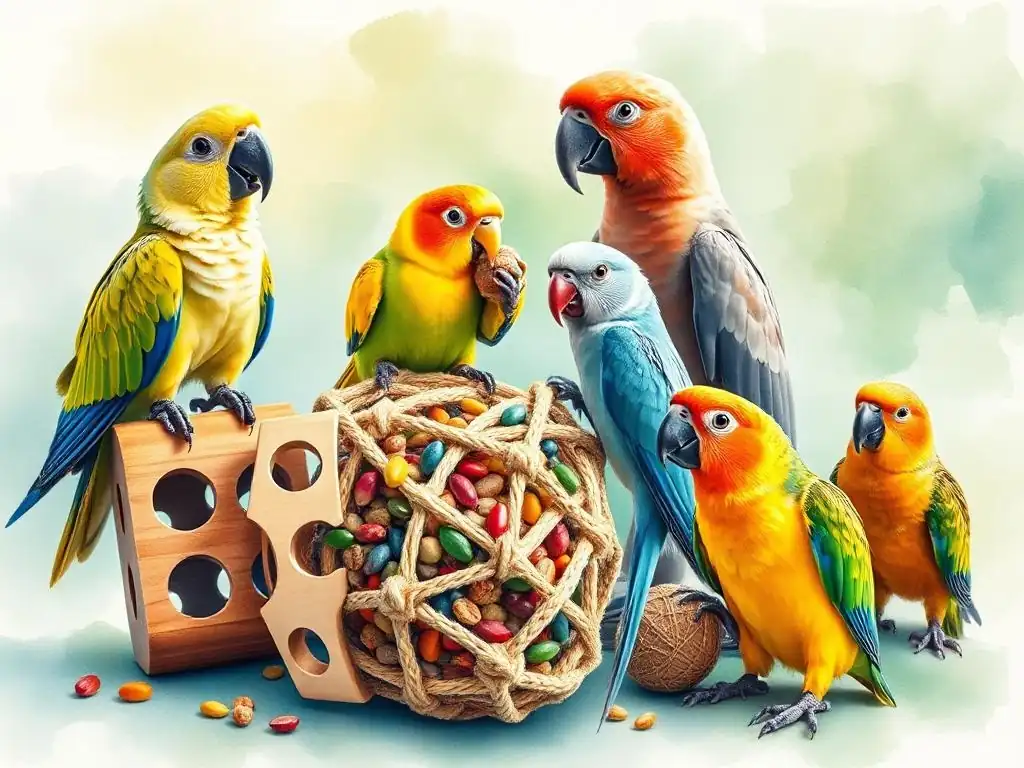
Providing a stimulating and enriching environment for your bird goes far beyond simply offering puzzle toys, although those are a crucial component. A truly happy and healthy bird needs a variety of activities and interactions to prevent boredom and encourage natural behaviors. Think of puzzle toys as one piece of a much larger, more dynamic puzzle – the puzzle of a fulfilling avian life! The best bird puzzle toys are only part of the equation; let's explore other crucial enrichment strategies.
Providing a Variety of Toys and Activities for Optimal Enrichment
A diverse range of toys caters to different aspects of your bird's natural instincts. Consider offering a combination of foraging toys (mimicking the search for food in the wild), chew toys (satisfying their need to beak and shred), and interactive toys (promoting play and exploration). For example, you might offer a puzzle feeder alongside a swing, a wooden block for chewing, and a bell toy to encourage vocalization and play.
Rotating toys regularly prevents boredom and keeps your bird engaged. Aim for a ratio of approximately one toy per type for every 2-3 weeks of use to maintain novelty. This keeps things fresh and prevents your pet from getting used to the same old toys.
Consider also the type of bird you own. Larger parrots, for instance, require significantly more robust and complex toys than smaller finches. The best bird puzzle toys are those specifically designed for your bird’s size, species, and beak strength. A small parakeet should not be given toys designed for a macaw, and vice-versa; it's crucial for safety and appropriate enrichment. Think about the natural behaviors of your species – do they prefer climbing, foraging, or playing? Tailor the toys to their preferences for optimal engagement.
Here's a sample weekly toy rotation schedule:
| Day | Toy Type | Example | Notes |
|---|---|---|---|
| Monday | Foraging | Puzzle feeder, foraging balls | Ensure food is adequately distributed for a challenge. |
| Tuesday | Chew | Wooden blocks, sisal ropes, safe wood | Supervise initially to ensure safe chewing habits. |
| Wednesday | Interactive | Bells, mirrors, swings | Rotate bells and mirrors to different locations within the cage. |
| Thursday | Foraging (different) | Treat-dispensing toy, shredded paper | Vary the level of difficulty. |
| Friday | Chew (different) | Cardboard tubes, natural branches | Ensure branches are from non-toxic trees. |
| Weekend | Rest/Clean Cage | No new toys, thorough cage cleaning | This allows for a break and a fresh environment for your bird. |
Many bird species are highly social creatures, thriving on interaction and companionship. Isolation can lead to depression, feather plucking, and other behavioral problems. If you can't provide sufficient time for interaction yourself, consider getting a second bird (of the same species and compatible temperaments). Careful research is essential to ensure compatibility and avoid aggression. Remember, introducing birds requires gradual acclimation, patience, and careful monitoring to avoid conflict. Even if you have multiple birds, providing individual attention remains critical. Always remember that the best bird puzzle toys are useless if your bird is lonely and depressed.
Beyond another bird, you can foster social interaction through regular, engaging playtime. This doesn't just mean tossing toys into the cage. Engage actively; talk to your bird, sing, and even let it perch on your finger or shoulder. These interactions reinforce your bond and provide much-needed social stimulation. Providing a mirror can also provide a stimulating social interaction for some birds, although this should be used cautiously and alongside other enrichment activities.
Creating a Stimulating and Enriching Bird Habitat
The cage itself plays a crucial role in enrichment. A cramped, bare cage is a recipe for boredom and stress. A spacious cage with plenty of perches of varying sizes and textures allows for natural climbing and perching behaviors. Consider adding branches of different thicknesses and materials, providing both horizontal and vertical perching opportunities. Vary the location of perches and toys regularly to keep things interesting.
This creates a more natural and stimulating environment, reducing stress and boredom. Providing a variety of textures and materials also enriches the environment and stimulates your bird's senses. Remember: a bird's environment is its world, and a stimulating environment is crucial for their well-being. The best bird puzzle toys are ineffective if the overall environment is dull and uninspiring. Remember to provide ample space, varied textures, and plenty of opportunities for exploration to create a truly enriching habitat for your feathered friend.
Frequently Asked Questions
What are the benefits of using puzzle toys for my bird?
Puzzle toys offer mental stimulation, preventing boredom and reducing destructive behaviors. They also provide enrichment and encourage problem-solving skills, keeping your bird happy and healthy.
How do I choose the right puzzle toy for my bird's size and abilities?
Select toys appropriate for your bird's size and beak strength to avoid injury. Start with easier puzzles and gradually increase the difficulty as your bird masters them. Consider your bird's species and personality.
What materials should I look for in a bird puzzle toy?
Choose toys made from non-toxic, durable materials that can withstand your bird's chewing and pecking. Avoid small parts that could be swallowed, and inspect toys regularly for damage.
Are there different types of bird puzzle toys available?
Yes, there's a wide variety! You can find foraging toys, treat-dispensing toys, shape-sorting toys, and many more. Experiment to find what your bird enjoys most.
How often should I change my bird's puzzle toys?
Rotating toys regularly keeps your bird stimulated and engaged. Aim to switch out toys every few days or weeks, offering a variety of challenges to maintain interest and prevent boredom.
Final Reflection: Unlocking Avian Brilliance Through Play
The enrichment of our feathered friends through engaging puzzle toys isn't just a trend; it's a vital step towards ensuring their well-being and cognitive health. Providing stimulating environments for our birds directly impacts their happiness, reducing stress and preventing behavioral issues often stemming from boredom. This is crucial for responsible bird ownership in the 21st century.
The impact of puzzle toys extends beyond individual birds; it fosters a deeper understanding and appreciation for avian intelligence. We often underestimate the cognitive capabilities of our pets, but witnessing a bird diligently solve a puzzle, using its innate problem-solving skills, is truly remarkable. The greatest discovery of all time is that a person can change his future by merely changing his attitude.
– Oprah Winfrey. This quote resonates deeply because by providing enriching toys, we change the bird's environment and, consequently, their attitude towards life, leading to a happier and healthier bird.
Consider the birds in your life, whether they are your beloved companions or those you observe in the wild. What steps can you take to provide more stimulating environments? Are you challenging their minds with puzzles that match their abilities and keep them engaged? Remember, enriching your bird's life through play is not just about providing entertainment; it's about fostering a bond built on mutual respect and understanding, unlocking their full potential, and celebrating the incredible intelligence of these fascinating creatures.
Unlock Your Bird's Inner Einstein: Boost Their Brainpower Today!
Thank you for learning how to enrich your feathered friend's life with puzzle toys! You've discovered valuable ways to boost their intelligence and problem-solving skills. Now, let's put that knowledge into practice!
- Get Started: Explore PetCareWorld's wide selection of bird puzzle toys to find the perfect challenge for your bird. Consider their current skill level and choose a toy that gradually increases in difficulty.
- Share the Joy: Share this article with other bird owners on social media! Let's build a community of bird lovers dedicated to enriching their pets' lives.
- Learn More: Explore PetCareWorld's extensive library of articles on bird care to discover more ways to stimulate your bird mentally and physically. Strengthen your bond with your avian companion!
Ready to watch your bird conquer new challenges and thrive intellectually? What creative problem-solving techniques will your bird develop?