
Perch and Toy Placement for Optimal Bird Exercise

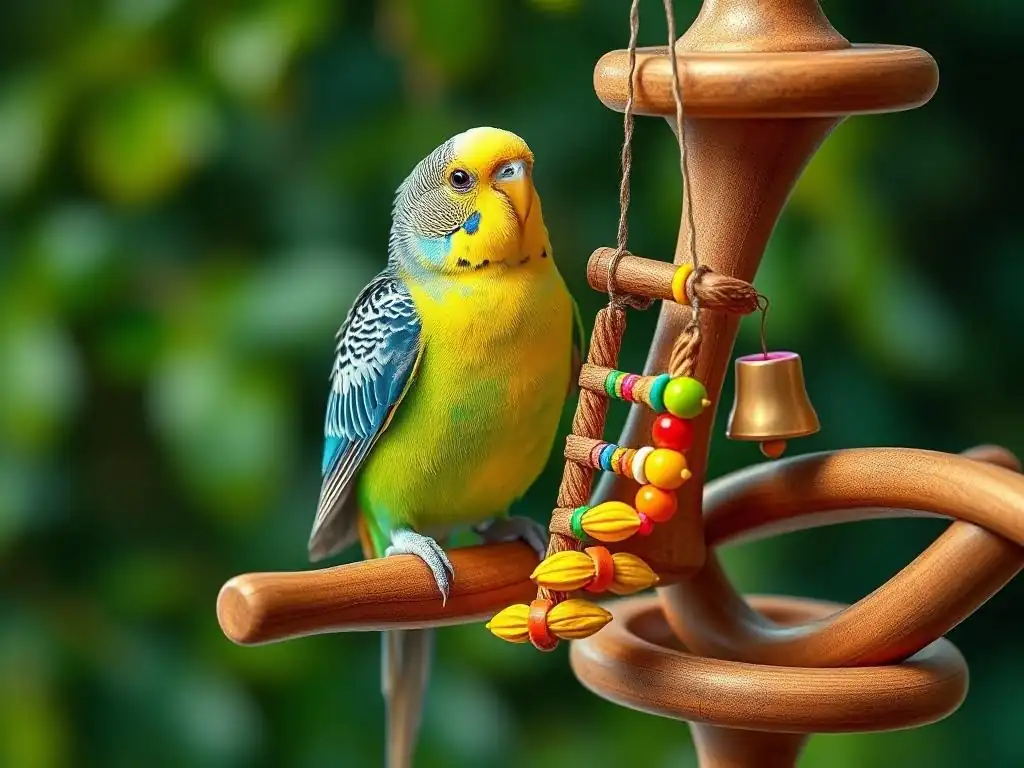
Welcome to PetCareWorld, your ultimate guide to a happier, healthier life for your beloved companion! Are you ready to unlock the secrets to a thriving avian friend? Discover the surprising impact of best bird toy perch placement on your bird's physical and mental well-being. Learn how strategic placement can transform your feathered friend's environment, encouraging essential exercise and enriching their daily life. Dive in and uncover the key to a happier, more active bird!
- Understanding Your Bird's Needs: Activity and Enrichment
- Best Bird Toy Perch Placement: Strategies for Encouraging Play
- Selecting Appropriate Perches and Toys for Your Bird Species
- Creating an Engaging Bird Cage Environment: Beyond Perches and Toys
- Monitoring Your Bird's Activity and Adjusting Placement
- Frequently Asked Questions
- Final Reflection: Enriching Avian Lives Through Strategic Perch and Toy Placement
- Unleash Your Bird's Inner Athlete!
Understanding Your Bird's Needs: Activity and Enrichment
Providing a stimulating and enriching environment for your feathered friend is crucial for their physical and mental well-being. A happy, healthy bird is an active bird! This article focuses on optimizing your bird's cage setup, specifically the placement of perches and toys, to encourage natural behaviors and prevent boredom.
Finding the best bird toy perch placement is key to achieving this, and we'll explore various strategies to help you create a stimulating environment that promotes exercise and prevents behavioral issues often associated with inactivity. We'll cover everything from understanding your bird's natural instincts to selecting the right toys and strategically positioning them within their cage. This guide will help you create a truly enriching habitat for your beloved companion, leading to a happier, healthier bird.
The Importance of Physical and Mental Stimulation for Birds
Birds are naturally active creatures. In the wild, they spend their days foraging for food, flying between branches, and interacting with their environment. Confining a bird to a cage, even a large one, can significantly restrict these natural behaviors, leading to physical and mental health problems. Lack of exercise can result in obesity, muscle weakness, feather plucking, and even depression.
Mental stimulation is equally important; a bored bird is a stressed bird. Providing a variety of perches and toys helps mimic the natural environment, encouraging your bird to engage in natural behaviors like climbing, chewing, and exploring. This contributes to a happier, more well-adjusted bird.
Think of it as providing a "bird gym" – a space designed for both physical and mental fitness. The right perch and toy placement is integral to creating this stimulating environment. Providing adequate physical and mental stimulation is not just about enrichment; it's about responsible pet ownership.
Identifying Signs of Boredom and Lack of Exercise in Your Bird
Recognizing signs of boredom and lack of exercise in your bird is crucial for addressing the issue promptly. Several tell-tale signs indicate your bird isn't getting enough stimulation. These can include:
- Lethargy: A lack of energy and a general unwillingness to engage in activities.
- Feather plucking: This is often a sign of stress and boredom.
- Excessive sleeping: Sleeping significantly more than usual.
- Aggressive behavior: Increased aggression towards you or other birds.
- Destructive behavior: Chewing excessively on cage bars or other inappropriate items.
- Repetitive behaviors: Repeating the same action over and over, like swaying or bobbing.
If you observe any of these behaviors, it's a strong indicator that your bird needs a more stimulating environment. Re-evaluating your bird's cage setup, specifically the placement of perches and toys, is a great starting point. Remember, a proactive approach is always better than a reactive one when it comes to your bird's well-being. A happy bird is an active bird, and a proactive owner is a responsible owner.
Types of Bird Toys that Encourage Exercise
The type of bird toy you choose significantly impacts its effectiveness in promoting exercise. Consider toys that encourage climbing, foraging, and chewing. Here are some examples:
| Toy Type | How it Encourages Exercise | Example |
|---|---|---|
| Climbing Toys | Encourage birds to climb and stretch their muscles. | Rope ladders, multi-level perches |
| Foraging Toys | Make birds work for their treats, promoting natural behaviors. | Puzzle feeders, treat balls |
| Chewing Toys | Provide opportunities to chew, satisfying their natural instincts. | Wooden blocks, natural branches |
| Swinging Toys | Encourage movement and coordination. | Swings, bells attached to perches |
Remember to rotate toys regularly to prevent boredom. A variety of toys ensures continued engagement and prevents your bird from becoming fixated on a single item. The key is to provide a diverse range of toys that stimulate different behaviors and keep your bird mentally and physically active. Consider the size and species of your bird when selecting toys – ensure they are appropriately sized and safe for your pet. 🐦
Best Bird Toy Perch Placement: Strategies for Encouraging Play
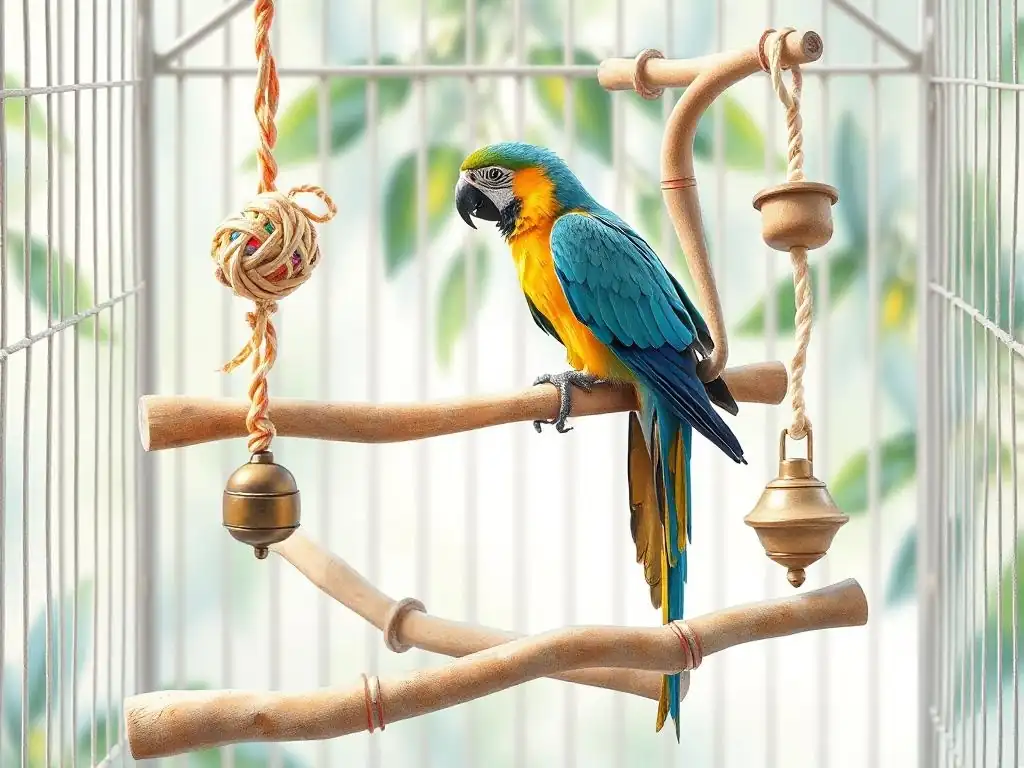
Finding the best bird toy perch placement is crucial for promoting your feathered friend's physical and mental well-being. A thoughtfully arranged cage environment encourages natural behaviors, prevents boredom, and contributes to a happier, healthier bird. This section delves into specific strategies for optimizing your bird's cage setup to maximize playtime and activity. We'll explore how strategic placement of perches and toys can transform your bird's cage into an engaging and stimulating environment.
Positioning Perches for Natural Climbing and Movement
Proper perch placement is paramount for encouraging natural climbing and movement. Birds are naturally active creatures, and a well-designed cage should mimic their natural environment. Avoid arranging perches in a straight line; instead, create a variety of distances and angles. This forces your bird to stretch, hop, and climb, promoting muscle strength and cardiovascular health.
Consider these points:
- Varying diameters: Use perches of different diameters. This allows your bird to grip with different foot muscles, preventing strain and promoting overall foot health. A good rule of thumb is to offer a mix of thinner and thicker perches. Thicker perches are generally preferred for resting, while thinner ones encourage more active gripping.
- Branch placement: Arrange perches at varying heights and angles, mimicking the natural branches of a tree. This encourages your bird to explore its environment and engage in natural climbing behaviors. Avoid placing perches directly opposite each other, as this limits movement.
- Spacing: The spacing between perches should allow your bird to comfortably reach from one to the next without excessive stretching. Too much distance can discourage movement, while too little can make the cage feel cramped. Observe your bird's behavior to fine-tune the spacing.
Think of it like this: you wouldn't want to only walk in straight lines; your bird feels the same! The more varied the perch placement, the more opportunities for natural movement and exploration. This helps prevent foot problems, maintains muscle tone, and keeps your bird engaged.
Strategic Placement of Toys to Encourage Foraging Behavior
Foraging is a vital instinct for birds, and providing opportunities for foraging behavior is essential for their mental stimulation. Strategic placement of toys near or on perches can significantly enhance this aspect of their daily lives.
Here's how to do it:
- Puzzle feeders: Hang puzzle feeders near but not directly on perches. This encourages your bird to work for its food, stimulating its problem-solving skills and preventing boredom. The challenge of retrieving the food mimics their natural foraging behavior in the wild.
- Toy placement: Position toys at various heights and locations. Some toys can be placed directly on perches, while others can be hung from the cage roof or sides. This keeps your bird actively exploring and interacting with its environment. Consider rotating toys regularly to maintain interest and prevent boredom.
- Foraging toys: Incorporate foraging toys such as foraging balls or treat-dispensing toys. These stimulate natural foraging instincts and provide mental stimulation. Observe your bird to see which types of foraging toys they enjoy most, and adjust accordingly.
Remember, the goal is to create a stimulating environment that encourages your bird to actively engage with its surroundings. The correct placement of foraging toys can significantly contribute to your bird's overall well-being. This helps prevent behavioral issues stemming from boredom and inactivity.
Creating a Variety of Perching Heights and Locations
Diversity is key when it comes to best bird toy perch placement. Birds need a variety of perching heights and locations to maintain their physical and mental well-being. This prevents repetitive strain injuries and encourages exploration.
Consider these options:
- Multiple perches: Provide at least three perches of varying sizes and textures. This allows your bird to choose the perch that best suits its needs at any given time. This might include a thicker perch for sleeping, a thinner perch for gripping, and a slightly curved perch for added comfort.
- Height variation: Place perches at different heights throughout the cage. This encourages climbing and provides different perspectives. A higher perch can offer a vantage point for observing its surroundings, while a lower perch might be preferred for resting.
- Cage accessories: Incorporate other cage accessories, such as swings or ladders, to further enhance the variety of perching options. These provide additional opportunities for movement and exploration.
By creating a diverse and stimulating environment, you contribute to a healthier, happier, and more active bird. This careful consideration of perch placement and toy selection directly impacts your bird's physical and mental health, leading to a more fulfilling life for your feathered companion. Remember, observation is key; adjust the arrangement based on your bird's preferences and behavior.
Rotating Toys and Perches Regularly to Maintain Interest
Maintaining your bird's interest in their toys and perches is crucial for preventing boredom and encouraging physical and mental stimulation. Birds, much like humans, can become accustomed to their surroundings and lose interest in familiar objects. This can lead to decreased activity levels, feather plucking, and other behavioral problems. A simple yet effective solution is to regularly rotate your bird's toys and perches.
This doesn't necessarily mean replacing all the toys and perches at once. Instead, consider a gradual rotation. Perhaps, once a week, remove one or two toys and replace them with others from your collection that haven't been seen in a while. You can also rearrange the existing toys and perches, changing their positions within the cage. This simple change can make the familiar environment feel new and exciting again. Think of it like rearranging furniture in your own home – it can dramatically alter the feel of the space.
The frequency of rotation will depend on your bird's personality and how quickly they lose interest in their toys. Some birds may stay engaged with a toy for weeks, while others may tire of it within days. Observe your bird's behavior closely. If you notice a significant decrease in playtime with a particular toy or perch, it's a clear signal that it's time for a swap.
Remember to store your “retired” toys and perches in a clean, dry place, protected from dust and damage. This allows you to reintroduce them later, giving your bird a fresh experience with familiar items. The cyclical nature of this process ensures a constant supply of engaging enrichment, helping to prevent boredom and promoting a happy, healthy bird. This strategy is vital for maintaining the effectiveness of your “best bird toy perch placement” strategy. A constantly stimulating environment is key to a thriving avian companion. Don't underestimate the power of a simple rotation in enhancing your bird's well-being!
Selecting Appropriate Perches and Toys for Your Bird Species
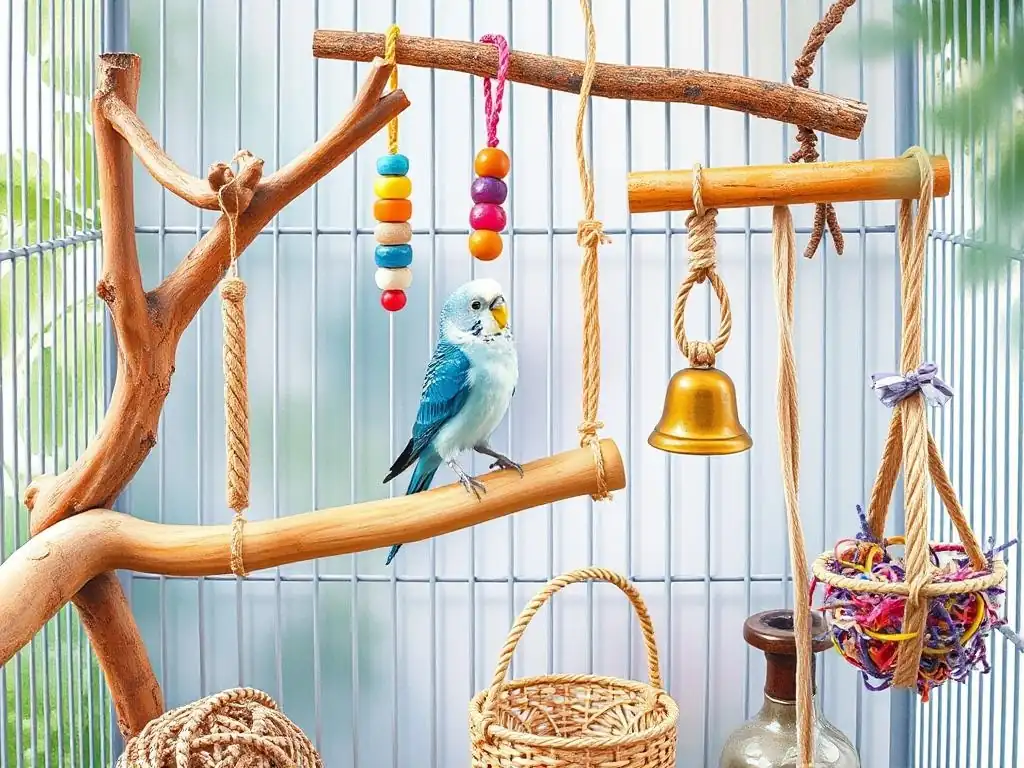
Finding the best bird toy perch placement requires careful consideration of your bird's specific needs. Not all perches and toys are created equal, and choosing the right ones is crucial for your feathered friend's physical and mental well-being. This section focuses on selecting appropriate perches and toys based on your bird's species and size, ensuring a stimulating and safe environment. Ignoring this crucial step can lead to boredom, behavioral problems, and even physical injuries. Let's dive into the specifics.
Perch Size and Material Selection for Different Bird Sizes
The size and material of your bird's perches directly impact their foot health and overall comfort. Small birds like finches need much smaller diameter perches than larger birds like macaws. Using incorrectly sized perches can lead to foot problems like bumblefoot, a painful infection.
Here's a table summarizing appropriate perch sizes for different bird types:
| Bird Type | Perch Diameter Range (inches) | Material Suggestions |
|---|---|---|
| Small Parakeets | 0.5 - 0.75 | Natural wood, rope, cotton rope |
| Medium Parakeets | 0.75 - 1.0 | Natural wood (various diameters), java wood |
| Conures | 1.0 - 1.5 | Natural wood (various diameters), branches |
| Cockatoos | 1.5 - 2.0 | Thick natural wood branches, manzanita |
| Macaws | 2.0+ | Thick natural wood branches, manzanita |
Remember to offer a variety of perch diameters and materials. This encourages your bird to use different muscles in their feet and promotes better foot health. Avoid using only smooth, round perches. Natural wood branches with varied textures provide the best grip and stimulate their feet. Always ensure the perches are securely fastened to prevent accidents. Consider using different materials like natural wood, rope, and even mineral perches to add variety and enrichment.
Choosing Toys that Challenge Your Bird Mentally and Physically
Providing mentally and physically stimulating toys is vital for preventing boredom and destructive behaviors. Birds are intelligent creatures that need constant mental stimulation. Toys should challenge them to forage, solve puzzles, and use their beaks and feet.
Think about incorporating a variety of toy types:
- Foraging toys: These toys require your bird to work for their treats, mimicking natural foraging behaviors. Examples include puzzle feeders, treat balls, and toys with hidden compartments.
- Destructive toys: Birds naturally enjoy shredding and tearing materials. Providing safe, destructible toys like paper, cardboard, and natural wood blocks can satisfy this instinct.
- Interactive toys: Swinging toys, bells, and mirrors provide visual and auditory stimulation. However, these should be supplemented with more challenging toys.
Remember to rotate toys regularly to prevent boredom. A bird that is constantly stimulated is less likely to exhibit destructive behaviors. Observe your bird's interactions with their toys and adjust your selections accordingly. Some birds might show a preference for specific types of toys, while others may enjoy a greater variety.
Safe Toy Materials: Avoiding Toxic Substances and Hazards
Choosing safe toys is paramount to your bird's health. Many common materials are toxic to birds and should be avoided. Always ensure toys are made from bird-safe materials and are free from small parts that could be ingested.
Here are some materials to avoid:
- Lead-based paints: Older toys may contain lead-based paints, which are highly toxic to birds.
- Zinc: Galvanized metal contains zinc, which is toxic if ingested.
- Teflon: Overheating Teflon-coated cookware can release fumes that are lethal to birds.
- Avocado: All parts of the avocado plant are toxic to birds.
Always carefully inspect toys for any signs of damage or deterioration before giving them to your bird. Replace worn or damaged toys immediately. Prioritize natural materials like wood, cotton rope, and sisal. Opt for toys specifically designed for birds, as these are less likely to contain harmful substances. Remember, choosing safe toys is a crucial part of providing responsible and enriching bird care. The best bird toy perch placement also means a commitment to toy safety.
Creating an Engaging Bird Cage Environment: Beyond Perches and Toys
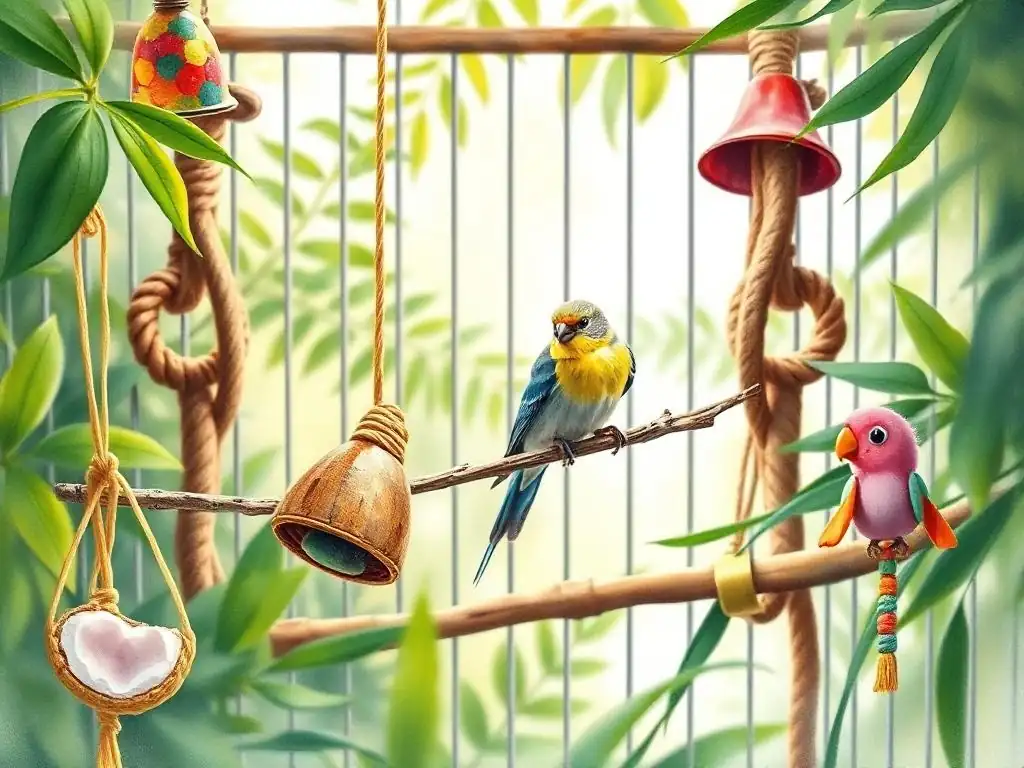
This section focuses on optimizing your bird's cage setup for maximum physical and mental stimulation, going beyond simply placing perches and toys. A well-designed environment mimics a bird's natural habitat, encouraging natural behaviors and preventing boredom, a significant factor in bird health and happiness. The key is to create a stimulating and enriching space that encourages climbing, exploring, and interacting with their surroundings. Remember, the best bird toy perch placement is part of a larger strategy for overall cage enrichment.
Branch Placement for Natural Perching Opportunities
Providing a variety of perches is crucial for a bird's physical well-being. Avoid uniformly spaced, round perches. These can lead to joint problems over time. Instead, opt for a diverse range of natural branches of varying diameters and textures. Think about mimicking the varied perching opportunities found in a bird's natural environment.
Consider these points for optimal branch placement:
- Varying Diameters: Include branches with a range of thicknesses to encourage your bird to grip and use different muscles. This helps prevent foot and leg problems. A good guideline is to have perches that accommodate the bird's feet comfortably, without being too wide or too narrow.
- Strategic Placement: Don't just place perches horizontally across the cage. Arrange them at different heights and angles, encouraging climbing and movement. Think vertical perches, diagonal perches, and some branches that slightly overhang. This promotes a more natural climbing experience.
- Branch Material: Use branches from safe, untreated wood. Avoid treated lumber, as the chemicals can be toxic to birds. Some popular and safe choices include: apple, birch, willow, and grapevine (ensure they are thoroughly cleaned before placement).
- Spacing: The spacing between perches should allow your bird to comfortably move between them without strain. Avoid overcrowding the cage. Observe your bird's behavior to determine the optimal spacing.
- Foot Health: Regularly inspect your bird's feet for any signs of injury or discomfort. This is crucial for early detection of potential problems related to perch placement or material.
Incorporating Natural Elements into the Cage Environment
Beyond perches, integrating natural elements significantly enhances the cage environment. This reduces stress and promotes natural behaviors. Consider adding:
- Foraging Toys: These toys encourage natural foraging behaviors, which are essential for mental stimulation. These can range from simple puzzles to more complex foraging devices that require your bird to work for their treats.
- Climbing Structures: Introduce climbing structures like rope ladders, wooden blocks, or even small, safe platforms to enhance the vertical space in the cage and provide diverse climbing opportunities. This provides an opportunity for exercise and exploration.
- Natural Materials: Include natural materials such as small, safe rocks, untreated wood pieces, and even branches with leaves (ensure they are non-toxic and thoroughly cleaned). These provide tactile stimulation and add to the visual appeal of the cage.
- Bird-Safe Plants: Certain plants are safe for birds and can add a touch of nature to the cage. Research thoroughly before introducing any plants to ensure they are non-toxic and not harmful to your bird. Always supervise your bird around any plant.
Providing Opportunities for Exploration and Interaction
A stimulating environment isn't just about physical exercise; it's about mental enrichment. This involves strategically placing toys and perches to encourage exploration and interaction.
- Toy Rotation: Rotate toys regularly to prevent boredom. Birds, like humans, can become accustomed to their surroundings and lose interest in familiar items. A variety of toys keeps them engaged.
- Interactive Toys: Choose toys that encourage interaction, such as puzzles, foraging toys, and toys that require manipulation. These challenge your bird mentally and physically. Observe your bird’s preferences and offer a variety of styles.
- Placement is Key: Don't just throw toys in the cage. Strategically place them at different heights and angles, creating a stimulating environment that encourages exploration and play. Change the placement frequently to keep things interesting.
- Social Interaction: Remember that birds are social creatures. Provide opportunities for interaction through playtime, talking, and even allowing them to interact with other birds (if appropriate and safe). This is especially important for preventing loneliness and maintaining their mental well-being. A properly enriched environment, including best bird toy perch placement, can greatly reduce behavioral issues related to boredom and lack of stimulation. 🐦
Monitoring Your Bird's Activity and Adjusting Placement
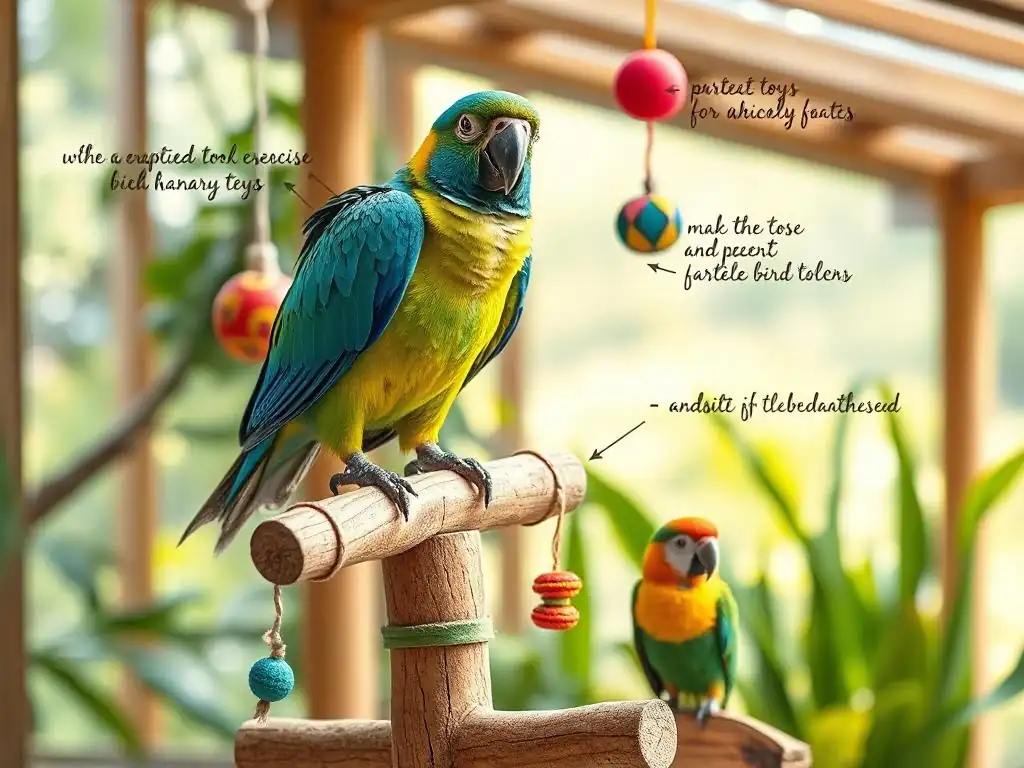
Understanding your bird's interaction with its environment is crucial for optimizing perch and toy placement. Simply placing perches and toys isn't enough; you need to actively observe how your feathered friend utilizes these items to ensure they're promoting healthy exercise and mental stimulation. This involves careful observation and a willingness to adjust the setup as needed. The goal is to create a stimulating and enriching environment that encourages natural behaviors, preventing boredom and promoting physical and mental well-being. This is key to achieving the "best bird toy perch placement" for your individual bird.
Observing Your Bird's Behavior and Play Patterns
Pay close attention to how your bird interacts with its perches and toys. Does it favor certain perches over others? Are there toys it completely ignores? Does it spend most of its time in one corner of the cage? Detailed observation is key. Keep a small notebook or use a note-taking app on your phone to record your observations over several days. Note the time of day, the specific perch or toy used, and the duration of the activity. For example:
| Date | Time | Activity | Perch/Toy Used | Notes |
|---|---|---|---|---|
| Oct 26, 2024 | 8:00 AM | Spent 15 minutes preening on the top perch | Top perch, wooden dowel | Seemed relaxed and comfortable. |
| Oct 26, 2024 | 9:30 AM | 5 minutes playing with the bell toy | Bell toy, swing | Energetic play, lots of chirping. |
| Oct 26, 2024 | 11:00 AM | 10 minutes perched on the lower perch | Lower perch, rope perch | Less active, possibly resting. |
This detailed record will highlight patterns in your bird's behavior, revealing preferences and areas needing improvement in your cage's setup. Look for signs of boredom, such as repetitive behaviors or lethargy. These are clear signals that changes are needed to enhance the bird's environment and promote a more active lifestyle. Remember, consistent monitoring helps you tailor the environment to your individual bird's needs, contributing to its overall happiness and well-being.
Making Adjustments Based on Your Bird's Preferences
Once you've identified patterns in your bird's behavior, it's time to make adjustments. If your bird consistently avoids certain perches or toys, consider repositioning them or replacing them with something more appealing. Perhaps a different texture, size, or type of perch would be more comfortable or stimulating.
Similarly, if a toy is ignored, try replacing it with a new one that offers a different kind of challenge or stimulation. Consider offering a variety of textures – from smooth wood to rough rope – and different shapes and sizes of perches. Experiment with different types of toys, such as foraging toys, puzzle toys, and chew toys, to discover what your bird finds most engaging.
Remember, variety is key! Rotating toys regularly prevents boredom and keeps your bird mentally stimulated. A good rule of thumb is to rotate at least one toy per week to maintain a fresh and exciting environment. This constant change ensures your bird's environment remains stimulating and prevents repetitive behaviors which can indicate boredom or lack of sufficient enrichment. This iterative process of observation and adjustment ensures you achieve the "best bird toy perch placement" for your specific bird's needs.
The Importance of Regular Enrichment and Environmental Changes
Providing regular enrichment is crucial for your bird's physical and mental health. A static environment can lead to boredom and behavioral problems. Even with optimal perch and toy placement, regular changes are necessary to maintain a stimulating environment. This includes not only rotating toys but also rearranging perches periodically. Try changing the height and position of the perches to encourage your bird to use different climbing muscles and explore its environment differently. Consider adding new branches or natural materials to the cage to provide a more varied and stimulating texture.
Think of it as a game of "cage design". Constantly refining the arrangement of perches and toys, adding new elements, and removing old ones keeps your bird engaged and prevents the development of repetitive, unhealthy behaviors. This ongoing process, combined with careful observation, ensures your bird thrives in a stimulating and enriching environment. This active management strategy significantly contributes to achieving the best bird toy perch placement and maintaining your bird's overall well-being. Remember, a happy bird is an active bird! 🐦
Frequently Asked Questions
What is the best way to arrange perches in my bird's cage?
Ideally, you should provide a variety of perch sizes and materials to encourage your bird to use different foot muscles. Place perches at different heights and angles, mimicking natural branches. Avoid placing them directly opposite each other.
How many perches should my bird have?
The number of perches depends on the size of your bird and its cage. A good rule of thumb is to have at least two or three perches of varying sizes and textures. More is better, as long as there's still enough space to move around.
Where should I place bird toys in relation to perches?
Toys should be placed near, but not directly on, perches. This encourages your bird to fly or hop short distances to reach them, providing exercise and mental stimulation. Vary toy placement regularly to keep things interesting.
What types of perches are best for promoting bird health?
Natural wood perches, such as manzanita, java wood, or grapevine, are excellent choices. Avoid using smooth, round perches as these can cause foot problems. Offer a variety to keep things interesting and encourage natural foot exercises.
How do I know if my bird is getting enough exercise?
Observe your bird's activity levels and overall behavior. A healthy bird will be active, playful, and curious. If your bird seems lethargic or spends most of its time sleeping, adjust perch and toy placement and consider adding more stimulating activities.
Final Reflection: Enriching Avian Lives Through Strategic Perch and Toy Placement
Optimizing the placement of perches and toys isn't just about convenience; it's about fostering a stimulating and enriching environment crucial for the physical and mental well-being of our feathered companions. A bird's cage is its entire world, and thoughtful design directly impacts its quality of life, preventing boredom and promoting natural behaviors. This directly translates to happier, healthier birds.
The impact of environmental enrichment on avian health and happiness is undeniable. We've explored the science behind natural foraging behaviors and how mimicking these in captivity can significantly reduce stress and prevent behavioral problems. A bored bird is a destructive bird.
This simple statement underscores the importance of providing stimulating environments that challenge and engage our avian friends. My own experience with my cockatoo, Coco, has vividly demonstrated the transformative power of thoughtfully placed perches and toys; her increased activity and playful demeanor are a testament to this.
Consider the information presented in this article – the different perch types, optimal spacing, and strategic toy placement – and apply it to your own bird's cage. Observe your bird's behavior; does it favor certain areas? Does it struggle to reach specific toys? By making small adjustments based on your bird's individual needs and preferences, you can create a truly enriching environment that fosters a happier, healthier, and more fulfilled life for your beloved feathered friend. Let's work together to ensure our avian companions thrive.
Unleash Your Bird's Inner Athlete!
Thank you for learning how to enrich your feathered friend's life with strategic perch and toy placement! You now have the knowledge to create a truly stimulating environment for your bird. Ready to put it into action?
- Transform your bird's cage: Immediately rearrange perches and toys, focusing on varied heights and distances to encourage climbing, stretching, and exploration. This will have the biggest impact.
- Observe your bird's activity: Take photos or videos of your bird exploring its new environment. This will help you fine-tune the placement for maximum engagement and identify its favorite spots.
- Share your experience: Let's build a community of bird lovers! Share your before-and-after photos on social media using #PetCareWorldBirdFitness and tell us about your success (or any questions you may have).
What small change will you make today to boost your bird's daily exercise?