
The Role of Patience in StepUp Training: A Guide for Frustrated Owners

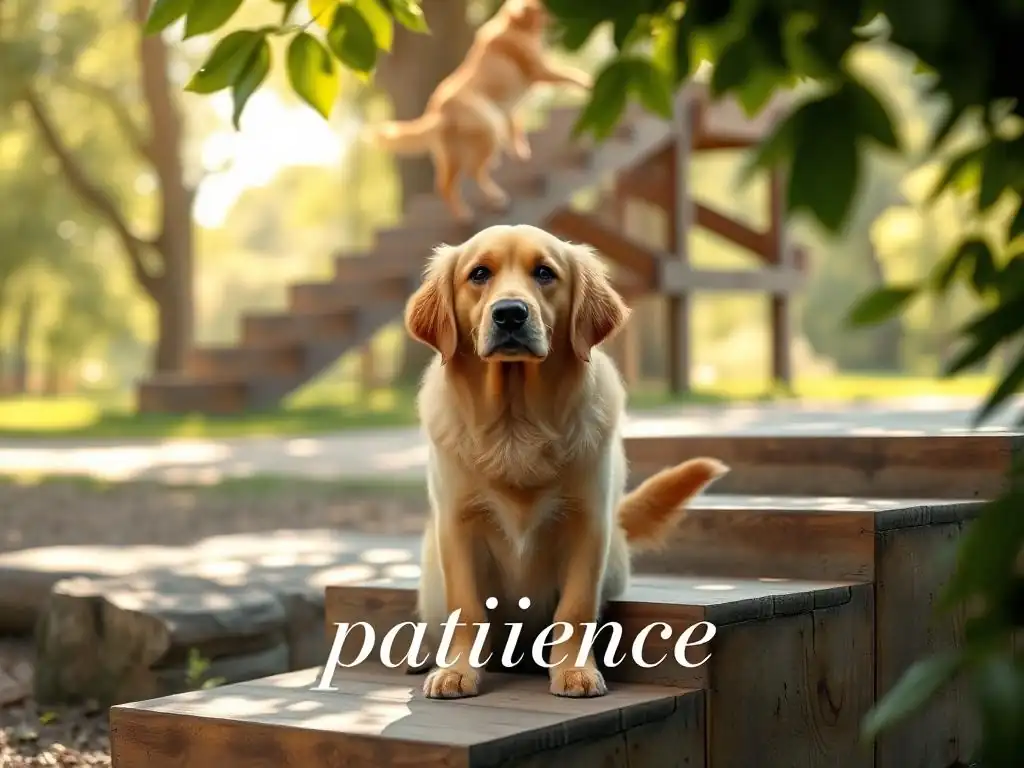
Welcome to PetCareWorld, your ultimate guide to a happier, healthier life for your beloved companions! Are you struggling with StepUp training for your feathered friend? We understand the frustration—that’s why we’ve crafted a comprehensive guide on the crucial role of patience in achieving success. Discover the secrets to mastering this technique and building a stronger bond with your bird. Dive in and unlock the key to a more harmonious relationship!
- Understanding the Importance of Patience in Bird Training
-
Step-Up Training: A Step-by-Step Guide with Patience in Mind
- Preparing Your Bird for Step-Up Training: Setting the Stage for Success
- Introducing the "Step Up" Command: Positive Reinforcement Techniques
- Handling Setbacks and Maintaining Patience During Training
- Gradually Increasing Training Sessions: Avoiding Bird Overwhelm
- Rewarding Progress: Positive Reinforcement Strategies for Step-Up Training
- Troubleshooting Common Step-Up Training Challenges with Patience
- Maintaining Patience in the Long Term: Building a Strong Bond
- Resources for Patient Bird Owners: Further Support and Information
-
Frequently Asked Questions
- How long does it typically take to StepUp train a dog?
- What if my dog refuses to put its paws on my hand during StepUp training?
- My dog gets frustrated during StepUp training. What should I do?
- Are there any specific breeds that are more difficult to StepUp train?
- What is the most important aspect of successful StepUp training?
- Final Reflection: Cultivating Patience: The Key to a Harmonious Step-Up Journey
- Unlock Your Pet's Potential: Start Training with Patience Today!
Understanding the Importance of Patience in Bird Training
Step-up training, a fundamental skill for building a positive relationship with your feathered friend and ensuring safe handling, requires a significant investment of time and, most importantly, patience. This guide is designed for frustrated bird owners struggling with the step-up training process. We'll explore why patience is paramount to success, identify common impatience-related mistakes, and highlight how patience directly contributes to building a strong bond of trust with your bird.
Successfully navigating step-up training isn't about forcing your bird; it's about fostering a cooperative environment where your bird feels safe, understood, and motivated to participate. This approach, rooted in patience and positive reinforcement, is key to achieving a harmonious relationship with your avian companion and avoiding potentially stressful or harmful training methods. Remember, every bird learns at its own pace, and celebrating small victories along the way is crucial for both you and your bird.
Why Patience is Crucial for Successful Step-Up Training
Patience forms the bedrock of effective step-up training. Birds, particularly those new to their homes, require time to acclimate and build trust. Forcing a bird to step up before it's ready can lead to fear, anxiety, and ultimately, resistance to training.
Instead, a patient approach allows your bird to adjust to its surroundings and develop a positive association with your presence. This involves offering treats and positive interactions consistently, creating a safe and predictable environment. Think of it like this: you wouldn't expect a child to learn a complex task immediately; similarly, your bird needs time to understand the desired behavior and the rewarding consequences.
A patient trainer uses positive reinforcement, rewarding even the smallest progress, which strengthens the bird's positive association with the training process. This gradual, patient approach is far more effective than forceful methods, leading to faster long-term progress and a stronger bond between you and your bird. Consider the following:
- Reduced Stress for Both You and Your Bird: Impatience leads to frustration and stress for both parties. A calm, patient approach minimizes these negative emotions.
- Improved Learning: Birds learn best through positive reinforcement and repetition. Patience allows for sufficient repetition without causing fear.
- Stronger Bond: A patient approach builds trust and strengthens the bond between you and your bird.
Common Mistakes Made Due to Impatience in Step-Up Training
Impatience often manifests in several detrimental ways during step-up training. Rushing the process, using harsh verbal corrections or physical force, and expecting immediate results are common pitfalls. These actions can severely hinder progress and damage the relationship with your bird. For example, forcefully pulling a bird onto your hand can cause fear and injury, making future training attempts even more challenging. Similarly, using harsh words or punishments creates a negative association with the training process, making your bird less likely to cooperate.
| Mistake | Negative Consequence | Solution |
|---|---|---|
| Forcing the bird to step up | Fear, injury, resistance to training, damaged trust | Use positive reinforcement, go slowly, and respect the bird's pace. |
| Using harsh verbal corrections | Negative association with training, reluctance to cooperate | Use positive reinforcement, reward desired behaviors, and remain calm and patient. |
| Expecting immediate results | Frustration for both bird and owner, lack of progress | Set realistic expectations, celebrate small victories, and focus on building trust. |
The Link Between Patience and Building Trust with Your Bird
The cornerstone of successful step-up training, and indeed any form of bird training, is trust. A patient approach directly fosters this crucial element. By consistently demonstrating gentleness, respect, and understanding, you create a safe and predictable environment where your bird feels comfortable and secure. This builds confidence and encourages your bird to participate actively in the training process. Conversely, impatience breeds fear and distrust, making it significantly harder to achieve your training goals.
Remember, building trust is a gradual process that requires consistency and patience. Each successful step-up, no matter how small, reinforces the positive association your bird has with you and the training process. This positive feedback loop strengthens the bond between you and your bird, laying the foundation for a lifetime of happy and safe interactions. The more patient you are, the stronger the bond becomes, resulting in a more willing and cooperative bird.
Step-Up Training: A Step-by-Step Guide with Patience in Mind

This section delves into the practical application of patience in step-up training for your feathered friend. Remember, consistent, patient training is key to building a strong bond and achieving successful step-up training with your bird. Success isn't measured in days, but in consistent progress.
Preparing Your Bird for Step-Up Training: Setting the Stage for Success
Before you even begin uttering the "step up" command, ensuring your bird is comfortable and receptive is paramount. This involves creating a positive and safe training environment. This isn't just about the physical space; it's about the emotional atmosphere you create. A stressed bird will not learn effectively.
Consider these crucial steps:
- Build Trust: Spend ample time interacting with your bird outside of training sessions. Offer treats, talk softly, and gently pet (if your bird allows it). The goal is to foster a positive association with you. This groundwork is essential for successful step-up training. A trusting bird is a willing learner.
- Choose the Right Time: Avoid training when your bird is tired, hungry, or otherwise stressed. Observe your bird's behavior and choose times when they are alert and receptive to interaction. Ideally, schedule shorter, more frequent sessions rather than long, grueling ones. Think quality over quantity.
- Optimal Environment: The training area should be quiet, free from distractions, and well-lit. A familiar environment minimizes stress and anxiety. Ensure your bird's cage is clean and comfortable – a happy bird is a cooperative bird! Consider using a perch or stand specifically designated for training.
- Gather Your Supplies: Have your favorite high-value treats readily available. Small pieces of fruit, vegetables, or commercially-available bird treats work well. Consistency in reward is crucial for positive reinforcement. Keep your treats in a small, easily accessible container.
Introducing the "Step Up" Command: Positive Reinforcement Techniques
Once your bird is comfortable and relaxed, you can begin introducing the "step up" command. This involves pairing the command with a physical cue and rewarding your bird for correct responses. Remember, patience is key; some birds learn faster than others.
Here's a step-by-step approach:
- Hand Positioning: Hold your hand, palm up, close to your bird’s perch. This makes it easier for them to step onto your hand.
- Verbal Cue: Simultaneously say "Step up" in a clear, calm voice.
- Physical Guidance (Optional): If your bird hesitates, gently guide their foot onto your hand using your other hand. Avoid forcing them.
- Immediate Reward: The moment their foot touches your hand, immediately give them a treat and praise them enthusiastically. "Good bird! Good step up!"
- Repetition: Repeat this process multiple times during a session, keeping sessions short (5-10 minutes). Consistency is key! More frequent, shorter sessions are more effective than fewer, longer ones.
Remember: Avoid punishment. If your bird doesn't step up, simply try again later. Never force your bird; this will only damage your relationship and hinder the training process. Positive reinforcement is far more effective.
Handling Setbacks and Maintaining Patience During Training
Even with the most patient approach, setbacks are normal. Your bird might have days where they are less cooperative. This is perfectly acceptable. It's crucial to maintain your patience and understanding throughout the process.
Here are some tips for handling setbacks:
- Identify the Cause: Try to understand why your bird is resisting. Are they tired, scared, or distracted? Addressing the underlying issue is crucial for resolving the setback.
- Take a Break: If your bird is consistently uncooperative, take a break from training. Resume training later when your bird is more receptive. Pushing a resistant bird will only lead to frustration for both of you.
- Adjust Your Technique: If a particular approach isn't working, try a slightly different tactic. Perhaps a different type of treat, a quieter environment, or a different hand position might make a difference.
- Celebrate Small Victories: Don't focus solely on the end goal. Celebrate each small success, no matter how insignificant it may seem. Positive reinforcement keeps your bird motivated and you encouraged. Remember, every step forward, however small, is a victory!
Patience is not just a virtue in step-up training; it's the foundation for a strong, positive relationship with your bird. By remaining calm, consistent, and understanding, you'll build trust and achieve your training goals. Remember to celebrate the small wins and never give up! The bond you build during this process is invaluable.
Gradually Increasing Training Sessions: Avoiding Bird Overwhelm
Patience is paramount in step-up training, especially when considering your bird's comfort and preventing overwhelm. Starting with short, frequent sessions is crucial. Instead of one long, exhausting training period, aim for multiple shorter sessions throughout the day. For instance, instead of a 30-minute session, try three 10-minute sessions spread across the morning, afternoon, and evening. This approach allows your bird to focus better and prevents burnout. Observe your bird's body language carefully.
Signs of stress, such as ruffled feathers, rapid breathing, or avoiding eye contact, indicate that the session should be ended immediately. Always end on a positive note, even if the session is cut short. This helps maintain a positive association with training. Remember, consistency is key, but flexibility is equally important. Adjust the session length and frequency based on your bird's individual needs and responses. Some birds might thrive with shorter, more frequent sessions, while others might handle longer, less frequent sessions better.
The goal is to find a rhythm that works best for both you and your feathered friend. Don't push your bird too hard, and always prioritize their well-being. A tired or stressed bird will not learn effectively. Gradually increase the session duration as your bird becomes more comfortable and confident with the process. This gradual increase fosters a positive learning environment and prevents the development of fear or anxiety associated with training. Remember to celebrate even the smallest victories!
Rewarding Progress: Positive Reinforcement Strategies for Step-Up Training
Positive reinforcement is the cornerstone of successful step-up training. Avoid punishment; it can severely damage your bond with your bird and make training significantly harder. Instead, focus on rewarding desired behaviors. When your bird successfully steps up onto your finger, immediately reward it with a favorite treat, a verbal praise ("Good bird! "), or even a gentle head scratch. The reward should be delivered immediately after the desired behavior, establishing a clear connection between the action and the reward. Consistency in your rewarding system is vital.
Use the same rewards or phrases consistently to reinforce the connection. Vary your rewards to keep your bird engaged. This might involve rotating between different types of treats, verbal praise, and other forms of positive reinforcement. Consider using a clicker for training. A clicker provides a consistent, clear marker that immediately signals to your bird that it has performed the desired behavior correctly. Follow the click with a treat.
Over time, the clicker itself becomes a conditioned reinforcer, creating a strong positive association with the step-up command. Remember to celebrate milestones. Acknowledge and reward your bird's progress, even the small steps. This positive reinforcement strengthens the desired behavior and builds your bird’s confidence. This process creates a positive feedback loop, making your bird eager to participate in training sessions and increasing the likelihood of continued success. Positive reinforcement not only makes training more effective but also strengthens the bond between you and your bird.
Troubleshooting Common Step-Up Training Challenges with Patience

Step-up training your bird requires significant patience. Even with the best techniques, setbacks are common. This section addresses frequently encountered challenges and offers practical, patience-based solutions to help you and your feathered friend succeed. Remember, consistency and positive reinforcement are key ingredients in overcoming these hurdles. The goal is to build a trusting relationship built on mutual understanding and respect, not force or coercion.
My Bird is Scared or Hesitant: Addressing Fear and Building Confidence
Fear is a natural response, especially for birds new to their environment or the training process. A hesitant bird might flinch, avoid your hand, or exhibit signs of stress like ruffled feathers or rapid breathing. Patience is paramount here. Avoid any sudden movements or pressure. Instead, focus on building trust gradually.
Start by simply spending time near your bird's cage, talking softly and offering treats. Let your bird approach you at its own pace. Don't force interaction. Over several days, slowly extend your hand towards your bird, offering a favorite treat. If your bird doesn't step up, simply withdraw your hand and try again later. The key is to create a positive association with your hand and the training process. Avoid punishment; it will only increase fear and make training far more difficult. Positive reinforcement, using treats and praise, is significantly more effective in building confidence.
Consider using a training perch. Position it close to the cage, gradually moving it further away as your bird becomes more comfortable. This provides a bridge between the cage and your hand, making the step-up less daunting. Remember, every small step forward is a victory. Celebrate these successes with praise and treats to reinforce the positive experience. Consistent, gentle interaction will eventually lead to a trusting relationship and improved step-up performance. Consistent positive reinforcement, even for small successes, is key.
My Bird Bites During Training: Patience and Bite Prevention Strategies
Biting, while frustrating, is often a sign of fear or discomfort, not aggression. A bird might bite if it feels threatened, surprised, or if the training process is moving too quickly. Patience and a proactive approach are essential to prevent biting and manage it effectively.
First, identify the triggers. Does your bird bite when you approach? During the step-up command? Understanding the cause helps address the problem. If your bird bites during the step-up command, try slowing down the process. Use a slower, gentler approach. Ensure your hand is relaxed and not approaching too quickly or aggressively. If your bird bites when you're near the cage, try creating a more relaxed atmosphere. Avoid sudden movements or loud noises.
Never punish your bird for biting. Punishment will only increase fear and anxiety, potentially leading to more biting. Instead, calmly remove your hand and give your bird some space. Try again later, using a more relaxed approach. If biting persists, consult an avian veterinarian to rule out any underlying medical conditions. They might suggest alternative training methods or recommend behavioral modification techniques to help manage biting behaviors.
My Bird is Ignoring the Command: Troubleshooting and Persistence
If your bird consistently ignores the "step up" command, several factors could be at play. It might not understand the command, be distracted, or lack motivation. This requires patience, persistence, and a review of your training techniques.
First, ensure your bird understands the command. Use a clear, consistent verbal cue, accompanied by a hand gesture. Repeat the command multiple times, pairing it with the desired action. If your bird is distracted, create a quieter environment. Minimize distractions and focus your bird's attention on you and the training process. Check your training method. Are you using positive reinforcement effectively? Are you rewarding even small attempts?
Small rewards frequently given encourage your bird to continue learning and develop confidence. If your bird seems unmotivated, try changing the reward. Experiment with different treats to find one that your bird finds particularly enticing. This will increase their motivation to participate in the training. Remember, consistency is key. Continue practicing, even if progress seems slow. Persistence pays off, and eventually, your bird will learn the command.
Maintaining Consistency and Patience for Long-Term Success
Maintaining consistency and patience is paramount for successful step-up training. Inconsistency confuses your bird, leading to setbacks and frustration for both you and your feathered friend. Think of it like learning a new language – if you only practice sporadically, you won't make much progress. Similarly, your bird needs regular, consistent exposure to the step-up cue and the associated reward to build a strong association.
This means establishing a dedicated training schedule, even if it's just for 10-15 minutes a day. Short, frequent sessions are often more effective than long, infrequent ones. Consistency isn't just about frequency; it also involves using the same cue word ("step up," for example), hand gesture, and reward every time. Avoid changing your approach mid-training, as this can create confusion and undermine your bird's progress.
Patience is equally crucial, especially during those inevitable frustrating moments. Birds learn at their own pace, and some may be quicker to grasp the concept than others. There will be days when your bird seems uncooperative or disinterested. Resist the urge to get discouraged or to force the issue. Instead, take a break, try again later, or adjust your approach. Perhaps a different reward, a quieter environment, or a shorter training session is needed.
Remember, setbacks are normal. If your bird refuses to step up, don't punish them. Instead, calmly try again later, or try a different approach. For example, you might try offering the treat closer to your hand, or you might try a different hand gesture.
Positive reinforcement is key; focus on rewarding the desired behavior rather than punishing the unwanted behavior. Celebrating even the smallest successes – a tentative step towards your hand, a brief moment of eye contact – reinforces positive associations and keeps both you and your bird motivated. Your bird will learn to trust the process and to associate you with positive experiences.
This positive reinforcement is far more effective than punishment and will foster a stronger bond between you and your bird. The journey might be long, but the reward – a well-trained, confident bird who willingly steps up – is well worth the effort. Remember, consistent patience is the key to unlocking your bird's full potential and building a strong, trusting relationship.
Maintaining Patience in the Long Term: Building a Strong Bond

Step-up training your bird requires significant patience, not just for a few sessions, but consistently over weeks, even months. This sustained effort isn't merely about achieving the desired behavior; it's about forging a deep and trusting bond with your feathered friend. Remember, your bird is learning to trust you implicitly, to understand that your hand represents safety and positive reinforcement, not a threat.
This takes time and a consistent, gentle approach. Rushing the process can lead to fear and resistance, setting back your progress significantly. Think of it as an investment in your relationship – the more patience you invest, the stronger the bond and the more rewarding the experience will be.
The Importance of Consistency in Bird Training
Consistency is the cornerstone of successful step-up training. Inconsistent training creates confusion for your bird. One day you might reward a hesitant step-up, the next you might inadvertently punish it by reacting negatively to a slight delay. This inconsistency sends mixed signals, hindering the learning process and potentially damaging the trust you’re building. A consistent routine, using the same cues and rewards each time, is crucial.
For example, always use the same verbal cue ("Step up," for instance), the same hand gesture, and the same type of reward (a favorite treat or praise). This predictability helps your bird understand what's expected and makes the learning process smoother and more efficient. Consider creating a daily training schedule – even 5-10 minutes of consistent practice can yield impressive results over time. Think of it like this: consistent, short training sessions are far more effective than infrequent, lengthy ones.
Recognizing Your Bird's Body Language and Emotional Cues
Patience also involves paying close attention to your bird's communication. Birds, like all animals, express their emotions through body language. Understanding these cues is vital for effective training and for maintaining a positive relationship. A puffed-up chest might indicate fear or aggression, while dilated pupils could suggest stress. Conversely, relaxed posture, soft chirping, and a calm demeanor often signal comfort and readiness to interact. Learning to interpret these cues allows you to adjust your training approach accordingly.
For example, if your bird displays signs of stress, take a break. Pushing a fearful bird will only reinforce its negative associations with the training process. Instead, focus on building trust through positive interactions outside of formal training sessions. Observing and understanding your bird's emotional state is a key element of patience and effective training. Remember, patience is not passive; it's an active engagement with your bird's needs and emotions.
Celebrating Small Victories and Maintaining a Positive Attitude
Step-up training isn't a race; it's a journey. There will be setbacks, moments of frustration, and days when progress seems slow. Maintaining a positive attitude and celebrating small victories is crucial for keeping both you and your bird motivated.
Each tiny step forward—a slight movement toward your hand, a brief moment of contact—should be acknowledged with enthusiastic praise and a reward. This positive reinforcement encourages your bird to continue trying and strengthens the association between the desired behavior and positive outcomes. Avoid focusing solely on the ultimate goal (the perfect step-up).
Instead, break the process into smaller, manageable steps, celebrating each milestone along the way. This approach keeps the training process engaging and prevents both you and your bird from becoming discouraged. Remember, the journey is just as important as the destination, and celebrating the small wins along the way is key to maintaining patience and achieving success in step-up training.
Seeking Professional Help When Needed: When Patience Isn't Enough
Even with the most dedicated effort, some bird owners may find themselves struggling to maintain patience throughout the step-up training process. This isn't a sign of failure; it's a recognition that sometimes, additional support is necessary. Step-up training requires a consistent approach, and if your bird isn't responding as expected, seeking professional guidance can be incredibly beneficial.
Avian veterinarians and certified avian behaviorists possess the expertise to diagnose underlying issues that may be hindering progress. For example, a bird experiencing underlying health problems might be exhibiting behaviors that mimic resistance to training, masking the true cause of the issue. Similarly, a bird with pre-existing behavioral issues, such as fear or trauma, may require a specialized approach to training.
Professional help isn't just about resolving immediate training difficulties. It's also about building a stronger bond with your bird. A qualified professional can provide personalized strategies tailored to your bird's specific personality and needs.
They can help you identify and address any communication breakdowns between you and your feathered friend. They might suggest alternative training techniques or offer insights into your bird's body language, enriching your understanding of their cues and enhancing your ability to respond appropriately. This holistic approach not only improves training success but also strengthens the human-animal bond, fostering trust and mutual respect.
Remember, seeking professional assistance is a sign of responsible ownership, a commitment to your bird's well-being, and a proactive measure to ensure the success of your step-up training endeavor. Don't hesitate to reach out for help; it's a crucial aspect of navigating the complexities of bird ownership and achieving a harmonious relationship. The investment in professional expertise will undoubtedly pay dividends in the long run, resulting in a more successful and fulfilling experience for both you and your avian companion.
Resources for Patient Bird Owners: Further Support and Information
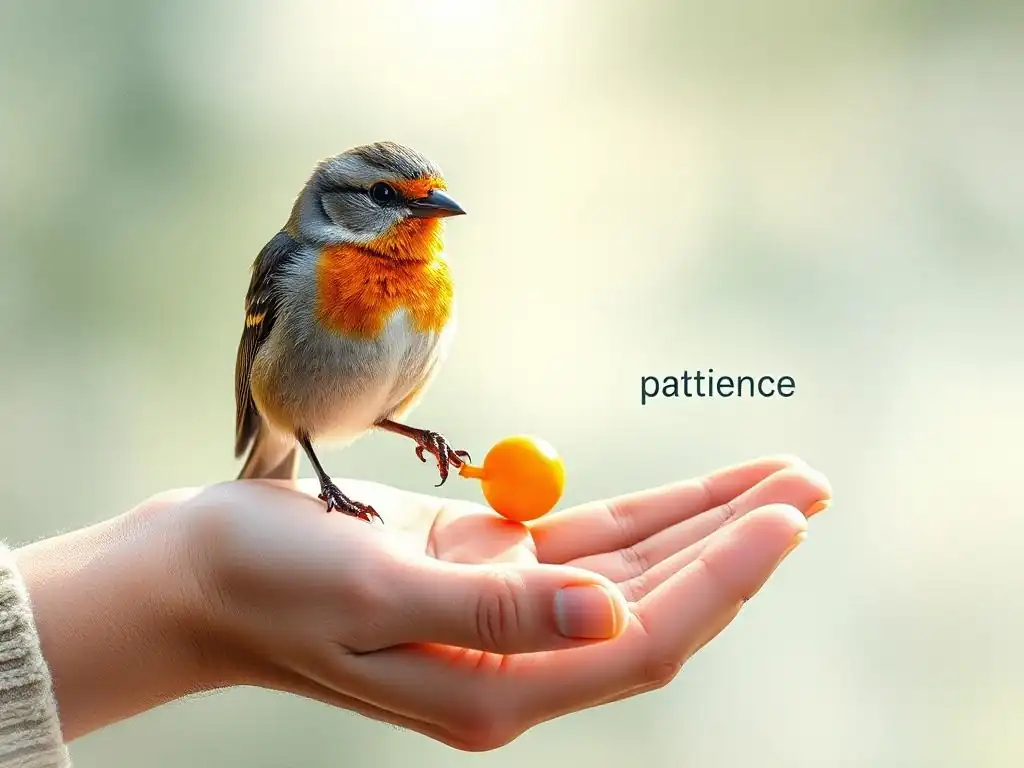
This section provides additional resources to help you maintain patience and achieve success with your bird's step-up training. Remember, consistency and a positive approach are key. Patience is not just a virtue in bird training; it's a necessity for building a strong, trusting bond with your feathered friend. The journey may be challenging at times, but the rewards are immeasurable.
Recommended Reading on Bird Training and Behavior
Finding the right resources can significantly impact your training journey. Supplementing your practical experience with insightful reading can provide valuable context and alternative perspectives. Consider exploring books and articles focused on positive reinforcement techniques for bird training. Look for materials that emphasize building trust and understanding your bird's individual personality and communication style. Many excellent books delve into avian behavior, offering explanations for seemingly frustrating behaviors and suggesting solutions rooted in understanding, not punishment. For instance, understanding the nuances of bird body language – a subtle shift in posture, a flicker in the eye – can drastically improve your communication and training effectiveness. This, in turn, fosters patience and reduces frustration. Remember to prioritize books and articles written by certified avian behaviorists or experienced bird trainers, ensuring the advice is reliable and evidence-based. A deeper understanding of your bird’s natural instincts will significantly improve your patience and overall training success.
Online Communities and Forums for Bird Owners
Connecting with other bird owners can be invaluable. Sharing experiences, challenges, and successes within a supportive community can significantly boost your morale and provide practical advice when facing setbacks. Online forums and communities dedicated to bird ownership often offer a wealth of information, including step-up training tips and tricks.
These spaces allow you to connect with experienced bird owners who can offer personalized advice based on their own experiences, potentially saving you time and frustration. Remember to always critically evaluate information found online and prioritize advice from reputable sources and experienced trainers. The collective wisdom of a community can be a powerful resource, especially when navigating the complexities of bird training.
This shared experience can foster a sense of community and reduce feelings of isolation often experienced by new bird owners. Active participation in these communities can help you maintain your patience and perspective throughout the training process. Engaging with others facing similar challenges can help you realize that setbacks are a normal part of the process and foster a sense of shared understanding.
Finding a Qualified Avian Veterinarian or Bird Trainer
Sometimes, despite your best efforts, you might require professional assistance. A qualified avian veterinarian can rule out any underlying medical conditions that might be affecting your bird's behavior or ability to learn. Similarly, a certified avian trainer can provide personalized guidance and hands-on support tailored to your bird's specific needs and your training challenges.
Seeking professional help isn't a sign of failure; it's a proactive step towards ensuring your bird's well-being and achieving successful training outcomes. Remember to thoroughly research potential avian veterinarians and trainers, checking their qualifications and experience. A professional's expertise can offer valuable insights and strategies to enhance your training approach and maintain your patience throughout the process.
This support system can significantly alleviate stress and frustration, leading to a more positive and rewarding training experience for both you and your bird. Choosing a professional who emphasizes positive reinforcement methods aligns with the principles of patience and respect for your bird.
Frequently Asked Questions
How long does it typically take to StepUp train a dog?
The time it takes varies greatly depending on the dog's breed, age, and personality, as well as the owner's consistency. Some dogs learn quickly, while others may require more time and patience. Consistency is key.
What if my dog refuses to put its paws on my hand during StepUp training?
This is common! Try breaking down the process into smaller steps, using high-value treats and positive reinforcement. Focus on building positive associations with the target behavior.
My dog gets frustrated during StepUp training. What should I do?
End the session immediately if your dog shows signs of frustration. Try shorter, more frequent training sessions. Ensure you're using positive reinforcement methods only.
Are there any specific breeds that are more difficult to StepUp train?
While any breed can be trained, some breeds with stronger prey drives or independent natures might require more patience and a modified approach. Individual personalities also play a significant role.
What is the most important aspect of successful StepUp training?
Patience and positive reinforcement are paramount. Avoid punishment-based methods. Focus on building a strong bond with your dog through positive interactions and rewarding desired behaviors.
Final Reflection: Cultivating Patience: The Key to a Harmonious Step-Up Journey
The frustration felt by dog owners during step-up training is a universal experience, yet the solution lies not in abandoning the process, but in embracing patience as a powerful tool. This isn't merely about waiting; it's about understanding the learning process, celebrating small victories, and adjusting your approach with empathy and understanding. The rewards of a well-trained dog far outweigh the challenges, but only if we approach the journey with the right mindset.
The impact of patience extends far beyond the confines of step-up training; it shapes the entire relationship between dog and owner. It fosters trust, builds communication, and creates a bond based on mutual respect. Patience isn't weakness; it's a testament to our commitment to our canine companions. The best things in life are worth waiting for,
a sentiment that rings particularly true when navigating the often-challenging world of dog training. This journey teaches us not only to train our dogs, but also to train ourselves in the art of mindful, patient interaction.
Now, consider your own approach to training. Where have you found patience to be most effective? Where have you struggled? Take a moment to reflect on these questions, and commit to incorporating the principles of patience into your future training endeavors. Remember, every stumble is a learning opportunity, and every small success, a testament to your dedication and your dog's progress. Embrace the journey, celebrate the wins, and remember that the most rewarding relationships are built on a foundation of understanding and unwavering patience.
Unlock Your Pet's Potential: Start Training with Patience Today!
Thank you for learning about the importance of patience in pet training. We hope this guide provided valuable insights into strengthening your bond with your pet through understanding and consistent effort. Now, let's put that knowledge into action!
- Schedule a short training session this week: Even 15 minutes of focused, positive reinforcement can make a significant difference. Remember those rewarding training moments we discussed?
- Share your experiences—both successes and challenges—with our community in the comments below. Let's learn from one another.
- Consider keeping a training journal: Note your pet's responses and adapt your approach accordingly. Self-reflection is crucial for success.
Ready to transform your pet's training? What's the first step you'll take today to be more patient and understanding during your training sessions?