
Parakeet Cage Placement: Best Location for Your Budgie

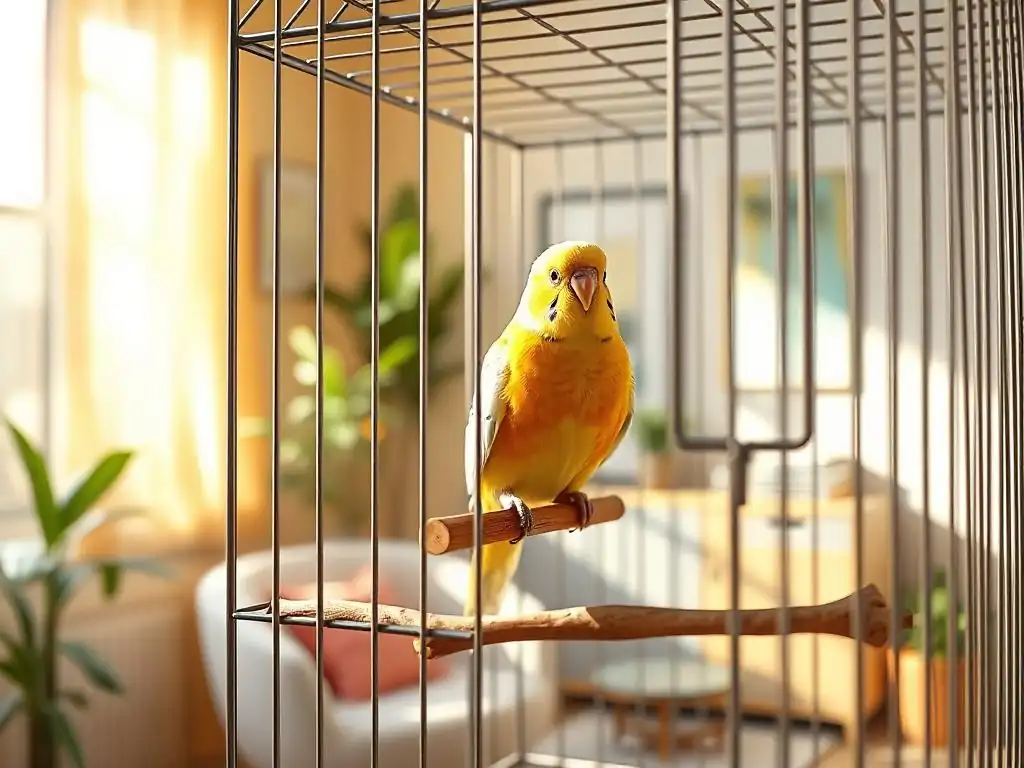
Welcome to PetCareWorld, your ultimate guide to a happier, healthier life for your beloved pets! Are you ready to unlock the secret to a thriving budgie? Finding the perfect location for your parakeet's cage is crucial, and our expert guide on "Best Parakeet Cage Location" reveals all you need to know to create a safe and stimulating environment. Discover the ideal spot to ensure your feathered friend flourishes – let's dive in!
- Understanding Your Budgie's Needs: Factors Affecting Cage Placement
- Choosing the Perfect Spot: Best Rooms for Your Parakeet Cage
- Optimizing Your Parakeet's Environment: Additional Tips for Cage Placement
- Troubleshooting Common Cage Placement Issues
- Frequently Asked Questions
- Final Reflection: Finding the Perfect Perch: Your Budgie's Sanctuary
- Unlock Your Budgie's Happiest Home: Perfect Cage Placement
Understanding Your Budgie's Needs: Factors Affecting Cage Placement
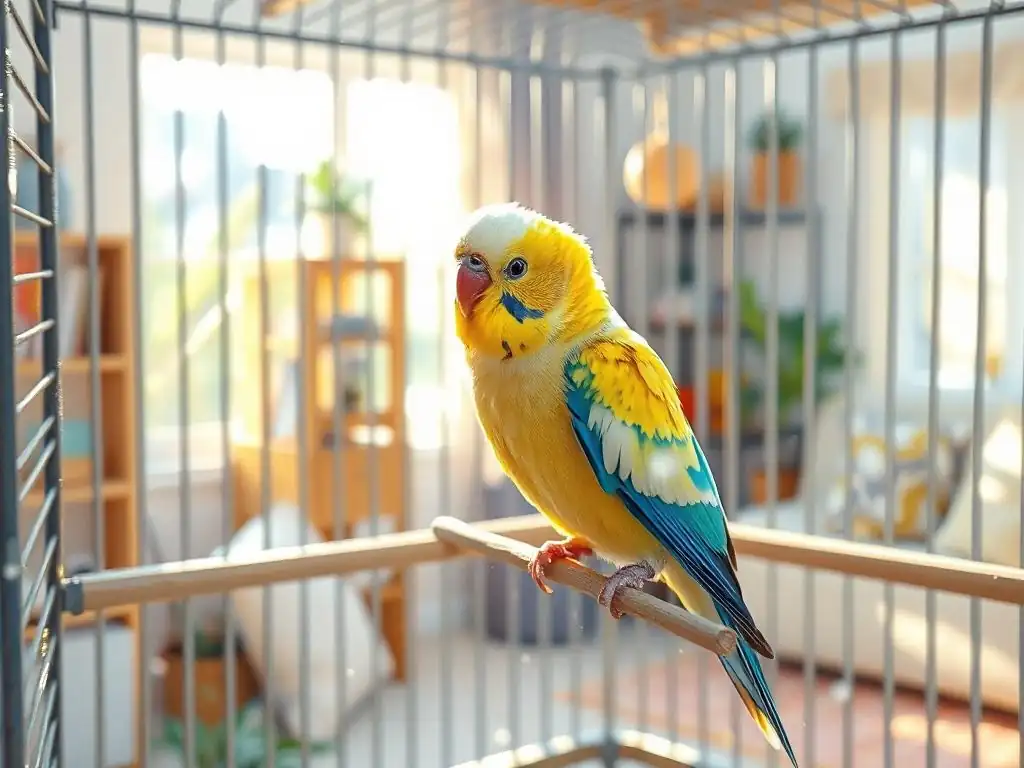
Choosing the perfect spot for your parakeet's cage is crucial for their health, happiness, and overall well-being. A poorly chosen location can lead to stress, illness, and even behavioral problems in your feathered friend. This guide will explore the key factors to consider when deciding where to place your budgie's cage, ensuring you create a safe and stimulating environment that promotes their thriving.
We'll delve into the ideal temperature and humidity levels, the importance of shielding your parakeet from drafts and direct sunlight, and how noise levels can impact their delicate sensibilities. By understanding these factors, you'll be well-equipped to find the best parakeet cage location in your home, ultimately contributing to a longer, healthier, and happier life for your beloved budgie. Finding the best parakeet cage location is a critical step in responsible pet ownership.
Ideal Temperature and Humidity for Parakeets
Parakeets, like all birds, are sensitive to temperature fluctuations. The ideal temperature range for a budgie is between 65°F and 75°F (18°C and 24°C). Temperatures outside this range can cause stress and weaken their immune system, making them more susceptible to illness. Extreme temperatures, both hot and cold, can be life-threatening. Avoid placing the cage near heating vents, fireplaces, or air conditioners, as these can create drastic temperature swings.
Furthermore, maintaining appropriate humidity is equally important. Too dry an environment can lead to respiratory problems, while excessive humidity can encourage the growth of mold and bacteria. A humidity level between 40% and 60% is generally recommended. You can monitor temperature and humidity using a reliable thermometer and hygrometer placed near the cage. 🌡️ Remember, consistency is key; sudden changes in temperature or humidity can be particularly stressful for your parakeet.
Avoiding Drafts and Direct Sunlight: Protecting Your Budgie
Drafts can be extremely harmful to parakeets, causing chilling and respiratory infections. Never place the cage in a drafty area, such as near an open window or door, or in a hallway with frequent air movement. Similarly, direct sunlight should be avoided. Prolonged exposure to intense sunlight can lead to overheating and dehydration, potentially causing serious health problems.
While some sunlight is beneficial for vitamin D synthesis, it's crucial to provide filtered sunlight or a location with indirect sunlight exposure. Consider placing the cage near a window with a sheer curtain to diffuse the sunlight. ☀️ The goal is to create a stable and comfortable environment, free from harsh temperature fluctuations and excessive sun exposure.
Noise Levels and Their Impact on Parakeet Well-being
Parakeets are sensitive creatures and loud noises can cause significant stress and anxiety. Avoid placing the cage in high-traffic areas of the house, such as near a television, stereo system, or frequently used doorway. Constant loud noises can disrupt their sleep patterns, affect their ability to communicate, and generally negatively impact their overall well-being. A quieter location, perhaps in a less frequented room, will provide a more peaceful and calming environment for your budgie.
Observe your parakeet's behavior; if they seem agitated or frightened by specific noises, relocate their cage accordingly. Creating a tranquil atmosphere is essential for a happy and healthy parakeet. 🦜 Remember, a calm and quiet environment contributes significantly to your budgie's emotional well-being.
Choosing the Perfect Spot: Best Rooms for Your Parakeet Cage
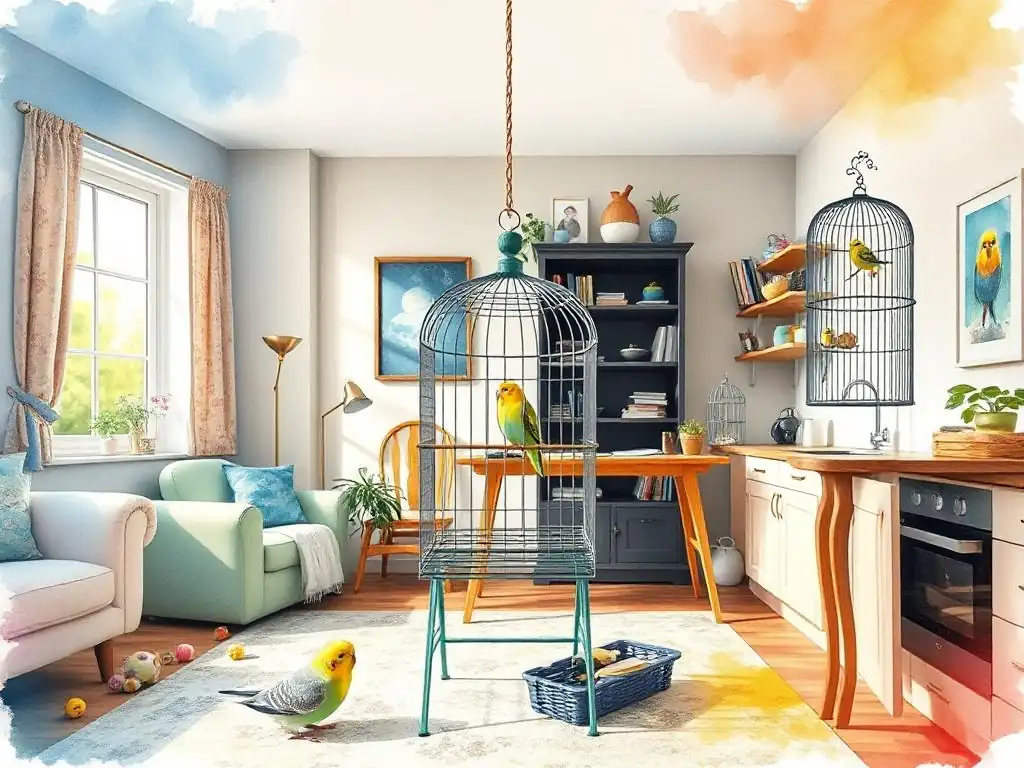
Selecting the ideal location for your parakeet's cage is crucial for their well-being. A poorly chosen spot can lead to stress, illness, and a generally unhappy bird. The best parakeet cage location prioritizes safety, comfort, and stimulation. This involves considering factors such as noise levels, temperature fluctuations, drafts, and direct sunlight exposure.
Remember, your budgie needs a safe haven where they feel secure and can thrive. Understanding these factors is key to providing optimal care and creating a happy, healthy environment for your feathered friend. Consider the room's overall ambiance – a quiet, stable environment is much preferred over a chaotic one.
Kitchen Placement: Pros and Cons for Parakeet Cages
Placing a parakeet cage in the kitchen presents both advantages and disadvantages. On the plus side, you'll have easy access to your budgie for feeding and cleaning. However, this convenience comes with several potential drawbacks. Kitchens are often busy areas with fluctuating temperatures from cooking appliances and potential dangers from open food containers. The smells of cooking, particularly strong spices or fumes from non-stick cookware, can be irritating or even harmful to your parakeet's sensitive respiratory system. Furthermore, the risk of accidental ingestion of toxic substances like cleaning products or spilled food is significantly higher in a kitchen setting.
Consider this example: A family cooking a spicy curry might inadvertently expose their parakeet to harmful fumes, leading to respiratory issues. Similarly, a carelessly placed cleaning spray could lead to a potentially fatal accident. Therefore, while kitchen placement offers convenience, the potential hazards significantly outweigh the benefits for your parakeet's health and safety. A more suitable location should be prioritized.
Living Room Considerations: Ideal and Less-Ideal Locations
The living room is often considered a good option because it's a central area of the home where family members gather. This provides your parakeet with increased social interaction and opportunities for enrichment. However, the level of activity and noise in a living room can vary greatly depending on the household.
- Ideal Locations: A quiet corner away from direct sunlight, television, and loud music is best. A stand or shelf that's not too high or too low, allowing for easy interaction, would be ideal.
- Less-Ideal Locations: Directly next to a frequently used doorway, near a window with strong drafts, or in a high-traffic area could cause stress for your parakeet. Avoid placing the cage near loud appliances, such as stereo systems or televisions, as these can be distressing.
Remember that even in the living room, consistent noise levels are important for your bird's well-being. A constantly noisy living room might not be the best environment, even with a seemingly ideal spot.
Bedroom Placement: Benefits and Drawbacks for Budgie Housing
Placing your parakeet's cage in the bedroom offers some advantages, particularly a quieter, more stable environment compared to busier areas of the home. This can be beneficial for your budgie's sleep and overall stress levels. However, bedroom placement isn't without its potential drawbacks.
The consistent darkness and quiet of a bedroom during sleep hours might create a less stimulating environment for your budgie during the day. A lack of light and social interaction can negatively affect their mood and behavior. Additionally, the potential for accidental injury from bedsheets or other bedroom items exists.
Furthermore, the air quality in a bedroom, especially if it's not well-ventilated, might not be ideal for your parakeet's respiratory health. Careful consideration of these factors is crucial before choosing your bedroom as the primary location for your parakeet's cage. Balancing the need for a quiet environment with sufficient stimulation and light is key to creating a healthy and happy home for your budgie.
Bathroom Placement: Suitability for Parakeet Cages
Bathrooms, while convenient due to their often-central location in a home, present a mixed bag when considering the ideal placement for a parakeet cage. The primary concern revolves around humidity and temperature fluctuations. While a slightly humid environment might not be detrimental in moderation, excessive moisture from showers or baths can lead to respiratory problems for your budgie. Mold and mildew, common in humid environments, also pose a significant health risk.
The fluctuating temperatures, often cooler than other rooms in the house, can also stress your parakeet and weaken its immune system, making it more susceptible to illness. Furthermore, the presence of cleaning chemicals, even if well-ventilated, can be harmful to your bird's sensitive respiratory system. The constant noise of running water or flushing toilets can also be a source of stress, especially for a more timid bird.
Therefore, while a bathroom might seem like a practical choice due to its accessibility, it’s generally not recommended as a primary location for your parakeet's cage. The potential risks to your bird's health outweigh the convenience. If you must place the cage in a bathroom temporarily, ensure the room is well-ventilated, free of strong cleaning agents, and that the temperature and humidity remain relatively stable.
Monitor your parakeet closely for any signs of respiratory distress or stress. Consider using a humidity monitor to track the moisture levels in the room and take steps to mitigate excessive humidity, such as using a dehumidifier or opening a window for ventilation.
Ultimately, prioritizing a stable and safe environment is crucial for your budgie's well-being, and a consistently well-ventilated area is far more suitable than a bathroom. A dedicated bird room, or a well-chosen bedroom or living room, would provide a far superior environment for a happy and healthy parakeet.
Optimizing Your Parakeet's Environment: Additional Tips for Cage Placement
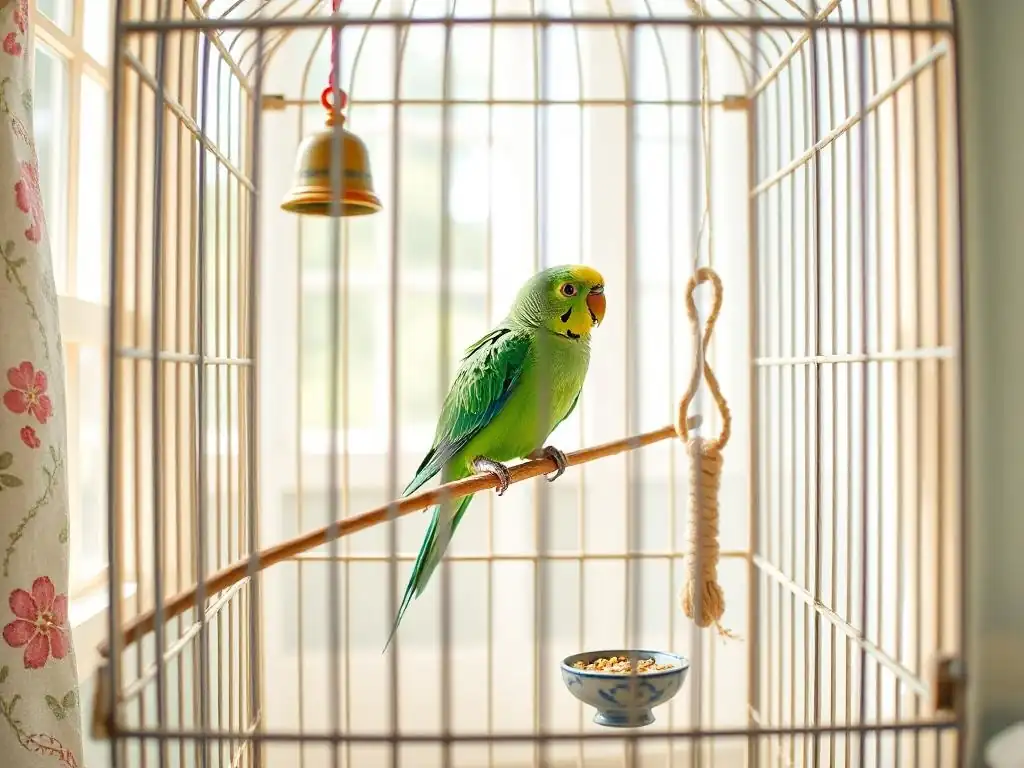
This section delves into crucial aspects beyond simply finding the best parakeet cage location. We'll explore how to enhance your budgie's well-being and ensure ease of care through strategic cage placement and environmental considerations. Remember, a happy parakeet is a healthy parakeet, and a well-placed cage is a significant step towards achieving that goal. Finding the best location for your parakeet cage is a key factor in their overall health and happiness. Let's examine some crucial details.
Providing Enrichment and Mental Stimulation near the Cage
The ideal cage placement isn't just about avoiding hazards; it's also about maximizing your parakeet's opportunities for enrichment and mental stimulation. A bored budgie is a stressed budgie, and a stressed budgie is more prone to illness. Consider these points when choosing your parakeet's home:
- Placement near activity: Position the cage near areas of the household where family activity occurs, but avoid placing it directly in high-traffic zones. The gentle hum of conversation or the soft sounds of television can provide auditory stimulation without being overwhelming. This helps your parakeet feel connected to the family unit. However, avoid loud noises like vacuum cleaners or construction work which could frighten them.
- Visual stimulation: Provide visual stimulation near the cage with colorful toys, mirrors (used sparingly to avoid obsessive behavior), and natural elements like branches. Rotating these items regularly keeps your parakeet engaged and prevents boredom. Consider placing the cage near a window (but not in direct sunlight!) to offer views of the outside world – a fantastic source of natural stimulation. Remember, natural light is crucial, but direct sunlight can be harmful.
- Interactive toys: Offer a variety of interactive toys that encourage your budgie to problem-solve and explore. These toys should be placed both inside and outside the cage, encouraging movement and exploration. For example, a foraging toy placed near the cage will encourage your parakeet to actively search for treats, providing both physical and mental exercise.
Remember, the goal is to create a stimulating environment that encourages natural behaviors and keeps your parakeet mentally and physically active. This active lifestyle is critical for their overall wellbeing, reducing stress and promoting a longer, healthier life.
Ensuring Easy Access for Cleaning and Maintenance
Strategic cage placement simplifies daily cleaning and maintenance, saving you time and effort while ensuring a hygienic environment for your feathered friend. Consider these factors:
- Accessibility: Choose a location that allows for easy access to all sides of the cage. This facilitates thorough cleaning and makes replacing food and water a simple task. Avoid placing the cage in a tight corner or against a wall that restricts access.
- Work surface proximity: Ideally, the cage should be near a sturdy, level surface suitable for cleaning and maintenance. A nearby table or countertop simplifies the process of cleaning the cage, replacing food and water dishes, and changing toys. This reduces the strain on your back and makes the entire process much more efficient.
- Ventilation: Ensure adequate ventilation around the cage to prevent the buildup of moisture and ammonia. Poor ventilation can lead to respiratory problems for your parakeet. Avoid placing the cage in cramped spaces or areas with poor air circulation. Proper airflow is essential for maintaining a healthy and comfortable environment.
Safeguarding Your Budgie from Potential Hazards
Preventing accidents is paramount. Careful cage placement minimizes risks to your parakeet's safety and well-being.
- Predator protection: Keep the cage away from windows and doors that might allow access to predators such as cats or other animals. Secure windows and doors properly to prevent unwanted guests. Even seemingly harmless pets can pose a threat to a small bird.
- Toxic substances: Avoid placing the cage near cleaning supplies, pesticides, or other toxic substances. The fumes from these products can be harmful to your budgie. Store all hazardous materials securely away from the cage and your parakeet's reach.
- Temperature extremes: Avoid locations exposed to extreme temperatures, drafts, or direct sunlight. These conditions can stress your parakeet and even lead to illness. Maintain a consistent temperature in the room where the cage is located. Remember, a stable temperature is crucial for a healthy budgie. Avoid placing the cage near heating vents or air conditioners.
By carefully considering these factors, you can create an optimal environment for your parakeet, ensuring its health, happiness, and longevity. Remember, choosing the best parakeet cage location is an ongoing process; regular assessment is key to ensuring your budgie's safety and well-being.
Troubleshooting Common Cage Placement Issues

Finding the best parakeet cage location isn't always straightforward. Even with careful planning, you might encounter unforeseen challenges. This section addresses some common problems and offers solutions to ensure your budgie thrives in its environment. Remember, a happy, healthy parakeet is a well-placed parakeet!
Dealing with Excessive Noise near the Parakeet Cage
Parakeets are sensitive creatures. Constant loud noises can stress them, leading to behavioral problems like feather plucking, increased aggression, or even illness. Identifying and mitigating noise sources is crucial for their well-being.
Noise levels should ideally remain below 60 decibels during the day and even quieter at night. Think of a quiet library versus a busy street. A consistently loud environment is detrimental. Consider these steps:
- Relocate the cage: If the noise is unavoidable (e.g., a busy street outside), moving the cage to a quieter room is the best solution. Prioritize rooms away from high-traffic areas, appliances, and loud entertainment systems.
- Soundproofing: If relocation isn't possible, consider using sound-dampening materials. Thick curtains, rugs, or specialized acoustic panels can help absorb sound and create a more peaceful environment. Even strategically placed bookshelves can make a difference.
- Adjust your routine: Sometimes, the solution is simply adjusting your own habits. Reduce loud activities during your parakeet’s active hours, and opt for quieter activities during their sleep cycle.
- Monitor your bird: Carefully observe your parakeet's behavior. If you notice any signs of stress (e.g., ruffled feathers, excessive preening, changes in vocalizations), it's a clear indication that you need to address the noise issue immediately.
Managing Temperature Fluctuations in Different Rooms
Temperature is another critical factor influencing your parakeet's health and happiness. Extreme temperatures, whether too hot or too cold, can be detrimental. Parakeets thrive in temperatures between 65°F and 75°F (18°C and 24°C).
Maintaining a consistent temperature is vital. Avoid placing the cage near:
- Heating vents or radiators: These create localized hot spots that can overheat your bird.
- Air conditioning vents: These can cause drafts and chills, negatively impacting your parakeet's health.
- Exterior walls: Exterior walls are susceptible to temperature fluctuations, particularly during colder months.
Rooms with stable temperatures are ideal. Consider using a thermometer to monitor the temperature near the cage, especially during seasonal changes. If you notice significant fluctuations, you might need to employ supplementary heating or cooling measures, but always prioritize gradual adjustments to avoid shocking your bird. For example, a small space heater (used cautiously and with a thermostat) can provide supplemental warmth in winter, while a fan (placed to avoid direct drafts) can help on warmer days. Remember, gradual temperature adjustments are key.
Addressing Direct Sunlight Issues for Optimal Parakeet Health
While parakeets appreciate some natural light, direct sunlight can be harmful. Prolonged exposure to intense UV rays can cause overheating, sunburn, and even eye damage.
The best approach is to provide indirect sunlight. A location near a window with a sheer curtain or blinds is ideal. This allows natural light to filter through without exposing your bird to harsh, direct rays. Avoid placing the cage in direct sunlight, especially during the hottest parts of the day.
Here's a table summarizing the ideal and undesirable cage placements regarding sunlight:
| Location | Ideal? | Reasoning |
|---|---|---|
| Direct Sunlight | ❌ | Overheating, sunburn, eye damage |
| Indirect Sunlight | ✅ | Provides natural light without harmful UV exposure |
| Completely Shaded | ❌ | Insufficient natural light, can lead to vitamin D deficiency |
| Near a South-facing Window (in temperate climates) | Potentially ✅ | Can provide beneficial sunlight, but requires careful monitoring and shading. |
Remember, careful observation of your parakeet's behavior and consistent monitoring of its environment are essential for ensuring its optimal health and happiness. A well-placed cage is a cornerstone of responsible parakeet ownership. 🐦
Frequently Asked Questions
What is the best room to place my parakeet's cage?
A bright room is ideal, but avoid direct sunlight which can overheat your bird. A location away from drafts and loud noises is also crucial for your parakeet's well-being. Consider a room where family members spend time, promoting interaction.
Should I place the cage near a window?
While natural light is beneficial, avoid placing the cage in direct sunlight. Indirect sunlight is okay, but ensure the cage isn't exposed to extreme temperatures or drafts from open windows. Consider a location with a view to keep your bird stimulated.
How high should I place my parakeet's cage?
The cage should be placed at a comfortable height for interaction, neither too high nor too low. A height that allows you to easily interact with your bird, while keeping it safe from potential hazards, is best. Avoid placing it on the floor.
What should I avoid when choosing a cage location?
Avoid placing the cage in areas with extreme temperatures, direct sunlight, or loud noises. Keep it away from kitchens (fumes) and bathrooms (humidity). Areas with high traffic can also be stressful for your parakeet.
My parakeet seems stressed; could the cage location be the problem?
Yes, a poorly chosen location can cause stress. Observe your bird's behavior: Is it excessively fluffed up, hiding, or making unusual noises? If so, try relocating the cage to a quieter, less stimulating area. Consider adjusting the cage's height and distance from windows as well.
Final Reflection: Finding the Perfect Perch: Your Budgie's Sanctuary
The ideal placement of your parakeet's cage is not merely about convenience; it's about ensuring your feathered friend thrives in a safe, stimulating, and enriching environment. A seemingly small detail like cage location can significantly impact your budgie's health, happiness, and longevity. Ignoring this crucial aspect can lead to unnecessary stress and even illness for your beloved pet.
The impact of a well-chosen cage location extends beyond the immediate comfort of your budgie. It speaks to our responsibility as pet owners to create a harmonious and enriching space for our companions. It's about understanding their needs and actively working to meet them. As the renowned ethologist, Konrad Lorenz, once said: The capacity to blunder surprisingly is the hallmark of a really superior intelligence.
We may make mistakes in choosing the perfect spot, but the willingness to learn and adjust demonstrates our commitment to our budgie's well-being. This continuous learning and adaptation is crucial for responsible pet ownership.
Consider the insights shared in this article – the importance of avoiding direct sunlight, drafts, and loud noises – and apply them to your own budgie's home. Take a moment to observe your bird's behavior; are they exhibiting signs of stress or anxiety? Perhaps a simple relocation of their cage is all that's needed to transform their environment and, in turn, their quality of life. You have the power to create a haven for your feathered friend – a place where they can sing, play, and flourish. Take that step today, and watch your budgie thrive.
Unlock Your Budgie's Happiest Home: Perfect Cage Placement
Thank you for learning about how to give your budgie the ideal living space! We hope you feel confident in creating a safe and enriching environment for your feathered friend. Ready to take the next steps towards a happier, healthier budgie?
- Choose the Perfect Spot for Your Budgie's Cage: Carefully consider your home and relocate the cage, if necessary, to the sunniest, safest, and quietest area. This is crucial for your budgie's well-being.
- Share your success! Post a picture of your budgie's improved cage location on PetCareWorld's forum – we'd love to see it!
- Explore our other articles on budgie care; you might discover helpful tips to further enhance your budgie's quality of life!
What small improvement will you make to your budgie's home today?