
The Sounds of Enrichment: Using Auditory Stimulation to Engage Your Bird

Welcome to PetCareWorld, your ultimate guide to a happier, healthier life for your beloved companions! Are you ready to unlock a whole new world of engagement for your feathered friend? Discover the fascinating power of bird auditory enrichment techniques and learn how carefully selected sounds can transform your bird's environment and well-being. Dive into our in-depth guide, "The Sounds of Enrichment," and uncover the secrets to stimulating your bird's mind and enriching their daily life. Let's explore the captivating soundscape that awaits!
- Understanding Bird Auditory Enrichment Techniques
- Creating an Enriching Soundscape for Your Bird
- DIY Auditory Enrichment Projects
- Selecting and Using Commercial Auditory Enrichment Tools
- Monitoring Your Bird's Response to Auditory Enrichment
- Advanced Auditory Enrichment Techniques for Advanced Bird Owners
- Common Mistakes to Avoid When Using Auditory Enrichment for Birds
- Frequently Asked Questions
- Final Reflection: The Symphony of a Happy Bird
- Unlock Your Bird's Inner Songbird: Enrich Their World Today!
Understanding Bird Auditory Enrichment Techniques
Birds, with their complex vocalizations and acute hearing, rely heavily on auditory stimulation for a fulfilling life. Neglecting this crucial sensory input can lead to boredom, stress, and even behavioral problems. This article delves into the fascinating world of bird auditory enrichment, exploring how carefully selected sounds can significantly enhance your feathered friend's well-being and mental stimulation.
We'll examine the importance of sensory enrichment, the impact of auditory stimuli on bird behavior, and how to recognize signs of boredom in your bird, enabling you to proactively implement effective enrichment strategies. Understanding and implementing these techniques is key to providing optimal care for your avian companion and ensuring a happy, healthy, and engaged bird. We will explore practical and effective "Bird auditory enrichment techniques" to help you create a stimulating environment for your pet.
The Importance of Sensory Stimulation for Birds
Birds, unlike many other pets, rely on a rich tapestry of sensory experiences for their mental and physical health. While visual stimulation (toys, varied environments) is often emphasized, auditory stimulation is equally critical. A lack of sufficient sensory input can lead to a variety of negative consequences, including:
- Feather plucking: Boredom and stress are often manifested in self-destructive behaviors like feather plucking. Auditory enrichment can help alleviate these underlying causes.
- Lethargy and inactivity: A bird deprived of stimulating sounds may become lethargic and withdrawn, exhibiting a lack of interest in its surroundings.
- Aggression: Frustration from boredom can lead to aggressive behaviors towards its owner or other pets.
- Vocalizations: Excessive or unusual vocalizations can be a sign of distress and a lack of proper enrichment. Providing appropriate auditory stimulation may help regulate their vocalizations.
Providing diverse auditory stimuli helps to mimic a bird's natural environment, reducing stress and promoting a more natural behavior pattern. Think of the sounds a bird would experience in the wild: the rustling of leaves, the chirping of insects, the calls of other birds. Replicating these sounds (appropriately) can significantly improve your bird's quality of life. The type and frequency of auditory enrichment will depend on the species of bird and its individual personality.
Auditory Enrichment and Bird Behavior
The impact of auditory enrichment on bird behavior is profound. Studies have shown that birds exposed to a variety of sounds exhibit increased activity levels, improved foraging behaviors, and a reduction in stereotypical behaviors (repetitive actions often indicative of boredom or stress). For example, introducing the sounds of a rainforest can encourage natural foraging behaviors, while playing recordings of bird songs can stimulate vocalization and social interaction.
Furthermore, the careful selection of auditory stimuli can help to address specific behavioral issues. For instance, calming sounds like gentle rain or nature sounds can help reduce anxiety in anxious birds. Conversely, more upbeat and energetic sounds can help to stimulate a lethargic bird. It's crucial to observe your bird's reactions to different sounds and adjust the type and volume accordingly. Remember to avoid excessively loud or jarring noises that could cause distress.
Signs Your Bird is Bored: Recognizing the Need for Enrichment
Recognizing the signs of boredom in your bird is crucial for implementing effective auditory enrichment techniques. Several indicators can signal that your bird needs more stimulation:
- Excessive preening or feather plucking: These self-destructive behaviors are often a sign of underlying stress or boredom.
- Lethargy and inactivity: A bird that spends most of its day sleeping or sitting quietly might be lacking sufficient mental and physical stimulation.
- Repetitive behaviors: Stereotypical behaviors, such as swaying back and forth or repeatedly chewing on the same object, indicate a need for more environmental enrichment.
- Changes in vocalization: A sudden increase or decrease in vocalizations, or a change in the tone or frequency of calls, can suggest distress or boredom.
- Aggression or biting: Frustration from boredom can manifest as aggression towards its owner or other pets.
By carefully observing your bird's behavior and understanding its needs, you can proactively implement auditory enrichment strategies to ensure a happy, healthy, and engaged companion. Remember that a balanced approach, combining auditory enrichment with other types of enrichment, is crucial for optimal bird welfare.
Creating an Enriching Soundscape for Your Bird
This section delves into the practical application of auditory enrichment for your feathered friend. We'll explore how to carefully curate a soundscape that stimulates your bird mentally and emotionally, promoting a happier and healthier life. Remember, the goal is to provide a variety of sounds, mimicking natural environments and introducing novel auditory experiences in a controlled and positive manner. Avoid sudden loud noises or jarring sounds which can be stressful for your bird. Always monitor your bird's response to any new auditory stimuli.
Natural Soundscapes: Replicating the Bird's Native Habitat
Replicating aspects of your bird's natural habitat through sound is a powerful enrichment technique. Consider the sounds your bird would experience in the wild. This might include the gentle rustling of leaves, the chirping of insects, the flowing of a stream, or the calls of other birds of its species or similar species. These sounds can provide a sense of familiarity and security, reducing stress and promoting a feeling of well-being.
For example, a cockatoo from a rainforest environment might benefit from a soundscape that includes the calls of various rainforest birds, the sounds of rain, and the rustling of leaves. Conversely, a small finch from a grassland habitat would likely respond better to sounds of wind in the grass, insect chirps, and the calls of other grassland birds. The key is research; understanding your bird's species and its natural environment is crucial for effective auditory enrichment.
The more accurately you can recreate these sounds, the more beneficial the enrichment will be. Consider using high-quality recordings to avoid distracting or unpleasant background noises.
Bird-Specific Music and Sounds: Selecting Appropriate Audio
While natural soundscapes are vital, incorporating bird-specific music and sounds can add another layer of enrichment. However, careful selection is key. Avoid music with harsh, loud, or unpredictable sounds. Opt for calming melodies or soundscapes specifically designed for birds. Many commercially available CDs and online resources offer such options.
Some birds may respond positively to classical music, while others might prefer more upbeat, nature-inspired sounds. Experiment to determine what your bird enjoys most. Observe your bird's behavior while playing different types of audio. If it displays signs of stress (ruffled feathers, hiding, increased vocalizations), immediately stop the audio and try something different.
Positive responses may include increased activity, foraging behavior, or vocalizations of contentment. Remember to keep the volume at a level that is comfortable for your bird, avoiding anything too loud. A good rule of thumb is to keep the volume low enough that you can comfortably have a conversation nearby.
Using White Noise and Ambient Sounds to Reduce Stress
White noise and other ambient sounds can be incredibly effective in reducing stress and anxiety in birds. These sounds can mask sudden, startling noises from the outside environment, creating a more predictable and calming auditory environment. White noise, in particular, can be particularly beneficial for birds housed in noisy environments. However, avoid using white noise continuously, as this could potentially become monotonous and lead to boredom in the long term. Use it strategically as needed, particularly during periods of high external noise or when your bird seems stressed.
Other ambient sounds, such as gentle rain sounds or ocean waves, can also provide a calming effect. The key is to choose sounds that are consistently low in volume and free from sudden changes or loud bursts. The aim is to create a soothing background hum, not to overwhelm your bird with excessive stimulation. Regularly assess your bird's reaction to these sounds and adjust accordingly. Remember, the goal is to create a peaceful and enriching environment, not a stressful one. Careful observation and a willingness to adjust your approach are vital components of effective bird auditory enrichment.
Introducing New Sounds Gradually: Preventing Overstimulation
Introducing new sounds to your bird's environment should be a gradual process. Sudden, loud, or unfamiliar noises can be incredibly stressful for birds, potentially leading to fear, anxiety, and even physical symptoms like feather plucking or decreased appetite. Think of it like introducing a new food – you wouldn't suddenly dump a whole new type of seed into your bird's bowl; you'd gradually add it in small amounts to allow them to adjust. The same principle applies to auditory enrichment.
Start by playing sounds at a very low volume for short periods, perhaps just a few minutes several times a day. Observe your bird's reaction closely. Are they curious? Do they approach the source of the sound? Or do they exhibit signs of stress, such as ruffled feathers, rapid breathing, or hiding? If you see any signs of distress, immediately stop playing the sound and try again later at an even lower volume.
A good starting point is to use sounds that are naturally occurring in your bird's environment or sounds that mimic those. For example, if you have a parrot species that naturally lives in a rainforest, you might start with recordings of rainforest sounds – gentle breezes, birdsong, and the rustling of leaves. These sounds provide a familiar backdrop and help to create a sense of security. Avoid sounds that are jarring or unpredictable, such as loud noises from construction, traffic, or household appliances.
The key is to monitor your bird's behavior and adjust the volume and duration accordingly. Gradually increase the volume and playtime as your bird shows signs of comfort and interest. Remember that every bird is an individual, and what works for one may not work for another. It's a process of trial and error, and patience is key.
Observe your feathered friend closely; they will tell you when they've had enough. Always prioritize their well-being and avoid overwhelming them with too much auditory stimulation. By introducing new sounds gradually, you can create a positive and enriching experience for your beloved bird, promoting their physical and mental well-being. Remember, the goal is to enrich their lives, not to stress them out.
DIY Auditory Enrichment Projects
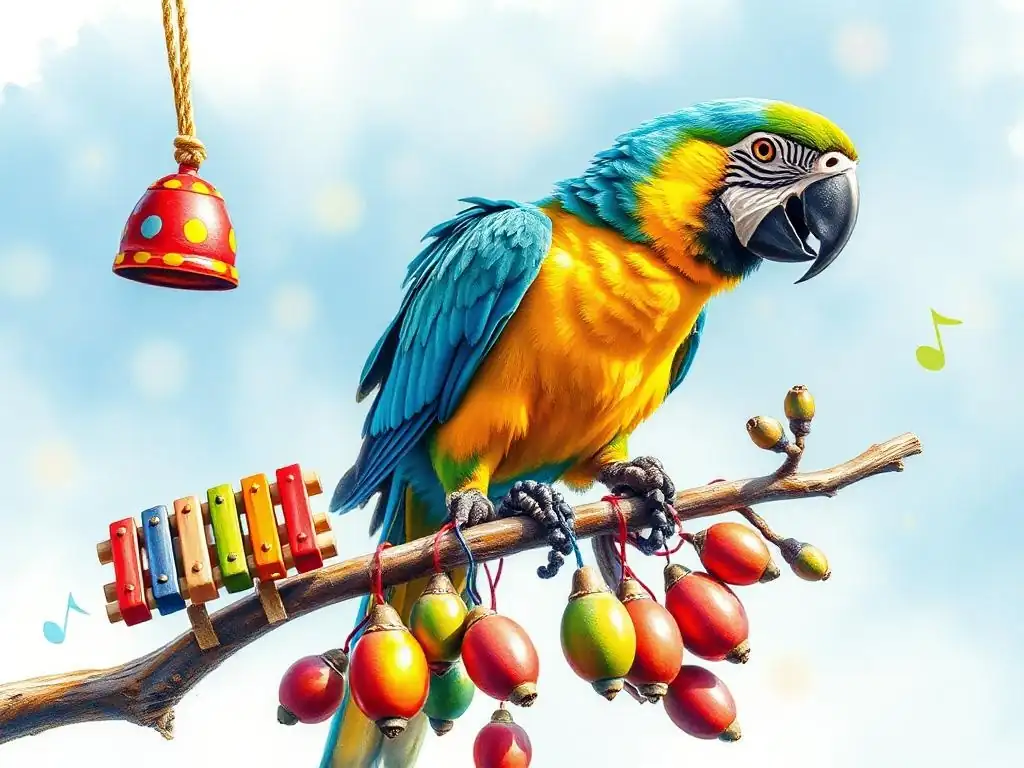
Creating engaging auditory experiences for your feathered friend doesn't require expensive, specialized equipment. With a little creativity and readily available materials, you can craft stimulating soundscapes that will keep your bird mentally and emotionally engaged. This section focuses on practical, DIY approaches to bird auditory enrichment, emphasizing safety and effectiveness. Remember, the goal is to provide novel and interesting sounds without causing stress or harm. Always supervise your bird during any enrichment activity.
Creating Custom Soundscapes with Recording Software
Many free and affordable recording software options exist (Audacity is a popular choice). Using these programs, you can create custom soundscapes tailored to your bird's preferences. Consider incorporating a variety of sounds, such as:
- Nature sounds: Gentle rain, flowing water, birdsong (from different species, avoiding sounds that mimic distress calls).
- Classical music: Soft, calming pieces without jarring high frequencies or sudden loud noises. Avoid anything with harsh percussion.
- White noise: This can help mask unwanted external noises and create a soothing background ambience.
- Your own voice: Record yourself speaking softly, singing simple songs, or reading stories. This helps strengthen the bond with your bird.
Remember to gradually introduce new sounds, monitoring your bird's reaction closely. If your bird shows signs of distress (fluffed feathers, hiding, rapid breathing), immediately stop the playback and try a different sound or reduce the volume. The key is to create a positive association with auditory enrichment. Experiment with different combinations and sound levels to find what works best for your individual bird. For example, you could create a morning soundscape with cheerful birdsong and gentle rain, and an evening soundscape with calming white noise and soft music. This variety is crucial for maintaining engagement.
Using Everyday Objects to Create Sounds
You don't need sophisticated technology to enrich your bird's auditory environment. Many everyday household items can be repurposed to create interesting sounds. Here are a few safe and effective ideas:
- Crinkling paper: Crumple different types of paper (newspaper, tissue paper, wrapping paper) to create varying textures and sounds. Supervise your bird to prevent ingestion of paper.
- Wooden blocks: Lightly tap wooden blocks together to create a rhythmic clicking sound. Ensure the blocks are smooth and free of splinters.
- Small bells: Hang small, bird-safe bells within reach of your bird. The gentle tinkling can be very engaging. Ensure bells are securely attached to prevent accidental ingestion.
- Nature materials: Use small, smooth stones or shells to create gentle tapping sounds. Again, supervise to prevent ingestion.
Experiment with different combinations of these objects to create varied and stimulating soundscapes. Remember to always prioritize safety. Avoid any objects that could be easily broken or ingested, and supervise your bird during playtime. This simple approach to auditory enrichment can provide significant mental stimulation for your bird.
Building a Bird-Safe Sound System
While many sounds can be generated without specialized equipment, a simple, bird-safe sound system can enhance the experience. This involves selecting an appropriate device and ensuring its safety.
- Device Selection: Opt for a small, portable Bluetooth speaker with adjustable volume. Avoid speakers with loud, distorted sound or those that get excessively hot. Consider a device with a protective cover to prevent accidental damage.
- Placement and Safety: Position the speaker away from your bird's cage to prevent accidental damage or ingestion. Use a sturdy stand or mount the speaker securely. Always supervise your bird when the sound system is in use. Ensure the device's power cord is securely managed and out of your bird's reach to prevent chewing or entanglement.
- Sound Selection: Curate a playlist of appropriate sounds, favoring natural sounds, calming music, and your bird's favorite sounds. Avoid sudden loud noises or sounds that mimic distress calls. Regularly rotate the sounds to maintain novelty and prevent habituation. This will enhance the effectiveness of the auditory enrichment, keeping your bird engaged and stimulated. Remember, the goal is to provide a stimulating yet calming auditory environment.
By following these guidelines, you can create a safe and engaging auditory environment for your bird, contributing significantly to their overall well-being and preventing boredom. Remember to always monitor your bird's response and adjust the sounds accordingly. The key is to provide a stimulating yet relaxing soundscape that enhances your bird's quality of life.
Selecting and Using Commercial Auditory Enrichment Tools
Commercial auditory enrichment tools offer a convenient way to introduce diverse soundscapes into your bird's environment. However, careful selection and responsible usage are crucial. The market offers a range of products, from simple CDs and MP3 players to sophisticated devices with programmed sounds and adjustable volume. When choosing a device, prioritize quality over quantity.
Look for products that offer high-fidelity audio to avoid distortion that could stress your bird. Consider the type of sounds offered; a monotonous repetition of a single sound will be far less enriching than a diverse collection of natural bird songs, environmental sounds, or even calming classical music. The best tools provide a variety of sound options, allowing you to tailor the auditory environment to your bird's preferences and mood. It's vital to avoid sounds that are jarring or excessively loud; these can cause significant stress and fear in birds.
Evaluating Commercial Bird Sound Devices
Before introducing any commercial sound device, test it thoroughly in a quiet environment to ensure the audio quality is acceptable and the volume is appropriate. Listen carefully for any harsh frequencies or distortions that might be unpleasant or harmful to your bird's sensitive hearing. Consider the device's durability. Will it withstand accidental knocks or spills? A robust device is essential, especially in a household with other pets or children.
Read reviews from other bird owners – this can provide valuable insights into the device's performance and reliability. Pay close attention to comments about the sound quality, ease of use, and any reported negative reactions from birds. A device with a random playback function, rather than a continuous loop, is generally preferable, as it mimics the variability of natural soundscapes and prevents habituation. Remember to always prioritize your bird's safety and well-being when selecting and using any device.
Safety Considerations for Electronic Devices
Electronic devices, while offering convenient auditory enrichment, present potential safety hazards. Never leave electronic devices unattended near your bird, especially if they have exposed wires or small parts that could be chewed on. Always use a device with a secure power source to prevent electrical hazards. Ensure the device is placed securely and out of your bird's reach to prevent damage or ingestion of components. Regularly inspect the device for any signs of damage or wear and tear.
Replace any damaged components immediately to prevent accidents. Consider using a protective cover or enclosure to further minimize risks. Remember, prevention is key: proactive safety measures will ensure a safe and enriching auditory environment for your feathered friend. The goal is to enhance their lives, not introduce new dangers.
Integrating Commercial Sounds with Natural Sounds
While commercial sound devices can provide a valuable contribution to auditory enrichment, they should not replace natural sounds entirely. Ideally, a balanced approach is best – combining the convenience of commercial tools with the richness and variety of natural sounds. Supplement commercial sounds with naturally occurring sounds, such as the sounds of rain, wind chimes (placed safely out of reach), or even recordings of sounds from your bird's natural habitat. Observe your bird's behavior carefully; if it shows signs of distress or avoidance when exposed to certain sounds, adjust the volume or discontinue use of that particular sound.
Remember, the goal of auditory enrichment is to stimulate and engage your bird positively, not to overwhelm or frighten it. A diverse and carefully curated soundscape that takes your bird's individual preferences into account is the key to successful auditory enrichment. This careful balance ensures a stimulating yet stress-free environment.
Monitoring Your Bird's Response to Auditory Enrichment

Auditory enrichment for birds isn't a one-size-fits-all approach. What delights one bird might stress another. Therefore, careful monitoring of your feathered friend's reaction is crucial for successful implementation of Bird auditory enrichment techniques. This involves observing both immediate and long-term behavioral changes to ensure the soundscape is beneficial, not detrimental, to their well-being. Ignoring your bird's cues can lead to unintended negative consequences, undermining the very purpose of enrichment. Remember, the goal is to stimulate and engage, not to overwhelm or frighten.
Observing Behavioral Changes
Observing your bird's behavior is paramount in determining the effectiveness of your auditory enrichment program. Look for positive indicators such as increased activity levels, vocalizations (in a positive context, not distress calls), head bobbing, wing flapping, and playful interactions with their environment. These are all signs that the sounds are stimulating and engaging your bird in a positive way. For example, a bird that previously spent hours listlessly perched might now be actively exploring its cage, interacting with toys, or singing along to the sounds.
Keep a detailed log of your observations, noting the type of sounds played, the duration, and your bird's specific responses. This meticulous record-keeping is vital for refining your approach and ensuring optimal enrichment. Consider using a simple table like this:
| Date | Time | Sound Played | Bird's Response | Notes |
|---|---|---|---|---|
| 2024-10-27 | 9:00 AM | Rainforest sounds | Increased activity, singing, head bobbing | Seemed particularly engaged with the bird calls |
| 2024-10-27 | 2:00 PM | Classical music | Slightly increased activity, quiet but alert | Less enthusiastic than rainforest sounds. |
| 2024-10-28 | 10:30 AM | Nature sounds (ocean) | No significant change in behavior. Slightly ruffled feathers. | Might prefer sounds with more variation. |
Conversely, negative responses include signs of fear, stress, or anxiety. These could manifest as ruffled feathers, hiding behavior, excessive preening, changes in appetite, or increased vocalizations indicative of distress. Such reactions necessitate immediate adjustments to the auditory environment. Remember, a happy and healthy bird is an active and engaged bird.
Adjusting the Soundscape Based on Your Bird's Preferences
Once you've observed your bird's reaction to different auditory stimuli, you can begin tailoring the soundscape to their individual preferences. If your bird shows a strong preference for certain types of sounds – perhaps nature sounds over classical music, or specific bird calls over ambient noises – focus on those. Experiment with varying the volume and duration of the sounds. Some birds might thrive on a constant, gentle background hum, while others might prefer shorter bursts of more stimulating sounds. The key is to find the balance that keeps your bird engaged without overwhelming them.
Gradually introduce new sounds, always monitoring their reactions closely. Think of it as a carefully curated sonic experience designed specifically for your bird's enjoyment. Don't be afraid to experiment! You might discover surprising preferences. Consider using a timer to control the duration of playback, especially during initial exposure to new sounds.
Addressing Negative Reactions to Auditory Stimulation
If your bird displays negative reactions to any auditory stimulation, it's crucial to address the issue immediately. This might involve reducing the volume, shortening the duration of playback, or eliminating the sound entirely. Some birds might be particularly sensitive to certain frequencies or types of sounds. For instance, loud, sudden noises can be frightening, while high-pitched sounds might be irritating.
If negative reactions persist despite adjustments, consult an avian veterinarian. They can help rule out any underlying health issues that might be contributing to your bird's stress. Remember that a negative reaction doesn't necessarily mean the auditory enrichment is inherently bad; it simply means it’s not suitable for your bird. The goal is to create a positive and enriching auditory environment, not to force your bird to tolerate sounds they find distressing.
Prioritizing your bird's well-being should always be paramount. The ultimate aim of bird auditory enrichment techniques is to enhance their quality of life, not to cause them undue stress. 🐦
Advanced Auditory Enrichment Techniques for Advanced Bird Owners
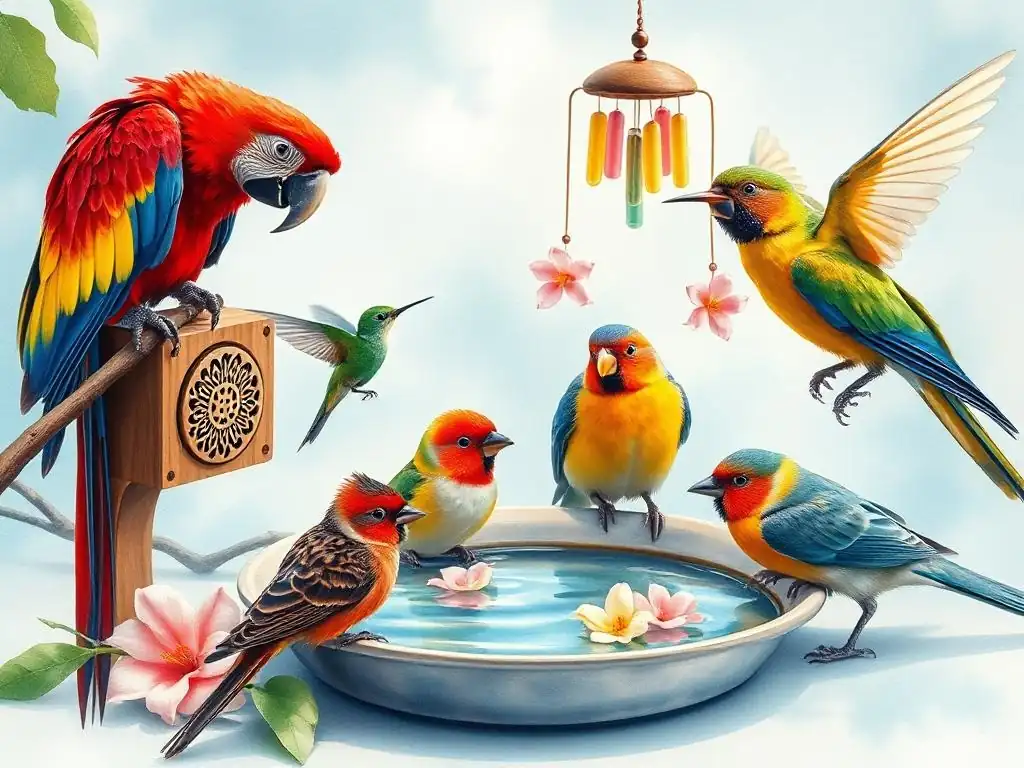
This section delves into more sophisticated auditory enrichment strategies for experienced bird owners seeking to maximize their feathered friend's cognitive and emotional well-being. We'll move beyond simple playback of natural sounds and explore methods that encourage active engagement and problem-solving. Remember, the goal is to stimulate your bird's mind and prevent boredom, leading to a happier, healthier companion. Always monitor your bird's response to any new auditory enrichment technique and adjust as needed. Over-stimulation can be detrimental, so observe for signs of stress or anxiety.
Creating Interactive Sound Experiences
Instead of passively playing sounds, consider creating interactive auditory experiences. This involves presenting sounds in a way that requires your bird to actively participate to access them. For example, you could:
- Puzzle feeders with sound: Design or purchase a puzzle feeder that releases treats or food only when a specific sound is played (perhaps a certain tone or a short musical phrase). This combines auditory stimulation with problem-solving, enhancing cognitive engagement.
- Sound-activated toys: Explore toys that activate when a specific sound is made, perhaps a whistle or a clicker. This teaches your bird cause and effect, strengthening their cognitive skills. This method is particularly effective when combined with positive reinforcement training.
- Hidden speakers: Strategically place small speakers around your bird's enclosure, playing different sounds from various locations. This encourages exploration and investigation, stimulating their curiosity and natural foraging instincts. The variation in sound location helps prevent habituation to the stimuli.
Consider the type of sounds you select. While natural soundscapes are beneficial, incorporating varied sounds like gentle classical music, or even short snippets of speech (if your bird enjoys it) can provide additional mental stimulation. Always introduce new sounds gradually and monitor your bird's reaction.
Using Sound to Train and Condition Your Bird
Auditory cues can be incredibly effective tools in bird training. By associating specific sounds with desired behaviors, you can efficiently teach your bird new tricks and commands. This approach leverages your bird's natural sensitivity to sound and can enhance the training process.
- Clicker training with sound variations: Instead of relying solely on a clicker, integrate other sounds into the training process. For example, you could pair a specific whistle sound with a treat, then gradually fade out the clicker, relying solely on the whistle as the positive reinforcement marker. This adds an extra layer of complexity and engagement to the training sessions.
- Sound-based recall training: Utilize a distinct sound (a specific whistle or a short musical phrase) as a recall cue. Consistently reinforce this sound with positive reinforcement whenever your bird responds promptly. This method is particularly useful for larger birds that might be difficult to recapture otherwise.
- Sound discrimination training: Teach your bird to discriminate between different sounds. For example, train your bird to respond differently to a high-pitched whistle versus a low-pitched whistle. This type of training significantly enhances their cognitive abilities and problem-solving skills.
Integrating Auditory Enrichment with Other Enrichment Methods
The most effective bird enrichment programs are holistic, combining various forms of stimulation. Auditory enrichment works synergistically with other methods, providing a more comprehensive and engaging experience for your bird.
- Auditory and visual enrichment: Combine auditory stimulation with visual enrichment, for example, by playing natural soundscapes while providing a new toy or rearranging their environment. This creates a multi-sensory experience that is far more stimulating than a single form of enrichment.
- Auditory and tactile enrichment: Incorporate new textures and materials into your bird's environment while playing stimulating sounds. This could involve providing new foraging toys with different textures alongside natural soundscapes.
- Auditory and social enrichment: If your bird is social, consider incorporating auditory enrichment during interaction sessions. Play calming music while you spend time with your bird, enhancing the bonding experience. This combines the benefit of social interaction with the calming effect of auditory enrichment.
Remember, the key to successful auditory enrichment is variety and observation. Continuously rotate sounds, introduce new types of auditory experiences, and closely monitor your bird’s reactions to ensure the enrichment is positive and stimulating, not stressful. By carefully crafting a diverse auditory environment, you can contribute significantly to your bird’s overall well-being and prevent boredom, leading to a happier and healthier companion. 🐦
Common Mistakes to Avoid When Using Auditory Enrichment for Birds
Auditory enrichment, while incredibly beneficial for avian companions, can easily backfire if not implemented thoughtfully. Understanding common pitfalls is crucial for ensuring your bird's well-being and preventing negative consequences. Failing to consider these crucial aspects can lead to stress, fear, or even behavioral problems in your feathered friend. Let's delve into some frequent errors to avoid when employing bird auditory enrichment techniques.
Playing Sounds at Excessive Volumes
One of the most prevalent mistakes is playing sounds at volumes too high for your bird's sensitive hearing. Birds possess a much wider range of hearing than humans, and sounds that seem comfortably loud to us can be painfully intense for them. Prolonged exposure to high-volume sounds can lead to hearing damage, stress, and anxiety. Remember, the goal is enrichment, not sensory overload.
Think of it this way: imagine constantly being subjected to loud construction noises – it would be incredibly stressful! Your bird deserves a peaceful and stimulating environment, not a cacophony. Start with low volumes and gradually increase them only if your bird shows positive responses, such as increased alertness or engagement with the soundscape. Always monitor your bird's body language; signs of stress include ruffled feathers, rapid breathing, or attempts to hide. A good rule of thumb is to keep the volume at a level where you can comfortably hold a conversation nearby without raising your voice.
Using Inappropriate Sounds
The type of sounds you choose is equally critical. While natural soundscapes like rainforest recordings or bird songs can be incredibly stimulating and beneficial, other sounds can be jarring and frightening. Avoid using loud, jarring noises like alarms, sudden bangs, or excessively repetitive sounds. These can trigger fear responses and lead to anxiety and stress.
Consider the specific needs and preferences of your bird species. For example, a parrot accustomed to the sounds of a bustling city might react differently to a recording of a quiet forest compared to a more shy species. It's essential to observe your bird’s reaction to different sounds and adjust accordingly. A carefully curated selection of sounds, suited to your bird’s temperament and species, is key to successful auditory enrichment. For instance, a cockatoo might enjoy lively sounds that mimic a busy environment, while a finch might prefer more subtle, naturalistic sounds.
| Sound Category | Appropriate Examples | Inappropriate Examples |
|---|---|---|
| Natural Soundscapes | Rainforest sounds, ocean waves, birdsong | Loud thunderstorms, construction noises |
| Music | Classical music (low volume), nature-inspired music | Heavy metal, electronic music with harsh sounds |
| Bird-Specific Sounds | Songs of similar bird species | Predator bird calls, loud squawks or cries |
Ignoring Your Bird's Reactions
Finally, and perhaps most importantly, always pay close attention to your bird's reactions to the sounds you play. Auditory enrichment should be a positive experience; if your bird shows signs of distress, immediately stop the sound and reassess your approach. Your bird's comfort and well-being should always be the top priority.
Observe their body language carefully. Are they engaging with the sounds, perhaps bobbing their heads or singing along? Or are they exhibiting signs of fear or stress, such as hiding, fluffed feathers, or rapid breathing? These subtle cues provide invaluable insights into how your bird is experiencing the auditory stimulation.
Remember, a positive reaction indicates success; a negative one requires you to modify or discontinue the enrichment method. Regular monitoring and adjustment are vital for ensuring that auditory enrichment remains a positive and beneficial part of your bird’s daily life. This attentive approach ensures that "bird auditory enrichment techniques" are used responsibly and effectively. 🐦
Frequently Asked Questions
What is auditory enrichment for birds?
Auditory enrichment involves providing your bird with stimulating sounds to improve its mental and emotional well-being. This can reduce boredom and stress, leading to a happier, healthier bird. It's a crucial aspect of overall bird care.
What types of sounds are good for auditory enrichment?
Nature sounds like birdsong, rain, or flowing water are excellent choices. You can also use gentle music or recordings of other bird species. Avoid loud or jarring noises.
How often should I use auditory enrichment techniques?
The frequency depends on your bird's individual needs and preferences. A good starting point is several hours per day, but observe your bird's response and adjust accordingly. Variety is key.
Are there any sounds I should avoid using for my bird?
Yes, avoid loud, sudden, or repetitive noises that could frighten or stress your bird. Harsh music or sounds associated with negative experiences should also be avoided.
Can auditory enrichment replace other forms of enrichment?
No, auditory enrichment is only one part of a holistic enrichment program. It should be combined with physical, social, and cognitive enrichment activities to ensure your bird's overall well-being.
Final Reflection: The Symphony of a Happy Bird
The soundscape of our feathered friends' lives is far more significant than we often realize; enriching their auditory environment is not merely a pastime, but a crucial element of their well-being. Ignoring the power of sound to stimulate, comfort, and even challenge our avian companions is a disservice to their complex cognitive and emotional needs. This oversight limits their potential for joy and fulfillment, impacting their overall health and happiness.
The exploration of auditory enrichment techniques has profoundly shifted my understanding of bird care, moving beyond the simple provision of food and shelter to a more holistic approach. I've witnessed firsthand the transformative effect of carefully curated soundscapes on my own birds, from the increased alertness and curiosity sparked by novel sounds to the calming effect of familiar melodies. A bird doesn't sing because it has an answer, it sings because it has a song.
- Maya Angelou. This quote beautifully captures the inherent joy and expression found in avian vocalizations, a joy we can enhance and celebrate through thoughtful auditory enrichment.
Now, consider your own feathered friend. What sounds bring them comfort? What novel sounds might spark their curiosity and challenge their minds? Take the time to experiment, observe, and adapt your approach based on your bird's individual preferences. Remember, the goal isn't just to fill the silence, but to create a vibrant and stimulating soundscape that enhances the quality of their lives, enriching their world one note at a time. Let the sounds of enrichment become a testament to your dedication to their well-being and a celebration of the beauty of the avian world.
Unlock Your Bird's Inner Songbird: Enrich Their World Today!
Discover the power of sound enrichment for your feathered friend! You've learned how sound significantly impacts your bird's happiness and well-being. Now, let's put this knowledge into practice.
Here's how to enrich your bird's life with sound:
- Craft a personalized soundscape: Begin by observing your bird's responses to different sounds. Gradually introduce nature sounds, calming music, or recordings of other birds. Tailor the auditory experience to what they enjoy most.
- Share your discoveries: Tell us about your bird's favorite sounds! Share your successes and challenges in the comments below. Let's build a supportive community of bird lovers.
- Experiment with various sound sources: Explore different speakers or sound devices to find the optimal sound quality and volume for your bird. You might be surprised by what resonates with them!
What sounds will you introduce to your bird today, and how do you anticipate their reaction?