
StepUp Training for Birds: The Essential Tool for Handling and Care

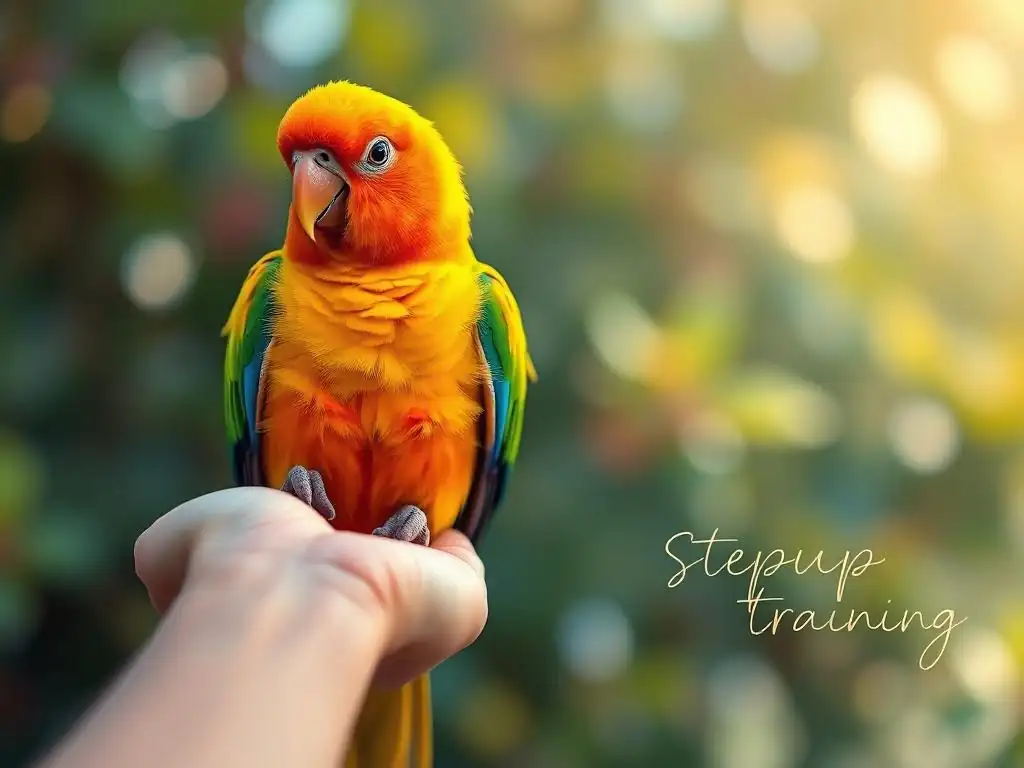
Welcome to PetCareWorld, your ultimate guide to a happier, healthier life for your beloved pets! Are you ready to unlock a deeper connection with your feathered friend? Our comprehensive Bird stepup training guide will equip you with the essential techniques to build trust and improve handling, transforming your relationship with your bird. Discover the secrets to successful step-up training and unlock a world of easier care and joyful interactions. Dive in and begin your journey towards a more harmonious life with your avian companion!
- Understanding Bird Step-Up Training: A Comprehensive Guide
- Preparing for Step-Up Training Success: Essential Supplies and Environment
-
Step-by-Step Guide to Bird Step-Up Training: A Patient Approach
- Step 1: Introducing the Command and Reward System
- Step 2: Associating the Command with the Desired Behavior
- Step 3: Gradual Progression: From Perch to Hand
- Step 4: Reinforcing the Behavior: Consistency is Key
- Step 5: Extending the Training: Different Locations and Perches
- Step 6: Handling Your Bird Safely and Confidently: Gentle Approach and Support
- Troubleshooting Common Problems in Bird Step-Up Training
- Advanced Step-Up Training Techniques for Enhanced Bird Handling
- Maintaining Step-Up Training: A Lifelong Commitment
- Resources for Further Learning: Books, Videos, and Bird Experts
- Frequently Asked Questions
- Final Reflection: Empowering the Bond: Step-Up Training and the Avian-Human Connection
- Unleash Your Bird's Potential: Master Handling & Care Today!
Understanding Bird Step-Up Training: A Comprehensive Guide
Step-up training is a fundamental aspect of responsible bird ownership, crucial for building a strong bond with your feathered friend and ensuring both your safety and their well-being. This comprehensive guide will delve into the intricacies of step-up training, providing you with the knowledge and techniques to successfully teach your bird this essential skill.
From understanding the importance of this training to choosing the optimal time to begin, we'll cover everything you need to know to navigate this process effectively and create a positive learning experience for you and your avian companion. Mastering step-up training not only facilitates easier handling for essential tasks like vet visits and nail trims, but also strengthens the trust and connection between you and your bird, fostering a more enriching and harmonious relationship.
This guide focuses on building a positive reinforcement-based approach, ensuring a stress-free experience for both you and your bird. Remember, patience and consistency are key to success in bird training.
Why is Step-Up Training Important for Your Bird?
Step-up training is more than just a convenient method for handling your bird; it's a cornerstone of responsible pet ownership. It significantly improves your ability to provide necessary care, ensuring your bird's health and safety. Without reliable step-up training, even routine tasks like administering medication, performing nail trims, or transporting your bird to the veterinarian can become stressful and potentially dangerous for both you and your pet.
A bird that readily steps up minimizes the risk of accidental injury during handling, reducing the chances of bites, scratches, or falls. Moreover, the process of training itself strengthens the bond between you and your bird, fostering trust and mutual respect. This positive interaction contributes to a happier, healthier, and more well-adjusted bird.
Think of it as building a bridge of communication and trust, paving the way for a more fulfilling relationship. The improved handling also allows for earlier detection of any health issues, leading to quicker interventions and better overall care.
Benefits of Reliable Bird Handling: Safety and Bonding
The ability to safely and confidently handle your bird translates to numerous benefits beyond simple convenience. Reliable handling is paramount for maintaining your bird's health and safety. Regular health checks, including weight monitoring and visual inspections for injuries or illness, are crucial for early disease detection.
Step-up training makes these checks significantly easier and less stressful for both you and your bird. Furthermore, it simplifies tasks like cleaning the bird's cage, providing fresh food and water, and administering medication—all essential for a bird's well-being. Beyond the practical advantages, reliable handling significantly enhances the bond between you and your bird.
The positive interactions during training sessions cultivate trust and mutual respect, leading to a stronger and more affectionate relationship. This enhanced bond can reduce stress for your bird, improving its overall behavioral health. Regular, gentle handling also helps your bird become more comfortable and less fearful of human interaction, making veterinary visits less traumatic.
Choosing the Right Time to Start Step-Up Training: Age and Personality Considerations
The ideal time to commence step-up training varies depending on your bird's age and personality. While some owners begin as early as a few weeks of age, others prefer to wait until their bird is a bit older and more settled into its new environment. Generally, a bird that is already comfortable with its surroundings and shows signs of curiosity and a willingness to interact is a better candidate for training. Younger birds, while potentially more adaptable, may require more patience and understanding.
Observe your bird's behavior closely. Does it readily approach you? Does it seem curious about your hand? These are positive indicators that it might be receptive to training.
If your bird displays signs of fear or aggression, it might be beneficial to wait until it feels more secure in its environment before starting the training process. Remember that every bird is an individual, and what works for one may not work for another. Patience and flexibility are key to a successful training experience. Consider consulting with an avian veterinarian or experienced bird trainer for personalized advice tailored to your bird's specific needs and temperament.
Preparing for Step-Up Training Success: Essential Supplies and Environment
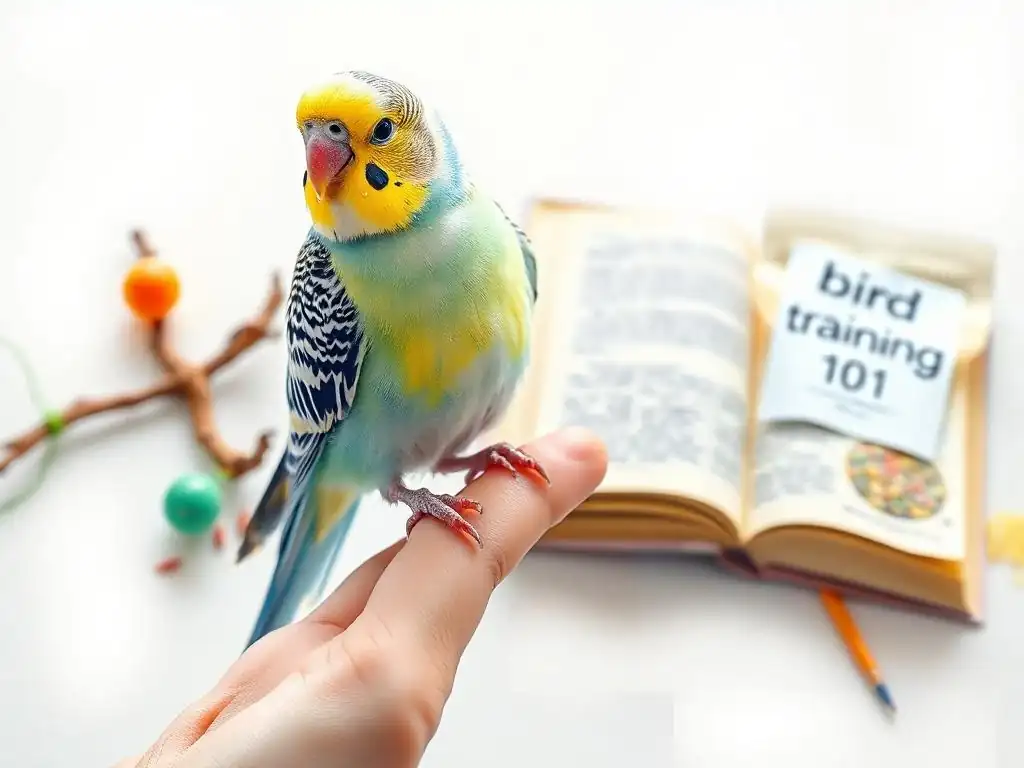
This section focuses on the crucial preparatory steps before initiating bird step-up training. A well-prepared environment and the right supplies significantly increase the chances of a positive and successful training experience for both you and your feathered friend. Remember, patience and positive reinforcement are key throughout the entire process. This guide will help you establish a solid foundation for effective bird step-up training.
Gathering Your Supplies: Treats, Perches, and a Calm Environment
Before you begin, gather the necessary supplies. The right tools make all the difference in creating a positive and effective training experience. Here's a checklist of essentials:
- High-Value Treats: These are crucial. Think small, easily consumed treats your bird absolutely loves. Examples include small pieces of cooked millet, sunflower seeds (in moderation! ), or commercially available training treats specifically formulated for birds. Experiment to find what your bird finds most irresistible. Avoid anything too large that could be a choking hazard.
- Training Perch: A small, sturdy perch is vital. It should be comfortably sized for your bird's feet and positioned at a height convenient for both you and your bird. Avoid perches that are too slippery or too wide, as this could make the step-up process more difficult.
- Comfortable Training Area: Choose a quiet, distraction-free location. Avoid areas with loud noises, sudden movements, or other pets. A calm environment promotes focus and reduces your bird's anxiety, leading to a more successful training session. Consider a quiet corner in a room with minimal foot traffic.
- Timer (Optional): A timer can be helpful to track training session length and ensure consistency. Short, frequent sessions are generally more effective than long, infrequent ones. Aim for sessions lasting no more than 15-20 minutes, multiple times a day.
Creating a Safe and Comfortable Training Space: Minimizing Distractions
The environment plays a significant role in your bird's receptiveness to training. A safe and comfortable space minimizes stress and encourages positive interactions. Here are some key considerations:
- Eliminate Distractions: Turn off the television, radio, and other potential noise sources. Minimize movement in the training area to avoid startling your bird. A calm and predictable environment is key to success.
- Secure the Area: Ensure the training area is secure, preventing your bird from escaping. Close doors and windows, and consider using a bird-safe cover to create a sense of enclosure if your bird is prone to anxiety.
- Maintain a Consistent Routine: Birds thrive on routine. Try to conduct training sessions at the same time each day to establish a predictable pattern. This helps your bird anticipate the training and reduces stress.
- Temperature and Lighting: Ensure the training area is well-lit but not excessively bright, and maintain a comfortable temperature. Extreme temperatures can make your bird uncomfortable and less receptive to training.
Understanding Your Bird's Body Language: Recognizing Signs of Stress or Discomfort
Effective bird training relies heavily on understanding your bird's communication. Recognizing signs of stress or discomfort is crucial for preventing negative experiences and ensuring the training process remains positive and rewarding. Pay close attention to these cues:
- Dilated Pupils: Dilated pupils can indicate fear or stress. If your bird's pupils are noticeably enlarged, it's a sign to slow down or stop the training session.
- Rapid Breathing: Increased breathing rate is another sign of stress. Observe your bird's breathing pattern; rapid or shallow breaths suggest discomfort.
- Feather Fluffing: Fluffed-up feathers can indicate fear or cold. While sometimes a normal behavior, excessive fluffing during training might signal distress.
- Flattened Feathers: The opposite of fluffed feathers, flattened feathers can also indicate fear or submission. It's important to recognize this as a sign that your bird may be feeling overwhelmed.
- Aggressive Behavior: Biting, lunging, or screeching are clear signs of aggression or fear. If your bird exhibits such behavior, immediately cease the training session and reassess the situation. It might be a sign you're pushing too hard or need to adjust your approach. Positive reinforcement is crucial; never punish your bird.
Remember, patience and a positive approach are key to successful bird step-up training. By carefully preparing your environment and understanding your bird's communication, you can create a safe and rewarding training experience for both of you. 🎉
Step-by-Step Guide to Bird Step-Up Training: A Patient Approach
This section provides a detailed, step-by-step guide to successfully implementing step-up training for your avian companion. Remember, patience and positive reinforcement are key to achieving a strong, trusting bond with your bird. This guide focuses on building a positive association with the training process, minimizing stress for both you and your feathered friend. Consistent, gentle training will yield the best results, transforming handling from a stressful experience into a joyful interaction. This comprehensive "Bird stepup training guide" will equip you with the knowledge and techniques to succeed.
Step 1: Introducing the Command and Reward System
Before you begin physical training, establishing a clear communication system is crucial. Choose a simple, concise command word like "step up." This word will become synonymous with the desired behavior. Simultaneously, select a high-value reward your bird loves. This could be a favorite treat, a small piece of fruit, or even a verbal praise accompanied by a gentle head scratch. Consistency in your choice of reward is vital; your bird needs to reliably associate the command with the positive reinforcement.
The initial phase focuses entirely on associating the command with the reward. Hold the treat near your bird, say "step up" clearly and calmly, and immediately offer the treat when they show any interest, even if they don't actually step onto your finger yet. Repeat this process multiple times throughout the day, keeping sessions short (5-10 minutes) to maintain your bird's engagement and prevent frustration. Observe your bird's body language; signs of stress (ruffled feathers, rapid breathing) indicate you need to take a break.
Think of this stage as building anticipation and positive feelings around the command itself. The goal isn't to force the step-up behavior yet, but to create a positive association between the word "step up" and receiving a reward. It's about laying a solid foundation for future success. Remember, this process requires patience and consistency; results may not be immediate.
Step 2: Associating the Command with the Desired Behavior
Once your bird readily anticipates a reward upon hearing "step up," it's time to subtly introduce the physical element. Hold your finger or a training stick (a dowel or similar object) near your bird's perch, repeating the command "step up." If your bird hesitates, gently guide their foot onto your finger using your other hand, while simultaneously saying "step up" and rewarding them immediately. Do not force the movement; the goal is to encourage voluntary participation.
This stage requires careful observation. Some birds might readily step up, while others might need more encouragement. If your bird shows any signs of fear or discomfort, immediately stop the session and try again later. It's important to avoid creating negative associations with the training. Use positive reinforcement consistently, rewarding even the smallest attempts to step up. Celebrate every success, no matter how small, to build your bird's confidence. Remember to keep the sessions short and sweet, and always end on a positive note. Data suggests that shorter, more frequent training sessions are more effective than long, infrequent ones.
Step 3: Gradual Progression: From Perch to Hand
With consistent practice, your bird should begin to reliably step up onto your finger or training stick from their perch. Now, you can start to increase the difficulty gradually. Try moving your hand slightly further away from the perch, or changing the position of your hand (e.g., from directly in front to slightly to the side). Continue rewarding every successful step up. Gradually increase the distance and change the angle to challenge your bird and reinforce the behavior.
The final step involves practicing the step-up command in different locations and situations. This helps your bird generalize the behavior. Try asking for a step-up while your bird is on different perches, or even when they are outside their cage (always under supervision). Remember to maintain a calm and patient demeanor throughout the process.
The consistency of your commands and rewards is key to success. The ultimate goal is for your bird to reliably and happily step up onto your hand in various settings, making handling and care significantly easier and safer. This will build a stronger bond between you and your feathered friend and enhance their overall well-being. 🎉
Step 4: Reinforcing the Behavior: Consistency is Key
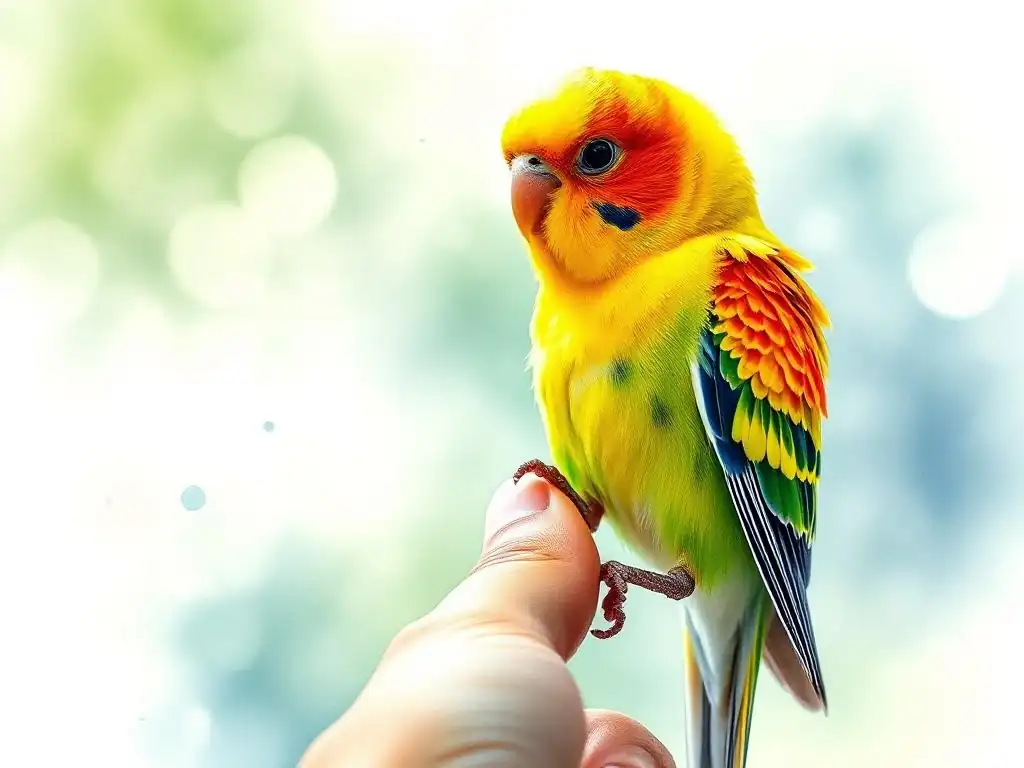
Once your bird reliably steps up onto your finger from its perch, the next crucial step is consistent reinforcement. This isn't just about occasional treats; it's about building a strong, positive association between stepping up and receiving a reward. Think of it like this: you're not just teaching your bird a trick; you're building trust and a reliable communication method. Inconsistency can lead to confusion and setbacks, potentially undoing the progress you've made.
To ensure consistency, establish a regular training schedule. Even short, 5-10 minute sessions, several times a day, are more effective than infrequent, longer sessions. This allows your bird to focus and absorb the information without becoming overwhelmed. Always use the same cue word – "step up" is commonly used – and always follow the successful step-up with a reward. This could be a favorite treat, a few seeds, a small piece of fruit, or even verbal praise paired with gentle head scratches. The reward should be immediate and consistently delivered after the bird performs the desired behavior.
Remember, positive reinforcement is paramount. Never punish your bird for not stepping up. Instead, try a different approach, perhaps offering a more enticing treat or shortening the training session. Patience and understanding are key; every bird learns at its own pace. A consistent routine and positive reinforcement will help your feathered friend associate the "step up" command with positive experiences, making the training process smoother and more enjoyable for both of you. This consistent positive reinforcement is the cornerstone of successful bird step-up training.
Step 5: Extending the Training: Different Locations and Perches
With your bird reliably stepping up from its usual perch, it's time to expand the training to different locations and perches. This helps generalize the behavior, ensuring your bird understands the command regardless of its environment. Start by moving the training session to a different room in your house. Maintain the same routine: give the cue, offer your finger, and reward the successful step-up. Gradually introduce new perches of varying heights and materials. This helps your bird adapt to different surfaces and heights, building confidence and flexibility.
Consider using different types of perches during training – natural wood perches, rope perches, or even your hand. This variation not only makes the training more engaging for your bird but also prepares it for handling in various situations. Remember to always maintain a calm and patient demeanor. If your bird hesitates, don't force it.
Instead, try offering a more appealing treat or simply ending the session and trying again later. The goal is to build confidence, not create fear or anxiety. By gradually introducing new elements, you’ll build a bird that’s comfortable and confident stepping up in a variety of situations. This adaptability is crucial for routine vet visits and general handling.
Step 6: Handling Your Bird Safely and Confidently: Gentle Approach and Support
Safe and confident handling is crucial for both you and your bird. Remember, your bird is a living creature with its own sensitivities. A gentle approach and supportive handling are essential to building trust and ensuring a positive experience. Never grab or restrain your bird forcefully; this can cause injury and severely damage your relationship. Instead, always approach your bird calmly and slowly, making sure it can see you.
Before attempting to handle your bird, ensure that you are in a safe and comfortable environment. This means minimizing distractions and ensuring a secure space where your bird won't feel threatened or startled. When picking up your bird, gently support its body weight, providing support beneath its chest and feet. Avoid squeezing or applying excessive pressure. Always talk to your bird in a soothing voice, providing reassurance and letting it know that you are there to help.
If your bird seems anxious or hesitant, don't force interaction. Instead, try offering a treat or simply allowing it to observe you from a safe distance. Building trust takes time and patience, but the reward of a well-adjusted bird is invaluable. Remember, gentle handling is key to a happy and healthy bird.
Troubleshooting Common Problems in Bird Step-Up Training
Training your bird to step up reliably is a rewarding experience, strengthening your bond and making daily care much easier. However, you might encounter challenges along the way. This section addresses common problems and offers solutions to help you navigate these hurdles and achieve successful step-up training with your feathered friend. Remember, patience and positive reinforcement are key! This guide will help you troubleshoot common issues related to your bird's step-up training, ensuring a smooth and positive learning experience for both you and your pet. We'll cover fear, aggression, and distraction, providing practical solutions to overcome these obstacles.
My Bird is Hesitant or Afraid: Addressing Fear and Anxiety
Many birds, especially those new to their homes or those with a history of trauma, display hesitation or fear during step-up training. This is perfectly normal and requires a gentle, patient approach. Avoid forcing your bird; instead, focus on building trust and positive associations.
Several strategies can help alleviate fear and anxiety:
- Desensitization: Gradually introduce your hand to your bird's environment. Start by simply placing your hand near the cage, letting your bird observe it from a safe distance. Over several days, slowly move your hand closer until it's near their perch. Reward calm behavior with treats and praise. This process of gradual exposure helps your bird acclimate to your presence.
- Positive Reinforcement: Use high-value treats your bird loves (e.g., small pieces of fruit, seeds, or pellets) to reward any positive interaction with your hand. Even a slight movement towards your hand should be rewarded. This creates a positive association with your hand and the training process.
- Create a Safe Space: Ensure your bird has a secure and comfortable environment. A quiet, dimly lit area can reduce anxiety. Avoid sudden movements or loud noises during training sessions.
- Patience is Paramount: Progress may be slow, especially with fearful birds. Do not rush the process. Celebrate even the smallest successes and maintain a calm and reassuring demeanor. Remember that building trust takes time.
- Professional Guidance: If fear and anxiety persist despite your best efforts, consider consulting an avian veterinarian or a certified avian behaviorist. They can provide tailored advice and help identify underlying issues.
My Bird Bites During Training: Understanding and Addressing Aggressive Behavior
Biting during step-up training can stem from several factors, including fear, frustration, or a lack of understanding. Addressing the underlying cause is crucial to resolving the problem.
Here's how to handle biting behavior:
- Identify the Trigger: Pay close attention to your bird's behavior before the bite. What actions or situations seem to precede the biting? This will help you understand the trigger and adjust your training techniques accordingly.
- Avoid Punishment: Never punish your bird for biting. Punishment only increases fear and aggression. Instead, focus on positive reinforcement and redirecting unwanted behaviors.
- Clear Communication: Use clear and consistent cues. Avoid sudden movements or abrupt approaches that might startle your bird. A gentle, calm approach is essential.
- Time-Outs: If your bird bites, calmly remove your hand and give them a short "time-out" away from the training session. This helps them understand that biting interrupts the positive interaction.
- Body Language Awareness: Learn to recognize your bird's body language. Signs of stress or aggression might include puffed feathers, hissing, or dilated pupils. If you notice these signs, stop the training session and give your bird some space.
- Consult an Expert: If biting persists despite your efforts, consult an avian veterinarian or a certified avian behaviorist. They can help determine the underlying cause of the aggression and recommend a tailored behavior modification plan.
My Bird is Distracted: Maintaining Focus During Training Sessions
Distractions are common during bird training. Birds are naturally curious creatures, and their attention can easily be diverted by sights, sounds, or movements in their environment.
Strategies to improve focus include:
- Quiet Environment: Choose a quiet location for training sessions, minimizing external stimuli. Turn off the television, radio, and other distracting noises.
- Short Sessions: Keep training sessions short and frequent (5-10 minutes several times a day) to maintain your bird's focus and prevent fatigue.
- Controlled Environment: If possible, conduct training in a confined space to minimize distractions.
- High-Value Rewards: Use highly motivating treats to keep your bird engaged and focused on the task at hand.
- Gradual Increase in Difficulty: Start with easy steps and gradually increase the difficulty as your bird progresses. Avoid overwhelming them with too much too soon.
- Consistent Routine: Establish a consistent training routine. Regularity helps your bird anticipate training sessions and improves focus.
Remember, consistent, patient training is key to success. By understanding and addressing these common problems, you can build a strong bond with your bird and successfully teach them the valuable step-up command. 🎉
Inconsistent Progress: Maintaining Motivation and Patience
Inconsistent progress is a common frustration for bird owners undertaking step-up training. One day your feathered friend might readily step up, the next they might refuse entirely. This inconsistency can be incredibly disheartening, leading to feelings of failure and a potential loss of motivation for both you and your bird. Remember, training is a marathon, not a sprint. Birds learn at their own pace, and setbacks are a normal part of the process.
Several factors can contribute to inconsistent progress. Firstly, your bird's mood plays a significant role. Birds, like humans, have good days and bad days. If your bird is feeling unwell, stressed, or simply not in the mood for training, they'll be less likely to cooperate. Pay close attention to your bird's body language; ruffled feathers, avoiding eye contact, or excessive preening can all be signs of discomfort or stress. On such days, it's best to postpone training and focus on providing a calm and enriching environment.
Secondly, inconsistencies in your training methods can also lead to unpredictable results. Maintaining consistency in your approach, including the use of verbal cues, hand positioning, and reward system, is crucial. If you change your approach frequently, your bird will become confused and less likely to understand what's expected of them. Establish a clear and consistent routine, and stick to it as much as possible.
Finally, the training environment itself can impact progress. A noisy, distracting environment can make it difficult for your bird to focus on the task at hand. Choose a quiet, calm location for training sessions, free from distractions. Ensure the area is well-lit and comfortable for both you and your bird. A consistent training location also helps to establish a positive association with the activity.
Maintaining patience and a positive attitude is essential throughout the process. Celebrate small victories, and avoid punishing your bird for setbacks. Positive reinforcement, through the use of treats, praise, and affection, is far more effective than punishment. Remember, building trust and a positive relationship with your bird is key to successful step-up training.
If you find yourself becoming frustrated, take a break and return to training later when you're both feeling calmer and more positive. Consistency, patience, and positive reinforcement are the cornerstones of successful bird step-up training. Never give up; with persistence, you and your bird will achieve your training goals.
Advanced Step-Up Training Techniques for Enhanced Bird Handling
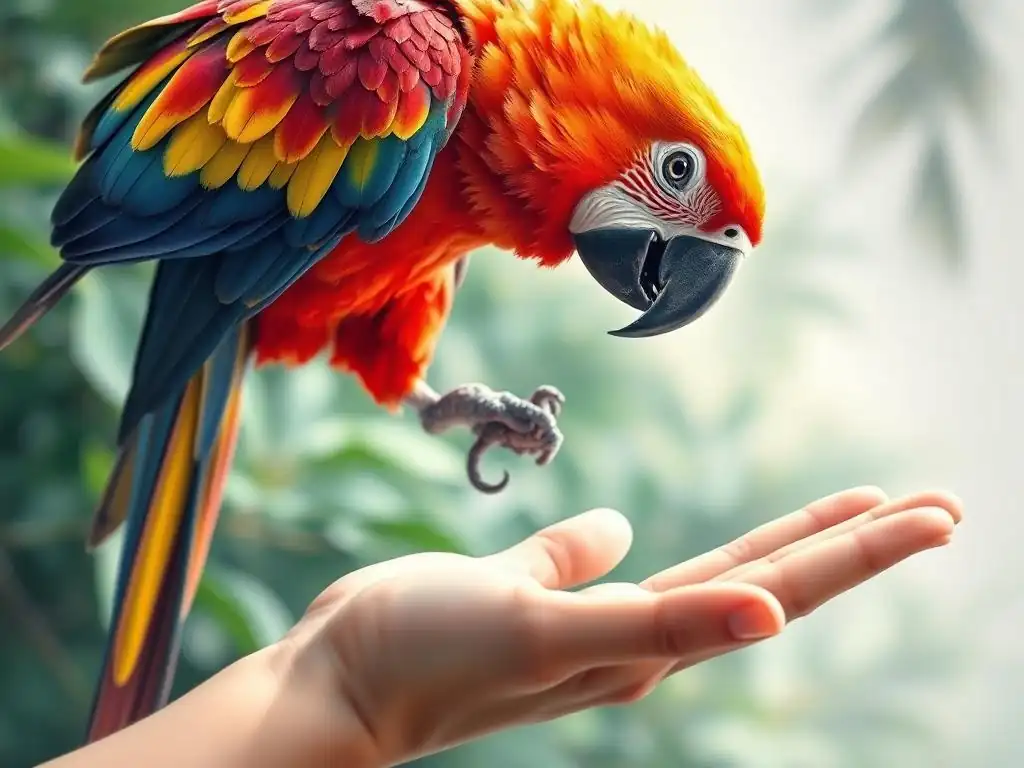
This section delves into more advanced techniques to refine your bird's step-up training, moving beyond the basics and addressing common challenges. Mastering these techniques will significantly improve your bird's handling and build a stronger bond based on trust and mutual respect. Remember, patience and positive reinforcement remain key throughout this process. Consistent training, even in short sessions, yields the best results. This guide focuses on expanding your bird's comfort zone, introducing new people, and managing multiple birds effectively. Remember, always prioritize your bird's safety and well-being.
Training for Different Perches and Locations: Expanding Your Bird's Comfort Zone
Once your bird reliably steps up from its favorite perch, it's time to expand its training to different perches and locations. This helps generalize the command and reduces anxiety in new environments. Begin by introducing a slightly different perch – perhaps one made of a different material or size. Use the same positive reinforcement methods (treats, praise) as before. Gradually introduce more variations, such as perches of different heights, textures, and locations within its cage.
After mastering different perches within the cage, start introducing the step-up command in different locations outside the cage. Begin with a nearby surface, like a table or stand, ensuring your bird feels secure. Use a consistent cue word ("Step up!") and offer the treat immediately upon successful completion. Slowly increase the distance and complexity of the environment, always maintaining a positive and reassuring demeanor. For example:
- Day 1: Step-up from cage perch to a nearby table.
- Day 2: Step-up from the table to your hand.
- Day 3: Step-up from the table to a different surface (e.g., a chair).
- Day 4: Step-up from the cage to your shoulder, then to your hand.
Remember to avoid forcing your bird. If it hesitates, try again later or offer a different approach. The goal is to build confidence, not to create fear or anxiety. Consistent, positive reinforcement is crucial for success. Observe your bird's body language; signs of stress include ruffled feathers, rapid breathing, or avoidance behaviors. Adjust your training accordingly. Detailed records of training sessions can be incredibly valuable in tracking progress and identifying areas needing further attention.
Socialization is vital for a well-adjusted bird. While you're the primary trainer, gradually introduce your bird to other trusted individuals. This process should be slow and controlled, always prioritizing your bird's comfort and safety. Start by having the new person sit quietly near the cage, offering treats or favorite toys. Allow your bird to observe and approach at its own pace. Never force interaction.
Once your bird seems comfortable with the person's presence, the new person can attempt the step-up command under your supervision. Use the same cues and positive reinforcement techniques. It's crucial that the new person uses gentle, calm movements and a soft voice. If the bird shows signs of fear or stress, immediately stop the interaction and allow the bird to retreat. Repeat this process multiple times, gradually increasing the duration of the interactions. Remember that building trust takes time and patience. Each person should learn to read your bird's body language and respond appropriately.
Step-Up Training for Multiple Birds: Managing Interactions and Competition
Training multiple birds requires careful management of their interactions and potential competition for attention and resources. Each bird should be trained individually to ensure they understand the step-up command and associate it with positive reinforcement. Avoid training them simultaneously, as this can cause confusion and competition.
Once each bird is individually trained, you can begin introducing them to each other during supervised training sessions. Start with short sessions and closely monitor their interactions. If signs of aggression or dominance emerge, immediately separate the birds and resume individual training. Ensure that each bird receives equal attention and positive reinforcement. The use of separate perches and training areas can be beneficial in managing competition.
It's important to establish clear boundaries and a hierarchy to prevent aggression. Observe their behavior carefully and adjust your training methods to suit their individual personalities and needs. Providing ample enrichment and toys can also reduce competition and stress. Always prioritize safety and well-being—a well-structured routine can minimize conflict and foster a harmonious environment.
Maintaining Step-Up Training: A Lifelong Commitment
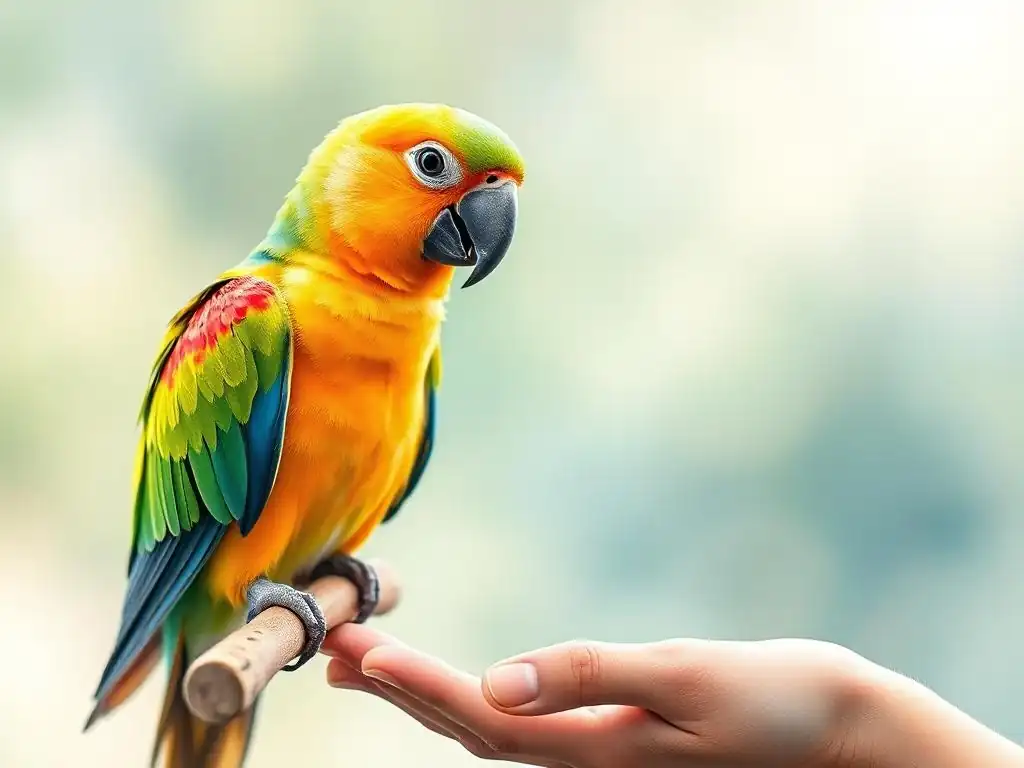
Step-up training isn't a one-time achievement; it's an ongoing process requiring consistent effort to maintain a strong bond and reliable response from your bird. Think of it as a continuous conversation, not a completed lesson. This commitment ensures your bird remains comfortable with handling, making vet visits, and routine care significantly less stressful for both you and your feathered friend.
The key is consistent, positive reinforcement, adapting to your bird's changing needs and promptly addressing any signs of regression. This section will explore strategies to keep your avian companion happily participating in step-up training throughout its life. Consistent application of these techniques will solidify the training and ensure a positive and safe interaction with your bird for years to come.
Regular Practice and Reinforcement: Keeping Your Bird Responsive
Maintaining a strong step-up response requires regular, short practice sessions. Aim for several brief sessions daily rather than one long session. These short interactions prevent your bird from becoming bored or frustrated. Remember, positive reinforcement is paramount. Use consistent verbal cues like "Step up," paired with a gentle hand gesture towards your finger. Reward successful step-ups immediately with a favorite treat, praise, or a brief scratch under the chin – whatever your bird finds most rewarding. Inconsistency undermines the training; therefore, everyone in the household should use the same cue words and hand signals.
Consider incorporating step-up training into your daily routine. For example, ask your bird to step up before feeding time or when moving it to a different perch. This integrates the training seamlessly into your bird's daily life, making it less of a chore and more of a natural interaction. The frequency of these practice sessions will depend on your bird's personality and responsiveness.
Some birds may require more frequent reinforcement than others. Observe your bird's cues and adjust accordingly. Remember, the goal is to maintain a positive association with the step-up command and to keep your bird happily participating. A well-trained bird will readily respond to your cues, making handling a breeze and enhancing the overall bond between you.
Adapting Training to Your Bird's Age and Changes in Behavior
As your bird ages, its physical capabilities and temperament may change, requiring adjustments to your training approach. Younger birds, for example, might require more frequent, shorter training sessions due to their shorter attention spans. Older birds might need more gentle handling and increased patience. Hormonal changes, particularly during breeding season, can also impact a bird's behavior and responsiveness to training. During these periods, you might need to reduce the intensity and frequency of training sessions to avoid stressing your bird.
Always prioritize your bird's comfort and well-being. Observe your bird carefully for any signs of stress or discomfort, such as ruffled feathers, avoidance behaviors, or changes in vocalizations. If you notice any behavioral changes, adjust your training accordingly or seek advice from an avian veterinarian. Adaptability is crucial to maintaining a successful and positive training experience throughout your bird's lifespan.
Recognizing Signs of Regression and Addressing Them Effectively
Even with consistent training, occasional regression can occur. This might manifest as hesitancy to step up, avoidance of your hand, or a complete refusal to comply with the command. Several factors can contribute to regression, including illness, stress, environmental changes, or a lack of consistent reinforcement. If you notice signs of regression, don't panic. Instead, try to identify the underlying cause.
Has there been a change in your bird's environment? Is your bird displaying any signs of illness? Is the training schedule being consistently followed by all members of the household? Once you've identified the possible cause, you can address it accordingly.
If your bird is ill, seek veterinary care. If environmental changes are the culprit, try to gradually reintroduce your bird to its routine. If the problem stems from inconsistent reinforcement, recommit to regular, positive training sessions. During periods of regression, return to simpler, shorter training sessions, using plenty of positive reinforcement.
Break down the step-up command into smaller steps, rewarding even the smallest progress. Consistency and patience are key to overcoming regression and restoring your bird's confidence in the step-up command. Remember, even temporary setbacks are a normal part of the training process. Persistence and a positive approach will help you navigate these challenges and maintain a strong bond with your feathered friend.
Resources for Further Learning: Books, Videos, and Bird Experts
This section provides a curated list of resources to help you deepen your understanding of bird step-up training and avian care. Supplementing hands-on training with further learning will significantly enhance your bond with your feathered friend and ensure their well-being. Remember, consistent and positive reinforcement is key to successful bird step-up training. This guide provides a foundation, but continued learning will empower you to handle any challenges that may arise.
Recommended Reading on Avian Behavior and Training
Understanding avian behavior is crucial for effective bird step-up training. A bird's response to training is directly influenced by its personality, species-specific traits, and past experiences. Therefore, supplementing practical training with theoretical knowledge is invaluable. Here are some recommended books that offer insightful perspectives on avian psychology and training techniques:
- "The Parrot Handbook" by Rosemary Low: This comprehensive guide covers various aspects of parrot care, including training methods, behavioral issues, and species-specific needs. Low's expertise in avian behavior shines through, offering practical advice backed by years of experience. It provides a strong framework for understanding the nuances of bird training, including the importance of positive reinforcement and building trust.
- "Avian Medicine: Principles and Application" by Ritchie, Harrison, and Harrison: While not solely focused on training, this veterinary textbook provides in-depth knowledge of avian physiology, diseases, and health management. Understanding a bird's physical and mental health is paramount to successful training. A healthy bird is more likely to cooperate and learn effectively.
- "The Budgie Book: A Complete Guide to Budgerigar Care" by Matthew M. Vriends: While specific to budgies, this book offers a great example of species-specific care and training considerations. It highlights the importance of adapting training techniques to the individual bird and its unique personality. This emphasizes the need for personalized approaches in bird training, moving beyond generic methods.
The above books, while representing only a small fraction of available resources, offer a solid starting point for expanding your knowledge. Many other excellent books are available, focusing on specific bird species or training methodologies. Look for titles focusing on positive reinforcement techniques and species-appropriate care.
Online Resources and Bird Training Communities
The internet offers a wealth of information on bird step-up training, but it's crucial to discern reliable sources from unreliable ones. Many online forums and communities provide valuable support and insights from experienced bird owners. However, always critically evaluate the information you find and prioritize sources backed by evidence-based research and professional expertise.
While specific websites and forums are not linked here, searching for terms like "avian behavior forums," "bird training communities," or "parrot training groups" will uncover many helpful online resources. Look for communities that emphasize positive reinforcement and responsible bird ownership. Active participation in these communities can provide valuable support, shared experiences, and access to a wealth of collective knowledge. Remember to always prioritize information from reputable sources and professionals.
Finding a Qualified Avian Veterinarian or Bird Trainer
A crucial aspect of responsible bird ownership is access to qualified professionals. Should you encounter challenges with your bird's training or health, consulting an avian veterinarian or certified avian behaviorist is essential. These professionals possess the specialized knowledge and skills to address complex issues and provide tailored advice.
Locating a qualified professional may involve searching online directories or contacting local animal shelters and veterinary clinics. Look for certifications and qualifications that indicate specialized training in avian care. A good avian veterinarian will not only address medical concerns but also offer guidance on behavioral issues. Similarly, a certified avian behaviorist can provide expert advice on training techniques and behavioral modification strategies. Investing in professional guidance can be invaluable, especially when dealing with complex behavioral problems or health concerns. Remember, early intervention is key to addressing potential issues effectively.
Frequently Asked Questions
What is step-up training?
Step-up training is a positive reinforcement method to teach your bird to step up onto your finger or a perch on command. This improves handling and strengthens your bond. It's crucial for routine care.
Why is step-up training important?
Step-up training is essential for safe and easy handling during vet visits, nail trims, and cleaning. It minimizes stress for both you and your bird, making routine care much simpler. It also builds trust.
How long does step-up training take?
The time it takes varies depending on your bird's personality and prior experiences. Some birds learn quickly, while others may require more patience and time. Consistency is key.
What if my bird refuses to step up?
If your bird resists, try different techniques like using a tasty treat or changing your approach. Patience and positive reinforcement are crucial. Never force your bird. Consult a veterinarian or avian specialist if problems persist.
What rewards should I use for step-up training?
Use small, high-value treats your bird loves, such as millet spray, seeds, or small pieces of fruit. Positive verbal praise is also important to reinforce the desired behavior. Consistency in rewarding is key to success.
Final Reflection: Empowering the Bond: Step-Up Training and the Avian-Human Connection
The ability to confidently and safely handle your feathered friend is paramount to their well-being and the strength of your bond. Step-up training isn't just about convenience; it's a cornerstone of responsible bird ownership, paving the way for essential veterinary care, enrichment activities, and a deeper connection with your avian companion.
The impact of positive reinforcement training extends far beyond the simple act of a bird stepping up onto a hand. It fosters trust, understanding, and mutual respect, transforming the relationship from one of mere cohabitation to a genuine partnership. This process of building trust mirrors the importance of communication and understanding in all relationships. The greatest gift you can give your bird is a life filled with love, trust, and respect.
This quote, though simple, encapsulates the profound impact of positive training methods on the avian-human bond. It's a testament to the power of patience and understanding in forging lasting connections.
Now, consider your own relationship with your bird, or with the birds you hope to welcome into your life. What steps can you take today to nurture that bond? Will you dedicate time to learning and practicing step-up training, using positive reinforcement to build trust and understanding? Embrace the journey, celebrate the small victories, and remember that the rewards of a strong, trusting relationship with your bird are immeasurable. The path to a harmonious life with your avian companion begins with a single step – literally and figuratively.
Unleash Your Bird's Potential: Master Handling & Care Today!
Thank you for learning about bird handling and training! You've gained valuable insights into building a stronger bond with your feathered friend through safe and effective techniques. Ready to put this knowledge into practice?
- Start training your bird today! Even a few minutes of daily practice with the basic techniques will make a significant difference.
- Share your experiences! Join our PetCareWorld community forum and connect with other bird owners. Learning from each other's successes and challenges is a great way to improve your skills.
- Consider exploring additional resources on avian behavior and enrichment to further enhance your bird's well-being and quality of life.
What small step will you take today to strengthen your bond with your bird and improve its life?