
Bird Feather Health: Recognizing Common Issues and How to Address Them

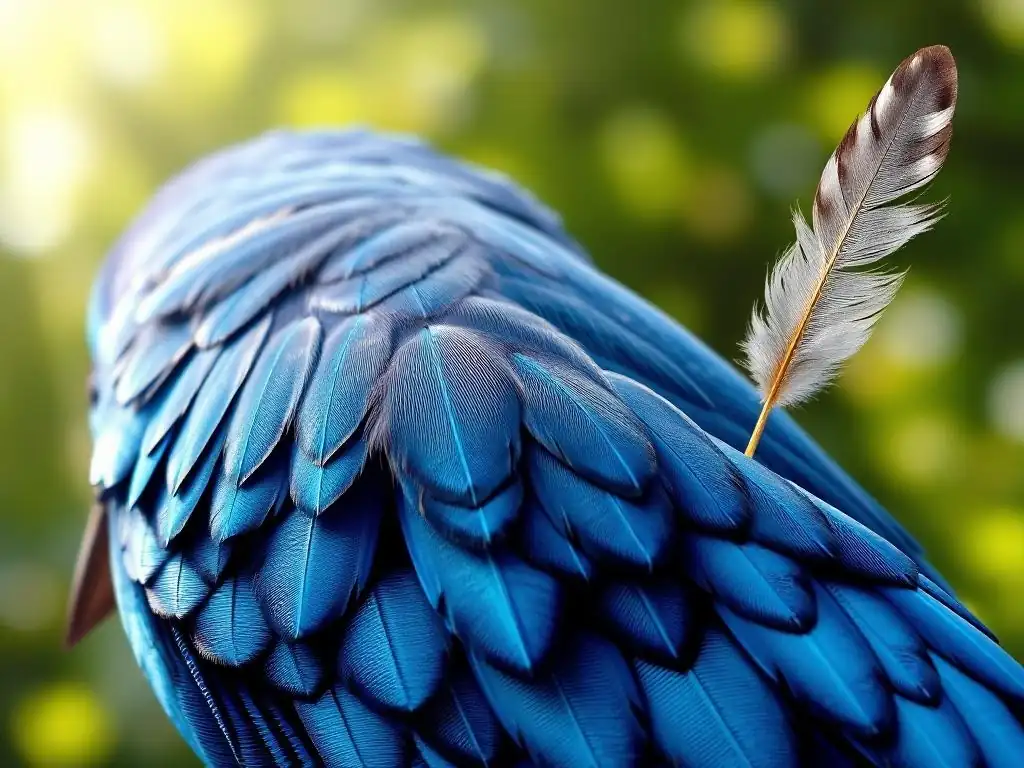
Welcome to PetCareWorld, your ultimate guide to a happier, healthier life for your beloved companions! Are you noticing something amiss with your feathered friend's plumage? Discover the secrets to vibrant bird health with our in-depth article on bird feather problems solutions. Learn to identify common issues and gain practical, expert advice to help your bird regain its stunning plumage and overall well-being. Dive in and unlock the key to a flourishing feathered friend!
- Understanding Bird Feather Structure and Function
-
Common Bird Feather Problems and Their Causes
- Dull and Faded Feathers: Causes and Solutions
- Broken or Damaged Feathers: Identifying and Treating Injuries
- Feather Plucking and Self-Mutilation in Birds: Underlying Issues and Solutions
- Parasites Affecting Feather Health: Mites, Lice, and Other Pests
- Nutritional Deficiencies and Feather Quality: Dietary Adjustments for Healthy Plumage
- Stress and Environmental Factors Affecting Feather Condition
- Diagnosing and Treating Bird Feather Issues
- Maintaining Healthy Bird Feathers: Prevention and Care
- Specific Feather Problems in Different Bird Species
- Bird Feather Problems Solutions: A Summary of Key Takeaways
- Frequently Asked Questions
- Final Reflection: The Vibrant Symphony of Healthy Feathers
- Unlock Your Bird's Feathery Best: Take Action Now!
Understanding Bird Feather Structure and Function
Maintaining the health of your feathered friend's plumage is crucial for their overall well-being. This comprehensive guide delves into common bird feather problems, their underlying causes, and practical solutions to help you keep your avian companion looking and feeling their best. We'll explore the intricate structure of bird feathers, understanding their vital role in a bird's life, and learn how to identify and address various feather issues, contributing to a happier and healthier bird.
This article will equip you with the knowledge to tackle common "bird feather problems solutions," ensuring your bird thrives. Understanding the intricacies of feather structure is the first step towards effective preventative care and prompt treatment of potential problems.
The Importance of Healthy Feathers for Bird Well-being
Healthy feathers are paramount to a bird's survival and quality of life. They provide essential functions that impact everything from thermoregulation to flight capabilities. Imagine a bird with dull, brittle, or damaged feathers – its ability to maintain body temperature in fluctuating environments is compromised. Similarly, damaged flight feathers significantly impair flight, impacting their ability to hunt, escape predators, and even migrate.
Beyond the practical aspects, healthy feathers contribute to a bird's overall appearance and self-esteem, influencing their social interactions and overall happiness. A bird with vibrant, well-maintained plumage is a happy and healthy bird! Neglecting feather health can lead to a cascade of problems, impacting various aspects of the bird's physical and psychological well-being. Regular observation and proactive care are crucial for preventing serious issues.
Feather Components: Barbs, Barbules, and Rachis
A bird's feather isn't just a simple structure; it's a marvel of natural engineering. Let's break down its components: The rachis is the central shaft, providing structural support to the entire feather. Branching off from the rachis are the barbs, which resemble tiny strands. These barbs are further interconnected by even smaller structures called barbules, which interlock to create the smooth, aerodynamic surface essential for flight and insulation.
The intricate arrangement of these barbules is what gives feathers their strength, flexibility, and water-repellent properties. Understanding these components is key to identifying the source of feather damage. For instance, damage to the barbules often results in a ruffled or disheveled appearance, while damage to the rachis can lead to breakage and feather loss.
How Feathers Protect Birds: Insulation, Flight, and Camouflage
Feathers serve a multitude of protective functions. Their primary role is insulation, trapping a layer of air close to the bird's skin to regulate body temperature effectively. This is particularly crucial in extreme weather conditions. The lightweight yet strong structure of feathers is essential for flight, enabling birds to maneuver through the air with remarkable agility.
The shape and arrangement of feathers contribute to lift and thrust, allowing for efficient flight. Finally, feathers play a critical role in camouflage, with coloration and patterns often adapted to blend seamlessly with their environment, providing protection from predators. The intricate design of feathers, therefore, directly impacts a bird's ability to survive and thrive. Maintaining the integrity of these structures is crucial for ensuring the bird's overall health and survival.
Common Bird Feather Problems and Their Causes
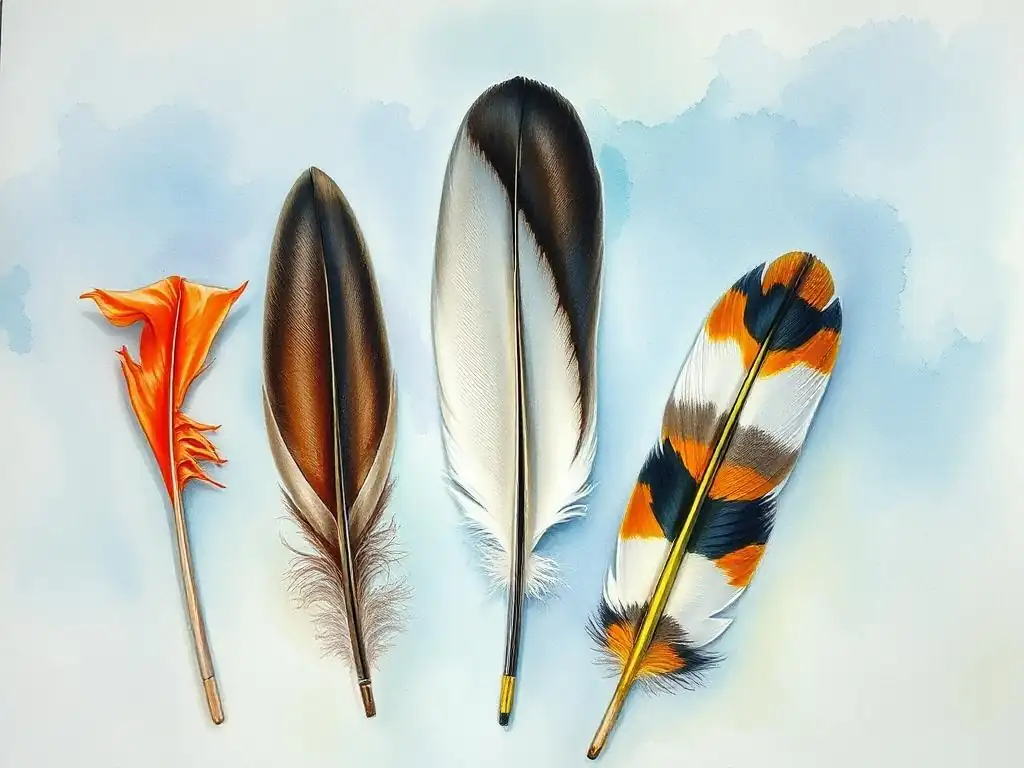
This section delves into the common issues affecting bird feather health, providing insights into their underlying causes and suggesting practical solutions for pet owners. Understanding these problems is crucial for maintaining your feathered friend's overall well-being and preventing further complications. Addressing bird feather problems promptly can significantly improve their quality of life and prevent more serious health issues. Remember, a healthy plumage is a reflection of a healthy bird.
Dull and Faded Feathers: Causes and Solutions
Dull and faded feathers in birds are often a symptom of underlying health problems or an inadequate diet. Several factors can contribute to this issue, impacting the vibrancy and overall appearance of your bird's plumage. Let's explore some key causes and effective solutions.
Poor diet plays a significant role. A deficiency in essential vitamins, minerals, and fatty acids can lead to dull, lifeless feathers. For instance, a lack of Vitamin A can result in dry, brittle feathers that lack their natural shine. Similarly, insufficient protein can hinder feather growth and regeneration. Providing a balanced diet, rich in fruits, vegetables, and high-quality birdseed mixes, is crucial. Consider supplementing with a commercially available avian vitamin and mineral supplement, but always consult your avian veterinarian before introducing any new supplements to your bird's diet.
Environmental factors also contribute. Exposure to harsh chemicals, such as cleaning products or insecticides, can damage feathers and cause them to lose their luster. Dry air, especially during winter months, can also lead to dryness and dullness. Using a humidifier to increase humidity levels, particularly in dry climates, can help alleviate this problem. Regularly cleaning your bird's cage and ensuring a clean environment are also essential for maintaining feather health.
Finally, underlying medical conditions can cause dull feathers. Illnesses such as liver disease, kidney problems, or hormonal imbalances can manifest as dull and faded plumage. If you notice a sudden change in your bird's feather condition, accompanied by other symptoms such as lethargy, weight loss, or changes in droppings, it's crucial to seek veterinary attention immediately. Early diagnosis and treatment are vital for a successful outcome.
Broken or Damaged Feathers: Identifying and Treating Injuries
Broken or damaged feathers are a common occurrence, particularly in active birds. Accidents, such as collisions with cage bars or furniture, can cause feather breakage. Aggressive preening or fighting with cage mates can also lead to damage. Identifying the type of damage is essential for determining the best course of action.
Minor feather damage, such as frayed tips or small breaks, often heals naturally with time. Careful observation and providing a safe, comfortable environment are key here. Avoid stressful situations that could lead to further damage.
More significant injuries, such as completely broken shafts or large areas of feather loss, may require more intervention. In such cases, it's crucial to gently clean the affected area with a mild antiseptic solution. Avoid pulling out broken feathers; instead, allow them to shed naturally. Providing a nutritious diet rich in protein and essential nutrients will promote feather regrowth.
If the injury seems severe or there's evidence of infection (such as swelling, redness, or discharge), consult an avian veterinarian for professional advice and treatment. They may recommend topical treatments or other interventions to help with the healing process. Remember, prompt attention can prevent secondary infections and promote faster recovery.
Feather Plucking and Self-Mutilation in Birds: Underlying Issues and Solutions
Feather plucking, or self-mutilation, is a serious behavioral problem in birds that requires careful attention and often professional intervention. It's characterized by the bird repeatedly plucking its own feathers, leading to bare patches or complete feather loss. This behavior can stem from a variety of underlying issues, and addressing the root cause is essential for successful treatment.
Stress is a major contributor. Changes in environment, introduction of new pets, or even loud noises can trigger this behavior. Providing a calm, stable environment is paramount. This includes minimizing stress-inducing factors and ensuring the bird feels safe and secure. Enrichment activities, such as toys and opportunities for foraging, can also help alleviate stress and boredom, preventing the onset of feather plucking.
Medical conditions can also contribute to feather plucking. Skin irritations, parasites, allergies, or hormonal imbalances can cause discomfort, leading the bird to pluck its feathers in an attempt to relieve the irritation. A thorough veterinary examination is essential to rule out any underlying medical conditions. Treatment will vary depending on the diagnosis, ranging from topical medications to hormonal therapies.
Nutritional deficiencies can also play a role. A diet lacking essential nutrients can lead to dry, brittle feathers that are more prone to breakage. This can trigger feather plucking as the bird attempts to remove damaged feathers. Ensuring a balanced, nutritious diet is crucial for promoting healthy feather growth. Consult with an avian veterinarian or a certified avian nutritionist to ensure your bird is receiving all the necessary nutrients.
Finally, psychological factors, such as boredom or loneliness, can also contribute to feather plucking. Providing ample opportunities for interaction, play, and mental stimulation is essential. Spending quality time with your bird, providing appropriate toys, and ensuring a stimulating environment can significantly reduce the likelihood of this behavior. Early intervention and a multifaceted approach involving environmental modifications, veterinary care, and behavioral therapies are key to addressing feather plucking effectively.
Parasites Affecting Feather Health: Mites, Lice, and Other Pests
Feather-damaging parasites are a significant concern for bird owners. Mites, lice, and other external parasites can cause considerable distress and damage to a bird's plumage. These tiny creatures feed on the bird's skin, feathers, and blood, leading to a variety of symptoms. Infestations can manifest as feather loss, particularly around the head and neck, intense itching leading to excessive preening and feather plucking, and even skin irritation. In severe cases, the bird may exhibit lethargy, weight loss, and a generally unhealthy appearance.
Different species of birds can be susceptible to different parasites, so identifying the specific pest is crucial for effective treatment. For example, Knemidocoptes pilae mites cause scaly leg mites in birds, leading to thickened, crusted legs and feet. Diagnosing parasitic infestations often requires a thorough examination by an avian veterinarian, who can identify the parasite and recommend appropriate treatment. Treatment typically involves topical or systemic medications, sometimes requiring multiple applications to ensure complete eradication.
Maintaining a clean cage, regularly disinfecting surfaces, and practicing good hygiene are crucial preventative measures. Regular observation of your bird's plumage for any signs of parasites is essential for early detection and intervention. Early treatment is key to minimizing damage and preventing further complications. Ignoring a parasitic infestation can lead to severe feather damage, secondary infections, and even death.
Nutritional Deficiencies and Feather Quality: Dietary Adjustments for Healthy Plumage
A bird's diet plays a crucial role in maintaining the health and vibrancy of its feathers. Nutritional deficiencies can lead to a variety of feather problems, including dullness, fragility, loss of color, and even significant feather loss. Essential nutrients like proteins, fats, vitamins (especially A and D), and minerals are vital for feather growth and maintenance. A lack of these nutrients can result in poor feather quality, making them brittle, easily damaged, and susceptible to breakage.
For instance, a deficiency in vitamin A can lead to dry, brittle feathers and impaired feather growth. Similarly, a lack of protein can result in stunted feather growth and poor feather quality. Providing a balanced diet that includes a variety of high-quality seeds, fruits, vegetables, and possibly supplemental pellets is essential. The specific nutritional needs vary depending on the bird species, so consulting with an avian veterinarian or experienced avian specialist to determine the appropriate diet for your bird is highly recommended.
Consider adding supplements if necessary, but always do so under the guidance of a professional to avoid potential overdoses. Regularly assess your bird's feather condition, noting any changes in color, texture, or sheen. These changes can be early indicators of potential nutritional deficiencies and should prompt a review of the bird's diet. Remember, providing a balanced and appropriate diet is a fundamental aspect of preventing feather problems and ensuring your bird's overall health and well-being.
Stress and Environmental Factors Affecting Feather Condition
Stress and environmental factors can significantly impact a bird's feather health and condition. Birds are sensitive creatures, and various stressors can trigger feather plucking, dullness, and other problems. These stressors can range from changes in their environment, such as a new home or cage mates, to loud noises, inadequate lighting, or even insufficient interaction with their owners. A lack of suitable environmental enrichment can also lead to stress and feather problems. Birds need appropriate space, toys, perches, and opportunities for exploration to prevent boredom and stress-related behaviors.
Furthermore, extreme temperatures, poor air quality, or exposure to toxins can negatively affect feather growth and health. Exposure to harsh chemicals, for instance, can damage feathers and irritate the skin. Providing a secure, enriched, and stable environment is vital for maintaining a bird's feather health. Observe your bird for signs of stress such as excessive preening, feather plucking, restlessness, or changes in appetite or behavior.
If you suspect stress is contributing to feather problems, address the underlying environmental issue and provide your bird with a calm and comfortable environment. This might involve relocating the cage to a quieter area, providing more enrichment options, or adjusting the temperature and lighting. Creating a stable and stress-free environment is crucial for preventing feather problems and promoting your bird's overall well-being. Remember, a happy, healthy bird is more likely to have beautiful, vibrant plumage.
Diagnosing and Treating Bird Feather Issues
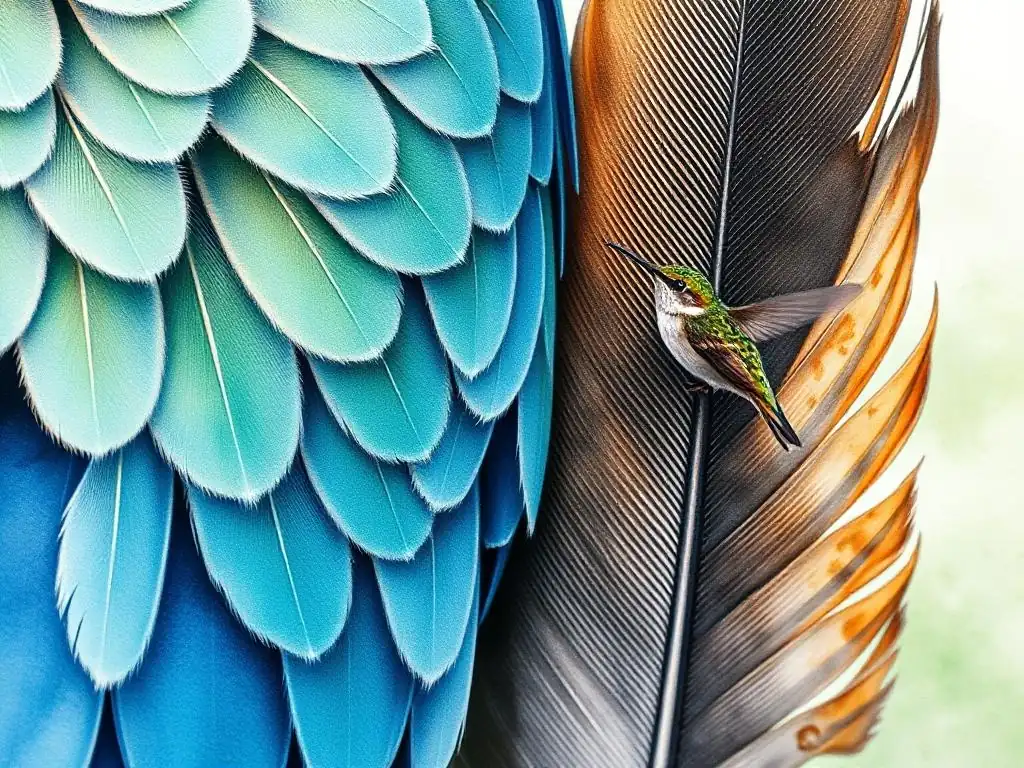
This section focuses on practical steps for identifying and addressing common bird feather problems. Early detection and appropriate intervention are crucial for maintaining your bird's health and well-being. Remember, a healthy, vibrant plumage is a strong indicator of overall avian health. Ignoring feather problems can lead to more significant issues, so proactive monitoring is key. This guide provides a framework for assessing your bird's feathers and determining the best course of action. We'll cover observation techniques, when professional veterinary care is necessary, and non-invasive treatments for minor feather problems.
Observing Your Bird for Signs of Feather Problems
Regularly observing your bird's plumage is paramount in detecting early signs of feather problems. A healthy bird will typically have smooth, glossy feathers that lie flat against its body. Look for any deviations from this norm. Key indicators of potential issues include:
- Feather loss: Note the location and extent of any missing feathers. Localized feather loss might indicate localized irritation or injury, while widespread loss can suggest a more systemic problem. Is the feather loss symmetrical or concentrated in a particular area? This can provide valuable clues.
- Feather breakage: Examine the feathers for signs of breakage, fraying, or splitting. Are the tips broken, or is there damage along the shaft? This could indicate nutritional deficiencies, poor grooming habits, or contact with irritating substances.
- Abnormal feather growth: Look for feathers that are unusually short, deformed, or have abnormal coloration. Such irregularities could point towards underlying health concerns.
- Changes in feather texture: Feel the feathers. Are they dull, brittle, or excessively fluffy? These changes often reflect dietary deficiencies or underlying medical conditions.
- Preening behavior changes: A bird spending significantly more or less time preening than usual might indicate discomfort or a problem with its feathers. Observe the intensity and frequency of preening.
Consider keeping a detailed log of your observations. Record the date, specific feather issues observed, and any other relevant information, such as changes in your bird's behavior or diet. This meticulous record can be invaluable when consulting an avian veterinarian. Remember, even subtle changes can be significant, so thorough observation is essential for effective management of your bird's feather health. Documenting these observations will help you and your avian vet track progress and identify trends.
When to Consult an Avian Veterinarian: Recognizing Serious Issues
While many minor feather problems can be managed at home, some situations warrant immediate veterinary attention. These include:
- Severe feather loss: Extensive or rapid feather loss requires prompt veterinary assessment to rule out serious underlying conditions such as feather plucking disorders, parasitic infestations, or nutritional deficiencies.
- Bleeding or open wounds: Any bleeding or visible injuries associated with feather loss demand immediate veterinary care to prevent infection and ensure proper wound healing.
- Sudden changes in behavior: If your bird exhibits sudden changes in behavior, such as lethargy, decreased appetite, or self-mutilation, alongside feather problems, seek veterinary attention immediately. These could indicate underlying illness or stress.
- Persistent feather problems despite home treatment: If home remedies fail to improve or worsen the situation, professional veterinary intervention is crucial for accurate diagnosis and effective treatment.
- Suspected parasitic infestations: If you suspect mites, lice, or other parasites, a veterinarian can confirm the diagnosis and prescribe appropriate medication.
Don't delay seeking veterinary help if you are unsure about the cause or severity of your bird's feather problems. Early intervention can significantly improve the outcome. Avian veterinarians possess specialized knowledge and expertise in diagnosing and treating avian health issues, providing the best possible care for your feathered friend. Remember, prevention is always better than cure; regular veterinary checkups are recommended for all birds to maintain optimal health.
Non-Invasive Treatments for Minor Feather Problems: Grooming and Dietary Changes
For minor feather problems, several non-invasive treatments can often be effective. These include:
- Improved grooming: Regularly inspect your bird's feathers and gently remove any debris or loose feathers. Provide appropriate perches to encourage natural preening behavior. A slightly damp cloth can help remove dust and debris.
- Dietary adjustments: A balanced diet is crucial for healthy feather growth. Ensure your bird's diet includes sufficient protein, vitamins, and minerals. Consult a veterinarian or avian nutritionist to determine the best diet for your specific bird species. Supplements might be necessary in some cases. Consider adding foods rich in biotin, a vitamin known to promote healthy feather growth.
- Environmental enrichment: A stimulating environment can reduce stress, which can contribute to feather problems. Provide ample space, toys, and opportunities for social interaction. A comfortable and enriching environment is vital for a bird's psychological well-being, which directly impacts its physical health, including feather condition.
- Humidification: Dry air can negatively impact feather quality. Consider using a humidifier, especially during dry seasons, to maintain optimal humidity levels. This is particularly important for birds from humid climates. Monitor humidity levels to ensure they are appropriate for your bird's species.
Remember, consistency is key when implementing these non-invasive treatments. Patience and persistence are crucial for seeing positive results. Regular monitoring and careful observation will allow you to track progress and make any necessary adjustments to your approach. If you notice no improvement or if the condition worsens, don't hesitate to consult an avian veterinarian for further assessment and treatment. Early intervention can often prevent minor feather problems from escalating into more serious issues. Addressing bird feather problems promptly can help maintain your bird's overall health and well-being.
Medical Treatments for Severe Feather Problems: Medications and Therapies
Addressing severe feather problems in birds often necessitates veterinary intervention and may involve various medical treatments. The specific medication or therapy will depend entirely on the underlying cause of the feather issue. For example, bacterial or fungal infections might require antibiotic or antifungal medications administered orally or topically. These medications are typically prescribed by an avian veterinarian after a thorough examination, including possibly a microscopic analysis of feather samples to identify the causative agent.
The course of treatment, including dosage and duration, will be tailored to the individual bird and the severity of the infection. It's crucial to strictly follow the veterinarian's instructions to ensure effectiveness and minimize potential side effects. Improper medication use can have serious consequences for your bird's health.
Beyond antibiotics and antifungals, other medications might be necessary depending on the diagnosis. For instance, if a hormonal imbalance is contributing to feather plucking or other feather problems, hormone regulating medications might be prescribed. These medications should only be administered under strict veterinary supervision, as they can have significant side effects if misused. The veterinarian will monitor the bird's progress closely, adjusting the medication as needed. Regular blood tests may also be necessary to monitor the bird's response to the treatment and to check for any adverse effects.
In addition to medications, some severe feather problems might require additional therapies. This could include supportive care, such as nutritional supplements to boost the bird's immune system and promote feather regrowth. Specialized diets formulated to address specific nutritional deficiencies might also be recommended. In cases of severe feather damage, surgical intervention may be considered in rare instances, but this is usually a last resort and only undertaken by experienced avian surgeons.
Post-surgical care is crucial and will involve careful monitoring and medication to prevent infection and promote healing. Remember, early detection and intervention are crucial in managing severe feather problems effectively, minimizing long-term complications and improving your bird's overall health and well-being. Always consult with an avian veterinarian for proper diagnosis and treatment of any serious feather issues. Ignoring or delaying treatment can lead to irreversible damage and potentially life-threatening complications for your feathered friend.
Maintaining Healthy Bird Feathers: Prevention and Care
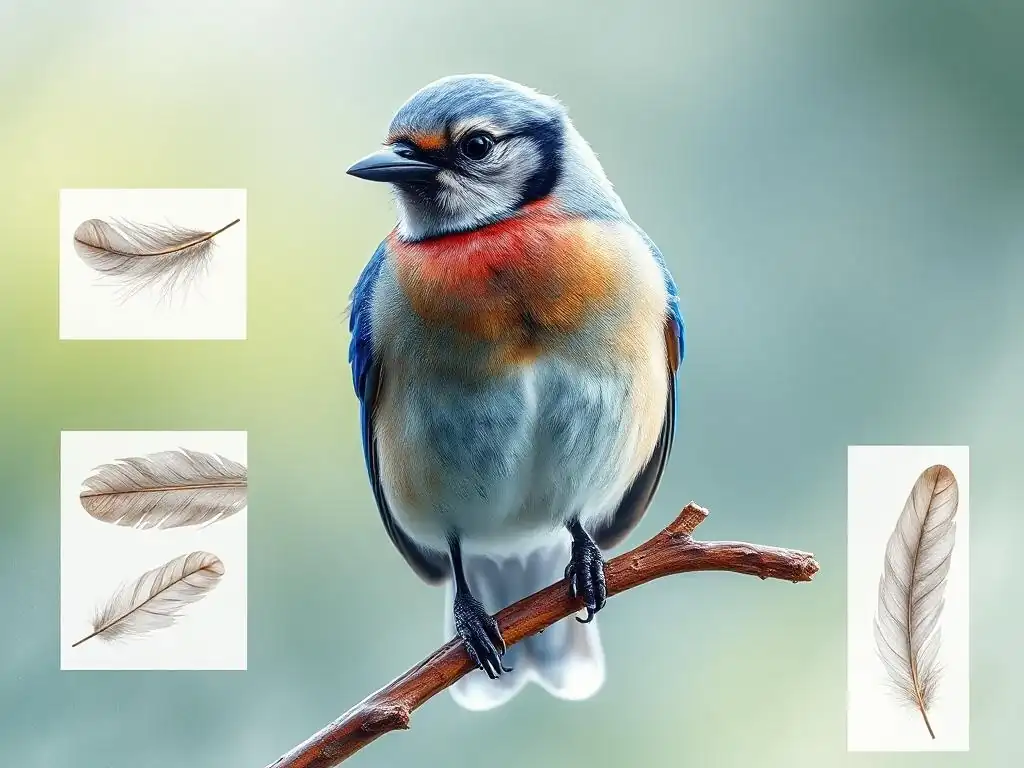
Maintaining vibrant, healthy feathers in your avian companion is crucial for their overall well-being. A bird's feathers are not merely for show; they provide insulation, waterproofing, and are vital for flight. Addressing potential bird feather problems proactively through preventative measures is far more effective than reacting to established issues. This section focuses on preventative care strategies to minimize the risk of feather problems and promote optimal feather health. Understanding the underlying causes of feather issues—from nutritional deficiencies to environmental stressors—is paramount in developing a comprehensive care plan. This proactive approach will contribute significantly to your bird's longevity and happiness.
Providing a Balanced Diet for Optimal Feather Growth
A balanced diet is the cornerstone of healthy feather growth. Nutritional deficiencies are a common cause of various bird feather problems, including dullness, breakage, and even feather loss. Your bird's diet should consist of a high-quality, commercially formulated birdseed mix specifically designed for their species. Supplementing this base with fresh fruits, vegetables, and occasionally, small amounts of cooked grains and protein sources, ensures a diverse range of essential nutrients.
Remember, variety is key. A diet lacking in specific vitamins and minerals, such as Vitamin A, biotin, and essential fatty acids, can directly impact feather quality. For instance, a deficiency in Vitamin A can lead to dry, brittle feathers and impaired feather growth. Similarly, a lack of protein can result in poor feather development and increased fragility.
Consider consulting an avian veterinarian to create a customized dietary plan tailored to your bird's specific needs and age. They can help you identify potential nutritional deficiencies and recommend appropriate supplements if necessary. Regular blood tests can also provide valuable insights into your bird's nutritional status.
Creating a Stress-Free Environment for Your Bird
Stress is a significant contributor to various bird feather problems. Birds are sensitive creatures, and a stressful environment can manifest as feather plucking, broken feathers, or even complete feather loss. Providing a secure, stimulating, and enriching environment is crucial for maintaining your bird's mental and physical health.
This includes offering ample space for flight and movement, providing a variety of toys to keep them mentally engaged, and minimizing exposure to loud noises or sudden movements. A quiet, consistent routine can significantly reduce stress levels. Consider the placement of the cage; avoiding areas with high traffic or near windows where they might be startled by outside stimuli.
Social interaction is also critical; ensure your bird receives adequate attention and interaction from you, or from compatible bird companions if appropriate. Observe your bird's behavior carefully; any signs of stress, such as excessive preening, feather picking, or changes in vocalizations, should prompt a reassessment of their environment and a consultation with an avian veterinarian. A comfortable, stimulating environment is key to preventing stress-related bird feather problems.
Regular Bird Grooming and Feather Maintenance: Techniques and Tools
Regular grooming is an essential aspect of maintaining healthy bird feathers. This involves gently removing dust, debris, and loose feathers to prevent matting and promote healthy feather growth. The frequency of grooming will depend on your bird's species and feather type, but generally, a weekly grooming session is recommended.
You'll need a few specialized tools for bird grooming. A soft-bristled brush designed for birds is essential for removing loose feathers and distributing natural oils. Avoid using human hairbrushes or combs, as these can damage delicate feathers.
You might also consider using a small, blunt-ended pair of scissors to carefully trim any excessively long or matted feathers, but this should only be done if you are comfortable and experienced, or under the guidance of an avian professional. Always be gentle and avoid pulling or tugging on the feathers. Regular grooming not only improves your bird's appearance but also strengthens the bond between you and your feathered friend, fostering trust and providing an opportunity for early detection of any potential feather problems.
Remember, gentle handling and a positive approach are vital during the grooming process. Observe your bird's reaction; if they seem stressed or uncomfortable, stop the grooming session and try again later.
Importance of Proper Bathing for Bird Feather Health
Regular bathing is crucial for maintaining healthy bird feathers and overall avian well-being. A clean bird is a healthy bird! Feathers, the bird's protective layer, are prone to accumulating dust, dirt, and parasites. These accumulations can lead to several problems, including feather damage, bacterial or fungal infections, and even behavioral issues stemming from discomfort. Proper bathing helps remove these contaminants, preventing these complications.
The frequency of bathing depends on the species and individual bird. Some birds, like cockatoos, might require more frequent baths than smaller finches. Observe your bird's behavior; if they appear dusty or preen excessively, it's a sign they may need a bath. Never force a bath on a reluctant bird, as this can cause undue stress.
There are several ways to bathe your bird. A gentle spray bottle with lukewarm water can be effective for many species. Always ensure the water is not too hot or too cold, mimicking the bird's natural environment. Some birds enjoy showering under a gentle stream of water from a tap, while others prefer a shallow dish of water for dipping and preening.
After the bath, ensure your bird has a warm, safe place to dry thoroughly. Never use human soaps or shampoos, as these can be harmful to your bird's delicate skin and feathers. Specialized bird-safe shampoos are available if necessary. Remember, the goal is to clean the feathers, not to soak the bird.
Consistent, appropriate bathing helps prevent feather problems, promoting healthy feather growth and a vibrant plumage. It's a vital part of preventative bird care, reducing the risk of many common feather-related ailments. This simple act contributes significantly to your bird's overall health and happiness.
Using Supplements to Support Feather Health: Vitamin and Mineral Needs
A balanced diet is the cornerstone of healthy bird feathers, but sometimes supplemental vitamins and minerals can provide extra support. While a good seed and pellet mix forms the basis of a bird's diet, it may not always contain the optimal levels of all essential nutrients for optimal feather growth and maintenance. Deficiencies in certain vitamins and minerals can manifest as dull, brittle feathers, slow feather growth, or even feather loss.
Vitamins A, D3, and E are particularly important for feather health. Vitamin A plays a crucial role in cell growth and repair, essential for healthy feather production. Vitamin D3 aids in calcium absorption, which is vital for strong, healthy feathers and bones. Vitamin E acts as an antioxidant, protecting feathers from damage caused by free radicals. Additionally, minerals like zinc, copper, and iron are crucial for feather pigmentation and overall structure.
Before introducing any supplements, consult with an avian veterinarian. They can assess your bird's specific needs and recommend appropriate supplements and dosages. Over-supplementation can be just as harmful as under-supplementation, so it's crucial to follow professional guidance. The veterinarian can also perform tests to check for existing deficiencies and monitor the effectiveness of any supplements introduced.
Remember that supplements should complement a healthy, balanced diet, not replace it. A well-rounded diet, combined with appropriate veterinary care and monitoring, will contribute most effectively to your bird's vibrant and healthy plumage. Always prioritize a balanced diet first, considering supplements only as a carefully managed addition under professional guidance. This approach ensures you are addressing any potential feather problems effectively and safely.
Specific Feather Problems in Different Bird Species
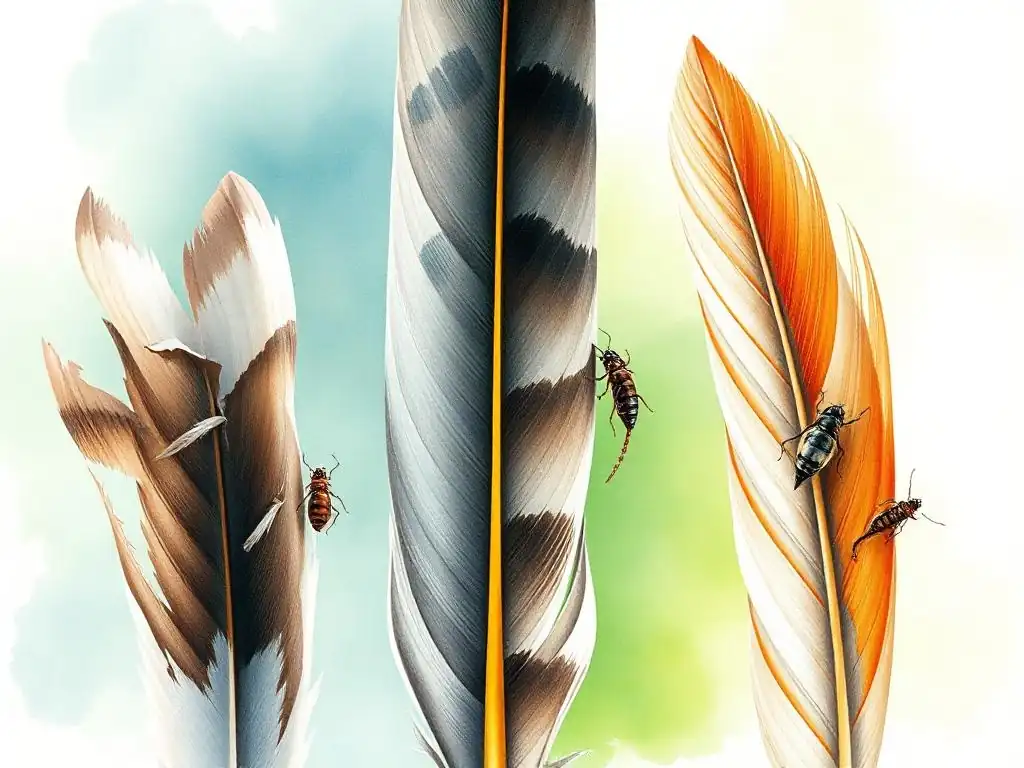
This section delves into common feather problems observed in specific bird species, offering tailored solutions for each. Understanding the unique needs and vulnerabilities of different avian companions is crucial for effective feather health management. Addressing "bird feather problems solutions" requires a nuanced approach, recognizing that what might work for a small budgie may not be suitable for a larger parrot.
Cockatiel Feather Problems and Solutions
Cockatiels, known for their charming crests and vibrant plumage, are susceptible to several feather-related issues. One common problem is feather plucking, often stemming from stress, boredom, or underlying medical conditions. Signs include bare patches, particularly around the breast and head, and possibly self-mutilation.
Addressing this requires a multi-pronged approach. Firstly, a veterinary checkup is essential to rule out any parasitic infestations, nutritional deficiencies (like a lack of essential fatty acids), or hormonal imbalances. Secondly, enriching their environment is crucial. This involves providing ample toys, perches of varying textures, and opportunities for social interaction. A larger cage, if possible, can also reduce stress. Finally, monitoring their diet and ensuring a balanced nutritional intake is paramount. A diet lacking in essential vitamins and minerals can negatively impact feather growth and quality.
Another issue in cockatiels is feather breakage. This can result from inadequate perches (too narrow or rough), rough handling, or even cage bars that are too close together. Providing appropriately sized, natural wood perches and handling the bird gently can significantly mitigate this problem. Regular cage cleaning also helps prevent feather damage from accumulated debris.
| Problem | Potential Causes | Solutions |
|---|---|---|
| Feather Plucking | Stress, boredom, medical conditions | Veterinary checkup, environmental enrichment, dietary adjustments |
| Feather Breakage | Inappropriate perches, rough handling | Provide suitable perches, gentle handling, regular cage cleaning |
| Dull, Lackluster Feathers | Poor diet, lack of sunlight, underlying illness | Dietary adjustments, adequate sunlight exposure, veterinary examination |
Finally, a lackluster appearance in feathers might indicate a dietary deficiency or lack of sunlight exposure. Supplementing their diet with appropriate vitamins and minerals and providing access to natural sunlight (or a full-spectrum lamp) can significantly improve feather quality. Always consult an avian veterinarian for persistent or severe feather problems.
Budgie Feather Problems and Solutions
Budgies, or parakeets, are relatively hardy birds but can still experience feather issues. Similar to cockatiels, feather plucking is a concern, often linked to stress, boredom, or underlying health problems. A veterinary examination is crucial to identify and treat any underlying medical conditions. Enrichment strategies, including new toys, foraging opportunities, and social interaction, are essential for preventing feather plucking behaviors. Providing a varied and nutritious diet, rich in essential vitamins and minerals, directly impacts feather health. A lack of essential fatty acids, for example, can lead to dull and brittle feathers.
Another common problem is powder down. Budgies produce powder down, a fine, powdery substance that helps maintain feather condition. However, excessive powder down can sometimes indicate a problem, such as stress or an underlying medical condition. Again, veterinary attention is needed to rule out any underlying health concerns. Providing a stress-free environment and a balanced diet can help regulate powder down production.
Maintaining good hygiene is crucial for budgies. Regular cleaning of their cage and water and food dishes prevents the accumulation of bacteria and parasites that can damage feathers. Providing fresh, clean water daily is essential for overall health and feather condition.
African Grey Parrot Feather Problems and Solutions
African Grey Parrots, intelligent and sensitive birds, can exhibit feather problems due to stress, nutritional deficiencies, or underlying health issues. Feather plucking is a significant concern, often associated with boredom, lack of stimulation, or inadequate social interaction. Providing ample mental and physical stimulation through toys, foraging opportunities, and interaction with their owner is crucial. A veterinary examination is paramount to rule out any underlying medical or psychological issues. Furthermore, ensuring a balanced and nutritious diet, rich in essential vitamins, minerals, and fatty acids, is essential for healthy feather growth.
Unlike smaller birds, African Greys are susceptible to feather damage from chewing and preening behaviors related to stress. Providing a variety of textures in their perches and toys can help satisfy their natural chewing instincts and reduce feather damage from excessive preening. Additionally, ensuring a spacious and appropriately enriched environment contributes significantly to their overall well-being and reduces stress-related feather problems.
Moreover, psittacosis, a bacterial infection, can manifest as feather problems, including dullness and loss of feathers. Early detection and veterinary treatment are crucial. Regular veterinary checkups are recommended for all birds, but especially for African Greys, to identify and address potential health issues promptly. A comprehensive approach including environmental enrichment, a balanced diet, and regular veterinary care is essential in managing feather health in African Grey Parrots.
Bird Feather Problems Solutions: A Summary of Key Takeaways
This section summarizes key actions and resources to address common bird feather problems, ultimately contributing to a healthier and happier feathered friend. Understanding the root causes of feather issues is crucial for effective treatment and prevention. Addressing "bird feather problems solutions" requires a multifaceted approach encompassing diet, environment, and proactive care.
Key Actions for Maintaining Healthy Bird Feathers
Maintaining healthy bird feathers is a proactive process requiring consistent attention to several key areas. Neglecting even one aspect can lead to various feather problems. Let's explore some critical steps:
- Diet Optimization: A balanced diet is paramount. Insufficient intake of essential vitamins, minerals, and amino acids, especially sulfur-containing ones crucial for feather keratin production, directly impacts feather quality. Signs of dietary deficiency often manifest as dull, brittle feathers, or even feather loss. Ensure your bird's diet includes a variety of high-quality seeds, pellets, fresh fruits, and vegetables. Consult an avian veterinarian for specific dietary recommendations tailored to your bird's species and age. A well-balanced diet is the cornerstone of healthy plumage.
- Environmental Enrichment: A stimulating environment plays a significant role in feather health. Birds require ample space to exercise and preen, vital behaviors for maintaining feather condition. Insufficient space or lack of enrichment can lead to stress, resulting in feather plucking or other behavioral problems impacting feather health. Provide toys, perches of varying textures and sizes, and opportunities for natural behaviors like foraging. A clean and spacious cage also reduces the risk of bacterial or parasitic infections that can damage feathers.
- Regular Preening and Bathing: Regular preening helps birds maintain their feathers, removing debris, parasites, and distributing oils crucial for feather waterproofing and shine. Bathing is also essential for keeping feathers clean. The frequency of bathing depends on the species, but generally, a few times a week is beneficial. Ensure the water is lukewarm and the bathing process is stress-free. Always supervise your bird during bathing to prevent accidents. A lack of proper preening and bathing can lead to feather matting, parasites, and overall poor feather quality.
- Prompt Veterinary Care: If you notice any unusual changes in your bird's feathers, such as excessive feather loss, dullness, or unusual feather breakage, consult an avian veterinarian immediately. Early intervention is key to addressing underlying health issues that may be causing feather problems. Ignoring these signs can lead to severe complications. A vet can diagnose the problem and recommend appropriate treatment.
Resources for Further Information on Avian Feather Care
Finding reliable information on avian feather care is crucial for responsible bird ownership. While this article provides a foundation, further exploration can enhance your understanding and caregiving abilities. Remember that each bird species has unique needs, so it’s essential to research the specific requirements of your avian companion.
Several reliable resources can provide in-depth information, including:
- Avian Veterinarians: These specialists are invaluable resources for personalized advice and treatment. They can diagnose and treat underlying health conditions that might be affecting your bird's feathers.
- Reputable Bird Breeding Organizations: Many organizations offer educational materials and resources on bird care, including feather health.
- Specialized Avian Books and Journals: These publications offer detailed information on avian biology and health, including comprehensive guides to feather care and common problems.
- Online Forums and Communities: While caution is needed to verify information, reputable online forums can offer a platform to connect with experienced bird owners and share experiences. Always cross-reference information from multiple sources.
Remember, proactive care is the best solution for preventing and addressing bird feather problems. By diligently following these steps and utilizing the resources mentioned above, you can help ensure your feathered friend enjoys a long and healthy life with beautiful, vibrant plumage.
Frequently Asked Questions
What are some common bird feather problems?
Common problems include feather loss, broken feathers, dull or faded plumage, and feather picking. These can be caused by various factors, including diet, stress, and underlying health issues. Consult a vet if you notice significant problems.
How can I improve my bird's feather condition through diet?
A balanced diet rich in vitamins and minerals is crucial. Ensure your bird's food contains adequate protein, essential fatty acids, and trace minerals. Supplements may be necessary, but always consult an avian vet first.
My bird is excessively preening; is this a problem?
Excessive preening can indicate stress, parasites, allergies, or underlying medical conditions. If you notice significant feather loss or changes in behavior, schedule a vet appointment immediately. Early intervention is key.
What are the signs of a feather disease in birds?
Signs can vary but include unusual feather loss, changes in feather texture, ruffled feathers, bald patches, and skin irritation. Abnormal feather growth is also a potential indicator. Seek veterinary advice for diagnosis and treatment.
How can I prevent feather problems in my bird?
Regular veterinary check-ups are essential. Provide a clean and stimulating environment, a balanced diet, and monitor your bird for any changes in behavior or appearance. Minimize stress as much as possible.
Final Reflection: The Vibrant Symphony of Healthy Feathers
The health of a bird's feathers is not merely aesthetic; it's a direct reflection of its overall well-being, a vital indicator of its ability to thrive. A bird's plumage is its lifeline, crucial for insulation, flight, courtship, and even camouflage. Understanding and addressing feather problems is therefore not just a hobbyist's concern, but a critical aspect of responsible bird ownership and conservation.
The impact of feather health extends far beyond the individual bird. Observing the subtle changes in plumage can provide early warnings of underlying health issues, allowing for timely intervention and potentially saving a life. A bird's feather is a mirror to its soul,
a phrase often whispered among experienced avian caregivers, perfectly encapsulates this interconnectedness. The vibrant colors, the sleek smoothness, the perfectly formed barbs—all speak volumes about the bird's environment, diet, and overall health. Ignoring these signals can have devastating consequences, impacting not only the individual bird but also the delicate balance of its ecosystem.
Consider what you've learned today. Take a moment to observe your feathered friends—whether they are wild birds visiting your garden or beloved companions in your home. Are their feathers gleaming with health, or do you see signs of stress, malnutrition, or disease?
Armed with the knowledge gained from this article, you now possess the tools to make a difference. By paying close attention to the details, by providing proper care and nutrition, and by seeking professional help when needed, you can contribute to the vibrant symphony of healthy feathers that fills our world. Let's work together to ensure that every bird can take flight with confidence, its plumage a testament to its well-being and a source of beauty for us all.
Unlock Your Bird's Feathery Best: Take Action Now!
Thank you for exploring the world of bird feather health! We hope you feel more confident in identifying potential problems and taking proactive steps. Ready to put your new knowledge into practice?
- Conduct a thorough feather inspection: Give your bird a gentle checkup today, carefully examining its feathers. Note anything unusual.
- Adjust your bird's diet or environment as needed: Based on your observations, consider making small adjustments to its diet or living space. Even minor changes can significantly improve feather health.
- Share your experiences! We'd love to hear about your bird's feather care journey—what challenges have you encountered, and which solutions proved most effective?
What small step will you take today to keep your bird's feathers vibrant and healthy?