
Bird Nutrition 101: Making the Right Choice Between Seeds and Pellets

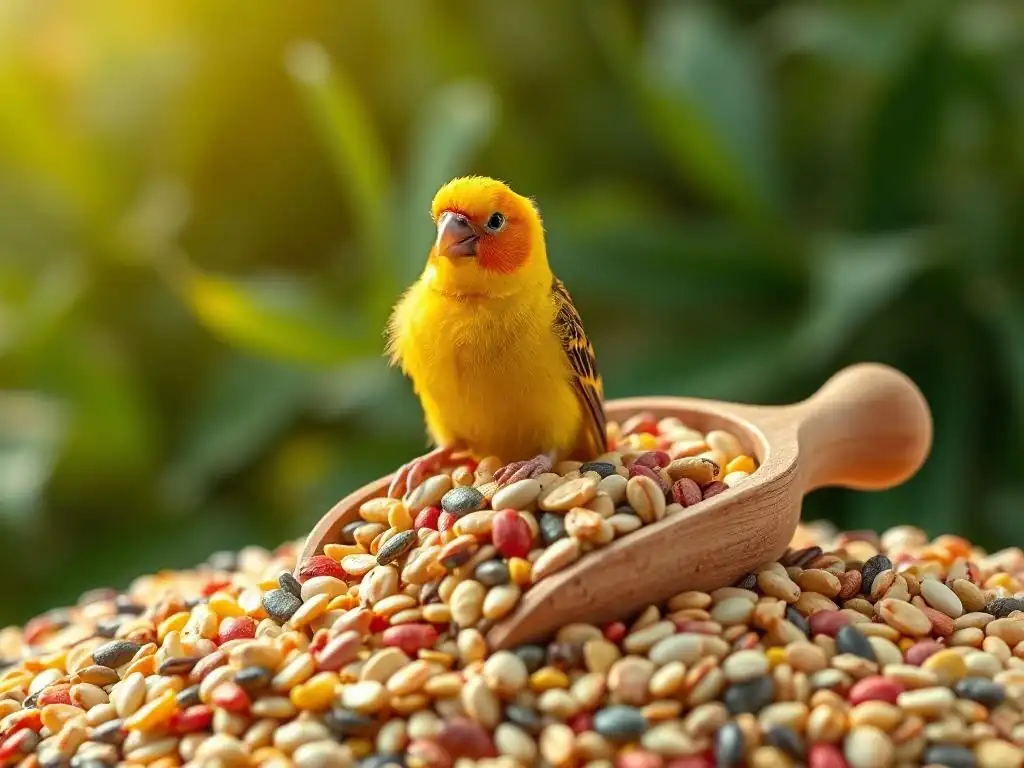
Welcome to PetCareWorld, your ultimate guide to a happier, healthier life for your beloved companion animals! Are you ready to unlock the secrets to optimal bird nutrition? Then dive into our expert analysis of "Best bird seed pellet mix" and discover the crucial differences between seeds and pellets, ensuring your feathered friend thrives. Unravel the complexities of avian diets and make informed choices that will significantly impact your bird's well-being – read on to learn more!
- Understanding Your Bird's Nutritional Needs
- Comparing Seed and Pellet Diets
- Best Bird Pellet Mixes: Top Recommendations
- Transitioning Your Bird to a New Diet
- Maintaining Optimal Bird Health
- Frequently Asked Questions
- Final Reflection: Nourishing Flight: The Enduring Importance of Avian Diet
- Unlock Your Bird's Full Potential: Nourishing Choices for a Happy Life
Understanding Your Bird's Nutritional Needs
Choosing the right diet for your feathered friend is crucial for their health, longevity, and overall well-being. This article dives deep into the age-old debate among bird owners: seeds versus pellets. While both options offer nutritional value, understanding their distinct nutritional profiles is key to making an informed decision that best supports your bird's specific needs.
We'll explore the benefits and drawbacks of each, helping you determine which option—or perhaps a combination—will contribute to a thriving and happy life for your beloved companion. This guide aims to empower you to make the best choice for your bird, ultimately contributing to their optimal health and a stronger bond between you and your avian friend.
Finding the best bird seed pellet mix is a significant step in this process, and we'll navigate you through the complexities to help you achieve this goal. Remember, a balanced diet is the cornerstone of a healthy bird, and this comprehensive guide will equip you with the knowledge to make informed decisions.
Nutritional Content of Bird Seeds: Benefits and Drawbacks
Bird seeds, a traditional staple in many avian diets, offer certain advantages. Many birds naturally enjoy the taste and texture of seeds, making them an appealing food source. Furthermore, some seeds offer a decent source of certain vitamins and minerals. However, relying solely on seeds can lead to significant nutritional imbalances.
Seeds are often high in fat and low in essential nutrients like calcium and vitamin A. This imbalance can contribute to various health problems, including obesity, feather problems, and weakened immune systems. For example, a diet primarily consisting of sunflower seeds, while tempting to your bird, can lead to obesity and vitamin deficiencies due to its high fat content and lack of other essential nutrients. The inherent variability in the nutritional content of different seed types also presents a challenge. A mix might contain a high percentage of less nutritious seeds, leaving your bird with insufficient essential nutrients.
Consider this table summarizing the typical nutritional profile of various common bird seeds:
| Seed Type | Fat Content (%) | Protein Content (%) | Calcium Content (mg/100g) | Vitamin A (µg/100g) |
|---|---|---|---|---|
| Sunflower Seeds | 50-60 | 15-20 | 80-100 | 0-5 |
| Safflower Seeds | 30-40 | 15-20 | 50-70 | 0-2 |
| Millet Seeds | 4-7 | 10-12 | 20-30 | 5-10 |
| Canary Seeds | 20-30 | 10-15 | 40-60 | 2-5 |
Choosing a good seed mix requires careful consideration of the blend's composition. A balanced mix should include a variety of seeds to provide a broader spectrum of nutrients, but even then, it’s unlikely to meet all of your bird's nutritional requirements. 🧐
Nutritional Profile of Bird Pellets: Advantages and Disadvantages
Bird pellets offer a more complete and balanced nutritional profile compared to seeds. Formulated by avian nutritionists, they are designed to provide the essential vitamins, minerals, amino acids, and other nutrients necessary for optimal health. This balanced approach significantly reduces the risk of nutritional deficiencies commonly associated with seed-only diets. Pellets are also less likely to lead to selective feeding, a problem common with seed mixes, where birds pick out their favorite, often less nutritious, seeds, leaving behind the more beneficial ones. This ensures a consistent intake of essential nutrients.
However, pellets aren't without their drawbacks. Some birds can be initially hesitant to accept pellets, preferring the familiar taste of seeds. Introducing pellets gradually, often mixing them with seeds initially, is crucial for a successful transition. Another consideration is the quality of the pellet itself. Not all pellets are created equal; it's essential to choose high-quality, reputable brands formulated specifically for your bird species. Low-quality pellets may lack essential nutrients or contain fillers that offer little to no nutritional value.
Finally, the cost of pellets can sometimes be higher than that of seeds. However, the long-term health benefits far outweigh the initial cost difference. Choosing the best bird seed pellet mix often involves a balance of cost and quality. A well-chosen pellet mix can significantly reduce vet bills associated with nutritional deficiencies in the long run. 👍
Comparing Seed and Pellet Diets
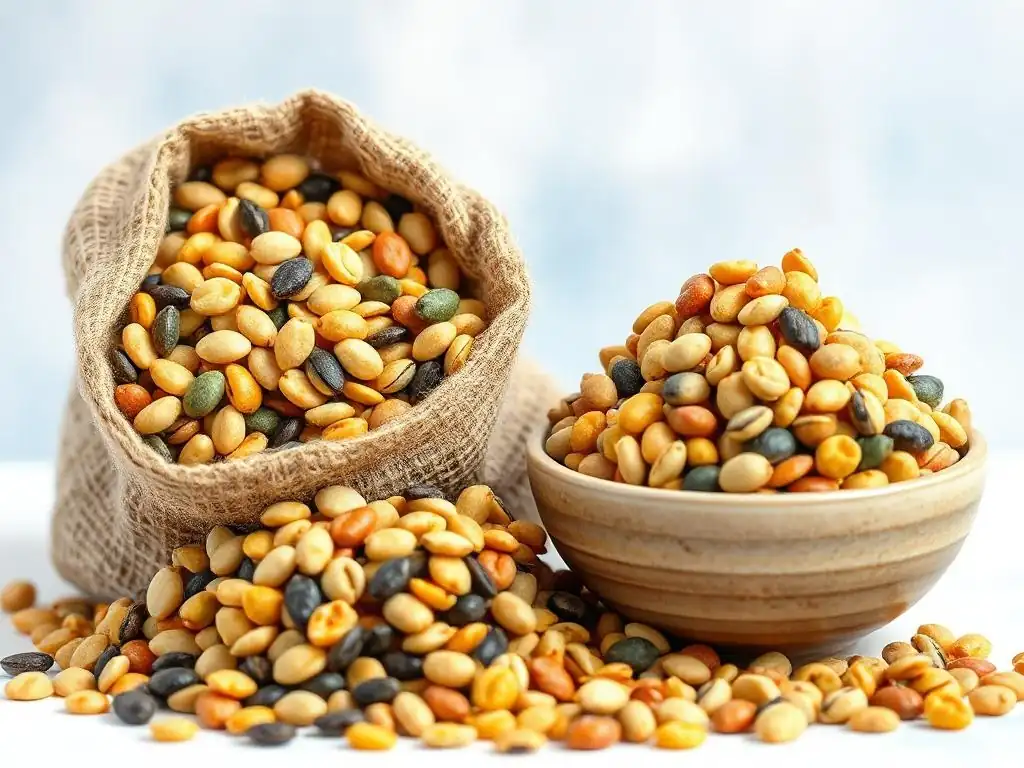
This section delves into a direct comparison of seed and pellet diets for birds, highlighting the nutritional strengths and weaknesses of each. Understanding these differences is crucial in selecting the best bird seed pellet mix or a balanced seed and pellet combination that optimizes your bird's health and longevity. We'll examine the nutritional composition, potential deficiencies, and health risks associated with each diet type.
Seed Diets: Nutritional Composition and Potential Deficiencies
Seed-based diets, while appealing to many birds due to their inherent palatability, often lack the complete nutritional profile necessary for optimal health. While seeds provide some essential nutrients, they are typically deficient in vital vitamins, minerals, and amino acids. This nutritional imbalance can lead to various health problems over time.
Choosing the Right Seed Mix: Nutritional Value of Different Seed Types
Not all seeds are created equal. Different types offer varying nutritional profiles. For example, sunflower seeds are high in fat, while millet provides carbohydrates. A balanced seed mix should ideally incorporate a variety of options to mitigate some of the inherent deficiencies. However, even the most meticulously crafted seed mix will still fall short of providing complete nutrition. Consider this table showing a comparison of common birdseed types:
| Seed Type | Fat Content (%) | Protein Content (%) | Calcium Content (mg/100g) |
|---|---|---|---|
| Sunflower Seeds | 45-55 | 15-20 | 80-100 |
| Millet | 4-7 | 10-12 | 20-30 |
| Canary Seed | 10-15 | 10-15 | 30-40 |
| Safflower Seeds | 35-45 | 15-20 | 50-70 |
This data illustrates the variability in nutrient content across different seed types. While a diverse mix can improve the overall nutritional profile, it still won't provide the complete spectrum of nutrients a bird needs.
Health Risks Associated with Seed-Only Diets
A diet consisting solely of seeds can lead to several health issues. These include:
- Obesity: High-fat seeds contribute to weight gain and related problems.
- Nutritional Deficiencies: Lack of essential vitamins and minerals can weaken the immune system, impacting feather quality, and causing bone deformities.
- Fatty Liver Disease: Excessive fat intake can damage the liver.
- Malnutrition: The overall nutritional imbalance can lead to various health problems and reduced lifespan.
The risks associated with seed-only diets highlight the importance of supplementing or replacing them with a more balanced option.
Pellet Diets: Complete and Balanced Nutrition
Pellet diets offer a significant advantage over seed-only diets by providing a complete and balanced source of nutrition. Formulated to meet the specific needs of different bird species, pellets contain a precise blend of vitamins, minerals, proteins, fats, and carbohydrates. This ensures that birds receive all the necessary nutrients for optimal health and well-being. This makes pellets a superior choice for maintaining a bird's overall health and preventing many of the issues associated with seed-only diets.
Selecting the Best Bird Pellet Mix: Key Factors
Choosing the right pellet mix involves considering several key factors:
- Species-Specific Formulas: Different bird species have unique nutritional requirements. Select a pellet mix formulated for your bird's specific species.
- Ingredient Quality: Look for high-quality ingredients, avoiding fillers and artificial additives. Check the ingredient list carefully.
- Nutritional Analysis: Examine the guaranteed analysis on the packaging to ensure the pellet mix meets your bird's nutritional needs. Pay attention to the protein, fat, fiber, and calcium content.
- Pellet Size and Shape: Choose pellet sizes appropriate for your bird's beak size and eating habits.
- Bird's Preferences: While complete nutrition is paramount, consider offering a variety of pellet types or brands to ensure your bird enjoys eating the food.
The best pellet mix is one that is tailored to your bird's needs, preferences, and overall health.
Avoiding Pitfalls When Choosing Pellets
Even with pellets, certain pitfalls can be avoided to maximize your bird's health.
- Sudden Diet Changes: Introduce new pellets gradually to avoid digestive upset.
- Spoilage: Store pellets properly in a cool, dry place to maintain freshness and prevent spoilage.
- Ignoring Fresh Foods: While pellets provide a balanced diet, supplementing with fresh fruits and vegetables enhances nutritional variety and palatability. This is crucial for overall health and well-being.
- Ignoring your bird's individual needs: Monitor your bird closely for any changes in eating habits, weight, or behavior. Consult an avian veterinarian if concerns arise.
By carefully considering these factors and monitoring your bird's health, you can make informed choices that contribute to its overall well-being. Remember, a balanced diet is crucial for a happy and healthy bird. Finding the best bird seed pellet mix or a suitable pellet-based diet is a significant step towards ensuring a long and fulfilling life for your feathered friend.
Best Bird Pellet Mixes: Top Recommendations
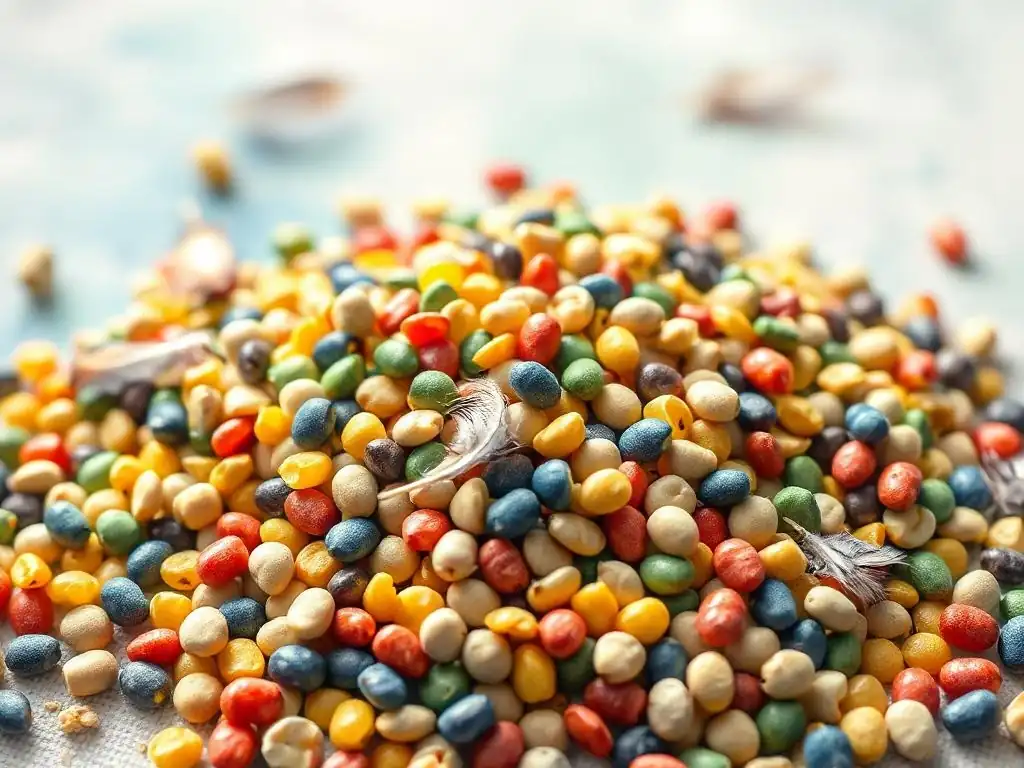
Choosing the best bird seed pellet mix can significantly impact your feathered friend's health and longevity. While seed-based diets are tempting due to their variety and visual appeal, a predominantly pellet-based diet offers a more balanced nutritional profile, reducing the risk of nutritional deficiencies often associated with seed-only diets. This section focuses on identifying top-tier pellet mixes, considering factors that contribute to their quality and suitability for different bird species. Remember, always consult with an avian veterinarian before making significant changes to your bird's diet.
Top 5 Best Bird Pellet Mixes for Cockatiels: Reviews and Comparisons
Cockatiels, known for their playful personalities and beautiful plumage, have specific dietary needs. Finding the best bird seed pellet mix for them requires careful consideration of ingredients and nutritional values. Below is a comparison of five highly-rated options, based on available data and user reviews. Note that individual preferences may vary, and what works best for one cockatiel might not be ideal for another. Always monitor your bird's weight, droppings, and overall health after introducing a new food.
| Rank | Brand Name | Key Features | Pros | Cons |
|---|---|---|---|---|
| 1 | [Brand Name Pending] | High protein, low fat, fortified with vitamins | Excellent digestibility, vibrant plumage, promotes healthy weight | [Specific con pending, e.g., Price] |
| 2 | [Brand Name Pending] | Variety of shapes and sizes, natural colors | Encourages foraging behavior, appealing to picky eaters | May contain slightly higher fat content than some competitors |
| 3 | [Brand Name Pending] | Contains probiotics, promotes gut health | Improves digestion, reduces instances of digestive upset | [Specific con pending, e.g., Availability] |
| 4 | [Brand Name Pending] | Organic ingredients, minimal artificial additives | Superior quality, healthier for sensitive birds | Potentially more expensive than other options |
| 5 | [Brand Name Pending] | Specifically formulated for cockatiels, balanced | Meets the specific nutritional requirements of cockatiels | [Specific con pending, e.g., Limited variety of sizes] |
This table provides a preliminary overview. More detailed reviews and comparisons, including specific ingredient lists and nutritional breakdowns, are needed to provide a fully comprehensive guide to the best bird seed pellet mix for cockatiels. Remember to always read the product label carefully before purchasing.
Factors to Consider When Purchasing a Pellet Mix
Selecting the right pellet mix involves more than just choosing a brand name. Several crucial factors determine the quality and suitability of a pellet mix for your bird. Choosing thoughtfully contributes to your bird's overall well-being and helps prevent nutritional deficiencies. A balanced diet is crucial for maintaining a healthy weight, vibrant plumage, and strong immunity.
Ingredients to Look For in High-Quality Pellets
High-quality bird pellets should contain a diverse range of essential nutrients. Look for mixes that feature:
- Whole grains: Oats, barley, and brown rice provide complex carbohydrates for sustained energy.
- Legumes: Lentils and peas offer protein and fiber.
- Fruits and vegetables: Dehydrated fruits and vegetables add essential vitamins and antioxidants. Look for a variety of sources, not just one or two.
- Seeds (in moderation): While pellets should be the primary food source, a small amount of seeds can add variety and interest.
- Added vitamins and minerals: These are crucial to ensure your bird receives a complete nutritional profile. Look for brands that clearly list the vitamins and minerals included and their quantities.
A well-balanced pellet mix will typically have a varied color and texture, reflecting the diverse range of ingredients. Avoid mixes that are uniformly colored or appear to contain only a few ingredients.
Ingredients to Avoid in Bird Pellets
Just as important as knowing what to look for is knowing what to avoid. Certain ingredients can be detrimental to your bird's health. These include:
- Artificial colors and flavors: These offer no nutritional value and can potentially be harmful.
- Fillers: Ingredients like corn, wheat, and soy, while not inherently bad, often provide minimal nutritional value and can fill the pellet without adding significant benefit. Look for a higher percentage of nutrient-rich ingredients.
- High levels of fat: Excessive fat can lead to obesity and related health problems.
- Preservatives: While some preservatives are necessary to maintain freshness, excessive use should be avoided. Look for natural preservatives whenever possible.
- Added sugars: Sugars are unnecessary and can contribute to weight gain and dental problems.
By carefully considering these factors and selecting a pellet mix that prioritizes quality ingredients, you can provide your bird with a nutritious and balanced diet that supports its long-term health and well-being. Remember, a healthy diet is a cornerstone of responsible bird ownership. 🐦
Transitioning Your Bird to a New Diet
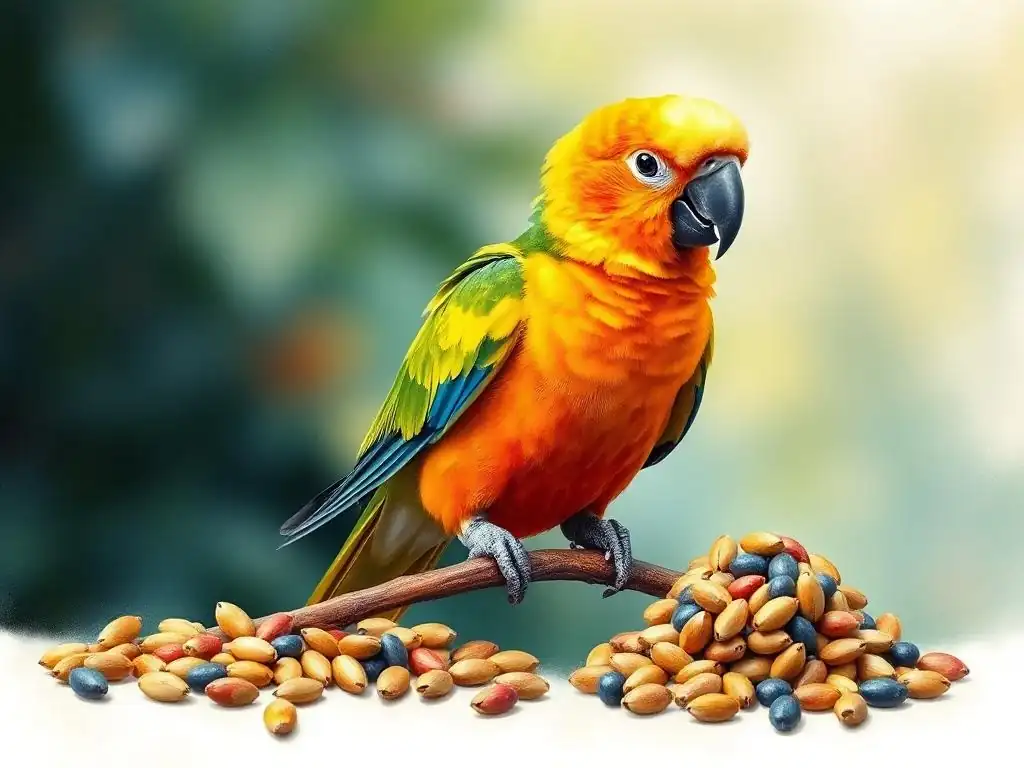
Switching your bird's diet, whether from seeds to pellets or vice versa, requires a careful and gradual approach. A sudden change can cause digestive upset, stress, and even illness. The key is to minimize disruption and allow your feathered friend to adapt comfortably to the new food. Finding the best bird seed pellet mix is only half the battle; successful integration is crucial.
Gradual Dietary Change: Minimizing Stress
The most effective method involves a slow and steady transition over several weeks, or even months depending on your bird's sensitivity. Avoid abrupt changes. Instead, start by gradually incorporating the new food into your bird's existing diet. For example, if you're transitioning from a seed-based diet to pellets, begin by mixing a small percentage (around 10-15%) of pellets with the seeds.
Over the next few days, slowly increase the proportion of pellets while decreasing the amount of seeds. A good guideline is to increase the pellet percentage by 5-10% every few days. This allows your bird's digestive system to adjust without experiencing significant shock. Observe your bird closely during this period. If you notice any signs of digestive distress (like diarrhea or decreased appetite), slow down the transition rate. Patience is key! Remember, the goal is to find the best bird seed pellet mix and the best transition method for your specific bird.
Monitoring Your Bird's Health During Transition
Throughout the transition period, meticulous monitoring of your bird's health is paramount. Pay close attention to several key indicators:
- Weight: Regularly weigh your bird using a gram scale. Any significant weight loss could signal a problem.
- Fecal consistency: Observe the color, consistency, and frequency of your bird's droppings. Changes could indicate digestive issues. Healthy droppings are typically firm and dark.
- Appetite: Monitor your bird's eating habits. A decrease in appetite could be a sign of stress or digestive problems.
- Energy levels: Observe your bird's activity levels. Lethargy could be indicative of illness.
- Feather condition: Assess the condition of your bird's feathers. Dull, ruffled feathers can be a sign of stress or illness.
Maintaining a detailed log of these observations can be incredibly helpful in identifying any potential problems early on. This allows for prompt intervention and adjustments to the transition process. Don't hesitate to consult an avian veterinarian if you have any concerns. Their expertise can be invaluable in ensuring a smooth transition and maintaining your bird's health.
Signs of a Thriving Bird on a New Diet
Once the transition is complete and your bird is eating primarily pellets (or seeds, if that was the goal), you should observe several positive signs indicating successful adaptation:
- Consistent weight: Your bird maintains a healthy weight, neither gaining nor losing significantly.
- Healthy droppings: Droppings are firm, well-formed, and of a normal color.
- Good appetite: Your bird readily consumes its food and shows enthusiasm for eating.
- High energy levels: Your bird is active, playful, and exhibits normal behavior.
- Shiny feathers: Your bird's feathers are smooth, glossy, and well-maintained.
These positive indicators suggest that your bird has successfully adapted to the new diet and is thriving. Remember, finding the best bird seed pellet mix is only one aspect of providing optimal nutrition; a smooth transition is equally crucial for your bird's well-being. 🎉 A happy, healthy bird is a testament to your dedication and careful planning!
Maintaining Optimal Bird Health
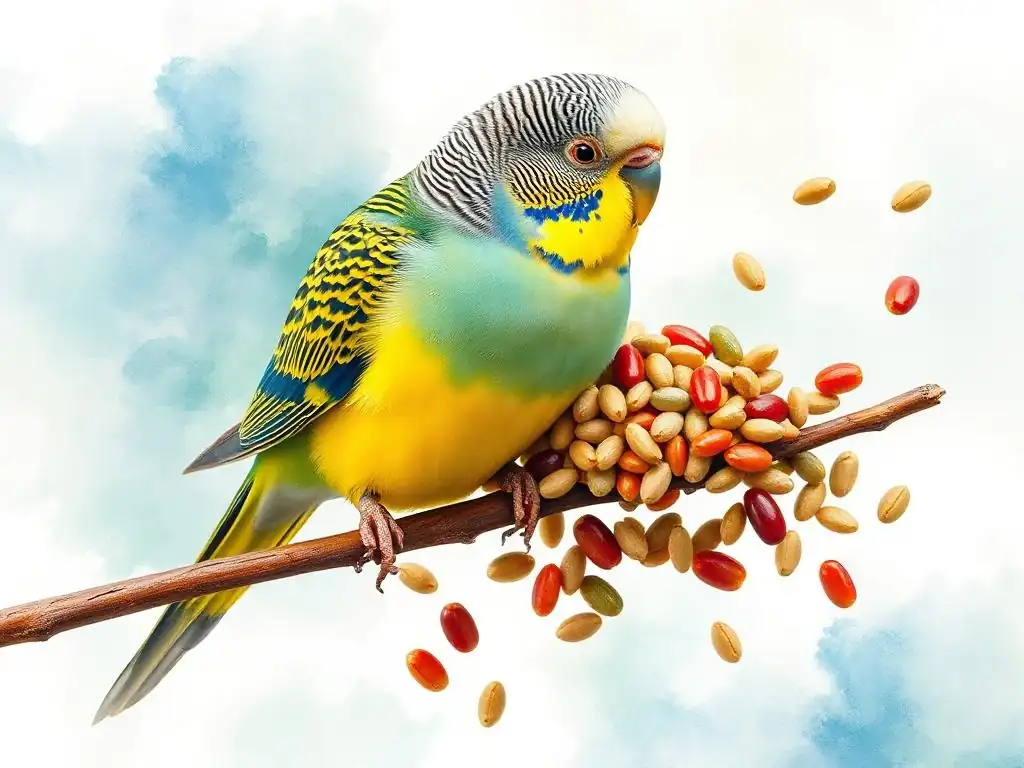
This section delves into the crucial aspects of maintaining your bird's health beyond the core diet of seeds and pellets. A balanced approach encompassing nutritional supplementation, consistent hydration, and proactive veterinary care is paramount for a long and happy life for your feathered friend. Remember, even the best bird seed pellet mix is only part of the equation for overall well-being.
Supplementing Your Bird's Diet: Essential Vitamins and Minerals
While a high-quality seed and pellet mix provides a foundation for good nutrition, supplementing your bird's diet with essential vitamins and minerals can significantly enhance their health and vitality. Many commercially available birdseed blends lack sufficient levels of certain crucial nutrients. Deficiencies can lead to a range of health problems, including weakened immune systems, feather problems, and bone deformities.
To address these potential deficiencies, consider carefully selected supplements. However, it's crucial to consult with an avian veterinarian before introducing any supplements to your bird's diet. They can assess your bird's specific needs and recommend appropriate dosages to avoid potential over supplementation, which can be just as harmful as deficiencies.
Some common vitamins and minerals often supplemented include:
- Vitamin A: Essential for vision, immune function, and growth. Signs of deficiency include dull feathers and respiratory infections.
- Vitamin D3: Crucial for calcium absorption and bone health. Deficiencies can lead to weak bones and muscle weakness.
- Vitamin E: An antioxidant that protects cells from damage. Deficiency can manifest in muscle weakness and reproductive issues.
- Calcium: Essential for strong bones, egg production (in females), and nerve function. Deficiency can lead to bone problems and egg-binding.
- Iodine: Important for thyroid function and metabolism. Deficiencies can cause lethargy and weight gain.
It's vital to choose supplements specifically formulated for birds. Human supplements are often not suitable and can be toxic. Always follow the manufacturer's instructions carefully. Observe your bird for any adverse reactions after introducing a new supplement.
Ensuring Fresh Water Availability
Access to clean, fresh water is just as important as providing a nutritious diet. Dehydration can quickly lead to serious health complications in birds. Always ensure your bird has access to a clean water source, ideally multiple sources in different locations within their cage.
Consider these best practices:
- Frequent water changes: Change your bird's water daily, or even more frequently in hot weather.
- Multiple water dishes: Provide several water dishes of different types (e.g., bowl, sipper bottle) to cater to individual preferences.
- Water quality: Use filtered or bottled water, especially if your tap water has high mineral content or chlorine.
- Regular cleaning: Thoroughly clean water dishes daily to prevent bacterial growth.
💧 Maintaining a constant supply of fresh water is non-negotiable for your bird's health and well-being. Neglecting this simple yet crucial aspect can have severe consequences.
Regular Veterinary Checkups: Early Disease Detection
Proactive veterinary care is essential for early disease detection and prevention. Birds are often masters at hiding illness, making regular checkups crucial for identifying potential problems before they become severe. Avian veterinarians have specialized knowledge to diagnose and treat avian-specific conditions.
Scheduling regular checkups allows for:
- Early detection of diseases: Many bird diseases are treatable if caught early. Regular checkups can help identify subtle signs of illness that might otherwise go unnoticed.
- Preventative care: Vaccinations and other preventative measures can protect your bird from common illnesses.
- Nutritional assessments: Your veterinarian can assess your bird's diet and make recommendations for improvements.
- Behavioral evaluations: They can help identify and address behavioral problems that may stem from underlying health issues.
Establishing a relationship with an avian veterinarian is an investment in your bird's long-term health and happiness. Don't wait until your bird shows obvious signs of illness before seeking professional veterinary care. Regular checkups are key to ensuring a healthy and thriving companion.
Frequently Asked Questions
What is the best bird seed pellet mix?
There's no single "best" mix, as the ideal pellet mix depends on your bird's species, age, and health. Look for mixes with a high percentage of fruits, vegetables, and grains, avoiding those with excessive fillers. Consult your avian veterinarian for personalized recommendations.
Are seed mixes better than pellets for bird nutrition?
Generally, pellets are considered superior to seed mixes for providing complete and balanced nutrition. Seed mixes can lead to nutritional imbalances if birds selectively eat their favorite seeds. Pellets offer a more consistent nutritional profile.
What should I look for when choosing bird seed pellets?
Choose pellets from a reputable brand, designed for your bird's specific species. Check the ingredient list for high-quality protein sources, essential vitamins, and minerals, and avoid artificial colors and preservatives.
How do I transition my bird to a pellet-based diet?
Gradually introduce pellets, mixing them with your bird's current food. Start with a small percentage of pellets and slowly increase the proportion over several weeks to avoid stress and ensure acceptance.
My bird doesn't seem to like pellets. What can I do?
Try different brands and pellet sizes or shapes. You can also sprinkle pellets with desirable seeds or fruits to make them more appealing. Patience and persistence are key; it may take time for your bird to adjust.
Final Reflection: Nourishing Flight: The Enduring Importance of Avian Diet
The choices we make regarding our feathered friends' nutrition directly impact their health, longevity, and overall well-being. A seemingly simple decision—seeds versus pellets—holds profound consequences for the vibrant lives of our companion birds. Understanding the nutritional nuances of each option is not merely a matter of convenience; it's a commitment to responsible pet ownership.
The ongoing debate surrounding the optimal bird diet highlights the evolving understanding of avian nutritional needs. This journey of discovery underscores the importance of continuous learning and adaptation within the pet bird community. The best bird food is the one that best meets the individual needs of the bird.
This simple statement encapsulates the complexity and personalization required for truly responsible bird care. My own experience in researching this topic has reinforced the necessity of moving beyond simplistic solutions and embracing a more nuanced approach to bird nutrition.
Consider the implications of your choices. Are you providing your feathered companion with the building blocks for a long, healthy, and vibrant life? Take the time to research, to understand, and to adapt your feeding practices based on your bird's specific needs and preferences. Empower yourself to become a more informed and responsible bird owner, ensuring that the birds in your care thrive. Let's together foster a community dedicated to providing the best possible care for these magnificent creatures.
Unlock Your Bird's Full Potential: Nourishing Choices for a Happy Life
Thank you for learning about optimal nutrition for your feathered friend! You're now equipped to make informed decisions about their diet. Let's put this knowledge into practice!
- Create a balanced diet today: Use what you've learned to develop a meal plan that includes seeds and pellets in the correct proportions for your bird's specific needs. This is the most crucial step you can take.
- Share your success: Post a photo of your bird enjoying their new, healthy meal on social media, using the hashtag #PetCareWorldNutrition. Let's inspire other bird owners!
- Join our community: Connect with other bird lovers in our PetCareWorld forum to share your experiences, ask questions, and learn from others.
Ready to see your bird flourish with a balanced and exciting diet? What's the first step you'll take to improve your bird's nutrition?