
Choosing the Right Supplements: A Guide for Bird Owners

Welcome to PetCareWorld, your ultimate guide to a happier, healthier life for your beloved companions! Are you looking to give your feathered friend the best possible care? Then you've come to the right place. Discover our comprehensive Best Bird Supplement Guide, packed with expert advice on choosing the right nutritional support to keep your bird thriving. Uncover the secrets to a longer, healthier life for your avian companion – explore now and unlock the power of proper supplementation!
- Understanding Your Bird's Nutritional Needs: A Foundation for Supplement Selection
-
Best Bird Supplement Guide: Types and Benefits
- Vitamin Supplements for Birds: Essential Vitamins and Their Roles
- Mineral Supplements for Birds: Calcium, Phosphorus, and More
- Probiotic Supplements for Bird Gut Health: Maintaining a Balanced Microbiome
- Amino Acid Supplements for Birds: Supporting Feather Growth and Overall Health
- Vitamin and Mineral Supplements for Birds: Addressing Nutritional Gaps
- Probiotic Supplements for Birds: Maintaining Gut Health and Immunity
- Choosing the Right Bird Supplements: A Step-by-Step Guide
- Avoiding Common Mistakes When Supplementing Your Bird's Diet
- Maintaining a Balanced Diet: Supplements as a Complementary Approach
- Long-Term Bird Health and Wellness Through Proper Supplementation
- Frequently Asked Questions
- Final Reflection: Nurturing Flight: The Ongoing Journey of Avian Wellness
- Unlock Your Bird's Health Potential!
Understanding Your Bird's Nutritional Needs: A Foundation for Supplement Selection
Choosing the right supplements for your feathered friend can feel overwhelming. This comprehensive guide aims to demystify the process, helping you navigate the world of bird supplements and make informed decisions to ensure your bird receives optimal nutrition. We'll explore how to identify potential nutritional deficiencies, understand common gaps in commercial bird diets, and ultimately, tailor a supplement plan to your bird's unique needs. This guide serves as your ultimate resource to find the best bird supplement for your specific avian companion, ultimately contributing to their health and longevity.
Remember, a healthy and balanced diet forms the cornerstone of a happy and thriving bird, and supplements should be considered as complementary additions, not replacements, for a well-rounded nutritional plan. This guide will help you become a more informed and confident bird owner, empowered to make the best choices for your bird's well-being. Let's dive in!
Identifying Nutritional Deficiencies in Your Bird
Recognizing potential nutritional deficiencies in your bird is crucial before introducing any supplements. Symptoms can be subtle and often overlooked. Avian nutritional deficiencies can manifest in various ways, impacting your bird's plumage, behavior, and overall health. For example, a dull or patchy plumage might indicate a lack of essential fatty acids or vitamins.
Lethargy, decreased appetite, or changes in droppings can also signal underlying nutritional issues. Furthermore, specific deficiencies can lead to more severe problems. For instance, a calcium deficiency can result in weakened bones and egg-laying difficulties in female birds. A deficiency in Vitamin A can manifest as respiratory problems or eye infections.
It is vital to observe your bird closely for any changes in its behavior or physical appearance. Keeping detailed records of your bird's diet, water intake, and any observed symptoms can be invaluable when consulting with an avian veterinarian. Early identification and intervention are key to preventing more serious health complications. A thorough examination by an avian veterinarian is recommended if you suspect a nutritional deficiency, as they can perform diagnostic tests to pinpoint the exact deficiency and recommend appropriate treatment and supplementation. Early intervention is key to a bird's health. 🦜
Common Nutritional Gaps in Commercial Bird Diets
While many commercial bird diets aim to provide complete and balanced nutrition, certain nutritional gaps can occur. Many commercially available seed mixes, for instance, are often high in fat and low in essential vitamins and minerals. This imbalance can lead to obesity and nutritional deficiencies over time.
Similarly, some pellet-based diets might lack sufficient levels of certain antioxidants or prebiotics crucial for gut health and immune function. Furthermore, the processing of commercial bird foods can sometimes reduce the bioavailability of certain nutrients. This means that even if a nutrient is present in the food, the bird's body might not be able to absorb and utilize it efficiently.
Therefore, understanding the specific formulation of your bird's diet is crucial. Carefully examine the ingredient list and nutritional information provided by the manufacturer. Look for diets that are formulated to meet the Association of Avian Veterinarians (AAV) nutritional guidelines. Supplementing with carefully chosen products can help fill these nutritional gaps, ensuring your bird receives the complete spectrum of nutrients it requires for optimal health. Remember, a varied diet, including fresh fruits, vegetables, and occasional treats, is also essential in complementing any commercial food. A balanced approach is key.
Assessing Your Bird's Individual Dietary Requirements
Every bird is unique, and their dietary needs will vary based on species, age, activity level, and overall health. A young, rapidly growing bird will have different nutritional requirements than a mature adult bird. Similarly, a highly active bird will require a higher caloric intake than a less active bird. Individual health conditions can also influence dietary needs. For example, a bird recovering from illness might require additional supplementation to support its recovery.
To accurately assess your bird's individual dietary requirements, it's beneficial to consult with an avian veterinarian. They can evaluate your bird's health, assess its current diet, and recommend appropriate supplements if necessary. They can also help you understand the specific nutritional needs of your bird's species and life stage.
Additionally, keeping a detailed record of your bird’s diet, behavior, and any observed changes in their health can be invaluable in identifying potential nutritional deficiencies or imbalances. This detailed approach ensures you are providing the best possible care and nutrition for your beloved companion. Remember, a proactive approach to nutrition is crucial for maintaining your bird’s long-term health and well-being.
Best Bird Supplement Guide: Types and Benefits
This section delves into the crucial aspects of choosing the right supplements for your feathered friend. A balanced diet is paramount for a bird's health, but sometimes supplemental support is necessary to address specific nutritional deficiencies or promote overall well-being. This guide will explore various supplement types, highlighting their benefits and considerations for responsible use.
Remember, always consult with an avian veterinarian before introducing any new supplements to your bird's diet. Improper supplementation can be harmful, so informed decisions are key. This guide aims to be your comprehensive resource for navigating the world of bird supplements and making the best choices for your pet.
Vitamin Supplements for Birds: Essential Vitamins and Their Roles
Vitamins are organic compounds vital for numerous bodily functions in birds. Deficiencies can lead to a range of health problems, impacting feather quality, bone strength, immune function, and overall vitality. Different vitamins play distinct roles:
- Vitamin A (Retinol): Crucial for vision, immune function, and maintaining healthy skin and feathers. Deficiencies can manifest as poor feather growth, night blindness, and increased susceptibility to infections. Supplementation should be carefully monitored as excessive Vitamin A can be toxic.
- Vitamin D3: Essential for calcium absorption and bone health. Birds, unlike humans, primarily synthesize Vitamin D3 through exposure to ultraviolet (UV) light. However, supplemental Vitamin D3 may be necessary, especially for indoor birds or those with limited sun exposure. Always follow dosage instructions carefully.
- Vitamin E (Tocopherol): A potent antioxidant protecting cells from damage caused by free radicals. It also plays a role in reproduction and immune function. Deficiencies can lead to muscle weakness and impaired reproduction.
- Vitamin K: Essential for blood clotting. Deficiencies are rare but can result in excessive bleeding.
- B Vitamins (Thiamine, Riboflavin, Niacin, etc.): A group of vitamins crucial for energy metabolism, nerve function, and red blood cell formation. Deficiencies can lead to various neurological problems, fatigue, and anemia. Often found in a combined B-complex supplement.
The specific vitamin needs of your bird will vary depending on its species, age, and overall health. A balanced diet rich in fresh fruits, vegetables, and appropriate seeds usually provides sufficient vitamins. However, targeted supplementation may be necessary under specific circumstances, always under veterinary guidance. For example, breeding birds often require higher doses of certain vitamins to support egg production and chick development. Always choose high-quality, avian-specific vitamin supplements from reputable manufacturers.
Mineral Supplements for Birds: Calcium, Phosphorus, and More
Minerals are inorganic substances that play crucial roles in various physiological processes, including bone formation, enzyme function, and nerve impulse transmission. Calcium and phosphorus are particularly important for birds, especially during periods of rapid growth, egg laying, or molting.
| Mineral | Role | Deficiency Symptoms |
|---|---|---|
| Calcium (Ca) | Bone formation, egg shell production, muscle function | Weak bones, egg-laying problems, muscle weakness |
| Phosphorus (P) | Bone formation, energy metabolism | Weak bones, poor feather quality, reduced growth |
| Magnesium (Mg) | Nerve and muscle function, enzyme activity | Muscle tremors, weakness, impaired nerve function |
| Zinc (Zn) | Enzyme function, immune system | Poor feather quality, impaired growth, immune issues |
| Iron (Fe) | Red blood cell formation | Anemia, fatigue |
Mineral imbalances can have severe consequences. For instance, a calcium deficiency can lead to metabolic bone disease (MBD), a debilitating condition affecting bone structure. Therefore, maintaining a proper calcium-to-phosphorus ratio is crucial. Cuttlebone, a natural source of calcium, is often provided to birds, but supplemental minerals may still be necessary depending on individual needs and diet. Always consult your avian veterinarian to determine the appropriate mineral supplementation strategy for your bird. Over-supplementation can be as detrimental as deficiency.
Probiotic Supplements for Bird Gut Health: Maintaining a Balanced Microbiome
Maintaining a healthy gut microbiome is vital for a bird's overall well-being. Beneficial bacteria in the digestive tract aid in nutrient absorption, immune function, and disease prevention. Probiotic supplements can help restore or maintain a balanced gut flora, particularly after illness, antibiotic treatment, or dietary changes.
Probiotics for birds typically contain strains of Bacillus and Lactobacillus bacteria, specifically selected for their safety and effectiveness in avian species. These beneficial bacteria compete with harmful bacteria, preventing their overgrowth and promoting a healthy digestive environment. The result is improved nutrient absorption, stronger immunity, and better overall health.
Introducing probiotics should be gradual, starting with a lower dosage and gradually increasing as needed. Observe your bird for any adverse reactions, such as diarrhea or changes in behavior. Always choose high-quality, avian-specific probiotic supplements from reputable manufacturers. Remember, probiotics are not a replacement for a proper diet but rather a complementary support for maintaining optimal gut health. A diverse and balanced diet remains crucial for a thriving gut microbiome. 🐦
Amino Acid Supplements for Birds: Supporting Feather Growth and Overall Health
Amino acids are the building blocks of protein, and proteins are essential for a bird's overall health and well-being. They play a crucial role in numerous bodily functions, including feather growth, muscle development, immune system function, and enzyme production. A deficiency in essential amino acids can lead to a variety of problems in birds, including poor feather quality, weakened immune system, reduced growth rate, and even organ damage. Therefore, supplementing a bird's diet with amino acids can be incredibly beneficial, particularly during periods of rapid growth, molting, or illness.
Many bird owners find that supplementing their feathered friends' diets with specific amino acids, like methionine and lysine, leads to noticeable improvements in feather condition. Methionine, for example, is crucial for feather synthesis and strong, vibrant plumage. A bird lacking sufficient methionine may exhibit dull, brittle feathers prone to breakage. Lysine, another essential amino acid, plays a vital role in calcium absorption, which is particularly important for bone health and strong, healthy feathers. A deficiency in lysine can impact feather growth and overall skeletal development.
It's important to note that while amino acid supplements can be beneficial, they should be used judiciously and under the guidance of an avian veterinarian. Over-supplementation can be just as detrimental as a deficiency, potentially leading to imbalances in the bird's nutritional profile. An avian vet can perform a thorough examination to assess your bird's nutritional needs and recommend appropriate supplementation, if necessary.
They can also advise on the correct dosage and the best type of amino acid supplement for your particular bird species and its individual requirements. Remember, a balanced diet, tailored to your bird's specific needs, is always the foundation of good health. Supplements should be viewed as a complement to, not a replacement for, a healthy and varied diet.
Vitamin and Mineral Supplements for Birds: Addressing Nutritional Gaps
Vitamins and minerals are micronutrients crucial for a bird's health, playing vital roles in various metabolic processes. While a high-quality, species-appropriate diet should ideally provide all necessary vitamins and minerals, deficiencies can occur due to various factors, including dietary imbalances, stress, illness, and certain medical conditions. Supplementing with vitamins and minerals can help fill these nutritional gaps and support overall well-being.
Specific vitamin and mineral deficiencies can manifest in diverse ways. For example, a deficiency in Vitamin A can lead to poor feather quality and eye problems, while Vitamin D3 is essential for calcium absorption and bone health. A deficiency in calcium can result in weakened bones, egg-laying problems (in females), and muscle weakness. Similarly, deficiencies in trace minerals like zinc and selenium can negatively impact the immune system and overall health.
Choosing a high-quality vitamin and mineral supplement is critical. Look for products specifically formulated for birds, listing their ingredients clearly and containing a balanced blend of essential vitamins and minerals. Avoid supplements containing added sugars, artificial colors, or preservatives, which can be harmful to birds.
As always, consult an avian veterinarian before introducing any new supplements to your bird's diet to ensure it's appropriate for their species, age, and health condition. They can help determine if supplementation is necessary and recommend the right product and dosage. Remember that prevention is better than cure, and providing a balanced diet rich in fresh fruits, vegetables, and appropriate seeds and pellets will significantly reduce the likelihood of vitamin and mineral deficiencies.
Probiotic Supplements for Birds: Maintaining Gut Health and Immunity
Probiotics are live microorganisms, primarily bacteria, that offer various health benefits when ingested. For birds, probiotic supplements can be particularly beneficial in maintaining a healthy gut microbiome. The gut microbiome is a complex ecosystem of microorganisms that play a crucial role in digestion, nutrient absorption, and immune function. An imbalance in the gut microbiome, often referred to as dysbiosis, can lead to digestive issues, reduced immunity, and increased susceptibility to illness.
Probiotic supplements help restore the balance of beneficial bacteria in the gut, improving digestion and nutrient absorption. This can be particularly helpful for birds recovering from illness, those experiencing digestive problems, or those with compromised immune systems. A healthy gut microbiome also contributes to a stronger immune response, helping birds better fight off infections and diseases. Additionally, some studies suggest that probiotics may help reduce the severity of certain bacterial infections in birds.
When choosing a probiotic supplement for your bird, it's essential to select a product specifically formulated for avian species. The strains of bacteria should be appropriate for birds' digestive systems and should be listed clearly on the product label. It's also crucial to follow the recommended dosage instructions carefully, as over-supplementation can be counterproductive.
As with any supplement, consulting an avian veterinarian before introducing probiotics to your bird's diet is highly recommended. They can help determine if your bird would benefit from probiotic supplementation and guide you in choosing the right product and dosage. Remember that a balanced diet and a clean, hygienic environment also play vital roles in maintaining a healthy gut microbiome.
Choosing the Right Bird Supplements: A Step-by-Step Guide
This section provides a detailed guide to selecting the best bird supplements for your feathered friend. Remember, a balanced diet is paramount, and supplements should complement, not replace, a nutritious diet. This guide focuses on making informed decisions to enhance your bird's health and well-being. Choosing the right supplements is crucial for optimal avian health; this guide helps navigate the complexities and ensures your bird receives the best possible care. We aim to be your ultimate resource for the best bird supplement guide.
Step 1: Consult an Avian Veterinarian for Personalized Recommendations
Before embarking on a supplement regimen for your bird, a consultation with an avian veterinarian is essential. They can assess your bird's specific needs based on factors like species, age, health status, and current diet. Avian vets possess specialized knowledge of avian physiology and nutritional requirements, crucial for avoiding potential health complications. They can identify any underlying deficiencies or health concerns that might necessitate supplementation and recommend appropriate products and dosages. Ignoring this crucial first step can lead to inadvertent harm, so prioritize this professional advice.
For example, a young, rapidly growing cockatoo will have different nutritional needs than an older, established parrot. An avian vet can tailor recommendations to address these differences, ensuring your bird receives precisely what it needs, neither too much nor too little. They can also guide you on potential interactions between supplements and existing medications. Think of it as building a personalized nutritional plan for your feathered companion. This personalized approach is key to finding the best bird supplement guide for your bird.
Furthermore, a thorough physical examination and possibly blood tests can reveal hidden nutritional deficiencies or health issues that may not be immediately apparent. Only a qualified avian vet can accurately interpret these results and provide informed recommendations. This proactive approach to your bird's health is invaluable.
Step 2: Researching Reputable Bird Supplement Brands and Products
Once you have your avian veterinarian's recommendations, you can begin researching reputable brands and products. Look for brands with a history of quality control and transparency. Check for independent testing and certifications that validate the product's purity and potency. Avoid brands that make exaggerated claims or lack scientific evidence to support their assertions. Always prioritize quality over price when it comes to your bird's health. Scrutinize the ingredient list carefully; you want to ensure the product contains what it claims and avoids unnecessary fillers or artificial additives.
Here's a table to help you organize your research:
| Brand Name | Product Name | Key Ingredients | Certifications | Vet Recommendation | Notes |
|---|---|---|---|---|---|
| [Brand Name 1] | [Product Name 1] | [List key ingredients] | [List certifications] | ✅/❌ | [Add any relevant notes] |
| [Brand Name 2] | [Product Name 2] | [List key ingredients] | [List certifications] | ✅/❌ | [Add any relevant notes] |
| [Brand Name 3] | [Product Name 3] | [List key ingredients] | [List certifications] | ✅/❌ | [Add any relevant notes] |
Remember to consider the specific needs identified by your avian veterinarian. For instance, if your bird has a calcium deficiency, you'll need to focus on calcium-rich supplements. If your bird needs additional antioxidants, you'll need to research products with high levels of vitamins C and E. The best bird supplement guide is tailored to your bird's unique situation.
Step 3: Understanding Supplement Dosage and Administration for Birds
Accurate dosage and administration are critical. Never exceed the recommended dosage provided by your veterinarian or on the product label. Over-supplementation can be just as harmful as under-supplementation. Follow the instructions carefully and observe your bird for any adverse reactions. Some birds may be more sensitive to certain supplements than others.
Different supplements require different methods of administration. Some are added directly to food, while others are mixed into water or administered separately. Your avian veterinarian will provide specific instructions tailored to the chosen supplement and your bird's preferences. Always prioritize safety and accuracy to ensure the supplements benefit your bird without causing harm.
Important Considerations for Supplement Administration
Always monitor your bird closely after administering a new supplement. Note any changes in behavior, appetite, or droppings. If you notice any adverse reactions, discontinue use immediately and contact your avian veterinarian.
Store supplements properly according to the manufacturer's instructions to maintain their potency and prevent spoilage.
By following these steps and consulting with an avian veterinarian, you can confidently choose and administer supplements that will contribute to the health and well-being of your beloved bird. Remember that a balanced diet remains the cornerstone of avian health, and supplements should be considered complementary additions, not replacements. This detailed approach will help you become a more informed and responsible bird owner.
Step 4: Monitoring Your Bird's Response to Supplements: Observing for Positive Changes
Monitoring your bird's response to new supplements is crucial for ensuring their safety and effectiveness. Introducing a supplement is not a set-it-and-forget-it process; consistent observation is key to identifying potential issues or positive changes. This involves more than just a quick glance; it requires attentive observation of your feathered friend's behavior, physical condition, and overall well-being.
One of the first things to watch for are improvements in areas you targeted with the supplement. For example, if you're giving a supplement to boost feather quality, look for shinier, healthier-looking feathers. Are they less prone to breakage? Do they seem to preen more effectively? Detailed notes, perhaps in a journal or a dedicated app, can help track these subtle but significant changes. A before-and-after photo comparison can also be a useful tool. Remember, even small improvements can be indicators of the supplement's positive impact.
However, it's equally important to be vigilant for any negative reactions. These can manifest in various ways, from subtle changes in behavior (lethargy, decreased appetite, changes in vocalizations) to more noticeable symptoms like diarrhea, vomiting, or feather plucking. Any sudden or significant changes in your bird's health warrant immediate cessation of the supplement and a consultation with your avian veterinarian. Don't hesitate to contact your vet; early intervention is key to resolving potential issues. They can provide valuable guidance and help determine if the supplement is the cause of any adverse effects.
Remember, every bird is unique, and their response to supplements may vary. What works wonders for one bird might not be suitable for another. This is why careful observation, detailed record-keeping, and open communication with your avian veterinarian are essential components of responsible supplement administration. Don't assume a supplement is beneficial simply because it's marketed as such.
Your bird's well-being is the ultimate measure of success. Pay close attention, and you'll be well-equipped to make informed decisions about your bird's nutritional needs. The best "bird supplement guide" is the one you create through careful observation and collaboration with your avian vet.
Avoiding Common Mistakes When Supplementing Your Bird's Diet
Supplementing your bird's diet can be beneficial, enhancing their overall health and well-being. However, improper supplementation can lead to serious health problems. This section focuses on common pitfalls to avoid when choosing and administering bird supplements, ensuring your feathered friend receives optimal care. A well-informed approach is key to achieving the best results with bird supplements, maximizing their potential benefits while minimizing risks. This guide helps you navigate the complexities of bird nutrition and supplementation.
Over-Supplementing: The Risks of Excess Nutrients
Over-supplementation is a significant concern. Many believe that "more is better," but this couldn't be further from the truth when it comes to vitamins and minerals. Excess nutrients can be just as harmful, if not more so, than deficiencies. For example, excessive Vitamin A can lead to bone abnormalities, liver damage, and even death in birds. Similarly, an overabundance of calcium can cause kidney stones and other urinary tract issues.
The symptoms of over-supplementation can be subtle and easily overlooked, often mimicking other health problems. These can include lethargy, loss of appetite, weight changes (both gain and loss), changes in feather quality, and behavioral shifts. Early detection is crucial. If you suspect over-supplementation, immediately cease giving supplements and consult an avian veterinarian. They can perform diagnostic tests to determine the extent of the issue and recommend a course of action.
Remember, a balanced diet should provide most, if not all, of your bird's nutritional needs. Supplements are meant to complement, not replace, a healthy diet. Always follow the recommended dosage precisely. It's better to err on the side of caution and slightly undersupplement than to risk the severe consequences of overdoing it.
Choosing the Wrong Type of Supplement: Avoiding Potential Conflicts
Selecting the appropriate supplement is paramount. Not all supplements are created equal, and some may even be detrimental to your bird's health. For instance, certain supplements designed for mammals might contain ingredients toxic to birds. Always opt for supplements specifically formulated for avian species, taking into account your bird's specific breed, age, and health status.
Consider the following factors when choosing a supplement:
- Ingredients: Carefully examine the ingredient list. Avoid supplements containing artificial colors, flavors, or preservatives. Look for whole-food sources of vitamins and minerals whenever possible.
- Form: Supplements come in various forms, including powders, liquids, and pellets. The best form depends on your bird's preferences and feeding habits. Some birds readily accept powders mixed into their food, while others may prefer a liquid supplement added to their water.
- Quality: Reputable brands conduct rigorous testing to ensure the purity and potency of their products. Choose supplements from trusted manufacturers with a proven track record.
Ignoring these factors can lead to nutrient imbalances, hindering your bird's health and potentially causing adverse reactions. Always research thoroughly and consult with an avian veterinarian before introducing any new supplement to your bird's diet.
Incorrect Dosage and Administration: Ensuring Safety and Effectiveness
Even the best supplement can be ineffective or harmful if administered incorrectly. Always adhere strictly to the manufacturer's recommended dosage instructions. Never exceed the suggested amount, even if you believe your bird needs a higher dose. This is especially crucial for fat-soluble vitamins (A, D, E, and K), which can accumulate in the body and reach toxic levels.
The method of administration also matters. Some supplements are designed to be mixed into food, while others are given directly. Follow the specific instructions provided with the product. If you're unsure, consult your avian veterinarian for guidance. Consistent administration is key to maximizing the benefits of supplementation. Missed doses can disrupt the effectiveness of the supplement, negating the potential advantages.
Regular monitoring of your bird's health is essential. Pay close attention to their appetite, energy levels, droppings, and overall behavior. Any significant changes could indicate a problem with the supplement or an underlying health issue. Early intervention is vital to preventing serious complications. A proactive approach to bird care ensures a long and healthy life for your beloved companion.
Maintaining a Balanced Diet: Supplements as a Complementary Approach
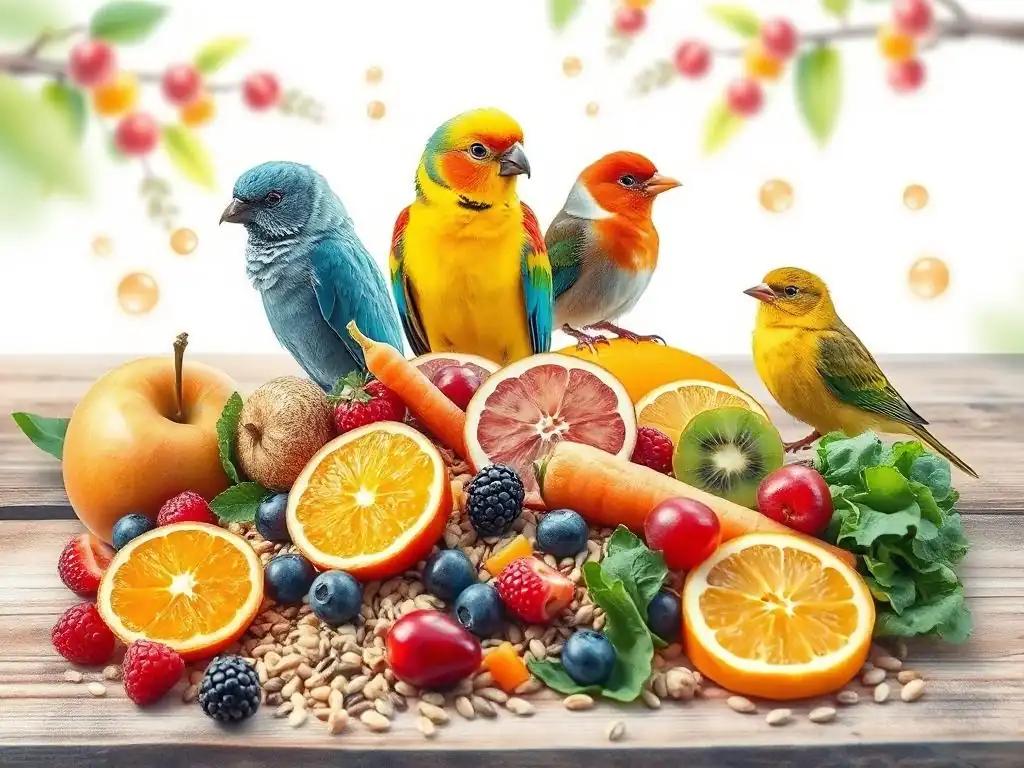
This section focuses on understanding the crucial role of supplements in avian nutrition. Remember, supplements are complementary to a healthy, balanced diet, not a replacement for it. Providing your bird with the right nutrition is paramount for its overall health, vibrant plumage, and longevity. A well-rounded diet significantly reduces the need for excessive supplementation. However, certain circumstances might necessitate the addition of specific vitamins, minerals, or other nutrients to ensure your feathered friend receives everything it needs to thrive.
This section will explore the building blocks of a healthy avian diet and how supplements can help bridge any nutritional gaps. Choosing the best bird supplement requires careful consideration and, ideally, consultation with an avian veterinarian. This guide aims to provide you with the knowledge to make informed decisions about your bird's dietary needs. The best bird supplement guide considers the complete picture of your bird's health and lifestyle.
The Importance of a High-Quality Bird Seed Mix
A high-quality bird seed mix forms the foundation of a parrot's diet, providing essential carbohydrates, fats, and some proteins. However, relying solely on seed mixes is insufficient. Many commercially available mixes are heavily weighted towards low-nutrient fillers like milo and wheat. These fillers provide minimal nutritional value and can lead to obesity and nutritional deficiencies if consumed in large quantities.
Opt for seed mixes specifically formulated for your bird's species, paying close attention to the ingredient list. Look for mixes that contain a balanced proportion of nutritious seeds like sunflower seeds (in moderation), safflower seeds, canary seeds, and oats. The ideal seed mix should provide a good balance of nutrients without being overly high in fat.
Always check the expiration date and store the seed mix in a cool, dry place to maintain freshness and prevent rancidity. A good seed mix is a vital component, but it's only part of a complete avian diet. Supplementing this base with other nutritious foods is crucial.
Fresh Fruits and Vegetables: Essential Components of a Bird's Diet
Fresh fruits and vegetables are crucial for providing your bird with essential vitamins, minerals, antioxidants, and fiber. These components are often lacking in seed mixes alone. A diverse range of fruits and vegetables should be offered daily, ensuring a wide spectrum of nutrients. Examples include:
- Fruits: Apples (without seeds), berries (strawberries, blueberries, raspberries), bananas (in moderation), melon, mango.
- Vegetables: Broccoli, carrots, peas, spinach (in moderation), bell peppers, sweet potatoes.
Remember to wash all produce thoroughly before serving. Introduce new fruits and vegetables gradually to observe for any adverse reactions. Some birds may be more selective than others, so experimentation is key. Variety is the spice of life—and a healthy diet—for your bird. Providing a wide array of fresh produce is essential for maximizing your bird's health and well-being. Ignoring this aspect can lead to nutritional deficiencies that even the best bird supplements may not fully rectify.
Other Dietary Considerations: Water, Treats, and Enrichment
Beyond the core components, several other factors significantly impact a bird's nutritional well-being.
- Water: Always provide fresh, clean water daily. Use multiple water sources to ensure your bird has ready access. Dirty or stagnant water is a breeding ground for bacteria and can cause illness.
- Treats: Treats should be given sparingly. While they can be used for training or bonding, excessive treats can lead to obesity and nutritional imbalances. Choose healthy options like small amounts of cooked pasta, unsalted nuts (in moderation), or small pieces of cooked meat (chicken, turkey).
- Enrichment: Environmental enrichment is crucial for a bird's mental and physical health. Providing toys, perches, and opportunities for exploration helps reduce stress and promotes natural behaviors. A happy, stimulated bird is more likely to maintain a healthy appetite and digestive system.
This detailed approach, focusing on a balanced diet, is crucial before considering supplementary additions. Remember to consult an avian veterinarian before introducing any supplements to your bird's diet. They can help determine any specific nutritional needs based on your bird's species, age, and overall health. Choosing the right supplements is a significant step towards ensuring your bird lives a long, happy, and healthy life. This best bird supplement guide emphasizes the holistic approach to avian nutrition.
Long-Term Bird Health and Wellness Through Proper Supplementation
Proper supplementation plays a crucial role in ensuring the long-term health and wellness of your feathered friend. A balanced diet, tailored to your bird's specific species and life stage, forms the foundation of good health. However, even the most meticulously planned diet may fall short in providing all the necessary micronutrients and vitamins. This is where targeted supplementation steps in, acting as a safety net to address potential nutritional gaps.
Think of supplements as a valuable tool to bolster your bird's immune system, enhance its vibrant plumage, and promote overall vitality. Regular veterinary checkups remain paramount, but strategic supplementation can significantly contribute to your bird's longevity and quality of life. Remember, the goal isn't to over-supplement, but to provide precisely what's needed to support your bird's unique nutritional requirements.
Sustaining Nutritional Balance Throughout Your Bird's Life Stages
A bird's nutritional needs change dramatically throughout its life. Baby birds, for example, require a diet rich in protein for rapid growth and development. This often means specialized formulas designed for fledglings. As they mature into adults, their dietary needs shift, requiring less protein and a greater emphasis on maintaining a healthy weight. Senior birds, on the other hand, may experience decreased metabolic rates and require supplements supporting joint health and immune function. Consider these examples:
- Baby Budgies: Often benefit from supplements containing higher levels of calcium and vitamin D3 for proper bone development.
- Adult Cockatoos: May require supplements with antioxidants to combat oxidative stress and support their large size and active metabolism.
- Senior Parakeets: Could benefit from supplements rich in glucosamine and chondroitin to maintain joint health and mobility.
Failing to adapt supplementation strategies to these life stages can lead to various health problems, ranging from skeletal deformities in young birds to weakened immunity and organ dysfunction in older birds. Regular consultations with an avian veterinarian are crucial to guide you on the best supplementation plan for your bird's specific needs at each stage of its life. This proactive approach to nutrition is a cornerstone of responsible bird ownership, ensuring your companion enjoys a long and healthy life.
Recognizing Signs of Nutritional Deficiency or Imbalance in Birds
Recognizing subtle signs of nutritional deficiencies or imbalances in your bird is critical for timely intervention. While some deficiencies manifest dramatically, others present more subtly, requiring a keen eye for detail. Early detection is key to preventing serious health complications. Here are some common indicators to watch for:
- Changes in Feather Quality: Dull, brittle, or excessively dry feathers can indicate a deficiency in essential fatty acids, vitamins, or minerals. Sudden feather loss or changes in plumage color may also signal a problem.
- Lethargy and Reduced Activity: A noticeable decrease in your bird's energy levels, accompanied by decreased interest in play or interaction, may indicate a broader nutritional issue.
- Digestive Issues: Changes in droppings (consistency, color, frequency) can be a significant clue. Diarrhea, constipation, or changes in appetite should be addressed promptly.
- Behavioral Changes: Increased aggression, anxiety, or unusual behaviors can sometimes be linked to underlying nutritional imbalances.
- Bone Deformities: In young birds, skeletal deformities like bowed legs can be a clear sign of calcium or vitamin D deficiency.
Early intervention is paramount. If you suspect a nutritional deficiency, consult your avian veterinarian immediately. They can perform thorough examinations, including blood tests, to identify the specific deficiency and recommend appropriate treatment and dietary adjustments. Remember, prompt action can significantly improve your bird's prognosis and quality of life. Don't hesitate to seek professional help when in doubt.
Building a Strong Relationship with Your Avian Veterinarian for Ongoing Care
Building a strong and trusting relationship with an avian veterinarian is essential for your bird's health. Avian vets possess specialized knowledge and experience in caring for birds, enabling them to diagnose and treat a wide range of health issues, including those linked to nutritional deficiencies. Regular checkups are crucial, allowing your vet to monitor your bird's overall health, assess its weight, and evaluate its nutritional status.
This proactive approach is far more effective than reactive treatment. Your vet can provide personalized advice on appropriate dietary choices and supplementation strategies, considering your bird's species, age, and overall health. They can also offer guidance on selecting high-quality bird food and supplements, ensuring you're providing the best possible nutrition for your feathered companion. Remember, your avian veterinarian is your partner in ensuring your bird enjoys a long, healthy, and fulfilling life. Regular communication and proactive care are key to building a strong foundation for your bird's well-being.
Frequently Asked Questions
What are the most important nutrients to consider when choosing bird supplements?
Bird supplements should focus on essential vitamins like A, D3, and E, along with minerals such as calcium and iodine. Amino acids and antioxidants are also crucial for a healthy immune system and overall well-being.
How do I know if my bird needs supplements?
Observe your bird for signs of poor feather condition, lethargy, or changes in appetite. Consult with an avian veterinarian to determine if supplementation is necessary and to identify any deficiencies. A vet can also help you determine the right dosage and type of supplement.
Are there any supplements I should avoid giving my bird?
Avoid supplements containing added sugars, artificial colors, or preservatives. Always check the ingredients list carefully and opt for bird-specific formulations from reputable brands. Never give human supplements to your bird.
How do I safely introduce a new supplement to my bird's diet?
Start by introducing the supplement gradually to avoid upsetting your bird's digestive system. Begin with a small amount and monitor your bird's reaction closely. Consult your vet for guidance on the appropriate dosage and administration method.
Where can I find reputable bird supplements?
Look for supplements from trusted brands that are specifically formulated for birds and undergo third-party testing to ensure quality and purity. Your avian veterinarian can also recommend reputable suppliers in your area. Always read reviews before purchasing.
Final Reflection: Nurturing Flight: The Ongoing Journey of Avian Wellness
The health and vitality of our feathered companions depend on more than just seeds and water; responsible bird ownership necessitates a deep understanding of nutritional supplementation. A balanced diet, enriched with the right supplements, is the cornerstone of a long and happy life for our beloved birds. This understanding is crucial not only for individual bird health but also for the responsible stewardship of these incredible creatures.
The impact of proper avian nutrition extends far beyond the individual bird; it speaks to our commitment to animal welfare and the preservation of biodiversity. The greatness of a nation and its moral progress can be judged by the way its animals are treated.
- Mahatma Gandhi. This quote, while broad in scope, perfectly encapsulates the responsibility we bear as bird owners. Our choices, from the food we provide to the supplements we carefully select, reflect our dedication to their well-being and contribute to a larger conversation about ethical animal care. The ongoing research and development in avian nutrition underscore the ever-evolving nature of this commitment, demanding continuous learning and adaptation from responsible owners.
Consider the information presented in this guide as a starting point, not a destination. You are now equipped with the knowledge to make informed decisions about your bird's nutritional needs. Take the time to research further, consult with avian veterinarians, and observe your bird's individual responses to different supplements. Remember, the journey towards optimal avian health is a collaborative one, requiring careful observation, proactive care, and a deep love for your feathered friend. Embrace this responsibility, and together, we can ensure a brighter, healthier future for our avian companions.
Unlock Your Bird's Health Potential!
Thank you for learning about choosing the right supplements for your feathered friend. We hope this guide has empowered you to make informed decisions about your bird's nutritional well-being. Now, let's put that knowledge into practice!
- Prioritize your bird's individual needs: Carefully consider your bird's diet and consult with an avian veterinarian to determine if any supplements are necessary and, if so, which ones are most beneficial. This is crucial for ensuring your bird thrives.
- Choose high-quality supplements from reputable brands: Thoroughly research manufacturers, read reviews, and carefully examine labels. Your avian veterinarian can also provide valuable recommendations.
- Share your knowledge and experience: Let other bird owners know what you've discovered. What steps have you already taken to improve your bird's health?
What specific nutrient are you focusing on supplementing in your bird's diet, and why is this nutrient important to you?