
Lead's Legacy: How Lead Poisoning Can Affect Your Bird's Health

Welcome to PetCareWorld, your ultimate guide to a happier, healthier life for your beloved companion! Are you concerned about your feathered friend? We delve into the often-overlooked dangers of bird lead poisoning symptoms in our latest article, "Lead's Legacy: How Lead Poisoning Can Affect Your Bird's Health." Discover crucial information to protect your bird and ensure their well-being. Learn the signs, understand the risks, and take proactive steps to safeguard your avian companion. Explore our comprehensive resources and become a more informed and confident pet owner today!
- Understanding Bird Lead Poisoning Symptoms and Sources
- Diagnosing Lead Poisoning in Birds: Tests and Procedures
- The Impact of Lead Poisoning on Avian Health: A Comprehensive Overview
- Treatment Options for Lead-Poisoned Birds: Effective Interventions
- Preventing Lead Poisoning in Birds: Proactive Measures
- Long-Term Prognosis and Management of Lead Poisoning in Birds
- Frequently Asked Questions
- Final Reflection: A Legacy of Lead, A Future of Prevention
- Unlock Your Bird's Healthiest Future
Understanding Bird Lead Poisoning Symptoms and Sources
Lead poisoning is a serious and often fatal threat to pet birds. Unlike mammals, birds lack the same enzymatic pathways for lead detoxification, making them incredibly vulnerable to even low levels of exposure. This article will delve into the critical aspects of avian lead poisoning, focusing on recognizing early symptoms, identifying common sources of lead exposure, and implementing practical steps to safeguard your feathered friend.
Understanding the subtle signs of lead toxicity and proactively mitigating exposure risks are crucial for ensuring the long-term health and well-being of your beloved bird. This guide aims to equip pet owners with the knowledge necessary to prevent and address this potentially devastating health concern, ultimately contributing to a happier and healthier life for your avian companion.
We will explore the various ways lead can enter your bird's system and how to identify and eliminate these hazards effectively, thereby helping you protect your bird from the devastating effects of lead poisoning. Early detection is key, and this guide will provide you with the tools to recognize the warning signs and take appropriate action.
Recognizing Early Signs of Lead Toxicity in Birds
Lead poisoning in birds often presents with subtle and non-specific symptoms, making early diagnosis challenging. Early detection is crucial, as the progression of lead toxicity can be rapid and irreversible. 🐦 Owners should be vigilant and seek immediate veterinary attention if they observe any of the following signs:
- Lethargy and weakness: A noticeable decrease in energy levels, difficulty perching, and a general lack of activity.
- Changes in appetite: Significant decreases or increases in food intake, or a complete loss of appetite (anorexia).
- Gastrointestinal issues: Diarrhea, vomiting, or regurgitation.
- Neurological signs: Tremors, seizures, head-tilting, incoordination, and paralysis.
- Behavioral changes: Increased aggression, unusual vocalizations, or self-mutilation.
- Anemia: Pale combs, wattles, and mucous membranes, indicating a low red blood cell count.
- Weight loss: A significant decrease in body weight despite normal food intake.
It's important to note that these symptoms can mimic other illnesses. Therefore, prompt veterinary examination is paramount for accurate diagnosis and appropriate treatment. A blood test to measure lead levels is crucial for confirmation. Delaying treatment can lead to severe complications and potentially death. Don't hesitate to contact an avian veterinarian if you suspect your bird might be suffering from lead poisoning.
Common Sources of Lead Exposure for Pet Birds
Lead exposure in pet birds can stem from various sources often found in the home environment. Awareness of these potential hazards is the first step towards prevention. Here are some common culprits:
- Lead-based paint: Older homes may contain lead-based paint, which can chip and flake, becoming a source of ingestion for birds.
- Lead-contaminated soil: Birds may ingest lead-contaminated soil while foraging in their cages or if they have access to outdoor spaces.
- Soldered joints: Lead solder was commonly used in older plumbing systems and cage components. Chewing on these areas can expose birds to lead.
- Fishing weights and sinkers: These can be accidentally ingested if left within reach of the bird.
- Lead-based toys: Some older toys may contain lead paint or components.
- Certain types of clay: Some types of clay used in bird toys or perches may contain lead.
- Improperly glazed ceramics: Lead can leach from improperly glazed ceramic bowls or perches.
Regular inspection of your bird's environment is crucial to identify and eliminate these potential hazards.
Identifying Lead in Your Bird's Environment: A Practical Guide
Proactive identification and removal of lead sources is paramount to preventing lead poisoning in your bird. Here's a practical guide to help you assess your bird's environment:
| Item | Inspection Method | Remediation |
|---|---|---|
| Cages & Accessories | Thoroughly inspect all cage bars, perches, toys, and food/water dishes for chipping paint, solder, or unusual materials. | Replace any suspect items immediately. Use lead-free alternatives. |
| Home Environment | Check for peeling paint, especially in areas accessible to your bird. | Repair or remove any peeling paint. Consider professional lead abatement if necessary. |
| Soil (if applicable) | If your bird has access to outdoor areas, have the soil tested for lead content. | Limit your bird’s access to outdoor areas or provide a lead-free foraging substrate. |
| Toys | Regularly inspect all toys for wear and tear and signs of lead-based materials. | Replace worn-out toys immediately. Choose toys made from safe, non-toxic materials. |
Remember, prevention is key. By diligently inspecting your bird's environment and taking proactive measures, you can significantly reduce the risk of lead poisoning and ensure your feathered friend enjoys a long and healthy life. Regular veterinary checkups are also essential to detect any potential health issues early.
Diagnosing Lead Poisoning in Birds: Tests and Procedures
Lead poisoning in birds is a serious condition requiring prompt and accurate diagnosis for effective treatment. Early detection is crucial for improving the chances of a positive outcome. Veterinarians utilize several diagnostic methods to identify lead toxicity and determine the severity of the bird's condition. Understanding these tests is vital for bird owners concerned about potential bird lead poisoning symptoms.
Blood Tests for Lead Levels in Avian Patients
Blood tests are the cornerstone of diagnosing lead poisoning in birds. Avian blood samples are analyzed for lead concentrations using techniques like atomic absorption spectroscopy (AAS) or inductively coupled plasma mass spectrometry (ICP-MS). These highly sensitive methods can detect even minute amounts of lead in the bloodstream, providing a quantitative measure of the bird's lead burden. The results are typically expressed in micrograms per deciliter (µg/dL) or parts per billion (ppb).
A high blood lead level definitively indicates lead poisoning. However, the absence of elevated lead in a blood test doesn't entirely rule out the possibility, especially in cases of chronic low-level exposure where lead may have accumulated in other tissues before showing up in the bloodstream. It's important to note that the severity of clinical signs doesn't always correlate directly with blood lead levels. Some birds might exhibit significant symptoms with relatively low lead concentrations, while others may show minimal signs despite higher levels. This underscores the importance of a comprehensive diagnostic approach.
The timing of blood tests is critical. Ideally, blood should be collected as early as possible following suspected exposure. Repeated blood tests may be necessary to monitor treatment effectiveness and assess the bird's response to chelation therapy. Furthermore, precise sample collection techniques are essential to avoid contamination and ensure accurate results. Contamination with lead from equipment or handling can lead to false-positive results.
X-ray Analysis for Lead Detection in Birds
While blood tests measure lead in the bloodstream, X-rays can help visualize the presence of lead in the bird's body. Radiographic imaging can reveal lead fragments, shot, or other lead-containing materials that the bird might have ingested. This is particularly useful in cases where the source of lead exposure is unknown or suspected to be from ingested foreign bodies.
X-rays can show lead as radiopaque densities, appearing as bright white areas on the image. The location and size of these densities can provide valuable information about the extent of lead accumulation and guide further treatment decisions. However, X-rays alone cannot quantify the amount of lead present, making blood tests a necessary complement. This imaging technique is especially helpful in detecting lead fragments lodged in the gastrointestinal tract or other tissues.
The interpretation of X-ray images requires expertise. Veterinarians experienced in avian medicine can accurately identify lead-related radiographic findings and distinguish them from other conditions that might produce similar radiographic appearances. The sensitivity of X-ray detection depends on the size and location of the lead particles; small amounts might not be visible on standard X-rays.
Other Diagnostic Methods to Confirm Lead Poisoning
Beyond blood tests and X-rays, other diagnostic tools may be employed to support the diagnosis of lead poisoning in birds. These methods provide additional information and help to paint a complete picture of the bird's condition.
- Clinical Examination: A thorough physical examination is paramount. Veterinarians assess the bird's overall condition, looking for bird lead poisoning symptoms such as neurological signs (weakness, tremors, seizures), gastrointestinal issues (vomiting, diarrhea), or anemia. These observations, combined with the bird’s history and exposure risk, help guide further investigations.
- Histopathology: In some cases, tissue biopsies might be examined under a microscope (histopathology) to detect the presence of lead deposits within cells and organs. This is a more invasive procedure, typically reserved for cases where other diagnostic methods are inconclusive or when a detailed assessment of organ damage is needed.
- Necropsy (Post-Mortem Examination): If the bird unfortunately succumbs to lead poisoning, a necropsy can confirm the diagnosis and provide insights into the extent of organ damage caused by lead toxicity. This examination allows for direct visualization of lead deposits in various organs and tissues.
The combined use of these diagnostic techniques ensures a comprehensive assessment of the bird's condition and enables veterinarians to develop a tailored treatment plan to address the lead poisoning effectively. Early diagnosis and prompt treatment are vital for improving the prognosis and increasing the bird's chances of recovery.
The Impact of Lead Poisoning on Avian Health: A Comprehensive Overview
Lead poisoning is a serious and often fatal condition affecting birds. Exposure to lead, even in small amounts, can have devastating consequences for their health and well-being. Understanding the various ways lead can impact avian health is crucial for pet bird owners to implement preventative measures and recognize the early warning signs of lead toxicity. This section will explore the multifaceted effects of lead poisoning on birds, focusing on the key symptoms and their underlying mechanisms.
The severity of lead poisoning depends on several factors, including the amount of lead ingested, the bird's species, age, and overall health. Early detection and intervention are paramount for improving the chances of successful treatment and recovery. Recognizing the signs of bird lead poisoning symptoms is vital for ensuring your feathered friend receives prompt veterinary care.
Neurological Symptoms of Lead Poisoning in Birds
Neurological dysfunction is a hallmark of lead toxicity in birds. Lead interferes with the nervous system's normal functioning, leading to a range of behavioral and physical changes. These can manifest as subtle alterations initially, easily overlooked by inexperienced owners. Common neurological bird lead poisoning symptoms include:
- Ataxia: Loss of coordination and balance, resulting in unsteady gait and difficulty perching. Birds may appear clumsy or fall from their perches frequently.
- Tremors: Involuntary shaking or trembling, often affecting the head, wings, or legs. The severity of tremors can vary, ranging from mild shaking to severe convulsions.
- Seizures: Severe neurological episodes characterized by sudden, involuntary muscle contractions. Seizures can be life-threatening and require immediate veterinary attention.
- Lethargy and Depression: Birds exhibiting lead poisoning may display reduced activity levels, decreased responsiveness, and a general lack of interest in their surroundings. They may become withdrawn and less interactive.
- Head Pressing: A characteristic symptom where the bird presses its head against the cage bars or other surfaces. This behavior is indicative of neurological impairment.
The underlying mechanism involves lead's interference with neurotransmitter function, disrupting the delicate balance of nerve impulses crucial for normal motor control and cognitive function. The severity of neurological signs often correlates with the level of lead in the bird's bloodstream.
Gastrointestinal Issues Associated with Lead Toxicity
Lead poisoning also significantly impacts a bird's digestive system. The gastrointestinal tract is a primary route of lead absorption, and exposure can cause a range of gastrointestinal disturbances. These symptoms often appear alongside neurological signs, adding to the complexity of diagnosis. Key gastrointestinal manifestations include:
- Anorexia: Loss of appetite leading to weight loss and malnutrition. This is a serious concern as birds have high metabolic rates and require consistent food intake.
- Vomiting: Forceful expulsion of stomach contents. This can be a sign of significant gastrointestinal distress and may indicate advanced lead poisoning.
- Diarrhea: Frequent and watery stools, often accompanied by changes in stool color and consistency. This can lead to dehydration and further compromise the bird's health.
- Greenish or Dark-Colored Droppings: A change in the color of the droppings can be a subtle but important indicator of lead toxicity. The exact color variation can depend on the bird species and the severity of the poisoning.
These gastrointestinal symptoms are a result of lead's direct toxic effects on the intestinal lining and its interference with digestive enzyme activity. The resulting malabsorption of nutrients further weakens the bird, making it more susceptible to secondary infections and complications.
Hematological Abnormalities Caused by Lead Exposure in Birds
Lead poisoning also causes significant hematological abnormalities in birds. Lead interferes with the production and function of red blood cells, resulting in anemia and other blood disorders. These hematological changes are often subtle initially but can progress to life-threatening conditions if left untreated. Key hematological bird lead poisoning symptoms include:
- Anemia: A reduction in the number of red blood cells, resulting in reduced oxygen-carrying capacity. This can lead to weakness, lethargy, and pale mucous membranes.
- Basophilic Stippling: The presence of small, dark blue granules within red blood cells, visible under a microscope. This is a characteristic finding in lead poisoning and helps confirm the diagnosis.
- Reduced Hemoglobin Levels: Hemoglobin is the protein in red blood cells that carries oxygen. Lead poisoning reduces the amount of hemoglobin, further contributing to anemia and oxygen deprivation.
- Increased fragility of red blood cells: Leading to hemolysis (destruction of red blood cells).
These hematological abnormalities stem from lead's inhibition of heme synthesis, a crucial step in the production of hemoglobin. The resulting anemia weakens the bird and increases its susceptibility to other health problems. Detailed blood analysis is essential for diagnosing and monitoring the severity of lead-induced hematological changes. Early detection and treatment are crucial to mitigate the long-term effects on the bird's health.
Lead Poisoning and Reproductive Issues in Birds
Lead toxicity in birds can significantly impact their reproductive capabilities, leading to a range of debilitating consequences. The subtle nature of these effects often makes diagnosis challenging, delaying crucial intervention. Lead's interference with hormonal balance is a primary culprit. Studies have shown that even relatively low levels of lead in a bird's system can disrupt the delicate endocrine system responsible for egg production, mating behavior, and successful fertilization.
This hormonal disruption can manifest in several ways. For instance, females might experience reduced egg production, laying fewer eggs than usual or ceasing egg production altogether. The eggs themselves may be smaller, thinner-shelled, or even infertile, resulting in failed breeding attempts.
Furthermore, lead poisoning can directly affect the development of the reproductive organs. Chronic exposure to lead can cause damage to the ovaries in females and the testes in males, impairing their functionality. This damage can be irreversible, leading to permanent infertility in severely affected birds. The resulting impact on breeding populations can be substantial, especially in already vulnerable species.
The inability to successfully reproduce contributes to population decline and threatens the long-term survival of avian species. Careful monitoring of breeding pairs, particularly those exhibiting subtle signs of lead poisoning, is crucial for early intervention and prevention of further reproductive damage. Veterinary intervention, including chelation therapy, may be necessary to mitigate lead's harmful effects and improve reproductive outcomes.
Early detection is key to preventing irreversible damage and preserving the bird's reproductive health. The long-term consequences of lead poisoning on avian reproductive health highlight the critical need for lead-safe environments for pet birds and wild bird populations alike. This includes responsible handling of lead-based materials and prompt veterinary attention at the first sign of reproductive problems.
Treatment Options for Lead-Poisoned Birds: Effective Interventions
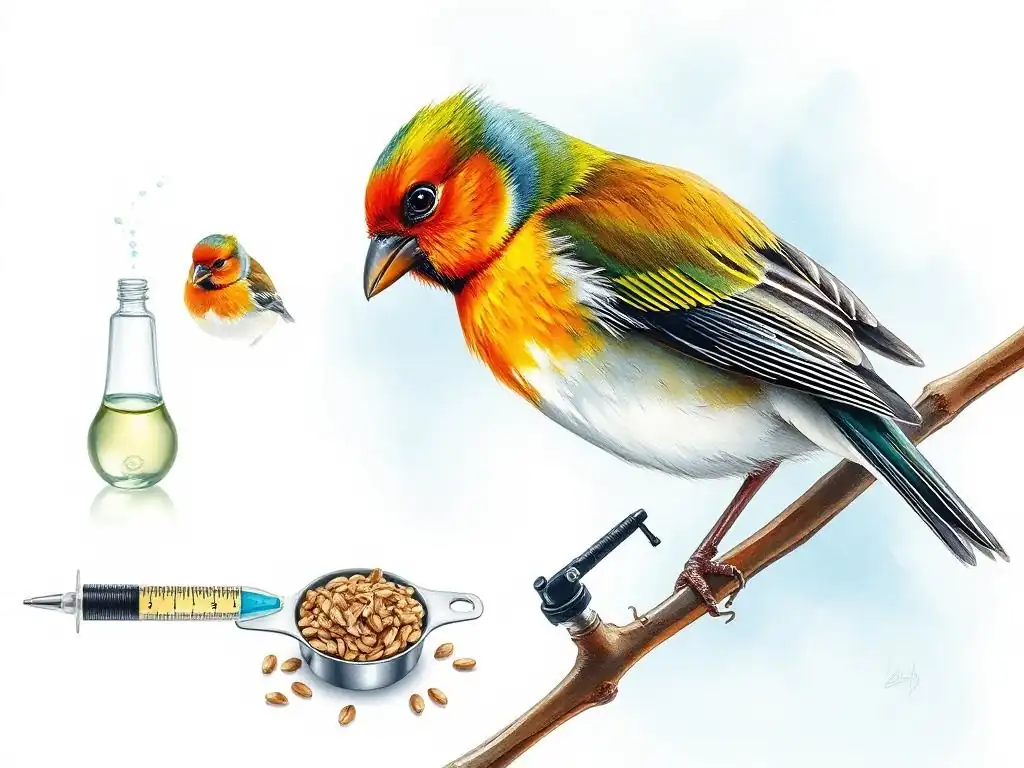
Lead poisoning in birds is a serious condition requiring prompt and comprehensive treatment. The severity of the poisoning and the bird's overall health will influence the treatment approach. Early intervention significantly improves the chances of a positive outcome. Recognizing the early signs of bird lead poisoning symptoms is crucial. Delaying treatment can lead to irreversible organ damage and even death. This section details the key treatment strategies employed to combat lead toxicity in avian patients.
Chelation Therapy for Lead Removal in Birds
Chelation therapy is the cornerstone of lead poisoning treatment in birds. This involves administering chelating agents, medications that bind to lead ions, facilitating their removal from the body via the kidneys and feces. The most commonly used chelating agent for avian lead poisoning is calcium disodium EDTA (CaNa 2 EDTA). This medication is typically administered intravenously (IV) or intramuscularly (IM) by a veterinarian, often requiring hospitalization for close monitoring.
The dosage and frequency of CaNa 2 EDTA administration are carefully determined based on the bird's species, size, and the severity of the lead poisoning. Blood lead levels are regularly monitored to assess the effectiveness of the treatment and adjust the dosage accordingly. Several factors influence the success of chelation therapy, including the bird’s overall health, the duration of lead exposure, and the extent of organ damage.
It's crucial to understand that chelation therapy is not without potential side effects. These can include kidney damage, electrolyte imbalances, and gastrointestinal upset. Therefore, careful monitoring by an avian veterinarian is essential throughout the treatment process. The veterinarian will regularly assess the bird’s condition, checking for signs of improvement or adverse reactions to the medication.
Supportive Care to Manage Symptoms
While chelation therapy focuses on removing lead from the body, supportive care addresses the symptoms and complications arising from lead poisoning. This may include:
- Fluid therapy: Intravenous fluids help maintain hydration, especially crucial if the bird is experiencing vomiting or diarrhea. Dehydration can exacerbate the effects of lead poisoning, so maintaining proper hydration is paramount.
- Nutritional support: Birds suffering from lead poisoning may have decreased appetites or difficulty digesting food. Nutritional support, possibly through syringe feeding or specialized diets, ensures the bird receives adequate nutrients to aid recovery.
- Gastrointestinal management: If the bird exhibits vomiting or diarrhea, medications may be administered to control these symptoms and prevent further dehydration.
- Respiratory support: Lead poisoning can affect respiratory function. In severe cases, oxygen therapy may be necessary to support breathing.
- Pain management: Analgesics may be administered to alleviate pain and discomfort if present.
The need for supportive care is highly dependent on the severity of the bird's condition. Mild cases may only require fluid support and dietary adjustments, while severe cases may necessitate more intensive care. Regular monitoring of vital signs, such as heart rate and respiratory rate, is essential to gauge the bird's response to treatment.
Dietary Adjustments and Nutritional Support
Once the acute phase of lead poisoning has passed and chelation therapy is complete, dietary adjustments are crucial for long-term recovery and preventing future lead exposure. This involves:
- Eliminating lead sources: Thoroughly investigate and eliminate any potential sources of lead in the bird's environment, including contaminated food, water, or perches.
- Providing a balanced diet: A high-quality, balanced diet rich in essential nutrients is crucial to support the bird's recovery and overall health. This diet should be formulated specifically for the bird's species and age.
- Supplementing essential nutrients: Depending on the extent of the lead poisoning, additional supplementation of specific vitamins and minerals may be necessary to address any deficiencies caused by the toxicity.
Careful attention to diet and environmental factors is essential to prevent relapse and promote a full recovery. Regular veterinary check-ups are recommended to monitor blood lead levels and ensure the bird remains healthy. Careful management of the bird's environment and diet is a key part of long-term care after lead poisoning. Providing a safe and healthy environment is crucial for the bird's well-being and longevity.
Preventing Lead Poisoning in Birds: Proactive Measures
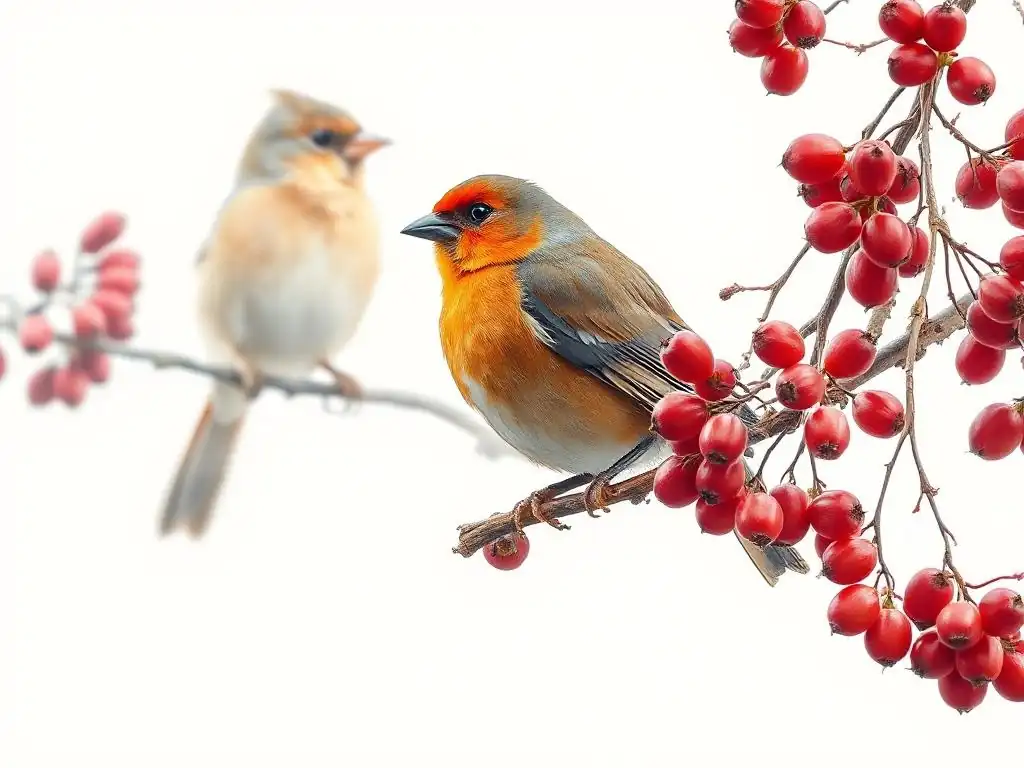
Lead poisoning in birds is a serious, often fatal, condition. Prevention is paramount, and proactive measures significantly reduce the risk. Understanding the sources of lead exposure and taking steps to eliminate them is crucial for ensuring your feathered friend's well-being. This section focuses on practical strategies to minimize your bird's exposure to lead, helping you avoid the devastating effects of lead poisoning and its associated symptoms. Early intervention is key when dealing with bird lead poisoning symptoms.
Safeguarding Your Bird's Environment from Lead Hazards
Lead is surprisingly ubiquitous. Many seemingly innocuous household items can contain lead, posing a significant threat to birds. These include:
- Old paint chips: Paint manufactured before 1978 often contained high levels of lead. Ensure your home is free of peeling or chipping paint, particularly in areas accessible to your bird. Regular inspections are essential.
- Soldered items: Items with soldered joints, such as older cages or water dishes, may contain lead solder. Opt for newer cages and accessories made with lead-free materials.
- Lead weights: Fishing weights, sinkers, and even some decorative items can contain lead. Keep these well out of reach of your bird.
- Certain types of pottery: Some antique or handcrafted pottery may contain lead glazes. Avoid using such items near your bird's cage.
- Dust and soil: Lead can accumulate in soil and dust, particularly in older homes. Regular cleaning and vacuuming can help minimize exposure.
Remember, even small amounts of lead can be toxic to birds. A vigilant approach to environmental safety is the first line of defense against lead poisoning. Regularly inspect your bird's environment, removing anything that might contain lead. Consider using lead testing kits to identify potential hazards. The proactive removal of lead sources significantly reduces the risk of your bird exhibiting bird lead poisoning symptoms.
Choosing Lead-Free Toys and Accessories for Birds
Selecting lead-free toys and accessories is crucial for preventing lead poisoning. Many bird toys, especially older ones or those imported from countries with less stringent safety regulations, may contain lead paint or components. Always choose toys and accessories from reputable manufacturers that clearly state they are lead-free. Look for certifications or labels confirming the absence of lead.
Here's what to consider when purchasing bird supplies:
- Check for certifications: Look for certifications from organizations that ensure product safety and the absence of lead.
- Read product descriptions carefully: Pay close attention to the materials used in the manufacturing process.
- Avoid toys with chipped paint or questionable materials: If the paint looks worn or the materials seem suspect, err on the side of caution and avoid the product.
- Purchase from trusted vendors: Buy from reputable pet stores or online retailers known for their commitment to product safety.
By choosing lead-free toys and accessories, you actively contribute to a safe and healthy environment for your bird, reducing the likelihood of lead exposure and mitigating the risk of bird lead poisoning symptoms. Remember, a proactive approach to toy selection is a vital part of preventative care.
Regular Veterinary Checkups for Early Detection
Regular veterinary checkups are essential for early detection of lead poisoning. Even without obvious symptoms, your avian companion might be suffering from low-level lead exposure. A veterinarian can perform blood tests to measure lead levels and identify any potential problems before they escalate. Early detection increases the chances of successful treatment and a positive outcome.
The frequency of checkups will depend on your bird's age, breed, and overall health. However, annual checkups are generally recommended. During these visits, discuss any concerns you may have about lead exposure or any unusual behaviors your bird is exhibiting. Early detection of bird lead poisoning symptoms, even subtle ones, is critical. Don't hesitate to seek veterinary advice if you suspect any problems, even if your bird appears outwardly healthy. Preventative care and early detection are invaluable in protecting your bird from the devastating effects of lead poisoning.
Long-Term Prognosis and Management of Lead Poisoning in Birds
Lead poisoning in birds, while treatable in its early stages, can leave lasting impacts on their health and well-being. The prognosis significantly depends on several factors, including the severity of the poisoning, the bird's overall health prior to exposure, the promptness of diagnosis and treatment, and the bird's species and age. Smaller birds, for example, tend to be more vulnerable and may experience more severe consequences than larger parrots. Early intervention is crucial for a positive outcome; the quicker treatment begins, the better the chances of a full recovery.
Even with successful treatment, however, some birds may experience lingering health issues. Careful monitoring and ongoing management are essential for ensuring the bird's long-term health and quality of life. Understanding the potential long-term effects and adapting the bird's lifestyle accordingly is paramount for responsible pet ownership. This section will delve into the specifics of post-treatment care and long-term management strategies.
Monitoring Lead Levels After Treatment
Following successful chelation therapy – the primary treatment for lead poisoning – it's vital to monitor the bird's lead levels regularly. This involves collecting blood samples and analyzing them using specific laboratory tests designed to detect lead concentrations. The frequency of these tests depends on the bird's initial lead levels, the response to treatment, and the presence of ongoing symptoms.
Some birds may require weekly monitoring in the initial recovery phase, while others might only need testing every few months once their lead levels stabilize. The goal is to ensure that lead levels remain consistently low and that there's no recurrence of poisoning. Failure to monitor lead levels can lead to a relapse, potentially with more severe consequences.
Regular veterinary check-ups are also essential to monitor the bird's overall health and detect any emerging complications. This proactive approach helps in early intervention should any issues arise. Remember, consistent monitoring is key to preventing long-term complications associated with bird lead poisoning.
Potential Long-Term Health Complications
Even with successful treatment, some birds may experience persistent health problems following lead poisoning. These complications can manifest in various ways, affecting different organ systems. Neurological issues are common, potentially leading to subtle behavioral changes, such as lethargy, decreased coordination, or tremors. Kidney damage is another potential long-term effect, which might manifest as decreased urine production, increased thirst, or other renal-related problems.
Gastrointestinal issues, such as chronic diarrhea or vomiting, are also possibilities. Furthermore, some birds may exhibit weakened immune systems, making them more susceptible to infections and other illnesses. The severity and nature of these long-term complications vary widely depending on factors like the initial level of lead exposure and the bird's individual resilience.
Therefore, ongoing veterinary care and monitoring are necessary to address these potential issues promptly and effectively. Early detection and management of these complications can significantly improve the bird's long-term prognosis and quality of life. Careful observation of your bird's behavior and any changes in its health are crucial for early intervention.
Lifestyle Adjustments to Support Your Bird's Recovery
After a lead poisoning episode, adapting your bird's lifestyle is crucial for supporting its recovery and preventing future occurrences. This includes a thorough review of the bird's environment to identify and eliminate any potential sources of lead exposure. This might involve replacing old toys or perches that may contain lead-based paint, ensuring the bird's food and water are free from contamination, and regularly cleaning its cage to eliminate any lead dust. Providing a stress-free environment is also essential.
Stress can exacerbate existing health problems and compromise the bird's immune system. A quiet, comfortable cage, regular interaction with the owner, and a consistent daily routine can help reduce stress levels. Nutritional support is equally important. A balanced diet rich in antioxidants and nutrients can help support the bird's recovery and strengthen its immune system.
Consult your avian veterinarian about specific dietary recommendations tailored to your bird's needs and any existing health conditions. Providing a safe, enriching, and supportive environment will significantly contribute to your bird's long-term health and well-being after lead poisoning. Remember, proactive care is key to a successful recovery and preventing future episodes. 🐦
Frequently Asked Questions
What are the common symptoms of lead poisoning in birds?
Birds exhibiting lead poisoning may show subtle changes initially, including lethargy, loss of appetite, and weight loss. More severe symptoms include neurological signs like tremors, seizures, and paralysis.
How does lead poisoning affect my bird's behavior?
Lead poisoning can significantly alter your bird's behavior. You might observe increased aggression, unusual vocalizations, or self-mutilation. Changes in perching habits are also common.
What are the sources of lead exposure for pet birds?
Birds can be exposed to lead through various sources, including lead-based paint chips, contaminated food or water, and lead-containing toys or perches. Improperly weighted cages can also contribute.
Is lead poisoning in birds treatable?
While treatment is possible, it's crucial to seek veterinary care immediately. Treatment options include chelation therapy to remove lead from the body, supportive care, and addressing underlying issues. Early intervention is key.
How can I prevent lead poisoning in my bird?
Prevention is vital. Ensure your bird's environment is free from lead-based paints and materials. Use only approved food and water sources, and choose toys and perches made of safe, non-toxic materials. Regular cage cleaning is also essential.
Final Reflection: A Legacy of Lead, A Future of Prevention
The silent threat of lead poisoning in our avian companions remains a stark reality, demanding immediate attention and proactive solutions. While this article focused on identifying the symptoms of lead poisoning in birds, the underlying issue is far broader, encompassing irresponsible disposal of lead-based materials and a lack of widespread awareness among bird owners and enthusiasts. The consequences, tragically, are often irreversible.
The pervasive impact of lead on our feathered friends extends beyond individual birds, affecting entire ecosystems and the delicate balance of nature. The insidious nature of this toxin, its ability to accumulate and cause long-term suffering, underscores the urgency of addressing this problem. The earth provides enough to satisfy every man's needs but not every man's greed.
– Mahatma Gandhi. This quote, while not directly about lead poisoning, speaks to the larger issue of human responsibility and the unsustainable practices that contribute to environmental toxins like lead. We must acknowledge our role in creating and perpetuating this problem.
Consider the birds you see in your backyard, the vibrant plumage and cheerful songs that enrich our lives. Imagine the silent suffering of those birds affected by lead poisoning, a suffering often hidden from plain sight. Take the time to learn more about the sources of lead exposure for birds in your area, and actively participate in prevention efforts.
Support organizations dedicated to wildlife rehabilitation and advocate for stricter regulations on lead-based products. By understanding the legacy of lead and actively working towards its eradication, we can ensure a healthier future for our avian friends and the environment we share.
Unlock Your Bird's Healthiest Future
Thank you for learning about the hidden dangers of lead poisoning in birds! You've gained crucial knowledge to protect your feathered friend. Now, let's put this knowledge into action.
- Prioritize a lead-safe environment: Carefully examine your bird's cage and surroundings for potential lead sources, such as old paint chips, certain toys, and even some cookware. Regularly inspect these areas to ensure your bird's safety.
- Share this vital information: Help other bird owners protect their pets by sharing this article on social media. Your awareness could save a bird's life!
- Consider a lead screening test: For ultimate peace of mind, discuss lead screening with your avian veterinarian at your next checkup. Early detection is key to effective treatment.
What steps will you take today to ensure your bird's safety and well-being?