
The Role of Fatty Acids in Bird Diets: Understanding Seed and Pellet Sources

Welcome to PetCareWorld, your ultimate guide to a happier, healthier life for your beloved companions! Are you curious about unlocking the secrets to vibrant bird health? Then discover the crucial role of fatty acids in your feathered friend's diet. Our in-depth article on "Best bird seed fatty acids" reveals how the right seed and pellet choices can dramatically impact their wellbeing. Dive in and learn how to provide optimal nutrition for your avian family member – it's more important than you think!
- Essential Fatty Acids for Birds: A Nutritional Overview
- Best Bird Seed Fatty Acid Profiles: A Comparative Analysis
- Fatty Acid Content in Commercial Bird Pellets: A Comparative Analysis
- Seed vs. Pellet: Optimizing Fatty Acid Intake in Your Bird's Diet
- Addressing Nutritional Deficiencies: Supplementing Fatty Acids in Bird Diets
- Monitoring Your Bird's Health and Adjusting Fatty Acid Intake Accordingly
- Frequently Asked Questions
- Final Reflection: Nurturing Avian Health Through Fatty Acid Understanding
- Unlock Your Bird's Health Potential: Tailor Their Diet Today!
Essential Fatty Acids for Birds: A Nutritional Overview
Providing your feathered friend with a balanced and nutritious diet is crucial for their overall health and well-being. A significant component of this diet is the careful consideration of fatty acids, essential nutrients that play a vital role in various bodily functions, from feather health and immune function to reproductive success. This article delves into the importance of different types of fatty acids in bird diets, focusing specifically on their presence in common birdseed and pellet formulations.
Understanding the fatty acid profiles of these food sources is key to selecting the best diet for your bird, ultimately contributing to a longer, healthier, and happier life for your avian companion. We'll explore the benefits and potential drawbacks of various fatty acid sources, helping you make informed decisions about your bird's nutrition and addressing the crucial question: what are the best bird seed fatty acids for optimal health?
This guide aims to equip you with the knowledge to choose wisely and ensure your bird receives the optimal balance of essential fatty acids. Let's dive into the specifics.
Omega-3 Fatty Acids in Bird Nutrition: Sources and Benefits
Omega-3 fatty acids, such as eicosapentaenoic acid (EPA) and docosahexaenoic acid (DHA), are crucial for avian health. These fatty acids are not synthesized by birds, making them essential dietary components. A deficiency in omega-3s can lead to various health problems, including impaired immune function, poor feather quality, and reduced reproductive capabilities. Good sources of omega-3 fatty acids in birdseed mixes often include flaxseed and chia seeds, although the concentration can vary significantly depending on the processing and storage methods. Pellet diets, on the other hand, often have their omega-3 content supplemented to ensure a consistent supply.
Many bird owners are discovering the benefits of supplementing their bird's diet with additional omega-3s. This can be achieved through various means, including adding small amounts of fish oil (under strict veterinary guidance) or incorporating foods rich in these beneficial fatty acids. Remember, however, that oversupplementation can be harmful, so moderation and careful monitoring are key. The optimal ratio of omega-3 to omega-6 fatty acids is critical for overall health and should be considered when selecting a diet.
Omega-6 Fatty Acids in Bird Diets: Balance and Importance
Omega-6 fatty acids, such as linoleic acid (LA) and arachidonic acid (AA), are also essential for birds. They play important roles in cell growth, inflammation regulation, and the maintenance of healthy skin and feathers. Unlike omega-3s, omega-6s are more readily available in many common birdseed mixes, particularly sunflower seeds and safflower seeds. However, it's crucial to maintain a balance between omega-3 and omega-6 intake.
An excessive intake of omega-6 fatty acids without sufficient omega-3s can lead to an imbalance that negatively impacts health. A proper balance is essential for optimal avian health and well-being. Therefore, careful selection of birdseed and pellet mixes is necessary to ensure this balance is achieved.
The optimal ratio of omega-6 to omega-3 fatty acids varies depending on the species of bird. Some species require a higher ratio of omega-6 to omega-3 than others. For instance, [specific information pending] on the ideal omega-6:omega-3 ratio for various bird species. Consult with an avian veterinarian for species-specific dietary recommendations.
The Role of Saturated Fatty Acids in Avian Health: Moderation is Key
Saturated fatty acids are another type of fat found in birdseed and pellet diets. While they are not considered "essential" in the same way as omega-3 and omega-6 fatty acids, they do play a role in providing energy and supporting certain cellular functions. However, excessive consumption of saturated fats can contribute to health problems such as obesity, liver issues, and cardiovascular disease in birds.
Therefore, moderation is key. Many commercially available birdseed mixes contain varying amounts of saturated fats, often coming from sources like coconut oil or palm oil. Pellet diets usually have a lower overall fat content, and the composition of fats is more carefully controlled.
It's important to examine the nutritional labels of birdseed and pellet products carefully. Look for those with a balanced fatty acid profile, avoiding those with excessively high levels of saturated fats. Always remember that a balanced diet, encompassing the appropriate levels of all types of fatty acids, is vital for the overall health and longevity of your avian companion. Choosing a high-quality diet is an investment in your bird's well-being.
Best Bird Seed Fatty Acid Profiles: A Comparative Analysis
Understanding the fatty acid composition of birdseed is crucial for ensuring your feathered friends receive optimal nutrition. Different seeds offer varying profiles of essential fatty acids, impacting plumage health, immune function, and overall well-being. Choosing the right seed mix requires careful consideration of these variations, making it critical to understand what constitutes the "best" bird seed fatty acids for your specific bird species. This section delves into the fatty acid content of popular birdseed varieties, enabling you to make informed decisions about your bird's diet.
Fatty Acid Profiles of Popular Bird Seeds: Sunflower, Nyjer, Safflower
Let's examine the fatty acid profiles of three common birdseed options: sunflower, nyjer (thistle), and safflower. The data below represents average values and can vary slightly based on factors like seed variety, growing conditions, and processing methods. Remember, these are approximate values and specific analysis of a particular brand is recommended for precise information.
| Seed Type | Linoleic Acid (ω-6) (%) | Oleic Acid (ω-9) (%) | Other Unsaturated Fatty Acids (%) | Saturated Fatty Acids (%) |
|---|---|---|---|---|
| Sunflower Seeds | 50-70 | 15-30 | 5-15 | 10-20 |
| Nyjer (Thistle) | 20-30 | 35-45 | 10-20 | 10-15 |
| Safflower Seeds | 65-80 | 10-15 | 2-8 | 2-8 |
As you can see, sunflower seeds are rich in linoleic acid (an omega-6 fatty acid), while nyjer seeds offer a more balanced profile with higher oleic acid (an omega-9 fatty acid). Safflower seeds, similar to sunflower seeds, are high in linoleic acid. The ideal balance of omega-6 and omega-3 fatty acids is species-specific and should be considered when selecting a seed mix. A diet too high in omega-6 fatty acids, without sufficient omega-3s, can lead to inflammation.
Comparing Fatty Acid Content Across Different Seed Varieties
While sunflower, nyjer, and safflower are popular choices, many other seeds contribute to a diverse and nutritious birdseed mix. For instance, millet provides a good source of carbohydrates and moderate levels of fatty acids. Canola seeds are known for their high oleic acid content, offering a healthier alternative to some high-linoleic-acid seeds. However, the fatty acid content of these seeds and others (e.g., flax, hemp) varies significantly.
It's important to consult detailed nutritional information provided by reputable birdseed manufacturers to achieve a balanced fatty acid profile for your birds. The best approach is to offer a variety of seeds to ensure a wider range of nutrients. A lack of diversity in the seed mix can lead to nutritional deficiencies. The absence of sufficient omega-3 fatty acids is a common concern in seed-based diets.
Ensuring a Balanced Fatty Acid Intake with Seed-Based Diets: Supplements and Considerations
Seed-based diets, while offering convenience, often lack sufficient levels of essential fatty acids, particularly omega-3s. To address this, consider supplementing your bird's diet with commercially available products specifically formulated to provide essential fatty acids. These supplements often contain fish oil or other sources of omega-3 fatty acids like flaxseed oil.
However, always consult with an avian veterinarian before introducing any new supplements to your bird's diet to ensure it's appropriate for their species and health condition. Over-supplementation can be just as detrimental as under-supplementation. Careful monitoring of your bird's health and plumage condition will help you assess the effectiveness of your chosen seed mix and any supplementary measures.
Remember, a balanced diet is key to maintaining the vibrant health and beautiful plumage that all bird owners cherish. Always prioritize quality seed mixes from reputable suppliers to minimize the risk of mold or other contaminants that could negatively impact your bird's health. 🐦
Fatty Acid Content in Commercial Bird Pellets: A Comparative Analysis
Analyzing the Fatty Acid Composition of Commercial Bird Pellets
Understanding the fatty acid profile of commercial bird pellets is crucial for ensuring your feathered friend receives optimal nutrition. Different brands and pellet formulations vary significantly in their fatty acid content, impacting factors like feather health, immune function, and overall well-being. Analyzing this composition requires careful examination of product labels, which should list the guaranteed analysis, including fat content. However, the guaranteed analysis often doesn't detail the types of fatty acids present. More detailed information may be available on the manufacturer's website or through contacting them directly.
To illustrate the variability, let's consider a hypothetical comparison (actual data pending):
| Brand Name | Total Fat (%) | Linoleic Acid (%) | Alpha-Linolenic Acid (%) | Arachidonic Acid (%) |
|---|---|---|---|---|
| Premium Bird Blend | 12 | 2.5 | 0.8 | 0.2 |
| Avian Delight | 8 | 1.5 | 0.5 | 0.1 |
| Feather Friends | 15 | 3.0 | 1.0 | 0.3 |
This table highlights the variations in total fat and specific fatty acids like linoleic acid (an omega-6 fatty acid crucial for skin and feather health) and alpha-linolenic acid (an omega-3 fatty acid important for immune function). The presence of arachidonic acid, another omega-6 fatty acid, also varies. Note that this is a hypothetical example; actual values will differ based on the specific pellet formulation and brand.
Always refer to the product label for the most accurate information. The absence of detailed fatty acid profiles on many labels underscores the need for greater transparency from manufacturers to help bird owners make informed choices about the "best bird seed fatty acids" and overall nutrition.
High-Quality Bird Pellets and Their Fatty Acid Profiles: Brand Comparisons
Choosing high-quality bird pellets involves more than just looking at the total fat percentage. The type and ratio of fatty acids are equally important. Ideally, pellets should provide a balanced ratio of omega-3 and omega-6 fatty acids. An overabundance of omega-6 fatty acids relative to omega-3s can lead to inflammation. Conversely, a deficiency in either can negatively impact your bird's health.
Finding detailed fatty acid profiles for various brands can be challenging. However, looking for brands that emphasize using high-quality ingredients and that conduct independent nutritional analysis is a good start. Some manufacturers may provide this information on their websites, or you may be able to find independent lab analyses conducted by pet nutritionists or researchers.
Seek out brands that clearly state their commitment to providing a balanced and complete diet, including appropriate levels of essential fatty acids. This information, along with reviews from other bird owners, can help you make a more informed decision when selecting the best option for your bird's dietary needs. Remember, consistent and high-quality nutrition is a cornerstone of maintaining a healthy and happy bird.
The Advantages of Pellets: Controlled Fatty Acid Intake and Nutritional Completeness
Bird pellets offer several advantages over seed-only diets, particularly concerning fatty acid intake. Seed mixes often lack consistency in nutrient content, including fatty acids. The proportion of different seeds varies, leading to unpredictable levels of essential fatty acids in the bird’s diet. Pellets, on the other hand, provide a more controlled and balanced intake of fatty acids and other essential nutrients. This consistency is a significant benefit for maintaining optimal bird health.
Furthermore, pellets are formulated to be nutritionally complete, meaning they supply all the essential nutrients a bird needs in the correct proportions. This includes not only fatty acids but also proteins, vitamins, and minerals. A seed-only diet, even a carefully selected mix, often falls short in providing a balanced and complete nutritional profile.
The controlled fatty acid intake in pellets helps prevent deficiencies or excesses, minimizing the risk of health problems associated with nutritional imbalances. Therefore, while considering "best bird seed fatty acids" is important for seed-based supplements, pellets offer a more reliable and balanced approach to ensuring your bird receives the essential fatty acids it requires for optimal health and longevity.
Seed vs. Pellet: Optimizing Fatty Acid Intake in Your Bird's Diet
Understanding the fatty acid content of your bird's diet is crucial for their overall health and well-being. Both seeds and pellets contribute to the fatty acid profile, but in vastly different ways. Seeds, while often a preferred food source for many birds, can be variable in their fatty acid composition depending on the type of seed and its quality. For example, sunflower seeds are rich in linoleic acid, an omega-6 fatty acid, but are relatively lower in omega-3s.
Conversely, certain pellets are formulated to provide a more balanced ratio of omega-3 and omega-6 fatty acids, crucial for maintaining healthy plumage, immune function, and overall vitality. The key is finding the right balance to avoid deficiencies or excesses of specific fatty acids. Finding the best bird seed fatty acids requires careful consideration of the seed mix and supplementation.
Balancing Seed and Pellet Diets for Optimal Fatty Acid Profiles
Achieving an optimal balance of omega-3 and omega-6 fatty acids in your bird's diet requires a strategic approach. While many birds enjoy the taste and texture of seeds, relying solely on them can lead to an imbalance, with an overabundance of omega-6 fatty acids and a deficiency in omega-3s. This imbalance can contribute to various health problems.
A well-balanced diet typically includes a combination of high-quality pellets and a carefully selected variety of seeds. The ideal ratio will vary depending on the species of bird and its individual needs, but a general guideline might be a 70/30 or 60/40 split in favor of pellets.
The following table illustrates the approximate fatty acid composition of some common bird seeds and a typical high-quality pellet blend:
| Ingredient | Linoleic Acid (omega-6) | Alpha-Linolenic Acid (omega-3) | Other Important Fatty Acids |
|---|---|---|---|
| Sunflower Seeds | High | Low | Moderate |
| Safflower Seeds | Moderate | Low | Moderate |
| Millet Seeds | Moderate | Low | Moderate |
| High-Quality Pellets | Moderate | Moderate | Variety, including EPA & DHA |
Remember, the exact values can fluctuate based on seed variety, growing conditions, and pellet manufacturer. Always check the nutritional information provided by the manufacturer. Supplementing with flaxseed or chia seeds can increase omega-3 intake, helping to balance the omega-6 to omega-3 ratio. However, moderation is key, as excessive omega-3s can also be detrimental.
Addressing Nutritional Deficiencies: Supplementing Fatty Acids in Bird Diets
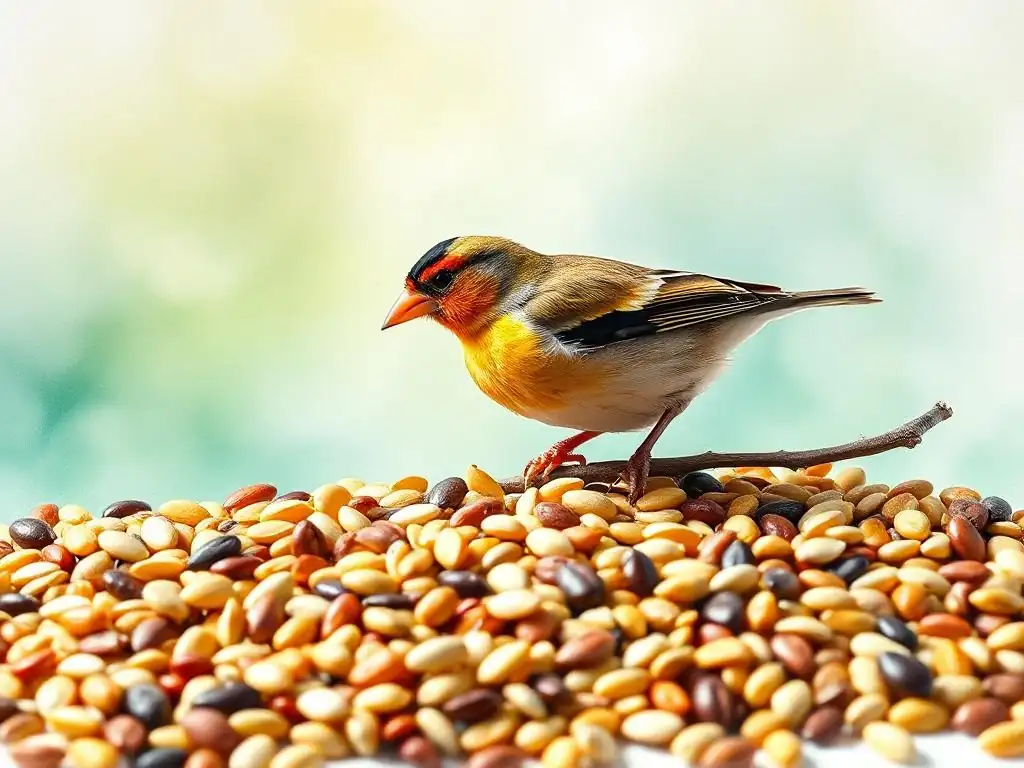
Even with a carefully balanced diet of seeds and pellets, some birds may still require supplemental fatty acids to address specific deficiencies or support particular health conditions. Consult with an avian veterinarian to determine if supplementation is necessary for your bird. They can perform blood tests to assess fatty acid levels and recommend appropriate supplements. Improper supplementation can be harmful, so professional guidance is crucial.
Common supplements include:
- Flaxseed oil: A rich source of alpha-linolenic acid (ALA), an omega-3 fatty acid.
- Chia seeds: Another excellent source of ALA.
- Fish oil: Contains EPA and DHA, essential omega-3 fatty acids crucial for brain and eye health. However, use only avian-specific fish oil supplements.
It's important to introduce any supplements gradually to avoid digestive upset. Start with a small amount and monitor your bird's response closely. Always follow the instructions provided by the manufacturer. Remember, the goal is to improve your bird's health, not to create new problems. 🐦
Monitoring Your Bird's Health and Adjusting Fatty Acid Intake Accordingly
Regular monitoring of your bird's health is essential to ensure its dietary needs are met. Signs of fatty acid deficiencies can include dull plumage, dry skin, poor feather growth, weakened immune system, and behavioral changes. Regular veterinary checkups, including blood work, can help detect these deficiencies early. Based on veterinary recommendations, you may need to adjust the ratio of seeds and pellets, or introduce supplements to optimize your bird’s fatty acid intake.
Key Indicators of Fatty Acid Imbalance
- Dull or brittle feathers: A common sign of insufficient omega-3 fatty acids.
- Dry or flaky skin: Indicates a potential lack of essential fatty acids.
- Increased susceptibility to illness: A weakened immune system is often linked to nutritional deficiencies.
- Changes in behavior: Lethargy, decreased activity, or other behavioral changes can be indicative of underlying health issues, including nutritional imbalances.
By paying close attention to your bird's appearance, behavior, and overall health, and by working closely with an avian veterinarian, you can ensure your feathered friend receives the optimal balance of fatty acids for a long and healthy life. Remember, proactive monitoring and adjustments are key to maintaining a healthy and happy bird.
Frequently Asked Questions
What are the most important fatty acids for birds?
Birds need a balance of omega-3 and omega-6 fatty acids for healthy feathers, skin, and overall health. Linoleic acid (omega-6) and alpha-linolenic acid (omega-3) are crucial. Supplementation may be necessary depending on the bird's diet.
Which bird seeds are highest in healthy fatty acids?
Seeds like flaxseed, chia seeds, and hemp seeds are excellent sources of omega-3 fatty acids. Sunflower seeds provide omega-6, but moderation is key due to their higher fat content. A varied seed mix is best.
How do fatty acids impact a bird's feather condition?
Essential fatty acids are vital for feather growth and quality. Deficiencies can lead to dull, brittle feathers, and increased susceptibility to damage. A balanced diet ensures vibrant, healthy plumage.
Are pellets a good source of fatty acids for birds?
High-quality bird pellets are formulated to provide a balanced profile of fatty acids. Always check the ingredient list to ensure the inclusion of essential omega-3 and omega-6 fatty acids. Pellet quality varies greatly.
Can I give my bird supplements to increase fatty acid intake?
While a balanced diet is ideal, supplements can be considered under veterinary guidance, especially if deficiencies are suspected. Never self-medicate your bird; consult an avian vet for advice on appropriate supplementation.
Final Reflection: Nurturing Avian Health Through Fatty Acid Understanding
The optimal balance of fatty acids in bird diets is not merely a niche interest; it's a cornerstone of avian health and wellbeing, directly impacting their energy levels, feather quality, and overall resilience. Understanding the fatty acid profiles of different seed and pellet sources is crucial for responsible bird ownership and conservation efforts alike. The implications extend far beyond the backyard feeder, influencing breeding programs and the health of wild bird populations.
This exploration into the world of avian nutrition has profoundly impacted my own understanding of the interconnectedness of diet and health, highlighting the often-overlooked importance of seemingly small details. The smallest bird has the largest appetite.
This old adage underscores the fact that even tiny creatures require a carefully balanced diet to thrive. My research has reinforced the need for careful consideration of the nutritional content of bird food, moving beyond simple convenience to a more holistic approach to avian care.
Now, it's your turn to take flight. Consider the implications of this information for your own bird-keeping practices, whether you tend to a single feathered friend or contribute to a larger conservation project. By making informed choices about the fatty acid content of your birds' food, you are directly contributing to their health, happiness, and longevity. Let's work together to ensure that our avian companions receive the nourishment they deserve, fostering a healthier and more vibrant avian world for generations to come.
Unlock Your Bird's Health Potential: Tailor Their Diet Today!
Thank you for learning about the crucial role of fatty acids in your bird's diet! We hope you feel more confident understanding the nutritional differences between various seed mixes and pellet formulations. Ready to put this knowledge into practice?
- Revamp your bird's food: Carefully evaluate your bird's current diet and adjust it based on their species and individual needs. Consider adding a new seed blend or switching to a higher-quality pellet to ensure a balanced intake of essential nutrients. Consult an avian veterinarian for personalized dietary recommendations.
- Connect with other bird owners: Share your experiences and learn from others. Join online forums or local bird clubs to exchange tips and advice.
- Track your bird's progress: Keep a simple food journal to monitor your bird's intake and observe any improvements in their health and behavior. This simple step can significantly contribute to their long-term well-being.
Ready to see the positive impact of a balanced diet on your bird's health and happiness?