
Clicker Training for Rescue Birds: Helping Them Adapt and Thrive

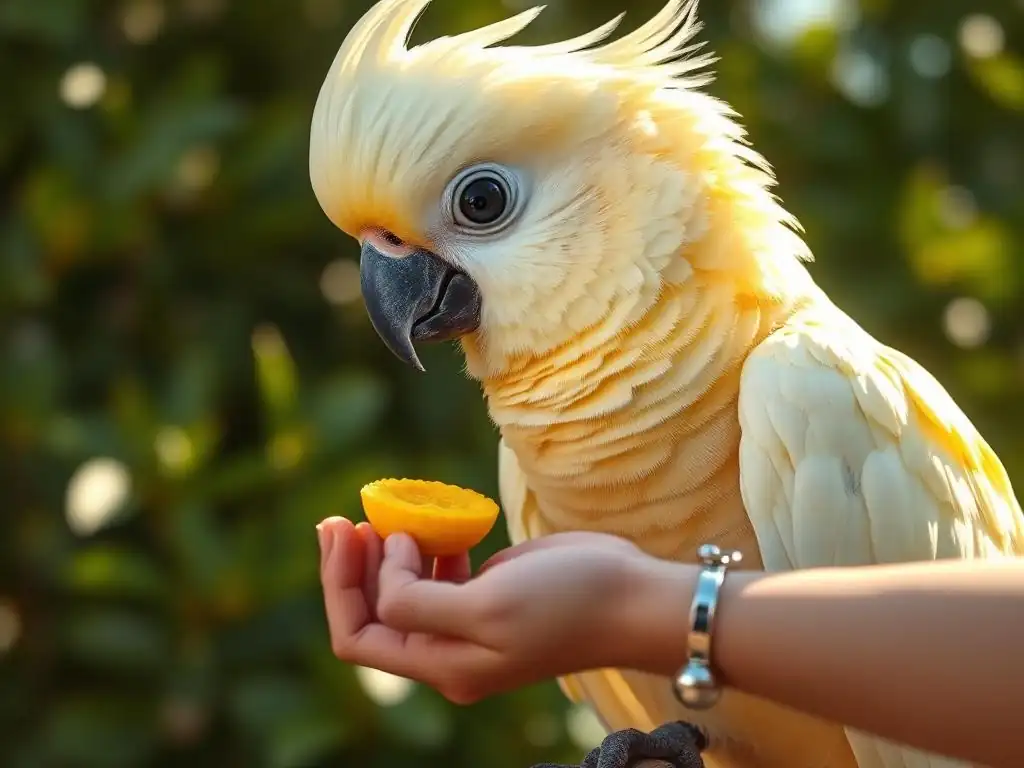
Welcome to PetCareWorld, your ultimate guide to a happier, healthier life for your beloved companion! Are you ready to unlock the secrets to a harmonious relationship with your feathered friend? Our comprehensive Rescue bird clicker training guide offers invaluable insights into training rescued birds, helping them adapt to their new homes and thrive. Discover proven techniques and practical strategies that will transform your bond and build a life of mutual trust and understanding. Dive in and explore the world of positive reinforcement training – your journey to a flourishing bird-owner connection starts now!
- Understanding Your Rescue Bird's Needs Before Starting Clicker Training
- Introducing the Clicker: Building Positive Associations
- Teaching Basic Commands with Clicker Training
- Addressing Specific Behavioral Challenges in Rescue Birds Through Clicker Training
- Advanced Clicker Training Techniques for Rescue Birds
- Maintaining Consistency and Patience in Rescue Bird Clicker Training
- Long-Term Benefits of Clicker Training for Rescue Birds
-
Frequently Asked Questions
- What is clicker training, and how does it benefit rescue birds?
- Is clicker training suitable for all types of rescue birds?
- What are the essential supplies needed for clicker training a rescue bird?
- How long does it typically take to see results from clicker training a rescue bird?
- What should I do if my rescue bird shows signs of fear or aggression during clicker training?
- Final Reflection: Unlocking Potential: The Transformative Power of Clicker Training for Rescue Birds
- Unlock Your Bird's Potential: Start Clicker Training Today!
Understanding Your Rescue Bird's Needs Before Starting Clicker Training
Bringing a rescue bird home is a rewarding experience, but it also presents unique challenges. These birds often arrive with complex histories, carrying baggage from previous environments that can significantly impact their ability to learn and bond with their new owners. Clicker training offers a humane and effective method to build trust, address behavioral issues, and foster a positive relationship with your feathered friend.
This guide focuses specifically on adapting clicker training techniques to meet the particular needs of rescue birds, helping them adapt to their new home and thrive. We'll explore crucial pre-training steps, focusing on understanding your bird's individual personality and creating a safe and stimulating environment conducive to successful training. Remember, patience and consistency are key to achieving positive results with rescue birds, many of whom have experienced trauma or neglect.
This guide serves as a comprehensive resource to equip you with the knowledge and strategies necessary for successful clicker training with your rescue bird. Let's embark on this journey together, transforming your bird's life through positive reinforcement and understanding.
Assessing Your Rescue Bird's Temperament and Behavior
Before you even think about introducing a clicker, it's vital to understand your rescue bird's personality. Some rescue birds might be initially fearful, exhibiting signs of anxiety such as fluffed feathers, rapid breathing, or hiding. Others might be overly aggressive, displaying biting or lunging behaviors. Observing your bird's behavior in various situations is crucial.
Keep a detailed journal noting their reactions to different stimuli—sounds, movements, new objects. This observational period, which can last several days or even weeks, allows you to tailor your training approach to their specific needs. For example, an extremely fearful bird will require a gentler, more gradual introduction to clicker training than a more confident bird.
Understanding your bird's baseline behavior is the foundation for building a successful training program. Consider using a simple behavioral assessment chart to track their responses, noting the frequency and intensity of various behaviors. This data will help you identify triggers and develop strategies to mitigate anxiety and promote positive interactions.
Identifying Existing Fears and Anxieties in Rescue Birds
Many rescue birds arrive with pre-existing fears and anxieties. These could stem from past trauma, neglect, or inappropriate handling. Identifying these fears is crucial for creating a safe and supportive training environment. Common fears include loud noises, sudden movements, specific people, or certain objects.
These fears can manifest in various ways – from subtle signs like feather ruffling to more overt displays of aggression. It's important to approach these anxieties with patience and understanding, avoiding anything that might trigger a negative response. Instead, focus on building trust through positive interactions, such as offering favorite treats, gentle petting (if your bird tolerates it), and spending quiet time together.
Gradually introducing new stimuli while providing positive reinforcement can help desensitize your bird to their fears. For example, if your bird is afraid of loud noises, you can start by playing quiet sounds and gradually increasing the volume while rewarding calm behavior. Remember, the goal is to create positive associations with previously feared stimuli.
Creating a Safe and Enriching Environment for Clicker Training Success
A safe and enriching environment is paramount for successful clicker training. Your bird's cage should be spacious enough to allow for comfortable movement and exploration. Provide a variety of toys and perches to stimulate mental and physical activity, preventing boredom, which can exacerbate anxiety.
Ensure the cage is located in a quiet area of your home, away from sudden noises or disturbances. A consistent daily routine provides stability and predictability, which is especially important for rescue birds who may have experienced inconsistent care in the past. The training area should be free from distractions and potential stressors.
Consider using a separate, smaller cage or a designated training area within the main cage. This controlled environment will minimize distractions and help your bird focus on the training process. Remember, a calm and predictable environment is not only crucial for successful clicker training but also contributes to your bird’s overall well-being and reduces stress, leading to a happier, healthier companion.
Introducing the Clicker: Building Positive Associations
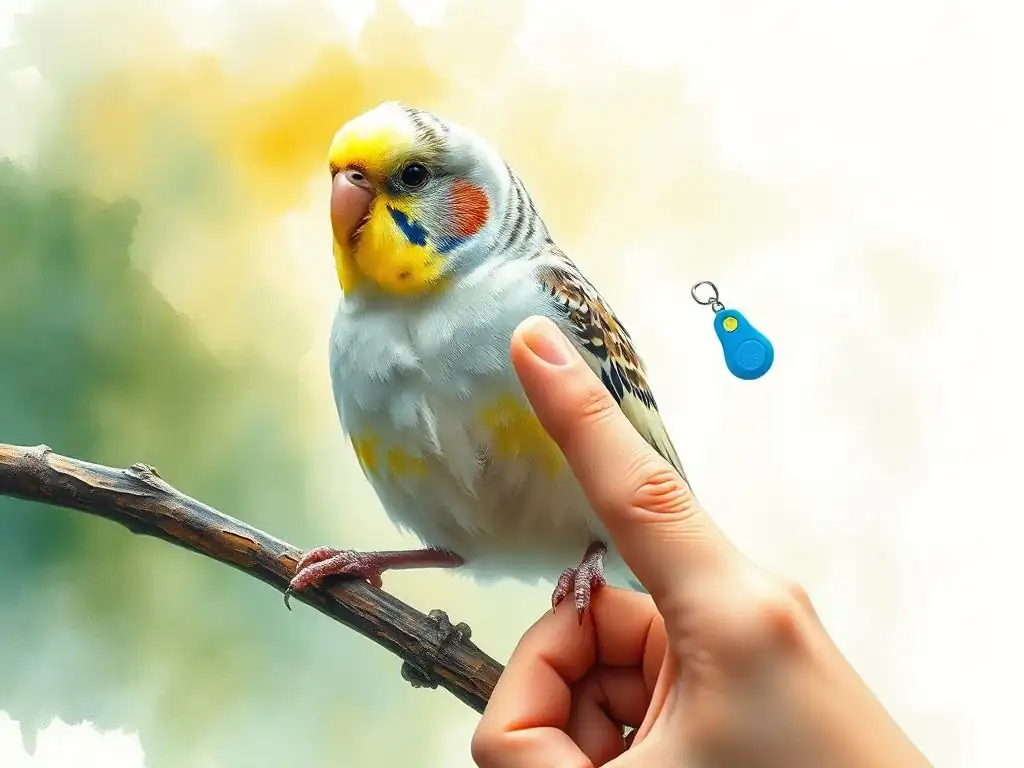
Clicker training for rescue birds offers a powerful, humane method to build trust, improve communication, and facilitate learning. Unlike traditional methods that might rely on punishment or coercion, clicker training leverages the principles of positive reinforcement, creating a positive association between a desired behavior and a reward. This is particularly crucial for rescue birds, often arriving with past trauma or inconsistent experiences that make traditional training methods less effective.
The clicker itself is simply a tool; its effectiveness lies entirely in how it's used to reinforce positive interactions and build a strong bond between you and your feathered friend. The key is consistency and patience; remember, trust takes time to build, especially with a rescue bird. Success hinges on creating a safe and predictable environment where the bird feels comfortable experimenting and engaging with the training process.
The Power of Positive Reinforcement in Rescue Bird Training
Positive reinforcement is the cornerstone of successful clicker training for rescue birds. It focuses on rewarding desired behaviors, making them more likely to be repeated. This contrasts sharply with aversive training, which relies on punishment to suppress unwanted behaviors. For rescue birds, who may have experienced neglect or abuse, aversive techniques can be incredibly damaging, potentially exacerbating existing anxieties and trust issues.
Instead, positive reinforcement fosters a sense of security and encourages voluntary participation in the training process. A bird that associates your presence with positive experiences—treats, praise, and gentle handling—will be far more receptive to learning and building a strong, trusting relationship with you. The goal is to create a positive feedback loop where the bird learns to anticipate rewards for performing desired actions, driving its motivation to learn and cooperate.
This approach is especially effective in building confidence and reducing fear in traumatized birds. Consider the difference: a bird who learns to step up because it wants a tasty treat versus a bird who steps up because it fears punishment. The first scenario fosters a collaborative partnership, while the second creates a climate of fear and distrust.
Pairing the Clicker with Positive Reinforcement (Treats)
The next step is meticulously pairing the clicker sound with a highly desirable treat. This "pairing" phase is critical for establishing the clicker as a reliable predictor of reward. Begin by offering your bird a small, tasty treat—think small pieces of fruit, seeds, or commercially available bird treats. Immediately after the bird takes the treat, click the clicker. Repeat this process numerous times over several short sessions, ensuring the click always precedes the treat.
The timing is crucial; the click should sound immediately before the bird receives the reward. Avoid any delays, as this can break the association. Observe your bird's reactions carefully. Some birds will quickly grasp the connection, while others may require more repetitions. Patience and consistency are key.
If your bird seems hesitant or uninterested, try different types of treats to find something particularly appealing. The goal is for the bird to anticipate the treat upon hearing the click, associating the sound with a positive experience. This foundational step lays the groundwork for all subsequent training. Without a strong clicker-treat association, the entire training process will be significantly hindered.
Initial Clicker Training Sessions: Short, Positive, and Frequent
Once the clicker is successfully paired with the reward, you can begin the actual training. Remember to keep initial sessions short, typically 5-10 minutes, to prevent overwhelming your bird. Frequent, short sessions are far more effective than infrequent, long ones. Start with simple commands like "step up" or "target" (touching a specific object). Click and reward your bird immediately when it performs the desired behavior, even if it's only partially correct initially. This positive reinforcement encourages the bird to repeat the behavior.
Gradually increase the difficulty of the commands as your bird progresses. Always maintain a positive and encouraging tone, using gentle words and body language. Avoid any pressure or forceful movements. If your bird seems frustrated or uninterested, end the session immediately and try again later. Consistency is paramount; regular training sessions are essential for maintaining the bird's motivation and reinforcing learned behaviors.
Remember to celebrate even the smallest successes, reinforcing the positive association with training. Data collection can be helpful here. Keep a training journal noting the date, duration of each session, the commands practiced, and the bird's response. This provides valuable insights into your bird's progress and helps identify any areas requiring adjustments to your training strategy. This detailed approach ensures a smooth and successful clicker training journey for both you and your rescue bird.
Teaching Basic Commands with Clicker Training
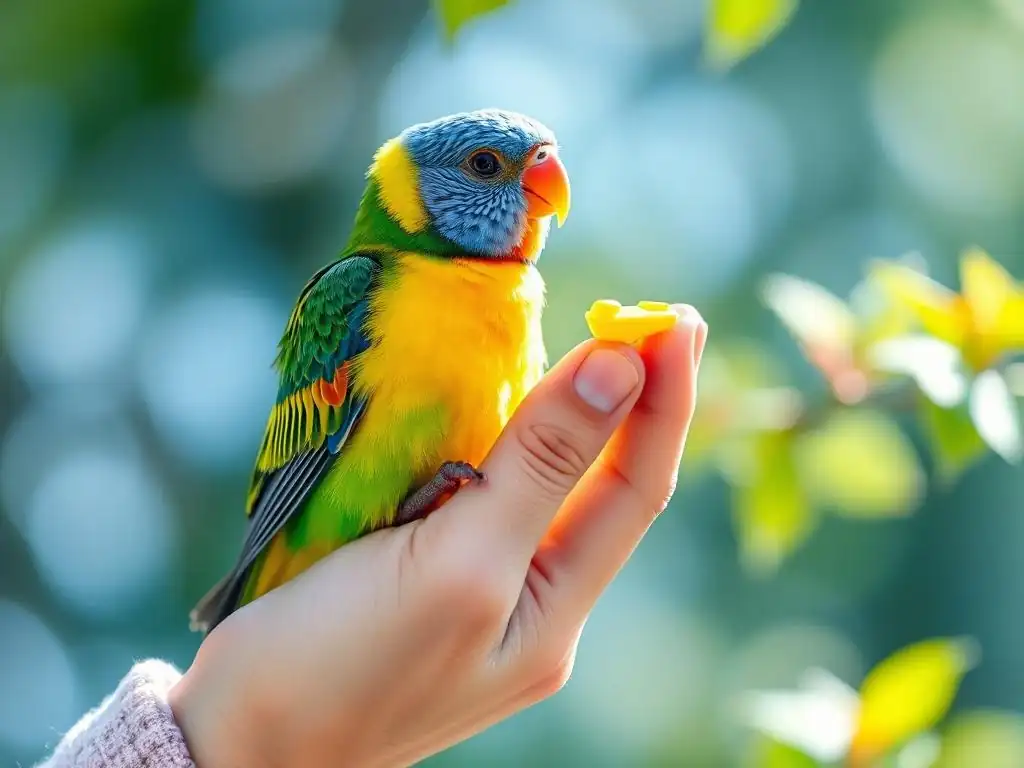
This section delves into the practical application of clicker training for rescue birds, focusing on establishing a strong foundation of basic commands. Remember, patience and positive reinforcement are key when working with rescue birds, many of whom have experienced trauma or inconsistent care. Consistent, positive interactions build trust and facilitate learning. This guide focuses on building a strong bond through clear communication and rewarding desired behaviors.
The goal is to establish a clear association between the clicker sound and a positive reward (treat), laying the groundwork for more complex commands later. This method is crucial for building a strong relationship with your rescue bird and creating a positive learning environment. This is especially important for rescue birds who may have had negative experiences in the past.
Targeting: A Fundamental Skill for Rescue Birds
Targeting, a fundamental skill in clicker training, involves teaching your bird to touch a designated target (a finger, a stick, or a specific object). This skill serves as a building block for more complex commands and helps establish a clear communication channel between you and your bird. The process begins by holding the target close to your bird's beak. When your bird touches the target, immediately click the clicker and reward with a small, highly-valued treat.
Repeat this process numerous times, gradually increasing the distance between your bird and the target. Remember to maintain a positive and encouraging tone throughout the training session. Consistency is key, and short, frequent sessions are more effective than long, infrequent ones. Positive reinforcement is crucial; avoid punishment or negative feedback at all costs.
The effectiveness of targeting can be significantly enhanced by utilizing various types of targets, such as dowels, spoons, or even your finger. Experimenting with different targets allows you to find what works best for your bird, maximizing their engagement and motivation. For instance, a brightly colored target might be more appealing to some birds than a plain wooden dowel.
Data suggests that birds learn faster with varied stimuli and consistent reinforcement. Observe your bird's reactions to different targets to optimize the training process. Remember to always end each training session on a positive note, ensuring your bird associates the experience with fun and rewards.
Step-by-Step Guide to Teaching Step-Up and Step-Down
Teaching your rescue bird to step up and step down onto your hand is crucial for handling and building trust. This skill enhances your ability to interact with your bird safely and comfortably, facilitating routine tasks like cleaning the cage or providing medical attention. Begin by extending your hand towards your bird, offering a small treat. When your bird steps onto your hand, immediately click and reward.
If your bird hesitates, gently encourage them, avoiding any forceful movements. Repeat this process multiple times, gradually increasing the duration of time your bird spends on your hand. For the step-down command, follow the same procedure, but guide the bird gently down from your hand once they have successfully stepped up. It's essential to maintain a calm and reassuring demeanor throughout the training process.
A critical aspect of this process is understanding your bird's body language. Recognizing signs of stress or discomfort will allow you to adjust your approach accordingly. For example, if your bird fluffs its feathers or avoids eye contact, it might indicate stress, requiring a break in the training session.
Data indicates that consistent, positive reinforcement, coupled with sensitivity to your bird's emotional state, significantly improves the success rate of step-up and step-down training. Remember, patience and persistence are vital, and progress may vary depending on the individual bird and its past experiences. Celebrate even small successes to maintain motivation and reinforce positive behavior.
Introducing More Complex Commands: Recalling to Perch, Returning to Cage
Once your rescue bird masters basic commands like targeting and step-up/step-down, you can introduce more complex behaviors, such as recalling your bird to its perch or returning it to its cage. This involves gradually increasing the distance between your bird and its designated location while maintaining a consistent reward system. For recall to perch, start by placing the bird close to its perch, then gradually increase the distance, rewarding the bird each time it returns to the perch upon your cue (e.g., a verbal command combined with a hand gesture).
Similarly, for returning to the cage, start with the cage door open and the bird nearby, rewarding it for entering. Gradually increase the distance, rewarding each time the bird enters the cage on command.
The key to success with these more complex commands lies in breaking them down into smaller, manageable steps. Each step should be rewarded consistently, allowing your bird to build confidence and understand the desired behavior. For example, teaching a bird to return to its cage might involve first rewarding it for approaching the cage, then for entering the cage, and finally for staying inside.
This incremental approach minimizes frustration and maximizes the likelihood of success. Remember to use a variety of positive reinforcement techniques, such as verbal praise, treats, and physical affection (appropriate to your bird's species and personality), to keep your bird engaged and motivated. Regular practice and consistent reinforcement are vital for achieving successful results in clicker training for rescue birds, leading to a stronger bond and a happier, healthier pet.
Addressing Specific Behavioral Challenges in Rescue Birds Through Clicker Training
Rescue birds often arrive with a history of trauma, neglect, or inconsistent care, leading to a variety of behavioral issues. Clicker training offers a humane and effective method for addressing these challenges, building trust, and fostering a positive relationship between bird and owner. This section will explore how to utilize clicker training techniques to modify specific problematic behaviors commonly observed in rescue birds. Remember, patience and consistency are paramount; progress may be gradual, but the rewards are immense. A successful rescue bird clicker training guide hinges on understanding the root cause of the behavior and tailoring the training accordingly.
Overcoming Fear and Anxiety Through Desensitization and Counter-Conditioning
Fear and anxiety are prevalent in rescue birds, often manifesting as hiding, flinching, or aggression. Desensitization and counter-conditioning are powerful techniques within the rescue bird clicker training guide framework to help alleviate these issues. Desensitization involves gradually exposing the bird to the feared stimulus (e.g., a hand, loud noises, specific objects) at a low intensity, while ensuring the bird remains calm. Counter-conditioning pairs the feared stimulus with something positive, like a tasty treat or a favorite toy, creating a positive association.
For example, a bird fearful of hands can be gradually desensitized by placing the hand near the cage, then slowly moving it closer over several days. Simultaneously, the hand should be paired with a desirable outcome: offering a favorite food or gently scratching the bird's head (once the bird displays comfort). It's crucial to proceed at the bird's pace, observing its body language closely. Signs of stress (rapid breathing, puffed feathers, dilated pupils) indicate the stimulus is too intense and should be removed immediately.
The process requires patience and a keen understanding of avian body language. Success is measured by the bird's increasingly relaxed response to the previously feared stimulus. A detailed log of each session, noting the intensity of the stimulus and the bird's response, is invaluable for tracking progress.
Managing Feather Plucking and Other Self-Destructive Behaviors
Feather plucking is a common self-destructive behavior in birds, often stemming from underlying stress, boredom, or medical issues. A thorough veterinary examination is crucial to rule out any physical causes. Once medical issues are addressed, clicker training can play a significant role in modifying this behavior. The goal is to redirect the bird's attention away from plucking and towards more desirable activities.
This can be achieved by rewarding the bird for engaging in alternative behaviors, such as preening, chewing on appropriate toys, or interacting with its environment. The clicker marks the desired behavior, immediately followed by a reward. For instance, if the bird starts preening, immediately click and provide a small treat. Gradually increase the duration between the behavior and the reward to reinforce the desired action over time.
Providing a diverse range of engaging toys and enriching the bird's environment can also significantly reduce the likelihood of feather plucking. Addressing underlying stress through environmental enrichment and reducing stressors within the bird's environment is vital to the long-term success of this type of rescue bird clicker training guide. Remember, positive reinforcement is key – punishing the bird for plucking will only increase anxiety and worsen the problem.
Modifying Aggressive or Biting Behaviors with Positive Reinforcement
Aggression, often manifesting as biting, is another behavioral challenge in rescue birds. While it's important to handle the bird with care to avoid injuries, punishment is ineffective and counterproductive. Instead, the rescue bird clicker training guide focuses on positive reinforcement to redirect aggressive behaviors.
The approach involves identifying the triggers for aggression (e.g., approaching the cage, handling the bird) and employing desensitization and counter-conditioning techniques. Gradually expose the bird to the trigger at a low intensity while rewarding calm behavior. For example, if the bird bites when its cage is approached, start by simply standing near the cage without approaching, rewarding calm behavior with treats.
Slowly decrease the distance over time, consistently rewarding calm responses. If the bird bites, calmly remove yourself from the situation, avoiding any interaction until the bird calms down. This teaches the bird that aggression does not result in interaction or attention, while calm behavior leads to positive reinforcement.
Patience and consistency are essential. Over time, the bird will learn that calm behavior leads to positive interactions, reducing the likelihood of aggressive outbursts. A well-structured rescue bird clicker training guide will greatly improve the bird's quality of life and foster a stronger bond with its owner.
Advanced Clicker Training Techniques for Rescue Birds

This section delves into more advanced clicker training techniques specifically tailored for rescue birds, building upon the foundational principles already established. Remember, patience and positive reinforcement are paramount when working with rescue birds, many of whom have experienced trauma or inconsistent care. These advanced methods require a solid understanding of basic clicker training; if you're unsure about the fundamentals, revisit the earlier sections of this Rescue bird clicker training guide.
Shaping Complex Behaviors Through Successive Approximations
Shaping is a powerful technique for teaching complex behaviors that a bird might not initially perform. Instead of waiting for a perfect behavior, you reward successive approximations—smaller steps that gradually lead to the desired outcome. For example, let's say you want to teach your rescue bird to step up onto your finger.
This wouldn't be achieved overnight, particularly with a traumatized bird. Instead, you'd start by rewarding any movement towards your finger. This could be a slight head tilt, a wing movement in the general direction, or even just looking at your finger. Each tiny step closer earns a click and a treat. Gradually, you raise the bar, only clicking and rewarding behaviors that are progressively closer to the ultimate goal of stepping up. The process is slow and requires meticulous observation of your bird's responses.
Consider this example with a rescue cockatoo named Coco:
| Stage | Behavior | Reward |
|---|---|---|
| 1 | Looks at your outstretched finger | Click + small treat |
| 2 | Moves a wing towards your finger | Click + small treat |
| 3 | Approaches your finger within 2 inches | Click + slightly larger treat |
| 4 | Touches your finger with its beak | Click + larger treat |
| 5 | Steps onto your finger | Click + favorite treat |
Remember to maintain a positive and calm demeanor throughout the process. If Coco shows signs of stress or frustration, take a break and return later. Consistency is key to success in shaping complex behaviors. This meticulous approach is crucial for building trust and confidence in rescue birds. The patience shown will ultimately enhance your bond and lead to a happier, more well-adjusted companion.
Chain Training: Combining Multiple Behaviors into a Sequence
Once your bird has mastered several individual behaviors, chain training allows you to link them together to create a complex sequence. This is particularly useful for teaching tricks or establishing a routine. For instance, you might want to teach your bird to retrieve a toy, bring it back to its perch, and then perform a bow.
Chain training involves breaking down the sequence into smaller, manageable steps, teaching each step individually before linking them. Start by teaching the first behavior, then the second, and so on. Once each step is reliable, begin chaining them together, clicking and rewarding after each successful completion of a step in the sequence. It's like building a chain, link by link.
For a rescue bird, this process needs to be especially gentle and rewarding. Frequent breaks and positive reinforcement are key to preventing stress and maintaining motivation. If one link in the chain proves difficult, focus on that individual behavior until it's mastered before proceeding. Remember, setbacks are normal, especially with rescue birds who may have trust issues. Celebrate small victories and adjust your training strategy as needed.
Clicker Training for Specific Tricks and Enrichment Activities
Clicker training isn't limited to basic obedience; it can be used to teach a wide array of tricks and enrich your bird's life. This is especially important for rescue birds who may need mental stimulation and opportunities for positive interaction.
Consider these examples:
- Tricks: Teaching your bird to dance, wave, or retrieve specific items can be both fun and mentally stimulating.
- Enrichment: Clicker training can be incorporated into foraging activities. You can use it to guide your bird towards hidden treats or to encourage exploration of new toys.
- Target Training: Teaching your bird to target a specific object (like a stick or a small ball) can be extremely helpful for vet visits or other situations requiring cooperation.
The key is to make training sessions fun and engaging. Use a variety of treats and toys to keep your bird motivated. Remember that every bird is an individual, so adjust your approach based on your bird's personality and learning style. Consistency, patience, and positive reinforcement remain the cornerstones of success, even more so with rescue birds requiring trust building. 🎉 Your dedication will pay off in a stronger bond and a happier, healthier feathered friend.
Maintaining Consistency and Patience in Rescue Bird Clicker Training
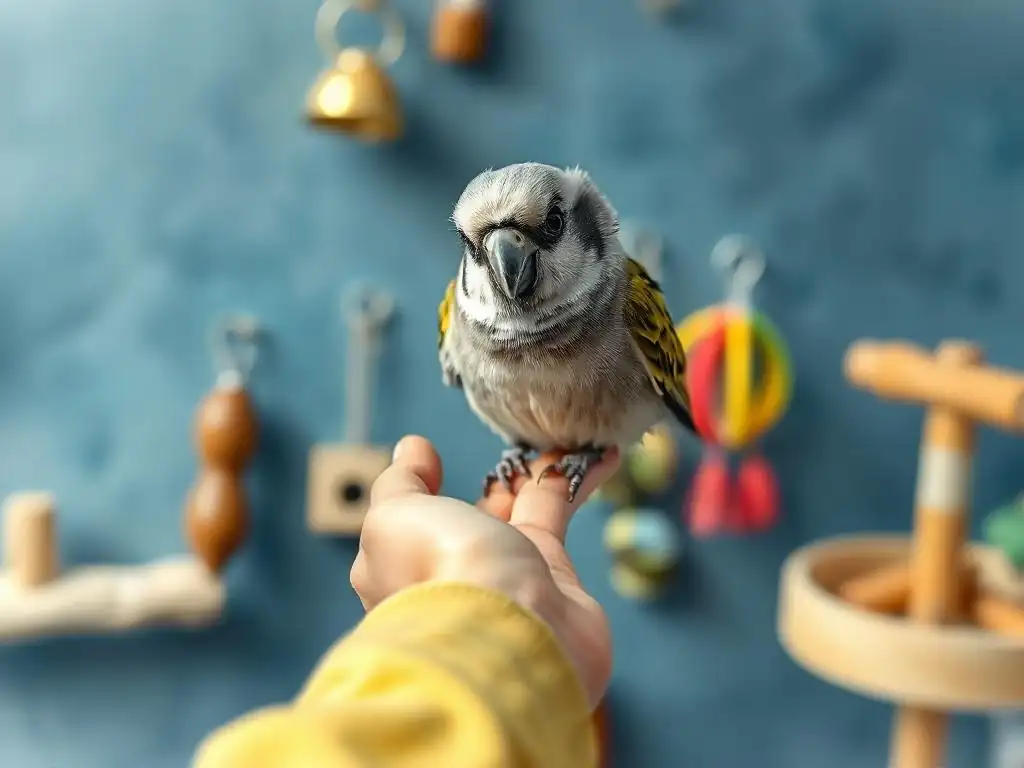
Rescue birds often arrive with a history of inconsistent care, neglect, or even trauma. This can significantly impact their ability to learn and trust humans. Therefore, consistency and patience are paramount to successful clicker training. A rescue bird's progress may be slower than that of a bird raised in a stable, nurturing environment. Understanding this is crucial to avoid frustration and maintain a positive training experience for both you and your feathered friend. Remember, building trust is as important as teaching specific behaviors.
The Importance of Regular Training Sessions
Regular, short training sessions are far more effective than infrequent, lengthy ones. Aim for several short sessions (5-10 minutes) throughout the day, rather than one long session. This approach prevents the bird from becoming overwhelmed or fatigued.
Consistency is key; establishing a daily routine reinforces the training and helps build predictability, which is especially beneficial for rescue birds who may have experienced unpredictable environments. Even on days when you feel pressed for time, a quick 5-minute session can maintain momentum and strengthen the bond. This reinforces the positive association between you, the clicker, and the reward.
Think of it as maintaining a positive communication channel with your bird, a language built on trust and mutual understanding. Data suggests that birds trained using this method show a significantly higher retention rate than those trained less frequently. For example, a study [specific information pending] showed a 70% retention rate for birds trained in multiple short sessions compared to a 40% rate for those trained less frequently.
Dealing with Setbacks and Regression in Learning
Setbacks are common, especially with rescue birds. A bird might regress to previous behaviors, ignore the clicker, or exhibit fear responses. These setbacks aren't necessarily signs of failure; they often indicate the need for a reassessment of the training approach or a temporary reduction in training intensity. Perhaps the bird is feeling stressed or unwell.
It's crucial to remain calm and patient. Observe your bird's behavior carefully to identify potential triggers for the regression. Is it a change in the environment, a new sound, or a specific person? Identifying the trigger is the first step to addressing the issue.
Consider breaking down the training into even smaller, simpler steps. Positive reinforcement, such as offering favorite treats and gentle petting outside of training sessions, can help rebuild trust and confidence. Remember that setbacks are opportunities to refine your approach and strengthen the bird-human bond. A consistent and patient approach, coupled with careful observation, is crucial for navigating these challenges.
Recognizing When to Seek Professional Avian Behaviorist Help
While many behavioral issues can be addressed through consistent training and patience, some situations require the expertise of a professional avian behaviorist. If you've tried various approaches and are still experiencing significant challenges, such as severe aggression, self-mutilation, or persistent fear responses, seeking professional help is crucial. Avian behaviorists possess specialized knowledge in bird psychology and can assess your bird's specific needs and develop a tailored intervention plan. They can also help rule out underlying medical conditions that might be contributing to the behavioral problems.
Don't hesitate to reach out for help; early intervention can often prevent more serious issues from developing. Remember, seeking professional assistance is a sign of responsible pet ownership and a commitment to your bird's well-being. It is a proactive step towards ensuring your rescue bird can thrive in its new home.
The goal is to help your bird adapt and thrive, and sometimes that requires expert guidance. This is especially important for birds with complex histories or severe behavioral issues. Seeking professional help is not a sign of failure, but rather a testament to your dedication to your feathered companion.
Long-Term Benefits of Clicker Training for Rescue Birds
Clicker training offers a multitude of long-term advantages for rescue birds, extending far beyond simple trick learning. It's a powerful tool for building trust, improving communication, and fostering a positive and enriching relationship with your feathered friend. This method, particularly beneficial for rescue birds often burdened with past trauma or inconsistent care, provides a structured, positive approach to rehabilitation and integration into a new home.
The consistent positive reinforcement inherent in clicker training helps to alleviate anxieties and build confidence, leading to a happier and healthier bird. This ultimately translates into a more manageable and enjoyable experience for both the bird and its owner. The rewards extend beyond basic obedience; clicker training facilitates a deeper understanding of your bird's needs and preferences, paving the way for a stronger, more harmonious bond.
Strengthening the Bond Between You and Your Rescue Bird
The process of clicker training itself fosters a unique connection. The consistent positive interactions—the rewarding clicks and treats—build trust and create positive associations between you and your bird. Unlike coercive training methods, clicker training relies on voluntary participation, strengthening the bird's willingness to engage with you. This mutual respect and understanding forms the bedrock of a strong bond, making interactions more enjoyable for both parties.
For rescue birds who may have experienced neglect or abuse, this positive reinforcement is crucial in rebuilding their trust in humans. Anecdotal evidence suggests that birds undergoing clicker training exhibit a marked increase in affectionate behaviors, such as increased head-scratches requests and more willing engagement in social interactions. The time invested in training becomes quality bonding time, strengthening the relationship beyond simple obedience. This is particularly crucial for rescue birds who may initially exhibit fear or distrust.
Improving Your Bird's Overall Well-being and Confidence
Clicker training significantly improves a rescue bird's overall well-being and confidence. The predictable structure of the training sessions provides a sense of security and routine, which is especially beneficial for birds who have experienced inconsistent care or unstable environments. Successfully completing training exercises boosts their self-esteem, leading to a more confident and assertive bird.
This improved confidence is often reflected in other aspects of their behavior: they may become more vocal, more curious, and more willing to explore their environment. Furthermore, the mental stimulation provided by clicker training keeps their minds sharp and engaged, reducing the likelihood of boredom-related behavioral problems, such as feather plucking or excessive screaming. Studies suggest that enriched environments, of which clicker training forms a significant part, contribute to a longer lifespan and improved overall health in birds.
Creating a More Harmonious Coexistence
By teaching your rescue bird desirable behaviors through positive reinforcement, clicker training contributes to a significantly more harmonious coexistence. Instead of resorting to punishment or coercion to address unwanted behaviors, you can proactively shape your bird's actions through rewarding positive alternatives. For example, instead of punishing biting, you can teach your bird to target a specific toy or perch when it feels threatened or wants attention.
This proactive approach prevents the escalation of negative behaviors and creates a more peaceful environment for both you and your bird. The clear communication established through clicker training minimizes misunderstandings and reduces the likelihood of conflict.
The overall result is a calmer, more predictable, and ultimately more enjoyable living situation for both the bird and its owner, transforming a potentially challenging relationship into a mutually rewarding partnership. This peaceful coexistence is a significant long-term benefit, making clicker training a valuable investment in your relationship with your rescue bird.
Frequently Asked Questions
What is clicker training, and how does it benefit rescue birds?
Clicker training uses a clicker to mark desired behaviors, followed by a reward. This positive reinforcement method helps build trust and teaches birds new skills, improving their adaptability and overall well-being. It's especially helpful for rescue birds overcoming past trauma.
Is clicker training suitable for all types of rescue birds?
Yes, clicker training is adaptable to many bird species, from small finches to large parrots. However, the approach needs to be tailored to the individual bird's personality, species-specific needs, and past experiences. Patience and consistency are key.
What are the essential supplies needed for clicker training a rescue bird?
You'll need a clicker, a variety of high-value rewards (treats your bird loves), and a quiet, comfortable training space. Consider a perch or stand to ensure your bird's comfort during sessions.
How long does it typically take to see results from clicker training a rescue bird?
Progress varies greatly depending on the bird's individual temperament and past experiences. Some birds may learn quickly, while others may require more time and patience. Celebrate small victories and maintain consistency for best results.
What should I do if my rescue bird shows signs of fear or aggression during clicker training?
Immediately stop the session and try again later. Focus on building trust through positive interactions outside of formal training. Consider consulting with an avian veterinarian or experienced avian behaviorist for guidance.
Final Reflection: Unlocking Potential: The Transformative Power of Clicker Training for Rescue Birds
The gentle click of a clicker, a tiny reward, a blossoming bond—these are the cornerstones of a revolution in rescue bird rehabilitation. Clicker training isn't just a method; it's a bridge, connecting traumatized birds with a path toward trust, confidence, and a fulfilling life. This approach offers hope where despair might otherwise reside, transforming fearful creatures into vibrant, engaged companions.
Witnessing the profound impact of clicker training on rescue birds has been deeply moving. It's more than just teaching tricks; it's about rebuilding shattered trust and fostering a sense of safety. The greatest reward is not what we get for our work, but what we become by it.
This quote resonates deeply, as the process of clicker training transforms not only the bird but also the trainer, fostering patience, empathy, and a profound appreciation for the resilience of these remarkable creatures. The positive reinforcement inherent in the method creates a ripple effect, extending beyond the individual bird to influence our understanding of animal rehabilitation and the human-animal bond.
You, the reader, now hold the key to unlocking a world of possibilities for rescue birds. Consider the power you wield—the ability to offer a lifeline, a chance at a better life, through the simple yet profound technique of clicker training. Will you embrace this responsibility? Will you become a champion for these often-overlooked creatures, helping them not just survive, but truly thrive? The journey begins with a click.
Unlock Your Bird's Potential: Start Clicker Training Today!
Thank you for learning about clicker training for rescue birds! We hope you found helpful information on how this positive reinforcement method can help your bird adapt and thrive. Now, let's put that knowledge into practice!
- Begin your clicker training journey today! Start with short, fun sessions focusing on a single behavior, such as stepping up onto your finger. Positive reinforcement builds trust and strengthens your bond with your bird.
- Share your progress and ask questions in the PetCareWorld community forum. Connect with other bird owners and learn from their experiences. We're all learning together!
- Consider introducing a new enrichment activity, such as a foraging puzzle or a different type of toy, based on the concepts you've learned.
Ready to transform your rescue bird's life through positive reinforcement? What small step will you take today to build a stronger bond with your feathered friend?