
Bird Cage Environment: The Perfect Balance of Light, Space, and Comfort

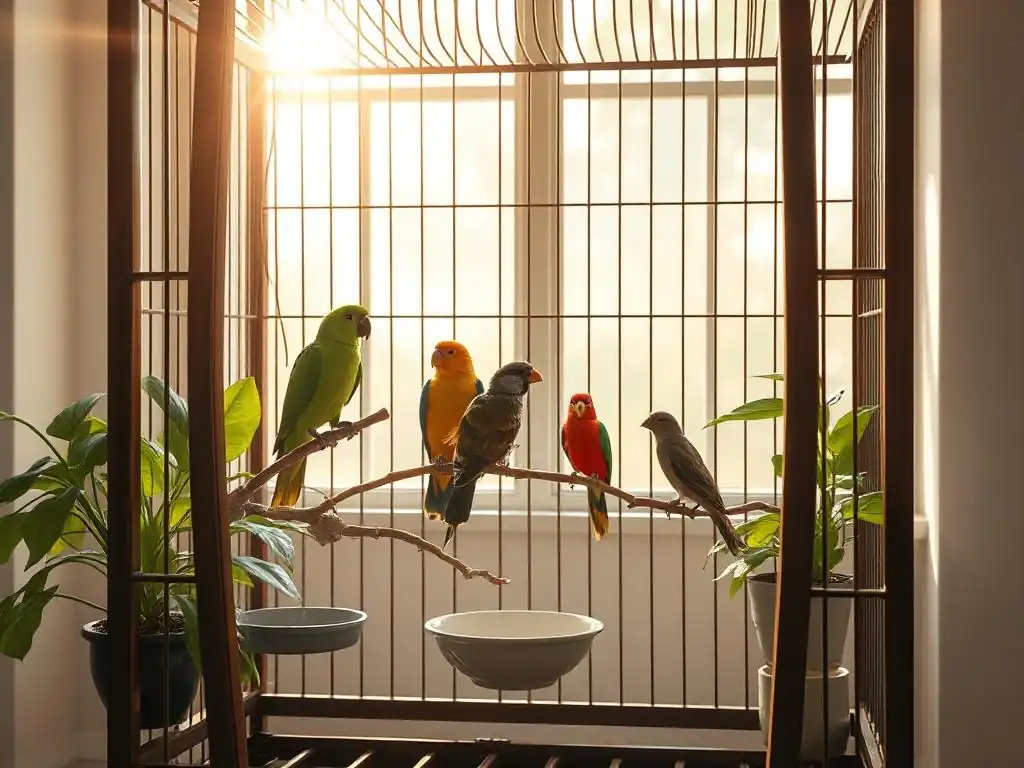
Welcome to PetCareWorld, your ultimate guide to a happier, healthier life for your beloved companions! Are you ready to create the perfect sanctuary for your feathered friend? Discover the secrets to achieving the best bird cage environment setup in our comprehensive guide, where we delve into the crucial balance of light, space, and comfort needed to ensure your bird thrives. Uncover essential tips and expert advice that will transform your bird's cage into a vibrant, stimulating paradise—read on to learn more!
- Best Bird Cage Environment Setup: Maximizing Your Feathered Friend's Well-being
- Optimizing Light for Your Bird's Cage Environment
- Creating a Comfortable and Stimulating Bird Cage Environment
- Maintaining a Clean and Hygienic Bird Cage Environment
- Essential Accessories for a Healthy Bird Cage Environment
- Understanding Your Bird's Behavioral Needs for a Thriving Environment
- Troubleshooting Common Bird Cage Environment Issues
- Resources for Creating the Best Bird Cage Setup
- Frequently Asked Questions
- Final Reflection: Nurturing Flight: Creating the Ideal Avian Sanctuary
- Unleash Your Bird's Inner Songbird: Create the Perfect Aviary!
Best Bird Cage Environment Setup: Maximizing Your Feathered Friend's Well-being
Creating the perfect bird cage environment is crucial for your feathered friend's physical and mental health. A well-designed setup goes beyond simply providing a cage; it's about crafting a stimulating, safe, and comfortable habitat that mimics aspects of your bird's natural environment. This comprehensive guide will delve into the key elements of establishing a best bird cage environment setup, focusing on factors like cage size, space, light, and overall comfort, ensuring your bird thrives under your care.
We'll explore how to select the right cage size for different bird species, address the importance of ample space for flight and movement, and discuss the advantages and disadvantages of both vertical and horizontal cage designs. Remember, a happy bird is a healthy bird, and a thoughtfully designed cage is the cornerstone of their well-being. Let's dive into the specifics to help you create the ideal home for your avian companion.
Ideal Cage Size and Space for Different Bird Species
The size of your bird's cage significantly impacts their quality of life. A cramped cage can lead to stress, feather plucking, and other behavioral problems. Conversely, a spacious cage allows your bird to exercise, play, and express natural behaviors. The appropriate size varies greatly depending on the species and size of your bird.
Selecting the Right Cage Size Based on Bird Breed
Choosing the right cage size is paramount. Smaller birds like finches and canaries require smaller cages, while larger birds like macaws and cockatoos need significantly larger spaces. Consider these guidelines:
| Bird Species | Minimum Cage Dimensions (Approximate) | Notes |
|---|---|---|
| Small Parakeets | 18" x 18" x 24" | These are minimums; larger is always better. |
| Medium Parakeets | 24" x 24" x 36" | Ensure ample space for perches and toys. |
| Large Parrots (e.g., Amazons) | 36" x 36" x 48" or larger | Consider a cage with a wider base for larger parrots. |
| Very Large Parrots (e.g., Macaws) | 48" x 48" x 72" or larger | These birds require exceptionally spacious cages. Consider height. |
Remember, these are minimum cage sizes. Larger is always better! Always prioritize providing ample space for your bird to spread its wings and move freely. Always consult with an avian veterinarian or experienced bird breeder for species-specific recommendations.
Ensuring Adequate Space for Flight and Movement
Even in a spacious cage, it's crucial to ensure your bird has enough room to fly and move around. Overcrowding with toys and perches can restrict movement. Aim for a balance: enough enrichment to keep your bird engaged, but enough open space for flight. Consider the following:
- Vertical Space: Many birds prefer to climb and move vertically. Tall cages with multiple levels are often preferred.
- Horizontal Space: Horizontal space is also essential for flight. Choose a cage with a wide base to allow for gliding and short flights.
- Spacing of Perches: Ensure perches are spaced appropriately to allow for comfortable movement between them. Avoid overcrowding.
Vertical vs. Horizontal Cages: Which is Best?
The choice between a vertical and horizontal cage depends on your bird's species and preferred activity levels.
- Vertical Cages: These are excellent for birds that enjoy climbing and perching at different heights. They offer more vertical space for movement, mimicking the natural environment of many bird species.
- Horizontal Cages: These are better suited for birds that enjoy flying short distances. They provide more horizontal space for gliding and short flights, but may not be as suitable for climbing species.
Ultimately, the best cage type depends on your individual bird's preferences and behavior. Observe your bird and adjust the cage setup accordingly. Remember that a combination of vertical and horizontal space within the cage can provide the most stimulating environment.
Optimizing Light for Your Bird's Cage Environment
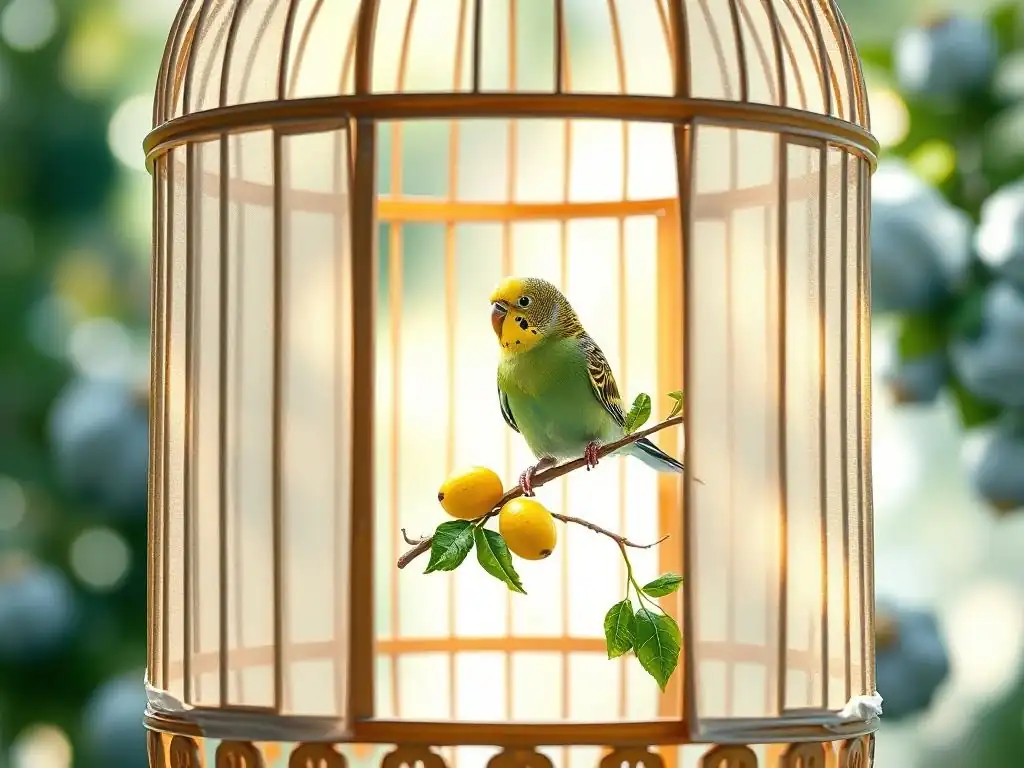
Creating the best bird cage environment setup necessitates a deep understanding of your feathered friend's lighting needs. Light is crucial for a bird's physical and mental well-being, impacting everything from their bone development and immune function to their mood and activity levels. Providing the right amount and type of light is paramount for a thriving avian companion. This section will delve into the specifics of achieving optimal lighting within your bird's cage.
We'll explore the delicate balance between natural and artificial light sources and address the critical role of ultraviolet (UV) light. Remember, the goal is to mimic, as closely as possible, the natural light conditions your bird would experience in its natural habitat. This will contribute significantly to a healthy and happy life for your pet.
Natural Sunlight vs. Artificial Lighting: Finding the Right Balance
The ideal lighting scenario involves a blend of natural and artificial light. Natural sunlight offers essential benefits, providing a richer spectrum of light than artificial sources. However, direct, unfiltered sunlight can be harmful, leading to overheating and potentially causing eye damage. Therefore, a balanced approach is key.
Aim for several hours of indirect sunlight daily. This can be achieved by placing the cage near a window, but ensure it's not in direct sunlight, especially during the hottest parts of the day. Consider using sheer curtains or blinds to diffuse the sunlight and prevent harsh rays from reaching your bird.
Artificial lighting should supplement, not replace, natural light. Full-spectrum fluorescent bulbs are a popular choice, as they mimic the spectrum of natural sunlight more closely than standard incandescent bulbs. LED lights are also becoming increasingly popular due to their energy efficiency and long lifespan. However, ensure they are specifically designed for avian use and emit a full spectrum of light.
Here's a sample daily light schedule for a medium-sized bird:
| Time of Day | Light Source | Duration (Hours) | Notes |
|---|---|---|---|
| Morning (7:00 AM) | Indirect Sunlight | 2-3 | Filtered through sheer curtains |
| Mid-morning (10:00AM) | Full-spectrum Fluorescent | 2-3 | Provides essential UV-A and UV-B |
| Afternoon (1:00 PM) | Indirect Sunlight | 1-2 | Avoid direct sunlight |
| Evening (5:00 PM) | Full-spectrum Fluorescent | 1-2 | To maintain a consistent day length |
Remember that the specific lighting requirements will vary depending on the species of bird. Consult with an avian veterinarian or a knowledgeable breeder for species-specific recommendations.
The Importance of UV Light for Bird Health
UV light, particularly UV-A and UV-B, is crucial for your bird's health. UV-A light helps regulate their circadian rhythms and influences their behavior and mood. UV-B light is essential for vitamin D3 synthesis, which is vital for calcium absorption and strong bones. A deficiency in vitamin D3 can lead to metabolic bone disease (MBD), a serious and often fatal condition.
Birds housed solely indoors, especially in areas with limited sunlight, are at a higher risk of UV deficiency. Therefore, supplementing with artificial UV light sources, specifically those that emit both UV-A and UV-B, is critical. It's important to note that the amount of UV light needed varies greatly depending on the species, age, and health of your bird. Overexposure to UV light can also be harmful. Regular monitoring and careful selection of UV lamps are key to ensuring your bird receives the optimal amount.
Preventing Harmful UV Exposure and Overexposure
While UV light is essential, overexposure can be detrimental to your bird's health. Prolonged exposure to intense UV light can lead to sunburn, eye damage, and even skin cancer. Therefore, it is crucial to carefully monitor the UV light your bird receives and take steps to prevent overexposure.
- Use appropriate UV bulbs: Choose bulbs specifically designed for avian use and follow the manufacturer's instructions regarding placement and usage.
- Monitor your bird: Observe your bird for signs of sunburn, such as redness, swelling, or lethargy. If you notice any of these symptoms, reduce the duration of UV exposure.
- Provide shade: Ensure your bird has access to shaded areas within its cage to escape the UV light when needed. This could be achieved by including branches or toys that cast shadows.
- Regularly check bulbs: UV bulbs lose their effectiveness over time. Replace them according to the manufacturer's recommendations to ensure your bird continues to receive the necessary UV radiation.
- Consult a veterinarian: If you have any concerns about your bird's UV exposure or its health, consult with an avian veterinarian. They can provide personalized advice based on your bird's specific needs and species. Remember, a healthy bird is a happy bird! 🐦
Creating a Comfortable and Stimulating Bird Cage Environment
This section delves into the crucial aspects of creating a bird cage environment that promotes your feathered friend's physical and mental well-being. A well-designed setup goes beyond simply providing shelter; it's about crafting a stimulating and enriching habitat that mirrors their natural instincts. The best bird cage environment setup considers several key factors, as detailed below. Remember, a happy bird is a healthy bird!
Choosing the Perfect Cage Location in Your Home
The placement of your bird's cage significantly impacts its overall well-being. Avoid areas subject to drafts, direct sunlight (which can cause overheating), or excessive noise. Consider these factors when selecting a location:
- Minimize Stress: Place the cage away from high-traffic areas, loud appliances (like washing machines or televisions), and sudden movements. Birds are sensitive creatures and constant commotion can lead to stress and anxiety. A quiet corner, perhaps in a family room where they can observe family activity from a distance, is often ideal.
- Temperature and Humidity: The ideal temperature range for most pet birds is between 65°F and 75°F (18°C and 24°C). Avoid placing the cage near heating or cooling vents, which can cause drastic temperature fluctuations. Humidity is also crucial; excessively dry air can lead to respiratory problems. A humidifier might be necessary, particularly during dry seasons.
- Natural Light: Birds need natural sunlight for vitamin D production and to maintain their circadian rhythm. However, avoid placing the cage in direct sunlight, which can overheat the cage and harm your bird. A location with indirect sunlight or a well-lit area is preferred.
Temperature and Humidity Control for Optimal Bird Health
Maintaining the correct temperature and humidity levels is paramount for your bird's health. Fluctuations can weaken their immune system, making them susceptible to illnesses. Here's a closer look:
- Temperature Monitoring: Invest in a reliable thermometer to monitor the cage's temperature regularly. Ideally, you should have a thermometer inside and outside the cage to ensure accuracy. Note the temperature at different times of the day to identify any potential issues. For example, a temperature swing of more than 10°F (5.5°C) within a 24-hour period could indicate a problem.
- Humidity Regulation: Humidity levels should ideally be between 40% and 60%. A hygrometer is essential for monitoring humidity. If the air is too dry, consider using a humidifier to increase moisture levels. Conversely, if the air is too humid, you might need to improve ventilation. Regular misting of the cage can also help, but ensure you don't over-saturate the environment.
- Seasonal Adjustments: Remember that temperature and humidity levels fluctuate with the seasons. You might need to adjust your heating or cooling systems and humidity control methods accordingly. During winter, you may need to use a humidifier more frequently, while during summer, you might need better ventilation.
Safe and Engaging Cage Accessories and Toys
Providing a variety of safe and stimulating accessories and toys is crucial for preventing boredom and promoting your bird's physical and mental well-being. Here's how to enrich your bird's environment:
- Perches: Offer a variety of perches with different textures and diameters to encourage foot exercises and prevent foot deformities. Avoid using smooth, round perches, which can cause joint problems. Natural wood perches are generally preferred.
- Toys: Provide a range of toys to keep your bird entertained and mentally stimulated. This includes foraging toys, puzzle toys, chew toys, and swing toys. Rotate toys regularly to prevent boredom. Always supervise your bird with new toys to ensure they are safe. Avoid toys with small parts that can be swallowed.
- Food and Water Dishes: Choose heavy, stable food and water dishes to prevent spills and accidents. Ensure they are easily accessible to your bird. Consider placing them in different locations within the cage to encourage movement.
- Substrate: The bottom of the cage should be lined with a suitable substrate, such as paper towels, newspaper, or bird-safe bedding. Avoid using materials that can be ingested by your bird. Clean the substrate regularly to maintain hygiene and prevent bacterial growth.
Remember, the best bird cage environment setup is one that is tailored to the specific needs of your bird species. Researching your bird's natural habitat and mimicking aspects of it within the cage is key to providing a truly enriching and comfortable home. 🐦
Maintaining a Clean and Hygienic Bird Cage Environment
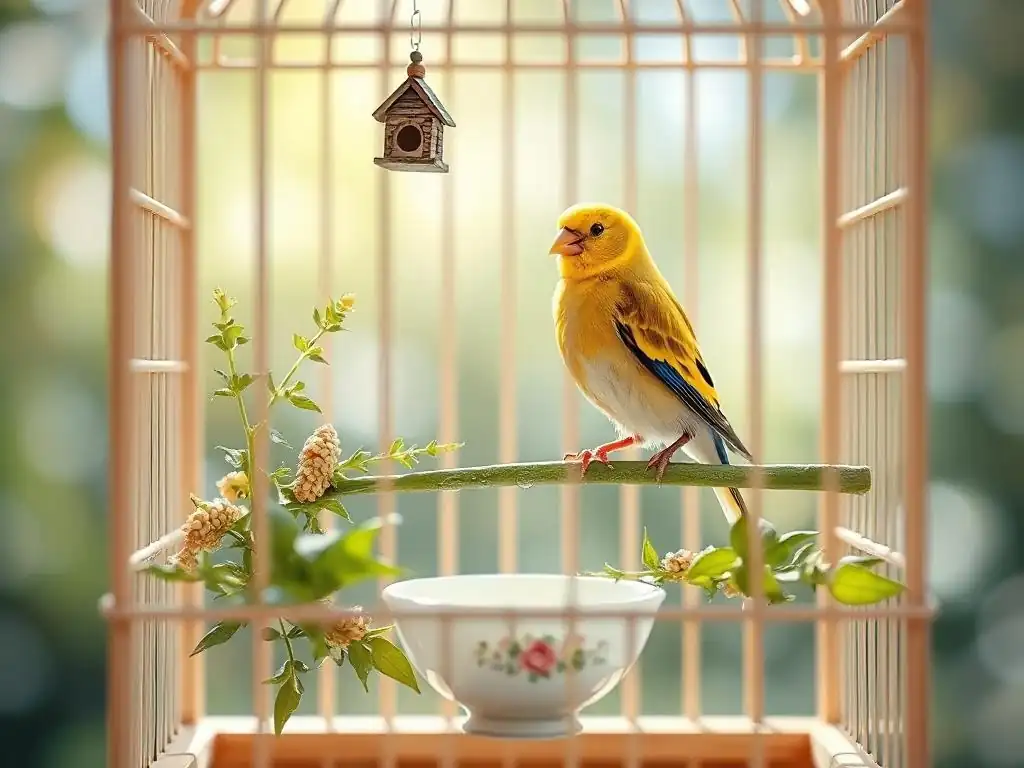
A clean and hygienic bird cage environment is paramount for your feathered friend's health and well-being. Neglecting cleanliness can lead to a build-up of harmful bacteria, fungi, and parasites, increasing the risk of respiratory infections, feather damage, and other serious health problems. Creating the best bird cage environment setup involves a proactive and consistent approach to hygiene. Think of it as preventative medicine for your bird. A healthy bird is a happy bird!
Regular Cleaning and Disinfection Protocols
Regular cleaning goes beyond simply removing droppings and stray seeds. It requires a meticulous approach to eliminate potential pathogens and maintain a sanitary living space. A good rule of thumb is to spot-clean the cage daily, removing fresh droppings and soiled food. This prevents the accumulation of waste and reduces unpleasant odors.
Once a week, perform a more thorough cleaning. This involves:
- Removing all perches, toys, food and water dishes.
- Scrubbing the cage bars and bottom tray with a pet-safe disinfectant. Make sure to rinse thoroughly to eliminate any residue, as some cleaning products can be toxic to birds.
- Replacing the bedding with fresh, absorbent material. Avoid using cedar or pine shavings, as these can release harmful oils. Paper-based bedding or natural materials like hemp are safer alternatives.
- Thoroughly washing and disinfecting all removable accessories before returning them to the cage.
Frequency might need adjustment based on your bird's size, species, and the number of birds in the cage. Larger birds or those with messier eating habits may require more frequent cleaning. Monitoring your bird's health and cage cleanliness is crucial for proactive disease prevention. Observe for any unusual changes in behavior or droppings, which could indicate a problem.
Safe Cleaning Products for Bird Cages
Choosing the right cleaning products is critical. Many household cleaners contain chemicals toxic to birds. Avoid using anything with strong scents, bleach, ammonia, or harsh abrasives. Opt for pet-safe disinfectants specifically designed for bird cages. Always follow the product instructions carefully, ensuring adequate ventilation during cleaning and thorough rinsing afterward.
Here's a table comparing some common cleaning options:
| Cleaning Product Type | Advantages | Disadvantages | Bird-Safe? |
|---|---|---|---|
| White Vinegar Solution (5%) | Natural, inexpensive, effective disinfectant | Can be slightly acidic, may require repeated use | Yes |
| Pet-Safe Disinfectant Spray | Easy to use, specifically formulated | Can be more expensive than natural alternatives | Yes |
| Mild Soap and Water | Gentle, readily available | May not be effective against all bacteria and fungi | Yes |
Remember to always test any cleaning product on a small, inconspicuous area of the cage first to check for any adverse reactions.
Preventing the Spread of Diseases Through Proper Hygiene
Maintaining a clean cage is a cornerstone of disease prevention. However, proper hygiene extends beyond the cage itself. Regular handwashing before and after handling your bird is essential. This simple step drastically reduces the risk of transferring germs from your hands to your bird. Also, avoid overcrowding your bird's cage, as this can facilitate the spread of diseases. Ensure adequate space for your bird to move freely and comfortably.
Furthermore, quarantine any new birds before introducing them to your existing flock. This allows you to monitor their health and prevent the potential spread of infections. Regular veterinary check-ups are also crucial for early disease detection and treatment. A healthy bird is a happy bird, and a clean cage is the first step towards achieving that goal. Remember, a proactive approach to hygiene is the best way to ensure a long and healthy life for your feathered companion. By consistently following these guidelines, you'll be well on your way to creating the best bird cage environment setup possible.
Essential Accessories for a Healthy Bird Cage Environment
Creating the best bird cage environment setup involves more than just a cage; it's about thoughtfully selecting and placing accessories to ensure your feathered friend's physical and mental well-being. A stimulating and comfortable environment directly impacts your bird's health, longevity, and overall happiness. This section details the crucial accessories needed to achieve this optimal setup, focusing on practical considerations and the impact of each item on your bird's life. Remember, the goal is to mimic, as closely as possible, a bird's natural habitat. This will lead to a happier, healthier bird.
Food and Water Dish Placement and Selection
Proper food and water dish placement is paramount for maintaining hygiene and preventing bacterial growth. Avoid placing dishes directly under perches to minimize droppings contamination. Stainless steel or ceramic dishes are preferred for their easy cleaning and durability. Consider multiple food and water dishes, especially for larger cages or multiple birds, to avoid competition and ensure access for all.
The ideal placement is easily accessible to your bird, but not directly in a high-traffic area prone to excessive droppings. For example, a good strategy is to place food dishes slightly away from perches and water dishes in a separate, less-soiled area. Regular cleaning is crucial – aim for daily cleaning of food and water dishes to prevent the buildup of bacteria and maintain a healthy environment. This simple practice significantly reduces the risk of bacterial infections and keeps your bird healthy and thriving.
Perches: Size, Material, and Placement for Optimal Foot Health
The selection and placement of perches are critical for maintaining your bird's foot health and preventing foot problems. Avoid using only one type of perch; varying sizes, shapes, and materials prevents joint stiffness and promotes healthy foot development. Natural wood perches, such as those made from apple wood or willow, provide a textured surface that helps keep your bird's claws naturally trimmed.
Consider incorporating perches of different diameters – thicker perches encourage proper foot posture, while thinner ones provide a different grip and exercise. The placement should allow for easy movement and access to all areas of the cage. Avoid overcrowding the cage with perches; leave enough space for your bird to comfortably maneuver and avoid injury.
Regularly inspect perches for wear and tear and replace them as needed to maintain a safe and comfortable environment. Think of it like this: a variety of perches is like a gym for your bird's feet.
Toys and Enrichment Items to Prevent Boredom and Promote Activity
Providing a stimulating environment with a variety of toys and enrichment items is essential for preventing boredom and promoting physical and mental activity in your bird. A bored bird is often a stressed bird, leading to destructive behaviors such as feather plucking or excessive screaming. Rotate toys regularly to keep your bird engaged and prevent them from becoming overly familiar with any single item.
Include a variety of textures, shapes, and materials—foraging toys, puzzle toys, bells, swings, and chew toys—to stimulate different senses and encourage natural behaviors. Consider adding natural branches or safe, untreated wood pieces for chewing and climbing. Remember, the goal is to provide a stimulating and engaging environment that mimics a bird's natural behaviors.
A happy bird is an active bird, and this is reflected in its overall health and demeanor. Regularly assess your bird's interaction with its toys and adjust accordingly to ensure a constant source of engagement and prevent boredom. Think of it as creating a fun and engaging "playground" for your avian companion.
Understanding Your Bird's Behavioral Needs for a Thriving Environment
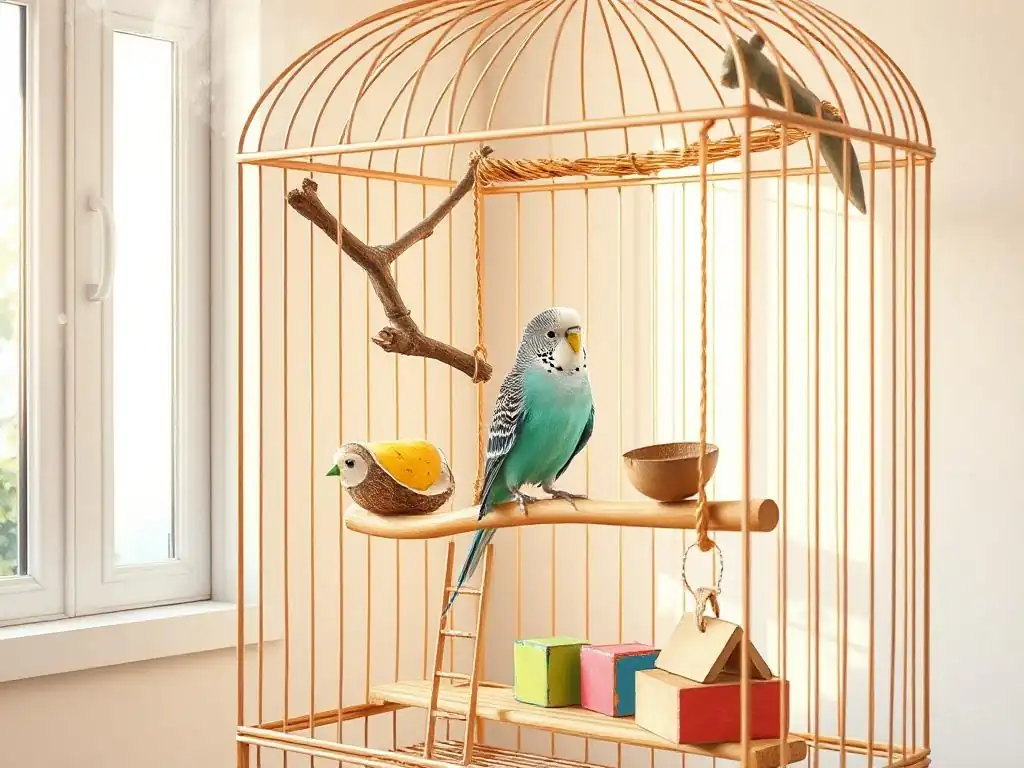
Creating the best bird cage environment setup isn't just about providing food and water; it's about understanding and catering to your feathered friend's complex behavioral needs. Birds, especially those kept as pets, require a stimulating and enriching environment to thrive. Neglecting these needs can lead to stress, boredom, and even health problems.
A happy bird is a healthy bird, and a happy bird starts with a well-designed cage and surrounding environment. This section will explore key aspects of avian behavior and how to address them effectively in your bird's living space. We'll move beyond the basics of food and water, delving into the nuances of creating a truly enriching habitat.
Recognizing Signs of Stress and Boredom in Your Bird
Recognizing signs of stress and boredom in your bird is crucial for maintaining their well-being. A stressed or bored bird might exhibit several behavioral changes. These can include:
- Feather plucking: This is a common sign of stress and can be self-destructive. Constant preening or pulling out feathers might indicate underlying issues with their environment or social interaction.
- Excessive vocalizations: While some vocalization is normal, excessive screeching, squawking, or other unusual sounds can signal distress or boredom. Think of it like a human constantly yelling – it's not a normal state.
- Lethargy and inactivity: A bird that is usually active and playful may become lethargic and spend most of its time sitting still. This lack of engagement is a warning sign.
- Changes in eating and sleeping habits: Significant alterations in appetite or sleep patterns can also indicate underlying problems. For instance, a sudden increase or decrease in food intake warrants attention.
- Aggression or self-mutilation: In extreme cases, birds may exhibit aggressive behavior towards themselves or others, potentially harming themselves. This requires immediate veterinary attention.
Observing these subtle changes is vital. Keep detailed notes on your bird's daily activities, including their feeding habits, sleep patterns, and overall behavior. This helps you identify any deviations from their normal routine and address potential issues promptly. Early intervention is key to preventing long-term behavioral problems. Remember, a healthy bird is an active and engaged bird. If you notice any of these signs, consult with an avian veterinarian to rule out any underlying medical conditions. The veterinarian can help determine if the behavior is purely environmental or if there is a more serious issue at play.
Birds are social creatures and require interaction to stay happy and healthy. Even solitary bird species in the wild interact with their environment. Providing opportunities for social interaction and play is essential for preventing behavioral problems. Consider these options:
- Spend quality time with your bird: Daily interaction, including talking, singing, and playing, strengthens the bond between you and your bird and combats loneliness.
- Introduce safe toys: Offer a variety of toys that stimulate different senses – foraging toys, puzzle toys, bells, swings, and chew toys. Rotate toys regularly to keep things interesting and prevent boredom.
- Consider a companion bird: If your bird species is known to be social, a well-matched companion can provide much-needed social interaction. However, thorough research and careful introductions are crucial to ensure compatibility.
- Create a stimulating environment: Provide varied textures and visual stimulation within the cage, such as different perches, branches, and toys. This mimics a natural environment and keeps your bird engaged.
Remember to closely monitor your bird's interactions, both with you and with any potential companions. Adjust the enrichment provided based on your bird's preferences and responses. A well-adjusted bird will display positive behaviors like singing, playing, and actively engaging with its environment. Don't underestimate the impact of social interaction on your bird's overall well-being. This is a critical aspect of creating the best bird cage environment setup.
Creating a Safe and Secure Environment to Reduce Anxiety
A safe and secure environment is paramount to reducing anxiety in birds. Birds are naturally prey animals and are sensitive to changes in their surroundings. Here's how to create a haven:
- Proper cage placement: Place the cage away from drafts, direct sunlight, and noisy areas. A quiet, secure location will reduce your bird's stress levels.
- Sufficient cage size: Ensure the cage is large enough for your bird to comfortably move around, stretch its wings, and play. A cramped cage can be extremely stressful.
- Secure perches and toys: Make sure all perches and toys are securely attached to prevent accidents. A falling toy could startle your bird and increase anxiety.
- Minimize sudden movements and loud noises: Birds are easily startled. Avoid sudden movements or loud noises near the cage.
- Consistent routines: Maintain a consistent daily routine for feeding, cleaning, and interaction. Predictability provides security and reduces anxiety.
Creating a safe and secure environment is fundamental to a happy and healthy bird. This will reduce stress levels and improve your bird's overall well-being. Remember, a calm and predictable environment is essential for a thriving bird. By paying attention to these details, you’ll be well on your way to creating the best bird cage environment setup for your avian companion. Regularly assess your bird's environment and make adjustments as needed to ensure it remains a safe and comfortable space.
Troubleshooting Common Bird Cage Environment Issues
This section addresses common problems pet bird owners face when creating the best bird cage environment setup, focusing on practical solutions and preventative measures. A well-maintained environment is crucial for a happy and healthy bird, impacting everything from feather condition to lifespan. Let's explore some frequent challenges and how to overcome them.
Addressing Issues with Cage Placement and Lighting
Incorrect cage placement is a frequent culprit behind behavioral problems and health issues in pet birds. Sunlight, while beneficial in moderation, can be detrimental if direct and prolonged. Overexposure leads to overheating and potential feather damage. Conversely, insufficient natural light can negatively impact a bird's circadian rhythm, leading to lethargy and hormonal imbalances.
Here's a breakdown of ideal placement and lighting considerations:
- Placement: Avoid placing the cage near drafts, heating vents, or areas with excessive noise. A quiet corner, away from direct sunlight but with access to some natural light (filtered through a curtain, for example), is ideal. Consider the bird's perspective – avoid placing the cage in high-traffic areas where they might feel stressed or threatened. Keep it at a height accessible for interaction but not so high that it feels isolated.
- Lighting: Aim for a balance of natural and artificial light. Ideally, birds should receive around 10-12 hours of light per day. Supplement natural light with full-spectrum bird lamps, which mimic natural sunlight and provide essential UV rays crucial for vitamin D synthesis and overall well-being. Avoid using standard incandescent bulbs, as they emit excessive heat and don't provide the necessary UV spectrum. Always monitor the temperature around the lamp to prevent overheating.
- Example: A cockatiel owner noticed their bird was becoming increasingly lethargic and plucking its feathers. After reviewing their cage setup, they realized the cage was positioned in direct sunlight for several hours daily. Moving the cage to a shadier location and supplementing with a full-spectrum lamp significantly improved the bird's behavior and feather condition within a few weeks.
Resolving Temperature and Humidity Problems
Maintaining the correct temperature and humidity levels is paramount for a bird's respiratory health and overall comfort. Extreme temperatures or humidity can weaken the immune system, making birds more susceptible to illness. Different species have different needs, so research your specific bird's requirements.
Here's a guide to addressing temperature and humidity issues:
- Temperature: The ideal temperature range varies depending on the species, but generally falls between 65-75°F (18-24°C). Use a thermometer to monitor the cage's temperature regularly, especially during extreme weather conditions. Invest in a thermostatically controlled heater or fan to maintain a consistent temperature.
- Humidity: Low humidity can lead to dry skin and respiratory problems, while excessive humidity can promote bacterial and fungal growth. A hygrometer will help monitor humidity levels. Aim for a humidity level between 40-60%, depending on the species. Consider using a humidifier or dehumidifier as needed. Regular misting can also help increase humidity, but avoid over-misting, which can lead to dampness and mold growth.
- Data Example: A study on Amazon parrots found that maintaining humidity levels above 50% significantly reduced the incidence of respiratory infections. This highlights the importance of consistent monitoring and adjustment.
Dealing with Cage Cleaning Challenges and Maintaining Hygiene
Maintaining a clean bird cage is crucial for preventing disease and ensuring the bird's well-being. Regular cleaning eliminates bacteria, viruses, and parasites that can harm your feathered friend. However, the frequency and thoroughness of cleaning depend on the species and size of the bird, as well as the type of cage.
Here's a step-by-step guide to effective cage cleaning:
- Frequency: Daily spot cleaning is essential, removing droppings and soiled food. A complete cage cleaning should be performed at least once a week, or more frequently if necessary.
- Process: Remove all toys, perches, and food and water dishes. Wash these items thoroughly with warm, soapy water (pet-safe dish soap is recommended). Rinse well and allow to air dry completely. Clean the cage itself with a pet-safe disinfectant. Rinse thoroughly and allow to dry completely before replacing the items. Avoid using harsh chemicals that can be toxic to birds.
- Hygiene: Use separate cleaning supplies for the bird cage to prevent cross-contamination. Always wash your hands thoroughly after handling the cage or its contents. Regularly inspect the cage for any signs of damage or wear and tear, replacing any worn-out parts promptly.
- Best Practices: Using disposable liners at the bottom of the cage can simplify cleaning and reduce the overall cleaning time. Choose natural, biodegradable liners to minimize the environmental impact. Consider using multiple cages to allow for simultaneous cleaning and maintain a hygienic environment for your bird. The use of enzymatic cleaners can help break down organic matter, resulting in a more effective cleaning process.
Remember, a meticulously maintained bird cage environment is an investment in your pet's health and happiness. By addressing these common issues proactively, you can contribute to a long and fulfilling life for your avian companion. Always consult with an avian veterinarian for species-specific advice and to address any concerns about your bird's health.
Resources for Creating the Best Bird Cage Setup
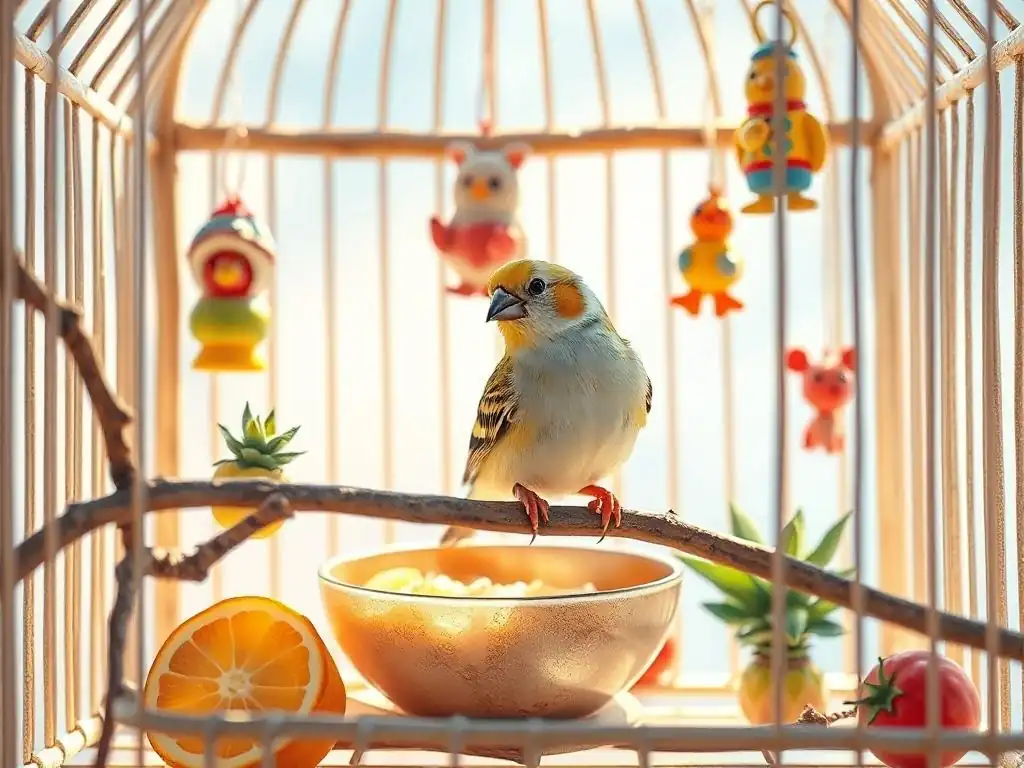
This section delves into the practical aspects of setting up the ideal bird cage environment, focusing on where to source essential components for a thriving avian companion. Finding the right resources is crucial for creating a safe, stimulating, and enriching habitat. A well-researched approach ensures your feathered friend receives the best possible care, contributing significantly to their overall health and happiness. Remember, the goal is to mimic a natural environment as closely as possible, providing ample space, appropriate toys, and a secure feeling.
Recommended Cage Manufacturers and Suppliers
Choosing a high-quality bird cage is paramount. The cage should be appropriately sized for your bird species, constructed from safe materials (avoid lead-based paints! ), and designed to facilitate easy cleaning. Several reputable manufacturers prioritize bird welfare and produce cages that meet these standards. Consider factors like bar spacing (to prevent escapes), materials (stainless steel is often preferred), and overall design (sufficient space for perches, toys, and food/water dishes).
Researching specific manufacturers allows for informed decision-making. Look for companies with a strong reputation for quality and customer service. Read reviews from other bird owners to gauge the durability and practicality of different models. Don't hesitate to contact manufacturers directly with questions about materials, construction, and safety features. Remember, a well-chosen cage is an investment in your bird's long-term well-being. It's a foundational element of a "best bird cage environment setup."
Some factors to consider when choosing a cage manufacturer include:
- Bar Spacing: Ensure the spacing is appropriate for your bird species to prevent escapes. Smaller birds need smaller spacing.
- Material: Stainless steel is generally preferred for its durability and resistance to rust and chewing.
- Size: The cage should be large enough to allow your bird to comfortably spread its wings and move freely. A larger cage is always better than a smaller one.
- Design: Look for features like multiple perches, feeding bowls, and easy-to-clean trays.
Consider consulting online forums and bird-specific websites for recommendations on trustworthy suppliers and manufacturers. Word-of-mouth recommendations from experienced bird owners can be invaluable.
Where to Find Safe and Engaging Bird Toys
Providing a variety of safe and engaging bird toys is crucial for preventing boredom and promoting physical and mental stimulation. A stimulating environment is essential for a happy and healthy bird. Toys should be designed to challenge your bird mentally and physically, encouraging natural behaviors like foraging, chewing, and climbing.
Avoid toys made from toxic materials, such as lead-based paints or small parts that could be ingested. Opt for toys made from natural materials like wood, cotton rope, and sisal. Always supervise your bird with new toys to ensure they are safe and appropriate. Rotate toys regularly to maintain interest and prevent boredom. A diverse collection of toys catering to different play styles is key to creating the "best bird cage environment setup."
Here's a breakdown of toy types and where to find them:
- Foraging Toys: These toys encourage natural foraging behaviors. Look for puzzle feeders, treat balls, and toys that require your bird to work for its food. Many pet stores and online retailers carry a vast selection.
- Chewing Toys: Birds need to chew to keep their beaks trimmed and healthy. Provide a variety of wood blocks, rope toys, and other chewable items.
- Swinging and Climbing Toys: These toys provide physical exercise and enrichment. Look for swings, ladders, and perches of varying sizes and textures.
Remember to regularly inspect toys for wear and tear and replace any damaged items promptly. A proactive approach to toy safety and variety significantly contributes to creating a stimulating and safe environment.
Helpful Resources and Further Reading on Bird Care
Continuing your education on bird care is a vital aspect of providing the best possible environment for your feathered friend. Numerous resources are available to expand your knowledge and ensure your bird thrives. Staying informed about the specific needs of your bird species, including dietary requirements, environmental preferences, and common health issues, is crucial.
Beyond this article, dedicated bird care books, websites, and online communities offer invaluable insights and support. Seek out reputable sources that provide evidence-based information and avoid relying solely on anecdotal evidence. Consider joining local bird clubs or online forums to connect with other bird owners and share experiences. This collaborative learning approach can significantly enhance your ability to create and maintain the "best bird cage environment setup."
Here are some avenues for further learning:
- Veterinary Resources: Consult with an avian veterinarian for species-specific advice and guidance.
- Bird-Specific Organizations: Many organizations dedicated to bird welfare provide educational resources and support.
- Online Forums and Communities: Connect with other bird owners to share experiences and learn from their expertise.
- Reputable Books and Websites: Seek out books and websites written by avian experts.
Remember, creating the best bird cage environment setup is an ongoing process requiring continuous learning and adaptation based on your bird's individual needs and preferences. Prioritize providing a safe, stimulating, and enriching environment that promotes your bird's physical and mental well-being. 🐦
Frequently Asked Questions
What is the most important factor when setting up a bird cage environment?
The most important factor is providing a safe and stimulating environment that meets your bird's species-specific needs. This includes sufficient space, appropriate perches, and engaging toys.
How much space does my bird need in its cage?
The size of your bird's cage should be as large as possible. A cramped cage can lead to stress and behavioral problems. Research your bird's species to determine the minimum recommended cage size.
What kind of lighting is best for my bird's cage?
Birds need a balance of natural and artificial light. Ensure your bird receives at least 12 hours of light per day, supplemented with full-spectrum lighting during shorter daylight hours. Avoid placing the cage in direct sunlight.
What types of toys and perches are best for enriching my bird's environment?
Provide a variety of toys that stimulate different behaviors, such as foraging, chewing, and climbing. Offer different types and sizes of perches to promote foot health and prevent joint problems.
How often should I clean my bird's cage?
Regular cleaning is crucial for maintaining a hygienic environment. Spot clean daily, removing droppings and soiled food. Perform a thorough cage cleaning at least once a week, disinfecting all surfaces before replacing toys and perches.
Final Reflection: Nurturing Flight: Creating the Ideal Avian Sanctuary
The quest for the perfect bird cage environment isn't merely about providing shelter; it's about fostering a thriving life. A well-designed cage isn't just a container, but a miniature ecosystem that directly impacts a bird's physical and mental well-being, a truth increasingly recognized by responsible bird owners. This understanding is crucial in a world where companion birds are increasingly valued for their intelligence and emotional complexity.
Creating a stimulating and enriching environment for our feathered friends profoundly impacts their quality of life. It's about recognizing that a bird's happiness isn't solely dependent on food and water, but on the opportunity to express their natural behaviors. The right lighting, spaciousness, and carefully chosen accessories all contribute to a sense of security and joy. As ornithologist Dr. Jane Goodall once said, You cannot get through a single day without having an impact on the world around you. What you do makes a difference, and you have to decide what kind of difference you want to make.
This applies not just to our wider world, but to the small, vibrant world we create for our avian companions.
Consider the lessons learned within these pages. Think about the specific needs of your bird, their unique personality, and how you can best tailor their environment to meet those needs. You have the power to transform a simple cage into a haven, a place where your bird can flourish, sing, and truly thrive.
Take the time to reflect on what you've learned, make the necessary adjustments, and watch your feathered friend respond with vibrant health and happiness. The journey towards creating the perfect avian sanctuary is an ongoing process, a testament to the deep bond we share with these remarkable creatures.
Unleash Your Bird's Inner Songbird: Create the Perfect Aviary!
Thank you for learning how to create the ideal environment for your feathered friend! You've gained valuable insights into light, space, and comfort—essential elements for a happy and healthy bird. Now, let's put that knowledge into practice!
- Design your bird's dream cage: Consider the tips we shared on space, perches, and toys, and start planning a customized aviary that meets your bird's unique needs. Think creatively—what unusual item could you add to enrich its environment?
- Share your progress (or questions!): We'd love to see how you're transforming your bird's living space! Share photos on our social media pages or leave a comment below.
- Explore our bird toy guide: For even more inspiration on enriching your bird's life, check out our detailed guide on choosing the perfect toys.
Ready to make your bird's life even better? What small improvement will you make today to enhance its environment?