
Diagnosing Psittacosis: What Tests Should Your Vet Perform?

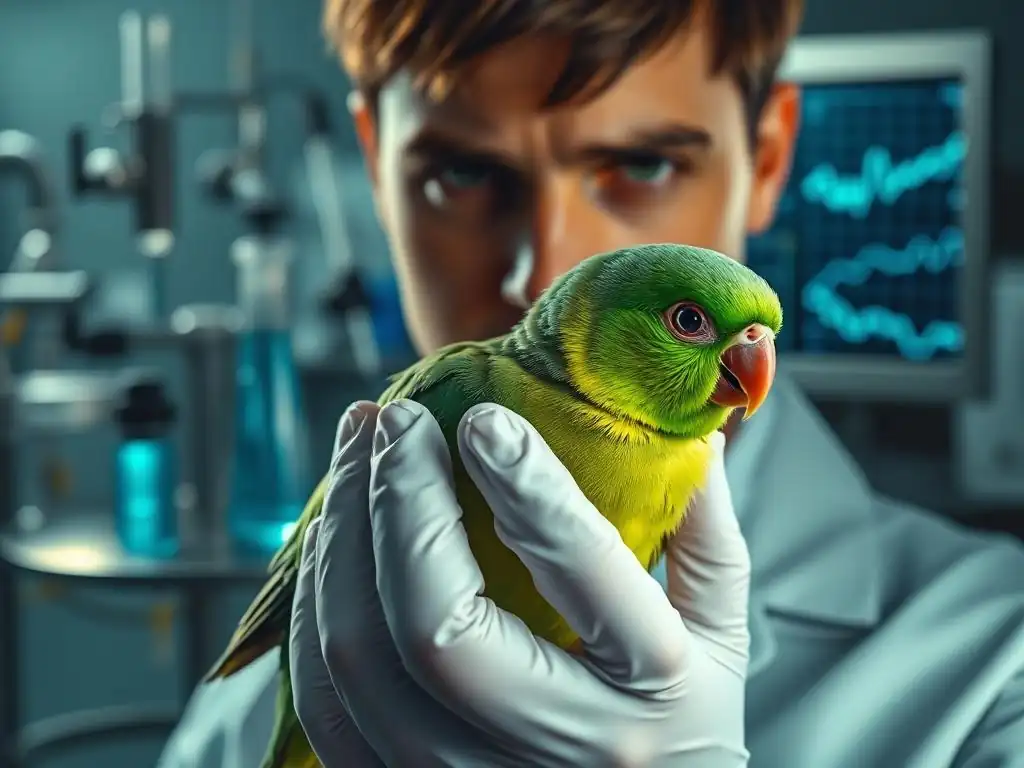
Welcome to PetCareWorld, your ultimate guide to a happier, healthier life for your beloved companion! Are you concerned about the well-being of your feathered friend? Then you've come to the right place. Discover crucial insights into diagnosing psittacosis, a serious avian illness, and learn exactly what Psittacosis bird vet tests your veterinarian should conduct to ensure accurate diagnosis and effective treatment. Dive in and unlock the knowledge you need to provide the best possible care for your bird.
- Understanding Psittacosis in Birds: Initial Symptoms and Suspicion
-
Essential Diagnostic Tests for Psittacosis in Birds
- Microscopic Examination of Samples: Cytology and Histopathology
- Serological Tests: Detecting Chlamydophila psittaci Antibodies
- PCR Testing for Chlamydophila psittaci DNA Detection: Sensitivity and Specificity
- Culture Techniques: Isolating Chlamydophila psittaci Bacteria (Limitations and Alternatives)
- Chest X-rays: Evaluating Respiratory System Involvement in Psittacosis
- Interpreting Psittacosis Test Results and Treatment Options
- Preventing Psittacosis in Your Avian Companion
- Choosing the Right Avian Veterinarian for Psittacosis Diagnosis
- Importance of a Thorough Veterinary Examination for Psittacosis Suspicion
- Further Resources and Information on Psittacosis in Birds
- Frequently Asked Questions
- Final Reflection: The Silent Threat of Psittacosis and the Power of Early Detection
- Unlock Your Parrot's Health: Take Action Today!
Understanding Psittacosis in Birds: Initial Symptoms and Suspicion
Psittacosis, also known as avian chlamydiosis, is a serious bacterial infection affecting birds, particularly parrots and other psittacine species. While often asymptomatic, infected birds can spread this zoonotic disease—meaning it's transferable to humans—making early diagnosis crucial for both the bird's health and the safety of its owner. This article will guide you through the essential diagnostic tests a veterinarian should conduct when psittacosis is suspected in your avian companion. Understanding the early warning signs and recognizing when to seek professional veterinary help is paramount in managing this potentially life-threatening illness.
We'll explore the key symptoms, differential diagnoses, and the specific tests that can confirm or rule out a psittacosis diagnosis, empowering you to advocate for your feathered friend's best possible care. This information is intended for educational purposes and should not replace professional veterinary advice. Always consult with an avian veterinarian for accurate diagnosis and treatment.
Recognizing Early Signs of Avian Psittacosis
Early detection of psittacosis is challenging because initial symptoms are often subtle and easily mistaken for other common avian ailments. However, vigilance is key. Some common early signs to watch for include:
- Lethargy and Depression: A noticeable decrease in activity levels and a general lack of interest in their surroundings. Your bird may spend more time perched and less time engaging in usual behaviors like preening or playing. 🐦
- Respiratory Distress: Difficulty breathing, characterized by labored breathing, gasping, or open-mouth breathing. You might also notice a change in their breathing sounds, such as wheezing or clicking. 🫁
- Diarrhea: Changes in the consistency and frequency of droppings, often appearing watery or unusually colored. 💩
- Weight Loss: A gradual decline in body weight, often accompanied by a loss of muscle mass. Regular weigh-ins are essential for monitoring your bird's health. ⚖️
- Fever: While difficult to directly measure in birds, lethargy and ruffled feathers can be indirect indicators. 🌡️
- Neurological Signs: In more advanced cases, neurological signs such as tremors, head tilt, or ataxia (loss of coordination) may appear. 🧠
It's important to note that not all birds exhibiting these symptoms will have psittacosis. These signs can be indicative of various other illnesses, highlighting the need for a thorough veterinary examination and diagnostic testing.
Differentiating Psittacosis from Other Avian Illnesses
Many avian illnesses share similar initial symptoms with psittacosis, making accurate diagnosis challenging. Conditions such as:
- Avian influenza
- Mycoplasmosis
- Bacterial infections (e.g., E. coli)
- Fungal infections (e.g., aspergillosis)
- Nutritional deficiencies
can present with overlapping symptoms. Therefore, a comprehensive differential diagnosis is necessary to rule out other potential causes before confirming psittacosis. This requires a skilled avian veterinarian experienced in diagnosing and treating avian diseases.
When to Suspect Psittacosis and Seek Veterinary Care
If you observe any of the aforementioned symptoms in your bird, especially if combined with exposure to other infected birds, it's crucial to seek immediate veterinary attention. Prompt diagnosis and treatment are essential to minimize the severity of the illness and prevent its spread. Don't delay seeking professional help; early intervention significantly improves the prognosis for your bird and reduces the risk of human infection.
Remember, your avian veterinarian will conduct a thorough physical examination, consider the bird's history, and order the necessary diagnostic tests to reach an accurate diagnosis. Early intervention is key to successful treatment and a positive outcome for your beloved feathered friend.
Essential Diagnostic Tests for Psittacosis in Birds
Psittacosis, also known as avian chlamydiosis, is a serious bacterial infection affecting birds, and potentially transmissible to humans. Accurate diagnosis is crucial for effective treatment and preventing further spread. This section details the essential diagnostic tests a veterinarian should perform to confirm a suspicion of psittacosis in your avian companion. Prompt and accurate diagnosis significantly improves the chances of a positive outcome for your bird. Remember, early intervention is key when dealing with this potentially life-threatening disease. The keywords "Psittacosis bird vet tests" are crucial for pet owners searching for information.
Microscopic Examination of Samples: Cytology and Histopathology
Microscopic examination plays a vital role in the initial assessment of suspected psittacosis cases. This involves analyzing samples collected from the bird, such as cloacal or conjunctival swabs, and potentially tissue biopsies if lesions are present.
Cytology, the microscopic examination of cells, can reveal the presence of Chlamydophila psittaci elementary bodies (EBs) – the infectious form of the bacteria. These EBs appear as small, intracellular, gram-negative cocco-bacilli. However, detecting EBs can be challenging, and the sensitivity of cytology alone is limited. A negative cytology result does not rule out psittacosis.
Histopathology, the microscopic examination of tissue samples, provides a more comprehensive assessment. Histopathological analysis can reveal characteristic lesions associated with chlamydiosis, such as necrotizing inflammation in various organs. While this method offers more detailed information, it's an invasive procedure requiring tissue biopsy and is therefore not always practical. The combination of cytology and histopathology can significantly increase diagnostic accuracy. The results are often reported as positive or negative for characteristic inflammatory changes consistent with C. psittaci infection.
Serological Tests: Detecting Chlamydophila psittaci Antibodies
Serological tests detect antibodies produced by the bird's immune system in response to Chlamydophila psittaci infection. These tests measure antibody levels in the bird's blood serum. Common serological methods include ELISA (enzyme-linked immunosorbent assay) and complement fixation tests. These tests are helpful in identifying birds that have been exposed to or are currently infected with the bacteria.
However, serological tests have limitations. A positive result indicates past or present infection, but it doesn't distinguish between acute and chronic infections. Furthermore, a negative result doesn't definitively rule out psittacosis, especially in the early stages of infection before sufficient antibody levels develop. Therefore, serological tests are best used in conjunction with other diagnostic methods for a more complete picture. The timing of the test is also crucial, as antibody levels may not be detectable immediately after infection.
PCR Testing for Chlamydophila psittaci DNA Detection: Sensitivity and Specificity
Polymerase chain reaction (PCR) testing is currently considered the gold standard for diagnosing psittacosis. This highly sensitive and specific molecular test directly detects the Chlamydophila psittaci DNA in various samples, including cloacal swabs, conjunctival swabs, and tissue samples. PCR offers superior sensitivity compared to microscopy and serology, allowing for earlier and more accurate diagnosis, even in the early stages of infection when bacterial loads may be low.
The high specificity of PCR minimizes false-positive results, ensuring greater confidence in the diagnosis. However, the accuracy of PCR results depends heavily on the quality of the sample collection and handling. Contamination can lead to false-positive results, while inadequate sample collection can result in false-negatives. Therefore, proper sample collection techniques are essential for reliable PCR results. PCR testing represents a significant advancement in the accurate and timely diagnosis of psittacosis in birds. 🦜
Culture Techniques: Isolating Chlamydophila psittaci Bacteria (Limitations and Alternatives)
Culturing Chlamydophila psittaci from clinical samples, such as cloacal or oropharyngeal swabs, is a gold-standard method for diagnosing psittacosis. However, this technique is time-consuming, requiring specialized cell culture and experienced laboratory personnel. The process involves inoculating the sample onto susceptible cell lines, typically McCoy cells, and observing for the characteristic inclusion bodies indicative of C. psittaci infection.
This can take several days to weeks, delaying treatment and potentially worsening the bird's condition. Furthermore, the sensitivity of culture techniques is not always high; some infected birds may not shed sufficient bacteria for detection. This means a negative culture result doesn't definitively rule out psittacosis.
Several factors contribute to the limitations of culture techniques. The bacteria's obligate intracellular nature necessitates specialized cell culture facilities and expertise, which may not be readily available in all veterinary clinics. Additionally, the fastidious growth requirements of C. psittaci and the potential for contamination can further complicate the process, leading to false-negative results. The long incubation period also makes this method less practical for urgent cases where rapid diagnosis and treatment are critical.
Given the limitations of culture, alternative diagnostic methods are often preferred or used in conjunction with culture. These alternatives offer faster results and may be more readily accessible. The choice of method depends on factors such as the availability of resources, urgency of the situation, and the overall clinical picture. A comprehensive diagnostic approach often combines several techniques to increase the accuracy of the diagnosis.
Chest X-rays: Evaluating Respiratory System Involvement in Psittacosis
Chest radiography plays a crucial role in assessing the extent of respiratory involvement in psittacosis-affected birds. While not a definitive diagnostic test for C. psittaci itself, X-rays provide valuable information about the severity of lung lesions and help monitor the bird's response to treatment. Characteristic findings in psittacosis may include increased opacity in the lung fields, indicating pneumonia; air sacculitis, showing as increased opacity in the air sacs; and, in severe cases, pleural effusion.
However, it's important to note that these radiographic findings are not specific to psittacosis and can be seen in other avian respiratory diseases. Therefore, X-rays should be interpreted in conjunction with other diagnostic tests, such as serology and PCR.
The interpretation of chest X-rays in avian patients requires experience and expertise in avian radiology. Subtle changes in lung density can be easily missed by inexperienced readers. Furthermore, the precise location and extent of lesions may vary depending on the stage of the disease and the bird's species. For example, some species might show more pronounced air sacculitis than others.
The size and shape of the bird's thoracic cavity also influence radiographic interpretation. Careful comparison of images taken at different time points is crucial to monitor disease progression or response to treatment. A series of X-rays taken over several days or weeks can reveal the dynamics of the infection and the efficacy of the treatment strategy. This longitudinal monitoring is particularly valuable for assessing the response to antibiotics and identifying any complications.
Interpreting Psittacosis Test Results and Treatment Options
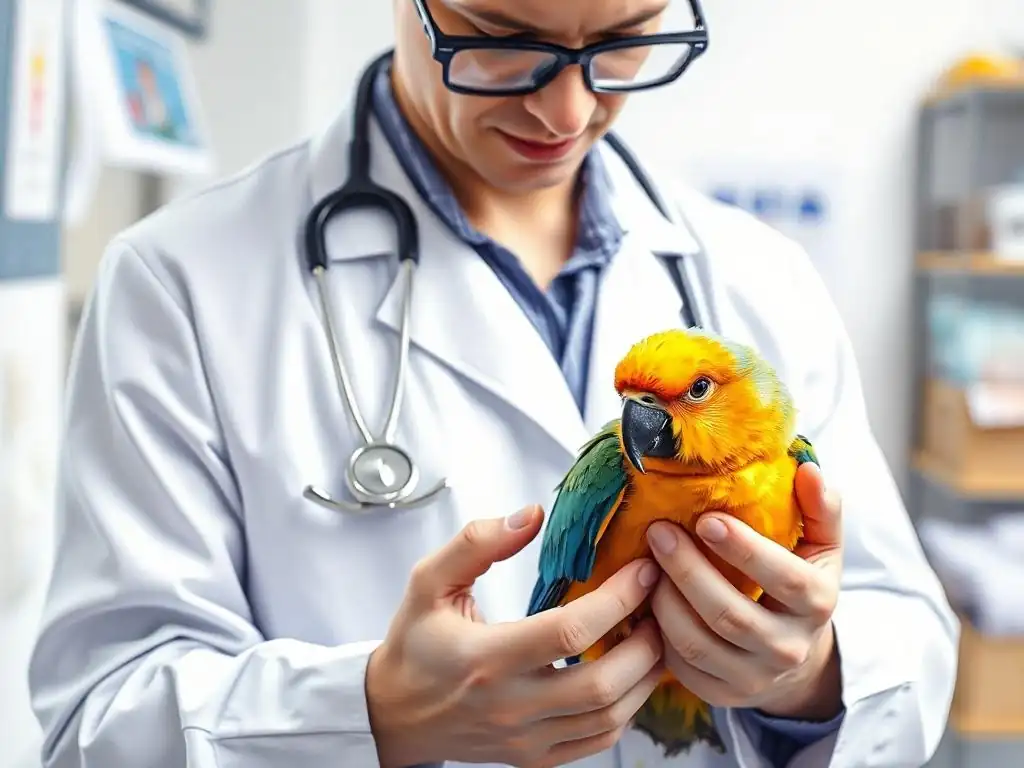
Diagnosing psittacosis, also known as avian chlamydiosis, requires a careful interpretation of various veterinary tests. The accuracy of diagnosis hinges not only on the test results themselves but also on a thorough clinical examination of the bird, its history, and the correlation of findings. Remember, a definitive diagnosis relies on integrating multiple data points, not solely on a single positive or negative test.
This section will delve into understanding the nuances of interpreting psittacosis test results and how they inform subsequent treatment decisions. Accurate and timely diagnosis is critical for effective management of this potentially serious avian disease. Effective management of psittacosis requires a multi-faceted approach involving appropriate testing, interpretation of results, and tailored treatment strategies.
Understanding Positive and Negative Test Results for Psittacosis
A positive test result for psittacosis indicates the presence of Chlamydophila psittaci antibodies or antigens in the bird's sample. However, a positive result doesn't always equate to active infection. Birds can test positive due to past exposure, even if they are currently asymptomatic.
Therefore, the veterinary professional must consider the bird's clinical signs alongside the test results. Conversely, a negative result doesn't definitively rule out psittacosis. The sensitivity and specificity of the tests vary, and a negative result might be a false negative, particularly if the test is performed during the early stages of infection or if the sample quality is suboptimal.
Several tests are employed to detect psittacosis, each with its own limitations:
- Direct Fluorescent Antibody (DFA) Test: This test detects the presence of C. psittaci antigens in clinical samples (e.g., cloacal swabs, conjunctival swabs). It offers rapid results but can yield false negatives if the bacterial load is low.
- Enzyme-Linked Immunosorbent Assay (ELISA): This serological test detects antibodies against C. psittaci in the bird's blood serum. It's useful for detecting past exposure but may not be sensitive enough to detect acute infections.
- Polymerase Chain Reaction (PCR): This molecular test detects the C. psittaci DNA in samples. It's highly sensitive and specific, but the cost can be higher than other tests.
The choice of test(s) depends on various factors, including the bird's clinical presentation, the resources available at the veterinary clinic, and the cost-benefit analysis for the owner. It's crucial for owners to discuss these options thoroughly with their avian veterinarian. The interpretation of these tests requires expertise and should always be done in consultation with a qualified avian veterinarian. Accurate interpretation is key to effective treatment and preventing further spread of the disease.
Coordinating Test Results with Clinical Signs
The presence of clinical signs is crucial in interpreting psittacosis test results. While a positive test result suggests exposure, the bird might not be actively ill or contagious. Conversely, a bird exhibiting typical symptoms of psittacosis (e.g., respiratory distress, lethargy, diarrhea, conjunctivitis) but with a negative test result may still have the disease, especially if other differential diagnoses have been ruled out. This highlights the importance of a comprehensive clinical examination.
Clinical signs alone are insufficient for a definitive diagnosis. For example, respiratory symptoms could be caused by various avian diseases including aspergillosis or bacterial infections. Therefore, a combination of clinical examination, thorough history, and laboratory testing is essential. The severity of clinical signs often correlates with the stage and intensity of the infection, but this correlation is not absolute.
Some birds might be asymptomatic carriers, while others might exhibit severe symptoms. The veterinary professional needs to take into account all aspects of the bird's condition and the test results to reach an accurate diagnosis. This holistic approach is essential for effective treatment and management of psittacosis.
Treatment Protocols for Confirmed Psittacosis Cases
Once psittacosis is confirmed, prompt treatment is crucial to prevent complications and improve the bird's prognosis. Treatment typically involves antibiotics, specifically those effective against Chlamydophila psittaci. The specific antibiotic, dosage, and duration of treatment will depend on several factors, including the severity of the illness, the bird's overall health, and the specific strain of C. psittaci.
Commonly used antibiotics include:
- Doxycycline: This is often the antibiotic of choice for treating psittacosis in birds.
- Tetracycline: Another effective antibiotic option, although it may have more side effects than doxycycline.
The administration route (oral, injectable) and the duration of treatment are determined by the veterinarian based on the individual bird's needs. Treatment duration typically ranges from several weeks to several months, depending on the severity of the infection and the bird's response to therapy. Supportive care, including maintaining optimal environmental conditions, providing nutritious food, and managing any secondary infections, is also critical.
Regular monitoring of the bird's condition during and after treatment is essential to assess its response to therapy and detect any potential complications. Complete recovery may take time, and some birds might continue to shed C. psittaci even after completing antibiotic therapy. Following the veterinarian's instructions meticulously is crucial to ensure successful treatment and prevent recurrence.
The success of treatment depends heavily on the prompt diagnosis and consistent adherence to the veterinarian's treatment plan. Remember, early detection and treatment are key to improving the bird's chances of a full recovery.
Prognosis and Long-Term Management of Psittacosis in Birds
The prognosis for psittacosis in birds varies significantly depending on several factors. Early diagnosis and prompt treatment with appropriate antibiotics, such as tetracycline or doxycycline, greatly improve the chances of a positive outcome. Severity of infection at the time of diagnosis plays a crucial role; birds presenting with severe respiratory distress or systemic illness face a more guarded prognosis. The bird's overall health and immune status before infection also influence recovery.
Younger birds and those with pre-existing conditions may be more vulnerable and require more intensive care. Species also seem to have varying susceptibility; some species appear to be more resistant than others. [Specific data on species susceptibility pending].
Effective treatment usually involves a course of antibiotics administered for several weeks, sometimes extending to several months depending on the severity and the bird’s response. Even with successful treatment, complete eradication of the Chlamydophila psittaci bacteria isn't always guaranteed. Some birds may become carriers, shedding the bacteria intermittently, posing a risk of transmission to other birds or even humans. Therefore, long-term management is crucial to prevent recurrence and minimize the risk of spreading the disease.
Post-treatment monitoring is essential. This typically involves regular veterinary checkups, including physical examinations and potentially further serological tests to assess the bird's response to treatment and detect any relapse. Strict hygiene protocols within the bird's environment are also vital. This includes thorough cleaning and disinfection of cages, perches, food and water bowls, and any other items the bird comes into contact with. [Specific cleaning and disinfection protocols pending]. Isolation of infected birds from other birds is critical during treatment and for a period afterward to prevent further spread.
Careful observation of the bird's behavior and physical condition is necessary. Any signs of relapse, such as respiratory distress, lethargy, or changes in appetite, should be reported to the veterinarian immediately. In some cases, long-term antibiotic prophylaxis may be considered, although this decision should be made on a case-by-case basis by the avian veterinarian, weighing the potential benefits against the risks of antibiotic resistance.
The overall goal of long-term management is to maintain the bird's health, prevent recurrence, and minimize the risk of transmission to other susceptible animals and humans. A collaborative approach involving the veterinarian and the bird owner is essential for successful long-term management of psittacosis. 🐦
Preventing Psittacosis in Your Avian Companion
Psittacosis, also known as avian chlamydiosis, is a serious bacterial infection affecting birds and transmissible to humans. Preventing this disease is crucial for both your feathered friend's well-being and your own health. Proactive measures significantly reduce the risk of infection and its associated complications. A multi-pronged approach focusing on hygiene, quarantine, and vaccination is the most effective strategy. Remember, early detection and prevention are key to managing psittacosis effectively. This section will delve into specific strategies you can implement to safeguard your bird and yourself from this potentially dangerous disease.
Hygiene Practices to Minimize Psittacosis Risk
Maintaining a high standard of hygiene within your bird's environment is paramount in preventing psittacosis. This includes regular and thorough cleaning of the cage, food and water dishes, and all surrounding surfaces. The frequency of cleaning depends on your bird's species and habits, but a daily spot cleaning, with a more thorough weekly cleaning, is generally recommended.
- Cage Cleaning: Use a suitable disinfectant, following the manufacturer's instructions carefully. Avoid harsh chemicals that could be toxic to your bird. Thoroughly rinse all surfaces to remove any residual disinfectant. Consider using disposable paper liners on the cage floor for easier cleaning.
- Food and Water Dishes: These should be cleaned and disinfected daily to prevent bacterial contamination. Provide fresh food and water frequently.
- Surrounding Areas: The area surrounding the cage should also be cleaned regularly to remove any droppings or debris. This helps to prevent the spread of bacteria and maintain a healthy environment.
- Hand Hygiene: Always wash your hands thoroughly with soap and water before and after handling your bird or its cage. This simple step is incredibly effective in preventing the transmission of bacteria. Consider using a hand sanitizer as well, especially if water isn't readily available.
Regular and diligent hygiene practices are vital first steps in your psittacosis prevention strategy. Failing to maintain a clean environment significantly increases the risk of exposure and infection.
Quarantine Procedures for New Birds
Introducing a new bird to your existing flock requires careful planning and execution to minimize the risk of introducing diseases, including psittacosis. A strict quarantine period is essential. This involves isolating the new bird from your existing birds for a minimum of 30 days, ideally longer.
- Separate Housing: The new bird should be housed in a completely separate room or area, away from your existing birds. This prevents any potential contact and the spread of disease.
- Dedicated Equipment: Use separate feeding and water dishes, toys, and cleaning supplies for the quarantined bird. This minimizes cross-contamination.
- Observation: Closely monitor the quarantined bird for any signs of illness, such as lethargy, respiratory distress, or diarrhea. Any unusual symptoms should be reported to your avian veterinarian immediately.
- Veterinary Examination: A veterinary examination, including testing for psittacosis, should be conducted before introducing the new bird to your existing flock. This helps to identify any potential infections early on. This preemptive approach is crucial in preventing disease outbreaks within your avian community.
Quarantine is not merely a precaution; it's a critical step in responsible bird ownership and disease prevention. By adhering to these protocols, you significantly reduce the risk of psittacosis transmission and protect the health of all your birds.
Importance of Vaccination in Preventing Psittacosis
While hygiene and quarantine are essential, vaccination offers an additional layer of protection against psittacosis. Vaccination is not universally recommended for all bird species, and its effectiveness varies depending on several factors including the bird's age, health status, and the specific vaccine used. However, for birds at high risk of exposure, vaccination can be highly beneficial.
- Vaccine Availability: Consult with your avian veterinarian to determine the suitability of vaccination for your bird. They will assess your bird's individual needs and recommend the appropriate course of action.
- Vaccine Efficacy: While a vaccine can significantly reduce the severity of infection, it doesn't guarantee complete protection. It's important to maintain good hygiene and quarantine practices even if your bird is vaccinated.
- Regular Booster Shots: Like many vaccines, psittacosis vaccines often require booster shots to maintain immunity. Follow your veterinarian's recommendations for booster schedules to ensure continued protection.
Vaccination, when appropriate, adds a valuable layer to your overall psittacosis prevention strategy. It complements hygiene and quarantine practices, creating a more comprehensive approach to safeguarding your avian companion's health. Remember to always consult with your avian veterinarian to discuss the best course of action for your specific bird.
Choosing the Right Avian Veterinarian for Psittacosis Diagnosis
Finding a veterinarian experienced in avian medicine is crucial for accurate psittacosis diagnosis and treatment. Psittacosis, also known as ornithosis or parrot fever, is a zoonotic disease, meaning it can be transmitted from birds to humans. Therefore, proper diagnosis and management are vital not only for your feathered friend's health but also for your own safety. A general practitioner may not have the specialized knowledge or equipment necessary to diagnose and treat this complex illness effectively.
Finding Experienced Avian Specialists
Locating an avian vet requires proactive searching. Don't simply rely on proximity; prioritize experience and expertise. Look for veterinarians who specifically advertise their expertise in avian medicine or who are members of professional organizations like the Association of Avian Veterinarians. Many veterinary practices specialize in certain animal types, and finding one that focuses on birds significantly increases the chances of a successful diagnosis.
Online directories and veterinary school websites can be valuable resources for locating avian specialists. Checking online reviews and testimonials from other bird owners can also provide valuable insight into the quality of care offered by different practices. Remember, a thorough diagnosis of psittacosis requires a veterinarian familiar with avian-specific symptoms, diagnostic tools, and treatment protocols. Choosing the right avian veterinarian is the first critical step in ensuring your bird receives the best possible care.
Importance of a Thorough Veterinary Examination for Psittacosis Suspicion
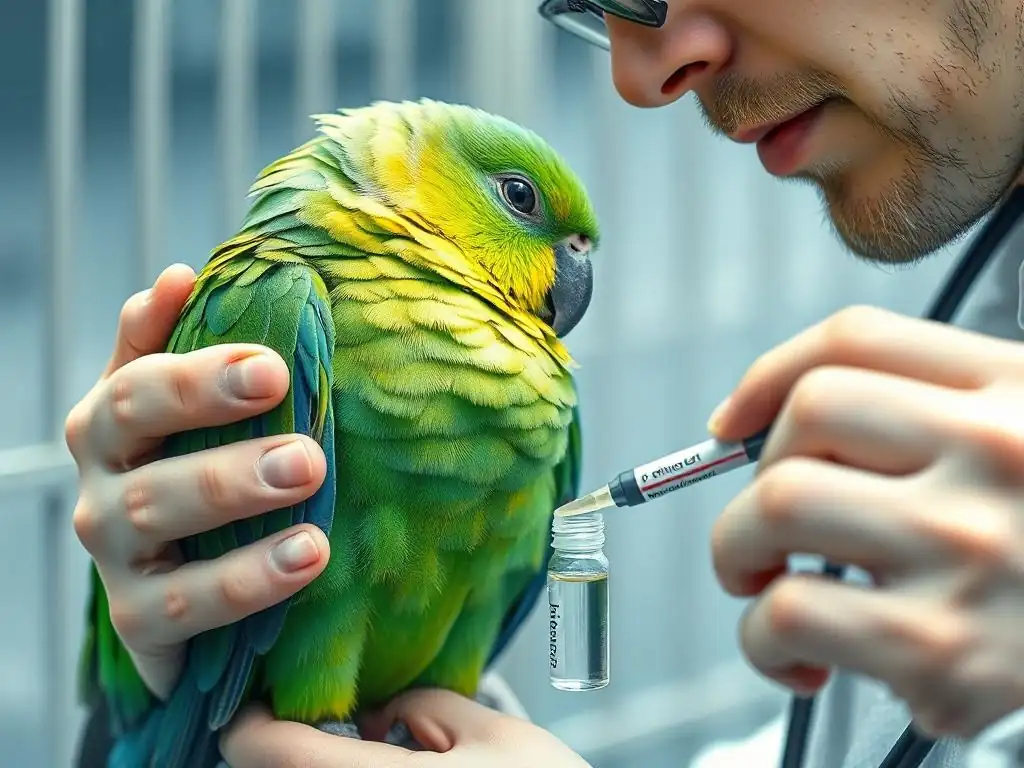
A thorough veterinary examination is paramount when psittacosis is suspected. The clinical signs of psittacosis in birds can be subtle and often mimic other avian illnesses. Therefore, a comprehensive evaluation by an experienced avian veterinarian is essential to differentiate psittacosis from other potential diagnoses. This examination goes beyond a simple visual inspection.
Importance of a Thorough Veterinary Examination for Psittacosis Suspicion
The initial assessment will involve a detailed history of the bird, including its age, breed, living conditions, and any recent exposure to other birds. The veterinarian will then perform a physical examination, paying close attention to the bird's respiratory system, assessing for signs such as:
- Respiratory distress: This can manifest as labored breathing, gasping, or open-mouth breathing.
- Abnormal respiratory sounds: Rales (crackling sounds) or wheezes may be audible during auscultation (listening to the bird's chest with a stethoscope).
- Discharge from the nostrils or eyes: This can be clear, mucoid (mucus-like), or even purulent (containing pus).
- Lethargy and depression: A bird suffering from psittacosis may appear less active and less responsive than usual.
- Weight loss: Significant weight loss is a common indicator of underlying illness, including psittacosis.
Furthermore, the vet will likely check the bird's overall condition, including its feathers, droppings, and behavior. A thorough examination may also involve assessing the bird's temperature, heart rate, and other vital signs. Any deviation from normal parameters can provide crucial clues in the diagnostic process. The physical examination alone rarely confirms a diagnosis of psittacosis; however, it provides essential information to guide further testing and refine the differential diagnoses.
Failing to conduct a thorough initial examination can lead to delays in diagnosis and treatment, potentially worsening the bird's prognosis. Remember, early intervention is key in managing psittacosis effectively. The avian veterinarian's expertise in interpreting subtle clinical signs is invaluable in this process.
Further Resources and Information on Psittacosis in Birds
This section provides additional avenues for pet owners seeking more comprehensive information on psittacosis in birds. Understanding psittacosis requires a multifaceted approach, encompassing both practical diagnostic techniques and a broader understanding of the disease's impact. This section aims to equip you with resources to continue your learning journey. Remember, early diagnosis and treatment are crucial for a positive outcome. The information provided here should not replace professional veterinary advice. Always consult with your avian veterinarian for any concerns regarding your bird's health.
Reputable Avian Veterinary Organizations
Finding a veterinarian experienced in avian medicine is paramount when dealing with psittacosis or any other bird illness. These organizations can help you locate qualified professionals in your area who are adept at diagnosing and treating psittacosis in birds. They often provide resources and educational materials on avian health, further enhancing your understanding of this complex disease. Searching for "avian vet near me" combined with the name of the organization below can be helpful.
- [Organization Name 1]: This organization maintains a directory of avian veterinarians, often with specializations listed. They frequently publish newsletters and articles on avian health issues, including updates on psittacosis research and treatment protocols. They are a valuable resource for finding experienced professionals and staying informed about the latest advancements in avian medicine.
- [Organization Name 2]: Known for its commitment to avian welfare, this organization offers resources for locating avian specialists, focusing on their experience in diagnostics, particularly for challenging cases like psittacosis. They often host conferences and workshops, providing opportunities for continuing education for avian veterinarians. Their website may include educational materials for pet owners as well.
- [Organization Name 3]: This organization may offer a searchable database of avian veterinarians, allowing you to filter by location and specialization, ensuring you find a vet with experience in handling psittacosis cases. They might also provide valuable information on preventative measures and responsible bird ownership.
Relevant Scientific Articles on Psittacosis Diagnosis
Staying abreast of the latest research is crucial for understanding psittacosis diagnosis and treatment. While veterinary advice should always be prioritized, reviewing scientific literature can deepen your comprehension of the disease and the diagnostic methods employed. Access to these articles may require subscriptions or institutional access.
Here are some potential areas of focus when searching for relevant scientific literature:
- Serological Tests: Search for articles detailing the sensitivity and specificity of different serological tests (e.g., ELISA, complement fixation test) used in psittacosis diagnosis. Look for comparisons of different test methodologies and their reliability in detecting Chlamydophila psittaci infection. Pay close attention to studies that evaluate the performance of these tests in various bird species.
- PCR Techniques: Investigate the advancements in PCR (polymerase chain reaction) techniques for detecting Chlamydophila psittaci DNA in clinical samples (e.g., cloacal swabs, blood). Look for studies that compare the sensitivity and specificity of different PCR assays and their suitability for different sample types. Consider articles focusing on real-time PCR for quicker results.
- Clinical Presentation and Diagnostic Challenges: Search for articles describing the clinical signs of psittacosis in different bird species. Look for studies that highlight the challenges in diagnosing psittacosis, especially in cases with atypical presentations or co-infections. This information helps understand the complexities involved in reaching an accurate diagnosis.
Remember to always consult your avian veterinarian for diagnosis and treatment of psittacosis or any other avian disease. The information provided here is for educational purposes only and should not be considered a substitute for professional veterinary care. Using keywords like "psittacosis bird PCR," "psittacosis serological testing," and "avian chlamydiosis diagnosis" in your literature searches will yield relevant results. The effective management of psittacosis relies heavily on accurate and timely veterinary intervention. 🐦
Frequently Asked Questions
What is psittacosis?
Psittacosis, also known as parrot fever, is a bacterial infection that can spread from birds to humans. It's caused by the bacteria Chlamydophila psittaci and can cause flu-like symptoms. Early diagnosis and treatment are crucial.
How do birds contract psittacosis?
Birds can contract psittacosis through contact with infected birds or their droppings. The bacteria can also be spread through contaminated food or water. Good hygiene is essential to prevent its spread.
What are the symptoms of psittacosis in birds?
Symptoms in birds can vary, but often include respiratory issues like sneezing, coughing, and difficulty breathing. Other signs might be lethargy, weight loss, and diarrhea. Immediate veterinary attention is vital if you suspect psittacosis.
What tests should my vet perform to diagnose psittacosis?
Your vet will likely perform a serological test (blood test) to detect antibodies against Chlamydophila psittaci. They may also conduct a PCR test on a cloacal or respiratory swab to detect the bacteria's DNA. X-rays may also be used to check for lung damage.
Where can I find a vet experienced in avian medicine for psittacosis testing?
PetCareWorld recommends searching for avian veterinarians in your area. You can use online search engines or contact your local animal hospitals or veterinary clinics. Many avian vets are experienced in diagnosing and treating psittacosis.
Final Reflection: The Silent Threat of Psittacosis and the Power of Early Detection
The silent spread of psittacosis underscores the critical need for vigilant avian healthcare. Early detection, facilitated by the right diagnostic tests, is not merely beneficial; it's a matter of safeguarding both bird and human health. Ignoring the potential for this zoonotic disease carries significant risks, impacting both the well-being of our feathered companions and the safety of those who share their lives.
The impact of psittacosis extends far beyond the individual bird; it highlights the interconnectedness of animal and human health. Understanding this connection is crucial for responsible pet ownership and public health initiatives. The subtle nature of the disease often leads to delayed diagnosis, emphasizing the importance of proactive veterinary care and awareness among bird owners. The best medicine is prevention,
a timeless adage, rings particularly true in the context of psittacosis. Early intervention, guided by appropriate testing, can significantly improve outcomes and prevent unnecessary suffering.
You, as a bird owner, now possess a deeper understanding of the diagnostic tools available to combat psittacosis. This knowledge empowers you to advocate for your bird's health and to engage in a more informed dialogue with your avian veterinarian. Don't hesitate to ask questions, demand thorough testing, and prioritize preventative care. Your proactive approach will not only protect your beloved bird but also contribute to a safer environment for yourself and your community. The health of your feathered friend is in your hands; let's work together to ensure their well-being.
Unlock Your Parrot's Health: Take Action Today!
Thank you for learning about psittacosis and how to protect your feathered friend. You've gained valuable knowledge to safeguard your parrot's health! Now, let's put that knowledge into practice.
- Schedule a comprehensive avian checkup immediately: Don't delay; a prompt visit to your avian veterinarian is crucial for early detection and treatment of potential health problems.
- Share this information with fellow bird owners: Help spread awareness and empower others to protect their parrots.
- Join an online parrot community: Connect with experienced owners and benefit from their collective knowledge and support.
What steps will you take today to ensure your parrot receives the best possible care?