
Respiratory Distress in Birds: Identifying Psittacosis and Similar Ailments

Welcome to PetCareWorld, your ultimate guide to a happier, healthier life for your beloved companion! Are you concerned about your feathered friend? We delve into the critical issue of bird respiratory distress symptoms, exploring the telltale signs of serious conditions like Psittacosis and how to identify them early. Discover essential information that could save your bird's life – read on to learn more.
- Understanding Bird Respiratory Distress Symptoms
- Psittacosis (Avian Chlamydiosis): A Leading Cause of Respiratory Distress
- Differentiating Psittacosis from Other Avian Respiratory Diseases
- When to Seek Veterinary Care for Respiratory Distress in Birds
- Preventing Respiratory Diseases in Birds
- Frequently Asked Questions
- Final Reflection: Breathing Easier: Understanding Avian Respiratory Distress
- Unveil Your Bird's Best Health: Take Action Now!
Understanding Bird Respiratory Distress Symptoms
Respiratory distress in birds is a serious condition requiring immediate veterinary attention. Early recognition of symptoms is crucial for a positive outcome, as untreated respiratory illnesses can quickly escalate and become life-threatening. This article focuses on identifying psittacosis, a highly contagious bacterial infection affecting birds, and other similar ailments that manifest as respiratory distress. We'll delve into the various signs and symptoms, helping you understand how to assess your bird's breathing and when to seek professional help.
Early intervention significantly improves the chances of successful treatment and your feathered friend's recovery. Understanding the nuances of avian respiratory issues is paramount for responsible bird ownership, enabling you to provide timely and appropriate care. This guide aims to equip you with the knowledge to recognize the signs of bird respiratory distress, allowing you to act quickly and effectively to protect your beloved pet.
Recognizing Early Signs of Avian Respiratory Problems
Detecting respiratory distress in birds can be challenging, as subtle changes in behavior or breathing patterns might go unnoticed initially. However, paying close attention to your bird's normal behavior is key. Early signs often include changes in vocalization, such as a quieter or raspier chirping or calls. You might also observe increased lethargy, a decreased appetite, or ruffled feathers. Some birds exhibit sneezing, nasal discharge (clear, white, or green), or even coughing.
Changes in posture, such as holding their head and neck extended, or exhibiting labored breathing, are also significant warning signs. Remember, even seemingly minor changes from your bird's normal behavior warrant observation and potential veterinary consultation. Don't hesitate to seek professional advice if you notice any inconsistencies or unusual symptoms. Early detection dramatically improves the prognosis.
Difficulty Breathing in Birds: Types and Severity
Respiratory distress in birds manifests in various ways, ranging from mild to severe. Mild cases might involve slightly increased respiratory rate with otherwise normal behavior. However, more severe cases can lead to open-mouth breathing, which is a very serious sign indicating significant respiratory compromise. Birds may also exhibit gasping, wheezing, or clicking sounds during breathing.
Cyanosis (bluish discoloration of the beak, legs, or feet) indicates a severe lack of oxygen and is a critical emergency. The severity of the distress is often correlated with the underlying cause, with conditions like psittacosis potentially leading to more severe respiratory compromise if left untreated. Observing the type and severity of breathing difficulties helps veterinarians accurately diagnose and treat the underlying condition. It's crucial to note the frequency, duration, and associated symptoms to provide your vet with the most comprehensive information possible.
Assessing Respiratory Rate and Effort in Your Bird
Accurately assessing your bird's respiratory rate and effort is crucial for determining the severity of respiratory distress. A normal respiratory rate for most birds ranges from [specific respiratory rate pending] breaths per minute. However, this can vary based on species, age, and activity level. To assess the respiratory rate, count the number of breaths (one inhalation and one exhalation) in a minute.
Observe the bird's breathing effort, noting whether it's labored, shallow, or deep. Look for signs of exertion, such as open-mouth breathing, head bobbing, or extended neck posture. Increased respiratory effort, even with a slightly elevated respiratory rate, can indicate respiratory distress.
Keep a record of your observations, including the frequency and characteristics of the breathing patterns, to share with your avian veterinarian. This detailed information will assist in the diagnosis and treatment of your bird's respiratory problems. Remember, early and accurate assessment is key to ensuring a successful outcome.
Common Signs of Respiratory Distress: Coughing, Sneezing, and Wheezing
Respiratory distress in birds often manifests through a triad of easily observable symptoms: coughing, sneezing, and wheezing. Understanding these signs is crucial for early intervention and improved prognosis. Let's delve into each symptom individually.
Coughing: A bird exhibiting respiratory distress may cough frequently. This cough can range from a subtle, barely audible rasp to a forceful, rattling sound. The frequency and intensity of the cough can vary depending on the severity of the underlying condition.
For instance, a mild upper respiratory infection might produce only occasional, soft coughs, while a more severe case like psittacosis could lead to frequent, harsh coughing fits that may even leave the bird exhausted. Observing the character of the cough—its sound, frequency, and the bird's response to it—is vital for accurate diagnosis. A persistent, wet cough, for example, might suggest the presence of mucus buildup, while a dry, hacking cough could indicate irritation of the airways.
Sneezing: Similar to coughing, sneezing is another key indicator of respiratory distress in birds. However, unlike the forceful expulsion of air associated with coughing, sneezing is often a more gentle, repetitive action. Birds may sneeze to clear irritants from their nasal passages, but frequent or excessive sneezing is usually a sign of underlying illness.
The discharge accompanying the sneeze can offer valuable clues. Clear, watery discharge might suggest a mild irritation, while thicker, colored mucus (yellow, green, or even bloody) often points towards a more serious infection, potentially bacterial or viral in nature, such as avian influenza or psittacosis. The consistency and color of the nasal discharge are therefore critical observations to report to an avian veterinarian.
Wheezing: Wheezing is a high-pitched whistling or rattling sound produced during breathing. It's caused by a narrowing of the airways, often due to inflammation or mucus buildup. In birds, wheezing can be difficult to detect, as their small size and rapid breathing can make subtle sounds harder to hear. However, careful observation, especially during periods of rest or sleep, can reveal this telltale sign.
The location of the wheezing—whether it's predominantly heard during inhalation or exhalation—can also provide valuable diagnostic information. A veterinarian might use a stethoscope to pinpoint the location of the wheezing and further investigate the cause. Furthermore, the intensity of the wheezing can correlate with the severity of the airway obstruction.
A faint wheeze might indicate a mild condition, while a loud, persistent wheeze could signal a serious respiratory compromise. Early detection of wheezing is important, as it could indicate the need for immediate veterinary attention to prevent further complications. The severity of the respiratory distress, as evidenced by the intensity of the wheezing, should be carefully documented and communicated to the veterinarian.
Psittacosis (Avian Chlamydiosis): A Leading Cause of Respiratory Distress
Psittacosis, also known as avian chlamydiosis, is a significant cause of respiratory distress in birds, particularly in psittacine species (parrots, cockatoos, etc.). Understanding its presentation is crucial for timely intervention and improved bird health outcomes. This bacterial infection, caused by Chlamydophila psittaci, affects the respiratory system, but its impact can extend to other organ systems. Early detection and treatment are vital, as untreated psittacosis can lead to severe illness and even death.
This section will explore the key aspects of psittacosis, focusing on its role in inducing respiratory distress in birds. We'll examine its transmission, symptoms, and diagnostic methods, providing pet owners with the knowledge to recognize and address this serious avian ailment. The information provided here is for educational purposes only and does not replace professional veterinary advice. Always consult with an avian veterinarian for diagnosis and treatment of any suspected illness in your bird.
What is Psittacosis? Transmission and Risk Factors
Psittacosis is a zoonotic disease, meaning it can be transmitted from birds to humans. The bacteria Chlamydophila psittaci is shed in the droppings, nasal secretions, and respiratory secretions of infected birds. Transmission to humans typically occurs through inhalation of aerosolized bacteria, often during close contact with infected birds. While parrots and other psittacine birds are frequently associated with psittacosis, other bird species can also carry and transmit the bacteria.
Several risk factors increase the likelihood of a bird contracting psittacosis. These include:
- Overcrowding: Birds kept in crowded conditions are more susceptible to disease transmission.
- Poor hygiene: Unsanitary cages and environments facilitate bacterial spread.
- Stress: Stressful situations weaken a bird's immune system, making it more vulnerable to infection.
- Exposure to infected birds: Contact with infected birds, either directly or indirectly, poses a significant risk.
- Compromised immune system: Birds with weakened immune systems due to other health issues are at increased risk.
Transmission within a flock can be rapid, leading to outbreaks. Early identification of infected birds and prompt veterinary intervention are essential to prevent further spread and minimize the severity of the illness. Practicing good hygiene, maintaining clean cages, and minimizing stress are crucial preventative measures. Remember, early detection is key to successful treatment and preventing the spread of this serious avian disease.
Identifying Psittacosis Symptoms in Birds: Respiratory Issues and Beyond
Recognizing the symptoms of psittacosis is crucial for timely veterinary intervention. While respiratory signs are prominent, the disease can manifest in various ways. Early symptoms can be subtle and easily overlooked, making prompt diagnosis challenging. Therefore, it's vital to be observant and consult an avian veterinarian if you notice any changes in your bird's behavior or physical condition.
Respiratory distress symptoms in birds with psittacosis can include:
- Dyspnea (difficulty breathing): This can manifest as labored breathing, open-mouthed breathing, or an increased respiratory rate.
- Coughing: A persistent or intermittent cough is a common sign.
- Sneezing: Frequent sneezing may accompany respiratory distress.
- Rales (crackles) or wheezes: Audible sounds during breathing, indicative of lung inflammation.
- Nasal discharge: A watery or mucopurulent discharge from the nostrils.
Beyond respiratory signs, psittacosis can also cause:
- Lethargy and depression: A noticeable decrease in activity and energy levels.
- Loss of appetite: Reduced food and water intake.
- Weight loss: Significant weight loss can be an indicator of severe illness.
- Diarrhea: Changes in stool consistency and frequency.
- Neurological signs: In severe cases, neurological symptoms like tremors or paralysis may occur.
The severity of symptoms varies depending on the bird's age, overall health, and the strain of Chlamydophila psittaci. Early detection and prompt treatment are essential to improve the chances of a positive outcome. Remember to carefully monitor your bird for any changes in their behavior or appearance.
Diagnosing Psittacosis: Veterinary Tests and Procedures
Diagnosing psittacosis requires a thorough veterinary examination and specific laboratory testing. Avian veterinarians employ several methods to confirm the presence of Chlamydophila psittaci. Clinical signs alone are not sufficient for a definitive diagnosis, as other respiratory illnesses can present similar symptoms.
Common diagnostic tests include:
- PCR (Polymerase Chain Reaction): This highly sensitive test detects the C. psittaci DNA in samples such as blood, cloacal swabs, or tracheal swabs. PCR is considered the gold standard for diagnosing psittacosis.
- ELISA (Enzyme-Linked Immunosorbent Assay): This test detects antibodies against C. psittaci in the bird's blood serum. A positive result indicates exposure to the bacteria, but it doesn't always confirm active infection.
- Culture: While less commonly used due to its lower sensitivity and longer turnaround time, bacterial culture can isolate and identify C. psittaci from clinical samples.
The veterinarian will consider the bird's history, clinical signs, and the results of laboratory tests to make a diagnosis. Prompt and accurate diagnosis is crucial for initiating appropriate treatment and preventing further spread of the infection. Remember, early diagnosis significantly improves the chances of a successful outcome for your feathered friend. Do not attempt to self-treat your bird; always seek professional veterinary care.
Treatment Options for Psittacosis in Birds: Medication and Supportive Care
Treatment for psittacosis in birds requires a multifaceted approach combining medication and supportive care. The cornerstone of treatment is antibiotic therapy, specifically targeting Chlamydophila psittaci, the bacterium responsible for the disease. The choice of antibiotic and the duration of treatment depend on several factors, including the severity of the infection, the bird's overall health, and the specific strain of Chlamydophila psittaci.
Veterinarians often prescribe tetracyclines, such as doxycycline or oxytetracycline, due to their effectiveness against chlamydia. These antibiotics are typically administered orally, either mixed into the bird's food or given directly via medication syringe. The treatment course usually lasts several weeks, and it's crucial to complete the entire course even if the bird appears to have recovered, to prevent relapse and the development of antibiotic resistance.
Beyond antibiotics, supportive care plays a vital role in the bird's recovery. This includes maintaining optimal environmental conditions. A warm, humid environment can help alleviate respiratory symptoms and improve the bird's comfort. Providing a clean and spacious cage, free from drafts and extreme temperature fluctuations, is essential. Adequate hydration is also crucial, especially in birds exhibiting dehydration due to the illness. This can be achieved by offering fresh water frequently and, if necessary, providing subcutaneous fluids administered by a veterinarian.
Nutritional support is another key aspect of supportive care. Birds with psittacosis often experience decreased appetite and weight loss. Providing a highly palatable, nutritious diet, potentially supplemented with vitamins and minerals, can help maintain the bird's energy levels and promote healing. This may involve offering a variety of fresh fruits, vegetables, and high-quality birdseed mixes. In severe cases, hand-feeding may be necessary to ensure adequate caloric intake.
Regular monitoring of the bird's weight is important to assess the effectiveness of the treatment and nutritional support. Close observation for any signs of relapse or worsening symptoms is also crucial, requiring immediate veterinary attention if any issues arise. Early intervention and comprehensive treatment significantly improve the prognosis for birds suffering from psittacosis. Remember, prompt veterinary care is essential for the best possible outcome.
Differentiating Psittacosis from Other Avian Respiratory Diseases
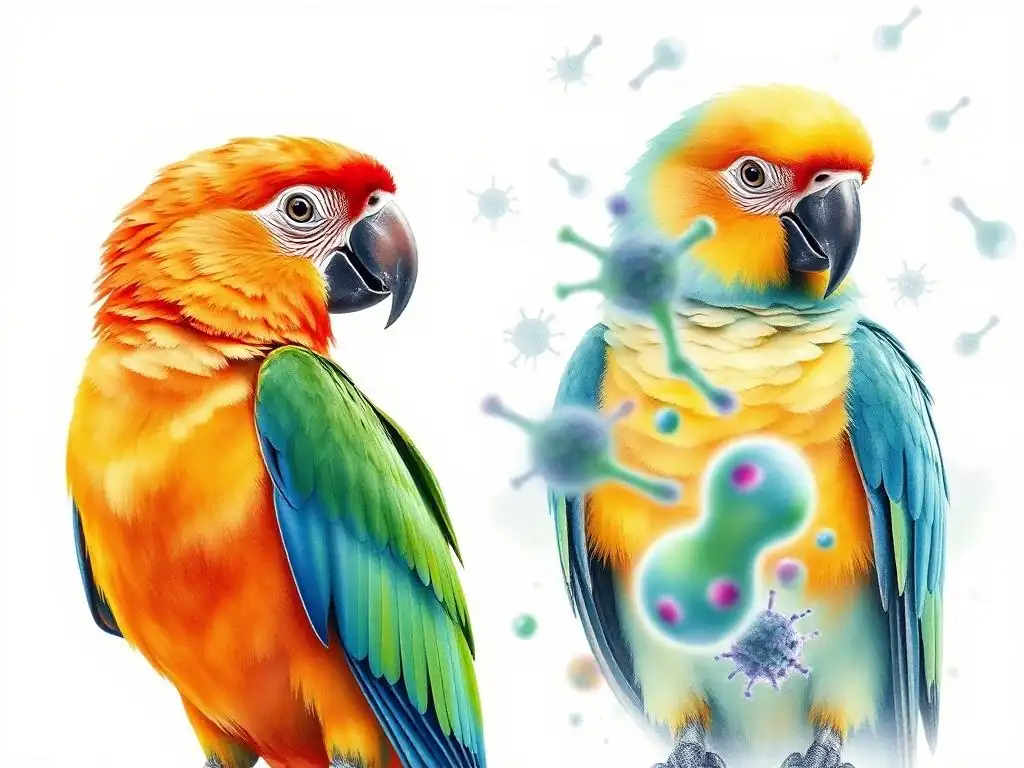
Psittacosis, also known as avian chlamydiosis, is a bacterial infection that can cause severe respiratory distress in birds. However, it's crucial to understand that several other diseases can present with similar symptoms, leading to misdiagnosis and potentially delayed treatment. Accurate identification is paramount for effective management. This section will differentiate psittacosis from some common avian respiratory ailments, focusing on key distinguishing features to aid in early diagnosis and appropriate intervention for bird respiratory distress symptoms. Understanding these differences is vital for responsible pet bird ownership.
Aspergillosis: Fungal Infection of the Respiratory Tract
Aspergillosis is a fungal infection primarily affecting the respiratory system of birds. Unlike the bacterial nature of psittacosis, aspergillosis is caused by Aspergillus fungi, often found in damp environments. While both conditions can manifest as respiratory distress, there are key differences. Aspergillosis often presents with more chronic symptoms, including gradual weight loss, lethargy, and dyspnea (difficulty breathing). In contrast, psittacosis can have a more acute onset, with rapid deterioration in respiratory function.
Furthermore, the diagnostic approach differs. While psittacosis can be diagnosed through serological tests (detecting antibodies) and PCR (detecting the bacterial DNA), aspergillosis diagnosis often involves cytological examination of respiratory samples (e.g., tracheal wash) to identify the Aspergillus hyphae. Radiographic imaging (X-rays) can also reveal characteristic lesions in the lungs associated with aspergillosis. Treatment strategies also vary significantly, with antifungal medications being the mainstay for aspergillosis, while antibiotics are used to treat psittacosis. Accurate identification is critical for successful treatment and improving the chances of recovery from bird respiratory distress symptoms.
Avian Influenza: Symptoms and Prevention
Avian influenza (AI), commonly known as bird flu, is a highly contagious viral disease that can cause severe respiratory problems in birds. While both avian influenza and psittacosis can lead to respiratory distress, the clinical presentation can differ. Avian influenza often involves more systemic symptoms, such as sudden death, neurological signs (e.g., tremors, paralysis), and significant swelling of the head and neck. In contrast, psittacosis may present with more localized respiratory signs, such as coughing, sneezing, and nasal discharge.
Effective biosecurity measures are crucial in preventing avian influenza outbreaks. These include strict hygiene protocols, quarantine of new birds, and vaccination (where available and appropriate). Unlike psittacosis, which can be treated with antibiotics, avian influenza currently lacks a specific antiviral treatment in many cases; supportive care is often the primary approach. Recognizing the distinct symptoms and implementing appropriate preventive measures are crucial for managing avian influenza and mitigating the potential for widespread outbreaks that lead to bird respiratory distress symptoms.
Mycoplasmosis in Birds: Respiratory and Systemic Manifestations
Mycoplasmosis, caused by Mycoplasma bacteria, is another respiratory disease affecting birds. It shares some overlapping symptoms with psittacosis, including respiratory distress, sneezing, and coughing. However, mycoplasmosis often presents more subtly, with a more gradual onset of symptoms compared to the potentially rapid decline seen in psittacosis. Additionally, mycoplasmosis can lead to secondary bacterial infections, further complicating the clinical picture.
Diagnosis of mycoplasmosis typically involves laboratory testing, such as culture and PCR, to identify the specific Mycoplasma species. Treatment often involves tetracycline antibiotics, though the effectiveness can vary depending on the specific strain. Differentiating mycoplasmosis from psittacosis requires careful clinical evaluation and laboratory confirmation, ensuring appropriate treatment and management of bird respiratory distress symptoms. The subtle differences in presentation highlight the importance of thorough veterinary examination and diagnostic testing to provide accurate diagnosis and effective treatment plan.
Bacterial Infections Causing Respiratory Distress in Birds
Bacterial infections are a significant cause of respiratory distress in birds, often mimicking the symptoms of psittacosis. Several bacterial pathogens can affect the avian respiratory system, leading to a range of clinical signs, from mild sneezing to severe dyspnea (difficulty breathing). The severity of the illness depends on several factors including the specific bacteria involved, the bird's overall health and immune status, and the environmental conditions. Proper diagnosis is crucial, as treatment strategies differ depending on the causative agent.
One common bacterial culprit is Escherichia coli ( E. coli), a bacterium normally found in the bird's intestinal tract. However, under certain circumstances, such as stress, poor hygiene, or underlying illnesses, E. coli can migrate to the respiratory tract, causing infection and inflammation. Symptoms can include labored breathing, gasping, and a rattling sound in the chest.
Treatment often involves broad-spectrum antibiotics, but the specific antibiotic choice should be guided by bacterial culture and sensitivity testing to ensure effectiveness and minimize the development of antibiotic resistance. This is especially crucial in avian medicine due to the limited number of approved antibiotics for birds.
Another bacterium frequently associated with avian respiratory disease is Klebsiella pneumoniae. This bacterium can cause severe pneumonia in birds, characterized by severe respiratory distress, lethargy, and anorexia. Unlike E. coli, which is often opportunistic, Klebsiella pneumoniae can be more aggressive and cause systemic illness. Treatment typically involves intravenous antibiotics, supportive care, and close monitoring of the bird's condition.
The prognosis for birds infected with Klebsiella pneumoniae can be guarded, depending on the severity of the infection and the bird's overall health. Rapid diagnosis and aggressive treatment are key to improving the chances of survival. Environmental sanitation plays a critical role in preventing the spread of Klebsiella pneumoniae within an aviary or flock.
Beyond E. coli and Klebsiella pneumoniae, other bacterial species can also contribute to respiratory problems in birds. These can include various species of Staphylococcus, Streptococcus, and Pasteurella. The clinical presentation can vary depending on the specific bacteria and the bird species affected. Therefore, a thorough clinical examination, including bacterial culture and sensitivity testing, is essential for accurate diagnosis and effective treatment.
Veterinary intervention is paramount in managing these infections and ensuring appropriate antibiotic therapy. Early detection and prompt treatment are crucial for a positive outcome in bird respiratory illness caused by bacterial pathogens. Prevention through maintaining good hygiene and minimizing stress factors within the bird's environment is also critical. 🐦
When to Seek Veterinary Care for Respiratory Distress in Birds
Recognizing the signs of respiratory distress in your feathered friend is crucial for their well-being. While some mild respiratory issues might resolve on their own, many require prompt veterinary intervention to prevent serious complications. This section focuses on helping you determine when to seek professional help, emphasizing the importance of early diagnosis and treatment in managing bird respiratory distress symptoms. Early detection significantly improves the chances of a positive outcome. Delaying treatment can lead to irreversible lung damage and even death.
Emergency Signs Requiring Immediate Veterinary Attention
Several signs indicate an immediate need for veterinary care. These are not simply mild inconveniences; they represent life-threatening situations demanding immediate action. Do not hesitate to contact your avian veterinarian or an emergency animal hospital if you observe any of the following:
- Severe dyspnea (difficulty breathing): This includes labored breathing with open-mouthed breathing, gasping, or noticeable exertion with each breath. The bird may be struggling to inhale or exhale, exhibiting signs of panic.
- Cyanosis (bluish discoloration of the beak, feet, and/or wattles): This indicates a critical lack of oxygen in the blood, a very serious symptom.
- Complete lethargy and collapse: If your bird is unresponsive and unable to stand or maintain its posture, it's a critical emergency.
- Sudden and significant weight loss: A rapid decrease in body weight coupled with respiratory distress suggests a severe underlying issue.
- High fever: While difficult to accurately measure in birds, signs like ruffled feathers, lethargy, and avoidance of interaction can indicate fever, which often accompanies respiratory infections.
Remember, even if only one of these symptoms appears, immediate veterinary attention is necessary. The faster your bird receives treatment, the higher the chances of recovery. Time is often of the essence in these situations. Don't wait to see if symptoms improve; these are red flags that cannot be ignored.
Preparing for a Veterinary Visit: Gathering Information and Samples
Before rushing your bird to the vet, take a few moments to gather essential information. This will help your veterinarian make a faster and more accurate diagnosis. This preparation is crucial for effective treatment of bird respiratory distress symptoms.
- Detailed history of the illness: Note the onset of symptoms, their progression, and any potential triggers (e.g., new environment, exposure to other birds, recent changes in diet).
- Recent changes in the bird's environment: New toys, cleaning products, changes in cage location, or new birds introduced to the household could be contributing factors.
- Detailed description of symptoms: Be as specific as possible when describing the bird’s breathing patterns, behavior changes, and any other observable symptoms. Include the frequency and severity of each symptom.
- Dietary information: Provide details about the bird's diet, including the type and amount of food consumed. Note any recent changes in diet.
- Medication history: List any medications the bird has received, including dosages and frequency.
- If possible, collect a fresh fecal sample: This can aid in the diagnosis of underlying conditions contributing to the respiratory distress.
This information, along with a calm and organized approach, will be invaluable to your veterinarian. Accurate and timely information significantly improves the chances of a successful diagnosis and treatment plan.
The Importance of Early Intervention in Avian Respiratory Diseases
Early intervention is paramount when dealing with avian respiratory diseases. Delaying treatment, even for seemingly minor symptoms, can lead to significant complications. The earlier the condition is diagnosed and treated, the better the prognosis for your bird. This is particularly true for conditions like psittacosis, which can be highly contagious and life-threatening if left untreated.
Early intervention offers several advantages:
- Improved treatment success rates: Early treatment often leads to faster recovery and a higher chance of complete resolution.
- Reduced severity of symptoms: Early intervention can help prevent the progression of the disease and minimize the severity of symptoms.
- Prevention of complications: Early treatment can help avoid secondary infections and other complications that can arise from untreated respiratory distress.
- Reduced risk of transmission: In the case of contagious diseases like psittacosis, early diagnosis and treatment limit the spread to other birds.
Remember, your bird cannot communicate its discomfort effectively. Therefore, it's your responsibility to be vigilant and seek veterinary attention promptly if you suspect any respiratory issues. Early detection and intervention are key to ensuring the health and well-being of your avian companion. Don't underestimate the power of proactive care; it often makes all the difference.
Preventing Respiratory Diseases in Birds
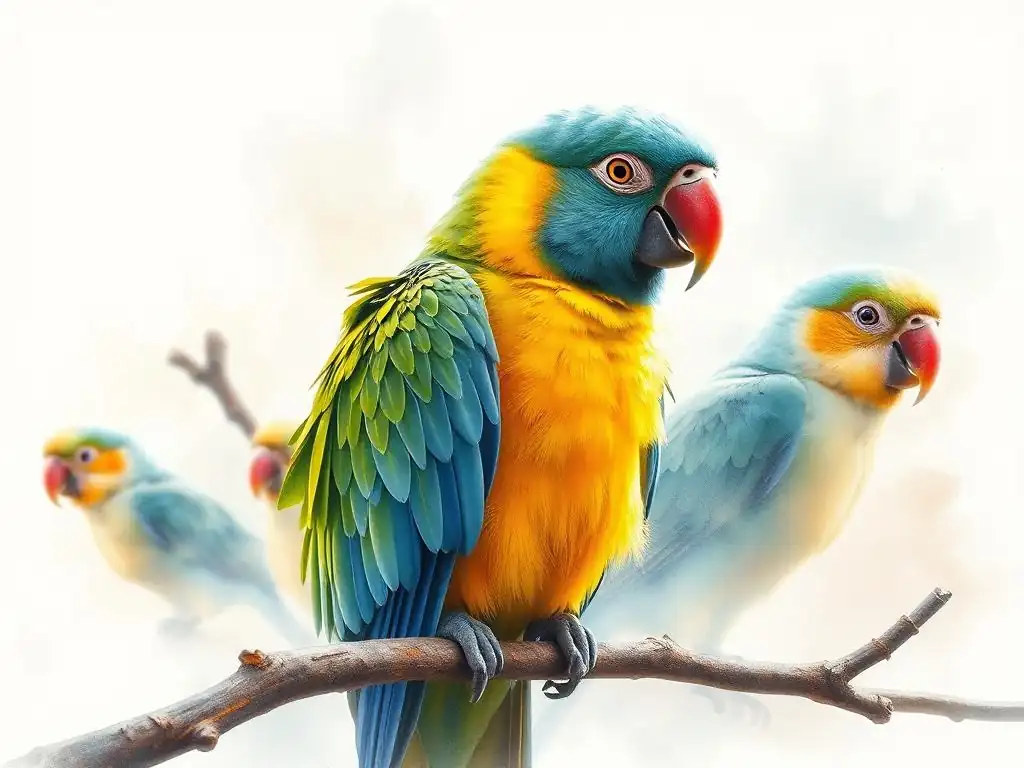
Respiratory illnesses in birds, such as psittacosis, can be devastating. Proactive preventative measures are crucial to safeguarding your feathered friend's health and well-being. This section focuses on practical steps you can take to minimize the risk of respiratory distress in your bird. Remember, early intervention is key when dealing with avian respiratory issues, so preventative care is paramount. Understanding the symptoms of bird respiratory distress is also essential, allowing for prompt veterinary attention if needed.
Maintaining Hygiene and Sanitation in the Bird's Environment
Maintaining a clean and sanitary environment is foundational to preventing respiratory diseases in birds. A build-up of dust, droppings, and mold spores can irritate a bird's sensitive respiratory system, making them more susceptible to infection. Here's a detailed breakdown of best practices:
- Daily Cleaning: Remove fresh droppings and soiled food daily. Use paper towels or designated cleaning cloths to wipe down perches, food and water dishes, and the immediate surrounding area.
- Weekly Deep Cleaning: Once a week, thoroughly clean the entire cage. Remove all perches, toys, and accessories. Wash them with a bird-safe disinfectant (ensure it's thoroughly rinsed before returning items to the cage). Use a mild soap and warm water to clean the cage itself, paying close attention to corners and crevices.
- Air Quality: Ensure good ventilation in the room where your bird's cage is located. Avoid using air fresheners, scented candles, or harsh cleaning products, as these can irritate your bird's respiratory system. Consider using an air purifier with a HEPA filter to remove airborne particles.
- Substrate Management: Choose a suitable cage substrate (bottom liner) that is easy to clean and doesn't generate excessive dust. Paper towels, newspaper, or specific bird-safe substrates are good options. Avoid using wood shavings or materials that can easily become moldy.
- Toy Rotation: Regularly rotate and clean your bird's toys to prevent the build-up of bacteria and germs. Some toys may need more frequent cleaning than others, depending on the material and how much your bird interacts with them.
Providing a Nutritious Diet to Boost Immunity
A balanced and nutritious diet is critical for maintaining a strong immune system in your bird, making them more resilient to respiratory infections. Nutritional deficiencies can weaken their defenses, leaving them vulnerable to illness.
- High-Quality Pellets: Formulate your bird's diet around high-quality, commercially produced pellets. These provide a complete and balanced nutrition profile. Avoid relying solely on seeds, which lack essential nutrients.
- Fresh Fruits and Vegetables: Supplement the pellet diet with a variety of fresh fruits and vegetables. These provide essential vitamins, minerals, and antioxidants. Rotate the selection regularly to ensure a diverse range of nutrients. Examples include leafy greens (spinach, kale), berries (blueberries, raspberries), and chopped vegetables (carrots, peppers).
- Clean Water: Always provide access to fresh, clean water. Replace the water daily to prevent bacterial growth.
- Avoid Processed Foods and Sugary Treats: These offer little nutritional value and can negatively impact your bird's health. Limit or avoid completely giving your bird human food.
Quarantine New Birds to Prevent Disease Spread
Introducing a new bird to your existing flock poses a significant risk of spreading respiratory diseases. A strict quarantine period is essential to protect the health of your established birds.
- Separate Housing: House the new bird in a completely separate room or area for at least 30 days. This prevents direct contact and minimizes the risk of airborne transmission.
- Observe for Symptoms: Carefully monitor the new bird for any signs of illness, such as sneezing, coughing, lethargy, or changes in droppings. Contact an avian veterinarian immediately if you observe any concerning symptoms.
- Dedicated Equipment: Use separate food and water dishes, perches, and cleaning supplies for the quarantined bird to avoid cross-contamination.
- Gradual Integration (with Veterinary Approval): After the quarantine period, your veterinarian can advise on a gradual and safe integration process, minimizing the stress on your birds.
By diligently following these preventative measures, you significantly reduce the likelihood of your bird developing respiratory distress and other avian illnesses. Remember, consistent care and attention to detail are key to ensuring the health and happiness of your feathered companion. Early detection and swift veterinary intervention are crucial should any signs of illness appear.
Regular Veterinary Checkups for Preventative Care
Regular veterinary checkups are paramount in preventing respiratory diseases in birds. These aren't just about addressing existing problems; they're crucial for early detection and intervention. Avian veterinarians are trained to spot subtle signs of respiratory distress that might go unnoticed by an untrained eye. During these checkups, your avian vet will perform a thorough physical examination, including listening to your bird's respiratory system with a stethoscope to identify any unusual sounds like wheezing, rattling, or clicking. They can also assess your bird's overall health, weight, and behavior, all of which can be indicative of underlying respiratory issues.
Early detection through regular checkups significantly improves the chances of successful treatment and prevents the disease from progressing to a more severe stage. Moreover, preventative measures like vaccinations against common avian respiratory illnesses can be discussed and administered during these visits. The frequency of these checkups should be determined in consultation with your avian veterinarian, but generally, annual checkups are recommended for healthy birds, with more frequent visits advised for birds with pre-existing conditions or those showing any signs of illness. Remember, proactive care is far more effective than reactive treatment when it comes to managing avian respiratory health.
A seemingly healthy bird can still harbor a developing infection that a vet can identify early. Don't underestimate the power of preventative care – it's the cornerstone of maintaining your feathered friend's respiratory well-being. The cost of preventative care is significantly less than the cost of treating a severe respiratory illness, both financially and emotionally. Consider the investment in regular checkups as an investment in your bird's long-term health and happiness.
Frequently Asked Questions
What are the common symptoms of respiratory distress in birds?
Birds experiencing respiratory distress may show labored breathing, including open-mouthed breathing, swollen sinuses, and wheezing. They might also exhibit lethargy and loss of appetite.
How can I tell if my bird has psittacosis?
Psittacosis, or avian chlamydiosis, presents similarly to other respiratory illnesses. Look for symptoms like sneezing, runny nasal discharge, coughing, and diarrhea, in addition to respiratory distress. Veterinary testing is crucial for diagnosis.
Is respiratory distress in birds always serious?
Yes, respiratory distress is a serious condition requiring immediate veterinary attention. Untreated, it can lead to pneumonia, organ failure, and even death. Prompt diagnosis and treatment are vital.
What kind of treatment might my bird need for respiratory issues?
Treatment depends on the underlying cause. This might include antibiotics for bacterial infections like psittacosis, antivirals for viral infections, or supportive care such as oxygen therapy and fluid administration.
How can I prevent respiratory problems in my bird?
Maintaining a clean environment, providing a balanced diet, and avoiding exposure to sick birds are crucial preventative measures. Regular veterinary checkups are also recommended for early detection of any health issues.
Final Reflection: Breathing Easier: Understanding Avian Respiratory Distress
The silent struggle of a bird gasping for breath is a stark reminder of our responsibility as caregivers. Respiratory distress in birds, a condition often masked by subtle symptoms, demands our immediate attention and understanding. Failure to recognize and address these issues can have devastating consequences, highlighting the urgent need for increased awareness and proactive care.
Witnessing the fragility of a bird battling respiratory illness profoundly impacted my understanding of the intricate connection between animal health and human responsibility. The subtle shifts in behavior, the labored breathing, the quiet suffering—these are not merely clinical observations; they are poignant reminders of the trust placed in us as guardians of these creatures. The greatness of a nation and its moral progress can be judged by the way its animals are treated.
- Mahatma Gandhi. This quote resonates deeply, emphasizing the ethical imperative to provide the best possible care for our avian companions. The ongoing challenge lies in educating a wider audience about the early warning signs and the importance of seeking professional veterinary help.
Now, consider your own feathered friends. Have you observed any subtle changes in their breathing, their activity levels, or their overall demeanor? Take a moment to reflect on the subtle signs of respiratory distress and the proactive steps you can take to ensure the well-being of your birds. By arming ourselves with knowledge and a compassionate heart, we can contribute to a future where avian respiratory illnesses are diagnosed early, treated effectively, and ultimately, prevented. Let's breathe easier, together.
Unveil Your Bird's Best Health: Take Action Now!
Thank you for learning about respiratory distress in birds. Understanding these ailments is crucial for your feathered friend's well-being. Now, let's put that knowledge to practical use!
- Schedule a veterinary checkup for your bird immediately. Early detection is vital for successfully treating respiratory illnesses like psittacosis. Don't wait for symptoms to worsen; act now.
- Share this information with fellow bird owners to help them identify potential problems early. A well-informed community leads to healthier birds.
- Explore PetCareWorld.org for more resources on avian health. Learn how to create a healthier home environment for your bird and prevent future health issues.
What proactive step will you take today to safeguard your bird's respiratory health?