
Foraging Toys for Senior Birds: Gentle Stimulation for Older Pets

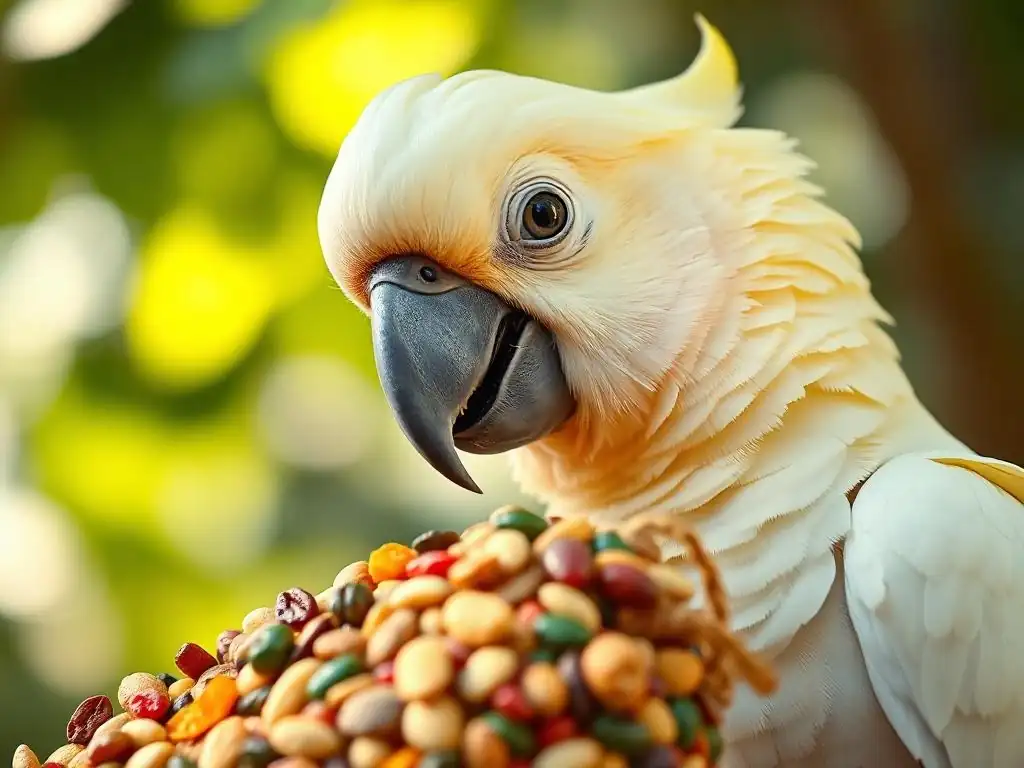
Welcome to PetCareWorld, your ultimate guide to a happier, healthier life for your beloved companion! Are you looking for ways to keep your senior feathered friend engaged and stimulated? Discover the surprising benefits of senior bird foraging toys and learn how these enriching tools can significantly improve the quality of life for your aging bird. Dive into our expert guide and unlock the secrets to gentle stimulation and joyful enrichment for your cherished pet.
- Understanding the Needs of Senior Birds
- Selecting Appropriate Foraging Toys for Senior Birds
- Types of Foraging Toys Ideal for Senior Birds
- Introducing New Foraging Toys to Senior Birds
- Maintaining Hygiene and Safety with Senior Bird Foraging Toys
- Enhancing Foraging with Other Enrichment Activities
- Consulting an Avian Veterinarian
- Resources for Finding Senior Bird Foraging Toys
- Frequently Asked Questions
- Final Reflection: Nurturing the Golden Years: Foraging and the Avian Spirit
- Rediscover Playtime: Enrich Your Senior Bird's Life
Understanding the Needs of Senior Birds
As our feathered friends age, their needs evolve, requiring a shift in our caregiving approach. Senior birds, much like senior humans, experience physical and cognitive changes that necessitate adjustments to their daily routines and environmental enrichment. This article focuses on the crucial role of foraging toys for senior birds, emphasizing their importance in maintaining both physical and mental well-being during their golden years.
We'll explore how these toys cater to the specific needs of older birds, offering gentle stimulation while combating age-related decline and promoting a happier, healthier life. Understanding these needs is paramount to providing the best possible care for our aging avian companions.
Choosing the right foraging toys can make a significant difference in the quality of life for a senior bird, offering a valuable contribution to their overall health and happiness. This guide will delve into the specific benefits and considerations when selecting appropriate toys for this age group.
Cognitive Decline in Aging Birds
Cognitive decline is a natural part of the aging process in birds, just as it is in other animals and humans. This can manifest in various ways, including decreased problem-solving abilities, reduced responsiveness, and a general slowing down of cognitive functions. Senior birds may struggle with tasks they once found easy, such as navigating their cage or engaging with familiar toys. Foraging toys, specifically designed for senior birds, offer a gentle challenge that can help stimulate their minds and combat cognitive decline.
The act of searching for and retrieving food mimics natural foraging behaviors, providing mental stimulation and promoting cognitive engagement. The level of difficulty should be adjusted to the bird's capabilities, starting with simpler puzzles and gradually increasing the complexity as tolerated. Remember to always supervise your senior bird during playtime to ensure their safety and well-being.
Providing varied foraging opportunities, such as different types of toys and food placement strategies, can help maintain cognitive engagement and prevent boredom. Early signs of cognitive decline might include changes in behavior, such as increased lethargy or decreased interest in activities they once enjoyed. Addressing these issues proactively through appropriate enrichment, like foraging toys, can significantly improve their quality of life.
Maintaining Physical Activity in Older Birds
Maintaining physical activity is crucial for senior birds to prevent muscle atrophy, maintain joint mobility, and combat obesity. While older birds might not have the same energy levels as their younger counterparts, gentle exercise remains essential. Foraging toys provide a form of low-impact exercise, encouraging movement and exploration within their cage environment. The act of manipulating the toy to access food requires physical dexterity and coordination, subtly promoting physical activity without overexertion.
The design of the toy is key; it should be easy to manipulate without requiring excessive strength or strenuous movements. For example, toys with larger openings or simpler mechanisms are generally more suitable for senior birds. Regular observation is vital to ensure the bird isn't struggling excessively. If a toy proves too challenging, it's important to adjust the difficulty or replace it with a more appropriate alternative.
Remember to consider the bird's specific physical limitations when selecting foraging toys. Some senior birds may have arthritis or other joint issues, requiring toys that minimize stress on their joints. The goal is to provide stimulating activities that encourage movement without causing pain or injury. Providing a variety of toys allows for flexibility and caters to the bird’s changing physical abilities.
The Importance of Mental Enrichment for Senior Birds
Mental enrichment is just as vital as physical activity for senior birds. A stimulating environment helps to keep their minds sharp, combats boredom, and reduces stress. Foraging toys excel at providing this mental stimulation, offering a challenge that keeps them engaged and prevents cognitive decline. The process of problem-solving to access food provides a sense of accomplishment and satisfaction, contributing to their overall well-being. The design of the toy should be thoughtfully considered.
Toys with varied textures, colors, and shapes can provide additional sensory stimulation, enhancing the mental enrichment benefits. Introducing new foraging toys periodically can also help prevent boredom and maintain their interest. It is crucial to observe your bird's interaction with the toys and make adjustments as needed. If a toy is consistently ignored, it might be too difficult or not engaging enough.
Conversely, a toy that is solved too quickly might not provide sufficient mental stimulation. The key is to find the right balance, providing a challenge that is both achievable and rewarding for your senior bird. By prioritizing mental enrichment, we can significantly contribute to a happier and more fulfilling life for our aging avian companions. Providing a stimulating environment is an investment in their overall health and longevity.
Selecting Appropriate Foraging Toys for Senior Birds
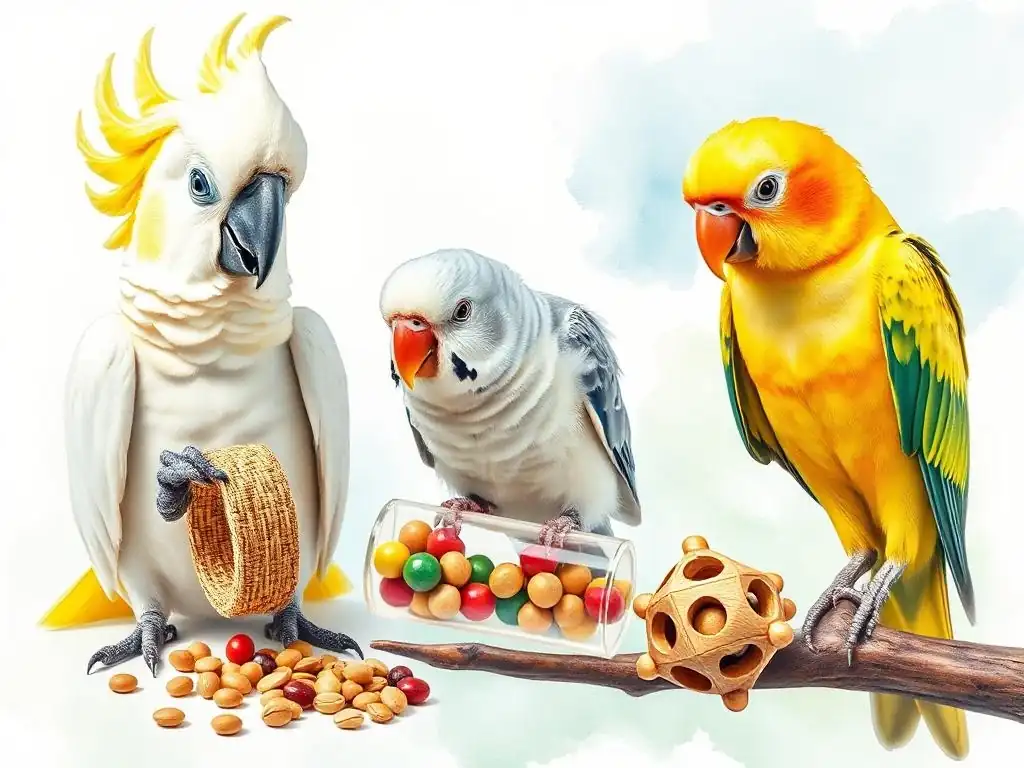
Choosing the right foraging toys for senior birds requires careful consideration of their physical limitations and changing needs. Unlike younger, more energetic birds, senior birds often experience decreased mobility, weaker beaks, and potential vision or cognitive impairments. Therefore, selecting toys that are stimulating yet gentle is paramount to maintain their mental and physical well-being. This section will guide you through selecting appropriate senior bird foraging toys, focusing on safety, ease of use, and continued enrichment.
Remember, the goal is to provide engaging activities that cater to their specific needs, preventing boredom and promoting a healthy lifestyle. This is crucial for maintaining the quality of life for your aging feathered friend and preventing the onset of age-related health issues often associated with inactivity. The keyword "senior bird foraging toys" is at the heart of this selection process.
Toys for Birds with Limited Mobility
Many senior birds experience arthritis or other mobility issues that affect their ability to manipulate complex toys. For these birds, simple, low-effort foraging options are essential. Avoid toys with small, intricate parts or those requiring significant climbing or reaching. Instead, prioritize toys that offer easy access to treats with minimal physical exertion.
Consider these options:
- Shallow foraging dishes: These wide, shallow dishes allow birds to easily peck at treats scattered across the surface, minimizing strain on their joints and muscles.
- Puzzle feeders with large openings: Opt for puzzle feeders with larger openings and simpler mechanisms. This ensures your bird can access the food without struggling.
- Soft foraging materials: For birds with weak beaks, consider using softer materials like rolled oats or cooked pasta instead of harder seeds or nuts. This reduces the physical effort required to access the food.
- Hanging foraging toys with easy access: Choose hanging toys that dangle treats at a reachable height, eliminating the need for excessive climbing or stretching.
Remember to regularly monitor your bird's interaction with the toy. If they seem frustrated or struggling, adjust the toy's placement or consider a different option altogether. The key is to provide enrichment without causing undue stress or pain. Providing a variety of these simpler toys will keep your bird mentally stimulated without physical overexertion.
Toys with Easy Access to Treats
Senior birds may experience a decline in cognitive function, making it challenging to solve complex puzzles. To ensure they can still enjoy foraging, focus on toys that offer readily accessible treats. The emphasis shouldn't be on the challenge of the puzzle, but on the rewarding experience of finding and consuming the food.
Examples include:
- Treat-dispensing balls with large openings: Select balls with larger openings to allow easy access to treats, minimizing frustration.
- Foraging cups with minimal complexity: Simple foraging cups with a few strategically placed holes or compartments are ideal.
- Paper bags or cardboard tubes stuffed with treats: These readily available materials provide a simple and safe foraging experience. Just ensure they are made of non-toxic materials.
- Food-stuffed toys: Toys such as soft toys or foraging ropes can be easily filled with various treats, providing a simple and engaging activity.
This approach ensures your bird can still engage in foraging activities without the added stress of intricate puzzles, promoting mental stimulation and reducing frustration. The focus here is on providing readily available rewards, enhancing their overall well-being.
Adapting Existing Toys for Senior Birds
You might already have foraging toys suitable for younger birds. However, you can adapt these toys to make them more suitable for senior birds. This is a cost-effective way to repurpose existing toys and keep your senior bird engaged. Simple modifications can make a significant difference in their ability to use the toy comfortably and without undue stress.
Consider these adaptations:
- Reduce the difficulty: If a toy is too complex, remove some of the more challenging components. This simplifies the foraging process, making it easier for your senior bird.
- Increase the size of openings: Larger openings allow easier access to treats, particularly beneficial for birds with weaker beaks or limited mobility.
- Adjust the toy's placement: Place the toy at a more accessible height or angle to reduce the physical effort required for your bird to reach the treats.
- Use larger or softer treats: Switching to larger or softer treats can make it easier for your bird to manipulate them, reducing the strain on their beaks and jaws.
By adapting your existing toys, you can provide continued foraging opportunities for your senior bird without needing to purchase entirely new toys. This demonstrates responsible pet ownership and extends the lifespan of your existing enrichment items. Remember to always supervise your bird while it interacts with its toys to ensure its safety and well-being. Regular observation is key to ensuring the toys remain appropriate and stimulating.
Choosing Safe and Durable Foraging Toys
Selecting the right foraging toy for a senior bird is crucial for their safety and enjoyment. Senior birds, like their human counterparts, can experience age-related physical limitations. Their beaks might be less strong, their claws less agile, and their overall energy levels lower. Therefore, the toys you choose must be adapted to these changes.
Avoid anything that requires excessive strength or dexterity. Prioritize toys made from durable, non-toxic materials that won't easily break or splinter, posing a choking hazard. Wood should be smooth, untreated, and from a safe source, avoiding any potential for splintering or the presence of harmful chemicals.
Consider the size and shape of the toy carefully. Toys that are too small could pose a choking hazard, while those that are too large might be difficult for your senior bird to manipulate. Look for toys with larger openings and easily accessible treats, minimizing the effort required to access the reward. A good rule of thumb is to observe your bird interacting with potential toys; if they seem frustrated or struggle excessively, the toy isn't suitable. Remember, the goal is enrichment, not frustration.
Durability is paramount. A toy that falls apart quickly not only represents a waste of money but also presents a potential safety risk. Look for toys constructed from high-quality materials that are resistant to wear and tear. Stainless steel components, sturdy wood, and thick, non-toxic ropes are excellent choices.
Avoid toys with small, easily detachable parts that could be swallowed accidentally. Regularly inspect toys for any signs of damage and replace them immediately if necessary. Proactive monitoring is essential for maintaining a safe and stimulating environment for your aging feathered friend. This proactive approach to toy selection and maintenance ensures your senior bird enjoys safe and engaging enrichment activities without compromising their well-being.
Types of Foraging Toys Ideal for Senior Birds
Senior birds, like their human companions, experience age-related changes that affect their physical abilities and cognitive function. Providing age-appropriate foraging toys is crucial for maintaining their mental and physical well-being. The right toys offer gentle stimulation, preventing boredom and encouraging natural foraging behaviors, even with decreased mobility or dexterity.
Choosing the right toys for your aging feathered friend requires careful consideration of their specific needs and limitations. The following sections detail types of foraging toys particularly suitable for senior birds, focusing on ease of use and gentle engagement. Remember to always supervise your senior bird during playtime and adjust the difficulty of the toy as needed.
Simple Puzzle Feeders for Gentle Stimulation
Simple puzzle feeders are excellent entry points for senior birds into the world of foraging enrichment. These toys avoid complex mechanisms that might frustrate or overwhelm an older bird with reduced dexterity. The emphasis is on ease of access to the reward – typically seeds, pellets, or small pieces of fruit – with minimal physical exertion required.
A good example is a shallow dish with small compartments or dividers. These compartments can be filled with different treats, providing variety and encouraging exploration without demanding strenuous manipulation. Another option is a simple foraging cup with larger openings, allowing easy access to the food inside. Avoid toys with tiny openings or intricate mechanisms that may be difficult for arthritic joints or weakened beaks to manage.
Remember to regularly monitor your senior bird’s interaction with the toy. If they struggle excessively, simplify the challenge by enlarging the openings or using easier-to-access treats. The goal is gentle stimulation, not frustration. Observe their behavior carefully; a happy, engaged bird will readily return to the toy for repeated use. A frustrated bird, however, will likely avoid it.
Slow-Release Food Dispensers for Gradual Reward
Slow-release food dispensers offer a different approach to foraging enrichment for senior birds. These toys provide a continuous, gradual release of food, encouraging sustained engagement without demanding intense physical activity. This type of toy is particularly beneficial for birds with arthritis or other mobility issues.
Examples include toys designed to dispense food slowly as the bird interacts with them, such as a ball with small holes or a tube with strategically placed openings. The bird must work to get the food, but the effort required is minimal. This slow and steady reward system can be incredibly engaging for senior birds, providing mental stimulation without causing physical strain. The gradual release of food also mimics natural foraging behaviors, keeping them mentally sharp.
Consider the size and shape of the dispenser in relation to your bird’s size and beak strength. A too-small opening might be frustrating, while a too-large opening might negate the intended challenge. Experiment with different types of slow-release feeders to find the perfect fit for your senior bird’s abilities and preferences.
Soft and Flexible Foraging Materials
For senior birds with limited dexterity or beak strength, selecting soft and flexible foraging materials is essential. Hard or rigid materials can be difficult to manipulate and may even cause injury. Soft materials allow for gentler exploration and engagement, minimizing the risk of accidental harm.
Consider using soft, pliable materials like shredded paper, soft cloth strips, or even foraging toys specifically designed with soft, non-toxic materials. These materials provide a safe and stimulating alternative to harder options, allowing your senior bird to engage in natural foraging behaviors without causing strain or injury. Always supervise your bird during foraging activities to ensure they are not accidentally ingesting any harmful materials.
Remember to regularly inspect and replace foraging materials to maintain hygiene and safety. Old, soiled materials can harbor bacteria and pose a health risk to your bird. Providing a variety of soft foraging materials will ensure ongoing engagement and prevent boredom. Introduce new textures and scents periodically to keep the experience fresh and stimulating.
Large-Sized Toys for Easy Manipulation
Senior birds often experience decreased dexterity and strength in their claws and beaks. Therefore, selecting foraging toys with large components is crucial. These larger pieces allow for easier manipulation, preventing frustration and promoting successful foraging behavior. Think of toys with oversized wooden blocks, large-diameter foraging balls with easily accessible openings, or puzzle feeders with generously sized compartments. The goal is to provide a satisfying experience without demanding excessive physical exertion.
A good example would be a foraging toy constructed from large, smooth pieces of untreated wood, perhaps with strategically placed holes or crevices for treats. This type of toy allows for gentle pecking and manipulation, providing mental stimulation without undue physical strain. Avoid small, intricate toys that require precise movements; these can be frustrating and even harmful for older birds with arthritis or other age-related conditions. Remember, the focus here is on gentle stimulation and a positive foraging experience.
The size and ease of manipulation are key factors in selecting appropriate toys for senior birds. Consider the individual bird's physical capabilities when choosing a toy; a toy that is too large for one bird might be perfect for another, depending on their size and strength. Always supervise your senior bird during playtime to ensure safety and enjoyment. Providing a variety of large-sized toys will keep your feathered friend engaged and mentally sharp.
Introducing New Foraging Toys to Senior Birds
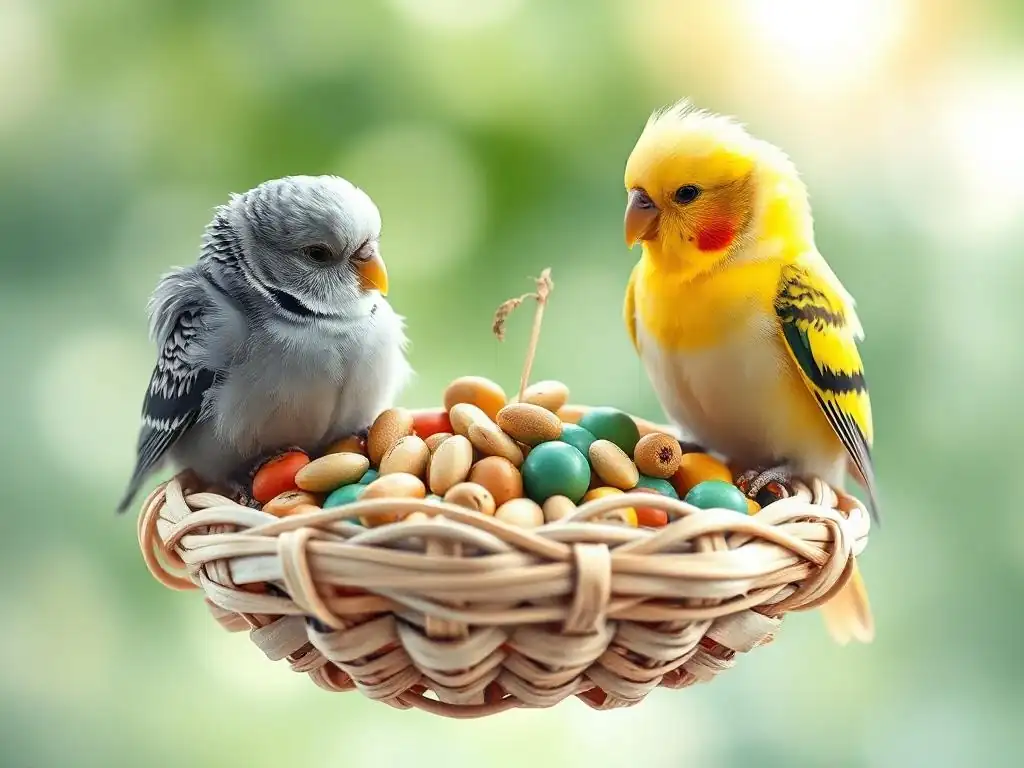
Introducing new foraging toys to senior birds requires a gentle and patient approach. Remember, their physical capabilities and cognitive function may have declined compared to younger birds. Rushing the process can lead to frustration and potentially negative associations with the toys, hindering enrichment efforts. The key is gradual introduction and careful observation. This section will explore strategies to ensure a smooth and positive experience for your feathered friend.
Gradual Introduction of New Toys
The best way to introduce a new foraging toy is to start with something very simple and familiar. If your senior bird already enjoys foraging, begin with a toy that has a similar level of difficulty to their current favorites. Perhaps a slightly larger version of a toy they already use, or one with a similar type of puzzle mechanism. Avoid introducing multiple new toys at once; focus on one at a time.
For instance, if your bird enjoys foraging from a food bowl, start by partially burying treats in a shallow foraging tray. This provides a minimal increase in challenge. Observe your bird's response closely. If they struggle, don't push them. Remove the toy and try again later, or try a simpler variation. Positive reinforcement is crucial; reward them with verbal praise and their favorite treats for successful foraging attempts.
Here’s a suggested timeline:
- Day 1-3: Introduce the new toy alongside their familiar foraging options. Observe their interaction but don't pressure them to use the new toy.
- Day 4-7: Gradually reduce the availability of the familiar toys, encouraging exploration of the new toy. Continue positive reinforcement.
- Day 7 onwards: If your bird is comfortable and actively using the new toy, you can introduce a slightly more challenging option.
Remember, patience is key! Some senior birds may adapt more slowly than others. Don't get discouraged if it takes several days or even weeks for your bird to fully embrace the new toy.
Monitoring Your Bird's Interaction with Toys
Consistent monitoring is essential to ensure the foraging toys are providing enrichment rather than stress. Pay close attention to your bird's body language. Signs of frustration might include:
- Excessive preening or feather plucking
- Repeatedly throwing the toy
- Avoiding the toy altogether
- Showing signs of aggression or fear
If you notice any of these signs, immediately remove the toy and try a different one or a simpler version. It's equally important to observe their success rate. If your bird is consistently unable to access the food, the toy might be too challenging. Adjust the difficulty level accordingly. Remember, the goal is engagement and enjoyment, not frustration. A successful interaction should involve your bird happily working to access their treats, showing signs of contentment and satisfaction.
Adjusting Difficulty Levels Based on Your Bird's Abilities
Foraging toys for senior birds should be tailored to their individual abilities. You might need to adjust the difficulty level regularly as your bird's capabilities change. This may involve:
- Simplifying the puzzle: If a toy is proving too difficult, try removing some of the obstacles or making the access to food easier.
- Using larger food pieces: Smaller treats can be harder for senior birds with weaker beaks or reduced dexterity to manipulate.
- Providing assistance: If your bird is struggling, you can gently guide them towards the food or help them manipulate the toy. However, avoid doing all the work for them; the aim is to encourage their participation.
- Offering a variety of toys: Just like humans, birds enjoy variety. Rotating toys regularly keeps them engaged and prevents boredom. This also allows you to assess which toys are most successful in stimulating your bird.
Remember, the ideal senior bird foraging toy is one that provides a gentle challenge, promotes mental stimulation, and above all, brings joy to your feathered companion. By carefully observing your bird and adjusting the difficulty level accordingly, you can ensure that foraging toys remain a positive and enriching part of their daily life. 🎉
Signs Your Bird is Overwhelmed by a Toy
Senior birds, like their human counterparts, can experience sensory overload. Introducing a new foraging toy, even one designed for gentle stimulation, can be overwhelming if not approached carefully. Recognizing the signs of bird stress is crucial to ensuring a positive experience and preventing any negative associations with enrichment activities. A stressed bird might exhibit a variety of behavioral changes, some subtle and others more pronounced.
One common sign is increased vocalizations. This might manifest as unusually frequent chirping, squawking, or other vocalizations outside of their typical communication patterns. Instead of the happy chirps associated with play, you might hear anxious or distressed calls. Pay close attention to the tone and frequency of these calls; a significant change could indicate discomfort.
Another key indicator is changes in body language. A relaxed bird will typically have a relaxed posture, with soft feathers and a calm demeanor. A stressed bird, however, might exhibit ruffled feathers, hunched posture, or rapid breathing. They might also avoid eye contact or seem unusually withdrawn. Observe their overall posture; is it tense and rigid, or relaxed and open?
Beyond physical cues, behavioral changes can also signal distress. A bird overwhelmed by a new toy might avoid the toy entirely, showing no interest despite its placement in a familiar and accessible location. This avoidance, especially after initial curiosity, is a significant sign that the toy is too complex or stimulating for the bird's current comfort level.
Conversely, a bird might interact with the toy destructively. Instead of engaging in the intended foraging behavior, they might aggressively tear at the toy, showing frustration rather than enjoyment. This destructive behavior is a clear indication that the toy is causing stress and should be removed or replaced with a simpler alternative.
Finally, changes in eating and sleeping patterns can be subtle but important indicators of stress. A bird that suddenly eats less or sleeps more than usual might be experiencing underlying anxiety related to the new toy. These changes, when coupled with other behavioral signs, can form a clearer picture of the bird's overall well-being. Remember that a positive enrichment experience should enhance, not detract from, your bird's quality of life. Always prioritize their comfort and well-being.
Maintaining Hygiene and Safety with Senior Bird Foraging Toys
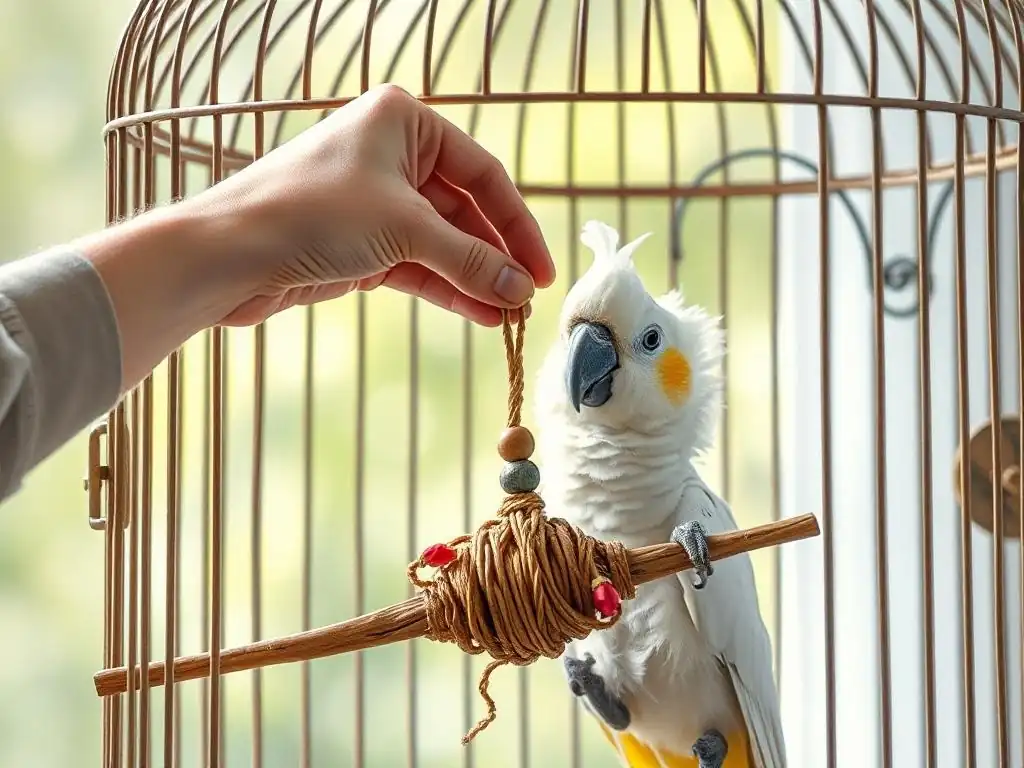
Senior birds, like their younger counterparts, require a stimulating environment to prevent boredom and maintain their physical and mental well-being. Foraging toys are an excellent tool for this, but maintaining hygiene and ensuring safety is paramount, especially for older birds who might have weaker immune systems or decreased mobility. This section focuses on the crucial aspects of hygiene and safety when using foraging toys for senior birds, offering practical advice to ensure your feathered friend enjoys enrichment without compromising their health.
Cleaning and Sanitizing Foraging Toys
Regular cleaning and sanitizing of foraging toys are essential to prevent the buildup of bacteria, fungi, and other pathogens that could harm your senior bird. The frequency of cleaning depends on the type of toy and how frequently your bird uses it. However, a good rule of thumb is to thoroughly clean all foraging toys at least once a week.
Here's a step-by-step guide to effectively clean and sanitize your senior bird's foraging toys:
- Remove all food debris: Carefully remove any leftover seeds, pellets, or fruits from the toy. Use tweezers or a small brush to reach into crevices.
- Wash with warm soapy water: Use a mild, pet-safe dish soap and warm water to wash the toy thoroughly. Avoid harsh chemicals or abrasive cleaners that could damage the material or leave harmful residue.
- Rinse thoroughly: Rinse the toy under running warm water to remove all traces of soap. Ensure there's no soap left behind, as this can be harmful if ingested.
- Sanitize (optional but recommended): For a deeper clean, you can sanitize the toy using a pet-safe disinfectant. Follow the manufacturer's instructions carefully. A simple solution of diluted white vinegar can also be effective. Remember to rinse thoroughly again after sanitizing.
- Air dry completely: Allow the toy to air dry completely before returning it to your bird's cage. Avoid using a towel to dry, as this can leave lint behind.
Remember to always supervise your bird while they are interacting with their foraging toys, even after cleaning. This allows you to monitor their behavior and ensure they are not ingesting any potentially harmful debris.
Regularly Inspecting Toys for Damage or Hazards
Regularly inspecting foraging toys for damage or potential hazards is crucial for the safety of your senior bird. Older birds might be more susceptible to injuries from broken or frayed materials. Therefore, a thorough inspection is necessary to prevent accidents.
Here's what to look for during your inspection:
- Broken or frayed parts: Check for any broken pieces, loose wires, or frayed ropes that your bird could swallow or become entangled in. Discard any toys with significant damage.
- Loose or small parts: Ensure that there are no small parts that could detach and become choking hazards. Senior birds may have difficulty manipulating small objects, increasing the risk.
- Sharp edges or points: Inspect the toy for any sharp edges or points that could injure your bird's beak, feet, or other parts of their body.
- Signs of wear and tear: Look for any signs of wear and tear, such as discoloration, warping, or excessive fraying. These are indicators that the toy might be nearing the end of its lifespan and needs to be replaced.
By regularly inspecting your senior bird's foraging toys, you can identify and address potential hazards before they lead to accidents or injuries. Remember, prevention is key to ensuring your bird's safety and well-being.
Choosing Non-Toxic Materials for Foraging Toys
Selecting foraging toys made from non-toxic materials is vital for your senior bird's health. Older birds may have compromised immune systems, making them more vulnerable to the effects of toxins. Always opt for toys made from materials specifically designed for avian use.
Consider these factors when choosing foraging toys:
- Natural materials: Toys made from natural materials such as wood, untreated cotton rope, and seagrass are generally safer options. Ensure the wood is untreated and free from any harmful chemicals or finishes.
- Avoid painted or treated materials: Avoid toys with painted surfaces or those treated with chemicals, as these can be toxic if ingested.
- Check for certifications: Look for toys that have certifications indicating they are safe for birds. These certifications usually verify that the materials used are non-toxic and meet safety standards.
- Avoid small parts: Always avoid toys with small parts that could be easily swallowed, especially for senior birds with potentially weaker beaks or impaired dexterity.
Choosing safe and appropriate foraging toys is a crucial step in providing a stimulating and safe environment for your senior bird. By carefully selecting toys made from non-toxic materials, you contribute significantly to their overall health and well-being. Remember, a proactive approach to safety and hygiene is essential for the longevity and happiness of your beloved companion.
Enhancing Foraging with Other Enrichment Activities
Providing foraging toys for senior birds is a crucial aspect of their care, but it's even more effective when integrated with a broader enrichment strategy. Simply offering a foraging toy isn't enough; it needs to be part of a stimulating and engaging environment that caters to their physical and mental needs. A multifaceted approach ensures that your aging feathered friend remains happy, active, and mentally alert. This holistic approach addresses the unique challenges of senior bird care, fostering a higher quality of life. Remember, senior bird foraging toys are just one piece of the puzzle.
Senior birds, like their human counterparts, often benefit from social interaction. Loneliness can lead to depression and decreased activity, impacting their overall health. Combining foraging activities with social time can be incredibly beneficial. For example, you could hand-feed treats during a foraging session, increasing the bond between you and your bird while simultaneously providing mental stimulation. This approach not only encourages foraging but also strengthens the human-animal bond, combating potential isolation often experienced by senior pets.
This dual approach is key to holistic senior bird care. Consider spending dedicated time interacting with your bird during foraging activities, offering verbal praise and gentle touch to create a positive and enriching experience. The positive reinforcement associated with social interaction can further motivate them to engage with the foraging toy. Data suggests that birds who receive regular social interaction exhibit lower stress levels and improved cognitive function.
Incorporating Foraging into Daily Routine
Consistency is key when it comes to senior bird enrichment. Incorporating foraging into your bird's daily routine provides a sense of predictability and structure, which can be particularly beneficial for older birds who may experience cognitive decline. Instead of randomly presenting foraging toys, establish a regular schedule. For instance, you might incorporate a foraging session each morning and another in the late afternoon.
This predictability reduces anxiety and allows your bird to anticipate the activity, increasing their engagement and enjoyment. A well-structured routine helps to improve both physical and mental well-being, leading to a happier, healthier senior bird. Think of it as creating a comfortable, predictable rhythm to their day, much like a human senior benefits from routine and structure. This consistent approach is crucial in managing the cognitive and physical changes associated with aging.
Monitoring Your Bird's Overall Health and Well-being
While foraging toys provide mental and physical stimulation, it’s crucial to monitor your senior bird's overall health and well-being. Regular veterinary check-ups are vital to detect and address any age-related health issues early on. Observe your bird closely for any changes in behavior, appetite, or energy levels. A decrease in foraging activity could indicate underlying health problems.
Pay attention to their droppings, feather condition, and overall alertness. Any significant changes should prompt a consultation with an avian veterinarian. Remember, proactive monitoring is essential for ensuring your senior bird enjoys a long and healthy life.
Keeping detailed records of their daily activity, including foraging time and appetite, can be incredibly helpful for your vet in assessing their overall health. This attentive approach goes beyond simply providing senior bird foraging toys; it reflects a commitment to their complete well-being. Early detection of health issues can significantly impact the quality and length of their life.
Consulting an Avian Veterinarian
When to Seek Professional Advice Regarding Foraging Toys
Introducing foraging toys into your senior bird's routine can be incredibly beneficial, offering mental stimulation and physical exercise. However, it's crucial to proceed cautiously and be aware of potential issues. Before introducing any new toy, especially for a senior bird, it's wise to consult with your avian veterinarian. This proactive approach minimizes risks and ensures the toy is appropriate for your bird's specific health condition and physical capabilities.
Several factors warrant a consultation with your avian vet before introducing foraging toys:
- Pre-existing health conditions: Arthritis, respiratory issues, or weakened bones can influence the type of foraging toy suitable for your bird. A vet can assess your bird's limitations and recommend toys that avoid exacerbating existing conditions. For example, a bird with arthritis might benefit from toys requiring minimal physical exertion, while a bird with respiratory problems might need toys that don't generate excessive dust.
- Medication and dietary restrictions: Certain medications or dietary restrictions might influence the materials used in foraging toys. Your vet can advise on safe materials and help you avoid potential hazards. For instance, some birds might be sensitive to certain types of wood or dyes used in toys.
- Behavioral concerns: If your senior bird exhibits signs of anxiety, aggression, or unusual behaviors, your vet can assess these issues and advise on whether introducing foraging toys is advisable and, if so, what types of toys might be most beneficial or least stressful. Observing your bird's reactions to new toys is key, and your vet can help you interpret their behavior.
Even with careful selection, foraging activities can present challenges for senior birds. It's vital to monitor your bird closely and recognize potential health concerns that may arise.
- Increased exertion and fatigue: While foraging is generally beneficial, excessive exertion can tire older birds more easily. Monitor your bird for signs of fatigue, such as lethargy, decreased appetite, or difficulty perching. If you notice these symptoms, reduce the foraging time or complexity of the toy. Consider using smaller, less demanding toys or shorter foraging sessions.
- Accidental injuries: Senior birds may have decreased coordination and agility. Ensure the foraging toy is sturdy and doesn't present sharp edges or small parts that could cause injury if ingested. Regularly inspect the toy for damage and replace it if necessary. Avoid toys with loose parts that a bird could swallow and choke on. This is especially important for senior bird foraging toys.
- Nutritional imbalances: The food items used in foraging toys should complement, not replace, your bird's balanced diet. Ensure your bird is still consuming a varied and nutritious diet. Monitor their weight and droppings to detect potential nutritional imbalances. The correct food and toy combination is crucial for a healthy senior bird.
Remember, proactive monitoring and veterinary consultation are crucial for ensuring the positive impact of foraging toys on your senior bird's well-being. A tailored approach, considering your bird's specific needs and limitations, is essential for providing safe and enriching stimulation. Don't hesitate to consult your avian veterinarian if you have any concerns. Their expertise can help you navigate this process and ensure your beloved feathered friend enjoys a happy and healthy senior life.
Resources for Finding Senior Bird Foraging Toys
Finding the perfect foraging toy for your senior bird requires careful consideration of their physical abilities and mental stimulation needs. Fortunately, there are several avenues to explore when searching for senior bird foraging toys designed for gentle stimulation and easy access. This section outlines key resources to help you find the ideal toy to keep your feathered friend engaged and happy. Remember, the goal is to provide enriching activities that are enjoyable and not frustrating for your aging companion. Consider your bird's species, size, and any physical limitations when making your selection.
Online Retailers Specializing in Avian Toys
Many online retailers cater specifically to avian needs, offering a wide selection of foraging toys designed with senior birds in mind. These specialized shops often carry toys made from softer, more pliable materials to accommodate decreased dexterity. They also tend to offer toys with larger openings or simpler mechanisms, reducing the level of difficulty and preventing frustration. Look for descriptions emphasizing "easy access," "gentle stimulation," or "senior bird friendly."
Some websites even provide detailed specifications, including material composition and toy dimensions, allowing for a more informed purchase. Pay close attention to customer reviews, as these often highlight the suitability of toys for older birds. Be sure to check return policies in case your senior bird doesn't take to a particular toy. Remember to always supervise your bird during playtime to ensure safety.
Local Pet Stores with Senior Bird Toy Options
While online shopping offers convenience and variety, don't underestimate the value of visiting your local pet store. Talking to knowledgeable staff can provide personalized recommendations based on your bird's specific needs and preferences. Many smaller, independent pet stores carry a curated selection of high-quality avian toys, including options suitable for senior birds.
They may have toys not readily available online, and the opportunity to examine the toys in person allows you to assess the material quality and construction more thoroughly. Don't hesitate to ask about toys designed for birds with arthritis or other age-related conditions. The staff’s expertise can be invaluable in guiding you towards appropriate choices that prioritize safety and gentle stimulation.
Handcrafted Foraging Toys from Independent Artisans
For a truly unique and personalized approach, consider exploring handcrafted foraging toys from independent artisans. These creators often specialize in creating toys from natural, non-toxic materials, ensuring safety and durability. They may offer custom designs tailored to your bird's specific needs and preferences, taking into account factors such as size, beak strength, and any physical limitations.
The advantage of handcrafted toys is often the use of high-quality, sustainable materials and the attention to detail in their construction. However, it's crucial to thoroughly research the artisan and ensure their products meet safety standards for avian companions. Look for testimonials or reviews from other bird owners to verify the quality and suitability of their toys for senior birds.
Direct communication with the artisan allows you to discuss your bird's specific needs and ensure the toy is appropriately designed for gentle engagement. Support local artisans and find a truly unique and enriching toy for your senior bird!
Frequently Asked Questions
What are the benefits of foraging toys for senior birds?
Foraging toys offer gentle mental stimulation for senior birds, combating boredom and cognitive decline. They also encourage physical activity, promoting better health and well-being, even with limited mobility.
Are all foraging toys suitable for senior birds?
No. Senior birds may have decreased dexterity or strength. Choose toys with larger openings and simpler mechanisms to avoid frustration. Avoid small parts that could be a choking hazard.
How do I introduce a new foraging toy to my senior bird?
Introduce the toy gradually. Start with short sessions and easy-to-access treats. Positive reinforcement with praise and favourite foods will encourage engagement.
What types of foraging toys are best for senior birds?
Toys that involve minimal physical effort, such as those with larger food dispensing holes or simple puzzles, are ideal. Consider toys made from soft, pliable materials that are easy to manipulate.
How often should I replace or rotate my senior bird's foraging toys?
Rotate toys regularly to maintain interest and prevent boredom. Replace any damaged or worn-out toys immediately to ensure safety. Aim for at least one to two new toys per month.
Final Reflection: Nurturing the Golden Years: Foraging and the Avian Spirit
The simple act of foraging is not merely a pastime for senior birds; it's a vital component of their well-being, enriching their lives and combating the cognitive decline often associated with aging. Providing engaging foraging toys isn't just about keeping them busy; it's about preserving their mental sharpness, physical dexterity, and overall quality of life during their twilight years.
Witnessing the joy on a senior bird's face as it successfully navigates a foraging toy is profoundly rewarding. It's a reminder of the enduring spirit of these creatures and the deep connection we can share with them. The best things in life are the people we love, the places we've been, and the memories we've made along the way.
This sentiment, while often applied to human experiences, resonates deeply with the care we provide our avian companions, especially as they age. The memories we create through enriching their lives are a testament to the bond we share.
Consider the impact of even a small change. By incorporating appropriate foraging toys into your senior bird's daily routine, you're not just providing entertainment; you're actively contributing to their health and happiness. You are investing in the quality of their remaining years, fostering a sense of purpose and engagement that extends far beyond the simple act of feeding. Take a moment today to assess your senior bird's environment. Is it stimulating enough? Could you add a new foraging challenge? The reward – a vibrant, engaged, and happy companion – is immeasurable.
Rediscover Playtime: Enrich Your Senior Bird's Life
Thank you for learning how to enrich the lives of your older feathered friends! We hope you found our information on foraging toys for senior birds helpful. Now, let's put that knowledge into practice!
- Create a personalized foraging toy: Use household items like cardboard tubes, crumpled paper, and safe, edible treats to design a stimulating toy tailored to your bird's abilities. This ensures they'll truly enjoy it!
- Share your foraging experience: Tell us about creating your foraging toy! Post a picture on social media using #SeniorBirdFun and tag @PetCareWorld. We'd love to see it!
- Explore more senior bird care tips and tricks on PetCareWorld.org. We have a wealth of information to help keep your companion happy and healthy!
Ready to give your senior bird the gift of playful engagement? What creative foraging idea will you try first?