
Top 5 Foraging Toys for Parrots: A Guide to Mental Stimulation

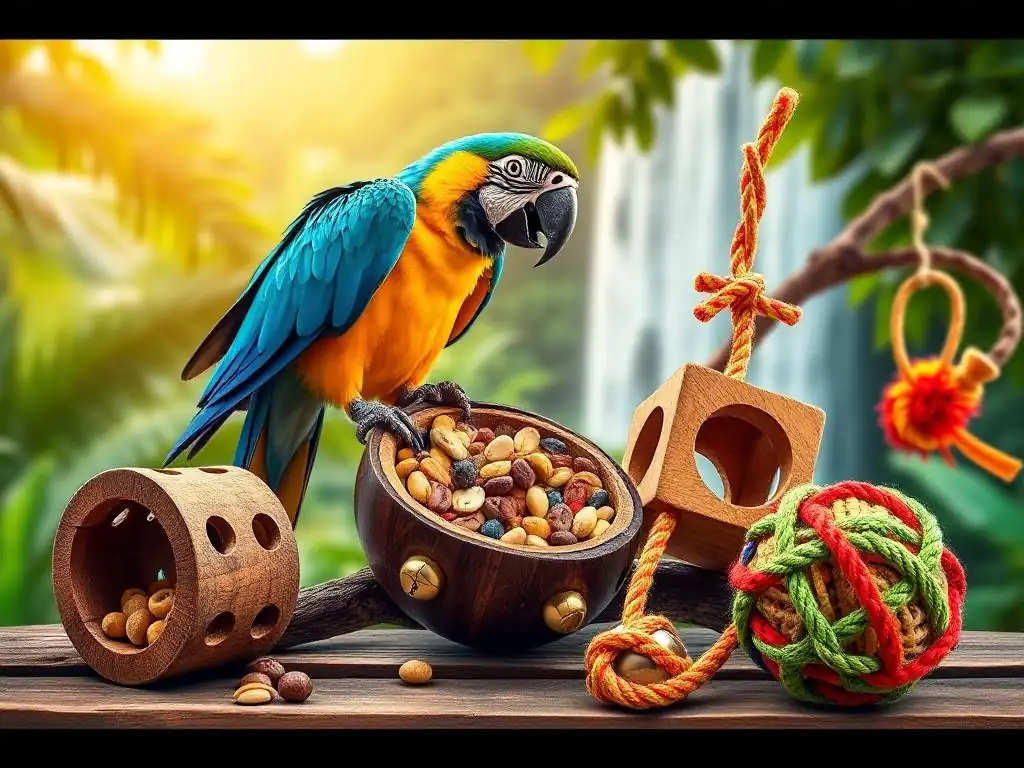
Welcome to PetCareWorld, your ultimate guide to a happier, healthier life for your beloved companion! Are you ready to unlock the key to a more enriched and stimulating life for your feathered friend? Our comprehensive Best Parrot Foraging Toys Guide dives deep into the world of mental enrichment, revealing the top 5 toys guaranteed to keep your parrot engaged and entertained. Discover how the right toys can transform your parrot's well-being and strengthen your bond – explore now and unleash the playful potential within!
- Best Parrot Foraging Toys Guide: Introduction to Enrichment
-
Top 5 Foraging Toys for Parrot Enrichment: A Detailed Review
- #1: Puzzle Feeders for Parrots: [Specific Product Name and Brand] Review
- #2: Wooden Foraging Toys for Parrots: [Specific Product Name and Brand] Review
- #3: Foraging Balls for Parrots: [Specific Product Name and Brand] Review
- #4: Hide-and-Seek Toys for Parrots: [Specific Product Name and Brand] Review
- #5: DIY Foraging Toys for Parrots: Simple and Safe Ideas
- Beyond the Top 5: Other Excellent Foraging Toy Options for Parrots
- Maintaining and Cleaning Parrot Foraging Toys
- Frequently Asked Questions
- Final Reflection: Unlocking Joy: Foraging, Enrichment, and the Parrot-Human Bond
- Unleash Your Parrot's Inner Explorer!
Best Parrot Foraging Toys Guide: Introduction to Enrichment
Parrots are highly intelligent and active birds that require significant mental and physical stimulation to thrive. A bored parrot is a stressed parrot, and this stress can manifest in a variety of undesirable behaviors, including feather plucking, screaming, and destructive chewing. Providing your feathered friend with engaging activities, especially foraging toys, is crucial for their overall well-being and happiness.
This guide will explore the top five foraging toys for parrots, focusing on their effectiveness in promoting mental stimulation and preventing boredom. We'll delve into the importance of foraging for parrots, discuss the relationship between mental stimulation and parrot wellbeing, and guide you through choosing the right toy based on your parrot's specific needs.
This comprehensive guide aims to help you select the perfect foraging toys to enrich your parrot's life and ensure they remain happy, healthy, and stimulated. Let's dive into the world of parrot enrichment and discover how to keep your beloved companion engaged and content!
Understanding the Importance of Foraging for Parrots
Foraging is a natural instinct for parrots. In the wild, they spend a significant portion of their day searching for food, a process that engages their minds and bodies. This natural behavior is essential for their physical and mental health. Depriving a parrot of opportunities to forage can lead to frustration, boredom, and even depression. Foraging toys mimic this natural behavior, providing a stimulating and rewarding experience for your parrot.
They encourage problem-solving skills, promote physical activity (like using their beaks and feet), and provide a sense of accomplishment when they successfully retrieve a treat. The act of foraging itself is a powerful tool for reducing stress and promoting a sense of calm and well-being. Think of it as a form of natural, avian "therapy"! 🦜
Mental Stimulation and Parrot Wellbeing: Preventing Boredom
A common problem among pet parrots is boredom, which can lead to a range of behavioral issues. A mentally stimulated parrot is a happy parrot. Foraging toys help combat boredom by providing a constant source of mental and physical engagement. The challenge of accessing food within the toy keeps your parrot's mind sharp and active. This constant mental stimulation helps prevent destructive behaviors, reduces stress levels, and improves their overall mood.
Providing a variety of foraging toys ensures that your parrot doesn't become bored with the same activity. Rotating toys regularly keeps them engaged and prevents them from becoming predictable or too easy to solve. Remember, variety is the spice of life (even for parrots)! The benefits extend beyond just behavioral improvement; a well-stimulated parrot is also more likely to be a healthy parrot, exhibiting improved plumage and overall vitality.
Choosing the Right Foraging Toy for Your Parrot's Size and Species
Choosing the right foraging toy is crucial to ensure its effectiveness and safety. Consider your parrot's size and species when making your selection. Larger parrots, such as macaws, will require sturdier toys that can withstand their powerful beaks. Smaller parrots, like budgies, need smaller, less challenging toys. The type of toy should also be appropriate for your parrot's species. Some parrots are naturally more adept at problem-solving than others.
Start with simpler toys and gradually introduce more challenging ones as your parrot's skills develop. Always supervise your parrot during playtime to ensure their safety and prevent them from ingesting any small parts. Remember, the goal is enrichment, not frustration! A well-chosen toy will provide hours of engaging entertainment and contribute significantly to your parrot's overall happiness and well-being. Below is a table summarizing key considerations:
| Parrot Size | Species Examples | Toy Type Suggestions | Safety Considerations |
|---|---|---|---|
| Large | Macaws, Amazons, African Greys | Large, sturdy puzzle feeders, foraging balls | Ensure no small, detachable parts; supervise play |
| Medium | Conures, Senegals | Medium-sized puzzle feeders, foraging cups, tubes | Regularly inspect for damage; choose non-toxic materials |
| Small | Budgies, Cockatiels, Lovebirds | Small puzzle feeders, foraging bells, treat sticks | Supervise closely; avoid toys with small parts |
Top 5 Foraging Toys for Parrot Enrichment: A Detailed Review
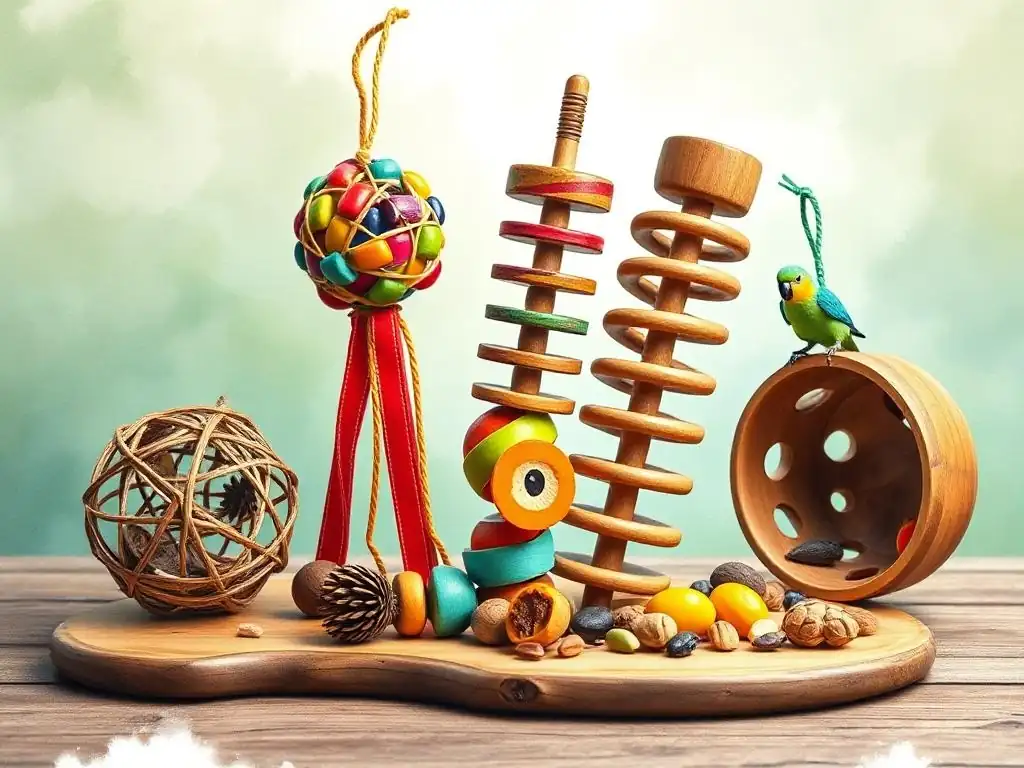
This section dives deep into five excellent foraging toys designed to stimulate your parrot's mind and body. We'll explore the features, benefits, and considerations for each, helping you choose the perfect toy to enrich your feathered friend's life and prevent boredom. Finding the best parrot foraging toys is crucial for their overall well-being, and this guide will help you navigate the options available. Remember, selecting the right toy depends greatly on your parrot's species, age, and personality.
#1: Puzzle Feeders for Parrots: [Specific Product Name and Brand] Review
Let's start with puzzle feeders, a popular choice for stimulating foraging instincts. We'll review the "[Specific Product Name and Brand]" feeder as a prime example. [Specific information pending: Detailed description of the product, including materials, design, and price range]. This type of feeder presents a challenge for your parrot, requiring them to manipulate the toy to access their food reward. This process engages their problem-solving skills, promoting mental agility and preventing boredom.
Benefits of Puzzle Feeders for Parrot Mental Stimulation
Puzzle feeders provide several key benefits for parrot mental stimulation:
- Cognitive Enhancement: The act of figuring out how to access the food strengthens cognitive function, keeping your parrot mentally sharp. Studies show that consistent mental stimulation reduces the risk of behavioral problems often associated with boredom in parrots.
- Reduced Boredom and Stress: Parrots are intelligent creatures that need mental stimulation. Puzzle feeders offer a natural outlet for their innate foraging behaviors, preventing boredom and reducing stress levels. A stressed parrot might exhibit feather plucking or other undesirable behaviors.
- Physical Exercise: While primarily focused on mental stimulation, many puzzle feeders also encourage physical activity as the bird manipulates the toy to get its food. This is particularly helpful for parrots who may not get enough exercise otherwise.
- Enrichment and Entertainment: Beyond the practical benefits, puzzle feeders provide a fun and engaging activity for your parrot. Watching them solve the puzzle can be just as rewarding for you as it is for them!
Choosing the Right Difficulty Level for Your Parrot
Choosing the right difficulty level is paramount. A feeder that's too easy will quickly become boring, while one that's too hard can lead to frustration. Consider these factors:
- Species and Age: Larger parrots with more experience will likely need a more complex puzzle than smaller, younger birds.
- Current Skill Level: Start with a simpler puzzle and gradually increase the difficulty as your parrot masters each challenge.
- Observation: Carefully observe your parrot's interaction with the toy. If they seem frustrated, switch to an easier option. If they solve it too quickly, introduce a more challenging puzzle.
#2: Wooden Foraging Toys for Parrots: [Specific Product Name and Brand] Review
Wooden foraging toys offer a natural and durable option for parrot enrichment. Let's examine the "[Specific Product Name and Brand]" toy as an example. [Specific information pending: Detailed description of the product, including materials, design, and price range]. These toys often incorporate various compartments, hidden treats, and intricate designs, encouraging exploration and problem-solving. The natural texture of the wood also provides a satisfying tactile experience for your parrot.
Durability and Safety of Wooden Parrot Toys
When selecting wooden toys, durability and safety are crucial. Look for toys made from:
- Untreated Wood: Avoid toys treated with chemicals or paints that could be toxic to your parrot.
- Hardwoods: Hardwoods like oak or maple are more durable and less likely to splinter than softer woods.
- Sturdy Construction: Ensure the toy is well-made and can withstand your parrot's chewing and manipulation. Loose parts or splinters pose a choking hazard.
Always supervise your parrot during playtime to ensure their safety. Regularly inspect the toy for damage and replace it if necessary.
Creative Foraging Challenges with Wooden Toys
Wooden foraging toys offer endless possibilities for creative foraging challenges:
- Hiding Treats: Stuff nuts, seeds, or small pieces of fruit into the crevices and compartments of the toy.
- Varying Difficulty: You can adjust the difficulty by changing the size and type of treats or by modifying the toy's structure (with adult supervision).
- Combining Toys: Combine different wooden toys to create a complex foraging environment. This provides a more stimulating and engaging experience for your parrot.
This detailed review provides a strong foundation for understanding the nuances of selecting the best foraging toys for your parrot. Remember to always prioritize safety and tailor the challenge to your bird's specific needs and abilities. This approach ensures a stimulating and enriching environment, contributing to your parrot's overall health and happiness. Remember to consider your parrot's individual preferences and adjust accordingly. Happy foraging!
#3: Foraging Balls for Parrots: [Specific Product Name and Brand] Review
Foraging balls represent a fantastic way to engage your parrot's natural foraging instincts. Let's delve into a specific example: the [Specific Product Name and Brand] foraging ball. This particular model often features multiple compartments and openings, designed to challenge your bird's problem-solving skills. The varying difficulty levels, achieved through different sized holes and intricate designs, cater to a range of parrot species and ages, from small budgies to larger macaws.
The transparent design allows owners to easily monitor the food level and ensure their feathered friend is making progress. Many owners report that their parrots become completely engrossed, spending significant amounts of time exploring and retrieving treats. This prolonged engagement significantly contributes to reducing boredom and preventing destructive behaviors often stemming from under-stimulation.
The durable construction, usually made from non-toxic and parrot-safe materials, ensures the toy's longevity, offering a worthwhile investment for pet owners. The [Specific Product Name and Brand] ball frequently comes with a variety of attachments, like bells or mirrors, adding an extra layer of sensory stimulation to the foraging experience. This multifaceted approach makes it a top contender among foraging toys.
Interactive Play and Food Dispensing with Foraging Balls
The interactive nature of foraging balls is key to their success. Parrots aren't just passively receiving food; they actively work to obtain it. This process mimics their natural behaviors in the wild where they spend considerable time searching for sustenance.
The [Specific Product Name and Brand] ball, with its intricate design and multiple compartments, provides a stimulating challenge. Owners can fill the compartments with a variety of treats – pellets, seeds, nuts, or even small pieces of fresh fruit and vegetables. The parrot must manipulate the ball, rolling it, tilting it, and perhaps even throwing it in the air, to access the hidden goodies.
This physical activity, combined with the mental stimulation of problem-solving, helps keep your parrot physically and mentally fit. The unpredictability of how the treats dispense also adds an element of surprise and excitement, keeping your parrot engaged for extended periods. This is far more rewarding than simply placing food in a bowl, and it greatly contributes to a happier, healthier parrot.
Adaptability of Foraging Balls for Different Parrot Sizes
A crucial aspect of choosing a foraging ball is its adaptability to your parrot's size and abilities. The [Specific Product Name and Brand] model often comes in various sizes, catering to the different needs of various parrot species. Smaller parrots, like cockatiels or budgies, might find a smaller ball more manageable, allowing them to easily interact with the dispensing mechanisms.
Larger parrots, such as African Greys or Amazons, would benefit from a larger ball that offers a more substantial challenge and holds a greater quantity of treats. The size also influences the size and type of treats you can use. A larger ball can accommodate larger pieces of food, while a smaller ball might be better suited for smaller seeds and pellets.
This adjustability is critical in providing an appropriately stimulating and engaging experience for parrots of all sizes and abilities, ensuring that the toy remains fun and challenging without being frustrating. The manufacturer often provides size recommendations based on parrot species, making selection straightforward for pet owners.
#4: Hide-and-Seek Toys for Parrots: [Specific Product Name and Brand] Review
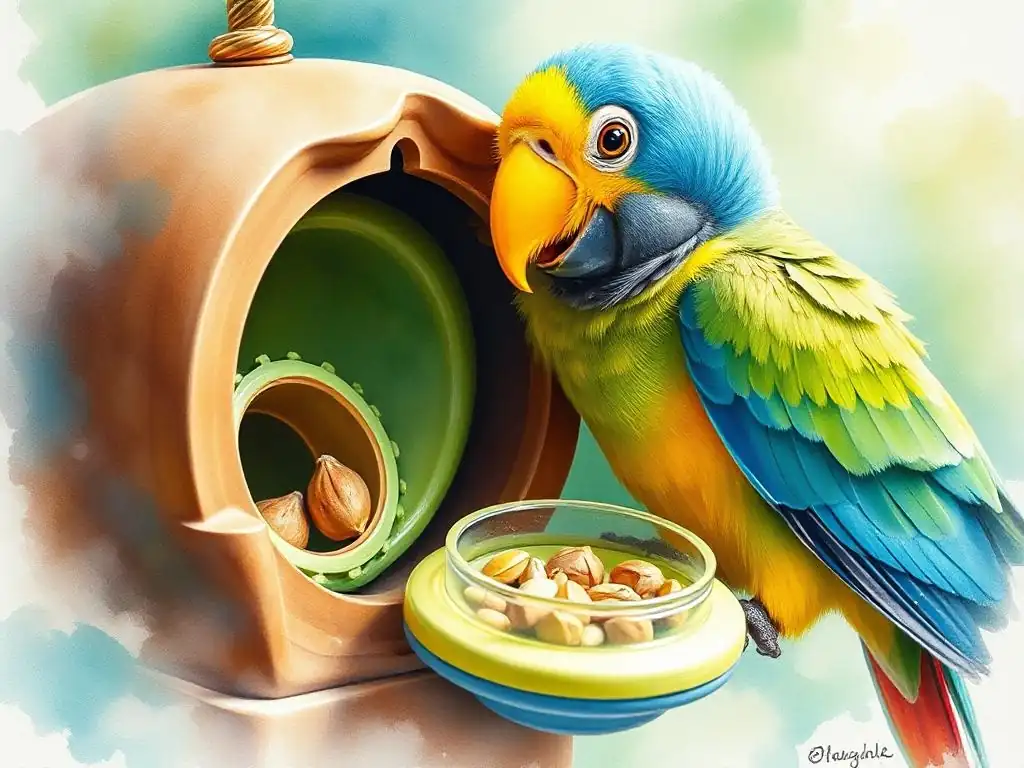
Hide-and-seek toys tap into a parrot's natural curiosity and intelligence. One example is the [Specific Product Name and Brand] hide-and-seek toy, which often involves a series of compartments, cups, or tubes where treats are hidden. These toys are designed to encourage your parrot to explore, investigate, and solve puzzles to uncover their rewards.
The complexity of the toy can be adjusted based on your parrot's skill level, making it suitable for birds of all ages and experience. The engaging process of searching for hidden treats provides both mental and physical stimulation, helping to prevent boredom and destructive behaviors. This type of toy is particularly effective in enriching a parrot's environment and promoting positive behaviors.
Enhancing Problem-Solving Skills with Hidden Treats
The core benefit of hide-and-seek toys lies in their ability to enhance a parrot's problem-solving skills. The [Specific Product Name and Brand] toy, with its cleverly designed hiding places, challenges your parrot to think creatively to locate the hidden treats. This mental exercise is crucial for a parrot's cognitive development and overall well-being. As your parrot successfully locates the treats, it builds confidence and reinforces positive associations with the toy.
The increasing difficulty levels, often available within a single toy or across different models, provide a continuous challenge, preventing your parrot from becoming bored. This ongoing engagement keeps your parrot mentally sharp and prevents the onset of behavioral issues often associated with boredom and lack of mental stimulation. The process of searching and discovering rewards is incredibly rewarding for your parrot, mirroring their natural foraging instincts.
Materials and Safety Considerations for Hide-and-Seek Toys
When selecting a hide-and-seek toy, it's crucial to prioritize safety and durability. The [Specific Product Name and Brand] toy is typically made from non-toxic, parrot-safe materials. These materials are essential to prevent accidental ingestion of harmful substances. The construction should be robust enough to withstand a parrot's powerful beak and claws, ensuring the toy's longevity and preventing potential hazards from broken pieces. Avoid toys with small, detachable parts that could pose a choking hazard.
Regularly inspect the toy for any signs of wear and tear and replace it if necessary. The toy's design should also be considered; sharp edges or corners should be avoided to prevent injuries. Choosing a reputable brand that prioritizes safety standards is paramount in ensuring your parrot's well-being while enjoying the enrichment provided by these engaging hide-and-seek toys. Always supervise your parrot during playtime to ensure safe and appropriate interaction with the toy.
#5: DIY Foraging Toys for Parrots: Simple and Safe Ideas
Parrots are intelligent and curious creatures, and providing them with engaging activities is crucial for their mental and physical well-being. Foraging toys are a fantastic way to stimulate their natural instincts and prevent boredom, and the best part? You can easily create your own at home!
DIY foraging toys offer a cost-effective alternative to store-bought options while allowing you to tailor the toy to your parrot's specific preferences and needs. Furthermore, making your own toys allows for greater control over the materials used, ensuring safety and avoiding potentially harmful chemicals or components often found in mass-produced toys. This is especially important for parrots, who are known for their strong beaks and tendency to chew on everything.
Cost-Effective Ways to Create Engaging Foraging Toys at Home
Creating enriching foraging toys doesn't require expensive materials. Many household items can be repurposed to create stimulating challenges for your feathered friend. For example, empty toilet paper rolls can be stuffed with small pieces of fruit, vegetables, or bird-safe nuts, then sealed at the ends with a bit of tape or glue.
This simple toy provides a fun challenge for your parrot to access the treats inside. Similarly, cardboard boxes (ensure they are non-toxic and free of staples or sharp edges) can be transformed into complex foraging mazes with various compartments and hiding places. Remember to supervise your parrot during playtime with any DIY toy to ensure their safety.
Another inexpensive option involves using untreated wooden dowels or branches. These can be arranged in interesting configurations, perhaps incorporating small cups or bowls to hold treats or hiding places. The natural texture of the wood provides a stimulating chewing surface, while the challenge of retrieving the hidden treats keeps your parrot mentally engaged. Remember to always use untreated wood, as treated wood can contain harmful chemicals. Avoid using pressure-treated lumber, and opt for branches from fruit trees or other safe wood sources. Always thoroughly wash and dry any natural materials before offering them to your parrot.
Using Recycled Materials for Parrot Enrichment
Recycling is a fantastic way to create engaging and sustainable foraging toys for your parrot. Empty paper towel tubes, cereal boxes (again, ensuring they are clean and free of staples), and even egg cartons can be transformed into exciting foraging challenges. Simply create small holes or compartments within the recycled materials, and fill them with your parrot's favorite treats or toys. This encourages them to explore, manipulate, and problem-solve to access their rewards.
This not only provides mental stimulation but also reduces waste and promotes environmentally conscious pet ownership. Consider using different textures and materials to create a more stimulating experience. For example, combine paper tubes with small pieces of fabric or natural materials like shredded coconut fiber (ensure it's bird-safe).
Remember to always monitor your parrot while they are playing with recycled materials to ensure their safety. Replace any damaged or worn-out toys promptly. By embracing creativity and resourcefulness, you can provide your parrot with endless hours of entertainment using materials you already have on hand!
Beyond the Top 5: Other Excellent Foraging Toy Options for Parrots
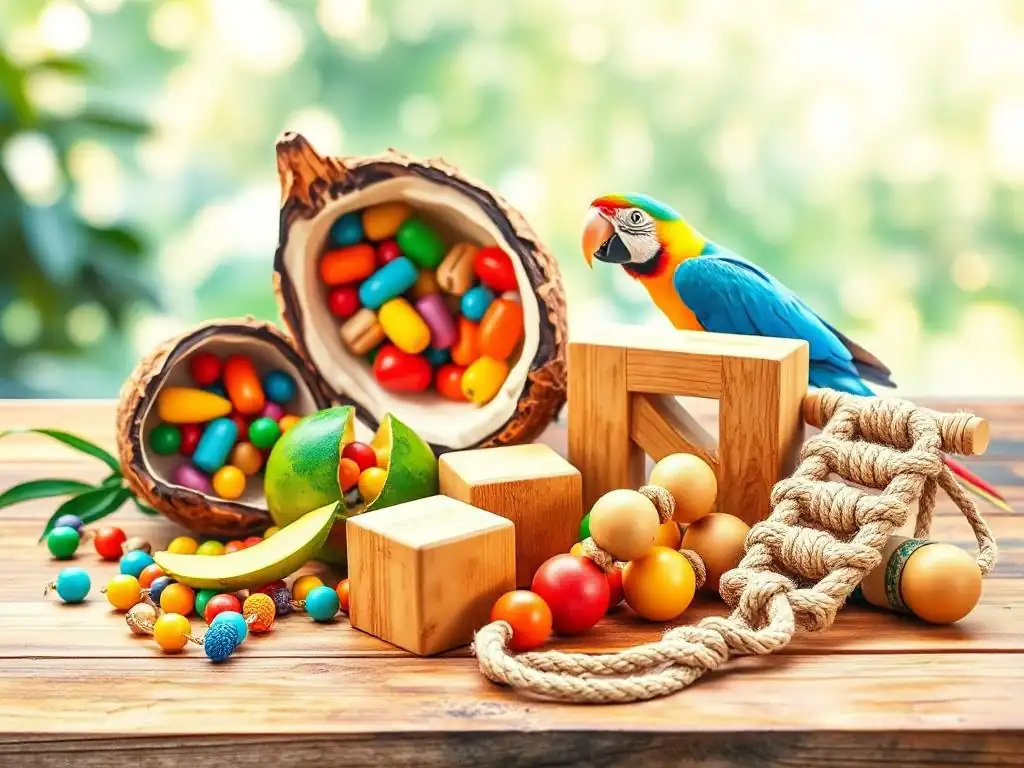
While the top 5 foraging toys offer a fantastic starting point for enriching your parrot's life, numerous other excellent options exist to keep your feathered friend mentally stimulated and physically active. The key is variety and understanding your individual parrot's preferences. A toy that captivates one parrot might be completely ignored by another.
Consider experimenting with different types of puzzles, materials, and challenges to find what truly resonates with your bird. Remember, the goal is to provide a diverse range of foraging opportunities, mimicking the natural foraging behaviors of parrots in the wild. This constant challenge helps prevent boredom and promotes a healthy, happy parrot.
Foraging Toy Materials: Safety and Durability
Selecting safe and durable materials is paramount when choosing foraging toys for your parrot. Parrots are notorious for their powerful beaks and chewing habits. They will test the limits of any toy, and unsafe materials can lead to serious health problems. Avoid toys made from:
- Lead-based paints: These are extremely toxic and can be fatal. Always verify that the toy's paint is non-toxic and bird-safe.
- Small, detachable parts: These present a choking hazard. Ensure all components are securely fastened and large enough to prevent ingestion.
- Toxic woods: Certain woods are poisonous to birds. Research thoroughly before introducing any wooden toys. Untreated wood can also harbor harmful bacteria.
- Cheap plastics: Low-quality plastics can break down and release harmful chemicals. Opt for sturdy, high-quality plastics specifically designed for bird toys.
Conversely, excellent materials include:
- Natural wood: Many bird-safe woods, such as balsa wood and certain hardwoods, are ideal for foraging toys. Look for toys made from sustainably sourced wood.
- Seagrass: This natural material is both durable and safe for parrots to chew on.
- Sisal rope: Strong and fibrous, sisal rope provides a satisfying chewing experience and encourages beak maintenance.
- Stainless steel: For metal components, stainless steel is a safe and durable choice. Avoid zinc-coated metals.
Choosing toys made from these materials significantly reduces the risk of injury or illness to your parrot. Regularly inspect toys for signs of wear and tear, and replace any damaged items promptly. This proactive approach ensures your parrot's safety and enjoyment.
Considering Your Parrot's Personality When Choosing Toys
Just as humans have unique personalities, so do parrots. A shy parrot might be intimidated by a complex, multi-stage puzzle, while a more adventurous bird might find it stimulating. Understanding your parrot's personality is crucial for selecting appropriate toys.
Observe your parrot's behavior and preferences. Does it prefer simple toys with easy-to-access treats, or does it enjoy a challenge? Does it favor specific materials, such as wood or rope? A timid parrot may benefit from starting with simpler foraging toys that offer easily accessible rewards. Gradually introduce more complex toys as your parrot gains confidence and demonstrates an interest in greater challenges.
For more adventurous parrots, start with complex toys right away and see how they engage. The most important aspect is to continuously monitor their interactions with the toys to ensure they are appropriately challenged but not overwhelmed or frustrated. A frustrated parrot might become destructive or exhibit other negative behaviors. The goal is to find that sweet spot of engagement and challenge.
Rotating Toys to Keep Your Parrot Engaged
Variety is the spice of life, especially for parrots! Introducing new foraging toys regularly prevents boredom and maintains your parrot's interest. A parrot quickly loses interest in a toy once it has mastered it. Therefore, it is essential to rotate toys, introducing fresh puzzles and challenges to keep your bird mentally sharp and happy.
A simple system for toy rotation involves storing some toys away for a few weeks and then swapping them with the current ones. This gives your parrot the sense of discovering new items, reigniting their interest in foraging. You can even create a "toy rotation schedule" to track which toys are in use and when to swap them. This method ensures a continuous flow of stimulating activities, preventing boredom and promoting both mental and physical well-being.
Consider having a collection of at least 6-8 different foraging toys to facilitate this regular rotation. This ensures your parrot always has a varied selection of puzzles and challenges to keep it engaged and prevent repetitive behavior. Remember, a happy, stimulated parrot is a healthy parrot. The investment in a diverse range of high-quality, safe foraging toys is well worth the effort.
Maintaining and Cleaning Parrot Foraging Toys
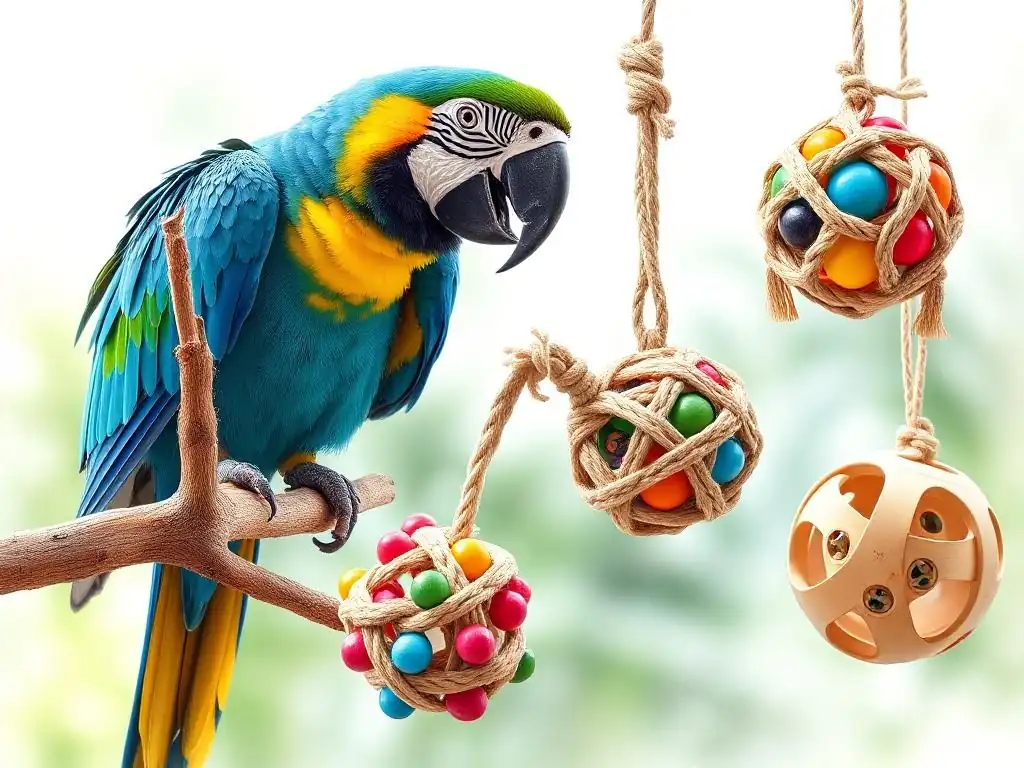
Parrot foraging toys, while enriching your feathered friend's life, require consistent care to ensure hygiene and longevity. Neglecting cleaning can lead to bacterial growth, impacting your parrot's health and potentially rendering the toy unusable. Proper maintenance is key to maximizing the benefits and lifespan of these crucial enrichment tools. This section will detail the best practices for cleaning and storing your parrot's foraging toys, helping you provide a safe and stimulating environment.
Regular Cleaning to Prevent Bacterial Growth
Regular cleaning is paramount to prevent the buildup of bacteria and fungi on your parrot's foraging toys. Parrots, like all animals, can be susceptible to infections. Food remnants, droppings, and saliva can quickly accumulate, creating a breeding ground for harmful microorganisms. The frequency of cleaning depends on the type of toy and how frequently it's used. However, a minimum of once a week is recommended for heavily used toys.
Here's a step-by-step guide to cleaning your parrot's foraging toys:
- Remove all food and debris: Gently remove any leftover food, seeds, or droppings from the toy using a small brush, tweezers, or your fingers (ensure you wash your hands thoroughly afterwards! ).
- Wash with warm soapy water: Use a mild, pet-safe dish soap and warm water. Avoid harsh chemicals or detergents which could be toxic to your parrot. Thoroughly scrub all surfaces, paying close attention to crevices and hard-to-reach areas. A bottle brush can be very useful for cleaning intricate designs.
- Rinse thoroughly: Rinse the toy completely under running warm water to remove all traces of soap. Any residual soap can irritate your parrot's sensitive beak or skin.
- Air dry completely: Allow the toy to air dry completely before returning it to your parrot's cage. Do not use a microwave or oven to dry the toy, as this could damage the material.
- Disinfection (optional but recommended): For added hygiene, consider using a pet-safe disinfectant spray once a month. Always follow the manufacturer's instructions carefully and ensure the disinfectant is completely dry before giving the toy back to your bird.
Remember, a clean foraging toy is a safe foraging toy. Prioritizing regular cleaning will contribute significantly to your parrot's overall health and well-being. Regular inspection for wear and tear is also crucial; replace any damaged or broken parts immediately to avoid potential hazards.
Proper Storage of Foraging Toys to Ensure Longevity
Proper storage, in addition to regular cleaning, significantly extends the life of your parrot's foraging toys. Improper storage can lead to damage, deterioration, or even mold growth. Here are some tips for storing your parrot's foraging toys:
- Clean and dry storage: Always store toys in a clean and dry place, away from direct sunlight, moisture, and extreme temperatures. A cool, dry cupboard or shelf is ideal.
- Avoid direct sunlight: Prolonged exposure to sunlight can fade colors and weaken materials, shortening the lifespan of the toy.
- Separate storage for different toys: Consider storing toys in separate containers or bags to prevent cross-contamination and to maintain their individual cleanliness.
- Rotate toys regularly: Rotating toys helps to maintain your parrot's interest and prevents boredom. This also gives you time to thoroughly clean each toy.
- Regular inspection during storage: Periodically inspect stored toys for any signs of damage or deterioration. Discard any damaged toys immediately.
By following these simple storage guidelines, you can ensure that your parrot's foraging toys remain in excellent condition for longer, providing continuous enrichment and mental stimulation. Remember, a well-maintained foraging toy is an investment in your parrot's happiness and health. Investing time in proper cleaning and storage is a crucial element of responsible parrot ownership, ensuring your beloved pet enjoys a stimulating and safe environment.
Frequently Asked Questions
What are the benefits of foraging toys for parrots?
Foraging toys offer mental stimulation, preventing boredom and destructive behaviors. They also provide physical exercise and encourage natural instincts.
How do I choose the right foraging toy for my parrot?
Consider your parrot's size, species, and experience level with foraging toys. Start with simpler toys and gradually introduce more challenging ones.
Are all foraging toys safe for parrots?
No, ensure toys are made from non-toxic materials and are appropriately sized to prevent choking hazards. Always supervise your parrot during playtime.
How often should I change my parrot's foraging toys?
Rotate toys regularly to maintain interest and prevent boredom. A good rule of thumb is to switch them out every few weeks or when they become damaged.
Where can I find the best foraging toys for my parrot?
PetCareWorld's guide on the "Top 5 Foraging Toys for Parrots" provides excellent recommendations. You can also find a wide selection at reputable pet stores online and in person.
Final Reflection: Unlocking Joy: Foraging, Enrichment, and the Parrot-Human Bond
The simple act of foraging is far more than just a way to keep our feathered friends busy; it's a cornerstone of their well-being, directly impacting their physical and mental health. Providing stimulating foraging opportunities isn't just a trend; it's a vital step towards responsible parrot ownership, ensuring our companions thrive and live long, fulfilling lives.
The journey of researching and compiling this guide has profoundly impacted my understanding of parrot enrichment. It's highlighted the crucial link between providing appropriate stimulation and preventing behavioral issues often stemming from boredom and lack of mental engagement. A bored parrot is a destructive parrot.
This simple statement underscores the importance of proactive enrichment, moving beyond basic seed provision to create a stimulating and engaging environment that mirrors their natural instincts. This isn't just about toys; it's about fostering a deeper connection with our parrots, understanding their needs, and enriching their lives in meaningful ways.
Consider the impact of incorporating foraging into your parrot's daily routine. Imagine the joy of watching your feathered friend actively engage with their environment, problem-solve, and experience the satisfaction of discovering hidden treats. This isn't just about providing toys; it's about building a bond based on mutual respect, understanding, and a shared appreciation for the natural world. Take the time to observe your parrot's interactions with their foraging toys, adapt your approach based on their preferences, and celebrate their successes. The rewards – a happier, healthier, and more connected companion – are immeasurable.
Unleash Your Parrot's Inner Explorer!
Thank you for exploring the world of foraging toys with us! We hope you've discovered exciting new ways to enrich your feathered friend's life and keep them mentally stimulated. Ready to take the next step?
- Prioritize Play: Introduce one or two toys from our recommended selection to your parrot today. Observe their interaction and adjust the toys offered to maximize their engagement.
- Share Your Success: Tell us about your parrot's foraging adventures! Share a picture or video of your parrot enjoying their new toy in the comments below. Let's build a community of happy, stimulated birds!
- Discover More: Explore PetCareWorld.org for more resources on parrot enrichment, training, and overall well-being.
What unique foraging challenge will you create for your parrot this week?