
Feathered Friends' Fun: The Best Toys and Enrichment for Finches and Canaries

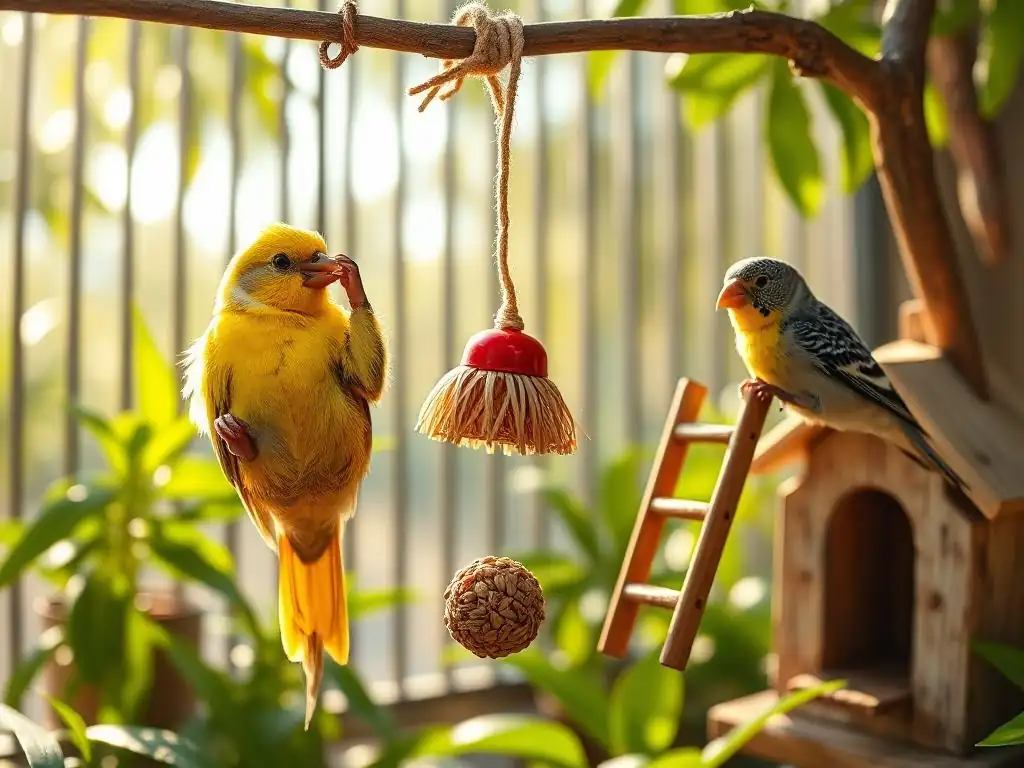
Welcome to PetCareWorld, your ultimate guide to a happier, healthier life for your beloved pets! Are you ready to unlock the secrets to a vibrant and engaging life for your feathered friends? Discover our expert recommendations on the best finch canary bird toys and learn how to create a stimulating environment that will keep your finches and canaries happy, active, and thriving. Dive in and explore the world of avian enrichment – your birds will thank you!
-
Choosing the Best Finch and Canary Toys: A Comprehensive Guide
- Understanding Your Bird's Needs: Toy Selection Based on Species and Age
- Safe Materials: Avoiding Toxic Toys for Finches and Canaries
- Interactive Toys for Finches and Canaries: Stimulating Play and Exploration
- Foraging Toys: Encouraging Natural Instincts in Finches and Canaries
- Swinging and Climbing Toys: Providing Physical Exercise and Enrichment
- Top 10 Best Finch and Canary Toys: Reviews and Recommendations
-
Beyond Toys: Creating a Stimulating Environment for Your Finches and Canaries
- Providing Adequate Space: Cage Size and Setup for Optimal Enrichment
- Natural Branches and Perches: Adding Variety and Texture to the Cage
- Environmental Enrichment: Creating a Stimulating and Engaging Habitat
- Importance of Social Interaction: Companionship for Finches and Canaries
- Regular Cleaning and Hygiene: Maintaining a Safe and Healthy Environment for Your Birds
- DIY Finch and Canary Toys: Simple and Cost-Effective Enrichment Ideas
- Troubleshooting Common Problems: Addressing Behavioral Issues Related to Boredom
- Maintaining Your Bird's Toys: Cleaning, Repair, and Replacement
- Frequently Asked Questions
- Final Reflection: Nurturing the Joyful Song: A Legacy of Enrichment for Our Feathered Friends
- Unleash the Joy: Enrich Your Feathered Friend's Life Today!
Choosing the Best Finch and Canary Toys: A Comprehensive Guide
Providing enriching environments for your feathered friends is crucial for their physical and mental well-being. Finches and canaries, while seemingly small and delicate, are intelligent birds with complex needs that extend beyond basic food and water. This comprehensive guide explores the best toys and enrichment options for finches and canaries, helping you create a stimulating and safe habitat that promotes their happiness and longevity. We'll delve into selecting toys based on species and age, understanding safe materials to avoid, and discovering interactive options that encourage natural behaviors and prevent boredom.
Choosing the right toys isn't just about entertainment; it's about contributing to a thriving and fulfilling life for your beloved bird. This guide will help you navigate the world of bird toys, ensuring you select the best finch canary bird toys to enrich your pet's life. 🐦
Understanding Your Bird's Needs: Toy Selection Based on Species and Age
Selecting appropriate toys for your finch or canary depends heavily on their species and age. Young birds, for instance, require toys that encourage exploration and development of fine motor skills. Older birds might benefit from toys that offer gentler stimulation and easier manipulation. Different species also exhibit unique preferences and capabilities.
For example, certain finch species are known for their acrobatic abilities and might appreciate toys that challenge their agility, such as swings or ladders. Canaries, often known for their vocalizations, might benefit from toys that incorporate auditory stimulation, such as bells or small musical instruments (made of safe materials, of course! ).
Consider the following factors when choosing toys based on your bird's needs:
- Species-Specific Preferences: Research the natural behaviors and preferences of your specific finch or canary breed. This will guide you towards toys that cater to their instincts.
- Age Appropriateness: Ensure that toys are sized and designed appropriately for your bird's age and developmental stage. Avoid small parts that could pose a choking hazard for younger birds.
- Physical Capabilities: Consider your bird's physical abilities and limitations when selecting toys. Some birds might have weaker beaks or less agility than others.
- Mental Stimulation: Choose a variety of toys that provide different types of stimulation, such as visual, auditory, and tactile. This helps prevent boredom and promotes mental enrichment.
Safe Materials: Avoiding Toxic Toys for Finches and Canaries
Safety is paramount when selecting toys for your finch or canary. Many common household materials can be toxic to birds, so it's crucial to choose toys made from safe, non-toxic materials.
Absolutely avoid:
- Toys made of treated wood: Many woods are treated with chemicals that are extremely harmful to birds.
- Toys with small, detachable parts: These pose a serious choking hazard.
- Toys painted with lead-based paint: Lead is highly toxic to birds.
- Toys made from plastic that might contain BPA or phthalates: These chemicals can leach into the bird's environment and cause health problems.
Safe Material Options:
- Natural wood (untreated): Ensure the wood is untreated and free from any chemicals or finishes.
- Stainless steel: A durable and safe option for many bird toys.
- Cotton rope: A natural and safe material for chewing toys.
- Seagrass: A natural and safe material for nesting and foraging toys.
Always inspect toys regularly for any signs of damage or wear and tear. Replace any damaged toys immediately to prevent accidents.
Interactive Toys for Finches and Canaries: Stimulating Play and Exploration
Interactive toys are crucial for providing mental stimulation and preventing boredom in finches and canaries. These toys encourage natural behaviors such as foraging, climbing, and exploring.
Here are some examples of interactive toys you can consider:
- Foraging Toys: These toys require your bird to work for their food, mimicking their natural foraging behaviors. You can create simple foraging toys using cardboard tubes, paper cups, or small containers filled with seeds or pellets.
- Climbing Toys: Ladders, swings, and perches provide opportunities for climbing and exercise.
- Puzzle Toys: These toys require your bird to solve a puzzle to access a treat, providing mental stimulation and problem-solving opportunities.
- Bird-Safe Bells and Rattles: These provide auditory stimulation and can be fun for your bird to interact with. Ensure they are made of safe materials and securely attached.
Remember to rotate toys regularly to keep your bird engaged and prevent boredom. Observe your bird's interactions with the toys and adjust your selection based on their preferences. A variety of toys that cater to different senses and encourage natural behaviors will contribute to a happy and healthy bird.
Foraging Toys: Encouraging Natural Instincts in Finches and Canaries
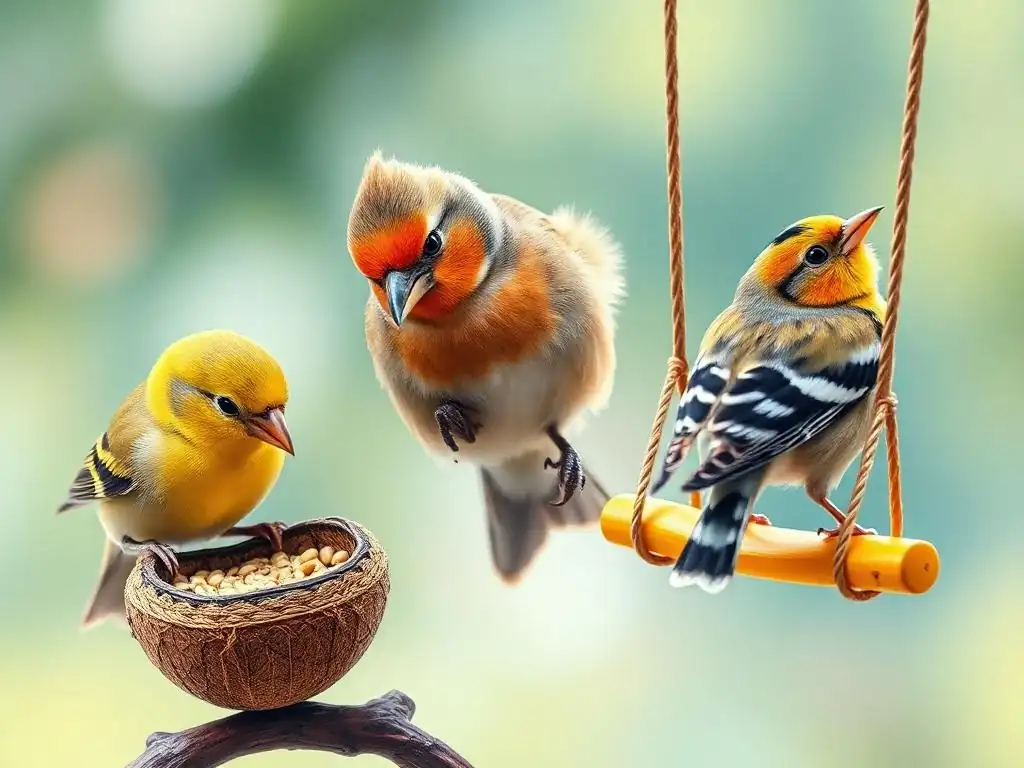
Finches and canaries, in their natural habitat, spend a significant portion of their day foraging for food. Replicating this behavior in captivity is crucial for their mental and physical well-being. Foraging toys provide a stimulating challenge, preventing boredom and promoting natural instincts. These toys encourage them to work for their treats, mimicking their wild foraging behaviors. This activity combats obesity, a common problem in caged birds due to readily available food. The mental stimulation also helps prevent behavioral issues stemming from boredom, such as feather plucking or excessive vocalization.
Several excellent foraging toy options exist for finches and canaries. Puzzle feeders, which require birds to manipulate the toy to access seeds or pellets, are very popular. These can range from simple tubes with small holes to intricate wooden puzzles that require more problem-solving skills. Another great option is to hide food within a variety of safe materials, such as shredded paper, small crinkled balls, or even small, safe branches from fruit trees.
Always supervise your birds initially with new foraging toys to ensure they understand how to use them and to prevent accidental ingestion of unsafe materials. Remember to vary the type of foraging toy you offer to keep your birds engaged and challenged. Rotate toys regularly to maintain novelty and prevent boredom. A well-designed foraging toy program can significantly improve the quality of life for your finches and canaries.
Consider the size and abilities of your birds when selecting foraging toys, ensuring they aren't too challenging or too easy. Observing your birds' interactions with the toys is key to finding the perfect fit. The joy of watching your birds actively engage in foraging behavior is a rewarding aspect of responsible bird ownership.
Swinging and Climbing Toys: Providing Physical Exercise and Enrichment
Swinging and climbing toys are essential for maintaining the physical health and mental stimulation of finches and canaries. These active birds need opportunities for exercise to prevent obesity and maintain strong muscles and bones. Climbing toys, such as ladders, ropes, and branches, provide vertical space for exploration and exercise, mimicking their natural environment. This encourages them to use their feet and claws, preventing problems such as overgrown nails.
The act of climbing provides a significant amount of physical activity, contributing to their overall health and fitness. Swings, on the other hand, offer a different type of physical exercise and entertainment. The gentle rocking motion can be calming and relaxing, providing a break from more strenuous activities. Different types of swings, such as small bells or cups attached to a swing, can also provide auditory and tactile stimulation.
The materials used in swinging and climbing toys are also crucial. Natural materials like wood and cotton rope are generally preferred over plastic, which can be less durable and may contain harmful chemicals. Always ensure that the materials are safe for your birds, free of toxins, and securely attached to prevent accidents. Regularly inspect these toys for wear and tear and replace them as needed.
The size and design of the toys should also be appropriate for the size and species of your bird. A small finch will need a smaller swing and smaller branches than a larger canary. Providing a variety of swinging and climbing toys allows your birds to choose what they prefer, ensuring they receive adequate exercise and mental stimulation.
This variety keeps their environment engaging and prevents boredom, contributing to their overall well-being and enriching their lives in captivity. Observe your birds carefully to see which toys they enjoy the most and adjust your offerings accordingly. Investing in quality, safe toys will provide your feathered friends with years of enjoyment and contribute to their healthy and happy lives.
Top 10 Best Finch and Canary Toys: Reviews and Recommendations
This section provides a curated list of the top 10 best toys for finches and canaries, categorized for optimal enrichment. We've considered factors like safety, durability, and engagement to ensure your feathered friends get the most stimulating playtime. Finding the best finch canary bird toys can significantly improve their quality of life, reducing boredom and promoting natural behaviors. Remember to always supervise your birds during playtime and replace any damaged toys immediately. Variety is key; rotate toys regularly to keep your birds engaged and prevent them from becoming bored with a single item.
Best Swinging Toys for Finches and Canaries
Swinging toys are a great way to provide physical activity and entertainment for your finches and canaries. They encourage climbing, swinging, and hopping, mimicking natural behaviors in their environment. Look for toys made from natural materials like wood or cotton rope, avoiding anything with small, detachable parts that could pose a choking hazard. Here are some features to consider when selecting a swinging toy:
- Size and Weight: The toy should be appropriately sized for your bird, neither too heavy nor too light. A good rule of thumb is to ensure the swing doesn't overwhelm your bird's ability to move it.
- Material: Natural, untreated wood and cotton rope are ideal. Avoid plastic or painted materials, as these can be toxic if ingested.
- Durability: Choose a sturdy swing that can withstand regular use and your bird's enthusiastic play.
- Variety: Offer a selection of swings with different textures and designs to keep your birds engaged.
A good example of a well-designed swinging toy is one with multiple perches and a sturdy base, allowing for varied climbing and swinging positions. Another great option is a simple cotton rope swing, providing a soft and comfortable place for your bird to rest and play. Remember to regularly inspect the swing for any signs of wear and tear and replace it when necessary. Ignoring this can lead to potential injury for your pet.
Best Foraging Toys for Finches and Canaries
Foraging toys are crucial for stimulating your birds' natural instincts. In the wild, finches and canaries spend a significant amount of time foraging for food. Providing foraging toys helps satisfy this innate behavior, preventing boredom and promoting mental stimulation. These toys encourage problem-solving skills and provide a sense of accomplishment when your bird successfully retrieves a treat. Consider these factors:
- Difficulty Level: Start with easier foraging toys and gradually introduce more challenging ones as your bird becomes more proficient.
- Material: Again, natural materials are best. Look for toys made from wood, coconut shells, or woven materials.
- Treat Compatibility: Ensure the toy is compatible with the types of treats you plan to use. Small seeds, pellets, and chopped fruits and vegetables work well.
- Safety: Avoid toys with small, detachable parts that could pose a choking hazard.
For example, a simple foraging toy could consist of a small container with holes, where your bird needs to work to extract the treats. More complex toys might involve puzzles or hidden compartments. Another excellent option is a foraging ball, which allows your bird to roll the ball around to dispense treats. The act of searching for and obtaining food is incredibly enriching for your finch or canary. This mental stimulation is vital for their overall well-being.
Best Chewing Toys for Finches and Canaries
Chewing is an essential behavior for finches and canaries, helping them to maintain their beak health and alleviate stress. Providing appropriate chewing toys prevents them from chewing on inappropriate items, such as cage bars or furniture. When choosing chewing toys, consider:
- Material: Look for toys made from natural, safe materials such as wood, untreated branches (ensure they are not from treated trees! ), or mineral blocks. Avoid toys made from plastic or painted materials.
- Size and Shape: The toy should be appropriately sized for your bird's beak and easy to manipulate.
- Durability: Choose a durable toy that can withstand your bird's chewing.
- Variety: Offer a variety of chewing toys with different textures and shapes to keep your birds interested.
Examples of excellent chewing toys include: small, untreated wooden blocks, mineral blocks (providing essential minerals), and natural seagrass toys. These options not only provide chewing opportunities but also contribute to overall beak health. Regularly inspect chewing toys and replace them when they become significantly worn or damaged to prevent injury. Remember, providing a range of toys caters to your bird's natural instincts and enhances their overall happiness and health. 🐦
Best Climbing Toys for Finches and Canaries
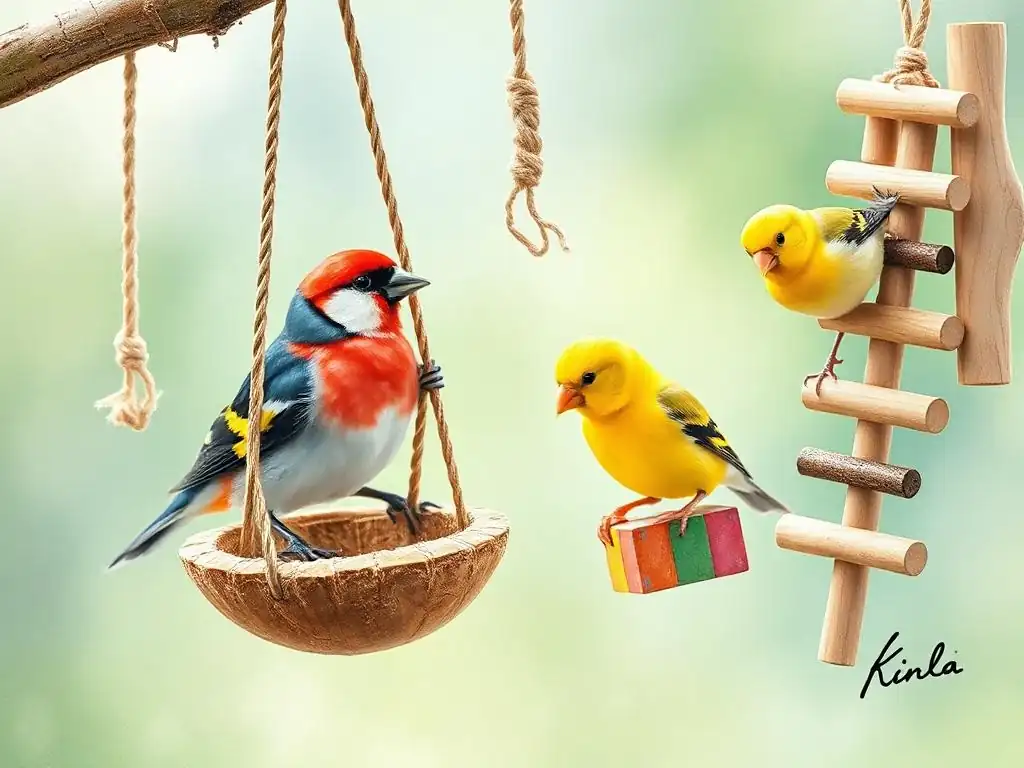
Finches and canaries are naturally active birds that require ample opportunities for climbing and exploring. Providing climbing toys not only keeps them physically fit but also stimulates their mental well-being. A lack of suitable climbing structures can lead to boredom and even behavioral problems. Therefore, selecting the right climbing toys is crucial for their overall health and happiness.
Several excellent options cater specifically to their small size and climbing instincts. Natural materials like untreated wood, sisal rope, and seagrass are preferred, as they are safe and provide a good grip. Avoid anything treated with chemicals or dyes, as these can be toxic. Look for toys with varying textures and diameters to provide a challenge and prevent monotony.
For example, a small, multi-level wooden perch with different branch thicknesses offers a variety of climbing surfaces. Alternatively, a woven seagrass ball or a sisal rope ladder provides excellent opportunities for climbing and exploring. Remember to regularly inspect and replace any damaged or worn-out climbing toys to prevent injuries.
It's also important to offer a variety of climbing toys to keep your feathered friends engaged and prevent them from becoming bored with just one type of toy. Rotating toys every few weeks can also maintain interest and prevent the birds from focusing solely on a single item. The addition of small, safe bells or beads to the climbing structures can add an auditory stimulation element, further enriching their playtime.
Best Interactive Toys for Finches and Canaries
Interactive toys are vital for enriching the lives of finches and canaries, providing mental stimulation and preventing boredom. These toys encourage natural behaviors like foraging, problem-solving, and exploration, contributing significantly to their overall well-being. A bird that is mentally stimulated is a healthier and happier bird. Choosing the right interactive toys involves considering their natural instincts and preferences.
One excellent choice is a foraging toy designed to dispense small seeds or treats. These toys require the birds to work for their rewards, mimicking their natural foraging behavior in the wild. This process not only provides food but also keeps them mentally engaged. Simple foraging toys can be as basic as a small, shallow bowl filled with small pieces of food hidden amongst shredded paper or small wooden pieces. More complex toys might involve puzzles or small containers with openings that require the bird to manipulate them to access the food.
Another engaging option is a toy that incorporates movement or sound. A small swing, a bell, or even a brightly colored ball can provide visual and auditory stimulation, encouraging exploration and play. However, it's crucial to select toys that are appropriately sized and safe for your birds. Avoid anything with small parts that could be swallowed, and always supervise your birds when they are playing with new toys.
Regularly introduce new interactive toys to keep their interest piqued and prevent them from becoming bored with the same old things. The key is to provide a diverse range of interactive toys that challenge and stimulate them mentally, promoting a fulfilling and enriching life for your finch or canary. Remember to observe your birds' reactions to new toys to ensure they are enjoying the challenge and not feeling stressed or frustrated.
Beyond Toys: Creating a Stimulating Environment for Your Finches and Canaries
While toys are a crucial part of providing enrichment for your finches and canaries, a stimulating environment goes far beyond simply offering a few trinkets. A truly enriched habitat considers the bird's natural behaviors and instincts, providing opportunities for exploration, foraging, and social interaction. This holistic approach significantly contributes to their physical and mental well-being, preventing boredom and promoting a longer, healthier life. Understanding their specific needs is key to selecting the best finch canary bird toys and creating the ideal home. Remember, happy birds are healthy birds!
Providing Adequate Space: Cage Size and Setup for Optimal Enrichment
The size of your bird's cage directly impacts its ability to engage in natural behaviors. Cramped living conditions limit movement, exploration, and the ability to express natural instincts, leading to stress and behavioral issues. For a pair of finches or canaries, a minimum cage size of 24 inches wide, 18 inches deep, and 24 inches high is recommended. Larger is always better! Consider the cage's overall design; taller cages are generally preferred as they allow for more vertical space for climbing and flying.
Avoid cages with overly narrow bars, as these can hinder movement and potentially injure your bird's feet. The spacing between bars should be appropriate to prevent escape. The ideal cage should also be equipped with multiple perches placed at varying heights, encouraging climbing and movement. Think of it like creating a small, avian playground. Consider the following layout points:
- Multiple Perches: Varying diameters and materials (wood, rope) to exercise their feet and provide different textures.
- Food and Water Placement: Strategically place food and water dishes in different locations to encourage foraging behavior.
- Cage Accessories: Include toys, swings, and other accessories to add variety and stimulate exploration.
Natural Branches and Perches: Adding Variety and Texture to the Cage
Introducing natural branches into your bird's cage provides several benefits beyond just additional perching space. Different branch diameters help strengthen their foot muscles and provide varied textures for their feet to grip. The natural irregularities of branches also mimic their natural environment and help keep their beaks trimmed. Always choose branches from untreated, non-toxic trees such as apple, birch, or willow. Thoroughly wash and sterilize any branches before placing them in the cage to eliminate any potential parasites or harmful chemicals.
Remember to check the branches regularly for splinters or damage. Replace any damaged branches promptly to ensure your bird's safety. Providing a variety of perches, including natural branches, can significantly enhance your bird's overall well-being and contribute to their happiness. Consider this aspect when choosing the best finch canary bird toys – a complete environment is more important than simply a toy-filled cage.
Environmental Enrichment: Creating a Stimulating and Engaging Habitat
Beyond the physical cage setup, environmental enrichment plays a vital role in keeping your finches and canaries happy and healthy. This involves creating a stimulating environment that caters to their natural instincts. This can involve several strategies:
- Foraging Toys: These toys encourage natural foraging behaviors, preventing boredom and promoting mental stimulation. Hide food within puzzle feeders or scatter food around the cage floor to encourage searching and exploring.
- Visual Stimulation: Provide a variety of visual stimuli such as mirrors (used sparingly), colorful toys, and different textures. Avoid overwhelming the cage with too much stimulation, however; a balanced approach is key.
- Auditory Stimulation: While not directly related to toys, playing soft, natural bird songs or other calming sounds can provide auditory enrichment. Avoid loud or jarring noises.
- Social Interaction: If you have multiple birds, ensure they have ample space and opportunities for social interaction. Observe them carefully for any signs of aggression and adjust accordingly.
By implementing these strategies, you'll create a vibrant and engaging habitat that promotes both physical and mental well-being for your feathered friends. Remember, a happy bird is a healthy bird, and a stimulating environment is key to ensuring their happiness. This holistic approach to enrichment, alongside choosing the best finch canary bird toys, will contribute to a fulfilling life for your finches and canaries.
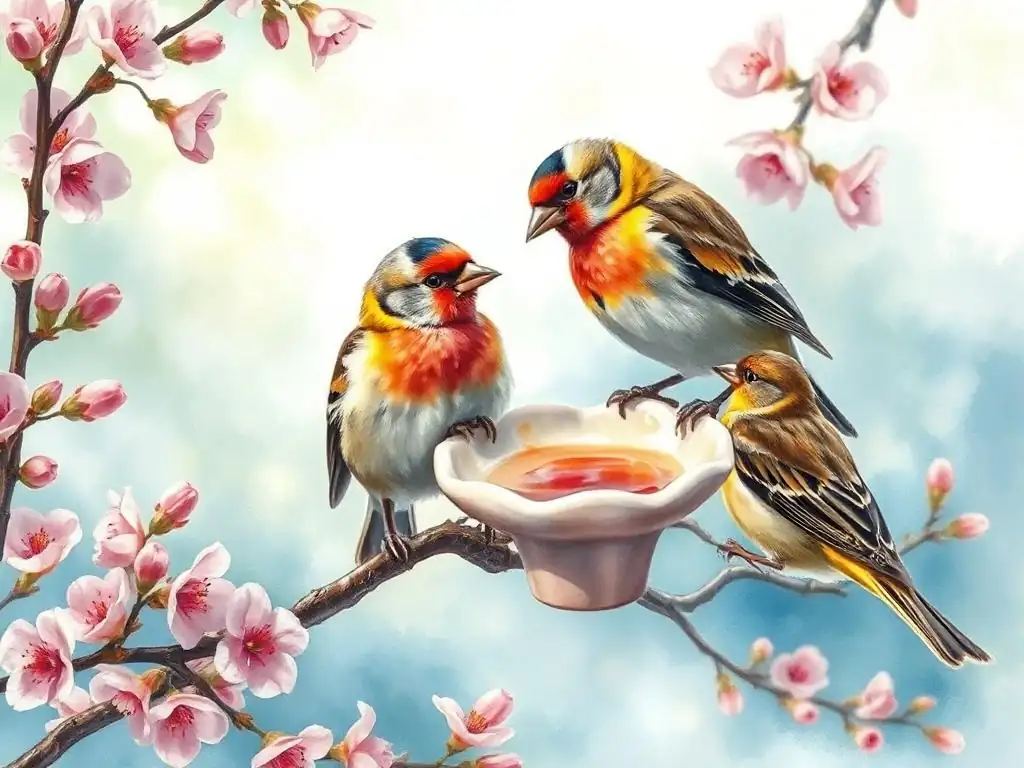
Finches and canaries are highly social creatures. While a single bird can survive, it will thrive much better with a companion. Loneliness can lead to depression, feather plucking, and other behavioral problems that significantly impact their well-being. Providing a suitable companion can dramatically improve their quality of life. The best scenario involves introducing a bird of the same species, ideally of the opposite sex, but ensuring they are compatible in terms of age and temperament.
Introducing two males might lead to aggressive behaviors, while two females could potentially compete for resources or territory. Careful observation during the initial introduction phase is crucial to ensure a peaceful cohabitation. A gradual introduction process, involving separate cages initially with visual contact, followed by short periods together under supervision, is recommended. Remember to provide enough space and resources for both birds to avoid competition. Signs of successful socialization include mutual preening, shared foraging, and playful interactions.
However, if aggression or bullying persist, separate housing might be necessary. Understanding and meeting their social needs is paramount for healthy and happy finches and canaries, contributing significantly to their overall happiness and longevity. This is especially important for the longevity and mental health of your feathered friends. Ignoring their social needs can result in a decline in their overall health and happiness, making companionship a vital aspect of responsible bird ownership. Consider consulting an avian veterinarian or experienced bird breeder for advice on introducing companions and ensuring their successful integration.
Regular Cleaning and Hygiene: Maintaining a Safe and Healthy Environment for Your Birds
Maintaining a clean and hygienic environment is crucial for preventing diseases and ensuring the well-being of your finches and canaries. Neglecting hygiene can lead to the build-up of harmful bacteria, parasites, and fungi, increasing the risk of infections and respiratory problems. Regular cleaning should involve several key aspects: Firstly, the cage should be thoroughly cleaned at least once a week. This includes removing all perches, toys, food and water dishes, and scrubbing the cage bars and bottom tray with a pet-safe disinfectant. Avoid using harsh chemicals that could be harmful to your birds.
Secondly, food and water dishes must be cleaned and refilled daily. Spoiled food and stagnant water are breeding grounds for bacteria and can cause illness. Thirdly, perches should be cleaned regularly to remove droppings and debris, and replaced periodically as they become worn. Toys should also be cleaned or replaced to ensure hygiene and prevent the spread of germs. Finally, the surrounding area of the cage should also be kept clean to prevent the accumulation of dust and other allergens that could affect your bird's respiratory system.
Regular cleaning not only prevents disease but also helps to maintain a pleasant and stimulating environment for your finches and canaries. A clean cage contributes to their overall health and happiness, making it a vital part of responsible bird ownership. Remember, a clean environment is a happy environment for your feathered friends, directly impacting their well-being and preventing potential health issues. Prioritizing cleanliness is a key element in providing optimal care for your finches and canaries, contributing to their long and happy lives.
DIY Finch and Canary Toys: Simple and Cost-Effective Enrichment Ideas
Creating stimulating and enriching environments for your finches and canaries doesn't require expensive store-bought toys. With a little creativity and readily available materials, you can craft engaging toys that will keep your feathered friends entertained and mentally stimulated. This section focuses on crafting budget-friendly, yet highly effective, enrichment options using readily accessible materials, ensuring your birds have access to the best finch canary bird toys possible, without breaking the bank. Remember to always supervise your birds with any new toy to ensure their safety.
Easy-to-Make Foraging Toys using Natural Materials
Foraging is a natural instinct for finches and canaries, and providing opportunities for them to search for their food mimics their natural behavior, reducing boredom and promoting mental stimulation. Simple foraging toys can be made using readily available natural materials.
Here are a few ideas:
- Paper Towel Rolls with Seeds: Stuff small pieces of seed mix into empty paper towel rolls. Your birds will have fun pulling the seeds out, providing both mental and physical exercise. Consider using different roll sizes for variety. You can even secure the ends with small, bird-safe glue to increase the challenge.
- Pinecone Puzzles: Clean and thoroughly dry pinecones (ensure they are free from pesticides or harmful substances). Gently wedge small pieces of seed or millet between the scales. This provides a fun and challenging foraging experience. Monitor your birds to ensure they don't ingest any pieces of the pinecone.
- Small Branches and Twigs: Offer small, sturdy branches from safe, untreated trees (avoid cedar, oak, and yew). These provide a natural perch and encourage climbing and exploration. Ensure the branches are free from any pesticides or chemicals. Always supervise your bird while it is interacting with these branches.
Creating a Safe and Engaging Play Area Outside the Cage
Providing a supervised play area outside the cage offers your finches and canaries a chance to explore and exercise in a new environment. This supervised playtime provides vital enrichment, contributing to their overall well-being and making them happier birds. Creating a safe play area is crucial.
Consider these guidelines:
- Supervised Playtime: Never leave your birds unsupervised in their play area. Finches and canaries are small and can easily escape or get into trouble. A dedicated play area is ideal, away from drafts and other hazards.
- Safe Materials: Use bird-safe materials for the play area floor and any toys or perches placed inside. Avoid anything that could be toxic or pose a choking hazard. A large, shallow container lined with paper or a bird-safe fabric can work well.
- Stimulating Toys: Include a variety of toys in the play area – bells, small swings (made from bird-safe materials), and foraging toys will add to the excitement and keep your birds entertained. Rotate toys regularly to maintain interest.
- Placement: Choose a location that is well-ventilated but protected from drafts and direct sunlight. Avoid placing the play area near windows to prevent escapes and reduce the risk of predators. A quiet location will also reduce the birds' stress levels during this enriching playtime.
Recycling Household Items for Bird Toys: Creative and Sustainable Options
Repurposing common household items provides a sustainable and cost-effective way to create engaging toys for your finches and canaries. This approach reduces waste and offers a unique opportunity to create customized enrichment.
Here are some ideas:
- Cardboard Tubes: Empty toilet paper or paper towel tubes can be turned into fun foraging toys. Stuff them with small pieces of seed, or create a simple maze by cutting small holes along the length of the tube. Always supervise your birds when using cardboard toys, as they may try to eat small pieces.
- Wooden Beads: Untreated wooden beads strung on a sturdy string can create a simple but effective toy. Ensure the string is strong enough to withstand chewing. Consider using different sizes and colors of beads for added visual stimulation.
- Bottle Caps: Clean and thoroughly wash plastic bottle caps (avoid using caps from bottles that contained harmful chemicals). These can be used as small platforms or toys, providing a different texture for your birds to explore. Ensure all sharp edges are smoothed down.
Remember to always supervise your birds when they are playing with any homemade toys, and regularly check for signs of wear and tear. By providing a stimulating environment and a variety of toys, you can contribute to the happiness and well-being of your finch and canary companions, ensuring they have access to the best finch canary bird toys for their needs.
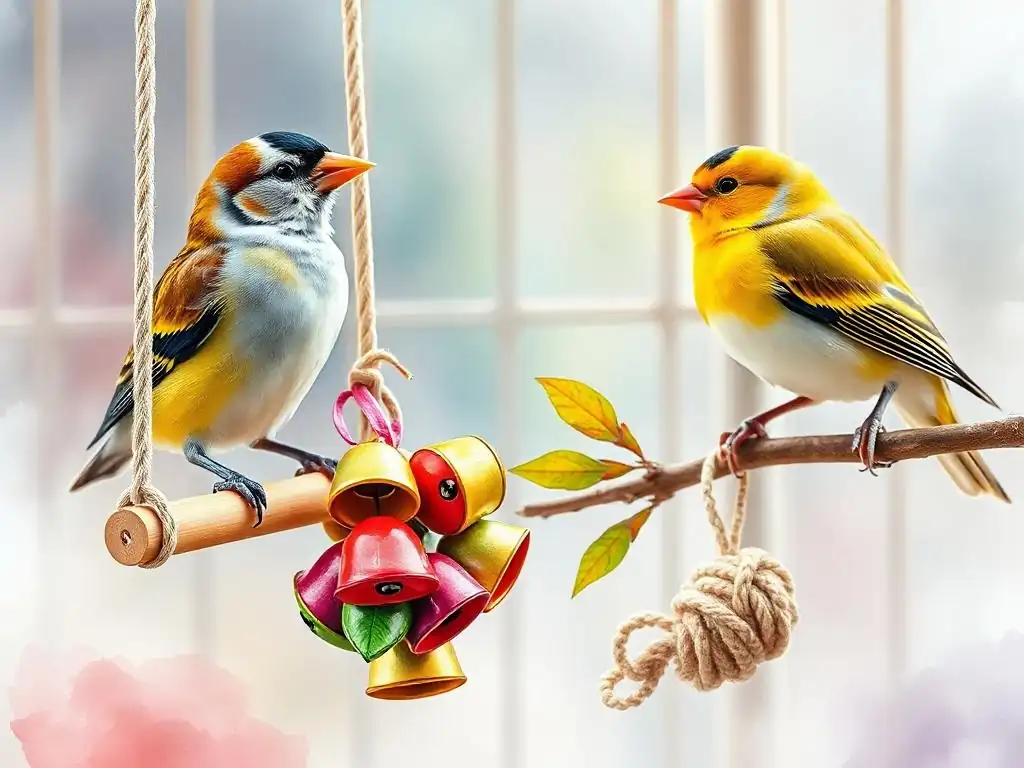
Finches and canaries, while seemingly content, can suffer from boredom if not provided with sufficient mental and physical stimulation. This boredom often manifests as behavioral problems that can be easily addressed with the right approach. Understanding the signs and implementing effective solutions is crucial for maintaining your feathered friend's well-being and preventing potential issues. Providing the best finch canary bird toys is a key component of preventing boredom-related problems.
Signs of Boredom in Finches and Canaries: Recognizing the Symptoms
Recognizing the signs of boredom in your finch or canary is the first step towards resolving the issue. These intelligent birds exhibit subtle cues when they're lacking sufficient mental and physical stimulation. Common symptoms include:
- Lethargy and inactivity: A noticeable decrease in their usual playful behavior, such as less singing, less exploration of their cage, and spending extended periods perched in one spot. This is a significant indicator that they are not getting enough enrichment.
- Excessive preening or feather plucking: While some preening is normal, excessive preening or feather plucking can be a sign of stress and boredom. They might be trying to self-soothe.
- Restlessness and pacing: Constantly moving around the cage without purpose, pacing back and forth, or exhibiting repetitive behaviors can suggest they’re feeling restless and understimulated. This is a clear sign that they need more engaging toys and activities.
- Aggression or unusual vocalizations: Increased aggression towards cage mates or unusual, repetitive vocalizations can be a result of frustration and boredom. These behaviors are a clear sign that their environment needs improvement.
- Loss of appetite: A decrease in food intake can be a subtle indicator of underlying stress, which can stem from boredom and lack of stimulation. Monitor their food consumption carefully.
Understanding these subtle signs allows for early intervention, preventing more serious behavioral problems from developing. Early recognition is key to providing the appropriate level of enrichment for your birds.
Addressing Destructive Behaviors: Providing Alternative Outlets for Energy
Boredom can lead to destructive behaviors in finches and canaries. They may start excessively pecking at their cage bars, tearing at their bedding, or destroying their toys. This is not malicious; it's a sign they need more to occupy their time and energy. To counteract this, focus on providing:
- Variety of textures and materials: Offer toys made from different materials, such as wood, natural fibers, and even safe, non-toxic paper. This provides tactile stimulation and prevents monotony.
- Destructive toys: Paradoxically, providing toys designed to be destroyed can be beneficial. These can satisfy their need to peck and tear without damaging their cage or furniture.
- Foraging toys: These toys require your birds to work for their treats, stimulating their natural foraging instincts and providing mental stimulation. Hide seeds and pellets in puzzle feeders or create DIY foraging toys.
- Larger cages: More space allows for more exploration and less frustration. A spacious environment reduces the likelihood of destructive behaviors due to confinement.
By offering a variety of toys and activities, you can redirect their destructive energy into more appropriate outlets, improving their behavior and overall well-being. Providing adequate toys and a stimulating environment is critical for preventing destructive behavior in finches and canaries.
Enhancing Playtime: Increasing Interaction and Engagement with Your Birds
Increasing interaction and engagement with your finches and canaries is crucial for their mental and emotional health. Beyond providing toys, consider these strategies:
- Scheduled playtime outside the cage: Supervised playtime outside the cage provides opportunities for exploration and interaction. Ensure a safe, bird-proof environment.
- Interactive toys: Toys that involve interaction with you, such as bells or swings, can strengthen your bond and provide entertainment.
- Singing and mimicking: Engage with their songs and try to mimic their calls. This encourages interaction and communication.
- New toys regularly: Introduce new toys regularly to prevent boredom and keep them engaged. Rotate toys to keep things fresh.
- Social interaction (if applicable): If you have multiple birds, ensure they have opportunities for social interaction, but always monitor for aggression.
Remember, the key to happy and well-adjusted finches and canaries lies in providing a stimulating environment that caters to their natural instincts and intelligence. This proactive approach will prevent many behavioral problems and ensure your feathered friends thrive. Choosing the best finch canary bird toys is a crucial step in this process.
Maintaining Your Bird's Toys: Cleaning, Repair, and Replacement
Keeping your finch and canary's toys clean, safe, and engaging is crucial for their physical and mental well-being. Neglecting toy maintenance can lead to bacterial growth, injuries, and a decline in your bird's interest in playtime, impacting their overall happiness and health. This section will guide you through a proper maintenance routine to ensure your feathered friends enjoy their toys safely and for as long as possible. Remember, providing the best finch canary bird toys isn't just about initial selection; it's about ongoing care.
Regular Cleaning of Bird Toys: Preventing Bacterial Growth and Disease
Regular cleaning is paramount to prevent the buildup of bacteria and germs that can make your finch or canary sick. Birds are susceptible to various diseases, and dirty toys can act as breeding grounds for harmful microorganisms. Aim to clean your bird's toys at least once a week, or more frequently if you notice any droppings or significant soiling.
Here's a step-by-step guide to cleaning your bird's toys:
- Remove the toys: Carefully take the toys out of the cage.
- Rinse with warm water: Use warm, soapy water to remove loose debris. Avoid using harsh detergents or chemicals, opting for a mild, bird-safe dish soap.
- Scrub thoroughly: Use a soft-bristled brush to scrub all surfaces of the toys, paying close attention to crevices and hard-to-reach areas.
- Rinse again: Rinse thoroughly to remove all traces of soap.
- Air dry completely: Allow the toys to air dry completely before returning them to the cage. Avoid using a towel or cloth to dry, as lint can be a hazard.
- Disinfection (optional): For a deeper clean, you can soak the toys in a diluted solution of white vinegar and water (a 1:1 ratio) for 10 minutes before rinsing. This helps eliminate bacteria and odors. Always rinse thoroughly afterwards.
Remember to always supervise your birds while they are playing with their toys. Observe them for any signs of distress or unusual behavior.
Checking for Damage and Wear: Ensuring the Safety of Your Bird's Toys
Even with regular cleaning, toys can become damaged or worn over time. Regular inspection is key to preventing accidents and injuries. Look for:
- Broken or frayed parts: These pose a choking hazard or could cause injury if your bird chews on them.
- Loose pieces: Small, detachable parts can be swallowed, leading to internal blockages.
- Sharp edges or points: These can cause cuts or scrapes.
- Deteriorating materials: Some materials degrade over time, potentially releasing harmful substances.
If you find any damage, remove the toy immediately. Do not attempt to repair damaged toys unless you are confident you can do so safely and without creating further hazards. Remember, your bird's safety is paramount. A damaged toy, even a seemingly minor one, can quickly become a serious problem. Prioritizing the best finch canary bird toys means prioritizing safety.
When to Replace Toys: Recognizing Signs of Wear and Tear
Even with careful cleaning and inspection, toys will eventually need replacing. Here are some signs that it's time for a new toy:
- Excessive wear and tear: If a toy is significantly worn, faded, or showing signs of major deterioration, it's time for a replacement.
- Loss of interest: If your bird has lost interest in a particular toy, it might be time to introduce something new and exciting. Variety keeps them stimulated and engaged.
- Safety concerns: As mentioned above, any signs of damage, regardless of how minor they may seem, warrant immediate replacement.
Regularly rotating toys also helps maintain your bird's interest and prevents boredom. Consider having a variety of toys on hand to swap out periodically. This ensures continued mental stimulation and enrichment, contributing to a happier and healthier bird. Providing a diverse range of best finch canary bird toys is essential for their well-being.
Frequently Asked Questions
What are the best toys for finches and canaries?
Finches and canaries enjoy a variety of toys! Foraging toys that challenge them mentally, swinging toys for physical activity, and bird-safe bells or small mirrors provide entertainment. Always supervise playtime.
How do I choose safe toys for my finch or canary?
Select toys made from natural, non-toxic materials. Avoid anything with small parts that could be swallowed, and always check for sharp edges or loose threads. Look for toys specifically designed for small birds.
What kind of foraging toys are best for finches and canaries?
Puzzle feeders that require your bird to work for their food are excellent choices. Wooden foraging toys with small holes or compartments are also great for stimulating natural foraging instincts. Hide-and-seek toys with treats are another good option.
How often should I change my bird's toys?
It's recommended to rotate toys every few weeks to keep your bird engaged and prevent boredom. Regularly inspect toys for wear and tear and replace any damaged items immediately to ensure safety.
My bird seems disinterested in its toys. What should I do?
Try introducing new toys regularly to stimulate interest. Consider offering a variety of textures and materials. You might also try placing toys in different locations within the cage to encourage exploration. Positive reinforcement with treats can also help.
Final Reflection: Nurturing the Joyful Song: A Legacy of Enrichment for Our Feathered Friends
Providing optimal enrichment for finches and canaries isn't just about toys; it's about fostering their well-being and enriching their lives, directly impacting their health and happiness. These small, vibrant creatures deserve our attention and understanding, and providing them with stimulating environments is crucial for their physical and mental health. Their vibrant songs and playful antics are a testament to a life well-lived, and we have a responsibility to ensure that continues.
The joy of watching a finch explore a new toy, or a canary happily swing from a perch, is a deeply rewarding experience. It's a connection to nature, a reminder of the simple pleasures in life, and a testament to the power of responsible pet ownership. The greatest reward in life is to love and be loved in return.
This sentiment, though not specifically about birds, perfectly encapsulates the bond we share with our feathered companions and the mutual enrichment we experience. Their well-being reflects our own capacity for compassion and care.
Consider the impact of your choices. What kind of environment are you creating for your finch or canary? Are you providing them with the opportunities for exploration, play, and social interaction they need to thrive?
Take a moment to reflect on your bird's environment and commit to providing them with the best possible care. By enriching their lives, you not only enhance their well-being but also deepen your own connection with these remarkable creatures, fostering a relationship built on mutual respect and joy. Let their cheerful songs be a constant reminder of the simple yet profound impact we can have on the lives of our animal companions.
Unleash the Joy: Enrich Your Feathered Friend's Life Today!
Thanks for exploring finch and canary enrichment! We hope you've found some inspiring ideas to keep your little companions happy and healthy. Now, let's put those ideas into action!
- **Prioritize playtime:** Introduce a new toy or enrichment activity to your bird today. Observe their reaction and make adjustments as needed. Even a small change can make a big difference in their happiness!
- **Share your success:** Snap a photo of your feathered friend enjoying their new toy or exploring their enhanced environment, and share it on social media using #PetCareWorldEnrichment! Let's build a community of happy birds!
- **Dive deeper:** Explore PetCareWorld.org for more expert advice on bird care, training, and nutrition – a wealth of knowledge awaits!
What exciting new experience will your finch or canary enjoy first?