
Feather Plucking in Parrots: A Guide to Identifying and Addressing the Issue

Welcome to PetCareWorld, your ultimate guide to a happier, healthier life for your beloved companion! Are you concerned about your parrot's feathers? We delve into the complexities of parrot feather plucking solutions in our comprehensive guide, exploring the underlying causes and offering practical strategies to help your feathered friend regain their vibrant plumage. Discover the secrets to understanding and addressing this common issue – begin your journey to a healthier, happier parrot today!
- Understanding Parrot Feather Plucking: Causes and Symptoms
- Diagnosing the Root Cause of Parrot Feather Plucking
- Effective Parrot Feather Plucking Solutions
- Preventing Feather Plucking in Parrots: Proactive Measures
- When to Seek Professional Help for Parrot Feather Plucking
- Long-Term Management of Parrot Feather Plucking
-
Frequently Asked Questions
- What are the common causes of feather plucking in parrots?
- How can I tell if my parrot is plucking its feathers due to stress?
- What dietary changes can help prevent feather plucking?
- Are there any behavioral enrichment techniques to reduce feather plucking?
- When should I seek veterinary attention for my parrot's feather plucking?
- Final Reflection: Understanding and Healing Feather Plucking in Our Feathered Friends
- Unlock Your Parrot's Happy Feathers: Take Action Today!
Understanding Parrot Feather Plucking: Causes and Symptoms
Parrot feather plucking, also known as psittacosis, is a distressing problem for both pet parrots and their owners. This comprehensive guide will delve into the various aspects of feather plucking in parrots, exploring the underlying causes, identifying the symptoms, and providing practical solutions to help your feathered friend regain their beautiful plumage and overall well-being. Understanding the root cause of this behavior is crucial, as it's often a manifestation of underlying physical or psychological distress rather than simply a bad habit.
We'll explore common causes ranging from nutritional deficiencies and medical conditions to environmental stressors and behavioral issues. By the end of this article, you'll be equipped with the knowledge to identify feather plucking in your parrot and take appropriate steps to address the problem, ultimately improving your parrot's quality of life.
This guide focuses on providing effective solutions for parrot feather plucking, helping you navigate this challenging situation with confidence and compassion. Remember, early intervention is key to successful treatment and preventing further damage.
Identifying Feather Plucking in Your Parrot
Identifying feather plucking in your parrot requires careful observation and attention to detail. It's not just about seeing bare patches; it's about understanding the pattern of feather loss. Is the plucking concentrated in a specific area, such as the chest or head? Or is it more widespread? The location of the feather loss can sometimes offer clues about the underlying cause. Look for:
- Bare patches: Obvious areas where feathers are missing.
- Broken feathers: Feathers that are snapped or frayed, indicating self-mutilation.
- Stubble: Short, uneven feather shafts remaining after plucking.
- Changes in behavior: Increased preening or scratching, restlessness, or lethargy.
- Skin irritation: Redness, inflammation, or scabbing on the affected areas.
It’s important to note that some feather loss is normal during molting. However, excessive feather plucking beyond normal molting patterns warrants immediate attention. Regularly inspecting your parrot's plumage can help you detect early signs of feather plucking and seek timely intervention. Keep a record of when you notice changes, and take high-quality photos to document the progression of the plucking. This will be invaluable when consulting with an avian veterinarian. Remember, early detection is crucial! 🦜
Common Causes of Feather Destructive Behavior in Parrots
Feather plucking in parrots is rarely a single-cause problem; it's often a complex interplay of factors. Some of the most common causes include:
- Nutritional deficiencies: A lack of essential vitamins and minerals can lead to poor feather quality and increased susceptibility to plucking. A balanced, avian-specific diet is critical.
- Environmental stress: Boredom, lack of enrichment, inappropriate cage size, noisy environments, or changes in the household can trigger stress-related feather plucking.
- Behavioral issues: Anxiety, fear, loneliness, or obsessive-compulsive disorder (OCD) can manifest as feather plucking.
- Parasites: Mites or lice can cause intense itching and irritation, leading to feather plucking as the parrot attempts to relieve discomfort.
- Poor hygiene: A dirty cage or lack of proper cleaning can contribute to skin irritation and secondary feather plucking.
Consider these points carefully. A thorough assessment of your parrot's environment, diet, and overall well-being is necessary to pinpoint the contributing factors. Providing ample opportunities for mental and physical stimulation is crucial in preventing stress-induced feather plucking. Remember that a happy, healthy parrot is less likely to engage in self-destructive behaviors.
Recognizing the Signs of Underlying Medical Conditions
Many medical conditions can contribute to or exacerbate feather plucking in parrots. Recognizing these signs is vital for early intervention and treatment. Some potential medical issues include:
- Bacterial or fungal infections: These infections can cause skin irritation and discomfort, leading to feather plucking as the parrot tries to alleviate the itching. Symptoms might include scaly skin, redness, and discharge.
- Hormonal imbalances: Hormonal disruptions can affect feather growth and quality, making parrots more prone to plucking.
- Liver or kidney disease: These conditions can affect the body's ability to process nutrients, leading to deficiencies that impact feather health.
- Pain: Underlying pain, whether from an injury or illness, can cause a parrot to pluck feathers in the affected area.
If you suspect an underlying medical condition, it's crucial to consult an avian veterinarian immediately. Early diagnosis and treatment are essential to prevent further complications and improve your parrot's chances of recovery. Don't hesitate to seek professional help; your parrot's health and well-being depend on it. Remember, a thorough veterinary examination is the only way to rule out any medical causes.
Diagnosing the Root Cause of Parrot Feather Plucking
Understanding why your parrot is plucking its feathers is crucial for finding effective Parrot feather plucking solutions. Feather plucking, or psittacosis, isn't a disease itself, but a symptom of an underlying problem. This section will guide you through the diagnostic process, helping you pinpoint the cause and pave the way for successful treatment. Remember, early intervention is key to preventing further damage and improving your parrot's overall well-being. Ignoring the issue can lead to severe feather loss, skin infections, and even behavioral issues.
Veterinary Examination for Feather Plucking Parrots
A thorough veterinary examination is the first and most important step in addressing parrot feather plucking. Don't attempt to self-diagnose or treat; a qualified avian veterinarian possesses the expertise to accurately assess your parrot's condition. The vet will conduct a comprehensive physical exam, checking for any underlying medical conditions that could be contributing to the feather plucking. This might include:
- Skin examination: Looking for signs of infection, parasites (mites, lice), or skin allergies. The vet will carefully examine the skin for any redness, irritation, lesions, or abnormal feather growth.
- Feather analysis: Examining the plucked feathers themselves can provide clues. The vet will look for signs of breakage, unusual wear, or other abnormalities.
- Weight assessment: Determining if your parrot is underweight, a potential indicator of underlying health problems.
- Observation of behavior: The vet may observe your parrot's behavior during the examination to identify any signs of stress, anxiety, or discomfort.
The examination is crucial for ruling out medical causes, which can range from bacterial and fungal infections to nutritional deficiencies. A detailed history of your parrot's diet, environment, and behavior will assist the vet in their diagnosis. Don't hesitate to provide as much information as possible. The more data the veterinarian has, the better equipped they are to pinpoint the cause of the feather plucking.
Ruling Out Medical Issues: Blood Tests and Physical Exams
Beyond the initial physical examination, further diagnostic testing may be necessary to rule out underlying medical conditions. This often involves blood tests to assess organ function, detect infections, or identify nutritional deficiencies. Blood tests can reveal a wealth of information, including:
| Test | Purpose | Potential Findings |
|---|---|---|
| Complete Blood Count (CBC) | Evaluates red and white blood cell counts, identifying infections or anemia. | Elevated white blood cell count may indicate infection. |
| Biochemistry Panel | Assesses liver and kidney function, detecting organ damage. | Abnormal liver or kidney values could indicate disease. |
| Avian-specific tests | Tests for specific avian diseases and pathogens. | Positive results would indicate a treatable infection. |
Additional physical exams might include:
- X-rays: To detect internal injuries or tumors.
- Fecal analysis: To check for parasites.
- Microscopic examination of skin scrapings: To identify mites or other parasites.
Early detection and treatment of any underlying medical issues are paramount in resolving the feather plucking. Delaying treatment can lead to more severe complications and potentially irreversible damage. Your vet will advise on the necessary tests based on their initial assessment and your parrot's specific history.
Behavioral Assessment: Identifying Stressors and Environmental Factors
Once medical issues are ruled out, a thorough behavioral assessment is vital. Many cases of parrot feather plucking stem from behavioral problems, often linked to stress, boredom, or inadequate environmental enrichment. This assessment involves a careful examination of your parrot's environment and daily routine:
- Cage size and setup: Is the cage spacious enough? Does it offer a variety of perches, toys, and climbing opportunities? A cramped or boring environment can contribute to stress and feather plucking.
- Social interaction: Does your parrot receive enough attention and interaction? Parrots are highly intelligent and social creatures; lack of interaction can lead to boredom and frustration.
- Diet: Is the diet balanced and nutritious? Nutritional deficiencies can contribute to feather plucking, but so can an unbalanced diet that is overly rich in certain nutrients or lacking in others. Ensure a varied diet rich in fruits, vegetables, and high-quality pellets.
- Environmental stressors: Are there any loud noises, sudden movements, or other stressors in the parrot's environment? Even seemingly minor stressors can significantly impact a parrot's well-being.
- Interaction with other pets: Does your parrot interact with other pets? This interaction might be contributing to stress or anxiety.
Careful observation of your parrot's behavior, combined with a detailed assessment of its environment, will help identify potential stressors and guide you towards implementing effective behavioral interventions, crucial for long-term Parrot feather plucking solutions. Remember, a happy and stimulated parrot is less likely to engage in self-destructive behaviors.
Effective Parrot Feather Plucking Solutions
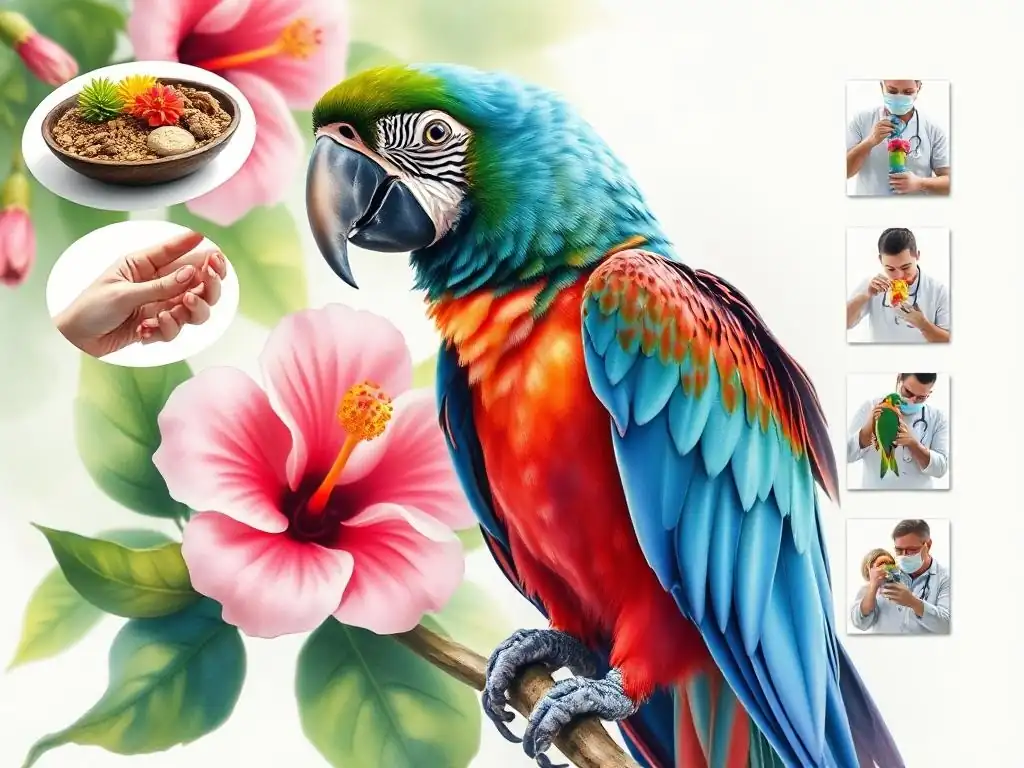
Feather plucking in parrots is a serious issue that requires a multifaceted approach to address effectively. This section focuses on practical solutions that target the root causes of this behavior, aiming to help your feathered friend regain healthy plumage and improve their overall well-being. Remember, consistent effort and patience are key to successful treatment. Finding the right "Parrot feather plucking solutions" involves understanding the underlying issues and implementing a tailored plan.
Environmental Enrichment to Prevent Feather Plucking
Environmental enrichment is crucial in preventing and treating parrot feather plucking. A bored or stressed parrot is more likely to engage in destructive behaviors, including feather plucking. Providing a stimulating environment mimics their natural habitat and addresses the underlying causes of this behavior.
Parrots are highly intelligent and require mental stimulation. Think of it as preventative medicine for their mental health! A lack of stimulation can lead to frustration and boredom, manifesting as feather plucking.
Several strategies can enrich your parrot's environment:
- Rotate Toys: Regularly introduce new toys and rotate existing ones to keep your parrot engaged and prevent boredom. Aim for a variety of textures, shapes, and materials to stimulate their natural foraging instincts.
- Climbing Structures: Provide ample opportunities for climbing, swinging, and exploring. This mimics their natural arboreal lifestyle and helps them burn excess energy. Consider adding branches of different sizes and textures.
- Foraging Toys: These toys challenge your parrot to work for their food, providing both mental and physical stimulation. Puzzle feeders are excellent examples. This taps into their natural instinct to forage.
- Social Interaction: Parrots are social creatures and require significant interaction with their human companions. Spend quality time with your parrot, engaging in activities like talking, playing, or training. This strengthens your bond and reduces stress.
- Natural Light: Ensure your parrot receives adequate exposure to natural sunlight, which is essential for vitamin D synthesis and overall well-being.
Dietary Adjustments for Healthy Plumage
Nutrition plays a vital role in maintaining healthy plumage. A diet deficient in essential nutrients can contribute to feather plucking. A balanced diet rich in vitamins, minerals, and antioxidants is essential for vibrant feathers and overall health.
Here's how to adjust your parrot's diet for optimal plumage:
- High-Quality Pellets: Form the foundation of your parrot's diet. Choose a high-quality pellet mix formulated specifically for your parrot species. These provide a balanced source of nutrients.
- Fresh Fruits and Vegetables: Supplement pellets with a variety of fresh fruits and vegetables. These provide essential vitamins, minerals, and antioxidants. Aim for a diverse selection to ensure a balanced intake.
- Healthy Fats: Incorporate small amounts of healthy fats, such as nuts and seeds, into their diet. These are important for feather health and overall energy levels. However, moderation is key to avoid obesity.
- Avoid Processed Foods: Limit or avoid processed foods, sugary treats, and junk food, as these can negatively impact their health and contribute to feather plucking.
- Consult an Avian Veterinarian: A veterinarian specializing in avian medicine can help you develop a tailored nutritional plan specific to your parrot's needs and health status. They can also identify any underlying nutritional deficiencies.
Behavioral Modification Techniques for Feather Plucking Parrots
Behavioral modification is a crucial aspect of addressing feather plucking in parrots. This involves identifying and addressing the underlying behavioral issues contributing to the problem. It requires patience, consistency, and a holistic approach.
Several behavioral modification techniques can be helpful:
- Positive Reinforcement: Reward desired behaviors, such as preening or engaging in alternative activities, with praise, treats, or toys. This encourages positive behaviors and discourages feather plucking.
- Ignoring the Behavior: Avoid rewarding feather plucking by ignoring the behavior. Do not give attention when your parrot is plucking its feathers. This can be challenging, but consistency is crucial.
- Environmental Modification: Modify the environment to minimize triggers. For example, if your parrot plucks feathers in a specific location, remove it from that area.
- Professional Help: Consider seeking professional help from an avian veterinarian or a certified animal behaviorist. They can provide tailored advice and support.
- Medication: In some cases, medication may be necessary to address underlying medical or psychological issues. This should only be done under the supervision of a veterinarian.
Remember, addressing parrot feather plucking requires a comprehensive and patient approach. By implementing these solutions, you can significantly improve your parrot’s well-being and help them regain their beautiful plumage. Consistent monitoring and adjustments to your approach are key to long-term success in finding the best "Parrot feather plucking solutions" for your specific bird.
Medication and Veterinary Treatments for Severe Cases
Feather plucking in parrots, when severe and persistent, might require veterinary intervention beyond behavioral modification and environmental enrichment. In such cases, your avian veterinarian may consider medication to address underlying medical conditions or manage associated anxiety. It's crucial to understand that medication is rarely a standalone solution and should always be part of a holistic treatment plan. It's never a quick fix, and success depends heavily on addressing the root cause of the plucking behavior.
One approach involves medications that target underlying medical issues. For instance, if feather plucking stems from an undiagnosed skin condition like bacterial or fungal infections, your vet might prescribe topical or oral antibiotics or antifungals. Similarly, if hormonal imbalances are suspected, hormone-regulating medications might be considered, though this is less common and requires careful monitoring. The specific medication and dosage will depend entirely on the individual parrot's diagnosis and overall health, determined through thorough veterinary examination. This might include blood tests, skin scrapings, and other diagnostic procedures.
Another avenue is the use of anxiolytics, medications designed to reduce anxiety and stress. These are often used in conjunction with behavioral therapy, as they can help the parrot feel more relaxed and less inclined to engage in self-destructive behavior. However, the use of anxiolytics in parrots requires careful consideration due to potential side effects and the need for gradual introduction and withdrawal under veterinary supervision.
The vet will carefully weigh the risks and benefits before prescribing any anxiolytic medication, considering the parrot's age, overall health, and the severity of the feather plucking. Remember, the goal isn't to simply suppress the behavior with drugs, but to address the underlying cause and teach the bird healthier coping mechanisms.
It's important to emphasize that self-treating your parrot with medication is extremely dangerous and could potentially worsen the situation or cause severe health complications. Always consult with an avian veterinarian experienced in parrot behavior and health before administering any medication. They will conduct a thorough assessment to determine the appropriate course of action, ensuring the safest and most effective treatment plan for your feathered friend.
Open communication with your vet is key to successful management of this complex issue. Regular follow-up appointments are necessary to monitor the parrot's progress and adjust the treatment as needed. Remember, patience and a multi-faceted approach are paramount in addressing severe cases of parrot feather plucking.
Preventing Feather Plucking in Parrots: Proactive Measures
Preventing parrot feather plucking requires a proactive and holistic approach, focusing on addressing potential underlying causes before they manifest as destructive behavior. Early intervention is key to minimizing the severity and duration of feather plucking. This section outlines crucial preventative strategies to safeguard your feathered friend's well-being and beautiful plumage. Remember, a happy and healthy parrot is less likely to engage in feather plucking.
Creating a Stimulating and Enriching Environment for Parrots
A parrot's environment plays a crucial role in its mental and physical health. Boredom and lack of stimulation are significant contributors to feather plucking. Therefore, creating a stimulating and enriching environment is paramount in preventing this issue. This involves providing ample opportunities for physical and mental engagement.
Parrots are intelligent and active creatures requiring a variety of toys and activities to keep them entertained. A diverse range of toys, rotated regularly, prevents boredom and encourages exploration. Consider toys that challenge their problem-solving skills, such as puzzle feeders, foraging toys, and interactive games. These stimulate their natural instincts and provide mental stimulation, reducing the likelihood of feather plucking due to boredom.
Furthermore, the cage itself should be spacious enough to allow for comfortable movement and flight. Provide perches of varying sizes and textures to promote foot health and prevent joint problems, which can indirectly contribute to stress and feather plucking. Including natural branches from safe trees adds variety and texture. Access to sunlight (filtered, of course) or full-spectrum lighting is also vital for their overall health and well-being, contributing to a positive environment.
Consider incorporating a variety of textures in the environment as well. This could include different types of wood, rope, and even safe natural materials like sisal. The more diverse the textures, the more opportunities your parrot has to explore and engage its senses. Remember, a stimulating environment is a key component of parrot feather plucking solutions.
Maintaining a Healthy Parrot Diet and Nutritional Balance
Nutritional deficiencies can significantly impact a parrot's health and behavior, including increasing the likelihood of feather plucking. A balanced and nutritious diet is crucial for maintaining healthy feathers and overall well-being. A diet lacking essential vitamins, minerals, and amino acids can lead to poor feather quality, making parrots more prone to plucking damaged or unhealthy feathers.
A high-quality commercial parrot pellet should form the foundation of the diet. These pellets are formulated to provide a balanced mix of nutrients. Supplement pellets with fresh fruits, vegetables, and occasionally, small amounts of healthy nuts and seeds. Avoid processed foods, sugary snacks, and anything containing avocado (which is toxic to parrots). Provide fresh, clean water daily.
Regular veterinary check-ups are essential to monitor your parrot's nutritional status. A vet can assess your parrot's diet and recommend any necessary supplements to address potential deficiencies. Early detection and correction of nutritional imbalances can prevent feather plucking and maintain overall health. Remember, proper nutrition is a crucial aspect of comprehensive parrot feather plucking solutions. A well-nourished parrot is a healthier, happier parrot, less likely to exhibit self-destructive behaviors.
Establishing a Strong Bond and Positive Interaction with Your Parrot
A strong bond between owner and parrot is essential for preventing feather plucking. Parrots are highly social animals that thrive on interaction and attention. Neglect, loneliness, and lack of positive interaction can lead to stress, anxiety, and ultimately, feather plucking.
Spend quality time with your parrot daily, engaging in activities that it enjoys. This could include talking to your parrot, playing games, offering treats, or simply sitting quietly near the cage. Positive reinforcement training can strengthen your bond and provide mental stimulation. Teaching your parrot tricks and commands can be both fun and rewarding for both you and your feathered companion.
Ensure your parrot feels safe and secure. Avoid sudden loud noises or movements that could frighten it. Provide a consistent routine and a predictable environment to reduce stress. A secure and loving environment fosters trust and reduces the likelihood of feather plucking. Remember, building a strong bond is an integral part of any effective parrot feather plucking solutions strategy. A parrot who feels loved and secure is less likely to resort to self-harm.
When to Seek Professional Help for Parrot Feather Plucking
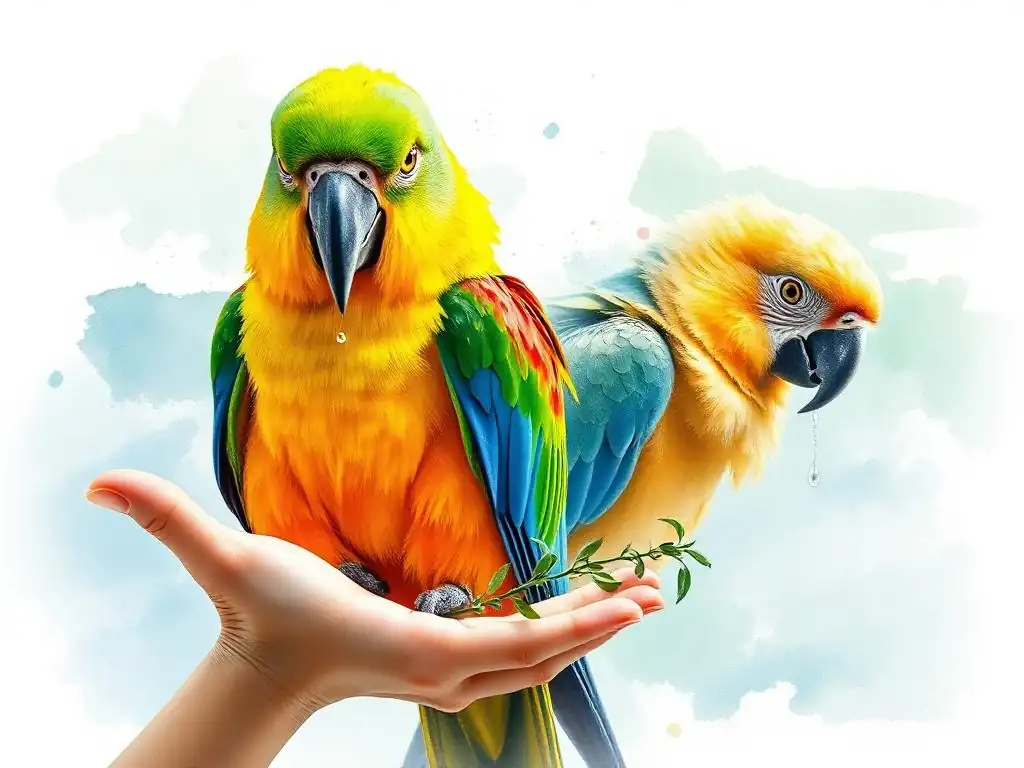
Parrot feather plucking, while sometimes stemming from easily manageable causes, can often indicate underlying health issues or behavioral problems requiring expert intervention. Understanding when to seek professional help is crucial for your parrot's well-being and preventing further damage. Ignoring persistent feather plucking can lead to serious health complications, including skin infections, hypothermia, and psychological distress. This section outlines key indicators that it's time to consult an avian veterinarian or a certified avian behaviorist. Early intervention significantly improves the chances of successful treatment and a return to a healthy, happy feathered friend.
Recognizing When Home Remedies Aren't Enough
Many parrot owners initially try home remedies to address feather plucking. These might include dietary changes, environmental enrichment, or behavioral modification techniques. However, if these methods fail to show improvement after a reasonable timeframe (typically 2-4 weeks of consistent effort), it's a strong indication that a deeper issue is at play. Consider these warning signs:
- Persistent plucking despite changes: If your parrot continues to pluck feathers despite implementing dietary adjustments, providing more toys and interaction, or altering its environment, professional help is necessary. The underlying cause may be more complex than initially thought.
- Severe feather loss: Extensive feather loss, leading to exposed skin and potential self-harm, requires immediate veterinary attention. This indicates a serious problem that needs prompt diagnosis and treatment.
- Self-mutilation: If your parrot is not only plucking feathers but also actively biting or damaging its skin, this warrants an immediate visit to an avian veterinarian. This behavior suggests underlying stress, pain, or a medical condition.
- Sudden onset of plucking: A sudden and dramatic increase in feather plucking, particularly if accompanied by other behavioral changes or physical symptoms (lethargy, weight loss, changes in droppings), requires urgent veterinary assessment.
- Failure to respond to positive reinforcement: If training and positive reinforcement techniques are ineffective in addressing the plucking behavior, it is important to seek guidance from a professional avian behaviorist. The root cause may be beyond simple behavioral modification.
Remember, early intervention is key to successful treatment of parrot feather plucking. Don't hesitate to seek professional help if you're concerned. The sooner the underlying cause is identified and addressed, the better the chances of your parrot recovering fully and enjoying a healthy, well-feathered life.
Finding a Qualified Avian Veterinarian for Your Parrot
Finding a veterinarian experienced in avian care is paramount. Not all vets are equally equipped to handle the specific needs of parrots. Avian veterinarians possess specialized knowledge of parrot anatomy, physiology, and common health problems, including those related to feather plucking. Look for a vet who:
- Specializes in avian medicine: This is crucial. A general practitioner might not have the expertise to diagnose and treat the underlying causes of parrot feather plucking effectively.
- Has experience with parrots: Experience working with parrots specifically is invaluable. Parrots have unique needs and behaviors that a general avian vet may not be fully aware of.
- Offers a comprehensive examination: A thorough examination should include a physical check-up, blood tests, and possibly other diagnostic tests to rule out any medical conditions.
- Provides a clear treatment plan: A qualified vet will provide a detailed explanation of the diagnosis, treatment options, and potential prognosis. They should also be available to answer your questions and offer ongoing support.
- Is recommended by other parrot owners: Seeking recommendations from other parrot owners or local avian rescue organizations can help you find a reputable and experienced avian veterinarian in your area.
Finding the right avian veterinarian is an investment in your parrot's health and well-being. Don't settle for less than the best care available when addressing a complex issue like parrot feather plucking. Their expertise will be invaluable in determining the root cause and developing an effective treatment plan. Remember, a healthy parrot is a happy parrot! 🦜
Long-Term Management of Parrot Feather Plucking
Successfully addressing parrot feather plucking often requires a long-term commitment. It's not a quick fix; rather, it's a journey of understanding your parrot's needs and adapting your care accordingly. The initial treatment plan is just the beginning. Sustained effort and vigilance are crucial for preventing relapse and promoting lasting feather health. This section explores the key components of long-term management, focusing on proactive strategies to maintain your parrot's well-being and beautiful plumage. Remember, consistency is key when it comes to effectively managing parrot feather plucking and achieving sustainable solutions.
Ongoing Monitoring and Adjustments to Treatment Plans
Consistent monitoring is paramount in long-term feather plucking management. Regularly assess your parrot's behavior, noting any changes in plucking frequency, feather condition, and overall demeanor. This requires diligent observation, preferably with a daily log. Documenting these observations allows you to identify potential triggers or setbacks early on. For example, a sudden increase in plucking might indicate a change in their environment, diet, or even a subtle shift in their emotional state.
Consider using a simple chart to track your parrot's progress. You could include columns for date, plucking frequency (e.g., none, slight, moderate, severe), any observed triggers, and any adjustments made to their care routine. This detailed approach enables you to pinpoint patterns and make data-driven adjustments to your treatment plan.
Remember, a successful treatment plan is often dynamic, requiring adjustments based on your parrot's response. What works initially might need modification over time. Don't hesitate to seek professional veterinary advice if you notice significant changes or a lack of improvement. A veterinary avian specialist can provide valuable insights and make necessary recommendations to optimize your parrot's care.
Maintaining a Supportive and Enriching Environment for Your Parrot
A stimulating and enriching environment plays a vital role in preventing feather plucking relapse. Parrots are highly intelligent and social creatures, requiring mental and physical stimulation to thrive. A boring or stressful environment can trigger or exacerbate feather plucking behaviors.
Consider these key elements for creating a supportive environment:
- Plenty of toys: Rotate toys regularly to prevent boredom. Offer a variety of textures, shapes, and challenges to keep your parrot engaged.
- Social interaction: Parrots need significant social interaction. Spend quality time with your parrot daily, engaging in activities they enjoy. Consider a companion bird if appropriate, under careful supervision and veterinary guidance.
- Adequate space: Ensure your parrot has ample space to move around, climb, and explore. A cramped cage can lead to stress and frustration.
- Natural light: Provide access to natural sunlight (filtered) for vitamin D synthesis and overall well-being.
- Safe and secure environment: Minimize stress by creating a predictable routine and a safe, secure environment free from loud noises or sudden movements.
This holistic approach focuses on addressing the underlying causes of feather plucking, rather than just treating the symptom. A happy, stimulated parrot is less likely to resort to self-destructive behaviors like feather plucking.
The Importance of Patience and Consistency in Treatment
Addressing parrot feather plucking is a marathon, not a sprint. Patience and consistency are essential for success. It may take weeks, months, or even longer to see significant improvement. Don't get discouraged if you don't see immediate results. Stay committed to your treatment plan, and continue to monitor your parrot's progress.
Remember that setbacks can occur. Don't let these discourage you. Analyze what might have triggered the setback, adjust your approach as needed, and continue with your consistent care routine. Celebrate small victories along the way. Each improvement, no matter how small, reinforces the positive impact of your efforts. Your unwavering dedication and patience will greatly increase the likelihood of a positive outcome for your feathered friend. The journey towards healthy plumage requires perseverance, understanding, and a deep commitment to your parrot's well-being. Remember, even small improvements are a step in the right direction.
Frequently Asked Questions
What are the common causes of feather plucking in parrots?
Feather plucking in parrots can stem from several factors, including stress, boredom, poor diet, medical conditions, or underlying behavioral issues. Identifying the root cause is crucial for effective treatment.
How can I tell if my parrot is plucking its feathers due to stress?
Signs of stress-related feather plucking often include restlessness, changes in eating habits, and increased vocalizations alongside feather loss. Observe your parrot's overall behavior for clues.
What dietary changes can help prevent feather plucking?
A balanced diet rich in vitamins and minerals, particularly vitamin A and essential fatty acids, is vital. Consult an avian veterinarian for a personalized dietary plan for your parrot.
Are there any behavioral enrichment techniques to reduce feather plucking?
Yes, providing mental stimulation through toys, playtime, and social interaction is crucial. Environmental enrichment, such as new perches and toys, can also help alleviate boredom.
When should I seek veterinary attention for my parrot's feather plucking?
Consult an avian veterinarian immediately if feather plucking is severe, accompanied by other symptoms, or if you suspect an underlying medical condition. Early intervention is key.
Final Reflection: Understanding and Healing Feather Plucking in Our Feathered Friends
The heartbreaking sight of a parrot engaging in feather plucking is a stark reminder of the complex emotional and physical needs of these intelligent creatures. This behavior, often a symptom of underlying distress, demands our understanding and proactive intervention. Ignoring it means condemning our beloved companions to a life of discomfort and potential health complications.
Witnessing the self-destructive behavior of a parrot deeply affects both the bird and its owner. The emotional toll is significant, leaving a sense of helplessness and frustration. A bird's plumage is not just feathers; it's a reflection of its well-being, a vibrant tapestry woven with health and happiness.
Understanding the root causes – from environmental stressors to nutritional deficiencies and underlying medical conditions – is crucial in developing effective solutions. This journey of understanding, though challenging, ultimately strengthens the bond between bird and owner, fostering a deeper connection built on empathy and care.
You, the reader, now hold the knowledge to make a difference. Take the time to observe your parrot closely, paying attention to subtle behavioral changes. Don't hesitate to seek professional veterinary advice if feather plucking persists.
Remember, providing a stimulating environment, a balanced diet, and consistent, loving care are the cornerstones of a happy, healthy parrot. By actively engaging in your parrot's well-being, you're not just addressing a behavioral issue; you're nurturing a precious relationship built on mutual trust and understanding. Let's work together to ensure that every parrot can live a life filled with vibrant plumage and boundless joy.
Unlock Your Parrot's Happy Feathers: Take Action Today!
Thank you for learning about feather plucking in parrots. We hope this guide provided valuable insights into understanding and addressing this common problem. Now, let's help your feathered friend thrive!
- Prioritize Enrichment: Carefully evaluate your parrot's environment. Is it sufficiently stimulating? Consider adding new toys, foraging opportunities, or interactive playtime. This is a crucial step.
- Connect with Other Owners: Share your experiences and learn from others facing similar challenges in our online community forum. This collaborative approach offers invaluable support.
- Track Your Progress: Keep a journal to monitor your parrot's behavior and response to changes. This will help you identify what works best for your bird and allows you to share your knowledge with others.
What will you do today to improve your parrot's well-being and feather health?