
Conure Interaction Tips: Building Trust and Understanding

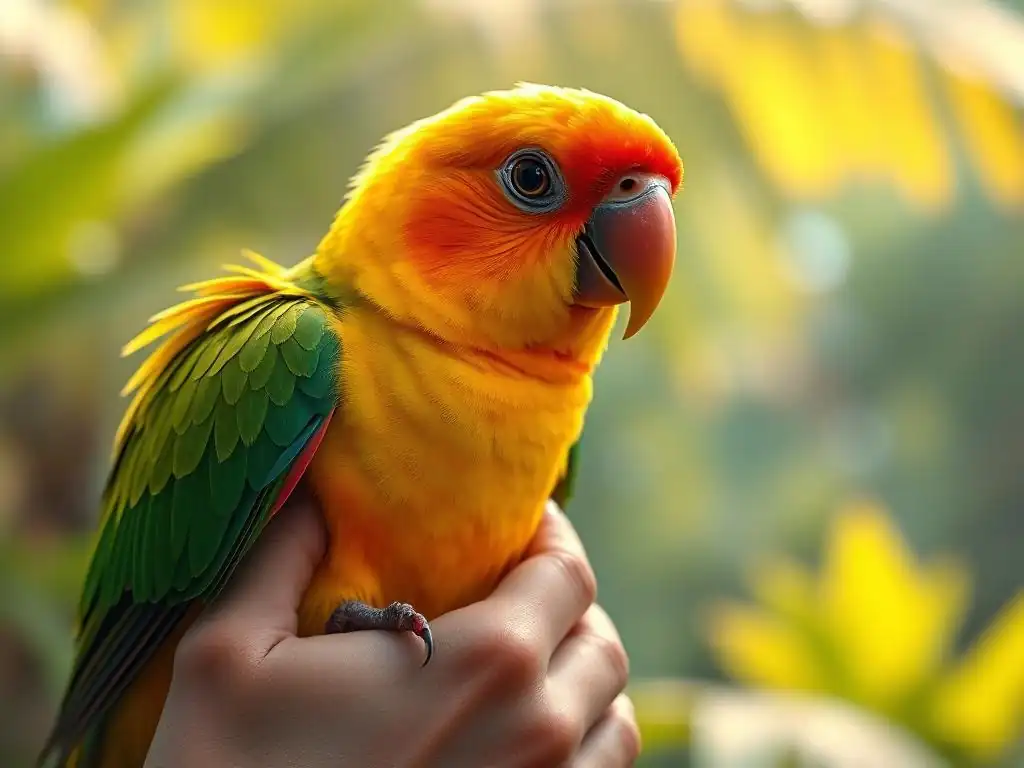
Welcome to PetCareWorld, your ultimate guide to a happier, healthier life for your beloved pets! Are you ready to unlock the secrets to a stronger bond with your feathered friend? Discover essential Conure bonding tips that will transform your relationship with your vibrant companion. Dive into our expert advice and learn practical strategies for building trust and understanding—a journey that will enrich both your lives immeasurably. Let's embark on this exciting adventure together!
- Understanding Your Conure's Body Language: Key to Successful Bonding
- Creating a Safe and Enriching Environment for Conure Bonding
- Essential Conure Bonding Tips for Owners: Building a Strong Relationship
- Safe and Effective Conure Interaction Techniques
- Enhancing Conure Interaction Through Play and Enrichment
- Troubleshooting Common Conure Bonding Challenges
- Maintaining a Strong Bond with Your Conure Over Time
- Frequently Asked Questions
- Final Reflection: The Enduring Bond: Conures and Their Keepers
- Unlock Your Conure's Heart: Start Building a Deeper Bond Today
Understanding Your Conure's Body Language: Key to Successful Bonding
Conures, with their vibrant plumage and playful personalities, make captivating companions. However, building a strong bond with these intelligent birds requires understanding their unique communication style. This article provides essential conure bonding tips for owners, focusing on interpreting their body language—the key to unlocking a trusting and fulfilling relationship. Successfully navigating the nuances of conure communication will not only strengthen your bond but also ensure your feathered friend feels safe, secure, and loved.
We'll delve into deciphering their vocalizations, postures, and behaviors, helping you recognize signs of fear, stress, and, most importantly, comfort and trust. This comprehensive guide offers practical advice to enhance your connection with your conure and create a harmonious and enriching environment for both of you. Learning to "speak conure" is the first step towards a truly rewarding partnership.
Deciphering Conure Communication: Vocalizations, Postures, and Behaviors
Conures communicate in a variety of ways, extending beyond the cheerful chirps and whistles often associated with them. Understanding the subtleties of their communication is crucial for building trust. Let's break down some key aspects:
- Vocalizations: Conures use a wide range of vocalizations, from soft chirps indicating contentment to loud screeches signaling distress. A soft, murmuring sound often indicates relaxation, while rapid, high-pitched chirps might suggest excitement or anxiety. Observe the context of the vocalization to better understand its meaning. For example, a loud chirp paired with puffed-up feathers might indicate fear, whereas the same chirp paired with playful movements could signal excitement.
- Postures: Body posture is another vital element of conure communication. A relaxed conure will typically have its feathers smooth and its body upright. Puffed-up feathers often indicate fear or aggression, while a flattened body posture might suggest submission or illness. Tail movements can also be informative; a rapidly wagging tail often suggests excitement or anticipation, while a tucked tail might indicate fear or discomfort.
- Behaviors: Behaviors like preening, head-bobbing, and offering toys can all indicate comfort and trust. Preening, often directed towards you, is a sign of affection and bonding. Head-bobbing can be a sign of curiosity or an invitation to interact. Offering you a favorite toy is a clear sign of trust and acceptance. Conversely, biting, lunging, or excessive feather plucking can indicate stress or underlying health issues. Understanding these behaviors is essential for proactive pet care.
Recognizing Fear and Stress Signals in Conures
Recognizing signs of fear and stress in your conure is paramount for ensuring its well-being and strengthening your bond. Failing to address these signals can lead to behavioral problems and a weakened relationship. Key indicators include:
- Physical Signs: These include puffed-up feathers, dilated pupils, rapid breathing, and a tucked tail. The conure may also exhibit trembling or shivering, even in warm environments. Changes in appetite and sleeping patterns can also be indicative of stress. A decrease in vocalizations can also be a sign that the bird is stressed.
- Behavioral Signs: Avoidance of interaction, increased aggression (biting, lunging), hiding behavior, and excessive feather plucking are all behavioral manifestations of stress. The conure might also become less active and more withdrawn than usual. Changes in their eating habits, such as refusing food or overeating, are further indicators.
- Addressing Stress: Creating a safe and enriching environment is key to reducing stress. This includes providing adequate space, toys, and perches. A consistent routine, minimizing sudden noises or movements, and providing opportunities for interaction on the bird's terms are crucial. If stress persists, consulting an avian veterinarian is recommended.
Interpreting Positive Conure Body Language: Signs of Comfort and Trust
Once you understand the signs of stress and fear, recognizing positive body language becomes much easier. These signs indicate that your conure feels safe, comfortable, and trusts you.
- Relaxed Posture: A relaxed conure will typically have smooth feathers, an upright posture, and a relaxed tail. They may also softly chirp or murmur contentedly. These are all indicators of comfort and a feeling of security.
- Active Engagement: A conure that actively seeks interaction, such as stepping up onto your finger willingly or playing with toys near you, is displaying a high level of trust. They might also playfully preen your hair or clothing.
- Affectionate Behaviors: Preening you, nibbling gently on your fingers (not biting! ), and resting near you are all affectionate behaviors indicating a strong bond. These actions demonstrate the conure's comfort and acceptance of your presence. The bird may also engage in soft chirping or cuddling.
Building a strong bond with your conure takes time, patience, and a deep understanding of their communication. By carefully observing their body language and responding appropriately, you'll create a loving and lasting relationship with your feathered friend.
Creating a Safe and Enriching Environment for Conure Bonding

This section focuses on establishing a secure and stimulating home environment crucial for successful conure bonding. A comfortable, enriching space significantly impacts your conure's emotional well-being and its willingness to bond with you. Remember, a stressed bird is less likely to interact positively. Therefore, creating a haven for your feathered friend is paramount in your conure bonding journey. This involves careful consideration of several key factors.
Designing a Conure-Friendly Habitat: Space, Toys, and Perches
Your conure needs ample space to explore, play, and express its natural behaviors. A cramped cage can lead to frustration and aggression, hindering the bonding process. Aim for the largest cage you can reasonably accommodate, ensuring it's tall enough for your conure to climb and spread its wings comfortably. The size should be proportional to the conure's size and breed; larger species naturally require larger cages. Think of it as providing a spacious "condo," not just a cage.
Furthermore, a variety of perches of different sizes, textures, and materials are essential. This caters to their natural need to climb and exercise their feet. Avoid using smooth, round perches exclusively; they can lead to foot problems. Opt for natural wood perches with varying diameters to promote healthy foot development and prevent joint issues. Consider adding rope perches, or even branches from safe, untreated trees (ensure they are thoroughly cleaned and free from pesticides).
Toys are not just for entertainment; they are crucial for mental stimulation and preventing boredom. Provide a diverse range of toys, including foraging toys, chew toys, bells, and swings. Rotate toys regularly to keep your conure engaged and prevent it from becoming overly attached to just one or two items. This variety keeps your conure mentally stimulated and actively involved in its environment, thus fostering a more positive and interactive relationship with you. A bored conure is often a less receptive conure when it comes to bonding.
Remember, a well-designed habitat is an investment in your conure's happiness and your ability to bond with it. It's a foundation for a strong, trusting relationship.
Providing Nutritious Food and Clean Water for Optimal Health
A healthy conure is a happy conure, and a happy conure is more likely to bond with its owner. Providing a balanced diet is essential for your conure's physical and mental well-being. A diet lacking in essential nutrients can lead to health problems that can manifest as behavioral issues, making bonding more difficult. Think of nutrition as the cornerstone of your conure's overall health and, consequently, its willingness to interact and bond.
Offer a variety of fresh fruits and vegetables daily, supplemented with a high-quality pellet food formulated specifically for conures. Avoid feeding processed foods, sugary treats, or avocado (which is toxic to birds). A good rule of thumb is to offer a diverse mix of foods, ensuring your conure receives all the necessary vitamins and minerals. Keep a close eye on their eating habits and adjust their diet accordingly.
Clean, fresh water should always be available. Change the water daily to prevent bacterial growth and ensure your conure stays hydrated. A dehydrated bird can become lethargic and less responsive, thus hindering your bonding efforts. Consider offering water in multiple locations within the cage to cater to your conure’s preferences.
Minimizing Stressors: Noise, Sudden Movements, and Unfamiliar People
Conures are sensitive creatures. Loud noises, sudden movements, and unfamiliar people can cause significant stress, negatively impacting their willingness to bond. Creating a calm and predictable environment is vital for building trust and encouraging interaction. Think of it as creating a safe space where your conure feels secure and protected.
Minimize exposure to loud noises such as loud music, television, or construction work. Sudden movements, such as reaching into the cage unexpectedly, can startle your conure and damage the trust you're trying to build. Instead, approach your conure slowly and calmly, allowing it to see and get used to your presence before attempting any interaction.
Introduce unfamiliar people gradually and under your supervision. Allow your conure to observe them from a distance before allowing direct interaction. Never force interaction; let your conure approach people at its own pace. Remember, a stressed conure is a less receptive conure. A calm environment is key for successful conure bonding tips owners.
Essential Conure Bonding Tips for Owners: Building a Strong Relationship
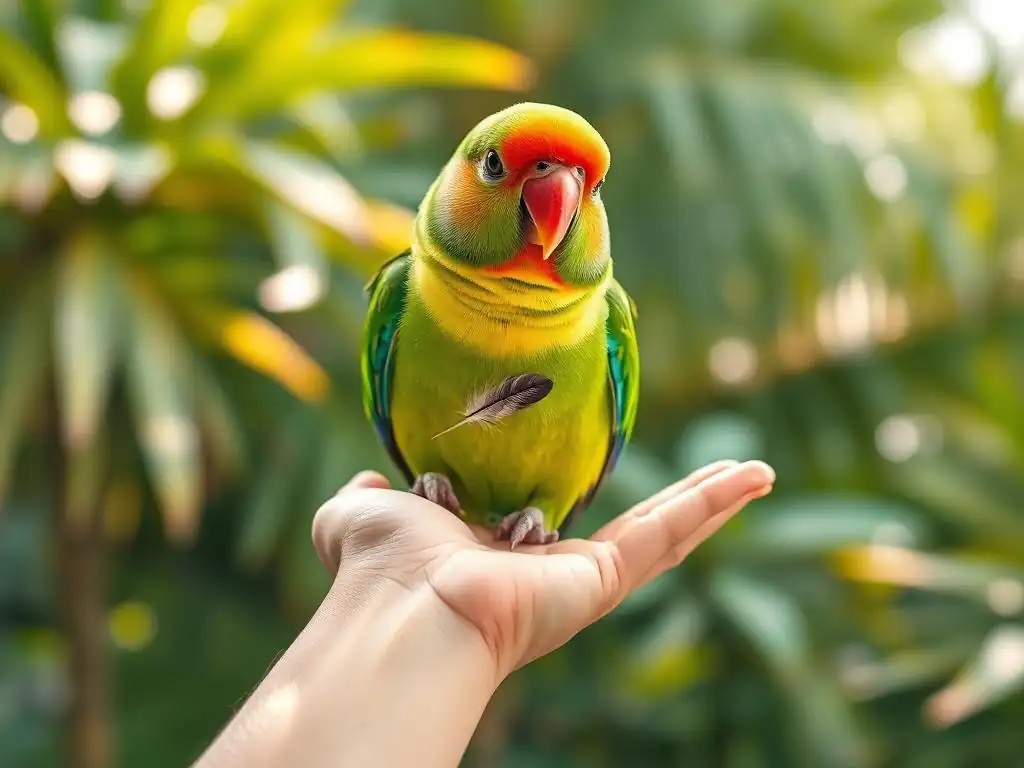
Conure bonding tips for owners often center around patience, consistency, and positive reinforcement. Building a strong relationship with your conure takes time and dedication, but the rewards—a loving, trusting companion—are immeasurable. This section focuses on practical strategies to foster a deep bond with your feathered friend, focusing on hand-taming, training, and consistent interaction. Remember that each conure is an individual, and what works for one may not work for another. Observe your bird's behavior and adjust your approach accordingly. Success lies in understanding your conure's unique personality and communication style.
Hand-Taming Your Conure: A Step-by-Step Guide
Hand-taming your conure is crucial for building trust and facilitating interaction. Start slowly and gradually, avoiding any actions that might scare your bird. Here's a step-by-step guide:
- Introduce Yourself: Spend time near the cage, talking softly and calmly. Let your conure observe you without feeling threatened. This desensitization process is key. Avoid sudden movements or loud noises.
- Offer Treats: Extend your hand slowly, offering a favorite treat like a small piece of fruit or a seed. If your conure hesitates, don't force it. Simply withdraw your hand and try again later. Patience is paramount.
- Extend Interaction Time: Once your conure takes a treat from your hand, gradually increase the duration of your interactions. Spend a few minutes each day offering treats and talking softly.
- Gentle Touch: Once your conure readily takes treats from your hand, try gently stroking its head or chest. Be incredibly gentle and observe your bird's reaction. If it shows any signs of discomfort (e.g., ruffled feathers, hissing), stop immediately.
- Step-Up Training: After several days of successful interactions, begin step-up training. Hold your index finger near your conure's chest and say a cue word like "step up." Reward your bird with praise and a treat when it steps onto your finger.
Remember to always approach your conure with calm confidence. Your body language will greatly influence your bird's response. Avoid any forceful movements or actions that might frighten it. Celebrate small victories and be patient throughout the process. Consistent, positive interactions will eventually lead to a strong bond with your conure.
Positive Reinforcement Training Techniques for Conures
Positive reinforcement is the cornerstone of successful conure training. It involves rewarding desired behaviors with treats, praise, or other positive stimuli. This method encourages your conure to repeat the behaviors you want to see, while avoiding punishment, which can be detrimental to the bonding process.
Here are some effective positive reinforcement techniques:
- Clicker Training: Using a clicker paired with a treat can effectively mark the exact moment your conure performs a desired behavior. This precision helps your bird understand what it's being rewarded for.
- Target Training: Teaching your conure to touch a target (like a stick or finger) can help with many other tricks and behaviors. It establishes a clear communication channel.
- Shaping: Break down complex behaviors into smaller, manageable steps, rewarding your conure for each successful step. This gradual approach prevents frustration for both you and your bird.
Consistent and patient application of these techniques will not only improve your conure's behavior but also significantly strengthen your bond. Remember to keep training sessions short and fun, ending on a positive note. A tired or stressed conure will not learn effectively.
Building Trust Through Consistent Interaction: Patience and Routine
Consistent interaction is vital for building trust with your conure. Establishing a daily routine helps your bird feel secure and comfortable. This routine should include:
- Daily Interaction: Set aside dedicated time each day for interaction, even if it's just for a few minutes. This consistent attention reinforces your bond.
- Cage Cleaning: Regular cage cleaning is essential for hygiene and shows your conure that you care for its well-being.
- Playtime: Offer a variety of toys to keep your conure entertained and stimulated. Engage in play sessions to further strengthen your bond.
- Socialization: If possible, gradually introduce your conure to other trusted individuals, helping it socialize and build confidence.
Remember, patience is key. Building a strong bond with your conure takes time and effort. Be patient, consistent, and always approach your bird with kindness and respect. The resulting companionship will be richly rewarding. By implementing these conure bonding tips, owners can forge a lasting connection with their beloved feathered friend, creating a happy and harmonious relationship for years to come. 🎉
Safe and Effective Conure Interaction Techniques
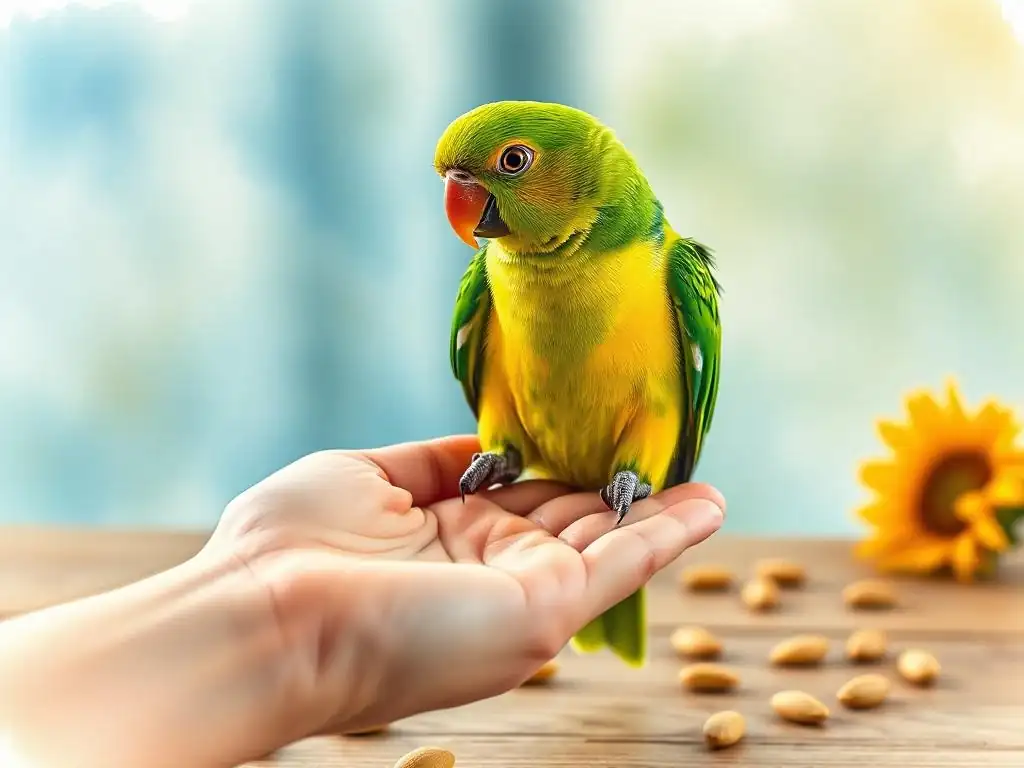
This section focuses on practical, safe methods for interacting with your conure, building a strong bond based on trust and mutual respect. Remember, patience is key when bonding with any bird, and conures, while affectionate, require a gentle and understanding approach. Understanding your conure's body language is crucial for successful interaction and preventing any negative experiences. These techniques will help you build a lasting and positive relationship with your feathered friend. Effective conure bonding tips for owners involve consistent positive reinforcement and a deep understanding of their needs.
Approaching Your Conure Calmly and Respectfully
Approaching your conure requires a calm and respectful demeanor. Avoid sudden movements or loud noises, which can startle your bird and damage your budding relationship. Instead, approach slowly and speak softly, using a soothing tone. Let your conure see you and get used to your presence before attempting any physical interaction.
Observe your conure's body language; if it seems relaxed, with its feathers smooth and its head slightly tilted, it's likely receptive to your presence. However, if it displays signs of stress – puffed-up feathers, rapid breathing, or hissing – give it space and try again later. Consider the environment too; a quiet, dimly lit room can reduce stress levels for your conure during initial interactions.
Remember, building trust takes time, so be patient and persistent. Consistent, calm interactions are the foundation of successful conure bonding. Positive reinforcement, such as offering a favorite treat after a calm interaction, helps reinforce positive associations with your presence.
Handling Your Conure Gently and Correctly
Gentle handling is paramount to building trust with your conure. Never grab or force your conure; this will only frighten it and make it distrustful. Instead, allow your conure to step onto your hand or finger. You can entice it with a treat or a favorite toy. Once it's on your hand, support its body gently but firmly, avoiding any sudden movements.
Your hand should provide a secure but comfortable perch. Avoid squeezing or restricting its movements. If your conure seems hesitant, don't force the interaction. Let it explore your hand at its own pace.
Regular, gentle handling sessions, even if they're just brief, will help your conure become more comfortable with being handled. Remember to always wash your hands before handling your conure to prevent the transmission of germs. The key is to create a positive experience for your conure, associating your touch with comfort and safety. This is a crucial aspect of effective conure bonding tips for owners.
Avoiding Actions That May Frighten or Stress Your Conure
Understanding what frightens your conure is essential for building a strong bond. Loud noises, sudden movements, and looming shadows are all potential stressors. Avoid making any sudden movements near your conure's cage, especially when you're approaching it. Keep a consistent routine to minimize unexpected changes.
Never punish your conure; this will only damage your relationship and increase its stress levels. Instead, focus on positive reinforcement and reward desired behaviors. Pay close attention to your conure's body language; signs of stress include puffed-up feathers, rapid breathing, dilated pupils, and hissing. If you see any of these signs, immediately stop interacting with your conure and give it space.
Creating a safe and predictable environment is crucial for your conure's well-being and for fostering a positive relationship. By learning to recognize and avoid stressful situations, you'll significantly improve your chances of successful conure bonding and strengthen the human-bird bond. This proactive approach is among the most important conure bonding tips for owners.
Providing a safe and enriching environment, coupled with these gentle interaction techniques, will significantly improve your conure's quality of life and strengthen the bond between you. Remember, patience and understanding are key to successful conure bonding.
Enhancing Conure Interaction Through Play and Enrichment
Conure bonding tips owners often center around providing a stimulating and enriching environment. A bored conure is a less interactive conure. Enrichment activities are crucial for mimicking their natural behaviors and fostering a stronger bond with you. This section focuses on practical strategies to achieve this. Remember, consistent interaction is key to successful conure bonding. Providing opportunities for play and exploration helps build trust and strengthens the relationship between you and your feathered friend.
Interactive Toys to Stimulate Your Conure's Mind and Body
Stimulating your conure's mind and body through play is paramount for their well-being and your bond. Avoid toys that are solely destructive; instead, opt for toys that challenge their problem-solving skills. Consider these options:
- Foraging Toys: These toys encourage natural foraging behaviors. Hide treats inside puzzle feeders, or create a "foraging box" with various safe materials like crumpled paper, cardboard tubes, and wooden blocks for your conure to explore and investigate. This replicates their search for food in the wild and keeps them mentally engaged.
- Interactive Puzzles: These toys require your conure to manipulate levers, buttons, or other mechanisms to access treats or toys. The level of difficulty should be adjusted to your conure's abilities, gradually increasing the challenge as they master each puzzle. This mental stimulation is crucial for preventing boredom and promoting a healthy mind.
- Destructive Toys: While some destruction is natural and healthy, ensure a balance. Provide a variety of safe, destructible materials like untreated wood blocks, cardboard, and paper to satisfy their instinct to chew, while also including puzzles and interactive toys.
Fun Activities to Strengthen Your Bond with Your Conure
Beyond toys, dedicated time spent interacting directly with your conure strengthens your bond significantly. Here are some activities to consider:
- Training Sessions: Short, positive reinforcement training sessions are excellent for bonding. Teach your conure tricks, like stepping up onto your finger or retrieving small objects. Reward them with praise, treats, and affection. This builds trust and mutual respect.
- Target Training: Using a target stick (a dowel or similar object) allows you to guide your conure's movements and reinforces positive interactions. This technique is particularly useful for handling and building confidence.
- Hand Feeding: Hand-feeding your conure their favorite treats creates a very intimate bonding experience. This shows trust and allows for close physical contact, strengthening your bond. Be patient and gentle, ensuring a positive association with your hand.
- Out-of-Cage Time: Supervised out-of-cage time allows your conure to explore their surroundings under your watchful eye. This provides opportunities for interaction and play, strengthening the bond and building trust. Ensure the environment is safe and conure-proof before allowing free-flight.
Introducing your conure to other birds requires careful planning and observation. Improper introductions can lead to stress, aggression, and injury. Consider the following:
- Careful Introductions: Never force interaction. Start with supervised visual contact from separate cages, gradually allowing short, monitored interactions in a neutral space. Observe their body language carefully; signs of stress include ruffled feathers, hissing, or avoiding eye contact.
- Compatibility: Not all conures are compatible. Consider the personalities and ages of the birds before attempting an introduction. Introducing birds of similar size and temperament generally works best.
- Quarantine: If introducing a new bird to your existing flock, a quarantine period is crucial to prevent the spread of disease. Keep the new bird separate for a few weeks before attempting introductions.
Remember, patience and consistency are vital when working towards a strong bond with your conure. Observe your bird's behavior closely and adjust your approach accordingly. Enjoy the journey of building a lasting relationship with your intelligent and captivating companion!
Troubleshooting Common Conure Bonding Challenges
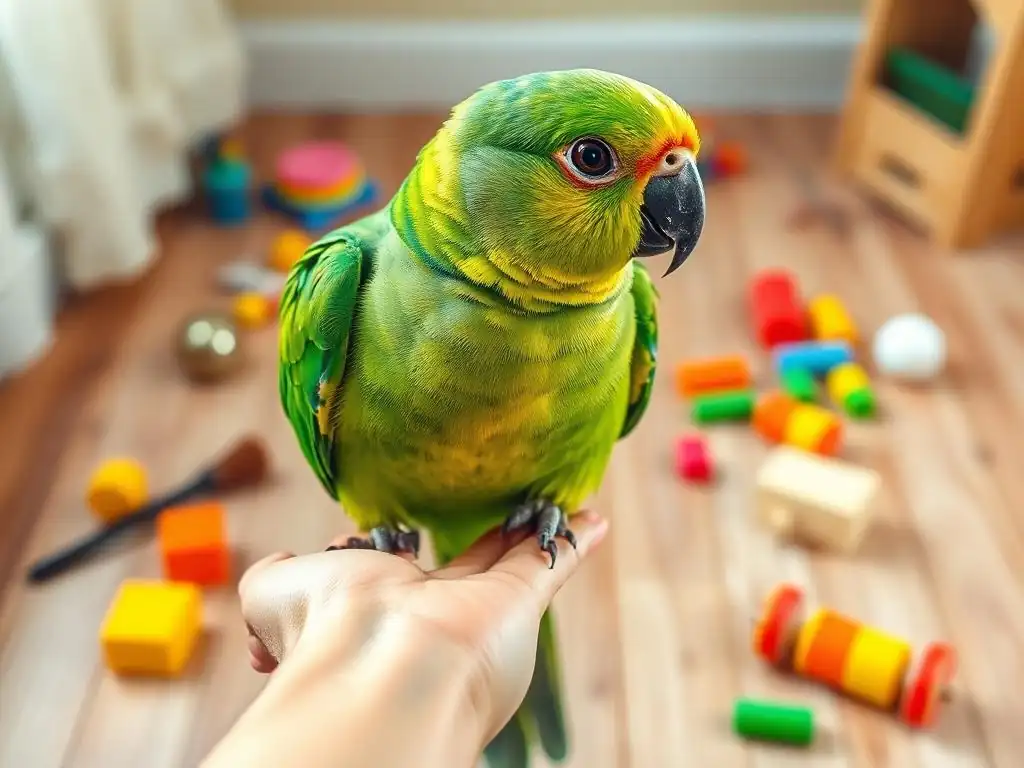
Conure bonding with their owners is a rewarding but sometimes challenging journey. Many factors can influence the success of this bond, and understanding common hurdles is crucial for building a strong, trusting relationship. This section will address some frequently encountered problems and offer practical solutions to help you navigate these challenges and foster a deeper connection with your feathered friend. Remember, patience and consistency are key to successful conure bonding. These tips for conure bonding will help owners build a strong relationship with their pet.
Addressing Fear and Anxiety in Conures
Fear and anxiety are common issues in conures, especially those with a history of neglect or trauma. These feelings can manifest as hiding, trembling, fluffed feathers, or avoidance of interaction. Addressing these anxieties requires a gentle, patient approach. Avoid sudden movements or loud noises near your conure, and create a safe, predictable environment.
Several strategies can help alleviate fear and anxiety:
- Positive Reinforcement: Reward calm behavior with treats, praise, and gentle petting. Focus on building positive associations with your presence.
- Desensitization and Counter-Conditioning: Gradually expose your conure to things that trigger fear, starting with minimal exposure and rewarding calm reactions. Pair these triggers with positive experiences, such as favorite treats.
- Enrichment: Providing a stimulating environment with toys, perches, and foraging opportunities can reduce boredom and anxiety. A bored conure is more likely to be anxious.
- Creating a Safe Space: Designate a quiet, secure area where your conure can retreat when feeling overwhelmed. This provides a sense of security and control.
- Veterinary Check-up: Rule out any underlying medical conditions that might be contributing to anxiety. A healthy conure is more likely to be comfortable and receptive to bonding.
Understanding your conure's body language is crucial. Subtle cues, such as dilated pupils or flattened feathers, can signal anxiety. Learning to recognize these signals allows you to intervene before the anxiety escalates.
Overcoming Biting and Nipping Behaviors
Biting and nipping are common behavioral problems in conures, often stemming from fear, frustration, or excitement. While seemingly aggressive, these behaviors are usually communicative, indicating discomfort or a need for space.
Here's how to address biting and nipping:
- Identify the Triggers: Keep a journal noting when biting occurs. This helps identify patterns and potential triggers, such as handling, loud noises, or specific interactions.
- Positive Reinforcement: Reward calm behavior and gentle interactions with treats and praise. This reinforces the desired behavior.
- Consistent Training: Employ positive reinforcement training techniques to teach your conure appropriate ways to interact, such as stepping up onto your hand.
- Avoid Punishment: Punishing biting will only increase fear and anxiety, potentially worsening the problem. Instead, gently remove yourself from the situation and give your conure some space.
- Proper Handling: Learn the correct way to handle a conure to avoid triggering defensive behaviors. Gentle, confident handling is key. Avoid sudden movements.
- Enrichment and Exercise: A bored or understimulated conure is more prone to biting. Provide ample opportunities for play, exploration, and mental stimulation.
Remember, consistency is crucial. It takes time and patience to modify biting behavior. Focus on building trust and creating positive interactions to foster a more harmonious relationship.
Dealing with Aggression in Conures: Identifying Causes and Solutions
Aggression in conures, while less common than biting, can be more serious and requires careful attention. This can manifest as lunging, biting, screeching, or feather ruffling accompanied by hissing. Understanding the underlying cause is crucial for effective intervention.
Possible causes of aggression include:
- Hormonal Changes: Breeding season can trigger aggressive behavior in some conures.
- Territoriality: Conures can become territorial, especially around their cage, food, or favorite toys.
- Fear and Anxiety: As mentioned before, underlying fear can lead to aggressive displays.
- Medical Conditions: Underlying health issues can also contribute to aggression.
- Lack of Socialization: Conures lacking proper socialization may exhibit aggressive tendencies.
Strategies for managing aggression include:
- Veterinary Consultation: Rule out any medical conditions that might be contributing to the aggression.
- Environmental Modifications: Adjust the environment to reduce triggers, such as providing more space or removing potential sources of stress.
- Behavioral Modification: Consult with an avian veterinarian or certified animal behaviorist for personalized guidance on behavioral modification techniques.
- Consistent Management: Establish consistent routines and boundaries to help your conure feel secure and understand expectations.
Addressing aggression requires a multifaceted approach. Early intervention is crucial to prevent the behavior from escalating. Patience, consistency, and professional guidance are essential for resolving aggressive behaviors and fostering a positive bond with your conure.
Maintaining a Strong Bond with Your Conure Over Time
Building a strong bond with your conure is an ongoing process that requires consistent effort and understanding. It's not a one-time event, but rather a journey of mutual trust and respect that deepens over time. This section focuses on the crucial aspects of maintaining that bond long after the initial stages of taming and socialization. Remember, consistent effort in conure bonding tips for owners is key to a happy and healthy relationship with your feathered friend.
Consistent Interaction and Positive Reinforcement
Maintaining a strong bond with your conure requires consistent daily interaction. This doesn't necessarily mean spending hours together, but rather dedicating specific times each day for focused interaction. Even 15-20 minutes of dedicated playtime or training can significantly strengthen your bond. This consistent interaction helps your conure feel secure and understood, reducing anxiety and promoting a sense of trust.
Positive reinforcement is paramount. Reward desired behaviors, such as stepping up onto your finger or remaining calm during handling, with treats your conure enjoys (small pieces of fruits, vegetables, or species-appropriate pellets). Avoid punishment; instead, redirect unwanted behaviors gently and consistently. For example, if your conure bites, calmly remove your hand and briefly ignore the behavior. Consistency is key in teaching your conure acceptable behaviors and building a positive association with you.
Here's a sample schedule you can adapt to your lifestyle:
| Time of Day | Activity | Duration | Reinforcement Type | Notes |
|---|---|---|---|---|
| Morning (7:00 AM) | Morning greetings, step-up training | 10 min | Verbal praise, small treat | Start the day with positive interaction. |
| Midday (12:00 PM) | Playtime with toys, foraging activities | 15 min | Verbal praise, toy rotation | Provide mental and physical stimulation. |
| Evening (6:00 PM) | Quiet time, gentle petting, talking | 15 min | Gentle scratching, soft talk | Wind down the day with calm interaction. |
Remember to observe your conure's body language. If it seems stressed or overwhelmed, reduce the interaction time and try again later.
Ongoing Enrichment and Mental Stimulation
Conures are intelligent birds that require mental stimulation to prevent boredom and behavioral problems. A bored conure is more likely to exhibit destructive behaviors or become withdrawn. Providing ongoing enrichment is vital for maintaining a strong bond, as it keeps your conure engaged and happy, leading to a more positive and interactive relationship.
Enrichment activities can include:
- Rotating toys: Offer a variety of toys and rotate them regularly to prevent boredom. This keeps your conure mentally stimulated and prevents it from becoming overly attached to any single toy.
- Foraging activities: Hide treats in puzzle toys or around the cage to encourage natural foraging behaviors. This stimulates their intelligence and provides a sense of accomplishment.
- Training sessions: Continue training sessions even after the initial taming phase. This strengthens your bond and provides mental stimulation. Simple tricks, like stepping up or retrieving small objects, can be both fun and rewarding.
- Out-of-cage time: Allow your conure supervised out-of-cage time in a safe and conure-proofed environment. This allows for exploration and interaction, strengthening your bond and preventing boredom.
Remember that providing a stimulating environment is an ongoing process, not a one-time fix. Regularly assess your conure's interests and adjust enrichment activities accordingly. A happy and stimulated conure is a well-bonded conure.
Recognizing and Addressing Changes in Behavior
Changes in your conure's behavior can be an indicator of underlying health issues or a weakening bond. It's crucial to be observant and address any changes promptly. Sudden changes in appetite, sleeping patterns, vocalizations, or activity levels warrant immediate attention.
Some signs of a weakening bond might include:
- Increased aggression or biting
- Withdrawal and decreased interaction
- Feather plucking or self-mutilation
- Changes in vocalizations (e.g., excessive screaming or quietness)
If you notice any significant changes in your conure's behavior, consult an avian veterinarian to rule out any medical causes. If no medical issues are found, carefully consider the environmental factors and your interaction style. Are you spending enough quality time together? Is the environment stimulating enough? Are you using positive reinforcement consistently? Addressing these factors can help strengthen your bond and improve your conure's overall well-being. Remember, proactive monitoring and addressing behavioral shifts are crucial for maintaining a lasting and healthy relationship with your conure.
Frequently Asked Questions
How can I tell if my conure is comfortable with me?
A comfortable conure will exhibit positive body language, such as soft eyes, relaxed posture, and gentle chirping. They may also approach you willingly and enjoy being petted in their favorite spots. Lack of fear or aggression is also a good sign.
What are some ways to build trust with a new conure?
Start by creating a safe and enriching environment. Offer consistent positive interactions, such as talking softly, providing favorite treats, and allowing them to explore your presence gradually. Avoid sudden movements or loud noises.
My conure bites me sometimes. What should I do?
Biting is often a sign of fear or frustration. Try to identify the triggers and avoid them. Positive reinforcement training can help to redirect unwanted behaviors. If the biting is excessive, consult an avian vet.
How can I encourage my conure to interact with me more?
Spend quality time with your conure daily. Engage in interactive play, such as offering toys, foraging activities, or mimicking their calls. Reward positive interactions with praise and treats.
What is the best way to bond with a shy conure?
Patience is key. Create a calm and predictable environment, avoiding overwhelming stimulation. Offer treats and toys from a distance initially, gradually decreasing the distance as your conure becomes more comfortable. Focus on building trust before attempting physical interaction.
Final Reflection: The Enduring Bond: Conures and Their Keepers
The vibrant personalities of conures demand more than just care; they crave connection. Building a strong bond with these intelligent and spirited birds isn't just about fulfilling their basic needs; it's about enriching their lives and deepening our own understanding of the animal kingdom. This connection fosters a richer, more rewarding experience for both bird and owner, transforming a simple pet-owner relationship into a true partnership.
The journey of building trust with a conure is a testament to the power of patience, consistency, and genuine affection. It's a process that mirrors the development of any meaningful relationship, requiring mutual respect and understanding. The rewards, however, are immeasurable. The greatest gift that one can give is the gift of oneself.
This quote, while not specifically about conures, perfectly encapsulates the essence of the bond we strive to create with these remarkable creatures. The time invested in understanding their unique communication styles, their quirks, and their individual needs yields a profound connection that enriches both lives immeasurably.
Now, consider your own conure, or the conure you aspire to welcome into your life. What steps can you take today to nurture this special bond? Perhaps it's setting aside dedicated time for interaction, learning a new training technique, or simply observing your feathered friend with a more attentive eye. Embrace the journey, celebrate the small victories, and remember that the strength of your bond is a testament to the love and understanding you share. The relationship you build with your conure will be a unique and rewarding experience, a testament to the power of connection between species.
Unlock Your Conure's Heart: Start Building a Deeper Bond Today
Thank you for learning more about interacting with your conure! We hope you found valuable advice on building trust and understanding with your feathered friend. Now let's put that knowledge into practice. Ready to take the next step?
- Try one new interaction technique: Choose one suggestion from the article, such as positive reinforcement training, gentle handling, or offering favorite treats, and spend 15 minutes today practicing it with your conure.
- Share your experience: Tell us in the comments how your conure reacted! What worked well? What surprised you?
- Observe and adapt: Continue to pay close attention to your conure's body language and adjust your approach accordingly. Every bird is an individual!
What small step will you take today to strengthen your bond with your amazing conure?