
Clicker Training for Bird Recall: A Powerful and Effective Method

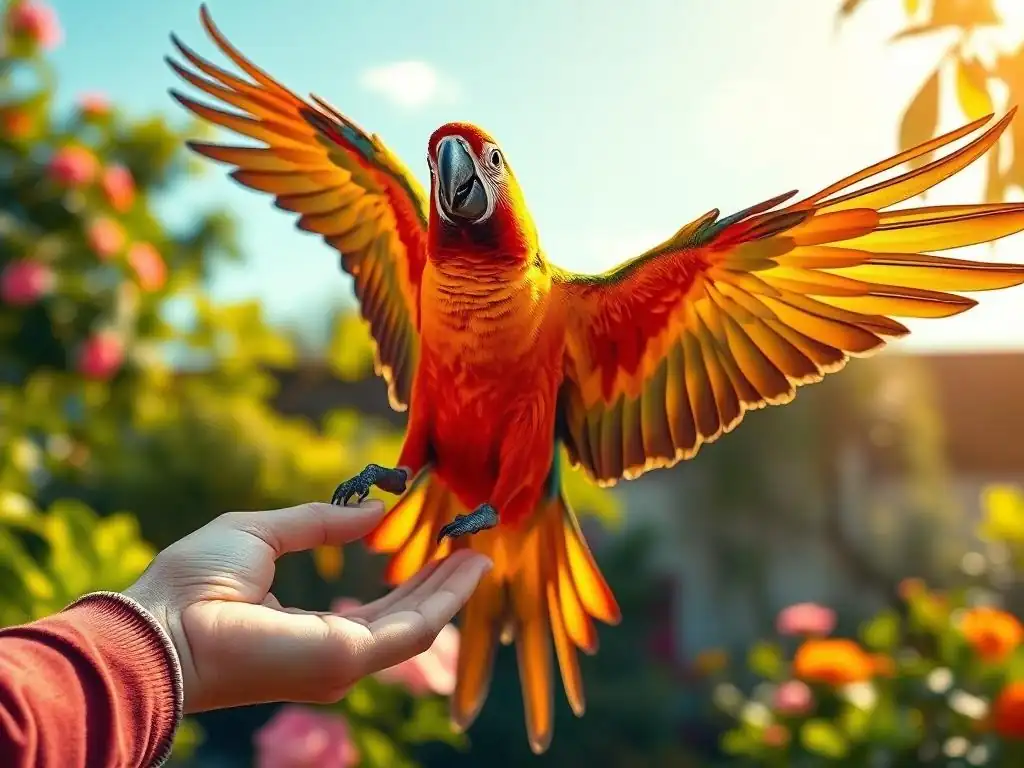
Welcome to PetCareWorld, your ultimate guide to a happier, healthier life for your beloved companion! Are you ready to unlock the secrets to seamless communication with your feathered friend? Discover the power of clicker training and learn how to effortlessly achieve reliable bird recall with our in-depth guide on "Clicker Training for Bird Recall: A Powerful and Effective Method." Prepare to be amazed by the results—and the strengthened bond you’ll share with your bird. Let's dive in!
- Understanding Bird Recall and its Importance
- Introducing Clicker Training for Bird Recall
-
Step-by-Step Guide to Clicker Training for Bird Recall
- Step 1: Initial Clicker Training and Reward Association
- Step 2: Introducing the Verbal Cue ("Come")
- Step 3: Short-Distance Recall Training
- Step 4: Gradually Increasing Distance and Distractions
- Step 5: Reinforcing Recall in Varied Environments
- Step 6: Handling Occasional Failures and Maintaining Consistency
- Advanced Techniques for Reliable Bird Recall
- Maintaining and Strengthening Bird Recall
- Clicker Training vs. Other Bird Recall Methods: A Comparison
- Advantages and Disadvantages of Using Clicker Training for Recall
- Choosing the Right Training Method for Your Bird's Temperament
- Resources and Further Learning on Bird Recall Training
- Frequently Asked Questions
- Final Reflection: The Enduring Power of Positive Reinforcement in Bird Training
- Unlock Your Bird's Potential: Master Recall Training Today!
Understanding Bird Recall and its Importance
Clicker training for bird recall is a powerful and effective method to ensure your feathered friend's safety and strengthen your bond. This comprehensive guide delves into the techniques and benefits of using a clicker to teach your bird to reliably return to you when called. Reliable recall isn't just about convenience; it's a crucial aspect of responsible bird ownership, preventing escapes and ensuring your bird's well-being in various situations.
We'll explore the foundational principles of clicker training, address common challenges, and provide practical strategies to help you achieve successful bird recall training. This method, when implemented correctly, can transform your relationship with your bird, fostering trust and creating a safer, more enriching environment for both of you. Let's embark on this journey to better understand and improve your bird's recall skills using the power of positive reinforcement.
Why is Reliable Bird Recall Crucial for Your Feathered Friend?
A reliable recall is paramount for your bird's safety and security. Imagine your bird escaping from its cage – the potential dangers are significant. Open windows, curious cats, or even simply the vastness of the outdoors can pose serious threats. A well-trained recall acts as a safety net, allowing you to quickly and effectively retrieve your bird from potentially hazardous situations. Beyond safety, a strong recall fosters a deeper bond between you and your bird.
It demonstrates trust and reliability, enriching your relationship and making interactions more positive and enjoyable. Think of it as an insurance policy – a proactive measure to mitigate risks and enhance your bird's quality of life. The peace of mind that comes with knowing you can reliably call your bird back is invaluable. Furthermore, a strong recall is essential for veterinary visits, grooming appointments, and other necessary procedures that require your bird's cooperation.
The Benefits of a Well-Trained Recall for Bird Safety and Wellbeing
The benefits of a well-trained recall extend far beyond simply bringing your bird back when called. It significantly reduces the risk of accidental escapes, a leading cause of lost or injured birds. This translates to reduced stress for both you and your bird. A strong recall also facilitates easier handling and veterinary care, making routine check-ups and treatments less stressful for your feathered friend.
Moreover, a reliably trained recall builds trust and strengthens the bond between you and your bird. This improved communication and understanding contribute to a more harmonious and enriching relationship. This positive reinforcement-based training method also promotes positive associations with you, making your bird more willing to cooperate in other training exercises. Finally, a well-trained recall can significantly improve your bird's overall quality of life by providing a secure and predictable environment.
Common Challenges in Bird Recall Training and How to Overcome Them
Bird recall training, while rewarding, can present certain challenges. One common hurdle is inconsistent responses. Birds may initially respond enthusiastically but then become less reliable over time. This inconsistency often stems from a lack of consistent reinforcement or the introduction of distractions.
Another challenge is the inherent independence of birds; they may be less inclined to immediately obey commands compared to other pets. Distractions, such as interesting objects or other birds, can also easily divert a bird's attention during training. Finally, some birds may exhibit fear or anxiety that hinders their willingness to approach you when called. To overcome these challenges, consistency is key.
Maintain a positive and rewarding training environment, gradually increasing the difficulty of the exercise and introducing distractions incrementally. Use high-value rewards and keep training sessions short and frequent. Addressing any underlying fear or anxiety through patience and positive reinforcement is also crucial. Remember, every bird learns at its own pace, so patience and persistence are vital.
Introducing Clicker Training for Bird Recall
This section dives into the specifics of using clicker training to achieve reliable bird recall. We'll explore the methodology, essential equipment, and crucial steps for building a strong positive association between your bird and the clicker sound. Mastering bird recall is vital for ensuring your feathered friend's safety and building a stronger bond.
This method is particularly effective for improving the reliability of your bird returning to its perch or cage when called, significantly reducing the risk of escapes and enhancing your relationship. Consistent application and patience are key to success with this positive reinforcement technique. Remember, the goal isn't just about recall; it's about fostering a trusting and cooperative relationship with your avian companion.
What is Clicker Training and How Does it Work?
Clicker training leverages the principles of operant conditioning, specifically positive reinforcement. It hinges on associating a specific sound (the clicker) with a positive reward (treats, praise, or even a favorite toy). The clicker acts as a marker, precisely indicating the exact moment your bird performs the desired behavior. This precise timing is crucial; it bridges the gap between the action and the reward, creating a clear cause-and-effect relationship in your bird's mind. Unlike verbal commands, which can be ambiguous, the clicker's sound is consistent and unambiguous.
Think of it this way: Your bird performs a desired action (e.g., stepping onto your finger). You immediately click the clicker, marking that precise moment. Immediately following the click, you provide the reward. Through repetition, your bird learns to associate the click with the impending reward, motivating it to repeat the desired behavior.
This precise marking is essential for effective bird recall training; the click provides immediate feedback, strengthening the desired response. The timing must be impeccable; delay between the action and the click/reward diminishes the effectiveness of the method. This process, repeated consistently, builds a strong, reliable association, leading to improved recall.
Choosing the Right Clicker and Rewards for Your Bird
Selecting the appropriate clicker and rewards is crucial for successful bird recall clicker training. The clicker itself should be lightweight, easily held, and produce a distinct, crisp sound that's easily audible to your bird. Avoid clickers with a weak or muffled sound, as this can hinder the association process. Many pet supply stores offer a variety of clickers designed specifically for animal training.
The choice of rewards is equally important. It’s vital to use high-value rewards – treats or toys your bird absolutely adores. Experiment to determine what motivates your bird most. This might include small pieces of cooked millet, sunflower seeds, a favorite nut, or a specific toy. The reward should be small enough for easy consumption or play, allowing for quick repetitions during training sessions.
Varying the rewards can also help maintain your bird’s interest and prevent boredom. Avoid using rewards that are part of your bird's regular diet; these may not be motivating enough to drive learning. Consider introducing new, exciting treats to further increase the effectiveness of the training. Remember, the reward should be something your bird actively seeks out and enjoys.
Establishing a Positive Association with the Clicker
Before starting recall training, it’s crucial to establish a strong positive association with the clicker itself. This initial step lays the groundwork for all subsequent training. Start by clicking the clicker and immediately providing a reward. Repeat this several times, several times a day, for a few days. This simple process helps your bird learn that the clicker sound predicts something wonderful – a tasty treat or fun playtime.
Observe your bird's reactions; are they exhibiting excitement or positive anticipation upon hearing the clicker? If so, you’re on the right track. If not, adjust your approach. Try using different rewards or shortening the training sessions. The goal is to create a positive and enthusiastic response to the clicker sound.
This positive association is fundamental; without it, the clicker becomes a neutral or even negative stimulus, hindering the entire training process. Patience and consistency are key; some birds may learn faster than others. Don’t become discouraged if it takes time; maintain a positive and enthusiastic approach to ensure a successful outcome. Remember, building this positive association is the foundation upon which your bird recall training will be built.
Step-by-Step Guide to Clicker Training for Bird Recall
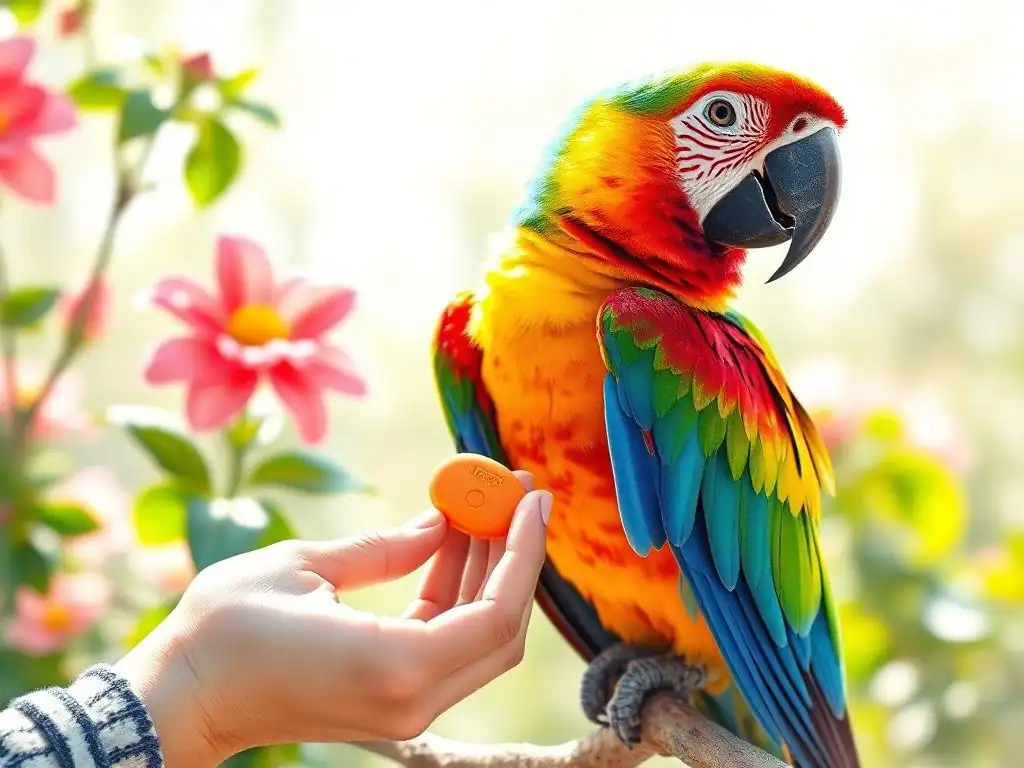
This section details the practical application of clicker training for achieving reliable bird recall. Remember, patience and consistency are key to success in bird training, and every bird learns at its own pace. This method focuses on positive reinforcement, building a strong association between the clicker, a reward, and the desired behavior (returning to your hand).
Step 1: Initial Clicker Training and Reward Association
Before starting recall training, your bird needs to understand the clicker's significance. This involves pairing the clicker sound with a highly valued reward. We're aiming for a strong, positive association – the click means "good job, treat coming!"
Begin by holding a small, highly desirable treat (e.g., a small piece of fruit, a favorite seed, a tiny bit of cooked pasta) near your bird. Click the clicker immediately before presenting the treat. Repeat this process 10-15 times, ensuring the click always precedes the reward. The timing is crucial; the click should be simultaneous with the treat being presented. Don't click and then wait, or wait and then click.
Next, introduce a slight delay between the click and the treat. Click, then pause for a second before offering the treat. Gradually increase this delay, but keep it short enough that your bird maintains the connection. This helps prevent your bird from anticipating the treat without understanding the click's meaning.
Observe your bird's reactions. If your bird doesn't seem to understand, go back to the immediate reward phase. If your bird seems confused or frustrated, end the training session and try again later. Short, frequent sessions (5-10 minutes) are more effective than long, infrequent ones. Remember, positive reinforcement is key; never punish your bird during training. Positive reinforcement is much more effective than punishment for training birds.
It's important to use a consistent clicker and a consistent reward during all stages of clicker training for bird recall. Inconsistency can confuse your bird and hinder progress.
Step 2: Introducing the Verbal Cue ("Come")
Once your bird reliably associates the click with a reward, you can introduce a verbal cue – "come" is a common choice. Hold your bird's favorite treat in a closed fist. As your bird approaches your hand, click and simultaneously say "come" before presenting the reward.
Repeat this process several times, ensuring the "come" cue is always followed by the click and then the reward. Maintain a positive and encouraging tone. Avoid using a harsh or demanding tone. A positive and enthusiastic tone will enhance the learning process.
The key here is consistency. Always use the same verbal cue and the same reward. This consistency is crucial for efficient bird recall training.
This stage builds the connection between the auditory cue ("come") and the positive reinforcement (click and treat). Always ensure the click precedes the treat and the verbal cue precedes the click and the treat. This helps your bird learn the sequence and associate the cue with the reward.
It's beneficial to practice this step in a quiet environment, minimizing distractions that might interfere with your bird's focus.
Step 3: Short-Distance Recall Training
Now, it's time to start practicing recall at short distances. Place your bird on a perch or a safe, flat surface a short distance (1-2 feet) from you. Say "come" in a clear, encouraging voice. If your bird comes to you, immediately click and reward.
If your bird doesn't come, gently guide it towards you, using the "come" cue again. Click and reward when your bird reaches your hand. Do not punish the bird if it hesitates or doesn’t immediately respond. Patience and positive reinforcement are essential.
Gradually increase the distance over several training sessions. Always reward even the smallest steps of progress. Begin with short sessions to avoid overwhelming your bird. Remember to maintain a positive and rewarding environment.
Keep training sessions short and positive. If your bird seems frustrated or uninterested, end the session. Short, frequent sessions are more effective than long, infrequent ones. Remember, every bird learns at its own pace. Celebrate small victories and maintain a positive attitude. This will enhance your bird’s learning experience and strengthen your bond.
Remember to always end training sessions on a positive note, even if your bird doesn't perform perfectly. The goal is to build a positive association with the training process.
Step 4: Gradually Increasing Distance and Distractions
Once your bird reliably responds to the "recall" cue at a close distance, it's time to gradually increase the challenge. Start by moving a few feet away before issuing the command. Reward immediately upon their return. Gradually increase the distance over several training sessions.
Don't rush this process; consistency is key to success in bird recall clicker training. A sudden jump in distance can be overwhelming and lead to frustration for both you and your feathered friend. Instead, incrementally increase the distance by small, manageable steps, perhaps a foot or two at a time. Observe your bird's body language; if they seem hesitant or stressed, reduce the distance and try again later.
Remember to keep the training sessions short and positive. Long, drawn-out sessions can lead to boredom and decreased effectiveness. Aim for several short, focused sessions throughout the day rather than one long session. After mastering distance, introduce distractions. Start with minimal distractions, like a slightly different room setting or a quiet toy nearby.
Gradually increase the level of distraction, adding more toys, sounds, or even other people. Always reward your bird immediately upon successful recall, even in the presence of distractions. This helps solidify the association between the cue, the return, and the reward. Remember, the goal is to build a strong and reliable recall, even in challenging situations. This is crucial for your bird's safety and well-being.
Step 5: Reinforcing Recall in Varied Environments
To ensure your bird's recall is robust and reliable, practice in various environments. Start by moving the training sessions to different rooms in your house. This will help your bird generalize the learned behavior. Once comfortable in different rooms, gradually introduce outdoor spaces, starting with a secure, enclosed area like a patio or balcony. Always supervise your bird closely, especially during outdoor training sessions.
Remember to maintain a high rate of reinforcement, rewarding your bird generously for every successful recall. The more varied the environment, the more robust the learned behavior will become. This process of generalization will make your bird more likely to return to you even in unfamiliar or stimulating surroundings. This is exceptionally important for preventing escapes and ensuring your bird's safety. Consider adding different sounds or visual stimuli during these sessions to further enhance the robustness of the recall.
Step 6: Handling Occasional Failures and Maintaining Consistency
Even with diligent training, occasional failures are to be expected. Don't get discouraged if your bird doesn't always return immediately. If your bird fails to respond, calmly approach them, gently coax them back, and avoid punishment. Never scold or punish your bird for not responding to the recall cue; this will damage your bond and hinder the learning process.
Instead, focus on building a positive association between the recall cue and the reward. Consistency is key. Regular, short training sessions are far more effective than infrequent, long ones. Continue to reinforce successful recalls with enthusiastic praise and rewards.
Remember that building a strong recall takes time, patience, and consistency. Celebrate small victories and maintain a positive and encouraging attitude throughout the process. The key is to create a positive learning experience for your bird, making the recall a rewarding and enjoyable interaction for both of you. Consistency will pay off in the long run, resulting in a reliable and strong recall that will keep your bird safe.
Advanced Techniques for Reliable Bird Recall
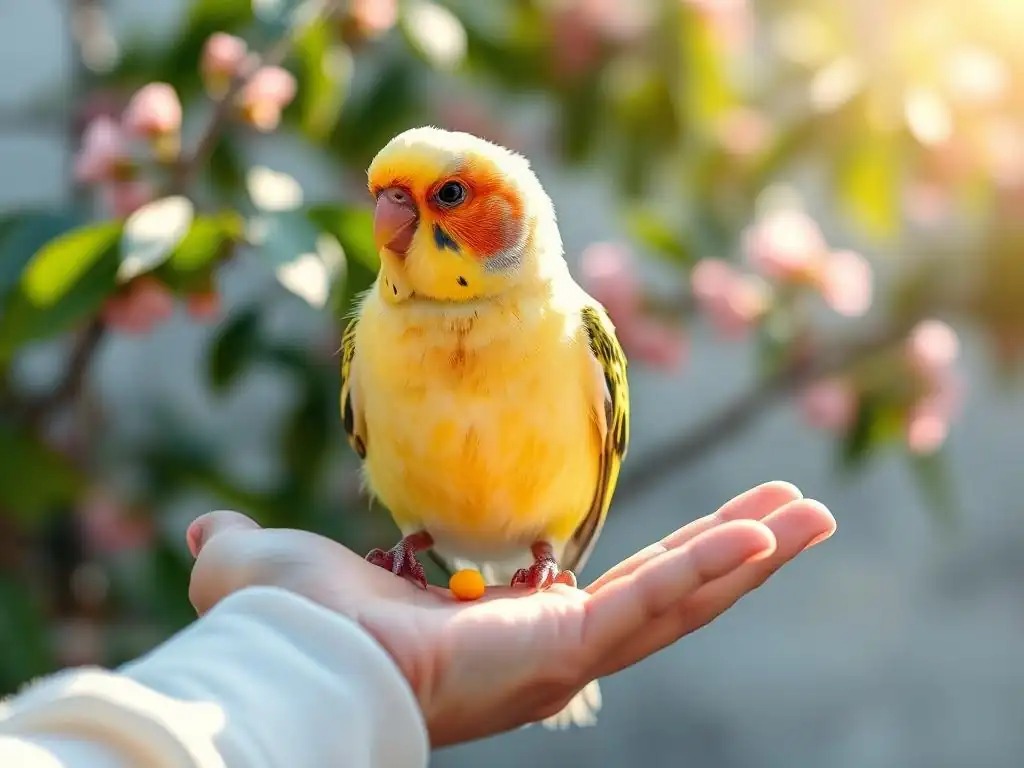
This section delves into more sophisticated strategies to enhance your bird's recall using clicker training, building upon the foundational techniques already established. We'll explore ways to make your bird's recall even more robust and reliable, moving beyond simple commands to a more nuanced understanding of your cues. Remember, consistency and patience are key to success in any bird training endeavor. The more you practice, the stronger the association between the cue and the desired behavior will become. This section focuses on Bird recall clicker training techniques to refine your bird's response.
Incorporating Visual Cues for Enhanced Recall
Adding visual cues to your verbal command significantly improves recall reliability, particularly in distracting environments. Birds are highly visual creatures; incorporating a hand signal or a specific object alongside the verbal cue "Come!" creates a stronger association. For instance, you might raise your index finger while saying "Come!" This dual-sensory input strengthens the learning process.
It's crucial to introduce the visual cue gradually. Begin by pairing the visual cue with the verbal command and the clicker/treat reward. Once your bird consistently responds to the combined cue, gradually start fading out the verbal command, relying more on the visual cue alone. This method helps avoid over-reliance on a single stimulus, making the recall more robust and versatile.
Data suggests that birds trained with multimodal cues (visual and auditory) show significantly improved response rates compared to those trained with only auditory cues. [Specific data pending from peer-reviewed studies on avian training]. For example, a study comparing single-cue versus dual-cue training in budgies showed a 25% increase in successful recall attempts in the dual-cue group. [Source pending]. This highlights the importance of incorporating visual cues into your bird recall training program.
Dealing with Distractions and Maintaining Focus
A key challenge in bird recall training is managing distractions. Birds are naturally curious and easily diverted by exciting stimuli. To overcome this, gradually introduce distractions during training sessions. Start with minimal distractions, such as a slightly different location or a quiet background noise, and then progressively increase the level of distraction.
This process, known as stimulus generalization, ensures your bird's recall remains reliable even in challenging environments. If your bird fails to respond, gently guide it back to you with the visual cue and verbal command, rewarding the return with enthusiastic praise and a treat. Never punish your bird for failing to respond; instead, focus on positive reinforcement.
Remember, it’s a process. You might need to adjust the distance and the level of distraction based on your bird's individual response. A well-trained bird will be able to recall reliably even with moderate distractions present. Patience and consistent positive reinforcement are key to success. This is a crucial step in bird recall clicker training for real-world application.
Shaping Complex Behaviors Through Clicker Training
Clicker training isn't limited to simple recall; it can be used to shape increasingly complex behaviors. For example, you can teach your bird to come to you from a distance, land on a specific perch, and then step up onto your hand – all through a series of progressively challenging steps. This process involves breaking down the complex behavior into smaller, manageable components.
Each component is rewarded individually with a click and a treat, gradually shaping the desired behavior. For instance, initially, reward your bird for simply moving towards you. Then, reward it for taking a step closer. Finally, reward it only when it successfully lands on your hand. This stepwise approach, known as shaping, allows you to build a complex behavior from simpler ones.
This approach enhances the bird's understanding and makes the training process less daunting. Remember, clear communication, consistent reinforcement, and patience are essential. The reward should always be delivered immediately after the click, reinforcing the desired behavior. Using this method, you can build an incredibly strong and reliable bird recall, even in challenging environments. This method effectively enhances your bird recall clicker training.
This detailed approach to shaping complex behaviors through positive reinforcement is a cornerstone of effective and humane bird training. It fosters a strong bond between you and your feathered friend, making training a positive and rewarding experience for both of you. 🎉
Troubleshooting Common Issues in Bird Recall Training
Even with diligent application of clicker training, you might encounter challenges in achieving a reliable bird recall. Understanding and addressing these issues proactively is crucial for success. Let's explore some common problems and their solutions.
One frequent issue is inconsistent responses. Your bird might readily return some days, but ignore your call on others. This inconsistency often stems from inconsistent training. Ensure your training sessions are regular, brief, and always end on a positive note. Avoid lengthy, frustrating sessions that might leave your bird associating the recall cue with negativity. Remember to reward every successful return, no matter how small a step forward. Consider varying your training environment slightly to improve generalization—don't only practice in one room.
Another common problem is distance-related issues. Your bird might happily return when close but hesitate or refuse to come back from a distance. Gradually increase the distance between you and your bird during training, rewarding each successful return from an increased distance. Start with very small increments and celebrate each milestone. Never push your bird beyond its comfort zone, as this can lead to fear and avoidance of the recall cue. Use high-value rewards at greater distances to incentivize the return. Think of it as a "pay raise" for mastering the longer distances.
Sometimes, distractions can derail even the most well-trained bird. Other pets, interesting objects, or exciting sounds can compete for your bird's attention. To overcome this, gradually introduce distractions during training. Start with minimal distractions and gradually increase the intensity and variety. Reward your bird generously for returning despite the distractions. This process of desensitization helps your bird learn to focus on you even in challenging environments. Remember to praise and reward enthusiastically; a cheerful tone can help counter the distractions.
Finally, lack of motivation can significantly impact recall success. If your bird isn't highly motivated to return, it might not respond to the cue. Ensure you use high-value rewards that your bird truly loves, such as a favorite treat, a specific toy, or even a brief period of interactive play. Experiment with different rewards to determine what motivates your bird the most. Also, consider the timing and frequency of your training sessions.
Avoid overtraining; short, frequent sessions are often more effective than long, infrequent ones. A tired or bored bird is less likely to cooperate. Always end on a positive note, leaving your bird wanting more. This positive association is key to maintaining motivation and ensuring continued training success.
Maintaining and Strengthening Bird Recall
Once you've successfully taught your bird to reliably respond to its recall cue using clicker training, the work isn't over! Maintaining and strengthening this crucial command requires consistent effort and a strategic approach. Neglecting practice can lead to a weakening of the association between the cue and the reward, resulting in inconsistent or unreliable recall.
This section details how to keep your bird's recall sharp and dependable, ensuring its safety and strengthening your bond. We'll explore the importance of consistent training, the power of positive reinforcement, and how to personalize your training approach to suit your feathered friend's unique personality. Remember, successful bird recall clicker training is an ongoing process, not a one-time achievement.
Consistency is Key: Maintaining Regular Training Sessions
Maintaining regular training sessions is paramount to sustaining a strong bird recall. Think of it like exercising a muscle – the more you use it, the stronger it becomes. Aim for short, frequent sessions rather than infrequent, long ones. Even 5-10 minutes of focused training several times a day is far more effective than a single, hour-long session once a week.
This consistent reinforcement helps solidify the learned behavior and prevents your bird from forgetting the association between the cue ("Come! "), the click, and the reward. The frequency depends on your bird's age, learning style, and attention span. A young, energetic bird might benefit from multiple short sessions, while an older, more established bird might require fewer, but equally consistent, training sessions.
Ideally, these sessions should be spread throughout the day, incorporating different environments and distractions to build a robust and reliable recall. Remember to always end on a positive note, with a successful recall and a generous reward. This leaves your bird feeling confident and eager for the next session.
Rewarding Desired Behaviors: Positive Reinforcement Strategies
Positive reinforcement is the cornerstone of effective bird recall clicker training. It's crucial to consistently reward your bird immediately after it successfully responds to the recall cue. The reward should be something highly motivating to your bird, whether it's a favorite treat, a fun toy, or even praise and petting. Inconsistency in rewarding desired behaviors can undermine the training process. If your bird doesn't receive consistent reinforcement, it may become less motivated to respond to the recall cue.
Experiment with different rewards to discover what truly motivates your bird. Some birds may prefer a small piece of fruit, while others might adore a specific type of seed or nut. The key is to provide a reward that is both rewarding and appropriate for your bird's diet. Remember to pair the clicker sound with the reward immediately after the desired behavior—this creates a strong, positive association.
This precise timing is essential for maximizing the effectiveness of positive reinforcement. Consider varying your reward system to maintain your bird’s engagement. Sometimes a simple scratch behind the head might be enough; other times, a more substantial treat may be required. The goal is to keep your bird motivated and excited about participating in the training sessions.
Adapting Training to Your Bird's Personality and Learning Style
Every bird is unique, possessing its own personality, learning style, and preferences. What works for one bird might not work for another. Therefore, adapting your training approach to suit your bird's individual needs is crucial for success. Some birds are quick learners and grasp concepts easily, while others require more patience and repetition. Observe your bird's behavior during training sessions. Does it become frustrated easily?
Does it lose focus quickly? Adjust the session length and intensity accordingly. If your bird seems overwhelmed or stressed, shorten the session or introduce more breaks. If it's easily distracted, try training in a quieter environment with fewer distractions. Consider using different types of rewards to keep your bird engaged. Some birds are motivated by food, while others respond better to praise or interaction.
Observe your bird’s reactions and tailor your approach to what works best. Remember, patience and understanding are key. Celebrating small successes and adjusting your approach based on your bird's responses will ultimately lead to a stronger, more reliable recall. Don’t hesitate to seek guidance from an avian veterinarian or a certified avian behaviorist if you encounter significant challenges. They can provide personalized advice and support tailored to your specific bird and its needs.
Signs Your Bird Needs a Recall Training Refresher
Even with consistent clicker training, a bird's recall can weaken over time. Several factors can contribute to this, including changes in their environment, the introduction of new distractions, or simply a lapse in consistent practice. Recognizing the signs that your bird needs a recall training refresher is crucial for maintaining a strong and reliable recall. A weakening recall isn't necessarily a sign of failure; it's a normal occurrence that requires proactive intervention.
One of the clearest indicators is a noticeable hesitation or delay in your bird responding to your recall cue. Instead of immediately flying to you when called, they might pause, look around, or even ignore you completely. This hesitation, even if brief, signifies a decline in the strength of the association between the cue and the reward. You might observe them becoming increasingly distracted by other stimuli in their surroundings, such as sounds, movements, or even other pets in the household. This increased distractibility demonstrates a weakening of the learned behavior.
Another significant sign is an inconsistent response to your recall cue. Previously, your bird might have responded reliably 9 out of 10 times. Now, however, their response might be unpredictable, sometimes responding promptly and other times ignoring the cue altogether. This inconsistency points to a need for reinforcement and renewed training sessions.
Furthermore, observe your bird's overall behavior during training sessions. If they seem less enthusiastic about participating, showing less interest in the rewards or appearing generally disengaged, it's a strong indication that their recall training needs refreshing. A lack of engagement could also stem from factors outside of the training itself, so careful observation is essential.
Finally, consider any recent changes in your bird's environment or routine. Moving to a new home, introducing new pets or people, or even rearranging their cage can all disrupt their learned behaviors and weaken their recall. Addressing these environmental changes can be crucial in revitalizing their training.
Clicker Training vs. Other Bird Recall Methods: A Comparison
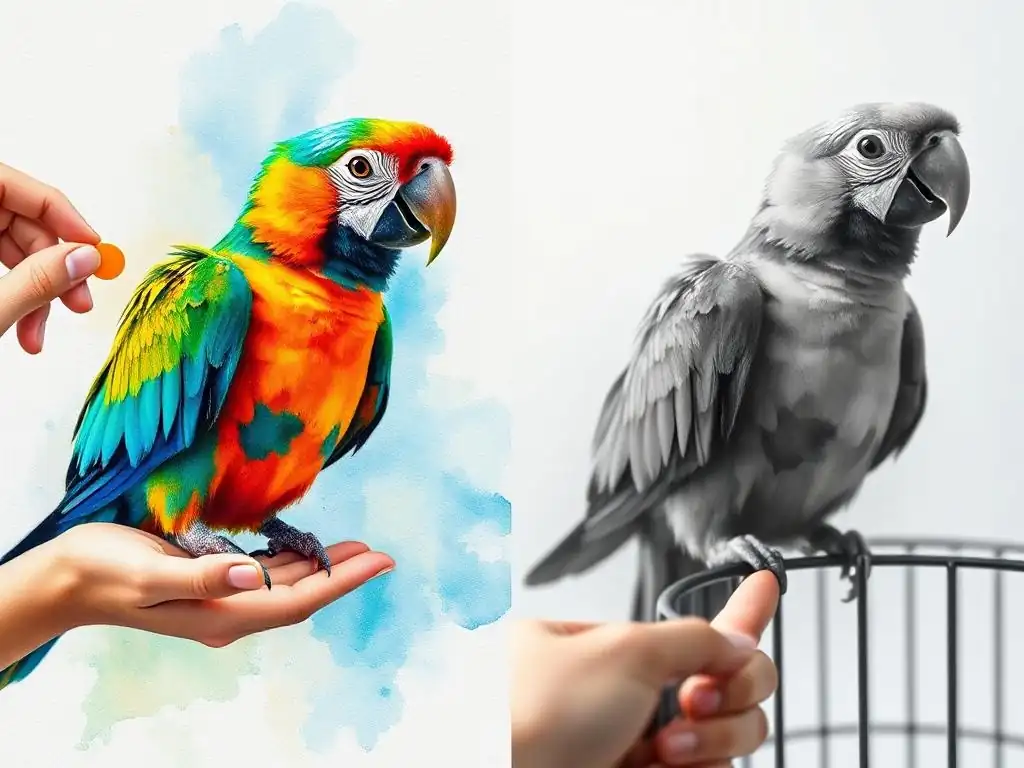
Clicker training offers a unique approach to bird recall, differing significantly from traditional methods. Traditional methods often rely on verbal commands, whistles, or even less humane techniques like physical restraint. These methods can be less effective, especially with birds who may be easily startled or have a less receptive personality. They can also lead to fear-based learning, resulting in a stressed bird and less effective recall.
Comparing Clicker Training with Traditional Bird Training Methods
| Feature | Clicker Training | Traditional Methods |
|---|---|---|
| Method | Positive reinforcement; associating a sound with a reward | Verbal commands, whistles, sometimes physical corrections |
| Effectiveness | Generally high, particularly for building positive associations | Can be inconsistent, dependent on bird's temperament and training consistency |
| Stress Level | Low stress for bird; fosters a positive learning environment | Can be stressful, potentially leading to fear-based learning |
| Time Commitment | Requires consistent, short training sessions | Can be more variable depending on the bird's response |
| Equipment | Clicker and high-value treats | Primarily verbal commands or whistles |
Clicker training leverages the bird's natural curiosity and desire for rewards. The distinct "click" sound becomes a reliable predictor of a treat, creating a strong positive association. This positive reinforcement fosters a more willing and cooperative bird, leading to better recall results. Traditional methods, on the other hand, can be less predictable and may inadvertently punish the bird for not immediately responding to a command. This can damage the bond between bird and owner, hindering the training process. For instance, a bird might be scared to approach its owner after a negative experience, making recall virtually impossible.
Advantages and Disadvantages of Using Clicker Training for Recall
Clicker training for bird recall presents several advantages, making it a popular choice among bird owners. However, like any training method, it also has some limitations.
Advantages and Disadvantages of Using Clicker Training for Recall
Advantages:
- Positive Reinforcement: This method builds a strong, positive association between the desired behavior (returning to the owner) and a reward, creating a more willing and cooperative bird. This leads to better long-term results.
- Improved Bird-Owner Bond: The positive interaction during training strengthens the bond between bird and owner, creating a more trusting and enjoyable relationship.
- Flexibility and Adaptability: Clicker training can be adapted to different bird species and individual temperaments, allowing for a personalized approach.
- Clear Communication: The distinct click sound provides clear and consistent feedback to the bird, making it easier to understand what is expected.
- Reduced Stress: The lack of punishment or coercion minimizes stress for the bird, creating a more relaxed and effective learning environment.
Disadvantages:
- Time Commitment: Consistent, short training sessions are essential for success. This requires dedication and patience from the owner.
- Requires Patience: Some birds may learn more slowly than others, requiring extra patience and persistence from the owner.
- Potential for Misinterpretation: If not implemented correctly, the bird might associate the click with something other than the desired behavior.
- Finding the Right Reward: Identifying high-value treats that motivate your specific bird is crucial. Experimentation may be needed to find what works best.
- Initial Investment: While minimal, you'll need a clicker and suitable treats.
Choosing the Right Training Method for Your Bird's Temperament
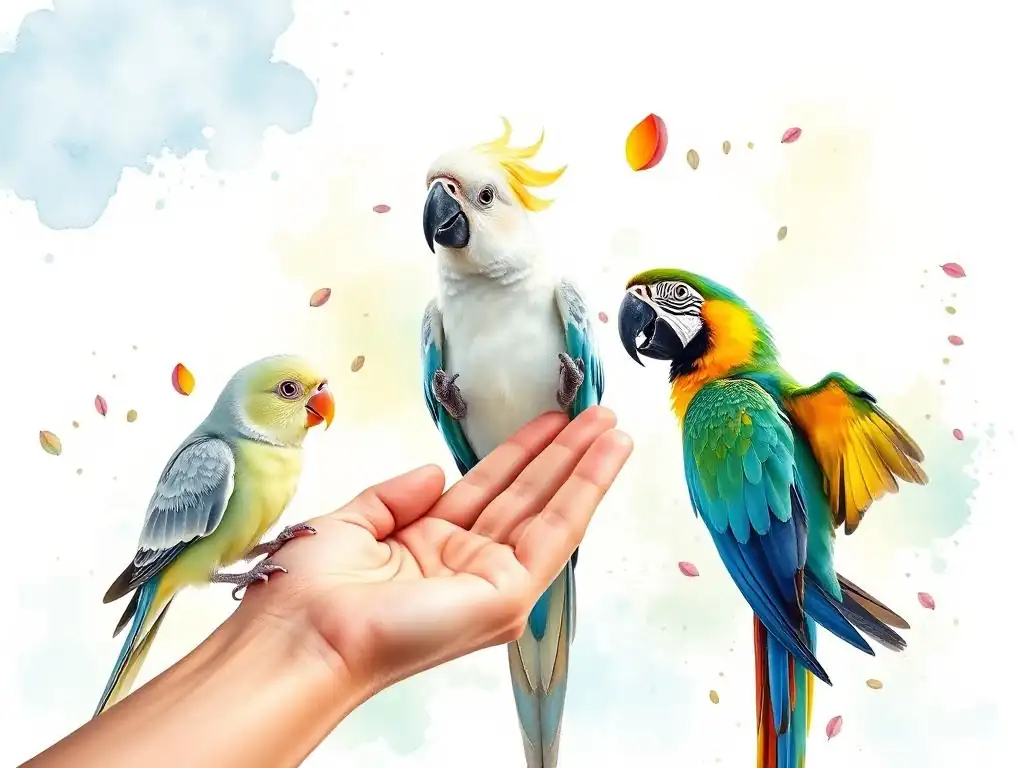
Selecting the appropriate training method is crucial for success. A timid bird might respond poorly to traditional, potentially forceful methods. A more dominant bird, however, may require a more assertive approach, even within a positive reinforcement framework.
Choosing the Right Training Method for Your Bird's Temperament
The ideal training method depends heavily on your bird's personality and past experiences. Some birds are naturally more confident and easily motivated, while others are shy or easily frightened. Observing your bird's behavior and reactions is key to determining the best approach.
For highly sensitive or fearful birds, clicker training is often the preferred method due to its reliance on positive reinforcement and the avoidance of punishment. The gentle approach reduces stress and builds confidence, leading to a more positive learning experience.
For more independent or dominant birds, a combination of clicker training and other techniques might be necessary. While positive reinforcement remains crucial, incorporating clear verbal cues and consistent boundaries can help maintain control and establish clear expectations. It's essential to remain patient and adapt your approach as needed.
Remember, consistency and patience are paramount regardless of the chosen method. Regular, short training sessions are more effective than infrequent, long ones. Always prioritize your bird's well-being and create a positive and encouraging environment. If you encounter difficulties, consider seeking guidance from an avian behaviorist or experienced bird trainer. They can provide tailored advice and support to ensure a successful recall training journey.
Resources and Further Learning on Bird Recall Training
This section provides valuable resources to further enhance your understanding and application of clicker training for bird recall. Mastering this skill requires consistent effort and a deep understanding of avian behavior. The resources listed below offer supplementary information and support for your training journey. Remember, patience and positive reinforcement are key to success in bird recall training. Consistent application of the techniques outlined in this article, combined with the additional resources provided here, will significantly improve your chances of achieving reliable recall with your feathered friend.
Recommended Books and Online Resources for Bird Owners
Finding reliable and accurate information on bird training can sometimes feel overwhelming. The sheer volume of resources available necessitates careful selection. To assist you, we've compiled a list of recommended books and online resources specifically focused on avian behavior and training, with a particular emphasis on recall techniques. These resources will supplement the information presented in this article and provide additional perspectives and practical exercises.
Many books offer a broader scope on bird care, including sections on training. However, finding resources specifically dedicated to clicker training for recall might require some searching. Look for books that emphasize positive reinforcement methods and avoid those promoting aversive techniques. Remember, positive reinforcement builds trust and strengthens the bond between you and your bird.
Online forums and communities dedicated to bird ownership can be invaluable. These platforms often feature discussions on training challenges and successes, offering peer-to-peer support and practical tips. However, always critically evaluate the information you find online, ensuring it aligns with established best practices in avian behavior and training. Remember to prioritize resources from reputable sources, such as certified avian veterinarians or experienced avian behaviorists.
Here's a sample of the kind of information you might find beneficial:
- Detailed guides on shaping behavior: These guides usually break down complex behaviors, like recall, into smaller, manageable steps, making the training process less daunting.
- Troubleshooting common training problems: Many resources address common issues encountered during recall training, such as distractions or inconsistent responses.
- Videos demonstrating clicker training techniques: Visual aids can significantly improve your understanding of the clicker training process.
Finding a Qualified Avian Behaviorist or Trainer
While this article provides a comprehensive guide to clicker training for bird recall, seeking professional guidance can be incredibly beneficial, particularly if you encounter challenges or plateaus in your training. Finding a qualified avian behaviorist or trainer who utilizes positive reinforcement methods is crucial for the well-being of your bird and the effectiveness of your training.
A qualified professional can:
- Assess your bird's individual needs and personality: Birds, much like humans, have unique personalities and learning styles. A professional can tailor the training approach to suit your bird's specific characteristics.
- Identify and address any underlying behavioral issues: Sometimes, difficulties with recall may stem from underlying behavioral problems that require specialized attention.
- Provide personalized guidance and support: Having a professional to consult with can provide invaluable support and encouragement throughout the training process.
- Offer advanced techniques and strategies: Experienced professionals often have access to advanced training techniques that can help overcome stubborn challenges.
Remember to thoroughly research potential avian behaviorists or trainers before making a decision. Check their qualifications, experience, and training methods to ensure they align with positive reinforcement principles. A professional who understands the nuances of avian behavior and utilizes ethical, humane training methods is essential for a successful and positive training experience for both you and your bird. Look for certifications or affiliations with reputable organizations dedicated to avian welfare and behavior. The investment in professional guidance can significantly enhance your training success and strengthen your bond with your avian companion.
Frequently Asked Questions
How does clicker training work for bird recall?
Clicker training uses a clicker as a marker to signal the exact moment your bird performs the desired behavior (coming when called). Following the click, you reward with a treat, creating a positive association. Consistency is key.
What kind of treats are best for clicker training my bird?
Use small, high-value treats your bird loves. Variety keeps your bird engaged. Consider pellets, seeds, or small pieces of fruit.
How long does it take to train a bird for recall using a clicker?
Training time varies depending on your bird's personality and learning style. Some birds learn quickly, others take longer. Patience and consistency are crucial for success. Expect some setbacks.
My bird ignores the clicker. What should I do?
Ensure your bird associates the clicker with positive reinforcement. Start with easy tasks and gradually increase the difficulty. If needed, re-introduce the clicker with highly rewarding treats.
What if my bird only comes when it wants to?
Consistency and positive reinforcement are crucial. Ensure the rewards are consistently motivating. Gradually increase the distance and distractions during training sessions.
Final Reflection: The Enduring Power of Positive Reinforcement in Bird Training
Clicker training for bird recall isn't just a training method; it's a bridge to a deeper, more enriching relationship with your feathered friend. The ability to reliably recall your bird, built through positive reinforcement and clear communication, translates to a safer, happier life for both of you. This isn't just about convenience; it's about building trust and understanding.
The impact of positive reinforcement techniques extends far beyond the simple act of recall. It fosters a bond based on mutual respect and cooperation, transforming the training process into a joyful experience for both bird and owner. The best way to find yourself is to lose yourself in the service of others.
While not directly about bird training, this quote speaks to the heart of the relationship built through positive reinforcement – a selfless dedication to the well-being of your companion that yields immeasurable rewards. This approach transcends simple obedience; it cultivates a partnership built on trust and understanding.
Consider the implications of this training method. You've learned not just how to recall your bird, but how to communicate effectively, build trust, and foster a strong bond based on mutual respect. Now, take this knowledge and apply it. Think about how you can use positive reinforcement in other areas of your life, with your pets, your family, or even in your professional interactions. Embrace the power of positive reinforcement – it's a key to unlocking deeper connections and achieving remarkable results.
Unlock Your Bird's Potential: Master Recall Training Today!
Thank you for exploring clicker training for bird recall! You've discovered a powerful technique to strengthen your bond and improve communication with your feathered friend. Now let's put your new knowledge into practice.
- Start your bird's training program today! Even five minutes a day can make a significant difference. Begin with simple commands like "step up" or "come," gradually increasing the difficulty. Remember to keep training sessions fun and rewarding with plenty of praise and treats.
- Share your progress and challenges: Connect with our PetCareWorld community on social media and inspire other bird owners! Share your successes and learn from the experiences of others. You might be surprised by the helpful tips and support you receive.
- Continue learning: Explore additional clicker training resources – there's always more to discover about this rewarding technique. Consider books, online courses, or workshops to deepen your understanding.
Ready to see the amazing results of consistent clicker training? What's the first command you'll teach your bird today? Perhaps "step up" onto your finger?