
Essential Tips for Locating a Specialized Avian Veterinarian Near You

Welcome to PetCareWorld, your ultimate guide to happy and healthy pets! Are you searching for the best possible care for your feathered friend? Finding a qualified avian vet can be crucial, and that's why we've created this essential guide on how to Find avian vet near me. Discover expert tips and resources to ensure your bird receives the specialized attention it deserves. Let's dive in and explore the world of avian veterinary care together!
- Understanding the Need for an Avian Specialist: Why a Regular Vet Isn't Enough
-
Finding an Avian Vet Near Me: Effective Search Strategies
- Utilizing Online Search Engines: Refining Your Search for "Avian Vet Near Me"
- Leveraging Online Directories for Avian Veterinarians
- Exploring Local Bird Clubs and Avian Organizations
- Asking for Recommendations: Networking with Other Bird Owners
- Utilizing Online Directories and Search Engines: Refining Your Search
- Checking with Local Avian Breeders and Bird Supply Stores: Tapping into Local Expertise
- Key Factors to Consider When Choosing an Avian Veterinarian
- Preparing for Your First Avian Veterinary Appointment
- Beyond the Initial Visit: Maintaining Your Bird's Health
- Frequently Asked Questions
- Final Reflection: The Flight to Wellness: Finding the Right Avian Care
- Unlock Your Feathered Friend's Best Health: Find the Perfect Avian Vet Now!
Understanding the Need for an Avian Specialist: Why a Regular Vet Isn't Enough
Finding the right veterinarian for your feathered friend is crucial for their health and well-being. While your family doctor might be perfectly capable of caring for your human family members, the same logic doesn't apply to your pet bird. This is because avian species possess unique anatomical, physiological, and behavioral characteristics that require specialized knowledge and expertise. This article will guide you through the process of locating a qualified avian veterinarian near you, helping you navigate the complexities of finding the best care for your beloved bird.
Understanding the nuances of avian healthcare is paramount to ensuring a long and healthy life for your pet. Failing to do so can have serious, even life-threatening consequences. Let's explore why choosing a specialized avian vet is not just advisable, but essential. Finding the right care is key to answering the common search query, "Find avian vet near me."
Recognizing Avian-Specific Health Issues
Birds are masters of disguise when it comes to illness. Unlike mammals who readily display symptoms like lethargy or loss of appetite, birds often hide signs of illness until the condition is quite advanced. This is a crucial factor to understand when seeking veterinary care. Avian-specific health issues, such as:
- Avian Pox: A viral disease causing skin lesions and respiratory problems.
- Psittacosis (Chlamydiosis): A bacterial infection that can be transmitted to humans.
- Feather Plucking: A behavioral problem often linked to underlying medical or environmental issues.
- Egg Binding: A life-threatening condition where a hen is unable to lay an egg.
- Respiratory Infections: Frequently caused by bacteria, viruses, or fungi, often leading to serious complications if left untreated.
require a different approach to diagnosis and treatment than those used for dogs, cats, or other mammals. A general practitioner may lack the specialized knowledge and equipment necessary to properly diagnose and treat these complex conditions. Knowing the signs of avian illness is the first step in seeking appropriate care.
The Importance of Specialized Avian Veterinary Care
Avian veterinarians receive extensive training in avian anatomy, physiology, and pathology. They possess the specialized knowledge and skills necessary to accurately diagnose and treat a wide range of avian diseases. This expertise extends to:
- Advanced Diagnostic Tools: Avian vets often have access to specialized equipment, such as digital radiography, ultrasound, and blood analysis tools specifically designed for birds.
- Specialized Medications and Treatments: They understand the unique pharmacokinetic properties of medications in birds and can tailor treatments accordingly.
- Dietary and Nutritional Advice: Avian vets can provide tailored dietary recommendations to ensure your bird receives the proper nutrition for optimal health.
- Behavioral Counseling: They can offer guidance and support in addressing behavioral issues, such as feather plucking or aggression.
Choosing a vet with this specialized knowledge significantly improves the chances of early diagnosis, effective treatment, and a better overall prognosis for your bird's health. The investment in specialized care is an investment in your bird's longevity and quality of life.
Consequences of Improper Bird Healthcare
Delaying or neglecting proper avian veterinary care can lead to severe consequences, including:
- Untreated illnesses: Can progress rapidly, leading to organ failure, paralysis, and even death.
- Increased suffering: Birds suffering from untreated illnesses experience significant pain and discomfort.
- Higher veterinary costs: Early intervention is often less expensive than treating advanced conditions.
- Zoonotic diseases: Some avian diseases can be transmitted to humans, posing a risk to your family's health.
By proactively seeking out a qualified avian veterinarian, you are taking a vital step in ensuring the health, happiness, and longevity of your beloved bird. Remember, choosing a specialist is an investment in your feathered companion's well-being, and ultimately, a reflection of your responsible pet ownership. Don't hesitate; start your search for "Find avian vet near me" today! 🐦
Finding an Avian Vet Near Me: Effective Search Strategies
Finding a qualified avian veterinarian can feel like searching for a needle in a haystack. Many general veterinary practices don't specialize in avian care, making the search for a skilled professional crucial for your feathered friend's health. This section outlines effective strategies to locate an avian vet near you, helping you find the best possible care for your bird. Remember, prompt and accurate veterinary care is essential for preventing and treating avian illnesses. The right avian vet can make all the difference in your bird's quality of life.
Utilizing Online Search Engines: Refining Your Search for "Avian Vet Near Me"
Online search engines are your first port of call when trying to find avian vet near me. However, a simple search might yield irrelevant results. To refine your search and get the most accurate results, use specific keywords and location parameters. Instead of just typing "avian vet," try variations like:
"avian veterinarian near me""avian vet [your city/zip code]""exotic bird vet [your city/zip code]""bird specialist veterinarian [your state/region]"
Adding your specific location significantly narrows down the results. You can also add the type of bird you own (e.g., "parrot vet near me") for even more targeted results. Furthermore, consider using advanced search operators. For example, using the minus sign ( -) can exclude unwanted terms. If you're looking for a specific type of avian vet and want to exclude those offering only general practice, you could use a query like "avian vet -general practice [your location]". Pay close attention to the search results, checking reviews and websites to assess the veterinarian's experience and expertise before making an appointment.
Leveraging Online Directories for Avian Veterinarians
Beyond general search engines, specialized online directories can prove invaluable in your search for an avian vet. Many veterinary associations and pet-related websites maintain directories of avian specialists. These directories often include detailed profiles of veterinarians, highlighting their areas of expertise, contact information, and even client reviews. This allows for a more informed decision when selecting an avian veterinarian.
These directories often provide filtering options, allowing you to search by species, location, and other relevant criteria. This targeted approach ensures that you only see listings that meet your specific requirements, saving you time and effort in your search for the perfect avian vet. Remember to check multiple directories, as different platforms may feature different listings.
Exploring Local Bird Clubs and Avian Organizations
Local bird clubs and avian organizations are often excellent resources for finding reputable avian veterinarians. These communities frequently maintain lists of recommended vets in their area. Members are usually happy to share their experiences and offer recommendations based on their personal interactions with various avian specialists. Attending meetings or contacting these organizations directly can provide valuable insights and personal referrals.
These personal recommendations can be more trustworthy than online reviews alone, offering a more nuanced perspective on the quality of care provided by different avian veterinarians. This approach allows you to tap into a network of experienced bird owners who can guide you to the best possible care for your feathered friend. This personalized approach can significantly improve your chances of finding an avian vet who understands your bird's specific needs.
Asking for Recommendations: Networking with Other Bird Owners
Connecting with fellow bird enthusiasts is a powerful tool in your search for a qualified avian veterinarian. These individuals often possess firsthand experience with various avian vets, allowing them to offer valuable insights and recommendations based on their own positive or negative encounters. Their experiences can provide a more nuanced perspective than online reviews alone. This personal touch is invaluable, especially when dealing with the specialized care your feathered friend requires.
Consider attending local bird clubs or societies. These groups frequently organize meetings and events where you can interact with other bird owners, share experiences, and discreetly inquire about their avian veterinarians. Don't be afraid to initiate conversations; many bird owners are happy to share their trusted professionals.
Online bird-related forums and social media groups also offer excellent networking opportunities. These platforms often have dedicated threads for discussing pet care, where you can ask for recommendations and learn from the collective wisdom of the community. Remember to be specific in your request; mentioning your bird's species and any specific health concerns can help others provide more relevant recommendations.
Always verify any recommendations you receive by conducting your own research, but the personal touch of a recommendation from a fellow bird owner can significantly enhance your search. The shared passion for avian companions creates a sense of trust and community, making this approach particularly effective.
Utilizing Online Directories and Search Engines: Refining Your Search
While online search engines are a starting point, refining your search terms is crucial for finding a truly specialized avian veterinarian. Simply typing "avian vet near me" might yield results that include general practice vets who may not have the expertise needed for your bird's specific needs. To improve your search results, be more specific.
Try adding details like your bird's species ("avian vet near me specializing in cockatoos") or the type of care you need ("avian vet near me for emergency care"). Online directories dedicated to veterinary professionals often allow for more refined searches, filtering by species, location, and even specific services offered. These specialized directories often feature vet profiles with detailed information about their qualifications and areas of expertise, helping you quickly identify a suitable candidate.
Remember to cross-reference information found online with other sources, such as recommendations from other bird owners or your regular veterinarian. Thorough due diligence will ensure you find an avian veterinarian equipped to meet your bird's unique needs. Don't hesitate to call several clinics to inquire about their experience and expertise before making an appointment.
Checking with Local Avian Breeders and Bird Supply Stores: Tapping into Local Expertise
Local avian breeders and bird supply stores often have established relationships with avian veterinarians in their area. These businesses frequently interact with bird owners and often have firsthand knowledge of which veterinarians are highly regarded within the community for their expertise and compassionate care. A quick phone call or visit to your local bird supplier or breeder can yield valuable recommendations, potentially saving you significant time and effort in your search.
These professionals often deal with a wide range of bird species and health issues, making their recommendations particularly valuable. They may also be able to provide insights into the specific strengths of different avian vets, such as their experience with certain species or medical procedures. This type of local, word-of-mouth referral can be more reliable than relying solely on online reviews.
Remember to always verify the information you receive, but this local network can provide a significant shortcut in your search for a qualified avian veterinarian. It leverages the knowledge of individuals deeply involved in the avian community.
Key Factors to Consider When Choosing an Avian Veterinarian
Finding the right avian veterinarian is crucial for your feathered friend's health and well-being. This isn't simply about finding a vet who treats birds; it's about finding one with the specific skills, experience, and resources to address the unique needs of avian patients. Locating a vet specializing in avian medicine near you—using searches like "find avian vet near me"—is just the first step. Careful consideration of several key factors will ensure you select the best possible care for your bird.
Experience and Expertise in Avian Medicine
Avian medicine is a specialized field requiring extensive knowledge and experience. Unlike general veterinary practice, treating birds demands a deep understanding of their unique physiology, anatomy, and susceptibility to specific diseases. Don't hesitate to inquire about a veterinarian's years of experience specifically working with birds.
Look for a vet who has handled a wide range of avian species and conditions. A veterinarian who regularly attends avian medicine conferences and participates in continuing education demonstrates their commitment to staying current with the latest advancements in the field. The more experience a veterinarian possesses with your specific bird species (e.g., parrots, cockatoos, canaries), the better equipped they will be to handle any health concerns.
For example, a vet with extensive experience in treating respiratory illnesses in parrots will be better prepared to diagnose and treat your parrot than a general practitioner. Consider asking about their success rate with similar cases in the past, although, of course, individual outcomes can vary.
Veterinary Credentials and Certifications
While experience is vital, it's equally important to verify the veterinarian's credentials and certifications. Look for veterinarians who are members of professional avian veterinary organizations. These organizations often require veterinarians to meet specific standards of expertise and continuing education. Membership signifies a commitment to professional development and adherence to best practices in avian care.
Additionally, inquire about any board certifications the veterinarian holds. Board certification in avian medicine represents a high level of expertise and signifies that the veterinarian has passed rigorous examinations demonstrating their advanced knowledge and skills in the field. Don't hesitate to ask for proof of these certifications. This detailed approach will help you locate a qualified avian vet near me.
Hospital Facilities and Equipment for Avian Care
The quality of the veterinary hospital's facilities and equipment is another critical factor. Avian patients require specialized care, and the hospital should be equipped to handle it. Inquire about the availability of diagnostic tools such as digital X-ray, ultrasound, and blood analysis equipment specifically designed for avian patients. The hospital should also have appropriate housing for birds, including separate quarantine areas to prevent the spread of disease.
The facilities should be clean, well-maintained, and designed to minimize stress on avian patients. Observing the cleanliness and overall atmosphere of the veterinary hospital during a visit can provide valuable insights into the level of care provided. A well-equipped hospital, combined with experienced staff, significantly increases the chances of a successful outcome for your bird's healthcare needs. Remember, when you search "find avian vet near me," you are not just looking for proximity, but also for quality of care.
Client Reviews and Testimonials: Assessing the Quality of Care
Finding an avian veterinarian near you involves more than just geographical proximity. Understanding the quality of care offered is paramount to your bird's well-being. Client reviews and testimonials provide invaluable insight into the experiences of other bird owners. Don't just skim the surface; delve into the specifics. Look for recurring themes.
Do multiple reviews mention exceptional care, a compassionate approach, or a willingness to go the extra mile? Conversely, are there consistent complaints about long wait times, inadequate communication, or a lack of personalized attention? Pay close attention to reviews that detail specific situations, such as emergency care or complex medical cases. These offer a more comprehensive picture than generalized positive or negative comments. Remember, a few negative reviews don't automatically disqualify a practice, but a pattern of negative feedback should raise serious concerns.
Consider the overall tone and detail of the reviews. Are they genuine and specific, or do they seem overly generic or even fabricated? A combination of positive and negative feedback, with the negatives addressed professionally by the clinic, might indicate a practice that actively strives for improvement. Ultimately, client reviews and testimonials offer a valuable, albeit subjective, window into the daily operations and the overall quality of care provided by a potential avian veterinarian. Use them wisely as part of your research process to find the best avian vet near me.
Consultation Fees and Payment Options
The cost of avian veterinary care can vary significantly depending on location, the veterinarian's experience, and the complexity of the services required. Before scheduling an appointment, it's crucial to inquire about consultation fees and available payment options. Transparency is key; a reputable avian vet will readily provide a price list or at least a general estimate of consultation costs. Be aware of potential additional charges for procedures, medications, or diagnostic testing.
Ask about payment plans or financing options if needed, especially for unexpected emergencies. Some clinics offer flexible payment arrangements to alleviate financial burdens, while others may partner with third-party financing companies. Understanding the financial aspects upfront prevents any unpleasant surprises and allows you to budget accordingly for your bird's healthcare. Don't hesitate to compare prices between different clinics, but remember that price alone shouldn't be the sole deciding factor.
A slightly higher consultation fee might be justified by superior expertise, advanced equipment, or a higher level of personalized care. Finding a balance between affordability and quality is essential when searching for the best "avian vet near me." Prioritizing transparency and understanding the payment options will ultimately contribute to a smoother and less stressful experience for both you and your feathered friend.
Preparing for Your First Avian Veterinary Appointment
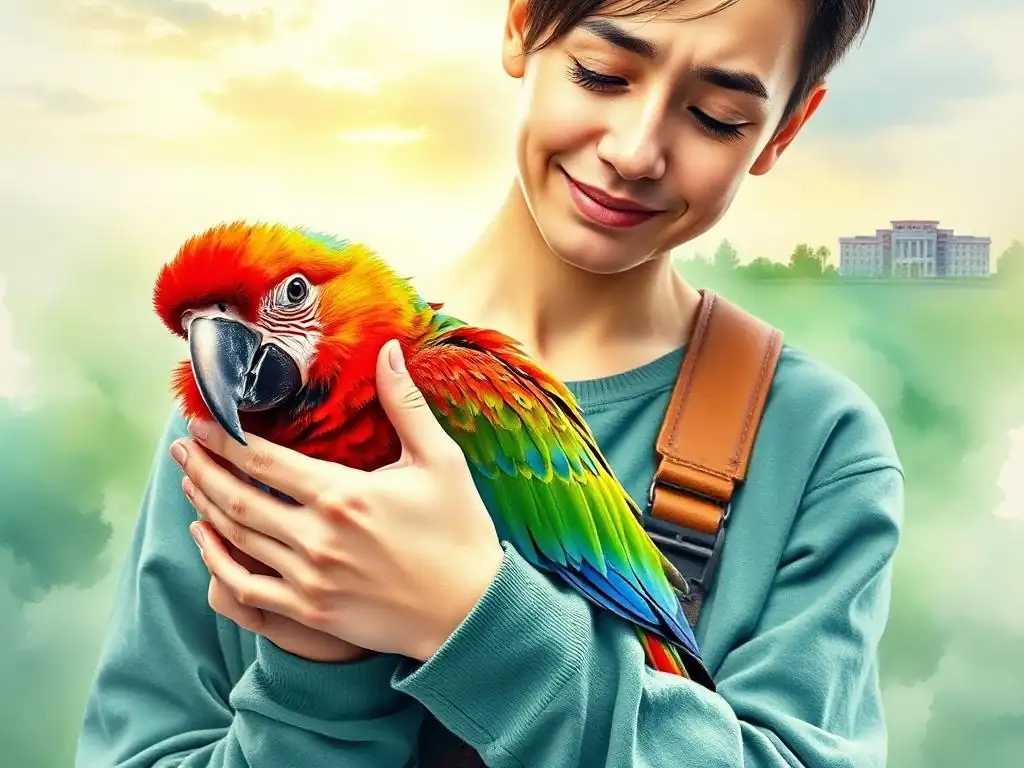
Finding the right avian veterinarian is only half the battle. Successfully navigating your first appointment requires preparation to ensure your feathered friend receives the best possible care. This section details crucial steps to maximize the effectiveness of your visit and help your bird feel as comfortable as possible. Remember, proactive preparation is key to a positive experience for both you and your avian companion. Let's dive into the specifics of preparing for this important appointment. Efficient preparation will make the process smoother and more beneficial for your bird's health.
Gathering Relevant Information About Your Bird
Before your appointment, meticulously gather comprehensive information about your bird's history. This detailed record will assist the avian veterinarian in providing accurate diagnosis and treatment. Think of it as creating a detailed "avian patient file." Key information includes:
- Species and Breed: Precise identification is vital. Knowing the exact species (e.g., Amazona aestiva for a Blue-fronted Amazon) is crucial, as different species have unique health concerns.
- Age: Accurate age estimation, even an approximate range, is helpful. Young birds have different vulnerabilities than mature birds.
- Diet: Provide a detailed description of your bird's daily diet, including the type and amount of food, supplements, and treats. Note any recent dietary changes.
- Housing: Describe your bird's cage size, materials, location in your home (temperature, light exposure), and cleaning routine.
- Behavioral Changes: Document any recent behavioral shifts, such as lethargy, changes in appetite, vocalizations, feather plucking, or unusual droppings. Specific examples are key.
- Medical History: If your bird has had prior illnesses, injuries, or treatments, compile all relevant records, including previous diagnoses, medications administered, and the names of any previous veterinarians. Include dates whenever possible.
- Current Medications: List any medications your bird is currently taking, including dosage and frequency.
This comprehensive information forms the foundation for a successful consultation. The more detailed your information, the more accurate and efficient the vet's assessment will be. Think of it as providing a comprehensive history to help the avian vet understand your bird's unique needs.
Preparing Your Bird for Transport to the Vet
Transporting a bird safely and calmly is crucial to reduce stress. Improper handling can lead to injury or exacerbate existing health issues. Consider these essential steps:
- Secure Carrier: Use a sturdy, well-ventilated carrier designed for birds. Ensure it's appropriately sized for your bird to move around slightly but not excessively. Avoid carriers that are too large or too small.
- Familiar Items: Include a familiar toy or perch in the carrier to provide comfort and reduce anxiety during transport. The more comfortable your bird is, the easier the appointment will be.
- Food and Water: Provide a small amount of your bird's regular food and water in travel-friendly containers. Dehydration is a major concern.
- Towel: A soft towel can help your bird feel secure. It can be placed at the bottom of the carrier or draped over the top for added security.
- Temperature Control: Protect your bird from extreme temperatures during transport. Avoid direct sunlight or extreme cold.
- Minimize Handling: Handle your bird gently and swiftly to minimize stress. Avoid unnecessary movements or loud noises.
Communicating Effectively with Your Avian Veterinarian
Clear and concise communication is paramount. Before your appointment, prepare a list of questions and concerns. This will ensure you address all your worries and receive the necessary information. Consider these points:
- Detailed Questions: Formulate specific questions rather than broad inquiries. For example, instead of asking "Is my bird sick? ", describe the symptoms and ask, "My bird has been lethargic and has had watery droppings for the past two days. What could be causing this?"
- Accurate Descriptions: Use precise language when describing your bird's symptoms. Avoid vague terms like "not feeling well." Instead, describe the symptoms clearly and objectively.
- Note Taking: Bring a notepad or use your phone to record the veterinarian's advice and recommendations. This ensures you don't miss any crucial information.
- Ask for Clarification: Don't hesitate to ask for clarification if you don't understand something. Avian veterinary medicine can be complex, so ensure you fully grasp the diagnosis and treatment plan.
- Follow-Up: Follow the veterinarian's instructions carefully and schedule any necessary follow-up appointments. Consistent care is crucial for your bird's well-being.
Remember, proactive preparation is crucial for a smooth and successful visit to the avian veterinarian. By following these tips, you can ensure your bird receives the best possible care. Finding the right avian vet near me is just the first step; proper preparation ensures the best outcome for your beloved feathered friend.
Beyond the Initial Visit: Maintaining Your Bird's Health
Finding a qualified avian veterinarian is only the first step in ensuring your feathered friend thrives. Consistent care and proactive health management are crucial for preventing illness and ensuring a long, happy life for your bird. This section focuses on maintaining your bird's health after you've established a relationship with a specialized avian vet.
Remember, preventative care is key to finding and treating potential problems early, saving you time, money, and heartache in the long run. Successfully navigating the journey of avian pet ownership hinges on understanding and acting on the signs your bird may be exhibiting. This is crucial for preventing minor issues from escalating into more serious health problems.
Establishing a Regular Healthcare Schedule for Your Bird
Just like humans, birds need regular checkups. The frequency of these visits will depend on your bird's age, breed, and overall health. However, a good rule of thumb is to schedule annual wellness exams for adult birds. These exams typically include a thorough physical examination, weight check, and fecal analysis to detect any internal parasites. Younger birds, or those with pre-existing conditions, may require more frequent visits – perhaps every six months. During these visits, your avian vet can:
- Assess your bird's overall health and body condition.
- Check for any signs of illness or injury.
- Administer necessary vaccinations.
- Discuss dietary needs and provide nutritional guidance.
- Address any behavioral concerns.
Think of these visits as an investment in your bird's well-being. Early detection of potential problems through regular checkups can often lead to more effective and less costly treatment. Don't delay scheduling these important appointments – your bird's health is worth it! Remember to keep detailed records of your bird’s visits, including dates, observations made by the vet, and any treatments administered. This information will be invaluable in tracking your bird’s health over time and in identifying potential trends.
Recognizing Early Warning Signs of Avian Illness
Even with regular checkups, it’s essential to know the signs of avian illness. Early detection is crucial for successful treatment. Changes in your bird's behavior, appetite, or droppings can all signal a potential problem. Some common early warning signs include:
- Changes in droppings: Diarrhea, changes in color or consistency, or increased frequency.
- Lethargy or decreased activity: If your bird is less active than usual, or seems listless and sleepy, this could indicate illness.
- Changes in appetite: Sudden loss of appetite or increased thirst can be warning signs.
- Respiratory distress: Difficulty breathing, wheezing, or gasping for air.
- Feather plucking or changes in plumage: Excessive feather plucking or dull, ruffled feathers can suggest underlying health issues.
- Changes in vocalizations: Unusual vocalizations, such as squawking or screeching, can indicate discomfort or distress.
If you notice any of these changes, contact your avian veterinarian immediately. Don't wait to see if the symptoms improve on their own; prompt veterinary care is essential for the best possible outcome. Early intervention can often make a significant difference in the prognosis. Remember, your bird can't tell you what's wrong; it's up to you to be observant and responsive to any changes in their behavior or appearance.
Proactive Bird Health Management and Prevention
Proactive health management is key to preventing illness in your avian companion. This includes providing a safe and stimulating environment, a balanced diet, and proper hygiene practices. Consider these important aspects of proactive bird care:
- Nutrition: A balanced diet is fundamental to your bird’s health. Consult your avian vet for recommendations on appropriate food choices for your specific bird species. Avoid feeding processed foods, and ensure fresh water is always available.
- Hygiene: Regular cleaning of your bird's cage and toys is crucial in preventing the spread of bacteria and disease. Use appropriate cleaning solutions and avoid harsh chemicals.
- Environmental Enrichment: Provide a stimulating environment for your bird, including toys, perches, and opportunities for exercise and exploration. A bored bird is more prone to stress and illness.
- Preventative Veterinary Care: Regular checkups, as discussed earlier, are a crucial part of proactive health management. Don't underestimate the value of these visits; they can identify potential problems before they become serious.
By taking a proactive approach to your bird's health, you can significantly reduce the risk of illness and ensure a longer, healthier life for your feathered friend. Remember, a healthy bird is a happy bird! Investing in preventative care is an investment in your bond with your avian companion. This dedication to their well-being will be richly rewarded with years of companionship and joy.
Frequently Asked Questions
How can I find an avian vet near me?
Use online search engines like Google, Bing, or specialized pet directories. Look for "avian veterinarian near me" or "exotic animal vet near me". Many veterinary practices list their specialties online.
What makes an avian vet different from a regular vet?
Avian vets receive specialized training in the unique anatomy, physiology, and diseases of birds. They possess the knowledge and equipment to properly diagnose and treat avian patients. Regular vets may lack this expertise.
What should I ask a potential avian vet before my appointment?
Inquire about their experience with birds, their availability for emergencies, and their fees. Ask about their diagnostic capabilities and what type of birds they commonly treat.
My bird is showing symptoms, how urgently do I need to find an avian vet?
If your bird exhibits signs of illness like lethargy, ruffled feathers, changes in droppings, or respiratory distress, seek immediate veterinary attention. Delaying treatment can worsen the condition.
Are all avian vets equally equipped to handle all types of birds?
While many avian vets treat a wide range of birds, some may specialize in certain species. It's best to find a vet with experience in your specific bird's type for the best care. Confirm their expertise before your appointment.
Final Reflection: The Flight to Wellness: Finding the Right Avian Care
The health and well-being of our feathered companions are intrinsically linked to access to specialized care. Finding a qualified avian veterinarian shouldn't be a daunting task, yet for many bird owners, it remains a significant hurdle. This article aimed to simplify that search, empowering bird lovers to provide the best possible care for their beloved pets.
The journey to finding the right avian vet is more than just a search; it's a testament to the growing recognition of the unique needs of our avian friends. The bond we share with our birds is profound, demanding a level of understanding and care that extends beyond general veterinary practice. The greatness of a nation and its moral progress can be judged by the way its animals are treated.
– Mahatma Gandhi. This quote, while broad, speaks to the responsibility we bear in ensuring the well-being of all creatures, particularly those who depend entirely on us. The increasing availability of resources and specialized care reflects a positive shift in societal awareness and compassion.
Now, consider your own feathered friend. Have you taken the time to research and locate a qualified avian veterinarian in your area? Take action today. Don't wait until an emergency arises. Proactive care, facilitated by access to the right professional, is the key to a long and happy life for your bird. Make that call, schedule that appointment, and embark on a journey of partnership with a veterinarian who understands the unique needs of your avian companion. Their well-being depends on it.
Unlock Your Feathered Friend's Best Health: Find the Perfect Avian Vet Now!
Finding the right avian veterinarian is crucial for your bird's health and well-being. You're now equipped with the knowledge to ensure your feathered friend receives the best possible care. Ready to put it into practice?
- Schedule a consultation with a veterinarian specializing in avian care today. Preventative care is vital; don't wait until your bird shows symptoms.
- Share this article with fellow bird enthusiasts. Helping others find excellent avian vets makes a significant difference in the lives of many birds.
- Deepen your understanding of avian care by exploring online resources, joining a local bird-owners' group, or even taking specialized courses in bird care.
What's the most important thing you've learned today about finding the perfect avian veterinarian for your beloved pet?