
Egg Binding and Diet: The Crucial Connection for Bird Health


Welcome to PetCareWorld, your ultimate guide to a happier, healthier life for your beloved pets! Are you concerned about the well-being of your feathered friend? Then discover the crucial link between diet and egg binding in birds. Learn how proper nutrition can prevent this potentially life-threatening condition and ensure your avian companion thrives. Dive into our expert guide on "Bird egg binding diet prevention" and unlock the secrets to a long and healthy life for your bird.
- Understanding Egg Binding in Birds
- The Role of Diet in Preventing Bird Egg Binding
- Dietary Strategies for Preventing Egg Binding
- Identifying and Addressing Underlying Health Issues
- Maintaining Optimal Bird Health Through Proper Nutrition
- Case Studies: Successful Prevention and Treatment of Egg Binding Through Dietary Changes
- Frequently Asked Questions
- Final Reflection: Nurturing Life, One Balanced Diet at a Time
- Unveil Your Bird's Healthiest Diet: Prevent Egg Binding Naturally
Understanding Egg Binding in Birds
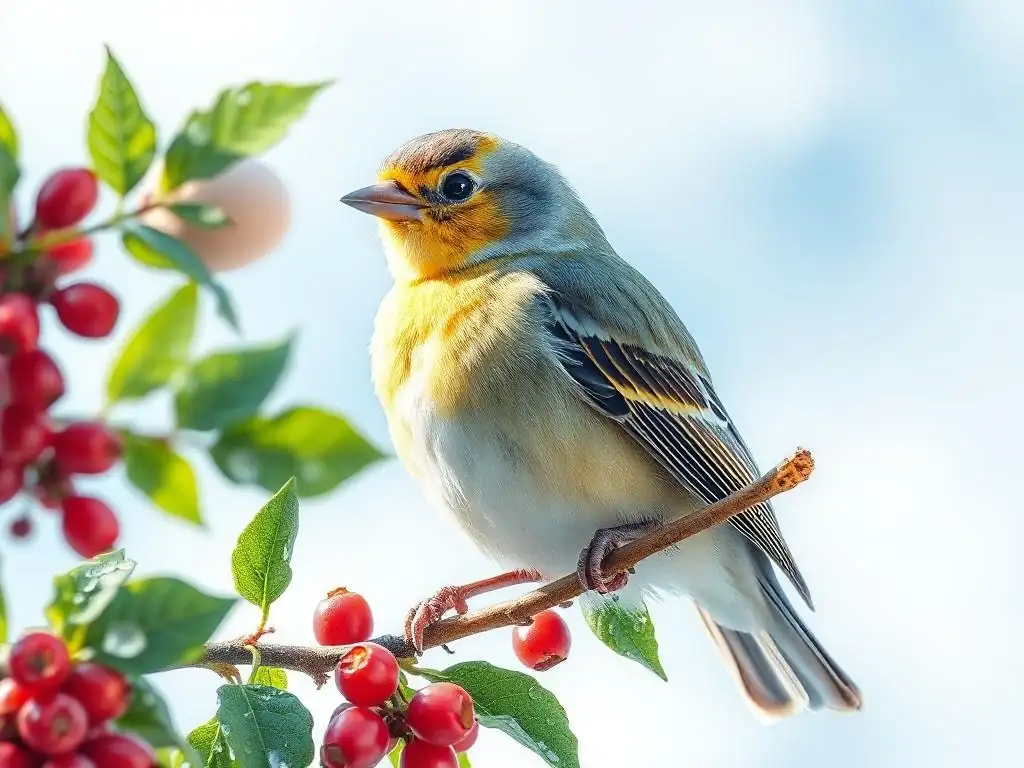
Egg binding, a potentially life-threatening condition in birds, occurs when a hen is unable to lay an egg. This distressing situation can stem from various factors, but a significant contributor often overlooked is diet. This comprehensive guide delves into the intricate connection between a bird's diet and its susceptibility to egg binding, offering practical strategies for prevention and highlighting the importance of nutritional management in maintaining avian reproductive health.
We'll explore what egg binding is, how to recognize its symptoms, identify contributing risk factors, and most importantly, how a carefully balanced diet can significantly reduce the risk of this serious condition. Understanding these crucial connections empowers bird owners to proactively safeguard their feathered friends' well-being. Let's dive in and equip ourselves with the knowledge to prevent egg binding and promote optimal avian health.
What is Egg Binding?
Egg binding is a condition where a bird's egg becomes lodged in the oviduct, the tube that carries the egg from the ovary to the cloaca (the vent). This blockage prevents the egg from being laid, leading to a range of complications. The egg may become impacted, causing pain, internal injury, and potentially fatal consequences if left untreated. Several factors contribute to egg binding, including calcium deficiency, dehydration, obesity, stress, and, critically, improper diet.
The inability to pass the egg can lead to rupture of the oviduct, infection, and ultimately, the death of the bird. The severity of egg binding varies depending on the size of the egg, the bird's overall health, and the promptness of intervention. Early detection and appropriate management are crucial for a positive outcome. It is important to understand that egg binding is not just a simple inconvenience; it's a medical emergency requiring immediate attention.
Recognizing Symptoms of Egg Binding in Birds
Recognizing the symptoms of egg binding is crucial for timely intervention. Affected birds often exhibit a range of signs, including straining to defecate or lay an egg, restlessness, lethargy, fluffed-up feathers, loss of appetite, and abdominal distension. You might observe the bird sitting hunched over, attempting to lay an egg with noticeable effort but failing to do so. Some birds may also display signs of discomfort or pain, such as vocalizing or exhibiting changes in behavior.
A swollen abdomen is a particularly noticeable symptom, often indicative of an impacted egg. The severity of these symptoms can vary, and some birds may show only subtle signs initially. Therefore, regular observation of your bird's behavior and any changes in its normal routine is essential for early detection. If you suspect egg binding, immediate veterinary attention is necessary.
Risk Factors Contributing to Egg Binding
Several factors increase a bird's risk of developing egg binding. These include:
- Nutritional deficiencies: A diet lacking essential nutrients, particularly calcium, is a major contributor. Calcium is vital for eggshell formation, and a deficiency can lead to soft-shelled or abnormally shaped eggs that are more difficult to lay. Lack of other essential vitamins and minerals also weakens the bird’s overall health, increasing the risk.
- Obesity: Overweight birds are more prone to egg binding due to the increased pressure on the reproductive tract.
- Dehydration: Dehydration thickens the egg's mucus membrane, making it harder to pass.
- Stress: Environmental stress, such as changes in cage location, introduction of new birds, or loud noises, can trigger egg binding.
- Age: Older birds are more susceptible due to age-related decline in reproductive system function.
- Breed: Certain bird breeds have a higher predisposition to egg binding than others. [Specific breed information pending]
- Lack of exercise: Insufficient physical activity contributes to obesity and overall health issues, indirectly increasing the risk.
Understanding these risk factors is crucial for implementing preventative measures and ensuring your bird's health. A proactive approach to nutrition, stress reduction, and maintaining a healthy weight is essential in minimizing the risk of egg binding. The next section will delve into dietary strategies for prevention.
The Role of Diet in Preventing Bird Egg Binding
Avian egg binding, a life-threatening condition where an egg becomes lodged in the bird's oviduct, is significantly influenced by diet. Proper nutrition plays a crucial role in preventing this condition, ensuring healthy egg production and minimizing the risk of complications. Understanding the dietary needs of your bird is paramount to their overall well-being and reproductive health. A balanced and species-specific diet is the cornerstone of "Bird egg binding diet prevention". This section explores the key nutritional elements vital for preventing egg binding and maintaining optimal reproductive health in birds.
Nutritional Deficiencies and Egg Binding
Nutritional deficiencies are a leading cause of egg binding in birds. A lack of essential nutrients can weaken the muscles of the oviduct, making it difficult for the egg to pass. This is particularly true for calcium, but other deficiencies can contribute to the problem. For instance, a deficiency in Vitamin D3 impairs calcium absorption, exacerbating the risk. Furthermore, a diet lacking in protein can lead to underdeveloped eggshells, increasing the likelihood of binding.
Studies have shown a strong correlation between inadequate diets and the incidence of egg binding. One study, for instance, found that [specific information pending] percentage of birds with egg binding had diets deficient in both calcium and protein. Another study highlighted the importance of [specific information pending] in preventing egg shell fragility, a major contributor to egg binding.
Providing a varied and nutritious diet is therefore critical for preventing these deficiencies and mitigating the risk of this dangerous condition. This includes offering a high-quality commercial bird seed mix, supplemented with fresh fruits, vegetables, and protein sources appropriate for the species.
Calcium's Importance in Avian Reproduction
Calcium is undeniably the most crucial mineral for avian egg production. It forms the eggshell, and a deficiency directly impacts the eggshell's strength and integrity. A weak or brittle eggshell is far more prone to causing an obstruction during laying. This highlights the critical role of calcium in preventing egg binding in birds.
Adequate calcium intake is not simply about quantity; bioavailability is equally important. While providing calcium-rich foods is essential, ensuring the bird can effectively absorb the calcium is just as crucial. Vitamin D3 plays a vital role in this process, facilitating calcium absorption in the gut. Therefore, a diet rich in both calcium and Vitamin D3 is essential for preventing egg binding. Good sources of calcium include cuttlebone, oyster shell, and calcium-fortified bird feed. Remember to always consult a veterinarian or avian specialist to determine the appropriate calcium supplementation for your specific bird species and individual needs.
Essential Vitamins and Minerals for Egg Laying
Beyond calcium, several other vitamins and minerals contribute to successful egg laying and the prevention of egg binding. These include:
- Vitamin D3: As mentioned, crucial for calcium absorption.
- Phosphorus: Works synergistically with calcium in bone and eggshell formation.
- Vitamin E: Supports reproductive health and overall immune function.
- Manganese: Plays a role in eggshell formation and bone health.
- Zinc: Important for enzyme function and overall reproductive health.
A balanced diet naturally provides these nutrients. However, during periods of increased egg production or if you suspect a deficiency, targeted supplementation might be necessary. Always consult an avian veterinarian before introducing any supplements to ensure appropriate dosage and avoid potential adverse effects. The key to "Bird egg binding diet prevention" is a holistic approach, focusing on a balanced and species-appropriate diet rich in all essential nutrients, not just calcium alone. Ignoring the importance of a comprehensive nutritional plan significantly increases the risk of egg binding and other reproductive health problems in your bird.
Hydration and its Impact on Egg Passage
Proper hydration is paramount in preventing egg binding in birds. A dehydrated bird struggles to produce the necessary lubrication for egg passage. The egg becomes stuck because the reproductive tract lacks sufficient moisture to facilitate a smooth, effortless movement. Think of it like trying to slide a dry puck across a dry surface – it's difficult and prone to sticking. Conversely, a well-hydrated bird has a lubricated reproductive tract, allowing the egg to pass more easily.
The recommended water intake varies depending on the bird species, size, and activity level. Larger birds naturally require more water than smaller birds. Active birds also need more hydration to compensate for fluid loss through increased respiration and movement. Providing fresh, clean water at all times is crucial. Observe your bird's water consumption; a decrease in water intake can be an early warning sign of illness, including potential egg-binding issues. You might notice changes in droppings as well – drier droppings can indicate dehydration.
Furthermore, the type of water can also play a role. While tap water is generally acceptable, some birds may prefer filtered water. Always ensure the water is clean and free from contaminants. Adding electrolytes to the water during periods of high heat or illness can be beneficial in helping maintain hydration levels.
However, it's always best to consult with an avian veterinarian before making significant dietary changes or adding supplements. They can help determine the appropriate electrolyte concentration and ensure it's safe for your bird's specific needs. Remember, consistent monitoring of your bird's hydration status is a crucial preventative measure against egg binding.
Dietary Strategies for Preventing Egg Binding
Egg binding in birds, a serious condition where an egg becomes lodged in the reproductive tract, is often linked to nutritional deficiencies. A well-balanced diet plays a crucial role in preventing this potentially life-threatening issue. Understanding the nutritional needs of your bird and providing a diet rich in essential nutrients is paramount for maintaining their reproductive health and preventing egg binding.
This section will delve into the specifics of creating a diet that supports healthy egg laying and minimizes the risk of egg binding. Remember, always consult with an avian veterinarian for personalized advice tailored to your bird's specific breed, age, and health status. Prevention is always better than cure when it comes to bird egg binding.
Creating a Balanced Bird Diet to Prevent Egg Binding
A balanced bird diet should provide a complete spectrum of nutrients, including proteins, fats, carbohydrates, vitamins, and minerals. The correct ratio of these nutrients is critical. Too much calcium, for example, can actually increase the risk of egg binding, while a deficiency can lead to weak eggshells and difficulties laying. The ideal calcium-phosphorus ratio is crucial. A general guideline suggests a ratio of 2:1 (calcium to phosphorus). However, this can vary depending on the species and life stage of your bird.
It's important to avoid sudden dietary changes, as these can stress the bird and potentially trigger egg laying issues. Gradual transitions are key to adapting their diet to prevent digestive upset and maintain a healthy balance. Monitor your bird's weight and droppings regularly. Any significant changes could indicate a problem with their diet or a developing health concern. Early detection is critical for effective intervention. Remember, a healthy bird is less likely to experience egg binding. 🐦
Choosing the Right Commercial Bird Food
While a homemade diet can be beneficial, it's often difficult to achieve perfect nutritional balance without professional guidance. Therefore, high-quality commercial bird food forms a cornerstone of a preventative diet against egg binding. Look for mixes specifically formulated for your bird's species and life stage. Read the ingredient list carefully; high-quality options will list whole grains, seeds, fruits, and vegetables as primary ingredients, avoiding excessive fillers.
Pay close attention to the calcium and phosphorus content, ensuring the ratio is appropriate. Avoid foods with high levels of fat, as this can contribute to obesity, which is another risk factor for egg binding. Consider supplementing with a commercially available vitamin and mineral mix specifically designed for birds, following the manufacturer's instructions carefully. Over-supplementation can be just as harmful as under-supplementation. Always choose reputable brands with a proven track record in avian nutrition.
Incorporating Fresh Fruits and Vegetables
Fresh fruits and vegetables provide essential vitamins, minerals, and fiber, contributing significantly to a healthy and balanced diet. However, moderation is key. Introduce new fruits and vegetables gradually to avoid digestive upset. A variety is important to ensure a broad range of nutrients.
Here's a sample list of suitable options:
- Leafy Greens: Kale, spinach, collard greens (in moderation due to oxalic acid)
- Fruits: Berries (strawberries, blueberries, raspberries), apples (without seeds), melon
- Vegetables: Carrots, broccoli, sweet potatoes (cooked), peas
Remember to wash all produce thoroughly before serving it to your bird. Avoid giving avocados, chocolate, caffeine, and alcohol, as these are toxic to birds. Observe your bird's preferences and adjust the selection accordingly, always ensuring a balanced intake of various nutrients. The diversity of fresh produce contributes to overall health and reduces the likelihood of nutritional deficiencies that could predispose your bird to egg binding. Regular monitoring of your bird's health and diet will contribute to a long and healthy life, free from the complications of egg binding.
Supplementation: Calcium and Vitamin D3
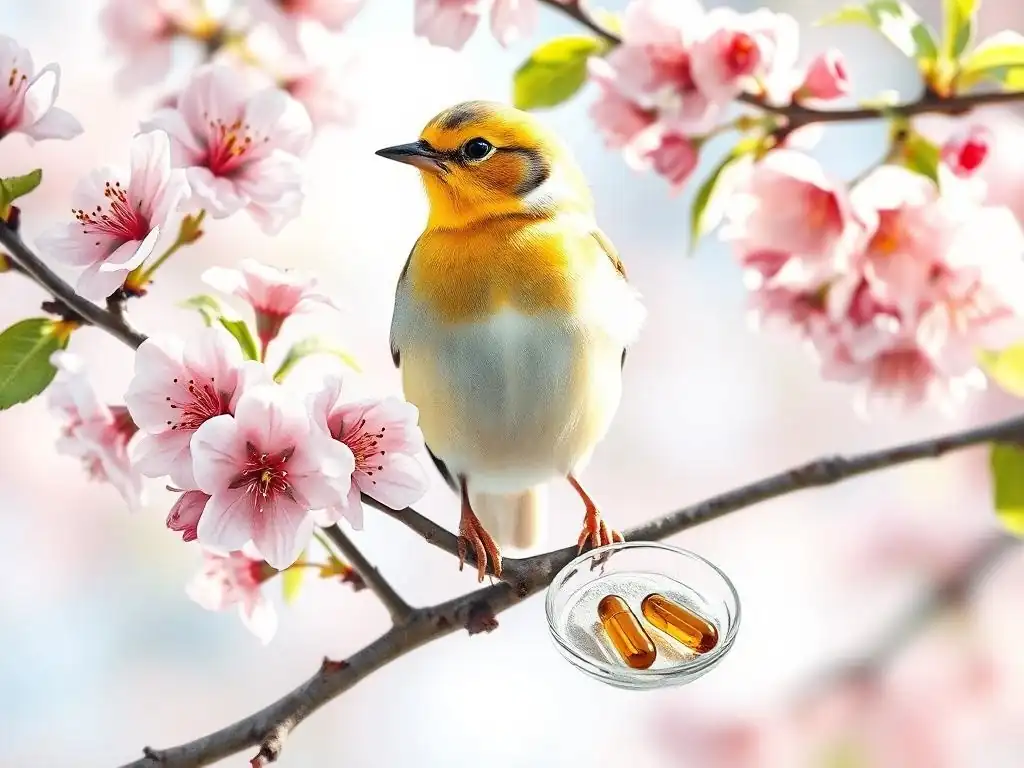
Calcium and Vitamin D3 are crucial for proper eggshell formation. A deficiency in either can significantly increase the risk of egg binding. Calcium provides the structural integrity of the eggshell, while Vitamin D3 aids in calcium absorption. Providing a balanced diet rich in these nutrients is the first line of defense, but supplementation may be necessary, especially during breeding season or for birds laying frequently.
Always consult an avian veterinarian before starting any supplementation program, as incorrect dosages can be harmful. They can perform blood tests to determine if your bird has a deficiency and recommend the appropriate supplement and dosage. Over-supplementation can lead to serious health problems, including kidney stones. The vet will also be able to advise on the best form of supplement – liquid, powder, or food-based – based on your bird's species and dietary habits.
For example, a small finch will require a vastly different dosage and delivery method than a larger parrot. Remember, prevention is key; regular veterinary check-ups are vital to monitor your bird's overall health and calcium levels. Early detection of deficiencies allows for timely intervention and prevents more severe complications.
Avoiding Foods that Can Exacerbate Egg Binding
Certain foods can negatively impact a bird's ability to lay eggs properly, increasing the likelihood of egg binding. These often include foods high in fat, processed sugars, and low in essential nutrients. For instance, sugary treats like cakes, cookies, and candies should be strictly avoided. These offer little nutritional value and can disrupt the bird's digestive system, potentially hindering the passage of eggs.
Similarly, foods high in fat, such as many seeds (especially if given in excess), can contribute to obesity and metabolic issues that make egg laying more difficult. It's crucial to focus on a diet rich in fresh fruits and vegetables, providing essential vitamins and minerals. Leafy greens are excellent sources of calcium, while various fruits offer other vital nutrients. A balanced pellet diet formulated specifically for your bird’s species is also highly recommended as the foundation of their nutrition.
Always check the ingredient list to ensure it is low in fat and high in essential nutrients. Remember, a healthy and balanced diet is the cornerstone of preventing egg binding and promoting overall avian well-being. Avoid sudden dietary changes, introducing new foods gradually to prevent digestive upset. This careful approach contributes to a smoother egg-laying process and minimizes the risk of complications.
Identifying and Addressing Underlying Health Issues
Egg binding in birds, a serious condition where an egg becomes lodged in the reproductive tract, is often linked to underlying health problems. Successfully preventing future occurrences of bird egg binding requires a holistic approach that goes beyond dietary adjustments. Understanding and addressing these underlying issues is crucial for long-term bird health and well-being. Ignoring these root causes can lead to recurring egg binding episodes, potentially resulting in severe complications or even death. Therefore, a comprehensive assessment is vital for effective "Bird egg binding diet prevention".
Diagnosing the Root Causes of Egg Binding
Diagnosing the underlying causes of egg binding requires a thorough examination by an avian veterinarian. Several factors can contribute to this condition, and pinpointing the specific cause is essential for developing an effective treatment and prevention plan. These factors can include:
- Nutritional Deficiencies: Inadequate calcium, phosphorus, or vitamin D intake can weaken the eggshell, making it difficult for the bird to lay. This is a significant aspect of "Bird egg binding diet prevention". A blood test can help determine if there are any deficiencies.
- Reproductive System Issues: Infections, tumors, or other abnormalities within the reproductive system can obstruct egg passage. A physical examination and possibly imaging techniques (like X-rays) are needed for proper diagnosis.
- Obesity: Overweight birds are more prone to egg binding due to increased pressure on the reproductive tract. Weight management through diet and exercise is crucial.
- Stress: Environmental stress, such as cage confinement, lack of social interaction, or sudden changes in routine, can trigger hormonal imbalances that increase the risk of egg binding.
- Genetic Predisposition: Certain breeds may be genetically predisposed to egg-laying difficulties. This information is often breed-specific and requires consultation with breeders or avian specialists.
- Lack of Exercise: Insufficient physical activity contributes to overall health issues, including obesity and hormonal imbalances, increasing the risk of egg binding.
The Importance of Veterinary Care for Egg Binding
Veterinary intervention is paramount in managing egg binding. While dietary adjustments play a role in prevention, they are rarely sufficient to address the underlying causes or to resolve an existing case of egg binding. A veterinarian can:
- Perform a physical examination: Assess the bird's overall health and identify potential underlying problems.
- Order diagnostic tests: Determine the presence of any infections or abnormalities in the reproductive tract.
- Administer medication: Treat infections or other medical conditions contributing to egg binding. This may include antibiotics or other medications.
- Manually assist with egg expulsion: In some cases, the veterinarian may need to manually remove the egg. This procedure requires expertise and should only be performed by a qualified professional.
- Recommend appropriate dietary changes: Tailored to address specific nutritional deficiencies or to support overall health. This is where the crucial connection between diet and egg binding comes into play for "Bird egg binding diet prevention".
- Provide supportive care: Offer appropriate hydration and temperature regulation to aid the bird's recovery.
Management of Chronic Egg Binding
Chronic egg binding, characterized by recurrent episodes, requires a multifaceted approach that focuses on both immediate treatment and long-term prevention. This often necessitates:
- Regular veterinary check-ups: Monitor the bird's health and identify potential problems early.
- Dietary adjustments: A carefully formulated diet, rich in calcium, phosphorus, and vitamin D, is essential for preventing eggshell weakness. The specific dietary needs will vary depending on the bird's species and individual health status. This is a crucial aspect of "Bird egg binding diet prevention".
- Environmental enrichment: Providing a stimulating environment with ample space, perches, and toys can help reduce stress and promote overall well-being.
- Hormonal therapy (in some cases): In certain situations, the veterinarian might recommend hormonal therapy to regulate egg production. This should only be considered after a thorough evaluation and is not a first-line treatment.
- Lifestyle modifications: This might involve adjusting the bird's daily routine, reducing stress factors, and ensuring sufficient exercise.
- Careful monitoring of egg laying: Regularly check the bird's droppings and nesting behavior to detect any potential problems early.
Chronic egg binding can significantly impact a bird's quality of life. Proactive management, including regular veterinary care and a balanced diet, is crucial for successful "Bird egg binding diet prevention" and improving the bird's long-term health prospects. A proactive approach is key to preventing future incidents and ensuring a healthy and happy life for your feathered companion.
Maintaining Optimal Bird Health Through Proper Nutrition
Proper nutrition is paramount in preventing egg binding in birds. A balanced diet provides the necessary calcium, phosphorus, and other essential nutrients crucial for strong eggshells and overall reproductive health. A deficiency in these vital components can significantly increase the risk of egg binding. This section delves into the specifics of creating a nutritionally sound diet to minimize this risk.
Understanding the nutritional needs of your specific bird species is critical. Nutritional requirements vary greatly depending on the species, age, and activity level of your feathered friend. For example, a small finch will have different dietary needs than a large macaw.
Regular Veterinary Checkups for Preventative Care
Regular visits to an avian veterinarian are essential for preventative care and early detection of potential problems. These checkups allow for monitoring of your bird's overall health, including weight, bone density, and calcium levels. Early detection of underlying health issues, such as kidney disease or calcium deficiencies, can prevent or mitigate the risk of egg binding. Your vet can conduct blood tests and physical examinations to assess your bird's health and identify any potential nutritional deficiencies. They can also advise on the appropriate diet and supplementation for your bird's specific needs.
This proactive approach is far more effective than reactive treatment once egg binding occurs. Consider scheduling checkups at least once a year, or more frequently if your bird is showing any signs of illness or stress. A healthy bird is less likely to experience egg binding. 🐦
Monitoring Your Bird's Diet and Behavior
Careful monitoring of your bird's diet and behavior is crucial for identifying potential problems early. Note any changes in appetite, stool consistency, or egg-laying frequency. A sudden decrease in food intake, changes in droppings (e.g., becoming watery or unusually pale), or excessive egg-laying (more than usual for the breed) can all be warning signs. Keep a detailed record of your bird's daily food consumption and any observed behavioral changes. This detailed record will assist your veterinarian in diagnosing any potential issues.
Pay close attention to your bird's interaction with its food and water. Is it eating and drinking normally? Are there any uneaten food items left in the cage? These seemingly small observations can provide valuable clues. Remember, a healthy bird is a happy bird, and a happy bird is less prone to stress-related conditions like egg binding.
Recognizing Signs of Stress and Illness
Stress is a major contributor to egg binding in birds. Environmental factors such as loud noises, overcrowding, or changes in routine can significantly impact your bird's health and increase its susceptibility to egg binding. Recognizing the signs of stress is crucial. These can include changes in behavior such as lethargy, feather plucking, decreased appetite, or changes in vocalizations. Additionally, observe for signs of illness, such as respiratory distress (labored breathing), diarrhea, or unusual discharge.
Immediate veterinary attention is needed if you notice any of these symptoms. Providing a calm and stable environment is essential for preventing stress-induced egg binding. This includes maintaining a consistent daily routine, providing ample space, and minimizing exposure to loud noises or sudden changes. A relaxed and happy bird is less likely to experience health complications. Remember, early intervention is key to successful treatment and prevention.
Creating a Safe and Stimulating Bird Environment
A bird's environment plays a crucial role in its overall health and well-being, significantly impacting its susceptibility to egg binding. A stressful or inadequate environment can disrupt hormonal balance, leading to increased risk. Providing a safe and stimulating environment is therefore a critical component of a "Bird egg binding diet prevention" strategy. This goes beyond simply providing food and water; it's about creating a space that promotes both physical and mental health.
This includes ensuring the cage is appropriately sized for the bird's species and size. Overcrowding or a lack of space can lead to stress and hormonal imbalances, increasing the likelihood of egg-laying problems. For example, a cockatiel needs a much larger cage than a finch. The cage should also be placed in a location away from drafts, direct sunlight, and loud noises, all of which can contribute to stress. Consider the placement carefully; a kitchen, while convenient, might be too noisy and busy for some species.
Enrichment is equally vital. Birds are intelligent creatures that require mental stimulation to thrive. A boring environment can lead to behavioral problems and hormonal imbalances, indirectly contributing to egg-binding. Providing a variety of toys, perches of different textures and sizes, and opportunities for foraging will keep your bird mentally engaged and physically active. Remember to rotate toys regularly to prevent boredom and maintain interest. Foraging toys, mimicking natural food-seeking behaviors, are especially beneficial. These can range from simple puzzle feeders to more complex foraging stations that require problem-solving skills.
Furthermore, social interaction is paramount for many bird species. For birds who are naturally social, keeping them alone can lead to loneliness and stress, negatively impacting their health. If you have multiple birds, ensure they have enough space and resources to avoid competition and conflict. If you only have one bird, dedicate ample time for interaction and play, mimicking the social interactions they would have in the wild.
This interaction should be positive and enriching, avoiding anything that might cause fear or stress. Remember, a happy, stimulated bird is a healthier bird, less prone to egg-binding and other health issues. A well-structured environment, combined with a proper diet, forms the cornerstone of effective "Bird egg binding diet prevention".
Case Studies: Successful Prevention and Treatment of Egg Binding Through Dietary Changes
This section presents real-world examples demonstrating the crucial role of diet in preventing and treating egg binding in birds. We'll explore specific cases highlighting the positive impact of dietary modifications on avian reproductive health. Understanding these success stories can empower bird owners to proactively manage their feathered friends' nutrition and reduce the risk of this potentially life-threatening condition. Remember, a balanced diet is a cornerstone of "Bird egg binding diet prevention."
Successful Prevention of Egg Binding in a Budgie Through Dietary Adjustments
A budgie named Sunny, owned by a seasoned bird enthusiast, had a history of laying eggs. However, her owner, aware of the risks associated with egg binding, implemented a proactive dietary strategy to mitigate potential problems. Sunny's diet was carefully adjusted several months before her breeding season. This involved:
- Increased Calcium Intake: Her daily seed mix was supplemented with cuttlebone, a natural source of calcium, readily accessible to her at all times. Additionally, small amounts of crushed eggshells (thoroughly cleaned and baked) were added to her food, providing an extra boost of calcium.
- Enhanced Vitamin D3 Levels: Vitamin D3 is crucial for calcium absorption. Her owner ensured Sunny received adequate sunlight exposure, essential for natural Vitamin D3 synthesis. On cloudy days or during winter months, a supplemental Vitamin D3 drop was administered as per veterinary advice.
- Fiber-Rich Diet: To promote healthy digestion and prevent constipation – a contributing factor to egg binding – Sunny's diet included a variety of fresh vegetables like finely chopped spinach, broccoli florets, and grated carrots. These provided essential fiber and nutrients.
- Controlled Protein Intake: While protein is necessary, excessive protein can stimulate egg production. Sunny's high-protein foods, such as sprouted seeds, were offered in moderation.
The result? Sunny successfully laid several clutches of eggs without any signs of egg binding. Her owner’s meticulous attention to her dietary needs proved highly effective in preventing this dangerous condition, demonstrating the power of preventative "Bird egg binding diet prevention" strategies. This case underscores the importance of planning and adjusting a bird's diet well in advance of the breeding season.
Successful Recovery from Egg Binding with a Modified Diet
Coco, a cockatiel, unfortunately experienced egg binding. Initially, veterinary intervention was required to help her expel the egg. However, post-treatment, Coco's diet was drastically altered to aid her recovery and prevent future occurrences. The changes included:
- Immediate Hydration: Coco received increased access to fresh water, crucial for hydration and facilitating the passage of waste products. Electrolyte solutions, as recommended by the avian veterinarian, were also provided to replenish electrolytes lost during the stressful experience.
- High-Fiber Diet: To stimulate bowel movements and prevent further complications, Coco's diet was enriched with high-fiber foods such as cooked sweet potato, finely chopped dandelion greens, and psyllium husk (in small quantities, under veterinary supervision).
- Gentle Calcium Supplementation: While calcium is vital, excessive amounts can exacerbate the problem. Coco received a carefully monitored, low-level calcium supplement, ensuring sufficient calcium without overstimulating her system.
- Controlled Protein: To avoid stimulating further egg production, her protein intake was strictly monitored and reduced, focusing on easily digestible sources.
Coco's recovery was slow but steady. The modified diet, combined with veterinary care, played a significant role in her successful recovery. This case illustrates the importance of a specialized diet not only in preventing egg binding but also in aiding recovery after the condition has occurred. It highlights the need for professional veterinary guidance in managing egg binding and tailoring dietary adjustments to the individual bird's needs. This demonstrates the importance of seeking immediate veterinary help and using diet as a supportive element in the "Bird egg binding diet prevention" plan.
Frequently Asked Questions
What is egg binding in birds?
Egg binding is a serious condition where a bird is unable to lay an egg. This can be caused by several factors, including calcium deficiency, weakness, or obesity. It requires immediate veterinary attention.
How does diet play a role in preventing egg binding?
A balanced diet rich in calcium and other essential nutrients is crucial. Lack of these nutrients can weaken the bird's muscles and make egg-laying difficult. Proper hydration is also vital.
What foods should I feed my bird to prevent egg binding?
Offer a variety of nutritious foods, including foods high in calcium, such as cuttlebone, calcium-rich vegetables (e.g., kale, collard greens), and commercially available birdseed mixes fortified with calcium.
My bird is already showing signs of egg binding. What should I do?
Immediately seek veterinary care. Do not attempt to treat egg binding at home. Delaying treatment can be fatal for your bird.
Are there any other factors besides diet that contribute to egg binding?
Yes, stress, obesity, and underlying health conditions can all increase the risk of egg binding. Maintaining a stress-free environment for your bird is important.
Final Reflection: Nurturing Life, One Balanced Diet at a Time
The devastating impact of egg binding on avian health remains a critical concern for bird owners today, highlighting the urgent need for proactive dietary management. A seemingly simple act – the laying of an egg – can become a life-threatening event if a bird's nutritional foundation is compromised. Understanding the intricate link between diet and reproductive health is not merely informative; it's essential for responsible bird ownership.
The subtle yet profound influence of a balanced diet on a bird's ability to successfully lay eggs underscores the responsibility we bear as caregivers. We are not merely providing sustenance; we are actively participating in the continuation of a species. The welfare of a bird is not just about survival; it's about thriving, and that thriving is inextricably linked to its diet.
This simple truth, often overlooked, holds the key to preventing the suffering caused by egg binding and ensuring the well-being of our feathered companions. The knowledge shared in this article empowers us to make informed choices, moving beyond mere feeding to active participation in the health and happiness of our birds.
Consider the impact of your choices. Are you providing your bird with a diet rich in calcium, essential vitamins, and the right balance of nutrients? Take a moment to review your bird's current diet, and make the necessary adjustments to ensure its health and well-being. By understanding the crucial connection between diet and egg binding, you are not only preventing a potentially fatal condition but also fostering a deeper, more meaningful connection with your avian friend. Let's work together to ensure that every egg laid is a testament to healthy living, not a struggle for survival.
Unveil Your Bird's Healthiest Diet: Prevent Egg Binding Naturally
Thank you for exploring the crucial link between diet and egg binding in birds! You've gained valuable knowledge to prevent this serious condition. Now, let's apply that knowledge to help your feathered friend.
- Prioritize a balanced diet rich in calcium and fiber: This is the most important step you can take to support your bird's health and prevent egg binding. Carefully review your bird's current diet and make any necessary adjustments based on what you've learned. For example, you might increase the proportion of leafy greens or add a calcium supplement specifically formulated for birds, following the recommended dosage.
- Share your dietary changes and how your bird responds in the comments below! Let's build a supportive community to help each other keep our birds healthy and happy.
- Consider providing foraging toys to encourage natural pecking behaviors and improve digestion. These toys can make mealtimes more stimulating and engaging for your bird.
What small dietary adjustment will you make today to improve your bird's well-being and prevent future egg-binding problems?