
Cockatiel Cage Cleaning: Maintaining a Sanitary Environment

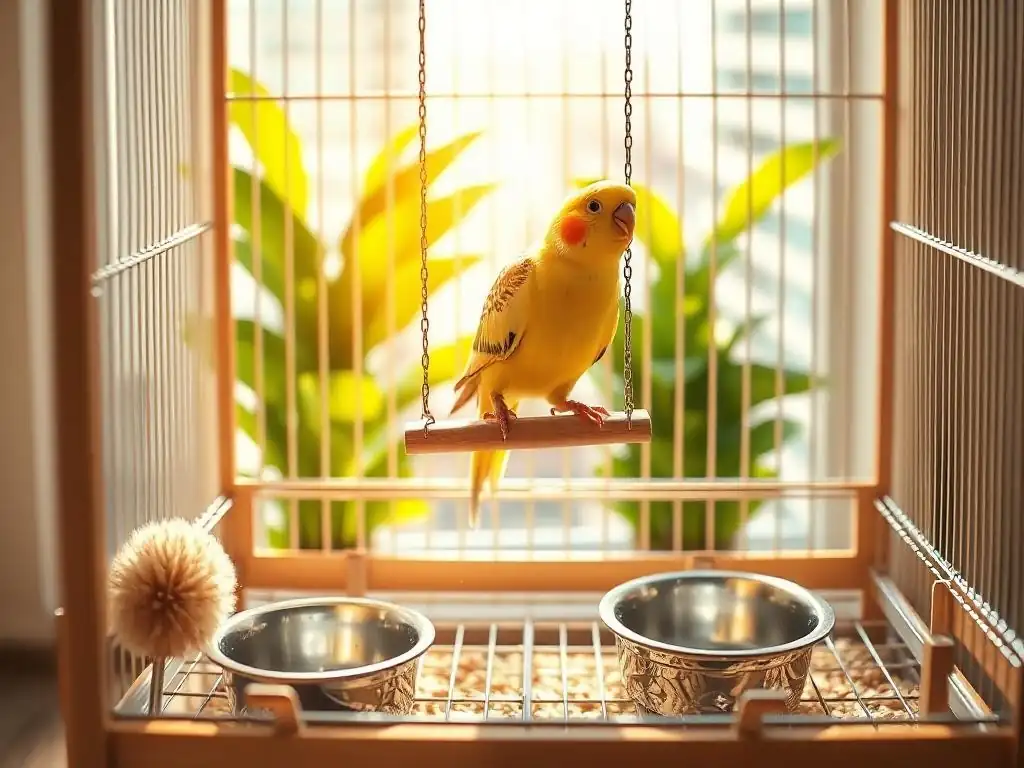
Welcome to PetCareWorld, your ultimate guide to a happier, healthier life for your beloved animal companions! Are you ready to unlock the secrets to a sparkling clean and safe environment for your feathered friend? Our comprehensive Cockatiel cage cleaning guide will equip you with the knowledge and techniques to maintain a sanitary haven for your cockatiel, ensuring their well-being and preventing potential health problems. Dive in and discover the essential steps to a cleaner, healthier cage – and a happier, healthier bird!
The Importance of Regular Cockatiel Cage Cleaning
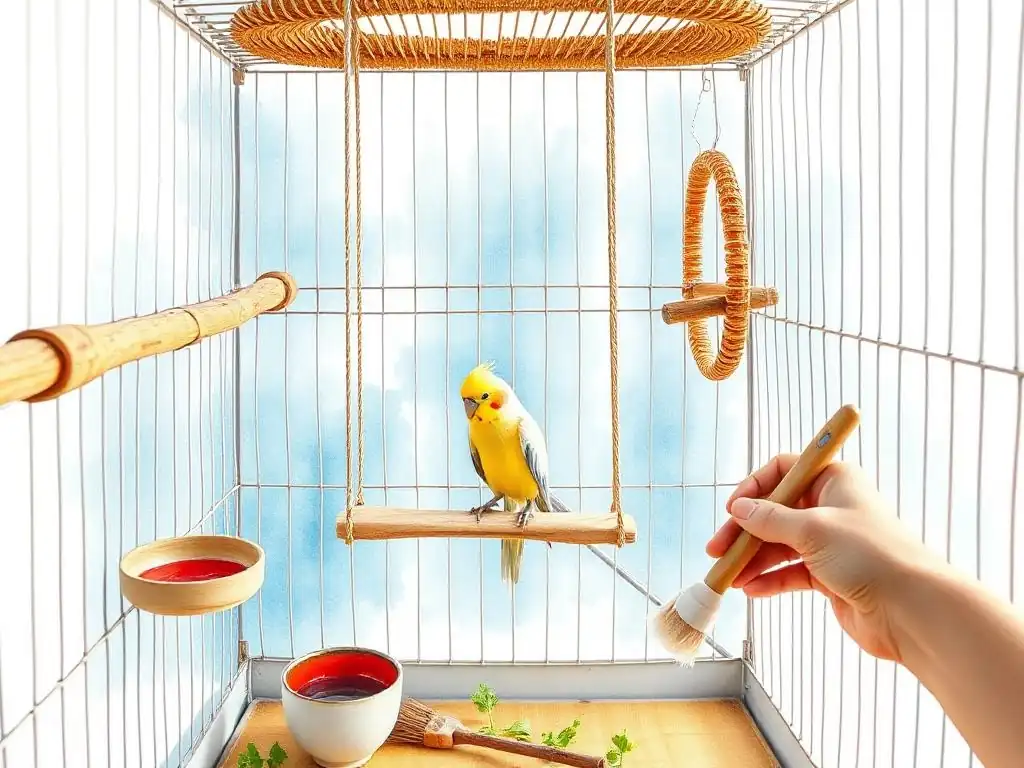
Maintaining a clean and sanitary environment for your cockatiel is crucial for its health and well-being. A neglected cage can quickly become a breeding ground for bacteria, viruses, and parasites, leading to various health problems for your feathered friend. Regular and thorough cleaning not only prevents illness but also contributes to a happier, more comfortable bird. This comprehensive guide will walk you through a step-by-step process for effectively cleaning your cockatiel's cage, ensuring a safe and hygienic living space for your beloved pet.
We'll cover everything from the frequency of cleaning to the best products and techniques to use, empowering you to provide the best possible care. This guide aims to help you master the art of cockatiel cage cleaning, transforming this essential chore into a confident and efficient process. Remember, a clean cage is a happy cockatiel! 🦜
Frequency of Cleaning: Establishing a Routine
The frequency of your cockatiel cage cleaning depends on several factors, including the size of the cage, the number of birds, and your bird's individual habits. However, a general guideline is to spot-clean the cage daily and perform a complete deep clean at least once a week. Spot cleaning involves removing droppings, soiled food, and any other debris from the cage floor and perches. This daily maintenance significantly reduces the buildup of waste and prevents unpleasant odors.
A deep clean, on the other hand, involves a more thorough cleaning of the entire cage, including all accessories. This more intensive process helps to eliminate any lingering bacteria or pathogens and ensures a truly hygienic environment. You might consider increasing the frequency of deep cleaning if you notice a particularly strong odor or if your cockatiel seems unwell. Establishing a consistent cleaning schedule will help you maintain a clean cage without overwhelming yourself. Consider using a checklist or calendar to track your cleaning tasks.
Essential Supplies: Gathering Your Cleaning Arsenal
Before you begin, gather all the necessary cleaning supplies. This will make the process much smoother and more efficient. You'll need:
- A large container or sink filled with warm, soapy water. Use a mild, pet-safe dish soap. Avoid harsh chemicals that could harm your bird.
- Several clean towels or cloths. Microfiber cloths are excellent for their absorbency and ability to remove dirt effectively.
- A scrub brush or sponge. A soft-bristled brush is ideal for delicate cage components.
- A spray bottle filled with a diluted solution of white vinegar and water (a natural disinfectant).
- Paper towels for drying.
- A cage liner (paper or other suitable material).
- New food and water dishes.
Step-by-Step Cleaning Process: A Practical Guide
The cleaning process should be approached methodically to ensure thoroughness and efficiency. Here’s a step-by-step guide:
- Preparation: Remove your cockatiel from the cage and place it in a safe, quiet area. Cover the cage temporarily to minimize stress and disturbance.
- Disassembly: Carefully disassemble the cage, removing all perches, toys, food and water dishes, and any other accessories.
- Washing: Wash all removable parts thoroughly in warm, soapy water. Pay special attention to areas with significant buildup of droppings or food residue. Use your scrub brush or sponge to remove stubborn dirt.
- Rinsing: Rinse all parts thoroughly to remove any soap residue.
- Disinfection: Rinse all parts with a diluted white vinegar solution. This helps to eliminate bacteria and neutralize odors.
- Drying: Dry all parts completely with clean towels or allow them to air dry completely before reassembling.
- Reassembly: Once everything is dry, reassemble the cage, replacing the perches, toys, and other accessories.
- Cage Base: Thoroughly clean and replace the cage liner.
Maintaining a Clean Cage: Ongoing Care and Prevention
Regular cleaning is essential, but proactive measures can minimize the workload. Consider these tips:
- Place food and water dishes in easily accessible locations for quick cleaning.
- Use a cage liner that is easy to replace.
- Rotate toys regularly to prevent excessive build-up of debris.
- Monitor your cockatiel's eating and defecation habits to detect any potential issues early on. Changes in these habits can indicate illness.
By following these guidelines, you can create a clean and healthy environment for your beloved cockatiel, ensuring its long-term health and happiness. Remember, a clean cage is not just about aesthetics; it's a fundamental aspect of responsible pet ownership.
Frequently Asked Questions
How often should I clean my cockatiel's cage?
You should spot clean your cockatiel's cage daily, removing droppings and soiled food. A full cage cleaning, including disinfecting, should be done at least once a week, or more frequently if needed.
What cleaning products are safe for my cockatiel's cage?
Use pet-safe disinfectants diluted according to the manufacturer's instructions. Avoid harsh chemicals like bleach. Warm soapy water is often sufficient for regular cleaning.
How do I safely clean my cockatiel's cage without stressing my bird?
Remove your cockatiel to a safe, quiet location before cleaning. Clean the cage in sections, allowing parts to air dry before reassembling. Never spray disinfectant directly onto your bird or its toys.
What should I do with my cockatiel's toys during cage cleaning?
Remove all toys and wash them separately using pet-safe soap and water. Allow them to air dry completely before returning them to the cage. Replace worn or damaged toys regularly.
What are the signs of a dirty cockatiel cage?
Look for strong odors, excess droppings, and visible build-up of debris. Your cockatiel may also show signs of illness if the cage is unsanitary, such as lethargy or respiratory issues.
Final Reflection: The Enduring Importance of a Clean Cockatiel Home
Maintaining a sanitary cage isn't just about cleanliness; it's about ensuring the health and happiness of your feathered friend. A seemingly small task like regular cage cleaning directly impacts your cockatiel's well-being, preventing illness and fostering a thriving environment. Neglecting this crucial aspect can have serious consequences, highlighting the vital connection between a clean space and a healthy pet.
The impact of proper cage hygiene extends beyond the immediate physical health of your cockatiel; it speaks to the deeper responsibility we have as pet owners. It's a testament to our commitment to providing the best possible life for our companions. As the saying goes, The greatness of a nation and its moral progress can be judged by the way its animals are treated.
This sentiment applies equally to the care we provide our beloved cockatiels, emphasizing the profound connection between our actions and their well-being. A clean cage is a symbol of that commitment.
Now, consider your own cockatiel's environment. Take a moment to reflect on your cleaning routine. Is it thorough enough? Could you improve your methods to create an even healthier and more stimulating space for your bird? I urge you to make a conscious effort to prioritize regular, meticulous cage cleaning. By doing so, you'll not only contribute to your cockatiel's physical health but also strengthen the bond you share, creating a lasting legacy of responsible and loving pet ownership.
Rediscover Your Cockatiel's Happy Home: A Cleaner Cage, A Happier Bird!
Thank you for learning how to keep your feathered friend's environment healthy and happy! You now have the knowledge to create a truly pristine space for your cockatiel. Ready to put it into action?
- Deep clean your cockatiel's cage today! A thorough cleaning, focusing on removing all waste and old food, is the single most impactful step you can take to improve your bird's health and happiness. Use the tips from the article for guidance.
- Share your cleaning tips and experiences with other cockatiel owners in the comments below. Let's build a supportive community dedicated to happy, healthy birds!
- Experiment with different cleaning products and cage setups to find what works best for you and your cockatiel. We'd love to see photos of your setup!
What small change today will make the biggest difference in your cockatiel's comfort and well-being?