
Understanding Bird Cage Water Dish Needs: A Complete Guide

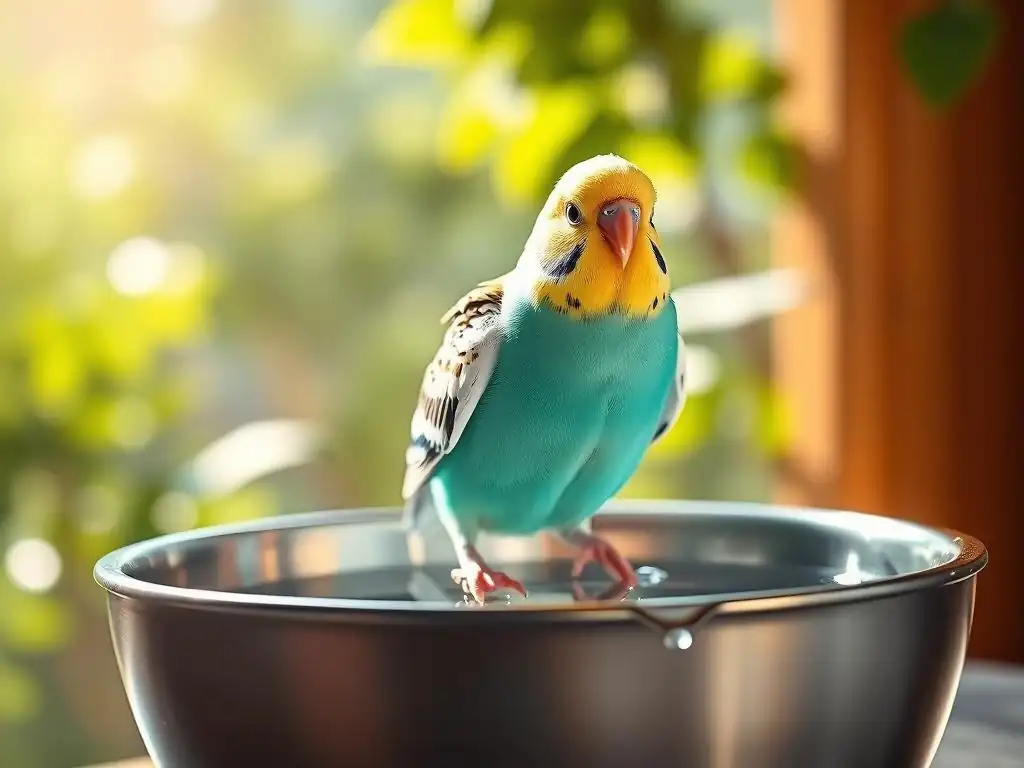
Welcome to PetCareWorld, your ultimate guide to happy and healthy pets! Are you ready to unlock the secrets to providing optimal care for your feathered friend? Finding the right bird water dish size is crucial for their well-being, and we've got the answers you need. Dive into our comprehensive guide on understanding your bird's hydration needs and discover the perfect dish size to keep your avian companion thriving. Let's explore the world of bird care together!
- Choosing the Right Bird Water Dish Size: A Comprehensive Guide
- Types of Bird Water Dishes: Materials, Styles, and Features
- Maintaining Cleanliness and Hygiene in Bird Water Dishes
- Advanced Considerations for Bird Water Dish Selection
- Troubleshooting Common Problems with Bird Water Dishes
- Frequently Asked Questions about Bird Water Dish Selection
- Frequently Asked Questions
- Final Reflection: The Unseen World of Avian Hydration
- Unlock Your Bird's Hydration Happiness!
Choosing the Right Bird Water Dish Size: A Comprehensive Guide
Providing your feathered friend with clean, fresh water is paramount to their health and well-being. This comprehensive guide delves into the crucial aspect of selecting the best bird water dish size, ensuring your avian companion stays hydrated and happy. Finding the perfect water dish isn't just about aesthetics; it's about practicality, hygiene, and preventing spills – all vital for maintaining a clean and comfortable bird cage environment. We'll explore various factors influencing water dish capacity, species-specific recommendations, and practical tips to help you make the best choice for your bird's individual needs.
Choosing the right size directly impacts your bird's hydration, reducing stress and promoting optimal health. This guide will help you navigate the options and select the ideal water dish size, ultimately contributing to a longer, healthier life for your beloved pet. Let's dive into the specifics to ensure your bird always has access to sufficient, clean water.
Determining the Appropriate Water Dish Size for Your Bird Species
The size of your bird's water dish is directly correlated to its size and drinking habits. Smaller birds, like finches or canaries, require significantly smaller dishes than larger birds such as macaws or cockatoos. A dish that's too large can become a breeding ground for bacteria if not cleaned frequently, while a dish that's too small will necessitate more frequent refills, potentially leading to dehydration.
Consider the following when determining the appropriate size:
- Bird Size: Measure your bird's body length to get a general idea of the scale. A good starting point is a dish that allows your bird to comfortably drink without having to submerge its head excessively.
- Drinking Habits: Observe how your bird drinks water. Does it take small sips frequently, or does it prefer larger gulps? Birds with larger drinking habits will benefit from a larger water dish.
- Dish Shape: The shape of the dish can also influence its practicality. Wider, shallower dishes are generally better for smaller birds, while deeper dishes might suit larger birds.
Remember, it's always better to err on the side of slightly larger rather than too small, provided you clean it regularly to prevent bacterial growth. Regular observation of your bird's water consumption will help you fine-tune the dish size. A consistently empty dish indicates a need for a larger capacity or more frequent refills.
Factors Influencing Bird Water Dish Capacity: Number of Birds and Drinking Habits
The number of birds sharing a cage significantly impacts the required water dish capacity. Multiple birds will consume more water collectively than a single bird. A larger water dish will reduce the frequency of refills, minimizing the disruption to your birds and reducing the risk of dehydration.
Beyond the number of birds, individual drinking habits play a crucial role. Some bird species drink more frequently than others, and some birds might even splash water around more than others. These factors should be considered when determining the appropriate water dish size. For example:
| Bird Species | Typical Water Consumption | Recommended Dish Size (approximate) |
|---|---|---|
| Budgerigar (Parakeet) | Moderate | Small to Medium |
| Cockatiel | Moderate to High | Medium to Large |
| African Grey Parrot | High | Large |
This table offers approximate sizes; careful observation of your specific birds' drinking habits is key. Regular monitoring of water levels and adjusting the size as needed is crucial for their health.
Best Bird Water Dish Size: Species-Specific Recommendations and Examples
While a definitive "best" size is impossible without knowing your specific bird, we can offer some species-specific examples based on average size and drinking habits:
- Small Birds (Finches, Canaries): Small, shallow dishes (approximately 2-3 inches in diameter) are generally suitable.
- Medium Birds (Cockatiels, Lovebirds): Medium-sized dishes (approximately 4-6 inches in diameter) are a good starting point.
- Large Birds (Macaws, Amazons): Large, sturdy dishes (8 inches or larger in diameter) are often necessary, potentially even multiple dishes to ensure adequate hydration.
Remember to always prioritize hygiene. Regardless of size, cleaning the water dish daily is crucial to prevent the growth of harmful bacteria. Opt for materials that are easy to clean and sanitize. Providing your bird with fresh, clean water in an appropriately sized dish is a simple yet essential step in ensuring their overall health and happiness. Regular observation and adjustments will ensure you always meet your feathered friend's hydration needs. 🍹
Assessing Your Bird's Water Consumption: A Practical Guide
Determining the appropriate size of your bird's water dish hinges significantly on understanding their individual water intake. This isn't a one-size-fits-all scenario; a tiny finch will naturally consume far less water than a large macaw. Observing your bird's drinking habits is crucial for selecting a suitably sized dish. Begin by monitoring how frequently your bird drinks and how much water they consume in a given period. A simple method is to use a graduated water dish for a few days, noting the water level at the start and end of each day.
This provides a quantifiable measure of daily water intake. Remember to factor in environmental conditions; hotter temperatures and increased activity levels will lead to higher water consumption. Keep a detailed log of your observations, noting not only the amount of water consumed but also the temperature, humidity, and your bird's activity level. This meticulous record will allow you to identify patterns and predict future water needs, guiding your choice of water dish size effectively.
Don't forget that illness can significantly alter water intake; if you notice a sudden change in your bird's drinking habits, consult an avian veterinarian immediately. This careful assessment ensures your bird always has access to sufficient hydration, contributing to their overall health and well-being. Remember, consistent monitoring is key to providing optimal care. 🐦💦
Consider these factors when assessing your bird's water consumption:
- Species: Larger birds naturally drink more water than smaller ones.
- Age: Young birds may drink more frequently than older birds.
- Activity Level: More active birds will require more water.
- Health: Illness can drastically affect water intake.
- Environment: Hotter temperatures and lower humidity increase water needs.
By keeping a close eye on your feathered friend's water intake, you can make informed decisions about choosing the best bird water dish size for their needs. This proactive approach contributes to a healthier and happier bird.
Types of Bird Water Dishes: Materials, Styles, and Features
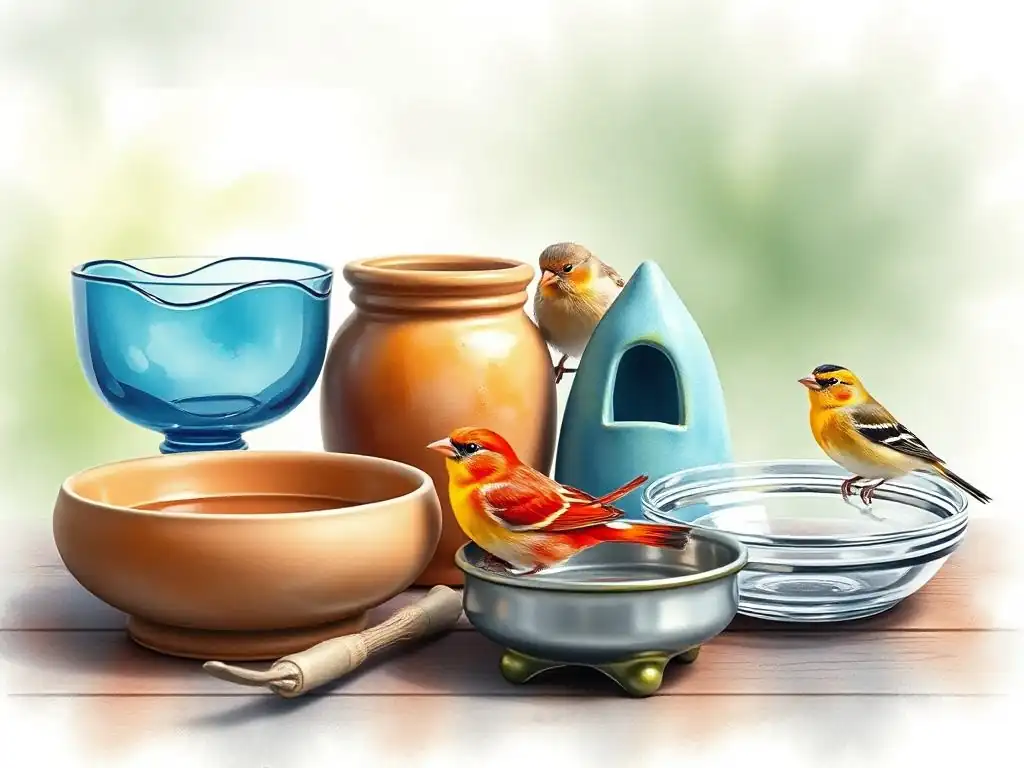
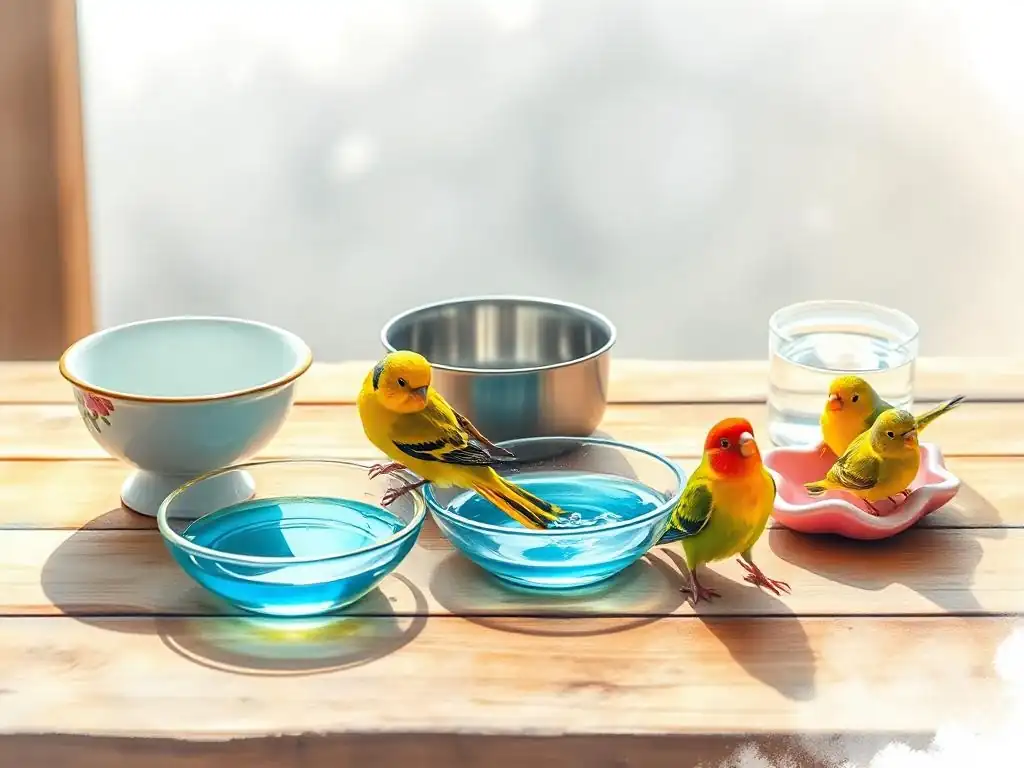
Choosing the best bird water dish size is crucial for your feathered friend's health and well-being. But equally important is selecting the right type of water dish. Different materials offer varying benefits and drawbacks, influencing both hygiene and longevity. Let's explore the most common options available. The ideal size will depend heavily on the type of dish and the size of your bird. A larger bird will naturally require a larger water capacity.
Stainless Steel Bird Water Dishes: Pros, Cons, and Cleaning Tips
Stainless steel bird water dishes are a popular choice among avian enthusiasts due to their durability and ease of cleaning. Their non-porous surface prevents bacteria from easily embedding, making them a relatively hygienic option. However, they can be more expensive than plastic alternatives.
Pros:
- Durable: Stainless steel is resistant to chipping and cracking, ensuring a longer lifespan compared to some other materials.
- Easy to Clean: A simple wipe-down or a quick wash with soap and water is usually sufficient. They're also dishwasher safe (check manufacturer instructions).
- Hygienic: The non-porous surface minimizes bacterial growth.
- Rust-resistant: High-quality stainless steel is resistant to rust, even with repeated exposure to water.
Cons:
- Cost: Stainless steel dishes tend to be more expensive than plastic or ceramic options.
- Weight: They can be heavier than other materials, making them less ideal for smaller cages or those frequently moved.
- Potential for Denting: While durable, stainless steel can dent if dropped or subjected to significant impact.
Cleaning Tips:
- Wash regularly with warm soapy water.
- Avoid abrasive cleaners that could scratch the surface.
- Rinse thoroughly to remove all soap residue.
- For stubborn stains, soak the dish in a solution of white vinegar and water.
Ceramic Bird Water Dishes: Durability, Aesthetics, and Suitability
Ceramic bird water dishes offer a pleasing aesthetic appeal, often coming in various colors and designs. Their durability is another strong point, making them resistant to chipping and cracking with proper care. However, their weight and potential for breakage are considerations. The smooth, non-porous surface makes cleaning relatively straightforward. Finding the best bird water dish size in ceramic will depend on the specific design, as sizes vary considerably.
Durability and Aesthetics:
Ceramic dishes are known for their attractive appearance and sturdiness. They can withstand daily use and occasional drops better than plastic, although extreme impacts can still cause breakage. The variety of designs available allows for customization to match your bird's cage aesthetics.
Suitability:
Ceramic dishes are suitable for most bird species, provided the size is appropriate. However, larger, heavier birds might accidentally break a delicate ceramic dish. Always supervise your bird, especially during the initial introduction of a new dish.
Plastic Bird Water Dishes: Affordability, Hygiene Concerns, and Longevity
Plastic bird water dishes are the most affordable option, making them a popular choice for many bird owners. However, they come with some drawbacks. Plastic can be more prone to scratching and harboring bacteria, especially if not cleaned properly. The best bird water dish size in plastic will again depend on the specific product, as size variations are common. Longevity is also a concern; plastic dishes are more susceptible to wear and tear compared to stainless steel or ceramic.
Affordability and Hygiene Concerns:
Plastic's low cost is a significant advantage, but it's crucial to maintain impeccable hygiene. Regular and thorough cleaning is essential to prevent bacterial growth. Some plastics can also leach chemicals into the water, so it's essential to choose food-grade, BPA-free plastic.
Longevity:
Plastic dishes are generally less durable than ceramic or stainless steel. They can easily be scratched, chipped, or even cracked, reducing their lifespan. Regular inspection is recommended to identify any damage and replace the dish if necessary. Consider the best bird water dish size in relation to the bird's potential for damaging the plastic. A larger bird might quickly damage a small, thin plastic dish.
Glass Bird Water Dishes: Elegance, Breakage Risk, and Cleaning Considerations
Glass bird water dishes offer an undeniable aesthetic appeal. Their sleek, transparent design allows for easy monitoring of water levels, ensuring your feathered friend always has access to fresh hydration. The smooth surface of glass is also relatively easy to clean, preventing the buildup of bacteria and algae that can contaminate the water and harm your bird.
Many owners appreciate the simple elegance glass brings to a birdcage, complementing various cage styles and decors. However, the inherent fragility of glass presents a significant drawback. Accidents happen, and a dropped glass water dish can shatter, posing a serious risk of injury to both your bird and yourself.
The shards can also contaminate the cage environment, requiring meticulous cleaning and potentially necessitating a complete cage disinfection. Therefore, careful consideration of placement and material durability is crucial when choosing a glass water dish. Selecting a heavier, thicker glass dish can mitigate the breakage risk, but it also increases the weight, which may be problematic for smaller cages or birds with weaker beaks.
Furthermore, while the smooth surface of glass is easy to wipe clean, stubborn stains or mineral deposits can sometimes prove challenging to remove completely. Regular cleaning with a bird-safe disinfectant is essential to prevent bacterial growth and maintain hygiene. Using a soft sponge or cloth to avoid scratching the glass is recommended.
Hard water deposits can be particularly persistent, requiring the use of a specialized cleaning solution designed for glass and bird-safe. Remember to always rinse the dish thoroughly with clean water after cleaning to remove any residual cleaning agents before refilling it with fresh water for your bird.
The decision of whether or not a glass bird water dish is suitable for your bird depends heavily on your bird's size, activity level, and the overall environment of its cage. Weigh the benefits of its aesthetic appeal and ease of cleaning against the potential risks associated with breakage before making a purchase.
Maintaining Cleanliness and Hygiene in Bird Water Dishes
Maintaining impeccable hygiene in your bird's water dish is paramount for their health and well-being. A dirty water dish is a breeding ground for harmful bacteria, leading to various illnesses. The best bird water dish size, while important for accessibility, is secondary to its cleanliness. Regular cleaning prevents the spread of disease and ensures your feathered friend stays happy and healthy. Neglecting this crucial aspect of bird care can have serious consequences, impacting your bird's lifespan and quality of life. Remember, a clean water dish is a happy bird!
Preventing Bacterial Growth in Bird Water Dishes: Daily Cleaning Routines
Daily cleaning is the cornerstone of preventing bacterial growth. This doesn't necessarily mean a complete scrub-down every day, but it does require consistent attention. A simple routine can make a huge difference. Begin by emptying the water dish completely. Then, rinse it thoroughly with warm water. A soft brush or sponge can help remove any stubborn debris. Finally, refill the dish with fresh, clean water.
Consider these additional daily practices:
- Visual Inspection: Before refilling, visually inspect the dish for any signs of contamination, such as discoloration, unusual residue, or mold.
- Water Changes: Change the water at least once a day, more often if it becomes cloudy or dirty. Birds can contaminate water quickly, especially if they bathe in it.
- Location: Position the water dish in a location that minimizes the risk of contamination from droppings or other debris.
Failing to follow a consistent daily cleaning routine significantly increases the risk of bacterial growth, potentially leading to illness in your bird. Remember, prevention is always better than cure.
Effective Cleaning Methods for Different Bird Water Dishes Materials
Different materials require different cleaning methods. The best bird water dish size is irrelevant if you can't clean it properly. Here's a breakdown:
| Material | Cleaning Method | Frequency | Considerations |
|---|---|---|---|
| Stainless Steel | Wash with warm soapy water, rinse thoroughly. Can be sterilized with boiling water. | Daily/Every other day | Durable, easy to clean, resistant to scratches and bacterial growth. |
| Ceramic | Wash with warm soapy water, rinse thoroughly. Avoid harsh abrasives. | Daily/Every other day | Generally durable but can chip or crack if dropped. |
| Glass | Wash with warm soapy water, rinse thoroughly. Dishwasher safe (check manufacturer's instructions). | Daily/Every other day | Easy to clean and see through, but can break if dropped. |
| Plastic | Wash with warm soapy water, rinse thoroughly. Avoid harsh chemicals or abrasives. | Daily | Less durable than other materials, prone to scratches and potential leaching of chemicals. |
Remember to always rinse thoroughly to remove all traces of soap. Residual soap can be harmful to your bird.
Recognizing Signs of Contaminated Water Dishes and Taking Action
Recognizing signs of contamination is crucial for preventing illness. Here are some key indicators:
- Cloudy or Discolored Water: This is a clear sign of bacterial growth or other contaminants.
- Unusual Odor: A foul smell indicates bacterial growth or mold.
- Residue or Slime: A slimy film on the surface of the dish is a sign of bacterial contamination.
- Mold Growth: Visible mold indicates significant contamination. Discard the dish immediately.
- Bird exhibiting symptoms: If your bird shows signs of illness (lethargy, diarrhea, etc. ), check the water dish for contamination.
If you notice any of these signs, immediately discard the water and thoroughly clean and disinfect the dish using a suitable disinfectant (following the product instructions carefully). If mold is present, replace the water dish. Always prioritize your bird's health and well-being. Remember, a clean water dish contributes significantly to a healthy and happy bird.
Advanced Considerations for Bird Water Dish Selection
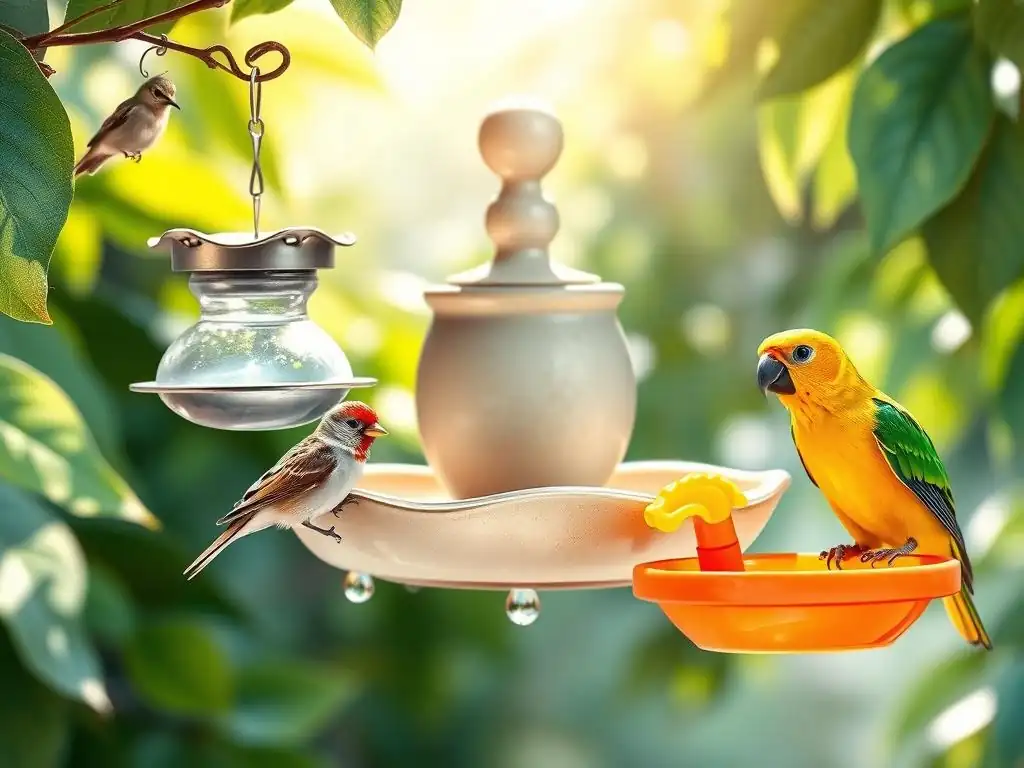
This section delves into more nuanced aspects of selecting the best bird water dish size and type, moving beyond the basics of capacity and material. Choosing the right dish is crucial for your bird's health and well-being, impacting everything from hydration levels to overall cage cleanliness. We'll explore optimal placement, alternative water sources, and considerations for birds with specific health needs. Finding the best bird water dish often requires a personalized approach.
Water Dish Placement: Optimal Positioning Within the Bird Cage
The placement of your bird's water dish significantly influences its usage and the cleanliness of the cage. Avoid placing the dish directly under perches to minimize droppings contaminating the water. Ideally, position the dish in a readily accessible yet less trafficked area of the cage. This minimizes the chances of the water being splashed or contaminated by food.
Consider your bird's species and behavior. Larger, more active birds may benefit from multiple, strategically placed water dishes to ensure easy access at all times. Smaller birds, conversely, might find a smaller dish in a quieter corner more suitable.
Think about the overall cage design. If your cage has multiple levels, consider placing a water dish on each level to improve accessibility. Observe your bird's behavior to determine the most effective placement strategy. Experimentation is key to finding the sweet spot – the location where the water remains the cleanest and your bird drinks most readily. This could involve observing your bird for a week or two after placement and adjusting as needed. Data from multiple bird owners suggests that a corner placement, away from high-traffic areas, results in cleaner water for longer periods.
Alternative Water Sources for Birds: Supplemental Water Dishes and Bottles
While a primary water dish is essential, supplemental water sources can enhance hydration and provide variety. Many bird owners supplement traditional dishes with water bottles, especially for smaller cages or birds prone to splashing. However, it's crucial to regularly clean and disinfect both types of water containers to prevent bacterial growth.
Consider offering a variety of water delivery methods. For instance, you could provide both a shallow dish (for bathing and drinking) and a bottle (for a constant supply of fresh water). This caters to different drinking preferences and reduces the likelihood of your bird getting its feathers wet while drinking. The choice between a bottle and a dish often depends on the bird's species and individual preferences. Some birds are notoriously messy drinkers and benefit from the controlled dispensing of a water bottle.
| Water Source Type | Advantages | Disadvantages | Suitability |
|---|---|---|---|
| Water Dish | Easy access, allows bathing | Prone to contamination, easily spilled | Most bird species, especially larger birds |
| Water Bottle | Prevents contamination, constant supply | Can be difficult for some birds to access | Smaller birds, messy drinkers, space-saving cages |
Remember, regardless of the type of water source used, the water should be fresh and changed daily. Regular cleaning is paramount to prevent the spread of bacteria and maintain a healthy environment for your feathered friend. Always use fresh, clean water – tap water that has been allowed to sit out for 24 hours is usually perfectly acceptable.
Addressing Special Needs: Water Dishes for Birds with Specific Health Concerns
Birds with certain health conditions may require specialized water dishes. For example, birds recovering from illness or injury might benefit from a shallow dish to prevent accidental drowning or a weighted dish to prevent tipping.
Birds with respiratory issues may benefit from humidifiers or misting systems to increase the moisture in the air. This can supplement the water intake and help alleviate respiratory problems. Always consult with an avian veterinarian before making significant changes to your bird's environment or water sources. They can provide tailored recommendations based on your bird’s specific needs and health status.
For instance, a bird with a compromised immune system might need more frequent water changes and meticulous cleaning of its water dish to minimize infection risk. Remember, proper hydration is a cornerstone of avian health, and the right water dish can play a significant role in maintaining your bird's well-being. The size and type of the dish should directly address the specific needs of the bird.
Troubleshooting Common Problems with Bird Water Dishes
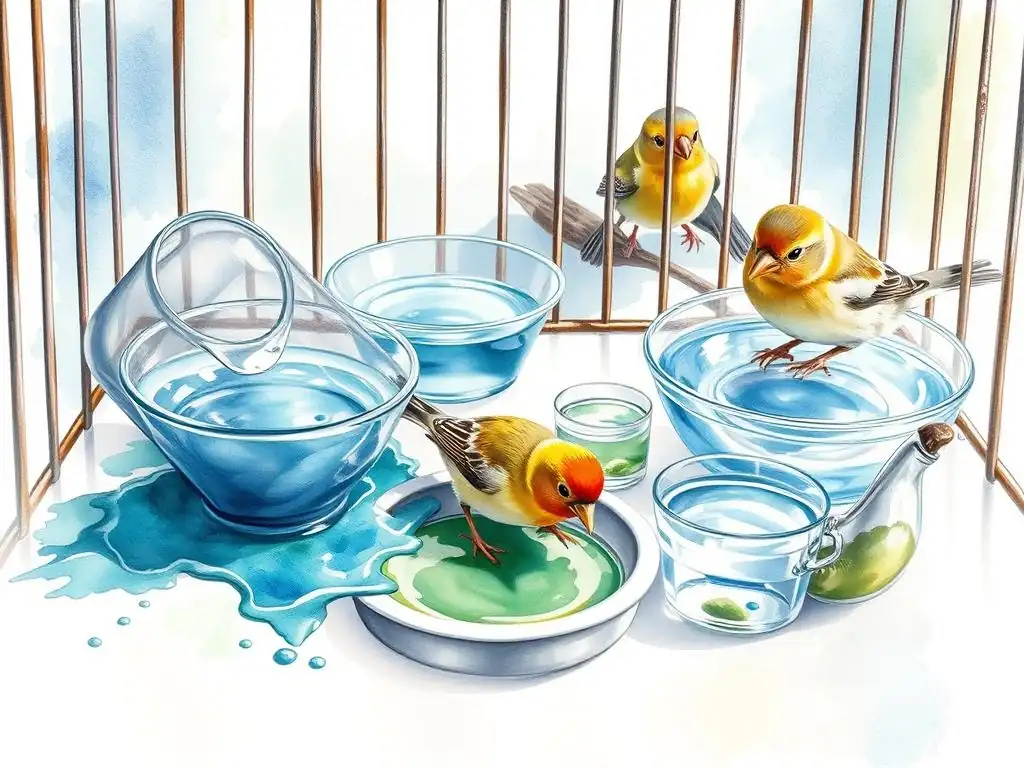
This section addresses common issues pet bird owners face with water dishes, offering practical solutions to ensure your feathered friend always has access to fresh, clean water. Finding the best bird water dish size is only part of the equation; proper placement and maintenance are equally crucial.
Dealing with Spills and Messes from Bird Water Dishes
Spills are a common frustration for bird owners. A wet cage floor can lead to mold growth, a breeding ground for bacteria harmful to your bird. The size and type of water dish significantly impact the likelihood of spills. For example, a dish that's too large for your bird's cage might be easily knocked over, leading to significant messes. Conversely, a dish that's too small might not provide enough water, forcing your bird to splash around more to access it.
Several strategies can minimize spills:
- Choose the right size and type of dish: Smaller birds benefit from smaller, shallower dishes. Larger birds can tolerate larger, deeper dishes, but consider weighted options for added stability. Consider materials like ceramic or stainless steel which are less likely to tip than plastic.
- Strategic placement: Avoid placing the water dish near perches or areas where your bird frequently plays or interacts with toys. Positioning it in a quieter corner of the cage can reduce accidental knocks.
- Regular cleaning: A clean dish is less likely to attract spills. Daily cleaning removes debris and prevents the buildup of slippery residue which can contribute to tipping.
- Absorbent cage liners: Using absorbent liners underneath the water dish can help contain minor spills and prevent the mess from spreading. Regularly changing these liners is essential.
- Alternative water delivery systems: Explore alternative systems like water bottles or automatic water dispensers which minimize the risk of spills. These are particularly helpful for messy birds or those prone to tipping over their dishes.
Preventing Bird Water Dishes from Tipping Over
A tipped-over water dish is not only messy but also deprives your bird of essential hydration. This is especially concerning for smaller birds who may have difficulty accessing water from a spilled dish. Determining the best bird water dish size also means considering its stability.
Here's how to prevent tipping:
- Weight and base: Opt for heavier dishes with a wide, stable base. Ceramic or stainless steel dishes often offer superior stability compared to lightweight plastic options. Some dishes even have suction cups to further enhance stability.
- Non-slip mats: Placing a non-slip mat or rubber liner underneath the water dish can significantly improve its grip and prevent it from sliding or tipping.
- Cage design: Consider the overall cage design. Avoid cages with overly narrow shelves or perches that could easily knock over a water dish.
- Secure mounting: Some water dishes are designed to be mounted onto the cage bars, providing a secure and stable solution. This can be particularly helpful if your bird is a notorious tipper.
- Observation and adjustment: Observe your bird's behavior and adjust the placement and type of water dish accordingly. If you notice a recurring problem, consider changing the dish or its location.
Choosing the right water dish involves more than just size. Careful consideration of stability, material, and placement is crucial for maintaining a clean and safe environment for your beloved bird, ensuring they always have access to fresh water. Remember, a happy, hydrated bird is a healthy bird! 🐦
Frequently Asked Questions about Bird Water Dish Selection
This section addresses common queries regarding the selection and maintenance of bird water dishes, focusing on ensuring your feathered friend stays well-hydrated. Choosing the right water dish is crucial for your bird's health and well-being, impacting everything from their daily hydration to the prevention of potential illnesses. Finding the best bird water dish size is just one piece of the puzzle; understanding water quality and replacement frequency is equally important.
What is the best type of water to provide to my bird?
Providing your bird with clean, fresh water is paramount. Tap water is generally acceptable, but it's crucial to ensure it's free from chlorine and other chemicals that can be harmful. Many bird owners opt for filtered water, which removes impurities and improves the taste. Bottled spring water is another suitable option, though it can be more expensive over the long term. Avoid using distilled water, as it lacks essential minerals.
The ideal water temperature for your bird is room temperature. Avoid providing excessively cold or hot water, as this can be uncomfortable and potentially detrimental to their health. Regularly check the water temperature, especially during extreme weather conditions. Always ensure the water is fresh and clean; stagnant water can become a breeding ground for bacteria and lead to illness. Consider using a water filter specifically designed for pet use to ensure optimal water quality for your feathered companion. Remember, consistent access to clean water is vital for maintaining your bird's overall health and preventing dehydration.
How often should I replace my bird's water?
The frequency of water replacement depends on several factors, including the size of your bird, the number of birds in the cage, and the type of water dish used. As a general rule, you should replace your bird's water at least once a day, and more frequently in warmer climates or during periods of high activity.
Think of it this way: imagine how quickly you'd want a fresh glass of water on a hot day! Your bird feels the same way. Aim to provide fresh water twice daily, particularly during hot weather. For larger birds or multiple birds sharing a cage, you may need to replace the water even more often.
Regularly cleaning the water dish, ideally with soap and water, is equally important to prevent the build-up of bacteria and algae. A clean dish promotes healthier drinking habits and minimizes the risk of waterborne illnesses. This simple routine contributes significantly to your bird's overall health and longevity.
What are the signs of a dehydrated bird?
Recognizing the signs of dehydration in your bird is crucial for timely intervention. Dehydration can lead to serious health complications if left untreated. Some key indicators include:
- Sunken eyes: A clear sign of dehydration is when your bird's eyes appear sunken into their sockets.
- Dry droppings: Normally, bird droppings are moist. Dry droppings are a warning sign of dehydration.
- Lethargy and weakness: A dehydrated bird may appear lethargic, less active, and weaker than usual.
- Loss of appetite: Dehydration can affect a bird's appetite, leading to a significant reduction in food intake.
- Roughened feathers: Dehydrated birds may have dull, ruffled, or unkempt feathers.
If you notice any of these symptoms, immediately contact your avian veterinarian. Prompt treatment is crucial to prevent severe health issues. Remember, prevention is always better than cure. Providing your bird with consistent access to clean, fresh water is the best way to prevent dehydration. Regularly monitoring your bird's water intake and observing them for any signs of dehydration are essential for their well-being and can help you detect potential problems early on. Staying vigilant is key to ensuring a healthy and happy life for your feathered companion.
Frequently Asked Questions
What size water dish is best for my bird?
The best size depends on your bird's size and species. Smaller birds need smaller dishes, while larger birds require larger capacity dishes to avoid frequent refills. Consider a dish that allows your bird to easily drink and bathe.
How often should I change my bird's water?
You should change your bird's water daily, or even more frequently in hot weather. Fresh, clean water is crucial for your bird's health and prevents bacterial growth. Always use fresh, clean water.
What types of water dishes are available for birds?
Many options exist, including ceramic, stainless steel, and plastic dishes. Consider material durability and ease of cleaning when choosing. Some birds prefer specific types, so observe your bird's preference.
Can I use a human drinking glass as a water dish for my bird?
While it might work temporarily, it's not ideal. Bird-specific dishes are designed for their size and needs, offering better stability and preventing spills. Dedicated bird water dishes are safer and more hygienic.
Where should I place the water dish in my bird's cage?
Place the water dish in a convenient, accessible location where your bird can easily reach it without obstruction. Avoid placing it directly under perches to minimize droppings. Consider multiple locations if you have a larger cage or multiple birds.
Final Reflection: The Unseen World of Avian Hydration
Providing the right water dish is not merely about size; it's about understanding the fundamental needs of our feathered friends and ensuring their well-being. The seemingly simple act of offering water transforms into a complex interplay of factors—size, material, placement, and even the bird's species—all impacting their health and happiness. This understanding is crucial, not just for pet owners, but for anyone who appreciates the delicate balance of the avian world.
The impact of proper hydration extends far beyond the immediate health of individual birds. It speaks to our responsibility as caretakers and our connection to the natural world. We often overlook the small details, the seemingly insignificant aspects of animal care, but these details are what truly define our commitment to their welfare. The greatness of a nation and its moral progress can be judged by the way its animals are treated.
- Mahatma Gandhi. This quote highlights the interconnectedness of our actions and the well-being of all living creatures, emphasizing the importance of even the smallest details, like selecting the right water dish.
Consider the implications of this guide. You now possess the knowledge to make informed decisions about the hydration of your avian companions. Take this knowledge and apply it. Observe your birds, understand their individual needs, and adjust their water provision accordingly. By paying attention to these seemingly small details, you're not just providing water; you're fostering a deeper connection with nature and contributing to the well-being of these remarkable creatures. Let's ensure that every bird has access to the life-sustaining hydration it deserves.
Unlock Your Bird's Hydration Happiness!
Thanks for exploring the world of bird hydration with us! You now have the knowledge to keep your feathered friend happy and healthy. Ready to put your new expertise into practice?
- Prioritize fresh water: Immediately check and refresh your bird's water dish, ensuring it's clean and filled with fresh, cool water. This is crucial for your bird's well-being.
- Offer a variety of water dishes: Experiment with different types of water dishes to find your bird's preference. Does your bird prefer a shallow dish, or perhaps a sipper bottle? Careful observation is key to understanding your bird's needs.
- Share your hydration tips: We'd love to hear your favorite tips and tricks for keeping your bird hydrated! Share them in the comments below.
What small change will you make today to improve your bird's hydration?